
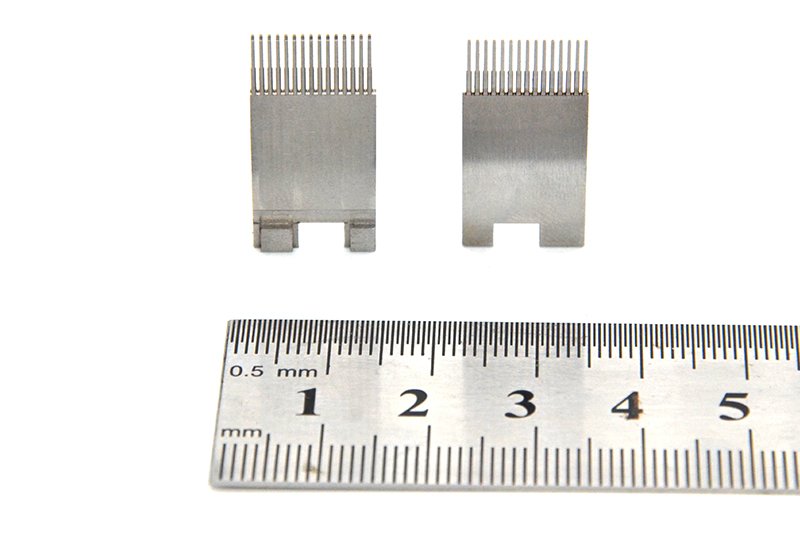
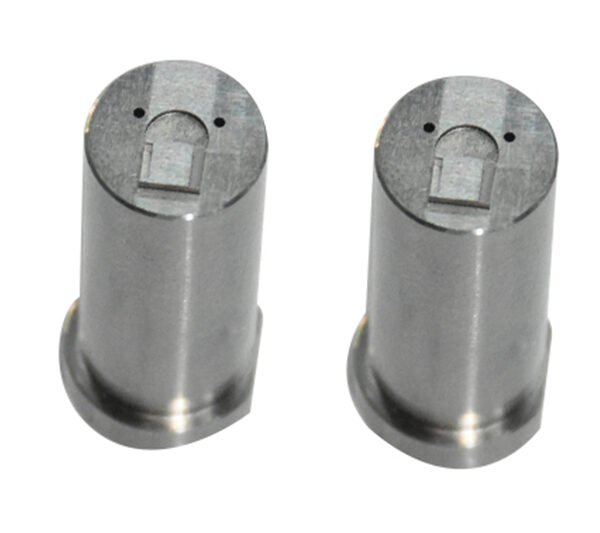
Plastic film parts · Precision mold insert
Board to Board, FPC, RF Mold Parts – Precision Connector Components Board to board, FPC,RF mold parts
Brand Xuxiang Mold
Availability Made to drawing
RFQ pricing
Quote from STEP / PDF & quantity
Engineered for modern high‑density electronics, these board to board, FPC, RF mold parts deliver stable signal transmission in compact spaces. Each molded component is designed to support reliable connector interfaces for PCB‑to‑PCB, PCB‑to‑FPC and RF modules in demanding environments. Premium insulating materials and precision tooling help reduce crosstalk, improve impedance control and extend connector life. Ideal for OEMs and EMS providers seeking consistent quality across large production runs. Integrate them easily into your existing connector designs to shorten development cycles and enhance end‑product performance.
(Board to board, FPC,RF mold parts)
- ISO 9001:2015–oriented process & documented inspection paths
- Zeiss / Nikon class metrology available for critical dimensions
- DFM feedback from 10+ senior tooling engineers
- Dongguan HQ + Quanzhou capacity for volume programs
Board to board, FPC,RF mold parts
Board to Board, FPC, RF Mold Parts – What They Are
These Board to Board, FPC, RF mold parts are precision‑molded plastic and dielectric components used inside and around electronic connectors. They form the structural and insulating basis for board‑to‑board connectors, FPC (Flexible Printed Circuit) connectors, and RF (radio frequency) connector assemblies in a wide range of devices.
In board‑to‑board and FPC connectors, molded parts define the housing geometry, contact pitch, insertion path and mechanical locking features that ensure stable mating between PCBs and flexible circuits. In RF applications, specialized molds help maintain controlled impedance and consistent dielectric spacing to support high‑frequency signal integrity.
Whether you are designing compact consumer electronics, automotive control units, industrial equipment or RF communication modules, high‑quality mold parts are critical to achieving reliable electrical connections, repeatable assembly and long‑term durability.
Key Features & Benefits
These connector mold parts are developed with the needs of professional electronic product designers, OEMs and connector manufacturers in mind.
- Optimized for Board‑to‑Board Connections: Support fine‑pitch layouts and multi‑row arrangements, helping you route signals between stacked or parallel PCBs in a compact footprint.
- Designed for FPC Interfaces: Provide precise guidance and clamping of flexible printed circuits, improving contact alignment, retention force and long‑term stability under vibration or bending.
- RF‑Ready Mold Geometries: Suitable for RF connector designs where dielectric consistency, cavity shape and contact spacing are crucial for controlled impedance and low return loss.
- High‑Quality Insulating Materials: Molded from engineering plastics selected for dimensional stability, electrical insulation, and resistance to heat and soldering processes.
- Precision Tooling and Tight Tolerances: Stable dimensions across large batches help reduce connector variation, improve yield and minimize rework on the production line.
- Flexible Customization: Available for a wide range of connector styles, contact counts and pitches, with options for latch mechanisms, polarization keys and PCB retention features.
- Reliable Mechanical Performance: Molded structures support repeated mating cycles and protect contacts from mechanical stress, improving overall connector lifespan.
Specifications & Key Attributes
The following table summarizes typical attributes of board‑to‑board, FPC and RF mold parts. Exact values and dimensions depend on the final connector design and project requirements.
| Attribute | Description |
|---|---|
| Product type | Molded parts for board‑to‑board, FPC and RF connector assemblies |
| Typical applications | PCB‑to‑PCB connectors, board‑to‑FPC connectors, RF coax and module interfaces |
| Material class | High‑performance thermoplastic insulating materials suitable for electronic connectors |
| Pitch compatibility | Supports fine‑pitch and standard‑pitch connector layouts as defined by the connector design |
| Mounting orientation | Supports vertical, horizontal and mezzanine board‑to‑board arrangements |
| FPC support features | Guiding slots, clamp structures and actuator interfaces for FPC locking mechanisms |
| RF design considerations | Dielectric geometry compatible with controlled impedance RF and high‑speed signal paths |
| Mechanical features | Polarization keys, alignment pegs, latch windows and strain‑relief shapes as required |
| Color options | Standard neutral connector colors; custom colors available on request for coding and identification |
| Production support | Suitable for automated assembly, SMT or through‑hole connector processes depending on design |
Typical Use Cases & Who They Are For
Board to board, FPC, RF mold parts are widely used wherever compact, reliable interconnects are required. They are well‑suited to:
- Connector manufacturers: Use these mold parts as the basis for your own board‑to‑board, FPC and RF connector families, reducing tooling development time and ensuring consistent quality.
- OEM electronics designers: Integrate proven housing geometries into custom interconnect solutions for consumer electronics, industrial control, telecom, medical devices and more.
- Automotive and transportation: Support connectors in ECUs, infotainment systems, ADAS modules and sensor units, where vibration resistance and stable mating are crucial.
- Industrial and instrumentation: Enable robust board‑to‑board and FPC connections in PLCs, test equipment, measurement modules and data acquisition systems.
- RF and wireless modules: Develop RF connectors and RF‑enabled board assemblies that demand carefully controlled dielectric environments and secure mechanical structures.
Because these mold parts are focused on the connector structure rather than the contacts themselves, they give engineering teams freedom to specify contact plating, spring design and termination style according to each application while relying on a stable mechanical platform.
Buying Guidance & Selection Tips
Choosing the right board to board, FPC, RF mold parts for your project involves balancing electrical, mechanical and manufacturing requirements. Consider the following when specifying parts:
- Connector type and pitch: Define whether you are building a board‑to‑board, board‑to‑FPC or RF connector, and select mold geometries that match your target pitch, row count and arrangement.
- Stack height and orientation: For board‑to‑board applications, determine the required stack height, mating direction (vertical or horizontal) and any offset between PCBs.
- FPC characteristics: For FPC connectors, confirm FPC thickness, stiffener design and insertion length to ensure compatible clamping and guidance features.
- Signal performance: In RF or high‑speed designs, work with your engineering team to evaluate dielectric structure, clearance and creepage distances, and to verify simulated or measured impedance.
- Environmental conditions: Consider expected operating temperature range, vibration level, mechanical shock and any exposure to chemicals or humidity that may influence material choice.
- Assembly method: Ensure that molded features are compatible with your assembly process, such as pick‑and‑place automation, reflow soldering and in‑circuit testing requirements.
- Future scalability: When designing a new connector family, choose mold platforms that can be easily extended to additional pin counts or configurations in future product generations.
If you are unsure which configuration is best for your application, it is advisable to review your PCB layout, FPC drawings and RF requirements with your connector engineering team so that the mold parts can be matched accurately to your design goals.
FAQ
Are these mold parts compatible with my existing board to board connectors?
Compatibility depends on the geometry of your current connector series. In many cases, mold parts can be matched to standard board‑to‑board layouts, but custom review of your drawings and specifications is recommended before final selection.
Can these parts be used for both FPC and rigid PCB connections?
Yes. Dedicated designs exist for board‑to‑board and board‑to‑FPC connectors. For FPC usage, be sure to confirm FPC thickness, insertion length and locking mechanism requirements so the mold features support secure retention.
How do I know if a mold design is suitable for RF applications?
For RF use, the dielectric material, cavity shape and contact spacing must support the target impedance and frequency range. Your RF or signal integrity engineer should review the proposed mold geometry and may run simulations or measurements before approval.
What information should I prepare before ordering custom mold parts?
Prepare your connector concept or existing drawings, including PCB footprints, 3D models, pitch, stack height, FPC data (if applicable) and any environmental or regulatory requirements. This information helps ensure that the mold parts are tailored accurately to your needs.
How are these mold parts shipped and packaged?
Parts are typically supplied in protective industrial packaging suitable for automated assembly environments. Packaging methods such as trays, tape‑and‑reel or bulk cartons may be used, depending on the part size and your production preferences.
Is there a minimum order quantity for board to board, FPC, RF mold parts?
Minimum order quantities can vary depending on whether you are using an existing mold platform or requesting a custom design. For large‑volume OEM and connector manufacturers, higher MOQs are common to keep unit costs competitive.
How should I store these mold parts before assembly?
Store the parts in their original packaging in a clean, dry environment, away from direct sunlight and excessive heat. Avoid stacking heavy items on top of the packaging to prevent deformation of the molded housings.
What is the typical lead time for production?
Lead time depends on whether the design uses existing tooling or requires new molds. Standard platforms can often be supplied more quickly, while new tooling may involve an engineering, sampling and validation phase before mass production.
Are warranty or returns available if the parts do not meet my specifications?
Warranty and returns usually follow standard industrial component policies, focusing on conformity to agreed drawings and specifications. Non‑conforming parts can typically be evaluated for replacement or credit subject to quality review.
Can I request samples for prototyping before a mass order?
Sample quantities are often available so that your engineering team can verify fit, form and function in prototype builds before committing to full‑scale production orders.
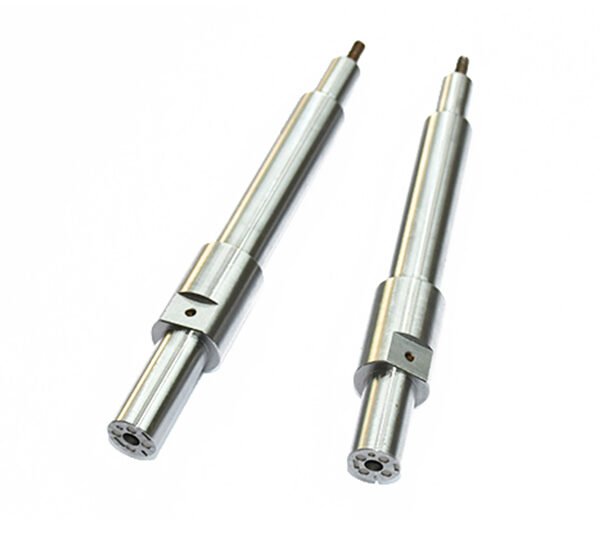
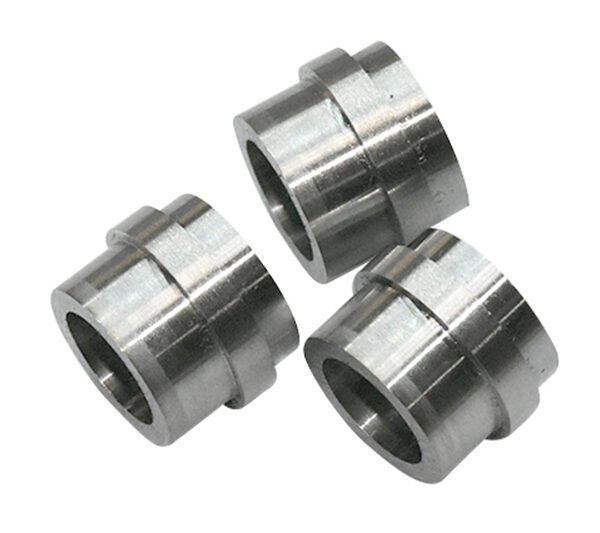
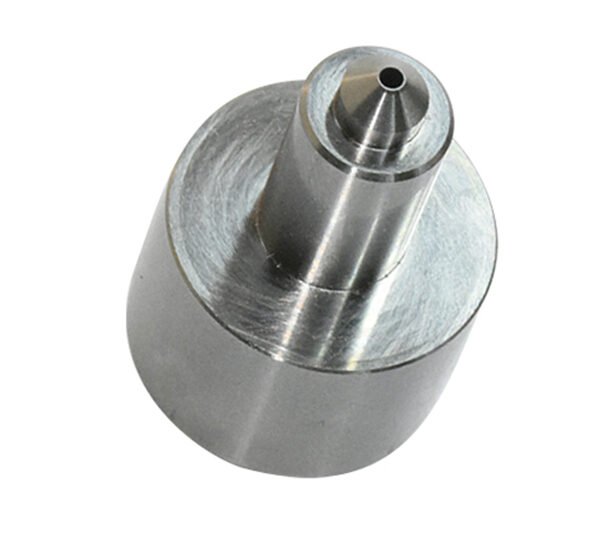
Same drawing, predictable results—next batch
Share revision, quantity ramp, and inspection level. We quote process route, ship date, and documentation in one structured response.