
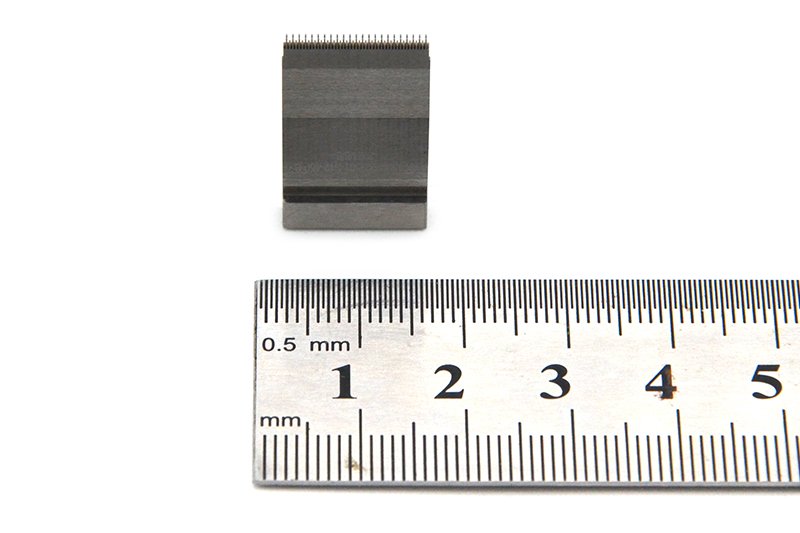
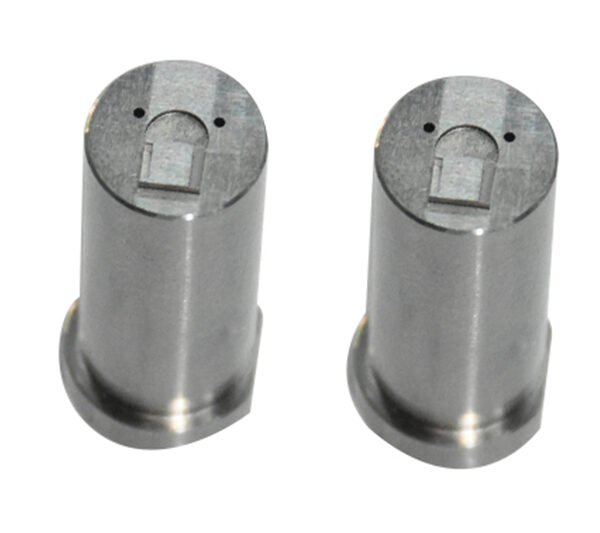
Plastic film parts · Precision mold insert
Board to Board, FPC, RF Mold Parts – Precision Connector & RF Component Solutions Board to board, FPC,RF mold parts
Brand Xuxiang Mold
Availability Made to drawing
RFQ pricing
Quote from STEP / PDF & quantity
Optimize your electronic assemblies with our precision-engineered Board to board, FPC, RF mold parts, designed for high‑reliability signal and power interconnects. From compact consumer devices to demanding industrial and RF modules, these parts help you achieve stable connections in tight spaces. Carefully selected materials and tight tolerances support consistent impedance and low-loss RF paths. Whether you are prototyping or scaling to volume production, these components are ready to integrate smoothly into your SMT and mixed-technology lines.
(Board to board, FPC,RF mold parts)
- ISO 9001:2015–oriented process & documented inspection paths
- Zeiss / Nikon class metrology available for critical dimensions
- DFM feedback from 10+ senior tooling engineers
- Dongguan HQ + Quanzhou capacity for volume programs
Board to board, FPC,RF mold parts
What Are Board to Board, FPC, RF Mold Parts?
Board to board, FPC, RF mold parts are a family of precision connector and molded RF components used to create reliable electrical paths between printed circuit boards (PCBs), flexible printed circuits (FPC/FFC), and RF modules within compact devices. They are commonly found in applications such as mobile and wearable electronics, automotive electronics, industrial control systems, IoT devices, RF front-end modules, and communication equipment.
Board-to-board connectors join two PCBs together, either parallel or perpendicular, enabling modular design and dense stacking without extensive cabling. FPC connectors provide secure yet flexible connections between rigid PCBs and flexible printed circuits, ideal when space and weight are at a premium or when the assembly must bend. RF mold parts typically refer to RF-related molded components such as shielding structures, molded RF housings, and connector overmolds that help maintain controlled impedance, reduce interference, and protect sensitive RF paths.
This combined offering allows engineers to design compact, high-performance electronic systems, integrating signal, power, and RF functions within a consistent mechanical and electrical platform.
Key Features & Benefits
Choosing the right interconnect solution can significantly improve system performance, reliability, and manufacturability. Below are the main strengths of these board to board, FPC, RF mold parts:
- High-density, space-saving design – Low-profile and fine-pitch layouts allow tight component placement, supporting slim and lightweight end products.
- Support for rigid and flexible interconnects – Board-to-board connectors handle rigid PCB stacking, while FPC connectors bridge to flexible printed circuits for folding, sliding, or hinged designs.
- Optimized RF performance – RF mold parts help manage impedance, shielding, and signal integrity, supporting low-loss RF signal paths in wireless and high-frequency designs.
- Mechanical robustness – Robust housing materials, secure latching mechanisms, and shock- and vibration-resistant structures support demanding environments such as automotive or industrial electronics.
- Manufacturing-friendly – Components are designed for automated assembly processes such as SMT reflow soldering, with clear polarization, pick-and-place features, and stable seating planes.
- Flexible configuration options – Available in multiple orientations, contact counts, and interface types so you can match your mechanical layout and signal routing needs.
- Improved serviceability – Modular board and FPC connections simplify product disassembly for repair, upgrade, or rework compared to hardwired connections.
Specifications & Attribute Overview
The exact specifications of board to board, FPC, RF mold parts vary by series and manufacturer. The table below summarizes typical attribute categories you should consider when selecting components for your project.
| Attribute | Description | Typical Options / Considerations |
|---|---|---|
| Connector Type | Defines whether the component links two PCBs, a PCB to FPC, or serves as an RF interface or molded RF housing. | Board-to-board, board-to-FPC, FPC-to-FPC, RF connector or molded RF part |
| Mounting Orientation | Specifies how the connector is oriented relative to the PCB plane. | Vertical, right-angle, mezzanine, stacking, inline |
| Pitch | Center-to-center distance between contacts; impacts density and manufacturability. | Fine pitch for compact devices, more generous pitch for easier assembly and higher robustness |
| Number of Positions | Total number of electrical contacts or pins in the connector. | Low to very high pin counts depending on signal and power requirements |
| Contact Style | How the contact engages the mating pad or pin, influencing reliability and mating force. | Top or bottom contact for FPC, dual contact, blade and beam, spring contacts |
| Termination Method | How the connector is attached to the PCB or FPC. | SMT, through-hole, mixed technology; ZIF/Non-ZIF for FPC |
| RF Performance | Suitability for high-frequency signals, including impedance control and loss. | Controlled-impedance structures, shielding features, low VSWR-focused geometries |
| Operating Environment | Conditions the part is designed to withstand. | Consumer, industrial, automotive, telecom; varying temperature and vibration levels |
| Housing & Mold Material | Plastic or composite materials used for insulating bodies and RF molds. | High-temperature thermoplastics, RF-friendly materials, halogen-free options |
| Compliance & Standards | Regulatory or industry requirements supported by the series. | RoHS-compliant, halogen-free, application-specific standards where applicable |
Use Cases & Ideal Applications
Because of their versatility, board to board, FPC, RF mold parts appear in many segments of the electronics market. Typical use cases include:
- Consumer electronics – Smartphones, tablets, laptops, cameras, and wearables rely on board-to-board and FPC connectors to fit advanced functions in slim housings, while RF mold parts support wireless modules, antenna feeds, and RF shielding.
- Automotive and transportation – Dashboards, infotainment units, ADAS modules, and sensor systems use robust interconnects designed for high temperature ranges and vibration, with RF components supporting radar, telematics, and connectivity.
- Industrial control and automation – PLCs, HMIs, drives, and sensing modules integrate stacked boards with reliable connectors and RF interfaces for wireless networking in harsh environments.
- IoT and communication equipment – Routers, gateways, RF front-end modules, and IoT edge devices benefit from compact RF connectors and mold parts that maintain signal quality while minimizing device size.
- Medical and instrumentation – Portable instruments, diagnostic equipment, and monitoring devices use FPC links and RF components to route signals through movable or sealed assemblies.
These components are especially suitable when you need to:
- Stack multiple circuit boards vertically to save footprint on the main PCB.
- Route signals through folding or sliding mechanisms using FPC.
- Integrate antennas, filters, or RF stages while controlling interference and maintaining signal integrity.
- Support modular system designs where subassemblies can be swapped, upgraded, or serviced.
Selection & Buying Guidance
When choosing board to board, FPC, RF mold parts for a new design or redesign, consider the following guidelines:
- Define signal and power requirements – Clarify current levels, voltage ranges, characteristic impedance, and maximum operating frequency. This helps determine the pitch, contact rating, and whether specialized RF structures are needed.
- Plan mechanical layout early – Consider board spacing, stack height, insertion orientation, and any movement or bending needed. Ensure the connector footprint fits within your enclosure, including z‑height clearance.
- Assess environmental conditions – Operating temperature, humidity, vibration, and potential contaminants all influence your choice of materials, plating, and locking mechanisms.
- Check manufacturing capabilities – Align your selection with the capabilities of your assembly partner, including minimum pitch they can handle, preferred termination methods, and inspection requirements.
- Consider lifecycle and serviceability – If the product may be repaired or upgraded, choose connectors with sufficient mating cycles and accessible placement for future disassembly.
- Engage with technical documentation – Review manufacturer datasheets, recommended PCB land patterns, and reflow profiles to avoid rework and ensure reliability.
By taking a system-level view—electrical, mechanical, RF, and manufacturing—you can select board to board, FPC, RF mold parts that support both your performance targets and cost goals.
FAQ
Are these board to board, FPC, RF mold parts compatible with my existing PCB layout?
Compatibility depends on your current footprint, pitch, and stack height. In many cases, you can select connector and RF mold options with similar dimensions to your existing design, but for best results review the recommended land patterns and mechanical drawings before finalizing your layout.
How are FPC connectors different from standard board-to-board connectors?
FPC connectors are designed specifically to mate with flexible printed circuits rather than rigid PCBs. They often use ZIF or low-insertion-force mechanisms and provide secure clamping of the FPC tail, allowing repeated bending and movement without stressing solder joints.
Can these RF mold parts handle high-frequency wireless signals?
Many RF mold parts are optimized for controlled impedance and low loss at high frequencies. Always check the manufacturer’s RF performance data—such as supported frequency range and return loss—to confirm suitability for your specific wireless standard or RF application.
What should I consider for soldering and reflow of these connectors?
Use the recommended reflow profile and PCB land pattern provided in the product documentation. Avoid exceeding maximum temperature ratings for the housing material, and ensure your assembly process supports the fine pitch and alignment requirements of the connectors.
How do I maintain reliability in high-vibration environments?
For automotive or industrial use, choose connector series with robust locking features, appropriate contact geometry, and proven vibration test results. Secure the mated pair mechanically where possible and follow PCB mounting recommendations to minimize stress.
Do you offer samples for prototyping and evaluation?
Sample availability depends on the specific series and distribution channel. In most cases, small quantities are available for engineering evaluation before committing to volume production; check with your sales contact or distributor.
What is the usual lead time for board to board, FPC, RF mold parts?
Lead times vary with part number, order quantity, and current supply conditions. Standard parts are often available from stock or with short lead times, while customized configurations may require a longer manufacturing window.
How are returns or warranty issues handled for these components?
Warranty and return policies typically cover defects in materials and workmanship within a defined period. To initiate a claim, you will usually need to provide the part number, purchase details, and a description of the issue so the supplier can evaluate and advise next steps.
Can I mix different connector series within one system?
You can mix series as long as mechanical and electrical compatibility is maintained, but each mating pair must come from the same series to ensure proper fit and performance. Always verify stack height, pitch, and ratings when combining different families in a single design.
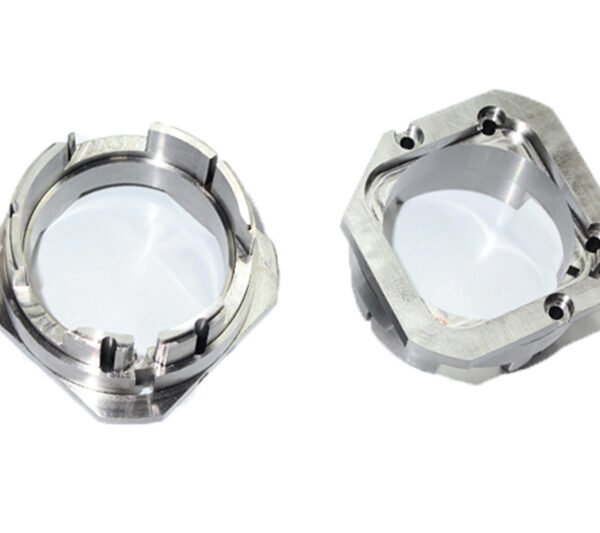
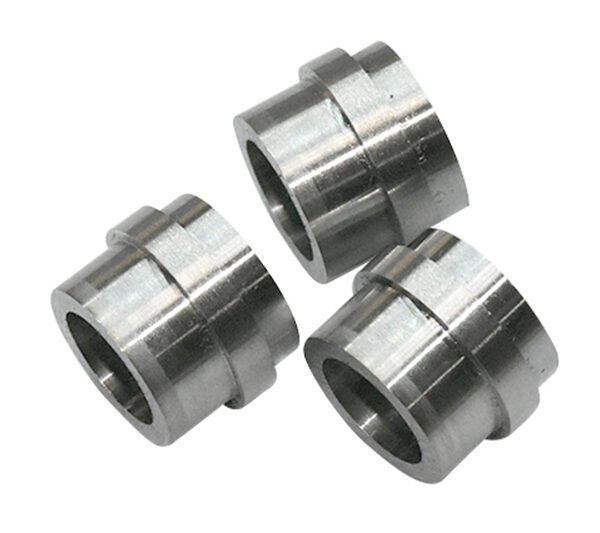
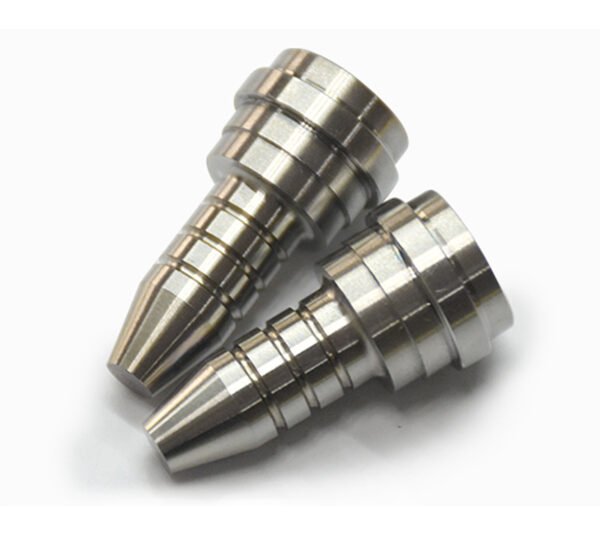
Same drawing, predictable results—next batch
Share revision, quantity ramp, and inspection level. We quote process route, ship date, and documentation in one structured response.