
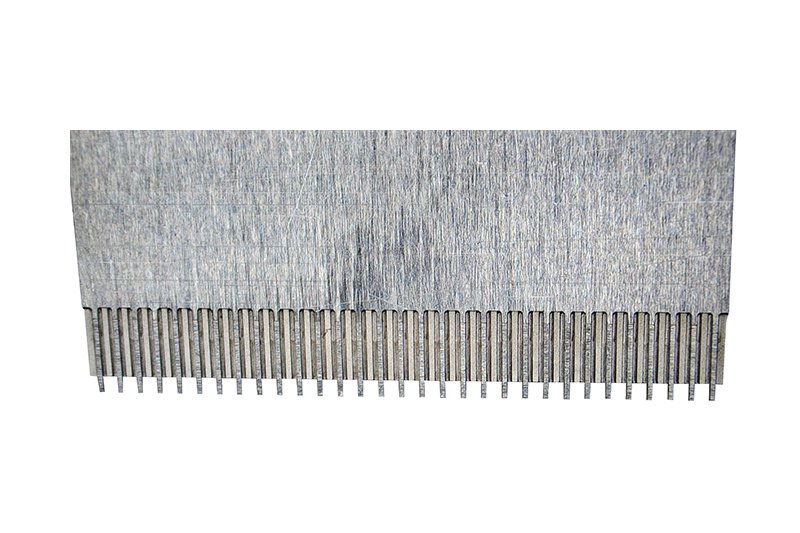
Plastic film parts · Precision mold insert
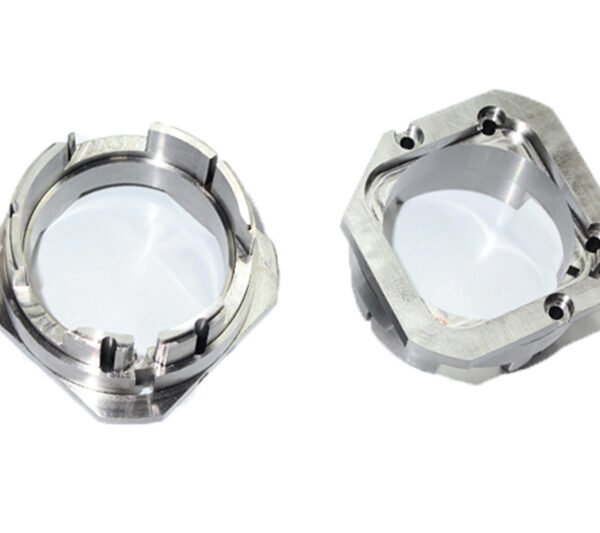
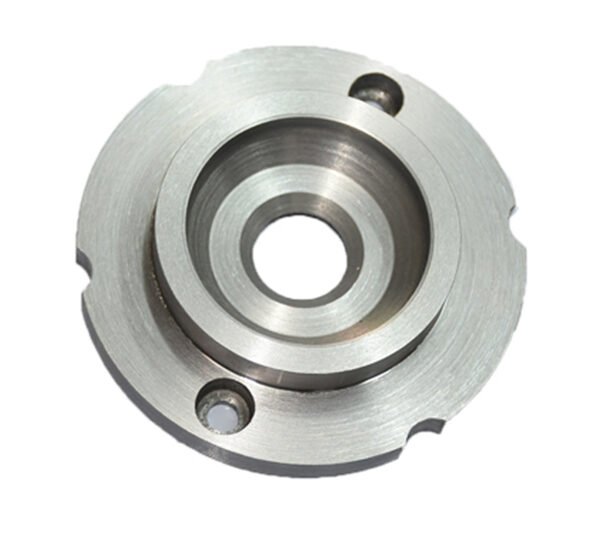
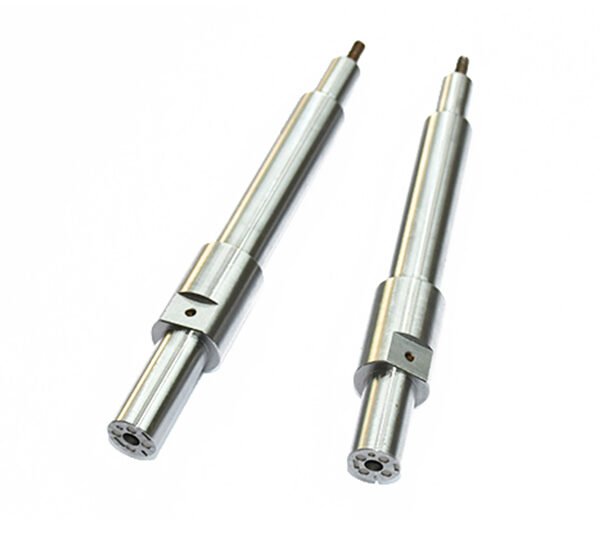
Board to Board, FPC, RF Mold Parts – Precision RF Connector & Molded Component Set Board to board, FPC,RF mold parts
Brand Xuxiang Mold
Availability Made to drawing
RFQ pricing
Quote from STEP / PDF & quantity
Upgrade your RF devices with a complete set of Board to board, FPC, RF mold parts engineered for stable high-frequency performance and long-term reliability. This precision combination of connectors and custom-molded components supports compact layouts, fine-pitch routing, and optimized RF signal integrity in modern electronics. Designers can streamline integration between rigid PCBs and flexible FPC cables while maintaining low loss and high shielding efficiency. Ideal for communication modules, IoT hardware, automotive electronics, and compact RF boards, it helps reduce assembly complexity and improve product consistency. Choose this set when you need robust mechanical strength, repeatable RF performance, and clean, space-saving interconnects.
(Board to board, FPC,RF mold parts)
- ISO 9001:2015–oriented process & documented inspection paths
- Zeiss / Nikon class metrology available for critical dimensions
- DFM feedback from 10+ senior tooling engineers
- Dongguan HQ + Quanzhou capacity for volume programs
Board to board, FPC,RF mold parts
Overview: What Are Board to Board, FPC, RF Mold Parts?
The Board to board, FPC, RF mold parts set is designed for engineers and OEMs who need reliable interconnection, compact form factors, and robust RF performance in a single, integrated solution. It typically combines:
- Board-to-board connectors for stacking or inline PCB connections
- FPC (Flexible Printed Circuit) connectors for linking rigid PCBs to flexible cables
- RF-related molded parts such as precision plastic housings, cable overmolds, shields, and mechanical support features
Together, these components enable a clean transition from RF circuitry on the main PCB to external antennas, daughter boards, or flex assemblies, while protecting the interconnect from mechanical stress and electromagnetic interference.
Whether you are building wireless modules, compact embedded systems, RF front-end assemblies, or automotive telematics units, this combination offers a practical foundation for reliable high-frequency design and streamlined production.
Key Features & Benefits
- Integrated solution for RF interconnects
Board-to-board connectors, FPC connectors, and RF mold parts are selected to work together, simplifying design decisions and reducing compatibility issues. - Supports compact, high-density layouts
Low-profile, fine-pitch connector options and tailored mold parts help you achieve tight stacking heights, small module footprints, and cleaner internal layouts. - Optimized for RF signal integrity
Connector geometries and molded support parts help maintain controlled impedance, reduce signal reflections, and minimize unwanted coupling in RF sections. - Improved mechanical robustness
Molded strain-relief elements, housings, and guides protect solder joints, FPC terminations, and delicate RF traces from vibration, shock, and handling stress. - Design flexibility with FPC routing
FPC connectors allow you to fold, bend, and route flexible circuits through tight spaces, ideal for wearable, portable, and space-constrained applications. - Production-friendly assembly
Polarized connector designs, pick-and-place compatible components, and consistent molded features help reduce assembly time and misalignment on manufacturing lines. - Scalable for different projects
From prototypes to high-volume production, the combination can be adapted to different board sizes, RF frequency ranges, and enclosure constraints.
Specifications & Key Attributes
The exact parameters of Board to board, FPC, RF mold parts will depend on the chosen connector series and custom molding design. The table below summarizes typical attributes you should consider when selecting or customizing a solution.
| Attribute | Description |
|---|---|
| Connector Types | Board-to-board mezzanine or inline connectors, FPC/FFC connectors, RF interface-compatible molded parts |
| Typical Applications | Wireless modules, IoT devices, RF front-end boards, automotive electronics, industrial control, consumer electronics |
| Pitch Options | Fine-pitch to standard-pitch configurations available; choose based on density and manufacturing capability |
| Mounting Style | Surface-mount (SMT) as standard; through-hole or hybrid options depending on series |
| Board-to-Board Orientation | Parallel stacking, coplanar, or right-angle configurations depending on system layout |
| FPC Insertion Style | Front or top entry with locking actuator; vertical or right-angle versions |
| RF Considerations | Mold parts designed to support impedance control, minimize crosstalk, and provide stable RF paths within the enclosure |
| Housing & Mold Materials | Engineering-grade thermoplastics suitable for electronics, often with good dielectric and flame-retardant properties |
| Contact Materials & Plating | Spring alloys with corrosion-resistant, low-contact-resistance surface plating for consistent performance |
| Operating Environment | Designed for typical electronic equipment conditions; specific temperature and humidity ranges depend on series |
| Customization Options | Tailored mold shapes, cable exits, mounting bosses, and connector arrangements to fit your mechanical design |
Use Cases & Ideal Customers
This product set is suitable for a wide range of RF and mixed-signal applications where space is limited and long-term reliability is critical.
Typical Use Cases
- Wireless communication modules
Integrate RF front ends, matching networks, and antennas across multiple boards or flexes inside compact housings. - IoT and smart devices
Use FPC connectors and molded strain relief to route RF signals to antennas in wearables, smart home devices, and portable instruments. - Automotive and transportation electronics
Connect telematics units, infotainment systems, and ADAS subsystems with robust mechanical support and RF-friendly layouts. - Industrial and medical electronics
Ensure stable RF performance in environments with vibration, frequent handling, or strict reliability requirements. - Consumer electronics and handhelds
Design slim, light products with stacked PCBs and flexible interconnects without sacrificing RF performance.
Who Is This For?
- Hardware design engineers working on RF or high-speed digital systems
- OEM/ODM manufacturers needing a repeatable interconnect and molding strategy
- Product development teams seeking to reduce assembly steps and BOM complexity
- Purchasing teams looking for standardized, scalable connector and mold solutions
Selection & Buying Guidance
Selecting the right combination of board to board, FPC, and RF mold parts starts with understanding your mechanical and electrical requirements. Consider the following factors during design and procurement:
- Mechanical constraints
Define board spacing, available footprint, connector height, and required orientations early in your layout. This will guide the choice between mezzanine, right-angle, or coplanar connectors and the shape of any RF mold parts. - RF performance targets
Clarify your operating frequency range, required insertion loss, and isolation. Coordinate connector series and molded features (such as ground bosses or shielding interfaces) to support consistent RF behavior. - Assembly process
Confirm compatibility with your SMT lines, reflow profiles, and inspection methods. Look for components with clear polarization, robust actuators on FPC connectors, and mold features that assist with alignment. - Environmental conditions
For automotive, industrial, or outdoor use, check material ratings, vibration behavior, and long-term reliability. Mold parts can be tailored to add extra strain relief or support where needed. - Serviceability & lifecycle
Decide whether connections need to be mated/unmated in the field or will be permanent. Choose connector durability and locking strength accordingly, and design mold parts to allow access where required. - Future scalability
When possible, standardize on connector families and mold designs that can be reused across product lines to simplify supply chain and maintenance.
By approaching the project as a complete interconnect and molding system, rather than isolated parts, you can shorten development time, improve RF consistency, and reduce total cost of ownership.
FAQ
Are these Board to board, FPC, RF mold parts compatible with my existing PCB layout?
Compatibility depends on your board spacing, pad layout, and FPC orientation. Review the connector footprints and mechanical drawings before finalizing your PCB, and adjust pad positions or board outlines as needed. When in doubt, request samples and perform a mechanical fit check.
Can I use these parts for high-frequency RF applications?
Yes, many board-to-board and FPC connector families are suitable for RF or high-speed signals when used within their specified frequency ranges. For best results, maintain controlled impedance in the PCB stack-up and coordinate the mold design to avoid sharp bends or inconsistent ground referencing around RF traces.
How do I determine the correct stacking height and orientation?
Start from your enclosure and mechanical constraints, then work backward to board spacing and connector orientation. Check the recommended stacking heights and tolerances in the connector documentation, and ensure that the RF mold parts are modeled around those dimensions to avoid mechanical stress.
What should I consider when routing FPC cables with these connectors?
Keep FPC bends gentle and within the manufacturer’s bend radius guidelines, avoid sharp edges or pinch points, and plan the cable path early in the mechanical design. Use the molded parts to provide strain relief and maintain a stable routing path, especially where the FPC exits the housing or interfaces with RF sections.
How do I care for or maintain assemblies using these connectors?
Avoid excessive plugging and unplugging beyond the rated mating cycles, and do not apply force at an angle when disconnecting. Keep connectors free of dust and contaminants, and follow standard ESD and handling guidelines for RF and high-speed assemblies.
What happens if a connector or mold part is damaged during assembly?
If a connector actuator, housing, or mold feature is visibly damaged, it is best to replace the affected component or board rather than attempting repair. Damaged locking mechanisms or misaligned mold parts can compromise RF performance and mechanical reliability.
Do you offer customization for RF mold parts and connector combinations?
Many suppliers can provide customized mold geometries, mounting features, or cable exits to match your enclosure and board layout. Share your 3D models, target frequencies, and mechanical constraints so that the design can be optimized for both RF and manufacturability.
What is the typical lead time and shipping method for these parts?
Lead times vary by connector series and whether the RF mold parts are standard or custom. Common configurations are often available from stock and can ship via standard courier services, while customized solutions may require additional tooling time. Check availability and projected ship dates during quotation.
Is there any warranty or return policy for Board to board, FPC, RF mold parts?
Warranty and returns usually follow the connector or component manufacturer’s policy. In general, unused and undamaged parts can be returned within a specified period, while custom-molded items may have more limited return options. Review the terms at the time of purchase.
Can I get engineering support for integrating these parts into my design?
Yes, most professional suppliers provide technical support, including footprint recommendations, 3D models, and design reviews. Engaging with engineering support early in your project helps you avoid layout rework and ensures that RF and mechanical requirements are fully addressed.
Same drawing, predictable results—next batch
Share revision, quantity ramp, and inspection level. We quote process route, ship date, and documentation in one structured response.