
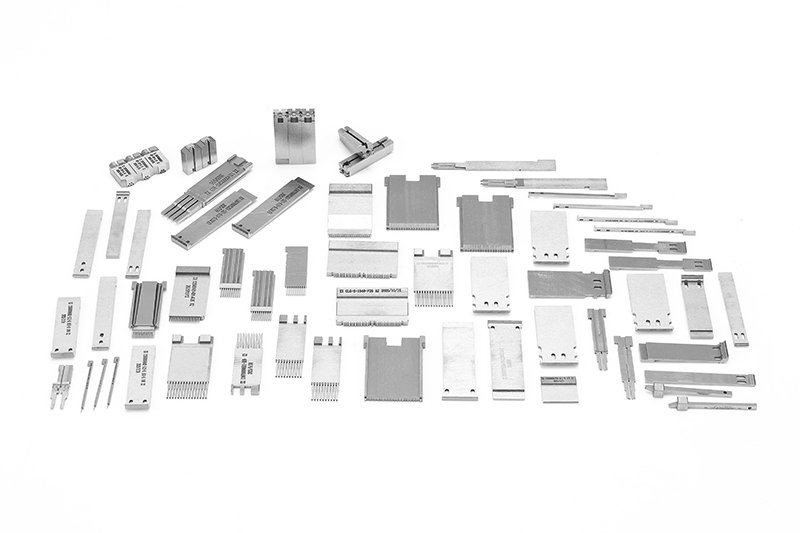
Plastic film parts · Precision mold insert
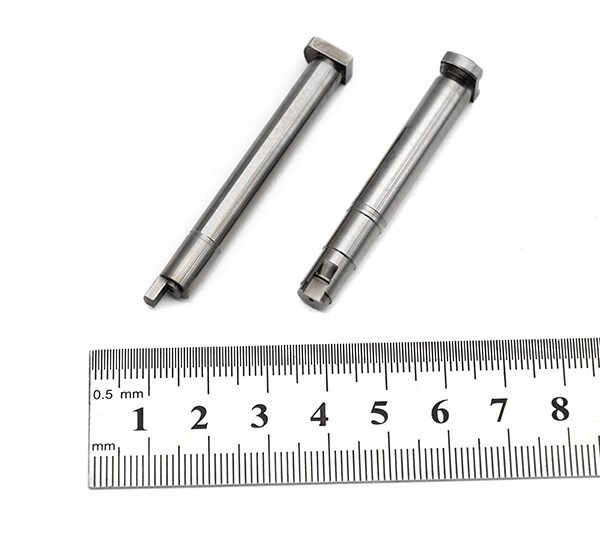
Board to Board, FPC, RF Mold Parts – Precision Connector Components for RF & High‑Density PCB Design Board to board, FPC,RF mold parts
Brand Xuxiang Mold
Availability Made to drawing
RFQ pricing
Quote from STEP / PDF & quantity
Engineer reliable RF signal paths and compact layouts with these precision Board to board, FPC, RF mold parts, designed for modern high‑density electronic assemblies. Each component is manufactured for stable impedance control, secure mechanical retention, and consistent performance in demanding environments. Ideal for RF modules, IoT devices, automotive electronics, and communication equipment, they help you save space without compromising signal integrity. Integrate them into your design to streamline PCB interconnects, simplify assembly, and enhance long‑term reliability.
(Board to board, FPC,RF mold parts)
- ISO 9001:2015–oriented process & documented inspection paths
- Zeiss / Nikon class metrology available for critical dimensions
- DFM feedback from 10+ senior tooling engineers
- Dongguan HQ + Quanzhou capacity for volume programs
Board to board, FPC,RF mold parts
What Are Board to Board, FPC, RF Mold Parts?
Board to board, FPC, RF mold parts are precision‑engineered connector components and molded RF structures used to interconnect printed circuit boards (PCBs), flexible printed circuits (FPCs), and RF modules in compact electronic designs. They typically include:
- Board‑to‑board connectors and mating parts for stacking or parallel PCB connections
- FPC connectors and RF‑optimized contacts for flexible circuit terminations
- Molded RF parts, such as housings, inserts, and shielding structures, designed to guide and protect high‑frequency signals
These parts are widely used in telecommunications equipment, wireless modules, IoT devices, automotive electronics, industrial controls, and consumer electronics where space savings, high signal integrity, and mechanical robustness are critical.
Key Features & Benefits
When selecting interconnect components for RF and high‑density designs, designers need a balance of mechanical reliability, electrical performance, and manufacturability. This family of board to board, FPC, RF mold parts addresses those needs with the following key strengths:
- High‑density, space‑saving design – Low‑profile, fine‑pitch contact geometry and compact molded structures make it easier to route signals in confined enclosures or multi‑board stacks.
- RF‑oriented performance – Molded RF parts and precision contacts are designed to support controlled impedance paths, reduce discontinuities, and help maintain signal integrity at high frequencies.
- Versatile interconnect options – Compatible with rigid PCBs, flexible printed circuits, and mixed rigid‑flex designs, allowing you to combine FPC jumpers, RF modules, and stacked boards in one system.
- Mechanical robustness – Engineered contact geometry, reliable retention features, and reinforced molded housings help resist vibration, shock, and repeated mating cycles.
- Assembly‑friendly – Designed for modern SMT and reflow processes, with clear polarization and alignment features to reduce assembly errors and improve throughput.
- Design flexibility – Available in a range of pitches, orientations, and mounting styles so you can select an optimal combination of signal density, creepage/clearance, and ease of routing.
Specifications & Key Attributes
The exact characteristics of each connector or molded RF part will depend on the specific series and configuration you choose. The table below summarizes typical attributes to consider when integrating these components into your design.
| Attribute | Description |
|---|---|
| Product Type | Board‑to‑board connectors, FPC connectors, and molded RF parts for PCB/FPC interconnect |
| Typical Applications | RF modules, wireless devices, IoT, automotive electronics, industrial control, communication equipment |
| Mounting Style | Surface‑mount and/or through‑hole depending on individual part series |
| Board Interface | PCB‑to‑PCB, PCB‑to‑FPC, and FPC‑to‑RF module connections |
| Contact Pitch Range | Fine‑pitch contacts suitable for high‑density designs (exact pitch varies by series) |
| Profile / Stacking Height | Low‑profile options for compact housings and tightly stacked boards |
| RF Considerations | Molded parts and contact layouts optimized to support controlled impedance and reduce RF loss |
| Materials | High‑temperature plastic housings, copper‑alloy contacts with protective plating, RF‑suitable mold compounds |
| Operating Environment | Designed for use in typical electronic operating temperature ranges and indoor or protected environments |
| Compliance & Standards | Specific certifications depend on the selected manufacturer and series; check individual datasheets |
Use Cases & Who These Parts Are For
Board to board, FPC, RF mold parts are suited to a wide range of design and manufacturing teams who need compact, high‑reliability interconnects:
- RF module and wireless system designers – Use these components to connect transceiver modules, filters, antennas, and baseband boards with minimal added loss and reflection.
- Consumer electronics and IoT developers – Ideal for miniaturized devices such as wearables, trackers, smart home products, and handheld equipment where vertical space and footprint are at a premium.
- Automotive and transportation electronics engineers – Combine FPC harnesses and rigid PCBs in instrument clusters, infotainment systems, ADAS modules, and telematics units while meeting stringent reliability expectations.
- Industrial and medical device manufacturers – Benefit from robust mechanical performance and secure RF connections in environments subject to vibration and continuous operation.
- Contract manufacturers and EMS providers – Standardize on proven connector and RF mold solutions to simplify procurement, streamline SMT processes, and reduce rework on high‑volume lines.
Selection & Buying Guidance
Because there is a wide variety of board‑to‑board, FPC, and RF mold components, it is important to match the part exactly to your electrical and mechanical requirements. When specifying parts for a new design or sourcing replacements, consider the following:
- Interconnect topology – Define whether you need PCB‑to‑PCB, PCB‑to‑FPC, or FPC‑to‑RF module connections, and whether the boards are stacked, parallel, or right‑angled.
- Signal type and frequency – For RF lines, review the recommended frequency range, impedance characteristics, and any layout guidelines provided by the manufacturer to maintain signal integrity.
- Pitch, pin count, and density – Choose a pitch that matches your PCB design rules and manufacturing capabilities while providing the required number of contacts.
- Mechanical constraints – Check height, length, and depth, as well as insertion/removal forces, polarization features, and retention mechanisms to ensure a robust fit in your enclosure.
- Assembly process – Verify compatibility with your soldering process (reflow profile, wave, or selective solder) and consider whether pick‑and‑place packaging and markings suit automated assembly.
- Environmental and regulatory requirements – Confirm applicable standards (such as RoHS or industry‑specific regulations) from the part’s datasheet and quality documentation.
Where possible, obtain the latest datasheets, 3D models, and recommended PCB land patterns from the manufacturer. Building prototypes and performing RF and reliability tests early in the design cycle will reduce risk and help ensure the chosen board to board, FPC, RF mold parts perform as expected in your final application.
FAQ
Are these board to board, FPC, RF mold parts compatible with my existing PCB layout?
Compatibility depends on pitch, footprint, stacking height, and orientation. Compare your current footprint to the mechanical drawings of the selected part, and verify that the pin count and keying match your existing design. For new designs, always base your land pattern on the latest datasheet.
Can I use these parts for high‑frequency RF signals?
Many molded RF parts and associated connectors are designed with controlled impedance and minimal discontinuities for RF use. However, you should review the manufacturer’s application notes and perform signal integrity simulations or measurements at your target frequency to confirm performance.
What should I consider during assembly and soldering?
Ensure your reflow or soldering profile remains within the temperature limits of the connector housing and contacts. Use the recommended PCB land pattern, follow any keep‑out areas around RF paths, and avoid excessive mechanical stress during placement and depanelization.
How do I care for and handle FPC and RF mold parts to avoid damage?
Store components in their original packaging until use to protect contacts from contamination. Avoid bending FPC tails beyond the specified radius, do not touch RF contact surfaces with bare hands, and keep parts away from ESD sources by following standard handling procedures.
Do these parts come with any warranty or quality assurances?
Warranty terms and quality guarantees depend on the manufacturer and distributor. Most reputable brands provide detailed quality documentation, reliability data, and support for technical questions. Check purchase documents or contact your supplier for specific warranty conditions.
How long does shipping usually take for these components?
Lead times vary by stock status, order quantity, and region. Common, high‑volume connector series are often available from stock, while specialized RF mold parts may require a production lead time. Consult your distributor’s current availability and shipping options for accurate delivery estimates.
Can I order custom configurations or tooling for RF mold parts?
Many manufacturers and mold specialists offer custom RF part design, tooling, and material selection for high‑volume projects. If you need a non‑standard geometry, impedance profile, or mounting arrangement, discuss your requirements directly with the supplier’s engineering team.
What if I need to replace an obsolete connector series?
If a legacy board to board or FPC connector is no longer available, compare its key parameters—pitch, pin count, height, orientation, and RF performance—to current alternatives. In some cases you can drop‑in replace; in others you may need a minor PCB revision or adapter to maintain functionality.
Are there any special storage conditions for RF mold components?
Generally, store components in a clean, dry environment, away from direct sunlight and corrosive atmospheres. Follow any moisture‑sensitivity level (MSL) guidance on the packaging, and bake components before reflow if they have been exposed to high humidity for extended periods.
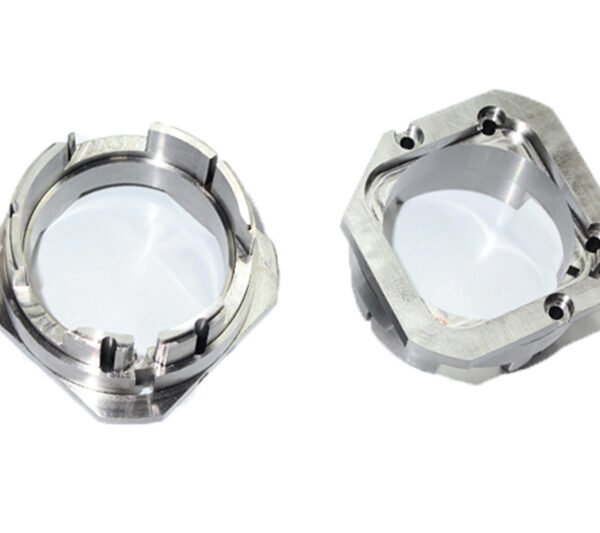
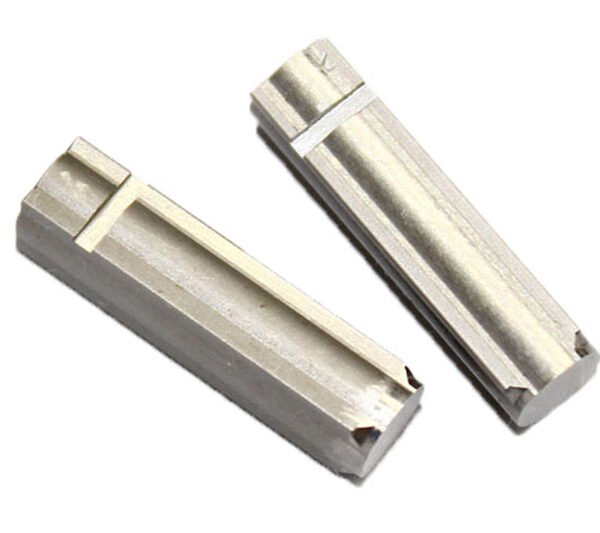
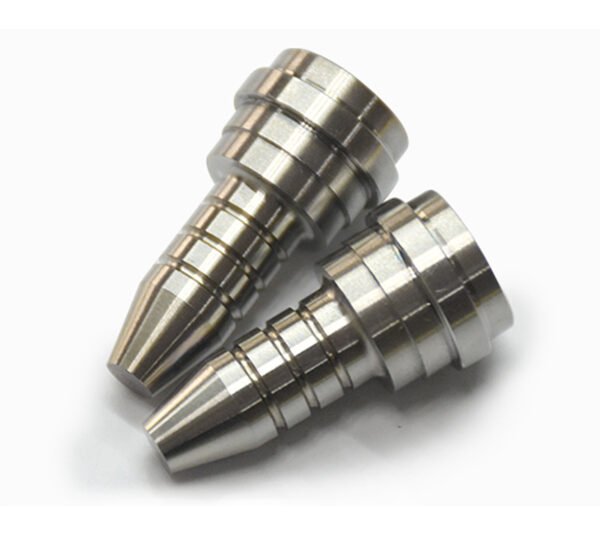
Same drawing, predictable results—next batch
Share revision, quantity ramp, and inspection level. We quote process route, ship date, and documentation in one structured response.