
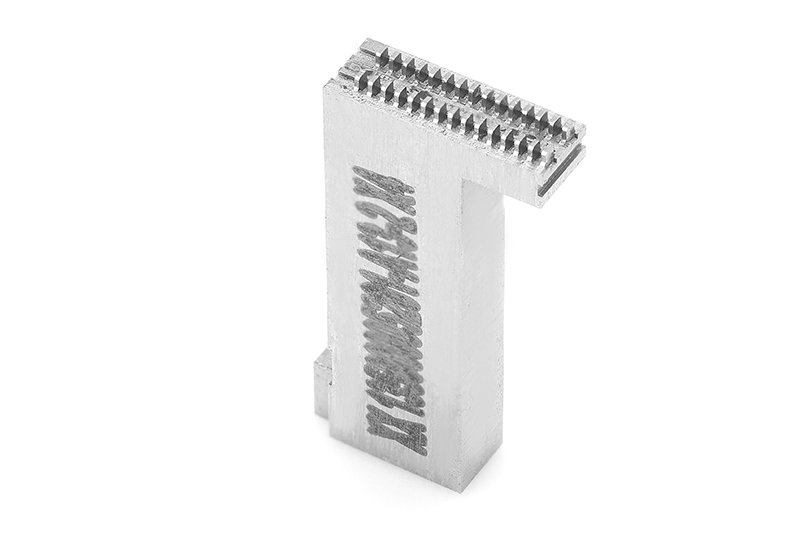
Plastic film parts · Precision mold insert
Board to Board, FPC, RF Mold Parts – Precision RF & High-Density Connector Components Board to board, FPC,RF mold parts
Brand Xuxiang Mold
Availability Made to drawing
RFQ pricing
Quote from STEP / PDF & quantity
Engineer reliable high‑frequency connectivity with our precision Board to Board, FPC, RF mold parts, designed for compact, high‑density electronic assemblies. Each component is manufactured for stable impedance control, repeatable mating, and excellent mechanical strength in demanding RF environments. From slim board‑to‑board stacks to flexible FPC terminations and RF molded housings, this parts set helps you streamline layout while maintaining signal integrity. Ideal for OEMs, EMS providers, and RF module designers looking to improve consistency and reduce development time.
(Board to board, FPC,RF mold parts)
- ISO 9001:2015–oriented process & documented inspection paths
- Zeiss / Nikon class metrology available for critical dimensions
- DFM feedback from 10+ senior tooling engineers
- Dongguan HQ + Quanzhou capacity for volume programs
Board to board, FPC,RF mold parts
High‑Precision Board to Board, FPC, RF Mold Parts for Advanced Electronic Assemblies
As electronic devices become thinner, faster, and more integrated, the quality of your interconnect system directly determines overall performance and reliability. Our Board to Board, FPC, RF mold parts are a curated range of precision components designed to help engineers build compact, robust, and high‑frequency assemblies across industrial, automotive, consumer, and IoT applications.
These parts cover three closely related categories:
- Board‑to‑board connector components and mating elements for stacking or parallel PCB connections.
- FPC (Flexible Printed Circuit) interface parts that link rigid PCBs with flexible circuits in tight or moving spaces.
- RF mold parts – molded dielectric and housing pieces optimized for RF connector shells, shielding, strain relief, and mechanical protection.
Together, they form a versatile toolkit for building high‑density, high‑speed electronic systems where mechanical precision and signal integrity are critical.
Key Features & Benefits
Engineered for High‑Density, High‑Speed Designs
Modern RF and digital boards use increasingly fine pitches and multilayer layouts. Our parts are selected to fit these constraints with:
- Fine‑pitch compatibility for compact board‑to‑board connectors and FPC terminations, supporting short stack heights and narrow outlines.
- Optimized RF geometry in molded parts for stable characteristic impedance and minimal parasitics in the signal path.
- Low profile options that allow slim device designs without sacrificing connector strength.
Reliable Mechanical and Electrical Performance
Every mating cycle and board interface must remain stable over the product lifetime. The components are designed to support:
- Consistent contact pressure for board‑to‑board and FPC interfaces to reduce micro‑fretting and contact resistance drift.
- Secure retention features such as locking geometries, molded alignment pegs, and robust solder anchors to withstand vibration and handling.
- Controlled materials in RF molds that provide dielectric stability, mechanical toughness, and good environmental resistance.
Supports Flexible and Rigid‑Flex Architectures
As flexible printed circuits are increasingly used to replace wiring harnesses and to navigate tight spaces, the FPC‑related parts make integration easier:
- Clean FPC transitions from flex to rigid board with optimized clamping and strain relief zones.
- Minimum bend‑radius friendly layouts that help avoid stress points around the termination region.
- Options for dynamic applications where the flex moves regularly and needs repeatable electrical performance.
Optimized Molded RF Housings
RF mold parts are critical to performance, not just packaging. By using RF‑aware molded geometries, you benefit from:
- Improved signal integrity via consistent dielectric structure around RF lines and transitions.
- Enhanced shielding and isolation when combined with metal shells or ground features on the PCB.
- Better environmental protection against dust, moisture, and handling damage around RF modules and antennas.
Key Specifications & Attributes
The exact configuration of Board to Board, FPC, RF mold parts can be tailored to your project requirements. Typical attributes include the following; use this table as a guide when planning your design and requesting quotations or samples.
| Attribute | Description |
|---|---|
| Product type | Board‑to‑board connector components, FPC interface parts, RF molded housings |
| Typical applications | RF modules, wireless cards, IoT devices, automotive electronics, industrial control, consumer electronics |
| Pitch / geometry | Fine‑pitch and standard‑pitch layouts; specific dimensions defined per project or connector series |
| Mounting style | Surface‑mount and/or through‑hole compatible elements depending on the chosen connector system |
| Supported interconnect | PCB‑to‑PCB stacking, PCB‑to‑FPC transitions, RF line routing and module housing |
| Material – contacts | Copper‑alloy or similar conductive metals with plating optimized for contact reliability (e.g. gold over nickel) |
| Material – RF mold | High‑performance engineering thermoplastics selected for RF stability and mechanical strength |
| Operating environment | Suitable for standard industrial and communication environments; high‑temperature or automotive‑grade options depend on selected series |
| Customization options | Geometry, pin configuration, mold design, and branding can often be customized on request |
| Compliance & testing | Typical connector and material tests (mating cycles, vibration, thermal cycling) performed according to relevant standards of the chosen series |
Typical Use Cases & Who It Is For
These Board to Board, FPC, RF mold parts are designed for technical teams who need dependable interconnect hardware for RF and high‑density systems.
RF and Wireless Designers
For engineers creating RF modules, front‑end boards, or wireless communication cards, the combination of accurate RF molded housings and board‑to‑board parts helps maintain impedance control from chipset to antenna. This is especially valuable in:
- 5G and Wi‑Fi modules within compact devices.
- GNSS, Bluetooth, and proprietary RF links in IoT and tracking products.
- Automotive telematics and in‑vehicle connectivity systems.
Industrial & Automotive Electronics
In industrial controllers and automotive ECUs, reliability, vibration resistance, and serviceability are critical. Board‑to‑board and FPC parts allow you to:
- Stack function boards vertically to save panel space in control cabinets.
- Connect sensors and user interfaces through flexible circuits that route around mechanical obstacles.
- Use molded RF housings to protect sensitive RF sections from harsh environments.
Consumer & Portable Devices
For consumer devices like handheld instruments, wearables, and smart home products, size and appearance matter as much as performance. These parts support:
- Ultra‑compact PCB layouts with short connector stack heights.
- Clean internal cabling using FPCs instead of bulky wire harnesses.
- Robust RF connections for antennas and wireless modules without compromising industrial design.
Selection & Buying Guidance
Choosing the right combination of Board to Board, FPC, RF mold parts begins with a clear understanding of your mechanical and electrical constraints. Consider the following points before specifying or ordering:
- Electrical requirements: Define signal type (RF, high‑speed digital, power), frequency range, and current levels to select suitable contact styles and RF molds.
- Mechanical envelope: Confirm board spacing, allowable connector height, and FPC bend requirements early in the design.
- Environment: Evaluate operating temperature, expected vibration, and exposure to moisture or chemicals to determine material and plating needs.
- Assembly process: Align connector and mold choices with your SMT/THT processes, reflow profiles, and inspection capabilities.
- Serviceability: Decide whether connectors will be mated only once or repeatedly, and specify durability accordingly.
If you are unsure which exact parts are best for your application, share your PCB layout constraints, RF performance targets, and environmental requirements so that a suitable configuration can be recommended.
FAQ
Are these Board to Board, FPC, RF mold parts compatible with my existing connector series?
Compatibility depends on the specific connector family and geometry you are using. In many cases, parts can be matched to common board‑to‑board and FPC connector platforms, but you should always confirm dimensions, pin counts, and mating interfaces against your current design before ordering.
How should I specify the correct size and pitch for my project?
Start from your PCB layout and FPC design: identify required pin count, available board‑edge space, and target stack height. With these constraints, you can choose a connector pitch and matching molded parts that fit mechanically while maintaining adequate creepage, clearance, and routing space for RF or high‑speed signals.
Can these parts support high‑frequency RF signals?
Yes, the RF mold parts and associated connector components are intended for RF and high‑speed applications. Final performance will depend on your overall layout, grounding, and impedance control, so it is important to follow good RF design practices and review the recommended land patterns and stack‑ups.
What should I consider for assembly and soldering?
Ensure that your reflow or soldering profile is compatible with the connector and mold materials. Maintain accurate placement using fiducials and recommended pads, and avoid excessive mechanical stress during depanelization or handling. Consult your assembly house to verify that your chosen geometry is suitable for their equipment.
How do I handle and store the components before production?
Store the parts in a clean, dry environment in their original packaging to protect contacts and molded surfaces. Avoid touching contact areas with bare hands, and keep components sealed until just before assembly to limit exposure to humidity and contamination.
What is the best way to maintain reliable connections over time?
Design in proper strain relief for FPCs and harnesses, avoid bending near the termination points, and ensure that connectors are fully mated and latched. In environments with vibration, consider additional mechanical support points on the PCB to reduce stress on the interconnects.
Do you offer customization of RF mold shapes or logos?
Many projects benefit from customized RF mold geometries or branding. Depending on order volume and technical requirements, it is often possible to adapt shapes, keying features, and external markings to fit your housing or module design.
What are the shipping options and lead times?
Standard configurations typically ship using common courier services, with lead times based on current stock levels and production schedules. Customized parts may require additional tooling and sampling time; contact sales with your forecast and project timeline for a more accurate estimate.
What is the policy on returns or quality issues?
If you encounter any quality or compatibility issues, notify support with your order details, part numbers, and a description of the problem. After review, suitable actions such as replacement, credit, or technical guidance will be arranged in line with the applicable warranty and return policy.
Same drawing, predictable results—next batch
Share revision, quantity ramp, and inspection level. We quote process route, ship date, and documentation in one structured response.