
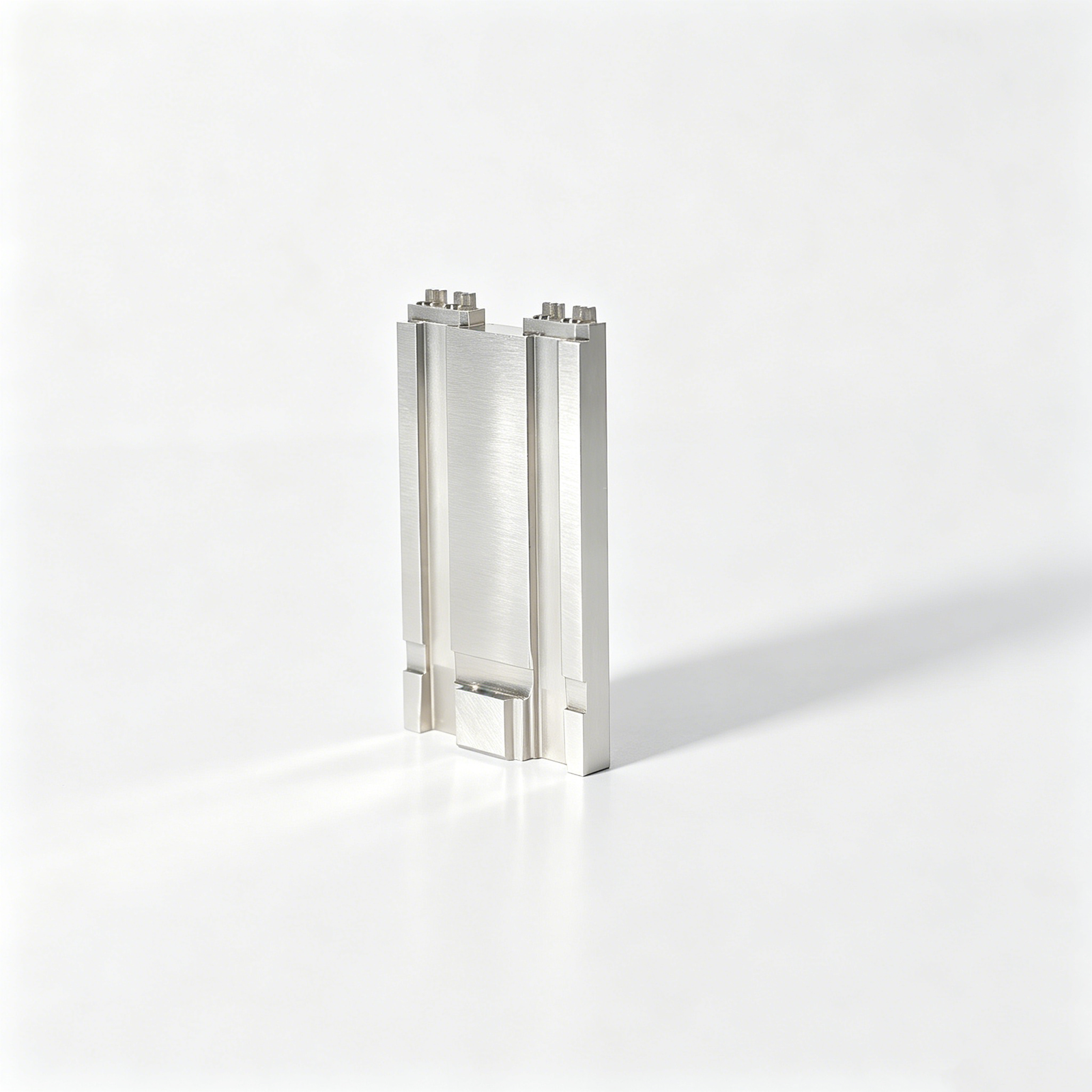
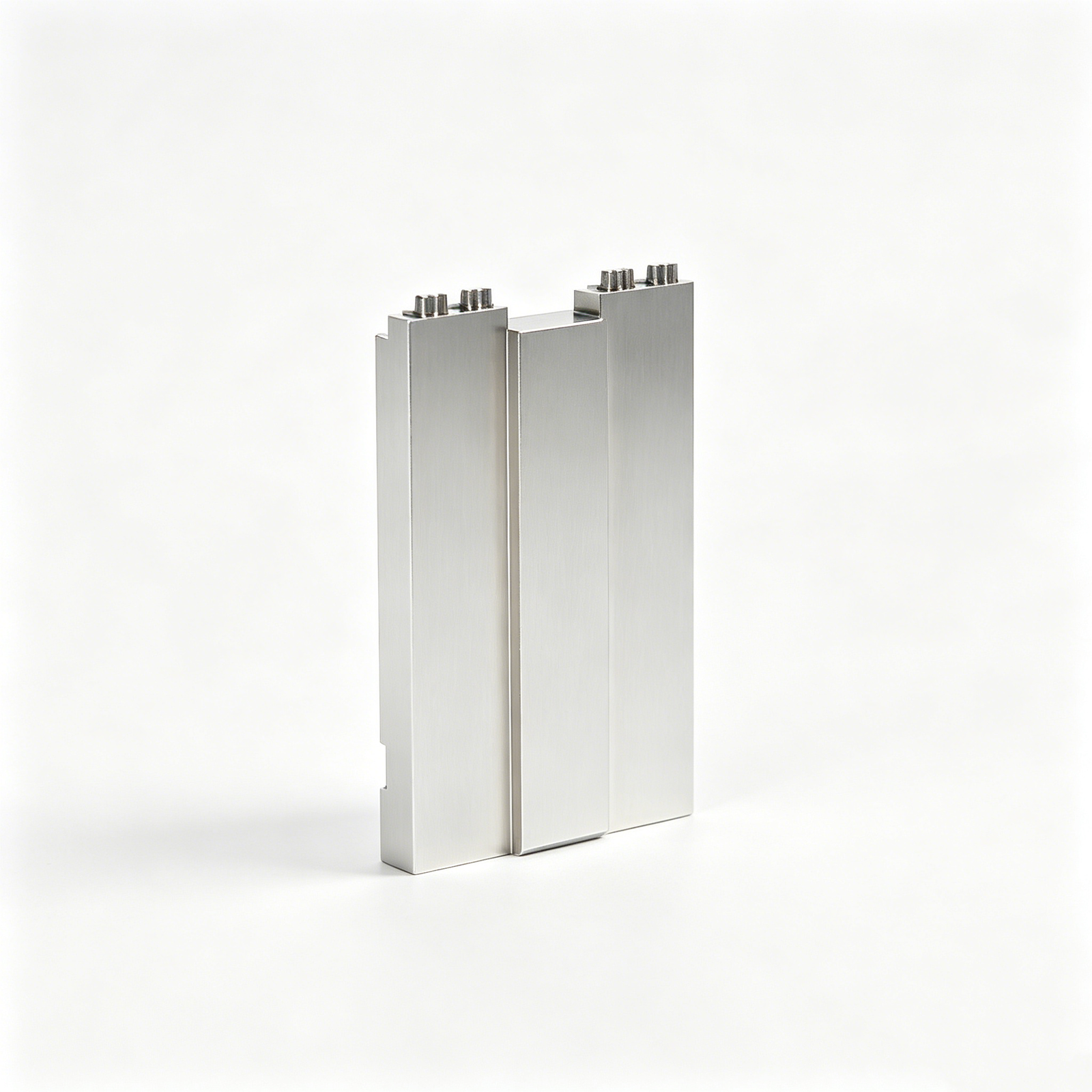
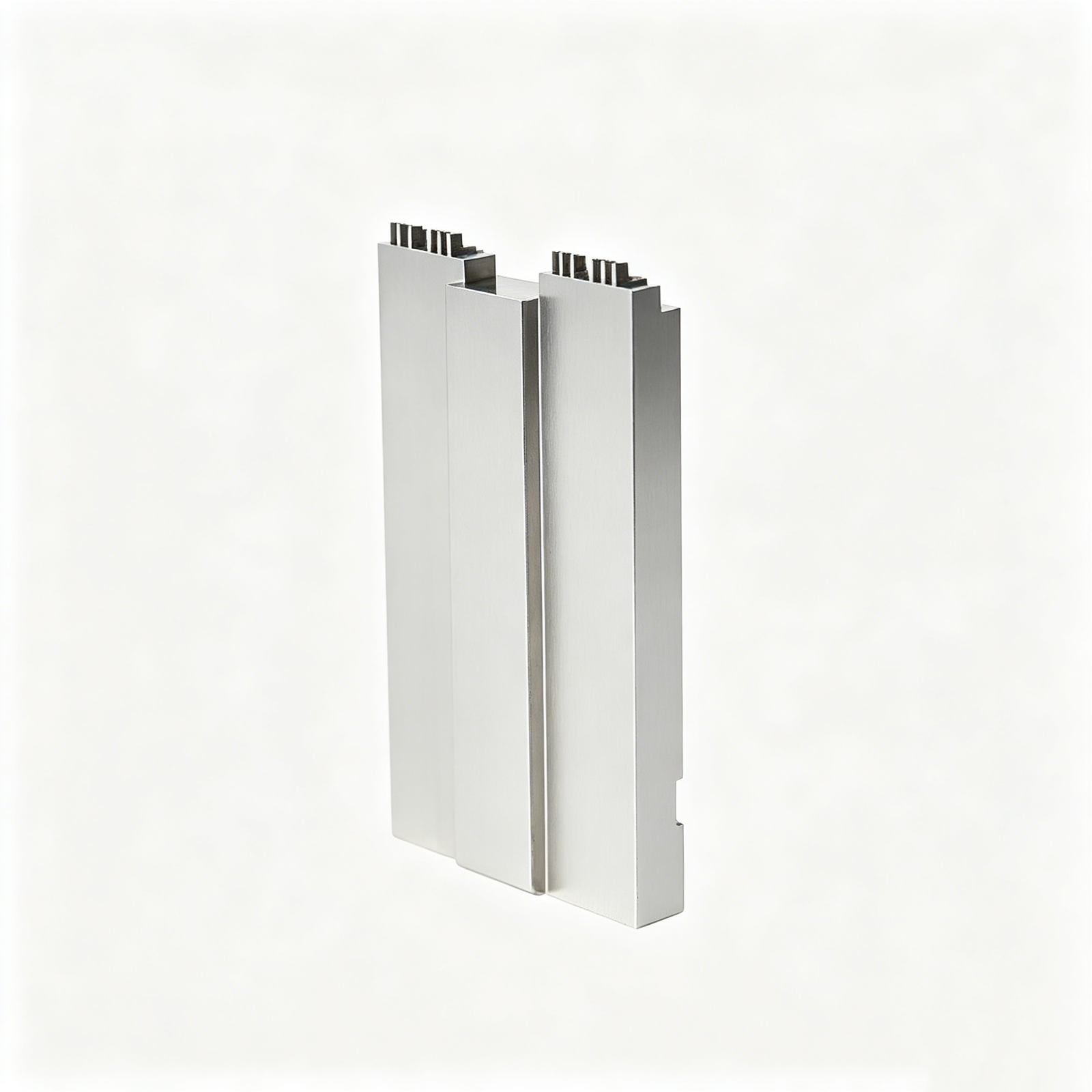
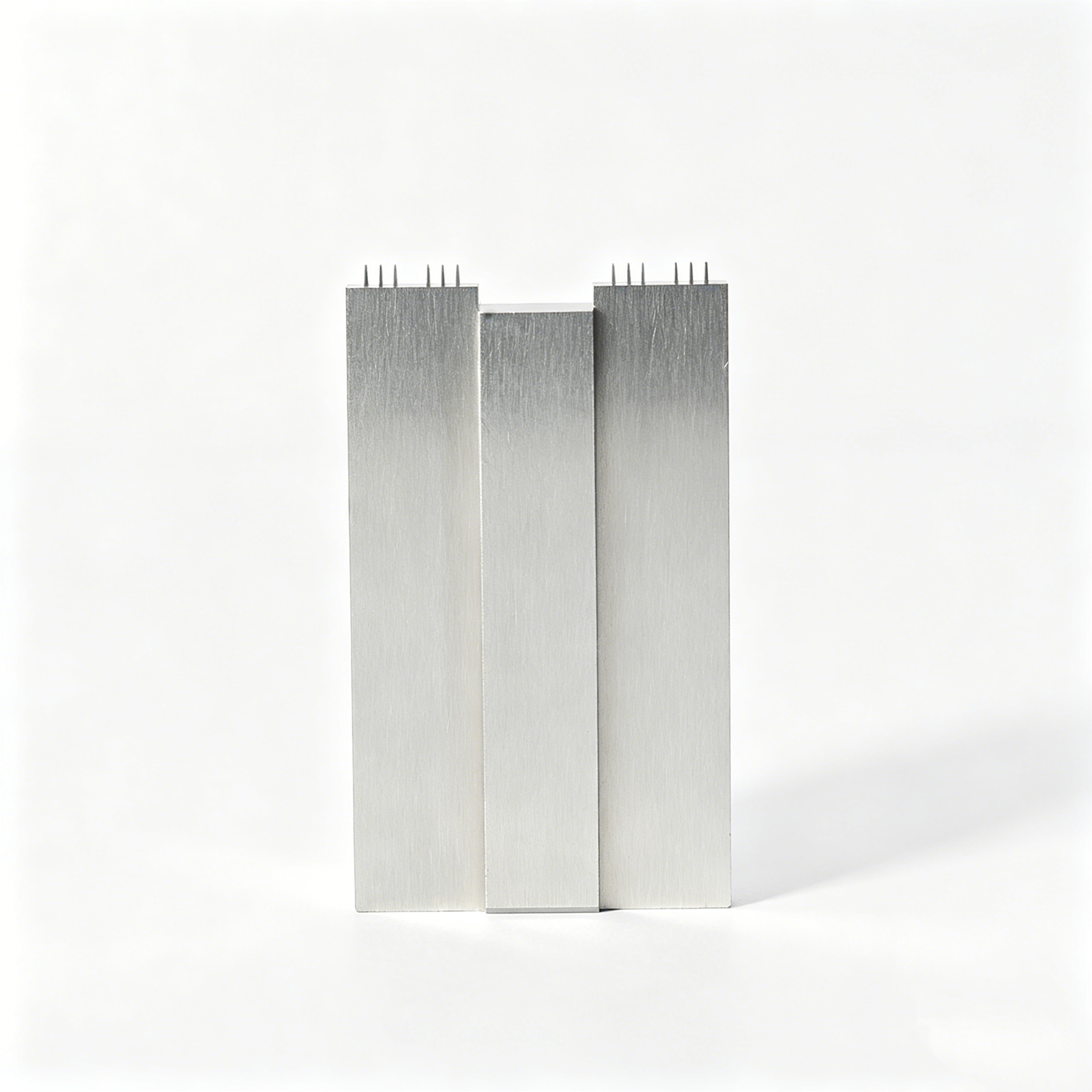
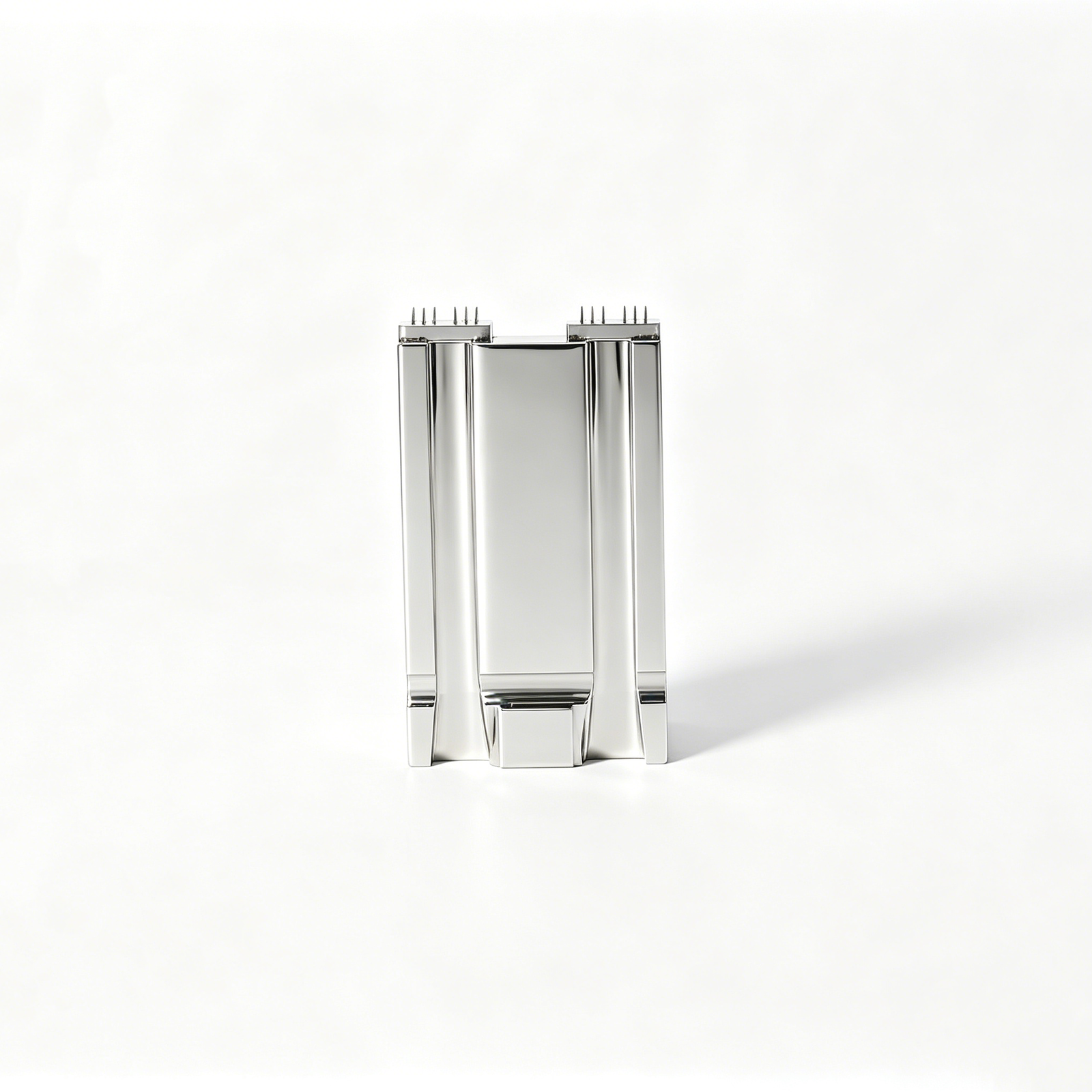
Plastic film parts · Precision mold insert
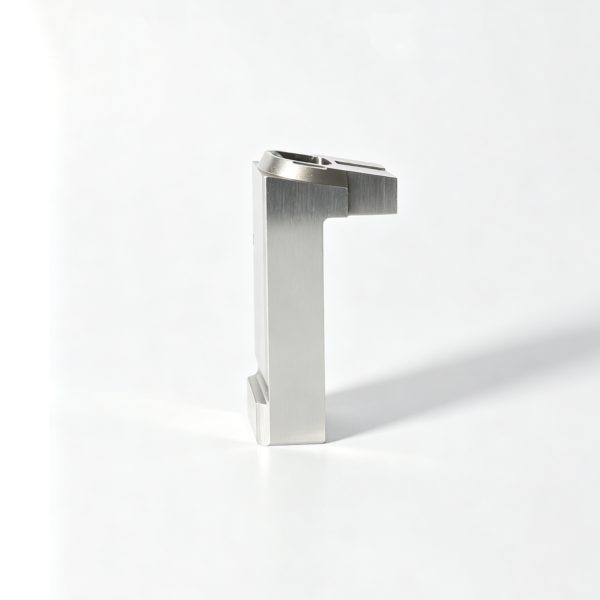
Industrial Connector Precision Mold Components for Ultra-Fine Cavities
Brand Xuxiang Mold
Availability Made to drawing
RFQ pricing
Quote from STEP / PDF & quantity
Achieve stable, repeatable connector quality with Industrial Connector Precision Mold Components engineered for ultra-fine cavities and complex geometries. Each component is manufactured from premium tool steel and finished to high precision, helping you reduce flash, burrs, and rework on multi-cavity connector molds. Ideal for high-volume injection molding of industrial, automotive, and data connectors, these components support consistent parting lines and tight dimensional control. Upgrade legacy tooling or build new connector molds that deliver longer life between maintenance cycles and more predictable production output.
- ISO 9001:2015–oriented process & documented inspection paths
- Zeiss / Nikon class metrology available for critical dimensions
- DFM feedback from 10+ senior tooling engineers
- Dongguan HQ + Quanzhou capacity for volume programs
Industrial Connector Precision Mold Components for Modern Toolrooms
High-performance connector tooling starts with rigorously engineered mold components. Industrial connector applications demand tight tolerances, reliable mating performance, and consistent electrical insulation, which all depend on the accuracy of the mold cavities, cores, and inserts that form every detail of the plastic connector body. These Industrial Connector Precision Mold Components are designed specifically for connector molds used in industrial automation, control cabinets, power distribution, and data/communication systems.
From slender core pins for terminal pockets to complex cavity inserts for multi-row housings, each component is produced from wear-resistant tool steels and processed using high-precision CNC machining, grinding, and EDM. The result is a component set that supports fine pitch features, stable wall thickness, and clean gate vestiges, helping you maintain strict dimensional and cosmetic standards across large production runs.
Whether you are building new connector molds or retrofitting existing tools, these precision components help shorten mold build time, simplify maintenance, and extend mold life. By standardizing on robust, repeatable mold parts, you can focus on optimizing processing parameters and throughput instead of constantly fighting tooling variability.
Key Features & Performance Benefits
These Industrial Connector Precision Mold Components are configured to meet the needs of connector manufacturers who operate in demanding, high-volume environments. Key characteristics include:
- Connector-focused geometry: Components are engineered for the intricate shapes of industrial connectors, including locking features, latch windows, wire-entry chamfers, and terminal retention details.
- High wear resistance: Selection of robust tool steels and surface treatments supports prolonged use with glass-filled or flame-retardant plastics commonly specified for industrial connectors.
- Dimensional stability: Precision grinding and EDM allow for tight control of critical dimensions, helping ensure reliable connector fit with mating parts, panels, and terminals.
- Optimized for multi-cavity tools: Components help maintain uniform part dimensions and balance across multi-cavity molds, supporting efficient, high-output production.
- Serviceability in the press: Many inserts and pins are designed for straightforward replacement and adjustment, reducing downtime and simplifying preventive maintenance.
- Compatibility with common connector materials: Suitable for a wide range of engineering resins used in industrial connectors, including high temperature, glass-filled, and halogen-free formulations.
By incorporating these features, the components enable connectors with more consistent wall thickness, lower reject rates, and better long-term performance in harsh industrial environments.
Technical Specifications
The following table summarizes typical attributes of Industrial Connector Precision Mold Components. Specific configurations can be tailored to individual connector projects, but the table gives a useful reference for evaluation and comparison.
| Attribute | Description |
|---|---|
| Product Type | Precision mold components for industrial connector injection molds (cores, cavities, inserts, pins, slides, lifters) |
| Typical Application | Industrial control connectors, power and signal connectors, automation I/O modules, sensor connectors |
| Material Options | High-hardness, wear-resistant tool steels and alloy steels selected for injection mold use |
| Surface Treatment | Polishing, nitriding, coating or other treatments chosen to enhance wear and corrosion resistance |
| Feature Resolution | Supports fine-pitch connector features, narrow slots, and small-diameter terminal pockets |
| Supported Mold Types | Single-cavity and multi-cavity connector molds, hot runner and cold runner configurations |
| Processing Compatibility | Designed for use with high-precision CNC machining, EDM, grinding, and standard mold assembly practices |
| Maintenance Approach | Replaceable inserts and pins, accessible seating surfaces, and service-friendly layouts for quick overhaul |
| Industry Alignment | Suited for industrial automation, energy, transportation, and related connector manufacturing applications |
Typical Use Cases & Who These Components Are For
Industrial Connector Precision Mold Components are an excellent fit for a wide range of connector manufacturing tasks. They are especially valuable for teams who must balance precision, durability, and production efficiency.
- Industrial automation connectors: Achieve consistent quality when molding connectors for PLCs, I/O modules, sensors, and fieldbus systems where repeatable performance is critical.
- Power and signal connectors: Support reliable insulation distances and creepage/clearance features in connectors used for power distribution and mixed-signal transmission.
- Harsh-environment connectors: Ensure robust housings for connectors used in environments where vibration, temperature variation, or contamination can stress plastic components.
- Custom connector projects: Toolmakers designing one-off or short-run custom connectors can leverage standardized precision components to simplify design and speed up delivery.
- OEM and Tier suppliers: Manufacturers supplying finished connectors to industrial equipment OEMs can use these components to maintain tight dimensional control across long production campaigns.
Mold design engineers, toolmakers, and production managers all benefit from the use of high-quality connector mold parts. Designers gain predictable reference geometries, toolmakers get components that assemble cleanly and repeatably, and production teams see more stable cycle times and fewer dimensional deviations.
Selection, Care & Buying Guidance
Choosing the right Industrial Connector Precision Mold Components for your project starts with a clear understanding of the connector design and the molding environment. Consider the following when specifying components:
- Connector geometry and pitch: Fine-pitch connectors and dense terminal patterns require components capable of forming very slender cores and narrow features without deformation.
- Resin and additive package: Glass-filled, flame-retardant, or high-temperature resins accelerate wear. Select components with suitable base materials and coatings to handle the chosen resin.
- Cavity count and cycle time: High-cavity, fast-cycling tools benefit most from components that maintain dimensional stability over long runs, with minimal adjustment.
- Maintenance strategy: If the mold is expected to run around the clock, choose a component set that supports rapid insert changes and straightforward polishing in the press.
- Compatibility with existing tooling: When retrofitting, verify seating dimensions, alignment features, and fastening methods so new components integrate smoothly with your current mold base.
To keep connector molds performing at their best, follow a disciplined maintenance routine:
- Clean cavity and core surfaces regularly to remove deposits and reduce risk of sticking or burn marks.
- Inspect high-wear areas such as gate regions, thin core pins, and sliding elements for early signs of wear or damage.
- Apply suitable lubricants to moving components where allowed, taking care to avoid contamination of the connector’s functional surfaces.
- Document component changes and adjustments so dimensional trends can be tracked over the life of the tool.
By combining careful component selection with consistent maintenance, you can build connector molds that deliver high uptime, predictable output, and excellent part quality for demanding industrial applications.
FAQ
Are these Industrial Connector Precision Mold Components compatible with my existing mold base?
In most cases, components can be adapted to standard mold bases as long as seating dimensions, alignment features, and fastening methods are reviewed during design. Sharing your current mold drawings with your tooling supplier is the best way to confirm compatibility.
What types of industrial connectors are these components best suited for?
They are designed for a wide range of injection-molded industrial connectors, including control cabinet interfaces, sensor connectors, power and signal plugs, and modular automation connectors that require robust housings and repeatable fit.
How should I care for these mold components to maximize service life?
Follow a regular maintenance program that includes cleaning deposits from cavity and core surfaces, checking for wear on pins and inserts, lightly polishing where needed, and storing the mold in a dry, protected environment when not in use.
Can I use these components with glass-filled or flame-retardant plastics?
Yes, the components are intended for demanding resins commonly used in industrial connectors. When specifying your order, make sure to indicate the resin type so suitable materials and surface treatments can be selected for optimal wear resistance.
What shipping options are typically available for these precision mold components?
Most suppliers offer standard and expedited shipping options for mold components. For urgent toolroom needs, you can often request express service; lead times will vary based on component complexity and customization.
What if a core pin or insert wears out during production?
Individual components can be replaced without scrapping the entire mold. Keep critical spares in stock so worn pins, inserts, or slides can be swapped quickly, minimizing downtime and maintaining part quality.
Do these components come with any form of warranty or quality guarantee?
Tooling suppliers typically provide a workmanship and material quality guarantee for connector mold components. Coverage details vary, so review the specific terms, including any conditions related to usage, maintenance, and modification.
How do I choose the right component configuration for a new connector project?
Start from the connector 3D model and molding requirements, then work with your tooling partner to define cores, cavities, inserts, slides, and lifters that best support the part design, resin, and target cycle time.
Related products
Same drawing, predictable results—next batch
Share revision, quantity ramp, and inspection level. We quote process route, ship date, and documentation in one structured response.