
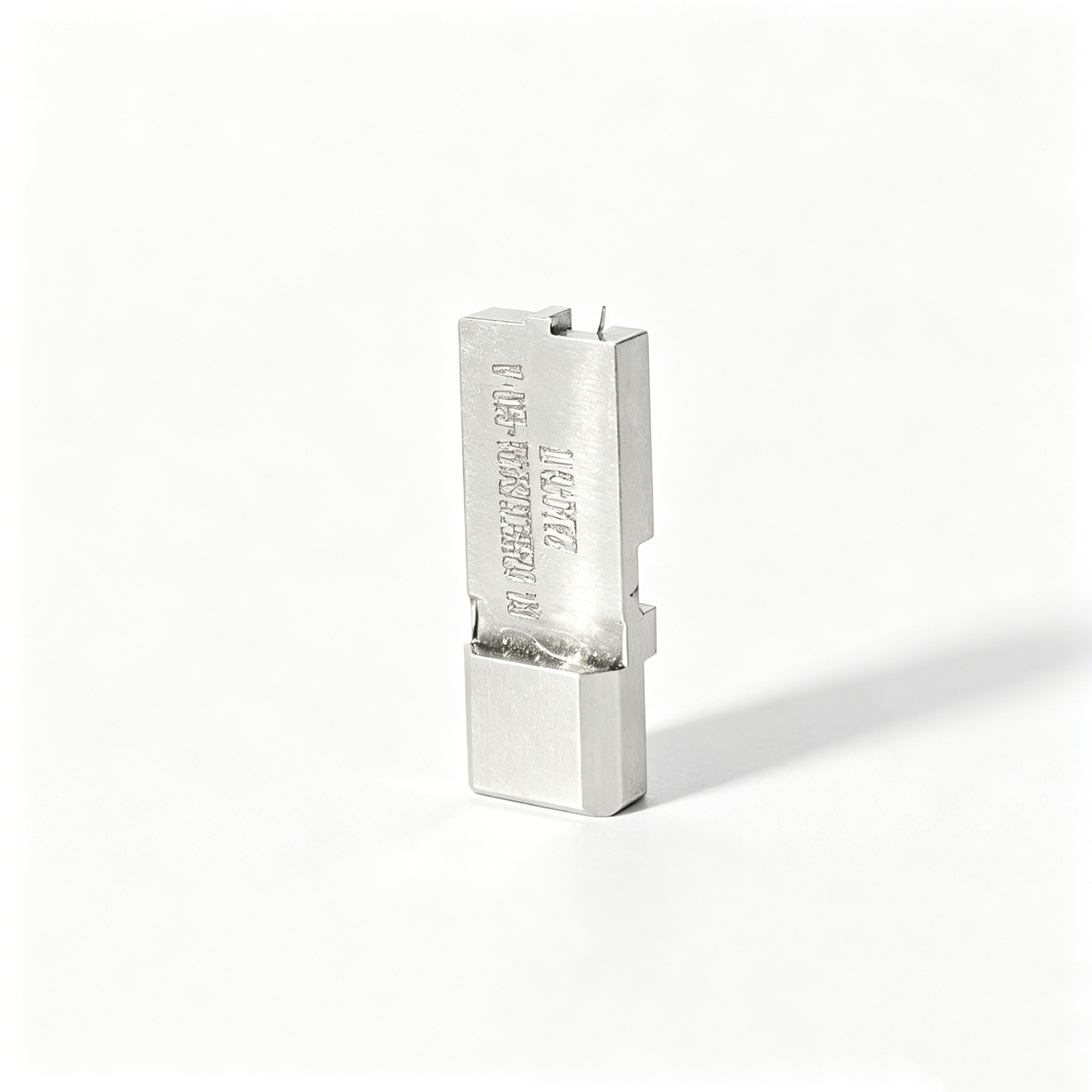
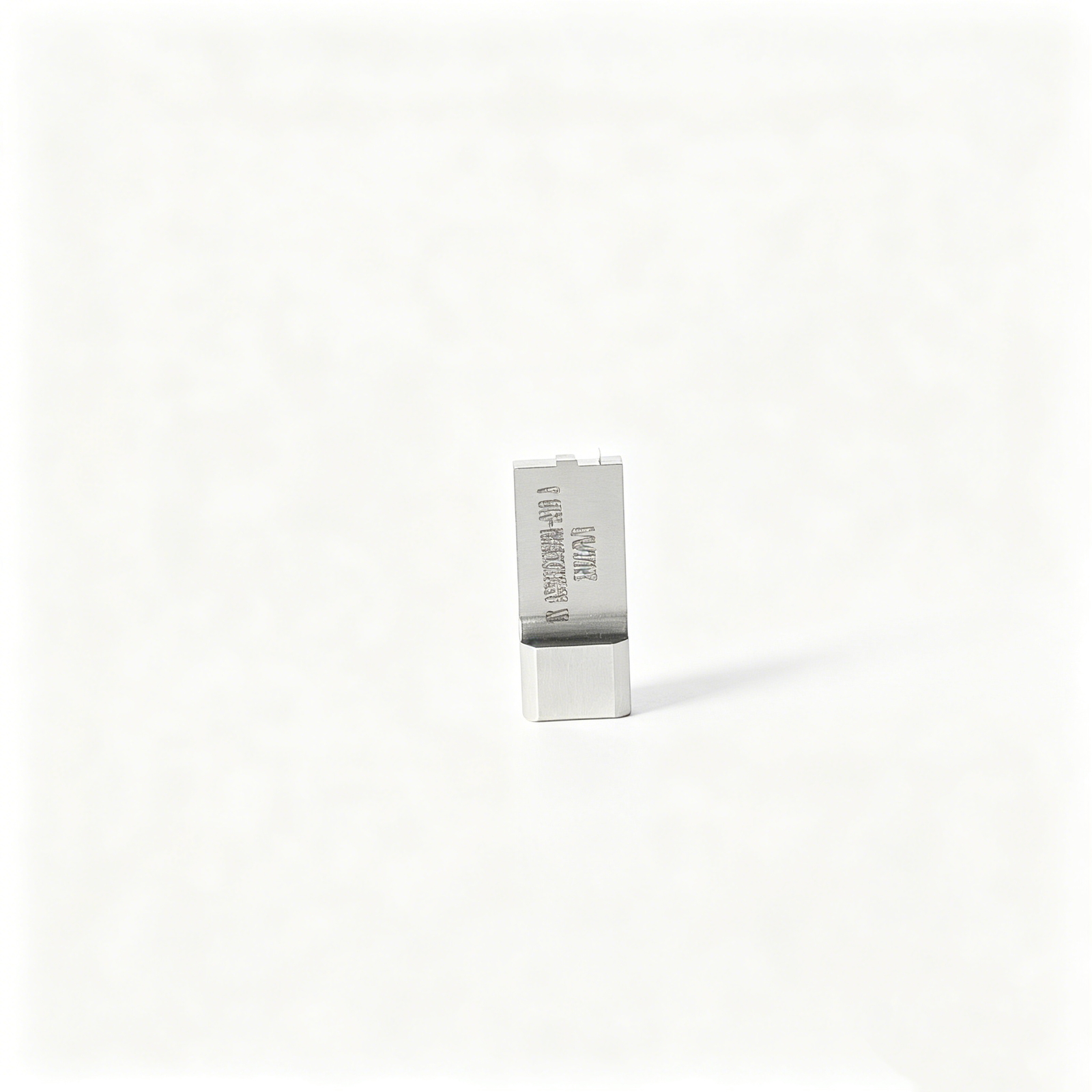
Plastic film parts · Precision mold insert
Mobile Connector Precision Mold Components for High-Speed Connector Molding
Brand Xuxiang Mold
Availability Made to drawing
RFQ pricing
Quote from STEP / PDF & quantity
Engineer faster, more reliable connector production with Mobile Connector Precision Mold Components designed for high-speed molding environments. These expertly machined inserts, cores, and cavity components help you maintain tight tolerances even under demanding cycle times. Optimized cooling and robust wear resistance support consistent part quality, stable dimensions, and minimal unplanned downtime. Choose them to upgrade existing tools or specify them in new mobile connector mold builds for improved output and reduced scrap.
- ISO 9001:2015–oriented process & documented inspection paths
- Zeiss / Nikon class metrology available for critical dimensions
- DFM feedback from 10+ senior tooling engineers
- Dongguan HQ + Quanzhou capacity for volume programs
High-Performance Mold Components for Mobile Connector Production Cells
Mobile device and automotive connectors are getting smaller, more complex, and more demanding every year. To keep up with these requirements, mold makers and injection molders depend on highly accurate, durable components that can deliver consistent dimensional stability at elevated cycle speeds. Mobile Connector Precision Mold Components for high-speed connector molding are engineered specifically for these challenges, helping you achieve stable, repeatable production even in demanding multi-cavity tools.
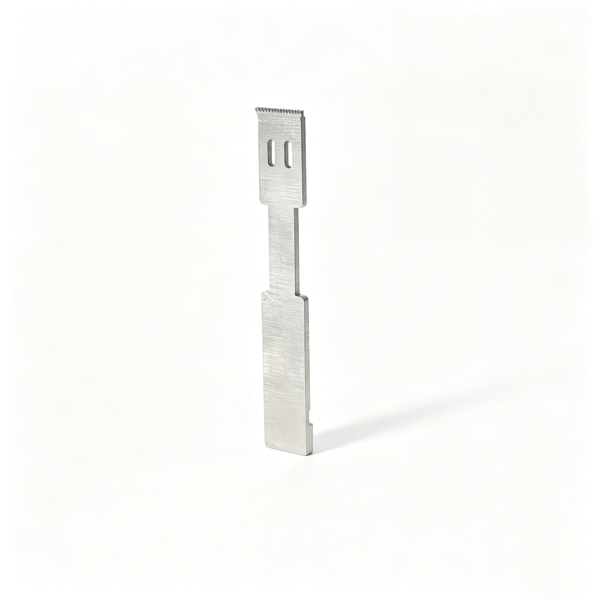
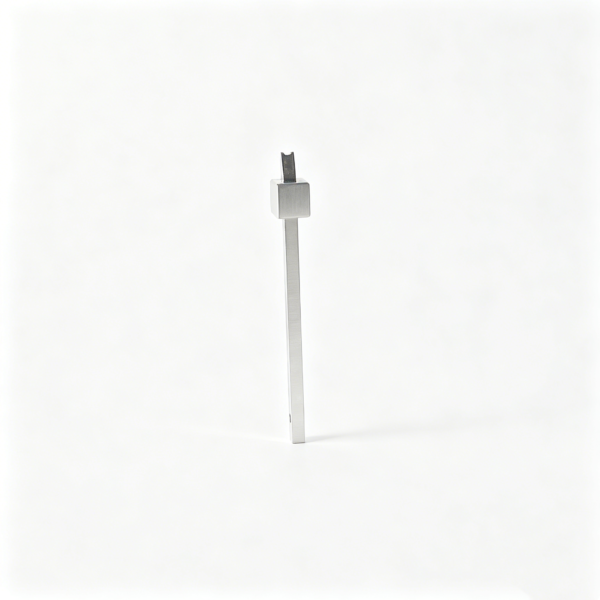
These components typically include precision cavity inserts, cores, core pins, lifters, ejector systems, and ancillary elements tailored to mobile connector designs such as plug housings, sockets, and multi-pin terminal blocks.[1][3] They are produced using high-end tool steels, optimized heat treatment, and advanced machining methods like CNC milling and EDM to meet the fine-pitch geometry and miniature features required in today’s connector platforms.[1][3]
Whether you are building a new mold for a next-generation mobile connector, upgrading an existing tool to run at higher speeds, or looking to extend tool life under high-cavitation production, these precision components provide a robust, reliable foundation.
Key Features & Production Benefits
Compared with standard mold hardware, these precision components are designed around the real-world conditions inside high-speed connector molding cells.
- Tight tolerance control: Dimensional accuracy in cavity inserts and cores helps ensure that connector housings and terminals meet strict fit and contact-spacing requirements across long production runs.[1][12]
- High-speed cycle capability: Components are designed to withstand rapid open/close cycles and high injection pressures typical for thin-wall connector parts, helping reduce cycle times without sacrificing stability.[3][12]
- Advanced wear resistance: Through careful material selection and heat treatment, critical surfaces resist wear, galling, and micro-chipping, even under abrasive glass-filled or high-temperature engineering plastics commonly used for connectors.[1][3]
- Stabilized cooling and thermal balance: Many connector-specific components are designed to integrate with optimized cooling circuits in the mold, promoting uniform cooling, reduced warpage, and improved dimensional repeatability at higher production speeds.[3][12]
- Clean demolding of delicate features: Polished and accurately aligned guiding and ejection components help protect thin walls and micro-ribs found in fine-pitch connector designs, reducing part damage and improving yield.[1][10]
- Customization for connector geometry: Since each mobile connector platform has its own profile and pin layout, components can be customized for specific project requirements, including different row counts, cavity depths, and terminal windows.[2][10][13]
The result is a mold system that can sustain higher outputs with fewer interruptions, predictable tool maintenance intervals, and consistent connector quality from cavity to cavity and lot to lot.
Specifications & Typical Configuration
Every project is unique, but the following table summarizes typical attributes and options associated with Mobile Connector Precision Mold Components engineered for high-speed applications.
| Attribute | Description |
|---|---|
| Product type | Custom precision mold components for mobile connector molds (cavity inserts, cores, core pins, ejectors, sliders, and related parts) |
| Typical applications | Mobile device connectors, automotive mobile charging connectors, data and signal connectors, compact plug and socket housings[1][3][12] |
| Material options | High-grade tool steel, pre-hardened steel, stainless steel, and copper alloys selected according to wear, thermal, and corrosion requirements[1][3] |
| Manufacturing processes | CNC milling, precision grinding, EDM / wire EDM, polishing, and optional surface treatments for wear and corrosion resistance[1][3] |
| Supported connector complexity | Fine-pitch terminals, multi-row pin layouts, micro-features, thin walls, and intricate locking and keying details[10][12][13] |
| Customization level | Fully customized geometry based on customer CAD data, material recommendations, and cooperation on gate and cooling layouts[2][10][13] |
| Compatibility | Designed for integration into new tools or as replacements/upgrades in existing connector mold bases from a wide range of manufacturers |
| Target production environment | High-speed, high-cavitation injection molding cells for mass production of mobile connectors with strict quality requirements[3][12] |
| Quality control | Dimensional inspection against CAD, surface finish verification, and experimental mold trials as required to confirm performance[1][3] |
| Typical collaboration workflow | Review of connector design, DFM recommendations, component design and approval, sample production, and iterative optimization[3][12] |
Use Cases & Who These Components Are For
Mobile Connector Precision Mold Components for high-speed molding are ideal for tooling projects where productivity and dimensional stability are equally critical.
- Toolmakers building new connector molds: If you are designing a fresh mold for a high-volume mobile connector project, specifying precision inserts and cores helps ensure the tool will hit targeted cycle times and quality requirements from the outset.[3][12]
- Molders upgrading existing production cells: Replacing worn or basic inserts with high-performance components can improve part consistency, reduce flash, and stabilize cycle times in established connector programs.
- OEMs consolidating platforms: When connector families are being standardized across multiple mobile devices, precision components support multi-cavity tools that must produce parts interchangeable across devices and plants.
- R&D and pilot projects: Development teams can rely on accurate, repeatable components to evaluate new connector geometries, alternative resins, and finer pitches before ramping to full-scale production.[10][12]
- Automotive and industrial electronics suppliers: For mobile or in-vehicle connectors exposed to vibration, temperature swings, and frequent mating cycles, the dimensional repeatability enabled by these components helps ensure long-term reliability.[1][3]
Any organization that needs to combine miniaturization, complex geometry, and high-speed output will see tangible benefits from using properly engineered precision components in their connector molds.
Selection, Maintenance & Buying Guidance
Selecting the right combination of precision components starts with understanding the connector’s functional requirements: electrical performance, mating forces, environmental conditions, and regulatory constraints.[3] These factors inform the resin choice, which in turn influences the selection of tool steels, surface treatments, and cooling strategies for the mold inserts and cores.[1][3]
When sourcing Mobile Connector Precision Mold Components, consider the following:
- Share complete CAD data: Providing accurate 3D models and 2D drawings of the connector and mold layout allows the component supplier to align tolerances and fits with your internal standards.
- Discuss resin and process conditions: Information on melt temperature, fill pressure, and cycle time helps select appropriate materials and surface treatments for wear and corrosion resistance.[1][3]
- Clarify target cavitation and throughput: Higher cavitation and aggressive cycle times require more robust design choices and potentially different cooling or guiding solutions.[3][12]
- Plan for maintenance: Agree on recommended maintenance intervals and inspection practices for critical components such as fine core pins and small ejectors, including cleaning, lubrication, and surface touch-up.[1][3]
- Evaluate trial support: Many connector mold specialists support initial mold trials with guidance on fine-tuning process parameters to extract maximum performance from the components.[3]
With proper selection and care, high-speed-optimized precision components help keep connector molds running within target tolerances for long production campaigns, reducing tooling-related downtime and scrap.
FAQ
Are these Mobile Connector Precision Mold Components compatible with my existing mold base?
In most cases, components can be engineered to fit your existing mold base, provided accurate drawings or 3D data are available. Critical interfaces such as locating features, mounting holes, and cooling connections are matched to your current design so that inserts can be swapped with minimal modification.
What information do I need to provide when ordering components for a new connector project?
You should provide connector CAD files, expected resin type, required cavitation, target cycle time, and any special surface or dimensional requirements. This allows the supplier to propose suitable materials, tolerances, and cooling concepts that support your high-speed production goals.[3]
How do I know if these components will support high-speed production in my plant?
During the design phase, the supplier evaluates your planned injection parameters, clamping force, and automation setup. They can then recommend geometry, materials, and surface treatments proven in similar high-output connector applications to help ensure stable performance.[3][12]
What maintenance do high-speed connector mold components require?
Regular cleaning of resin deposits, inspection of fine core tips and edges, lubrication of moving parts, and periodic verification of critical dimensions are recommended. Establishing a preventive maintenance schedule based on your cycle volume helps keep part quality stable and prevents unexpected failures.[1][3]
Can these components handle glass-filled or high-temperature engineering plastics?
Yes, appropriate tool steels, heat treatments, and surface finishes can be specified to resist abrasive wear and thermal stress associated with reinforced or high-temperature materials. It is important to share resin data early in the project so the component design can account for these conditions.[1][3]
Do you support multi-cavity and family mold layouts for mobile connectors?
Precision components can be configured for single-cavity, multi-cavity, or family molds, including different connector variants in the same tool. Special attention is paid to balance, cooling, and ejection so that all cavities deliver consistent parts in high-speed runs.[3][12]
How are the components inspected before shipment?
Manufacturers typically perform dimensional inspection against CAD, verify surface finishes, and check critical tolerances on high-precision features. For complex projects, sample assemblies or trial shots may be used to confirm fit and function.[1][3]
What is the typical lead time for custom connector mold components?
Lead time depends on complexity, material availability, and order volume. Simple replacement inserts can often be supplied relatively quickly, while fully customized, high-cavitation sets may require additional design and validation time. Discuss your project schedule early so capacity can be aligned with your launch plan.
What is the return or warranty policy for these precision components?
Warranty terms vary by supplier, but they generally cover manufacturing defects and dimensional nonconformance within agreed specifications. Any issues are usually addressed through inspection reports, replacement components, or corrective adjustments in collaboration with your tooling and production teams.
Related products
Same drawing, predictable results—next batch
Share revision, quantity ramp, and inspection level. We quote process route, ship date, and documentation in one structured response.