
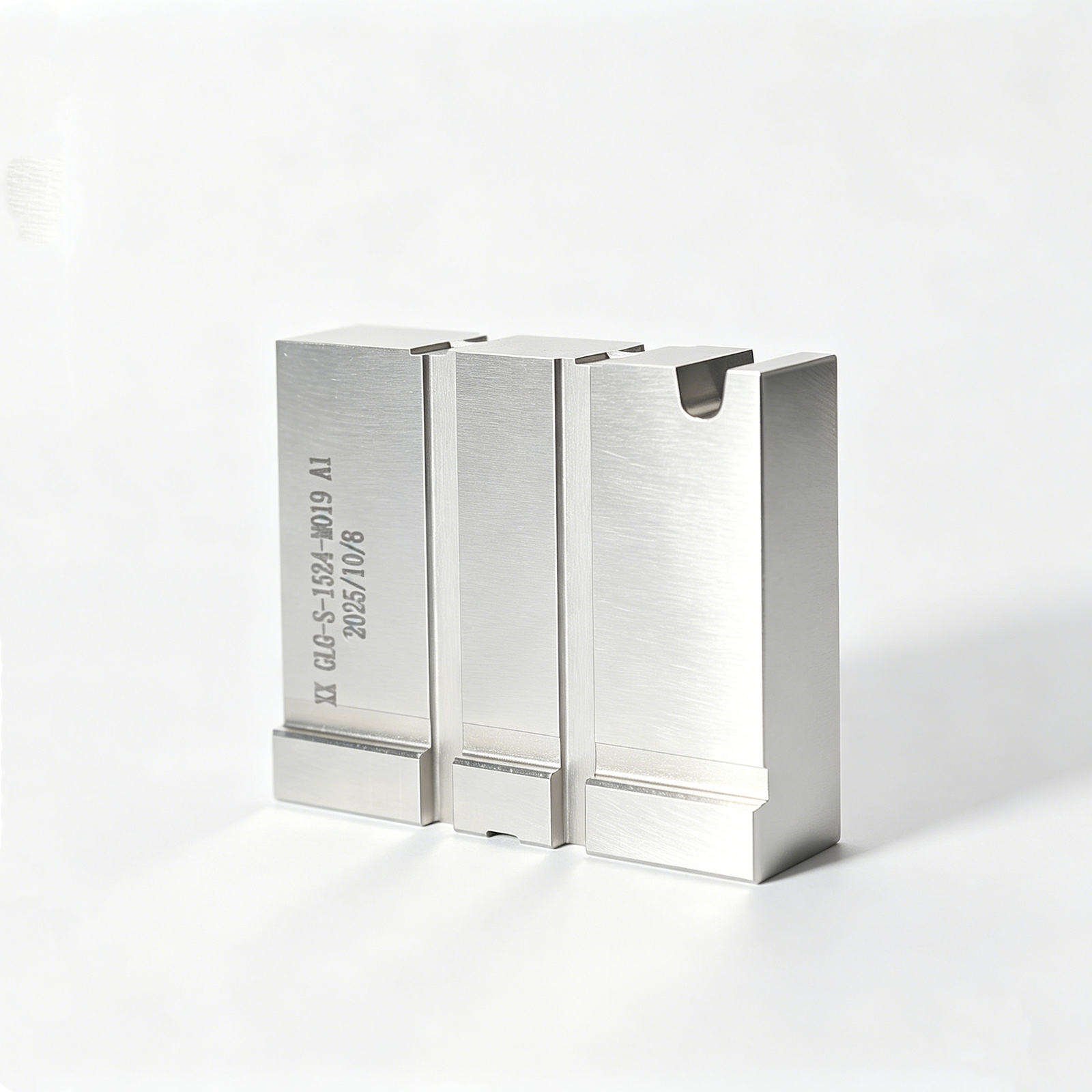
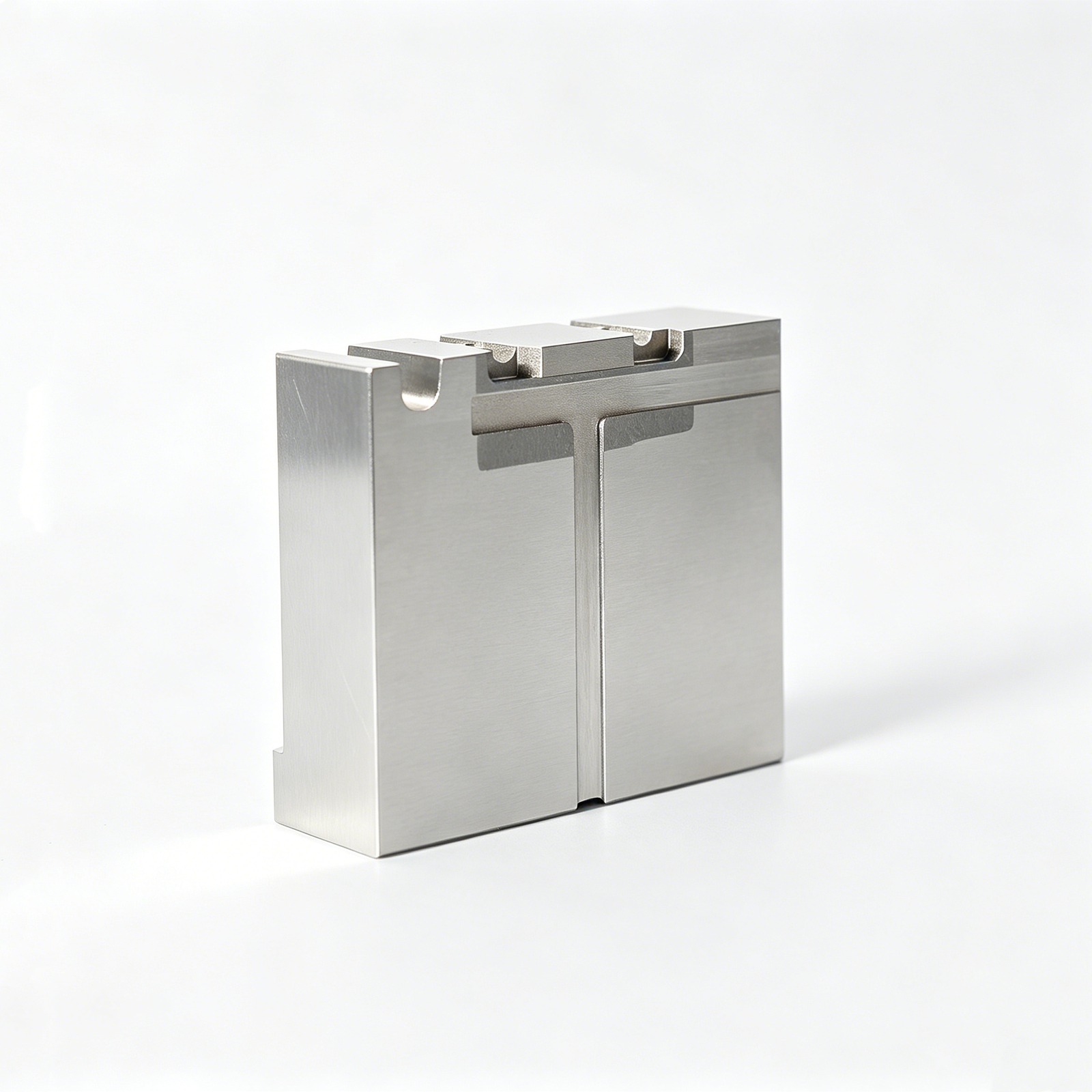
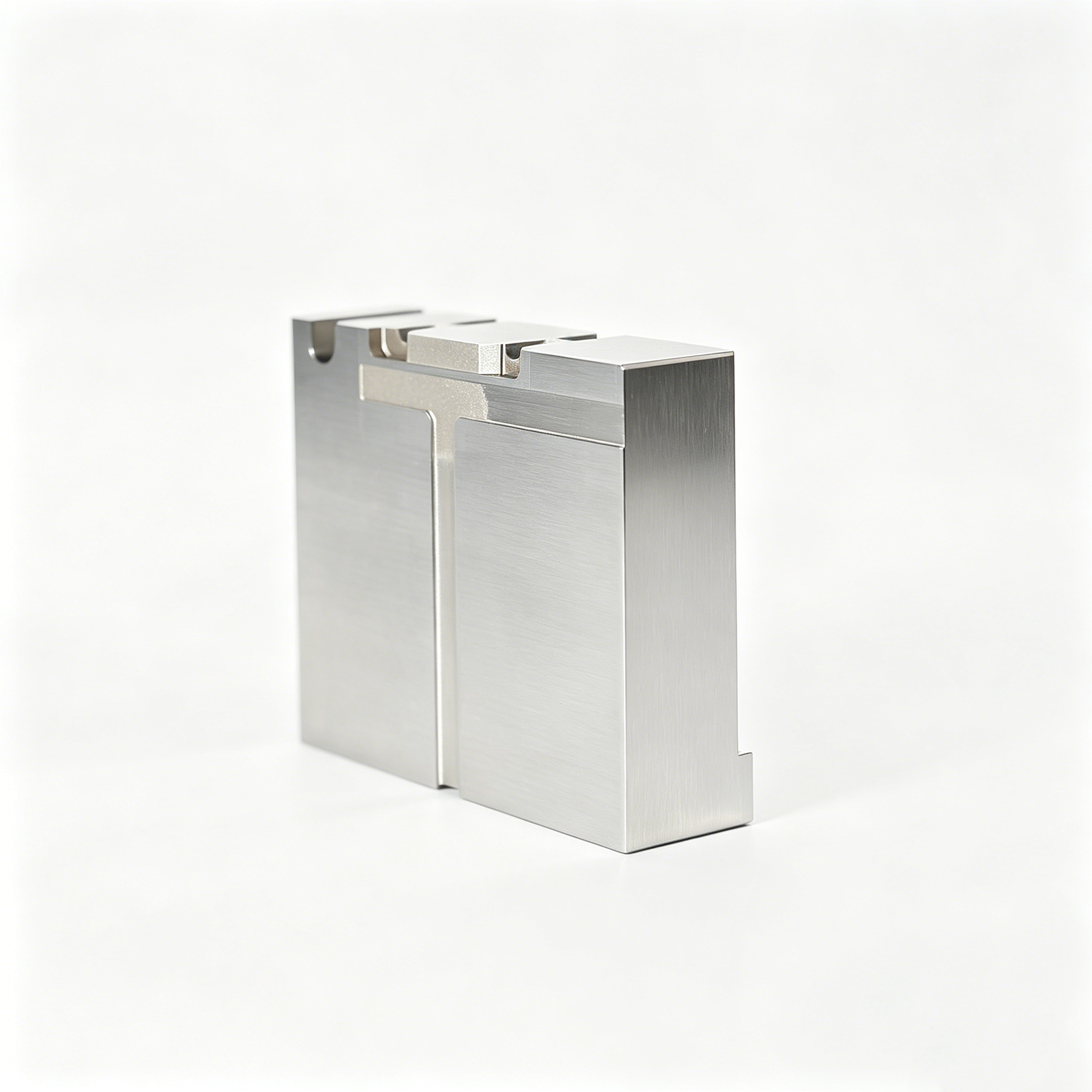
Plastic film parts · Precision mold insert
Precision Mold Components for Automotive Connectors – Engineered Core Pins, Sleeves & Inserts
Brand Xuxiang Mold
Availability Made to drawing
RFQ pricing
Quote from STEP / PDF & quantity
Engineered for modern connector tooling, these precision mold components for automotive connectors deliver the dimensional stability your projects demand. Each core pin, sleeve and insert is manufactured from high-grade tool steel for consistent performance in high-cavity and multi-row connector molds. Optimized surface finish and tight machining practices help minimize flash, reduce wear and stabilize cycle times. Whether you are building new tools or refurbishing existing ones, this component set supports reliable, repeatable molding of complex automotive connector geometries.
- ISO 9001:2015–oriented process & documented inspection paths
- Zeiss / Nikon class metrology available for critical dimensions
- DFM feedback from 10+ senior tooling engineers
- Dongguan HQ + Quanzhou capacity for volume programs
Precision Mold Components for Automotive Connectors – Built for Demanding Connector Tooling
Automotive electrical systems rely on compact, reliable connectors that must perform under vibration, temperature swings and long service lives. To mold those connectors accurately, the tooling itself needs exceptional precision and durability. These precision mold components for automotive connectors are engineered specifically for high-performance injection molds used in connector production, supporting fine-pitch terminal layouts, miniature cavities and complex locking features found in today’s harness connectors.
Supplied as a coordinated family of core pins, sleeves, cavities, inserts and related wear parts, this component set is designed to integrate into new connector mold builds or to replace worn parts in existing tools. By combining stable materials with controlled machining and heat treatment, they help maintain connector dimensions across extended production runs, reducing scrap and tool downtime.
Key Features & Performance Benefits
Connector tooling has unique challenges: long, slender cores, tiny slots, tight center distances and multi-cavity layouts that must all fill and cool uniformly. This mold component range addresses those challenges with a focus on dimensional control and process stability.
- Connector-focused design: Components are optimized for the geometry of automotive plug and socket housings, including terminal cavities, sealing areas, polarization keys and latch structures.
- High stability under load: Careful selection of tool steel and hardening processes promotes rigidity in long, thin sections to resist bending or drift during injection and packing.
- Controlled surface finish: Polished and honed working surfaces support smooth flow of engineering plastics, improving fill consistency and reducing the risk of sticking or drag marks during ejection.
- Wear protection in high-friction zones: Gate areas, sliding cores and shut-offs can be specified with enhanced hardness or coatings to resist erosion and galling when running glass-filled or high-temperature polymers.
- Fine-tolerance manufacturing: Tight tolerance control on diameters, lengths and positional features helps maintain cavity alignment, ensuring every connector produced fits its mating part as intended.
- Serviceable, replaceable elements: Modular inserts and pins allow localized replacement of high-wear areas, extending overall mold life and simplifying maintenance planning.
Above all, these components are developed to support stable processes: reduced variation in cavity dimensions leads to more consistent crimp barrel positioning, seal compression and latch engagement in the finished connectors.
Specifications & Construction Details
Because connector tooling varies by platform, OEM and resin system, the emphasis is on flexible, configurable components supported by robust base materials and precise machining methods. Where exact numerical values differ between projects, the table below highlights typical characteristics and options to guide your selection.
| Attribute | Description |
|---|---|
| Main component types | Core pins, sleeves, cavity inserts, gate inserts, ejector pins and related wear components for automotive connector molds |
| Typical applications | Injection molds for automotive plug and receptacle housings, multi-pin connectors, sensor connectors and junction block interfaces |
| Base materials | Quality tool steels and stainless steels selected for hardness, toughness and resistance to corrosion from cooling water and resins |
| Heat treatment | Through-hardening and/or surface hardening processes, optimized to balance wear resistance and resistance to chipping or cracking |
| Dimensional control | Fine-tolerance manufacturing on critical diameters, lengths and center distances to support tight connector dimensional requirements |
| Surface condition | Polished, ground or lapped functional surfaces for smooth plastic flow, reduced deposit build-up and reliable demolding |
| Connector geometry support | Suitable for straight and angled pin layouts, double-row and multi-row connectors, keying features and integrated latch systems |
| Resin compatibility | Designed for common connector-grade resins, including engineering thermoplastics used in automotive electrical systems |
| Customization level | Configurable dimensions, step transitions and seating interfaces to match your existing mold base or new mold design |
| Typical usage environment | High-cavity, high-cycling production in automated injection molding cells for automotive harness and module suppliers |
Use Cases & Ideal Users
These mold components are aimed at professionals responsible for reliable production of precision automotive connectors where unplanned downtime and dimensional drift are unacceptable. Typical use scenarios include:
- New connector mold builds: Tool shops and moldmakers specifying premium cores, sleeves and inserts for new molds targeting long production life and stable cycle times.
- Mold refurbishment and upgrades: Replacement of worn or damaged cores, gate inserts and ejectors in existing tools to restore dimensional performance and improve surface quality of molded parts.
- Platform localization projects: Adapting global connector designs to local tooling while preserving pin layouts and mating dimensions, supported by consistent, repeatable mold components.
- High-volume harness and module production: Tier suppliers running multi-shift production where mold reliability, fast changeovers and predictable maintenance intervals are crucial.
- Development and validation tooling: Pilot molds and pre-production tools where connector design iterations demand modular inserts and replaceable cores to shorten development timelines.
Engineers, tooling managers, project leaders in automotive connector manufacturing, and purchasers looking to standardize on a stable component source will all benefit from the performance and support offered by this range.
Selection, Care & Buying Guidance
Choosing the right precision mold components for your connector tooling involves more than matching lengths and diameters. It requires an understanding of the connector design, material behavior and your plant’s operating conditions. Consider the following factors when specifying your components:
- Connector design requirements: Review pin counts, row spacing, terminal sizes and latch geometry. Small changes in connector design can demand different core stiffness, surface finish or gating strategies.
- Resin and filler selection: High-temperature or glass-filled materials place greater stresses on cores and shut-offs. Prioritize higher wear resistance and surface treatments where needed.
- Cooling and demolding strategy: Coordinate the component layout with your cooling channels and ejection system to keep temperature gradients and demolding forces balanced across the cavity block.
- Maintenance practices: Build a preventive program around regular cleaning, inspection of critical surfaces and timely replacement of sacrificial wear parts before they impact connector dimensions.
- Standardization vs. customization: Where possible, standardize on common sizes or designs for pins and inserts to simplify inventory and maintenance, while preserving project-specific features where they truly add value.
When ordering, provide detailed drawings, resin information and expected production volumes. This allows alignment of material choices and tolerances with your performance objectives, whether that is maximum uptime, fastest possible cycle time or the ability to run frequent color and material changes.
With the right combination of engineered mold components and sound process control, automotive connector molds can deliver consistent dimensions over long campaigns, reduced scrap, and smoother ramp-up on new programs. Investing in robust, connector-focused components is a practical way to secure those gains and support long-term production plans.
FAQ
Are these mold components compatible with my existing automotive connector mold?
In most cases, components can be adapted to existing tools as long as dimensional and seating interfaces are matched to your current design. Providing detailed drawings or CAD models helps confirm compatibility before ordering.
Which connector types are these components suitable for?
The components are designed for a wide range of automotive connectors, including multi-pin plug and receptacle housings, sensor connectors, junction block interfaces and similar injection-molded housings used in vehicle wiring systems.
What information do I need to provide when requesting a quotation?
For accurate pricing and lead time, share 2D/3D drawings of the required pins or inserts, resin information, expected production volumes, and any special requirements such as coatings, specific surface finishes or alignment features.
How should I maintain these precision mold components in daily production?
Implement regular cleaning to remove resin deposits, check for wear or micro-cracks on functional surfaces, and apply suitable anti-corrosion protection during shutdowns. Planning scheduled inspections reduces unexpected failures and helps retain connector quality.
Can these components handle glass-filled or high-temperature connector materials?
Yes, the components can be specified with materials and treatments suitable for abrasive or high-temperature resins. Inform your supplier of the exact resin so that appropriate hardness and surface finish can be selected.
What are typical lead times for precision connector mold components?
Lead time depends on complexity and customization level, but simple standard-like parts are usually faster to produce than heavily contoured inserts. Providing complete technical information early helps shorten the overall delivery time.
Do you offer support with connector mold design or optimization?
Technical support is typically available to review critical features such as core support, gating regions and demolding, helping you integrate the components effectively into new or existing connector molds.
How are the components packaged and shipped to prevent damage?
Precision surfaces are individually protected, often with dedicated holders or protective sleeves, then packed in shock-absorbing materials for shipment. This minimizes the risk of nicks or corrosion during transport and storage.
What is the policy on quality issues or returns?
If a component does not match the confirmed drawings or agreed specifications, most suppliers will review the issue and arrange repair, replacement or return according to their quality and warranty procedures. Keep all documentation to streamline this process.
Can I standardize part numbers for recurring connector projects?
Yes, many customers choose to standardize part numbers and families of core pins or inserts across projects. This simplifies reordering, inventory management and maintenance, and can reduce total cost over multiple connector programs.
Related products
Same drawing, predictable results—next batch
Share revision, quantity ramp, and inspection level. We quote process route, ship date, and documentation in one structured response.