
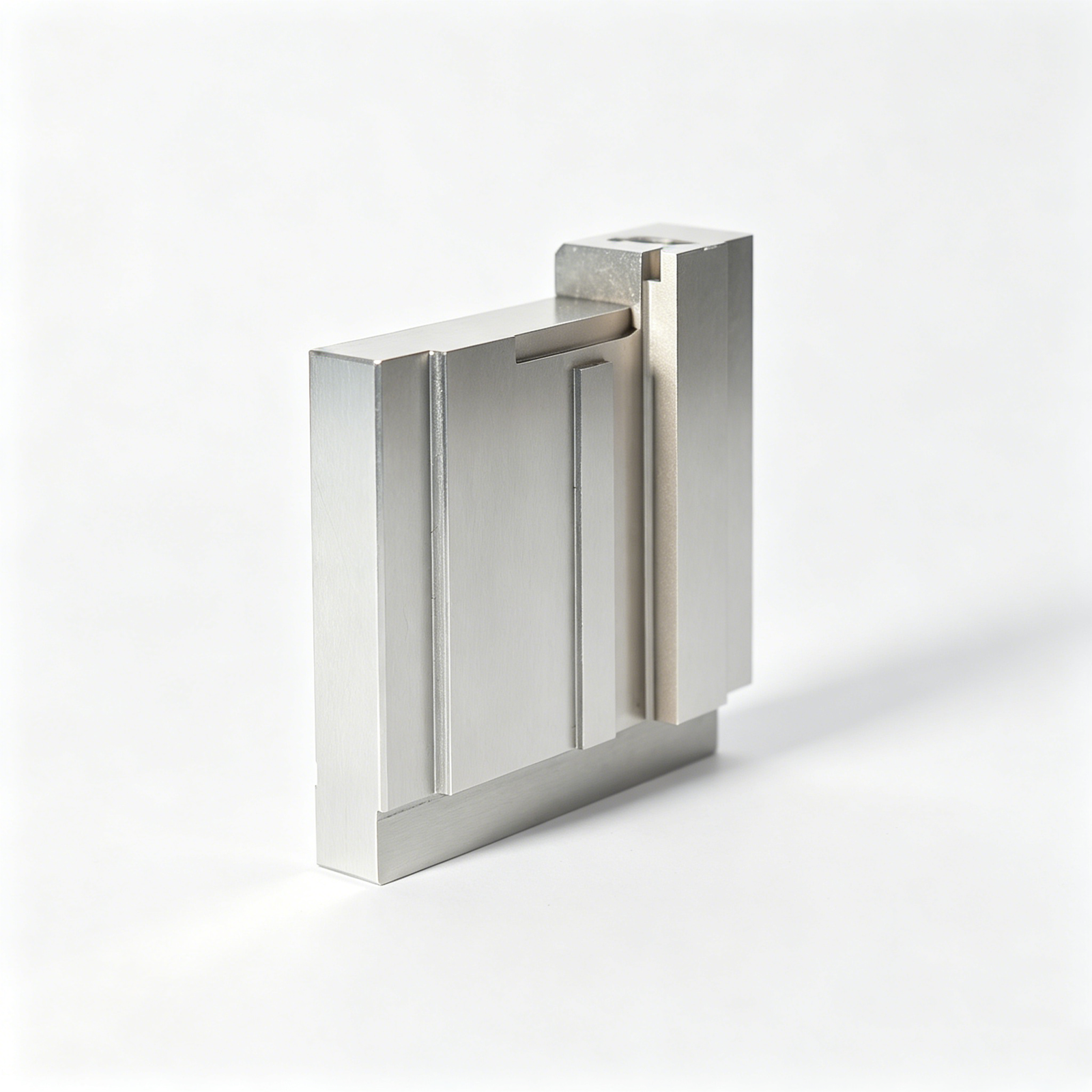
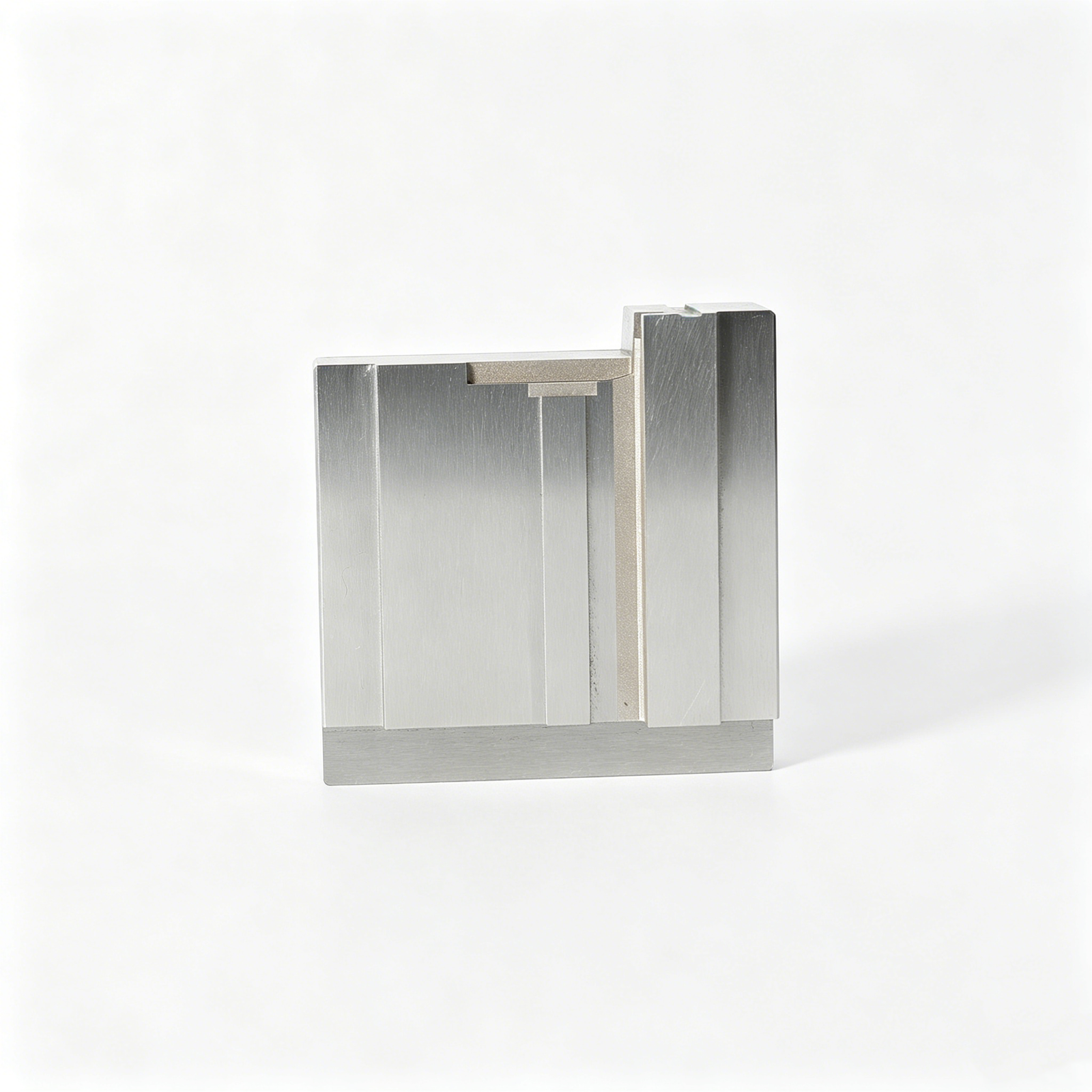
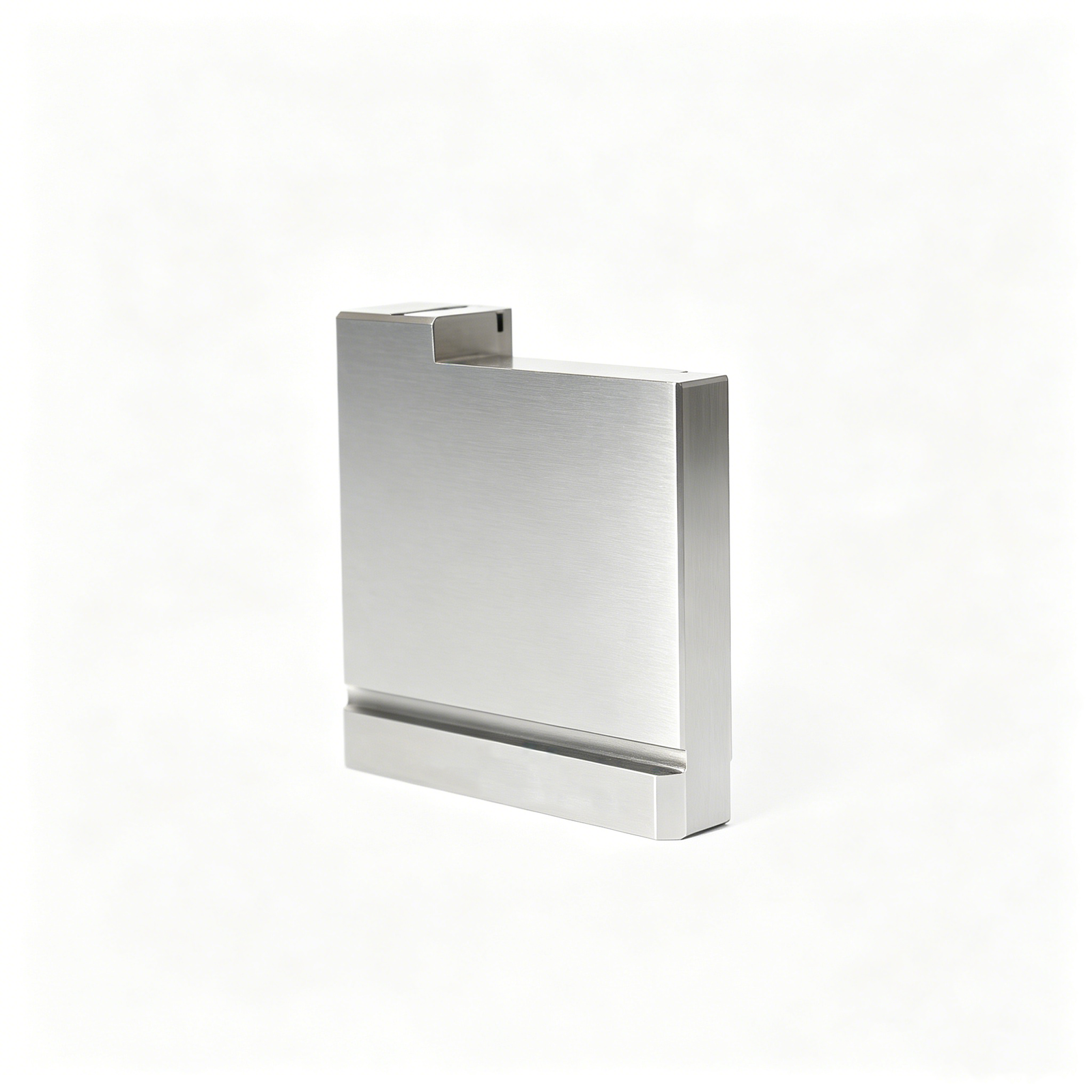
Plastic film parts · Precision mold insert
Precision Mold Components for Automotive Connectors – Fine-Detail Cavities, Cores & Ejector Pins
Brand Xuxiang Mold
Availability Made to drawing
RFQ pricing
Quote from STEP / PDF & quantity
Deliver consistent, high-quality connector housings with precision mold components for automotive connectors engineered for fine-detail geometry and repeatable performance. These carefully matched cores, cavities, sleeves and ejector pins support stable molding of thin walls, locking features and terminal windows used in modern vehicle electrical systems. High-grade tool steels and optimized surface finishes help minimize wear, reduce flash and extend mold life in demanding, high-cavity tools. Whether you are upgrading existing connector tooling or developing a new platform, these components give your engineering and production teams the accuracy and process capability they need. Build confidence into every shot as you meet strict dimensional, fit and reliability requirements for automotive wiring harnesses.
- ISO 9001:2015–oriented process & documented inspection paths
- Zeiss / Nikon class metrology available for critical dimensions
- DFM feedback from 10+ senior tooling engineers
- Dongguan HQ + Quanzhou capacity for volume programs
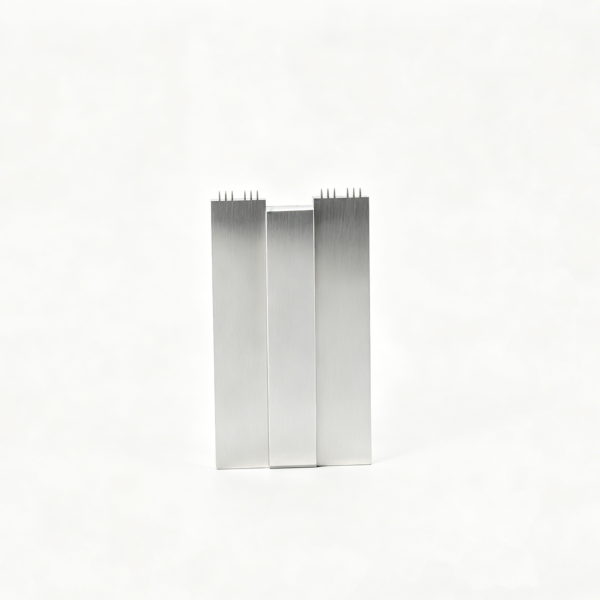
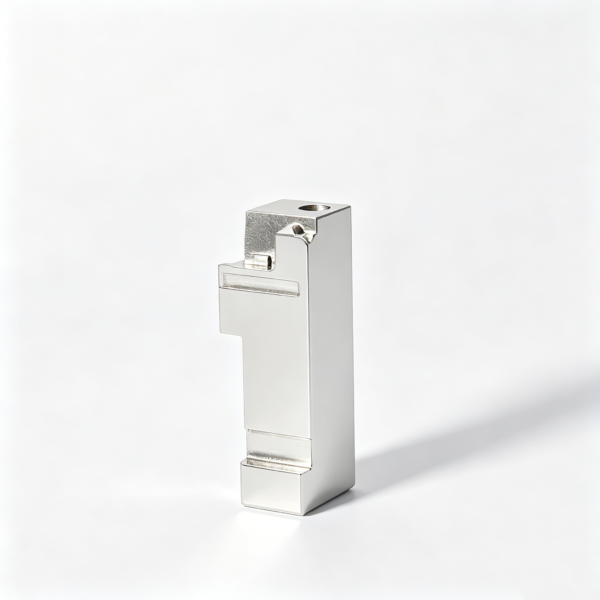
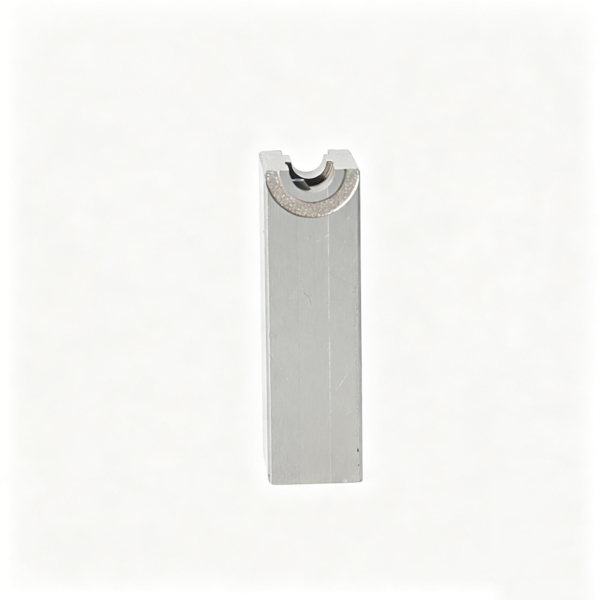
Precision mold components tailored for automotive connector tooling
Automotive electrical connectors demand extremely tight tolerances, clean parting lines and reliable long-term performance in harsh under‑hood and in‑cabin environments. Precision mold components for automotive connectors are the engineered cores, cavities, inserts, sleeves, lifters and ejector pins that form the plastic housings and interface features in your injection molds. By investing in accurately machined, stable components, you can improve dimensional consistency, reduce manual rework, and extend the service life of your connector molds.
These components are designed specifically around connector geometries: fine-pitch terminal pockets, polarization keys, latch arms, ribbing and sealing features. When combined in a well-designed mold base and cooling system, they help you achieve the level of accuracy required so each molded connector mates correctly with terminals, headers and harnesses across thousands or even millions of cycles.
Key features and performance benefits
For OEMs, Tier 1 suppliers and precision mold makers, the right component set can significantly improve both part quality and productivity. The following characteristics are typically prioritized for automotive connector mold components:
- Connector-specific geometries: Cores, cavities and inserts are shaped to reproduce detailed connector features such as terminal windows, locking tabs, polarization keys and strain relief without generating flash or short shots.
- High dimensional stability: Precision grinding and EDM processes help to maintain alignment between core and cavity, ensuring stable pitch and positional accuracy for multi-pin and high-density connectors.
- Wear-resistant materials: Tool steels or stainless grades selected for hardness and toughness resist abrasion from glass-fiber-filled or flame-retardant engineering plastics commonly used in automotive electrical parts.
- Fine surface finishes: Polished or texture-ready surfaces support smooth filling, efficient degassing and controlled release, which contributes to fewer cosmetic defects and easier demolding of delicate latch structures.
- Interchangeable inserts: Modular inserts allow rapid changeover between cavity variants, similar connector sizes, or different keying and coding options, reducing downtime for product family changes.
- Process consistency: When component tolerances are held tightly, your process window broadens, making it easier to stabilize part weight, dimensions and warpage across extended production runs.
Using robust precision components also supports advanced quality requirements such as automatic optical inspection and inline gauging, since part-to-part variation is minimized at the tooling level.
Specifications & configuration details
The exact configuration of mold components will vary with your connector design, number of cavities and injection machine, but typical attributes include the following. Use this as a guide when discussing your project with engineering or tooling suppliers.
| Attribute | Description |
|---|---|
| Product type | Precision mold components set for automotive connector tooling (cores, cavities, inserts, sleeves, ejector pins) |
| Typical application | Plastic injection molds for automotive electrical connectors, headers, plugs and sockets |
| Material options | High-quality tool steel or stainless mold steel, selected for wear resistance and dimensional stability |
| Manufacturing processes | Precision machining, grinding, EDM and polishing for connector-specific fine features |
| Tolerance capability | Fine tolerance mold components suitable for tight connector pitch and critical fit areas (exact values per project design) |
| Component styles | Core pins, cavity blocks, core inserts, sleeves, lifters, ejector pins, guide elements and related tooling parts |
| Supported plastics | Common automotive connector resins such as engineering thermoplastics and glass-fiber-reinforced grades |
| Mold compatibility | Custom-configured for your mold base, gate style, cooling layout and demolding system |
| Surface finish | Polished, textured or pre-finished according to connector cosmetic and functional requirements |
| Changeover concept | Optional interchangeable inserts for different connector variants or coding versions within a shared mold |
Typical use cases and target users
These precision mold components are suitable across the automotive electrical value chain, from mold design through to high-volume production. They are especially relevant in the following scenarios:
- Automotive connector manufacturers who supply plug and socket housings for wiring harnesses, control modules, power distribution units and sensor interfaces.
- Tier 1 and Tier 2 suppliers that need reliable connector molding for ECU enclosures, lighting systems, infotainment platforms and safety electronics.
- Tooling and mold-making shops designing new connector molds or refurbishing existing tools that suffer from wear, misalignment or poor dimensional capability.
- Engineering teams developing new connector families with increased pin density, reduced package size or new sealing concepts, where higher mold precision supports the design targets.
- Process engineers seeking to reduce scrap, lower maintenance downtime and achieve more stable process parameters through better-quality tooling components.
Because automotive connectors often run in multi-cavity molds under high-volume production, even incremental improvements in component accuracy and durability can translate into substantial gains in output and reduced cost per part.
Care, maintenance and buying guidance
To extract maximum value and service life from your precision mold components, proper handling and maintenance are essential. Start by ensuring that components are stored in a clean, dry environment before installation, and protected against corrosion. During assembly, keep contact surfaces free of contamination to maintain accurate alignment between cores and cavities.
In production, schedule routine mold inspections to check for wear on critical features such as core tips, terminal windows and latch details. Cleaning and lubricating moving elements according to your shop’s standard practices can prevent premature wear and galling. When highly filled or abrasive materials are used, monitoring wear through dimensional checks helps you decide when to re-polish or replace individual inserts before quality issues appear in finished parts.
When purchasing components, share your connector drawings, projected shot volume, resin data and quality requirements with the supplier. This allows material selection, heat treatment, component geometry and tolerances to be optimized for your specific application rather than relying on generic tooling assumptions. Consider future variants and design in interchangeable inserts where possible, so your mold can adapt easily to new connector versions without a full tool rebuild.
FAQ
Are these precision mold components compatible with my existing connector mold base?
Yes, components can be configured to match your current mold base dimensions, guide system and mounting layout. Provide reference drawings or 3D data so the components can be adapted to your specific mold architecture.
What types of automotive connectors are these components suitable for?
They are appropriate for a wide range of automotive connectors, including under‑hood power connectors, signal connectors, sensor plugs, ECU headers and body electronics connectors. The geometry is tailored to your exact part design during the engineering phase.
How do I verify that the components meet my tolerance and quality requirements?
You can request dimensional reports, material certificates and surface finish verification from the supplier. During sampling, measure key connector dimensions and pin pitch to confirm that the mold components deliver the required accuracy and repeatability.
What is the recommended maintenance schedule for connector mold components?
Maintenance frequency depends on resin type, cycle time and production volume, but regular cleaning and inspection between production runs is recommended. For abrasive or glass-filled materials, more frequent checks on high-wear features help prevent unexpected defects.
Can I order custom core pins and inserts for a new connector development project?
Yes, custom core pins, cavities and inserts can be engineered based on your 3D models and performance targets. Early collaboration during the design stage ensures the components support both moldability and connector function.
How are these components shipped and protected during transport?
Components are typically individually wrapped or packed in protective trays, with corrosion-inhibiting materials where appropriate. For international shipments, sturdy cartons or crates are used to prevent damage and maintain surface quality.
What information should I provide when requesting a quotation?
Include connector drawings or 3D files, expected cavity count, resin data, estimated annual volume and any special requirements such as interchangeable inserts or specific surface finishes. This allows a more accurate quotation and lead time estimate.
Can worn or damaged connector mold components be refurbished?
In many cases, minor wear can be addressed through re-polishing, regrinding or limited reworking of the affected surfaces. When damage is extensive or geometry has shifted beyond tolerances, replacement of the relevant cores or inserts is usually the more reliable solution.
Is there any warranty or return support for these mold components?
Warranty terms depend on the supplier, but many offer support related to material conformity and manufacturing defects. Discuss warranty coverage, return procedures and after-sales support at the time of purchase so expectations are clear.
How do I choose between different material options for my connector mold components?
The best material choice depends on the resin abrasiveness, projected shot count and desired balance between toughness and hardness. Your supplier can recommend suitable tool steels or stainless grades after reviewing your application data.
Related products
Same drawing, predictable results—next batch
Share revision, quantity ramp, and inspection level. We quote process route, ship date, and documentation in one structured response.