
Plastic film parts · Precision mold insert
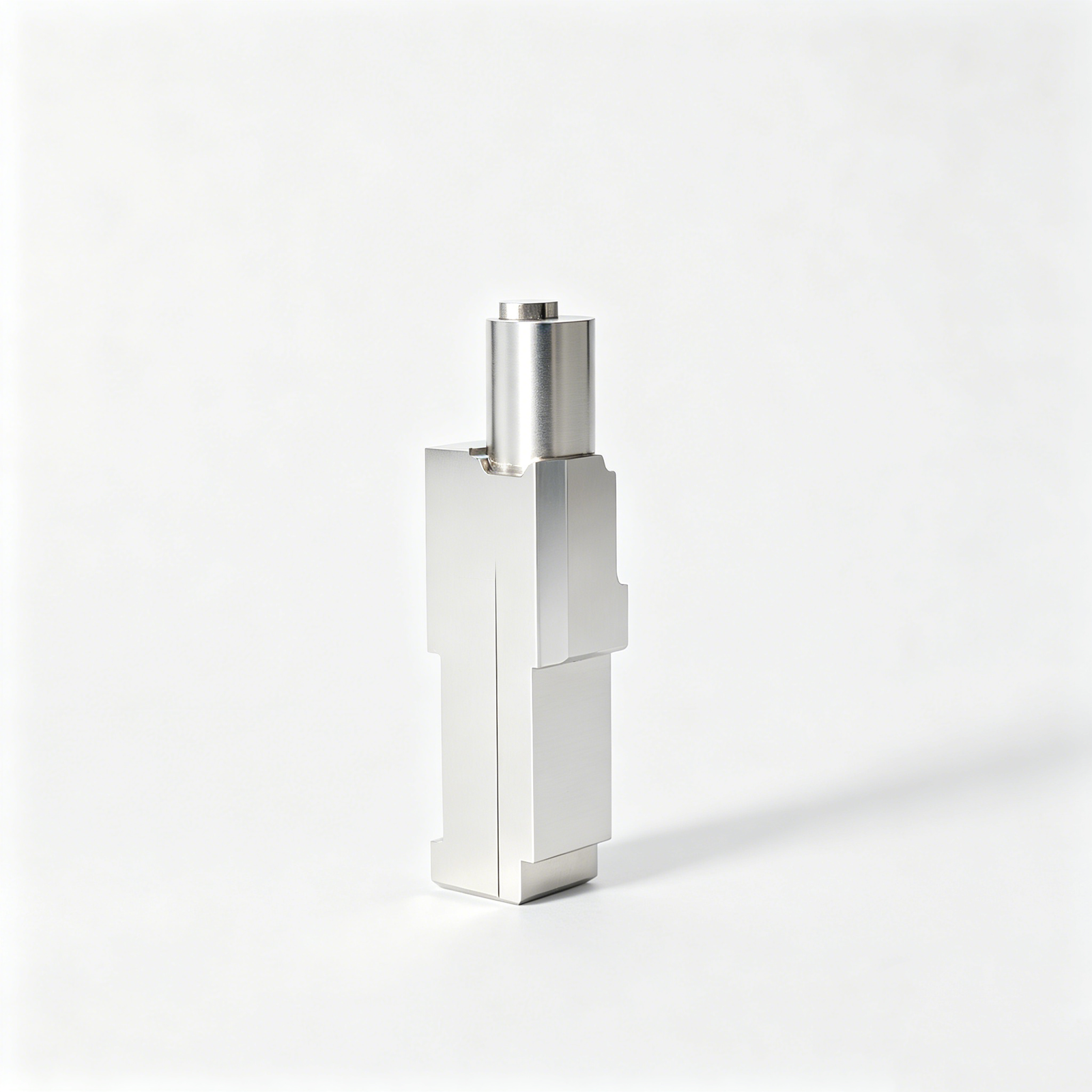
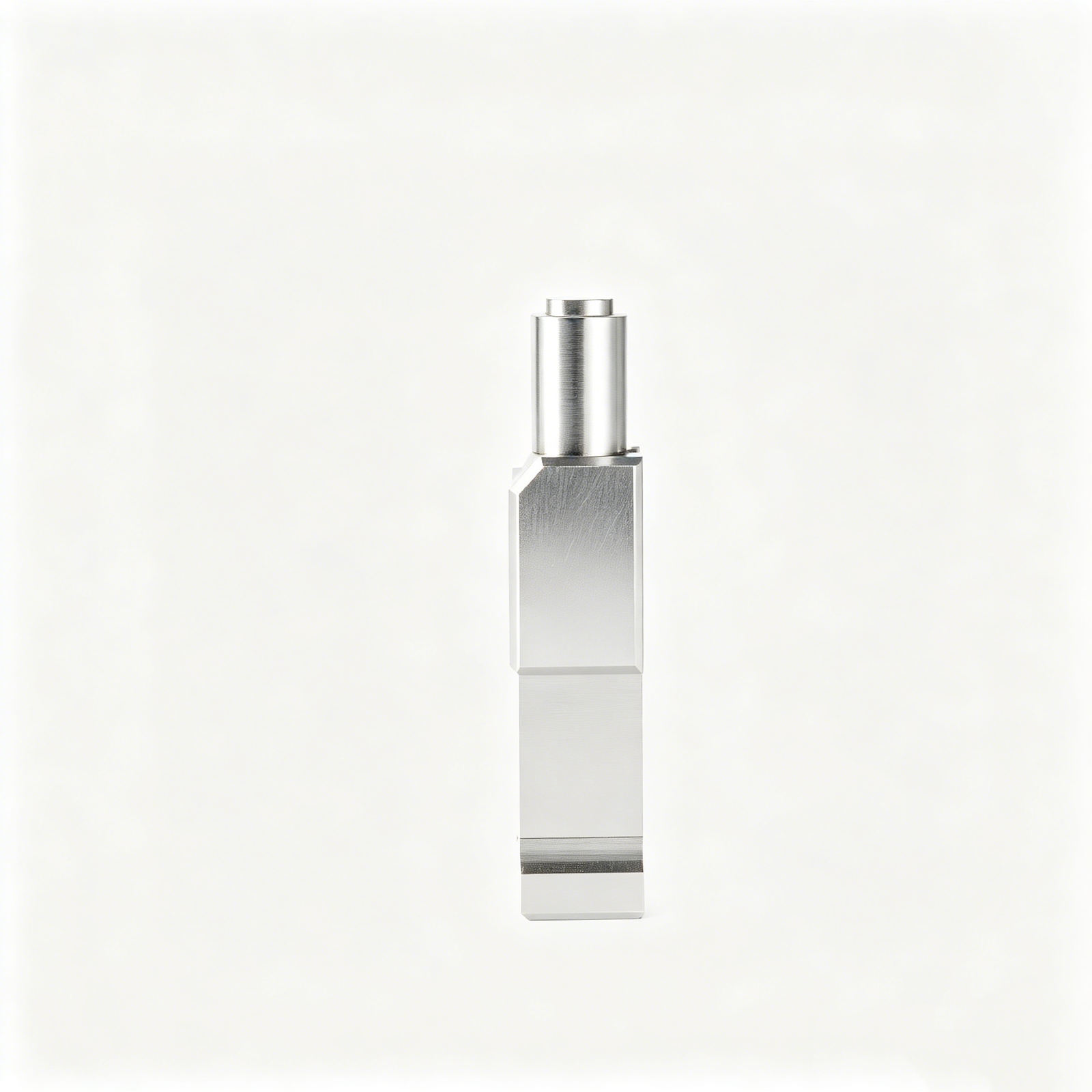
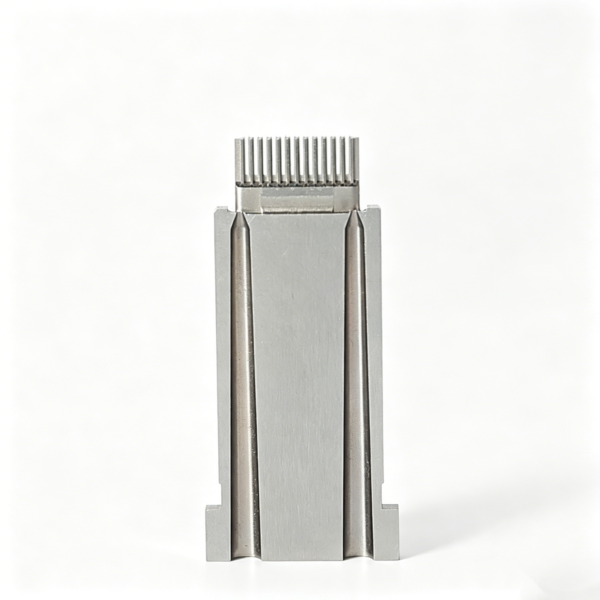
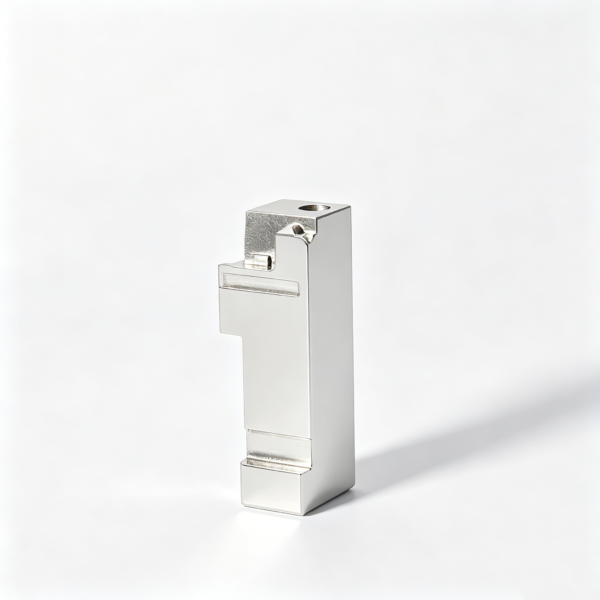
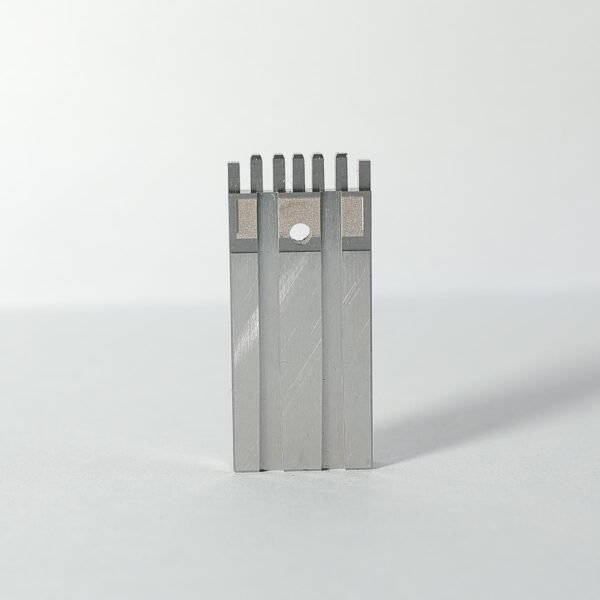
Precision Mold Components for Automotive Connectors – Fine-Pitch Insert, Core & Sleeve Kit
Brand Xuxiang Mold
Availability Made to drawing
RFQ pricing
Quote from STEP / PDF & quantity
Engineered for demanding automotive connector tooling, this precision mold components set delivers outstanding dimensional stability and repeatable cavity quality from first shot to high-volume production. Each insert, core and sleeve is machined from premium tool steel and finished for ultra-smooth molding surfaces that help reduce flash and scrap. Optimized geometries support fine-pitch terminals, thin walls and complex connector housings with consistent fit and performance. Whether you are building new tools or upgrading existing ones, these components make it easier to achieve tight tolerances across multiple cavities. Integrate this Precision mold components for automotive connectors kit into your tooling strategy to boost throughput, durability and connector reliability.
- ISO 9001:2015–oriented process & documented inspection paths
- Zeiss / Nikon class metrology available for critical dimensions
- DFM feedback from 10+ senior tooling engineers
- Dongguan HQ + Quanzhou capacity for volume programs
High-Precision Tooling Components for Advanced Automotive Connector Molds
Modern vehicles rely on compact, high-density electrical connector systems, and the molds behind those connectors must meet extremely tight dimensional and surface quality requirements to ensure secure mating, sealing performance and long-term reliability in harsh environments.[1][9] This set of precision mold components for automotive connectors is designed specifically to support that level of performance, giving mold makers and Tier suppliers a robust tooling foundation for complex connector housings, terminals and locking features.
Drawing on best practices in automotive connector mold design, including optimized cavity/core structures, balanced filling and controlled cooling, these components help you produce connectors with consistent geometry and minimal warpage across large production runs.[4][9] Whether you are building new injection molds or refurbishing existing tools, the kit offers a configurable combination of cores, inserts, sleeves and related elements tailored to the unique shapes of automotive plug, socket and header connectors.
Key Features & Benefits
Every element in this precision mold components kit is engineered to address the challenges of molding thin-wall, fine-pitch automotive connectors.
- Fine-pitch geometry support – Core and cavity details are optimized to form small terminal windows, latch arms and alignment features typical of automotive electrical connectors, helping ensure reliable mating with corresponding terminals and housings.[1][9]
- High dimensional accuracy – Precision grinding, EDM and polishing processes are used to achieve tight tolerances and excellent repeatability, crucial for connectors that must maintain stable contact positions and sealing planes.[3][6][8]
- Premium wear-resistant steels – Components are manufactured from tool steels suitable for high-cycle injection molding, supporting long service life when processing engineering plastics commonly used in under-hood and in-cabin connectors.[4][9]
- Smooth ejection and demolding – Contact surfaces and profiles are designed to work seamlessly with ejector pins and demolding systems, helping reduce sticking, drag marks and stress on delicate connector features.[4][7]
- Stable process window – Consistent component quality supports balanced filling, predictable shrinkage and improved dimensional stability, allowing you to run higher cavitation tools with confidence.[4][11]
- Configurable kit concept – By combining cores, inserts, sleeves and related parts, you can adapt the kit to different connector families, pin counts and housing styles without designing entirely new tooling from scratch.[1][12][14]
Specifications & Core Attributes
The table below summarizes the core characteristics of the precision mold components set. Values are presented descriptively to reflect typical capabilities for automotive connector tooling while allowing flexibility for custom projects.
| Attribute | Description |
|---|---|
| Product type | Precision mold components kit for automotive connector injection molds (cores, cavity inserts, sleeves and related elements) |
| Typical application | Plastic housings for automotive electrical connectors, plug and socket bodies, headers and multi-pin connector systems |
| Material class | High-quality tool steel selected for wear resistance, toughness and dimensional stability in injection molding environments[4][9] |
| Manufacturing processes | Combination of CNC machining, precision grinding, EDM and hand polishing for critical molding surfaces[3][6][8] |
| Connector feature capability | Supports thin-wall sections, fine terminal windows, latch structures, keying ribs and sealing surfaces typical of automotive connectors[1][9] |
| Mold compatibility | Designed for use in automotive connector injection molds with multi-cavity, high-volume configurations; adaptable to custom mold bases[2][10][14] |
| Surface finish | Polished molding surfaces to promote smooth resin flow, reduced sticking and minimized parting-line flash[3][6][8] |
| Usage environment | Suitable for molding engineering plastics commonly used in automotive electrical connectors, including high-temperature and flame-retardant grades[9][11] |
| Customization options | Geometry, material selection and surface treatments can be adapted to specific connector designs and production requirements[2][12][14] |
| Target users | Automotive connector manufacturers, Tier 1/Tier 2 suppliers, precision mold makers and tooling engineers |
Typical Use Cases & Ideal Users
These precision mold components are well-suited to a wide range of automotive connector projects, from compact in-cabin connectors to rugged under-hood interfaces that must withstand temperature variation, vibration and contamination.[9][11]
- Connector housing production – Create robust molds for junction box connectors, engine harness plugs, sensor interfaces and control module connectors that demand stable fit and long service life.[9][11][15]
- Multi-cavity, high-throughput tools – Use the components in multi-cavity connector molds where maintaining consistent quality across cavities is critical for efficient production and reduced scrap.[4][11]
- Platform-based connector families – Implement standardized insert and core concepts that allow quick adaptation of molds to different pin counts, keying orientations and coding variants with minimal redesign effort.[1][12][14]
- Prototype to series ramp-up – Start with small-lot or pilot tools, then migrate proven component concepts into high-cavitation production molds as connector programs scale up.[4][7]
- Mold refurbishment and upgrades – Replace worn cores or inserts in existing connector molds with precision-made components to extend tool life, restore tolerances and improve part surface quality.[2][5][14]
Typical users include mold design engineers, tooling managers, process engineers and purchasing teams responsible for building and maintaining automotive connector production capacity.
Selection, Care & Buying Guidance
When selecting precision mold components for automotive connectors, it is important to match the component geometry and material to your specific connector design, resin system and production goals. Consider connector shape, required creepage and clearance distances, sealing features and assembly tolerances, as these factors directly influence cavity and core design.[4][9]
Close collaboration between connector designers, mold engineers and component suppliers helps optimize mold structure, filling, cooling and demolding systems, ultimately improving product quality and cycle time.[4][7] Providing detailed connector models, resin data and expected production volumes will support accurate component specification and quoting.
To maximize service life, incorporate preventive maintenance practices: periodic inspection of wear surfaces, gentle cleaning of polished areas, and proper lubrication of moving mold elements according to the resin and processing environment.[4][9] Replace high-wear components such as fine cores and small inserts proactively to avoid unexpected downtime and dimensional drift.
When purchasing, evaluate not only initial component cost but also expected lifetime in high-cycle production, consistency of tolerances, and the supplier’s ability to support engineering changes as connector platforms evolve. A long-term partnership with a precision mold component supplier can significantly reduce total cost of ownership for automotive connector tooling.[2][14][15]
FAQ
Are these precision mold components compatible with my existing connector mold base?
In most cases, the components can be adapted to standard automotive connector mold bases, but exact compatibility depends on your current design. Share your mold drawings and connector models so the supplier can confirm pocket sizes, alignment features and mounting details before production.[2][10][14]
What types of automotive connectors can these components be used for?
The kit is suitable for a wide range of plastic connector housings, including inline plugs and sockets, header connectors, sensor connectors and multi-pin harness interfaces used in interior, body, chassis and powertrain applications.[1][9][11]
How do I ensure the components match my connector design tolerances?
Provide detailed 3D models, 2D drawings and tolerance requirements for the connector, including critical dimensions like terminal positions, sealing surfaces and latch features. The component manufacturer can then align machining and inspection processes to meet your tolerance targets.[3][6][8]
What is the recommended maintenance for these mold components in production?
Implement regular cleaning to remove resin residue, inspect for wear or erosion on fine features, and lubricate moving interfaces according to your plant’s maintenance schedule. Plan periodic dimensional checks on critical cores and inserts, replacing any that drift out of spec to protect connector quality.[4][9]
Can the components handle high-temperature, flame-retardant connector materials?
Yes, the components are designed for use with engineering plastics commonly used in automotive electrical connectors, including high-temperature and flame-retardant grades. When ordering, specify the resin family and processing conditions so steels and surface treatments can be selected accordingly.[9][11]
What information is needed for a quotation or custom design?
For an accurate quotation, prepare connector 3D models, 2D drawings, resin details, estimated annual usage, preferred mold base standard and any existing component specifications. This allows the supplier to estimate machining complexity, lead time and suitable material options.[2][12][14]
How are the components shipped and protected from damage?
Precision mold components are typically packed in protective cases or individual compartments with corrosion-inhibiting packaging. Surfaces are coated lightly with rust-preventive oil or film, and parts are labeled for straightforward identification on arrival. Shipping options range from standard freight to express service depending on project urgency.
What is the typical lead time for custom automotive connector mold components?
Lead time depends on design complexity, quantity and current capacity, but connector-specific cores and inserts usually require a dedicated engineering and machining window. Confirm timing during quotation so you can align tool assembly and sampling schedules.
What happens if a component wears out or is damaged during production?
Because these components are precision-machined, they can be reordered or reworked based on stored CAD data and drawings. Keeping clear documentation of part numbers and revision levels enables quick replacement, minimizing downtime when a high-wear core or insert needs to be changed.[2][5][14]
Related products
Same drawing, predictable results—next batch
Share revision, quantity ramp, and inspection level. We quote process route, ship date, and documentation in one structured response.