
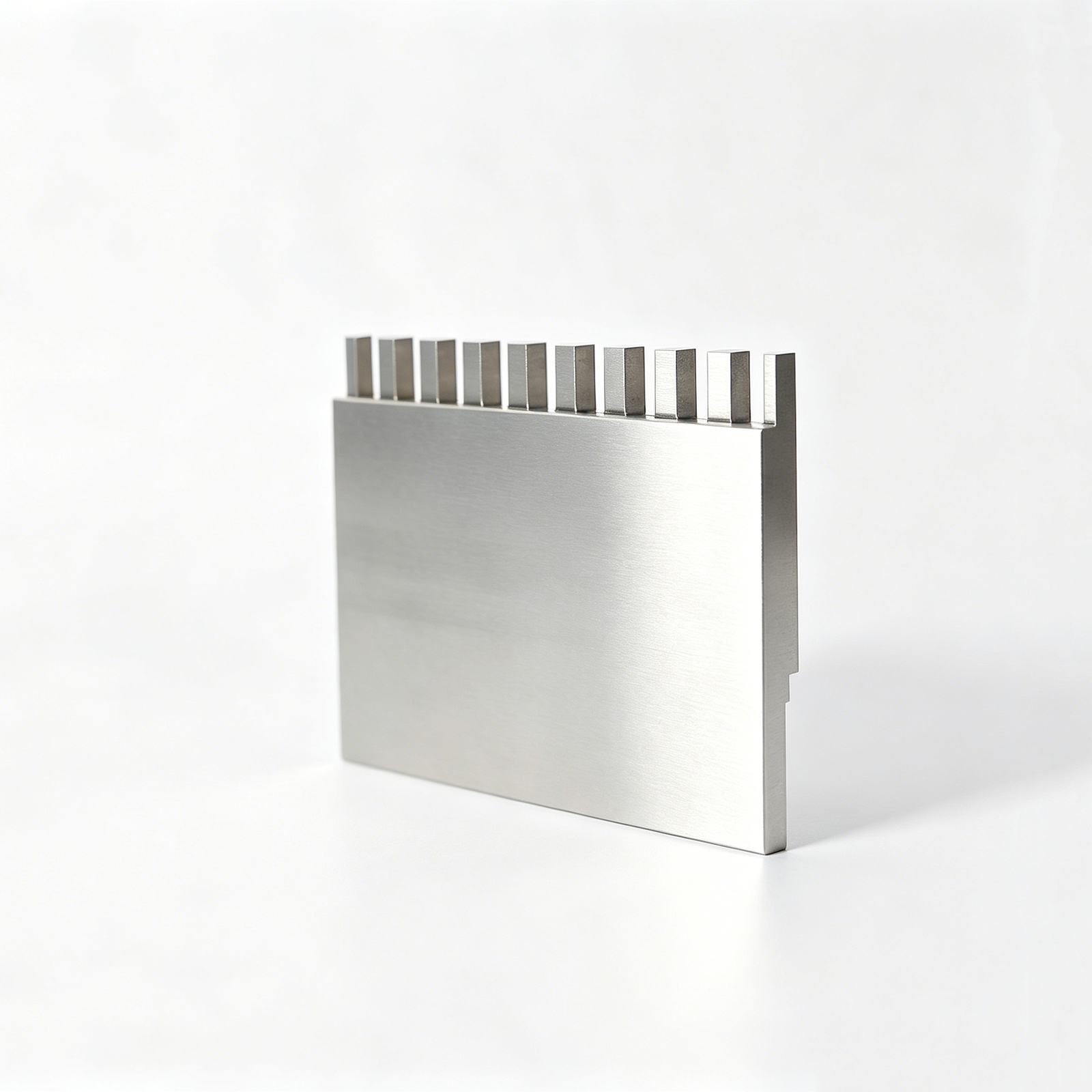
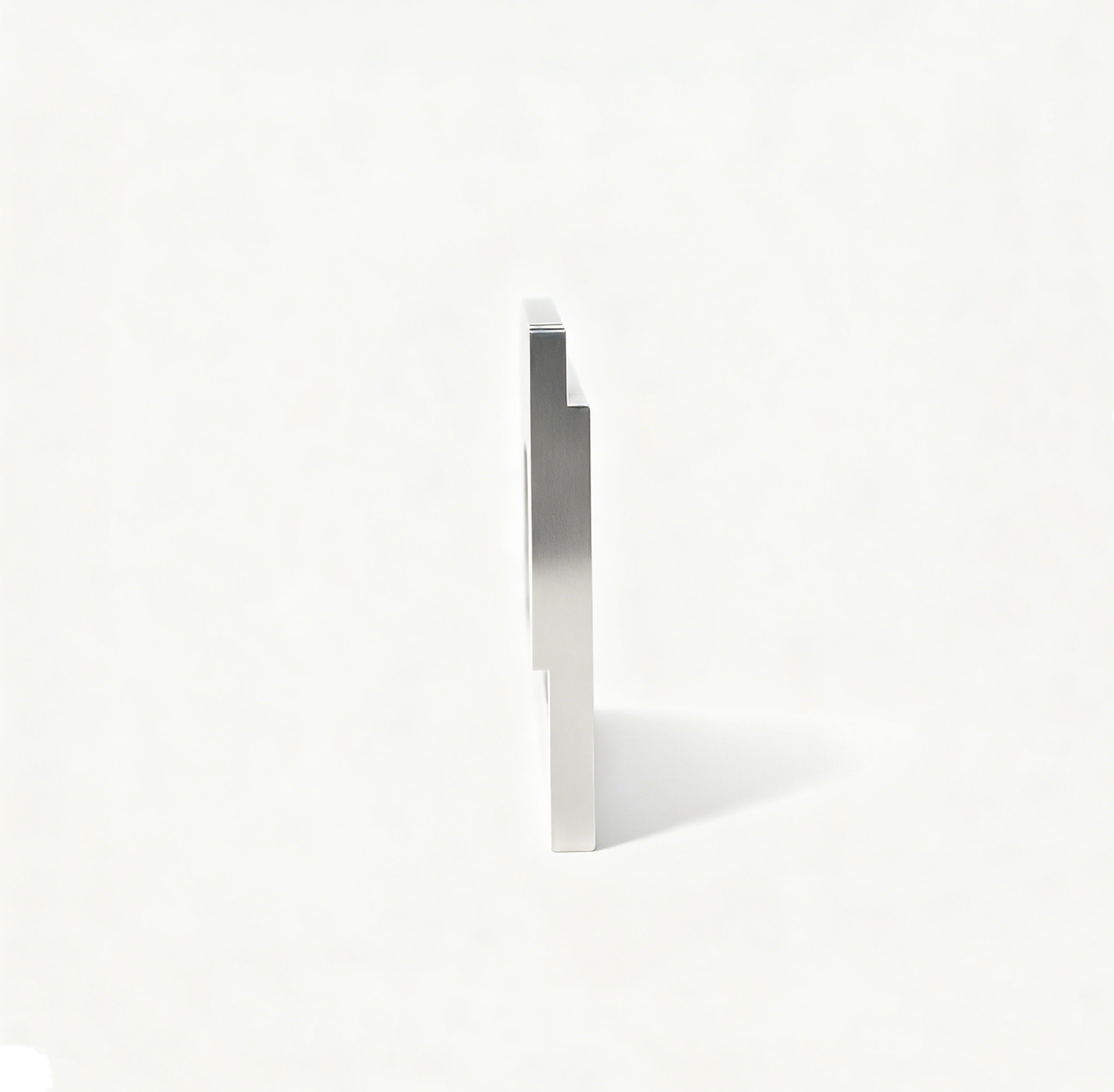
Plastic film parts · Precision mold insert
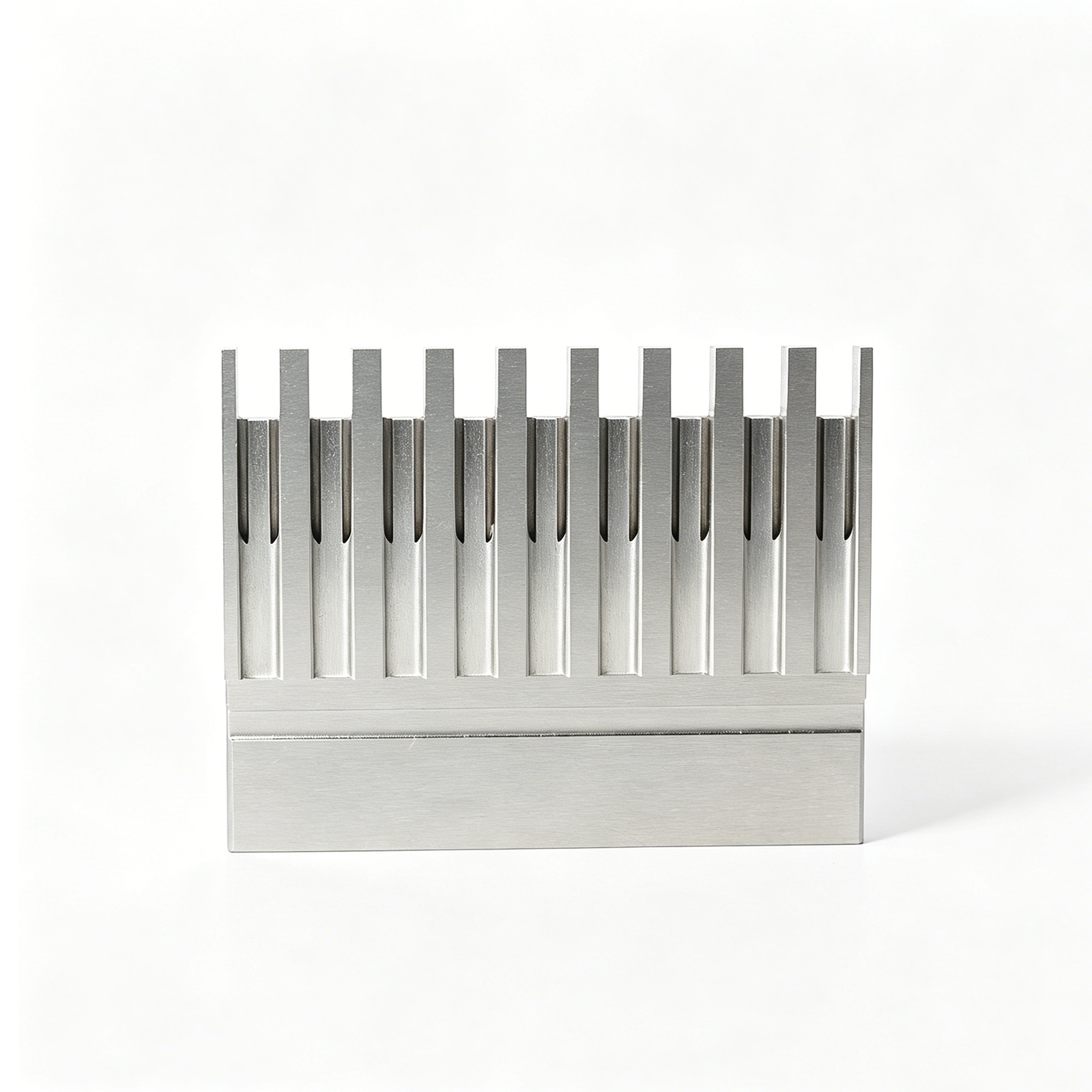
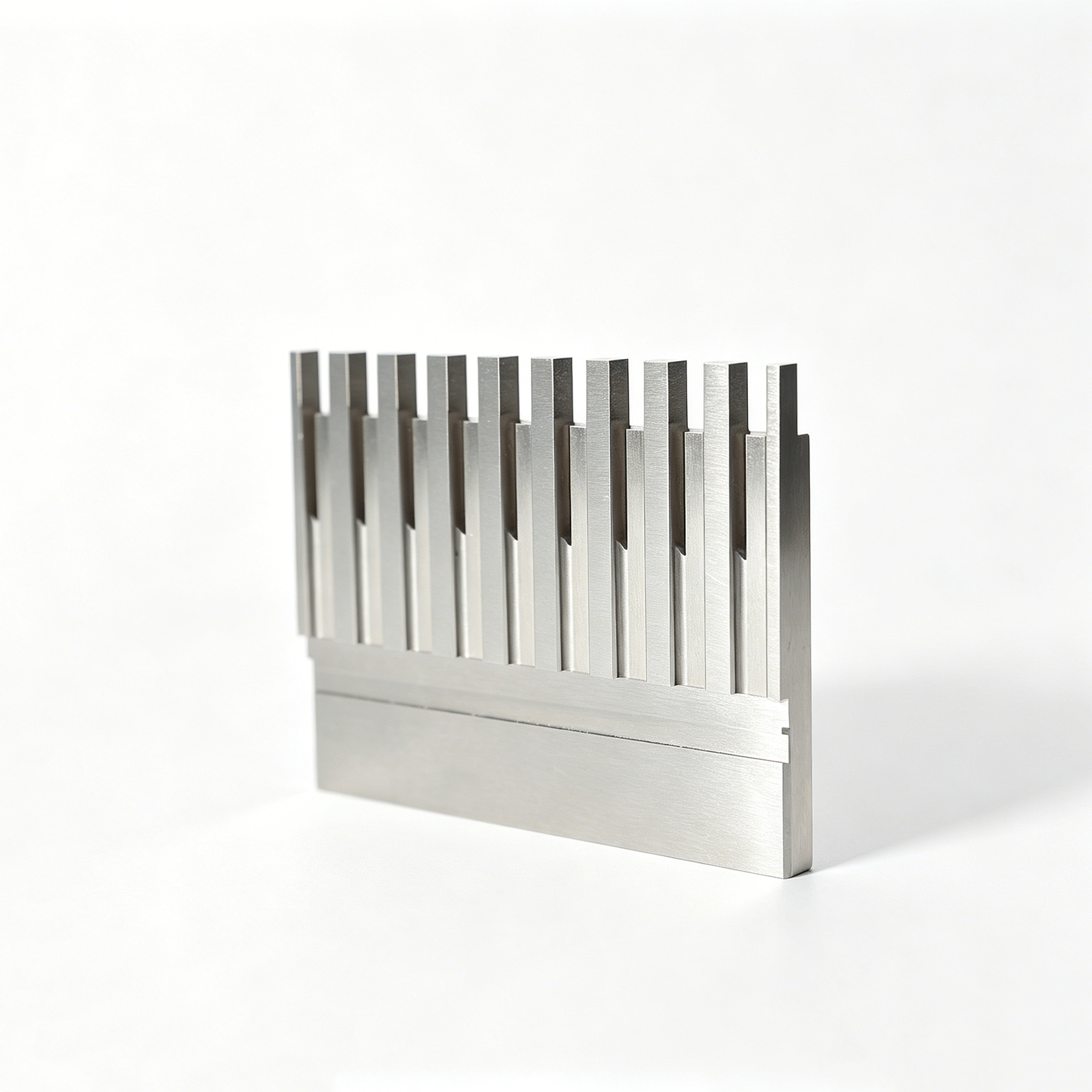
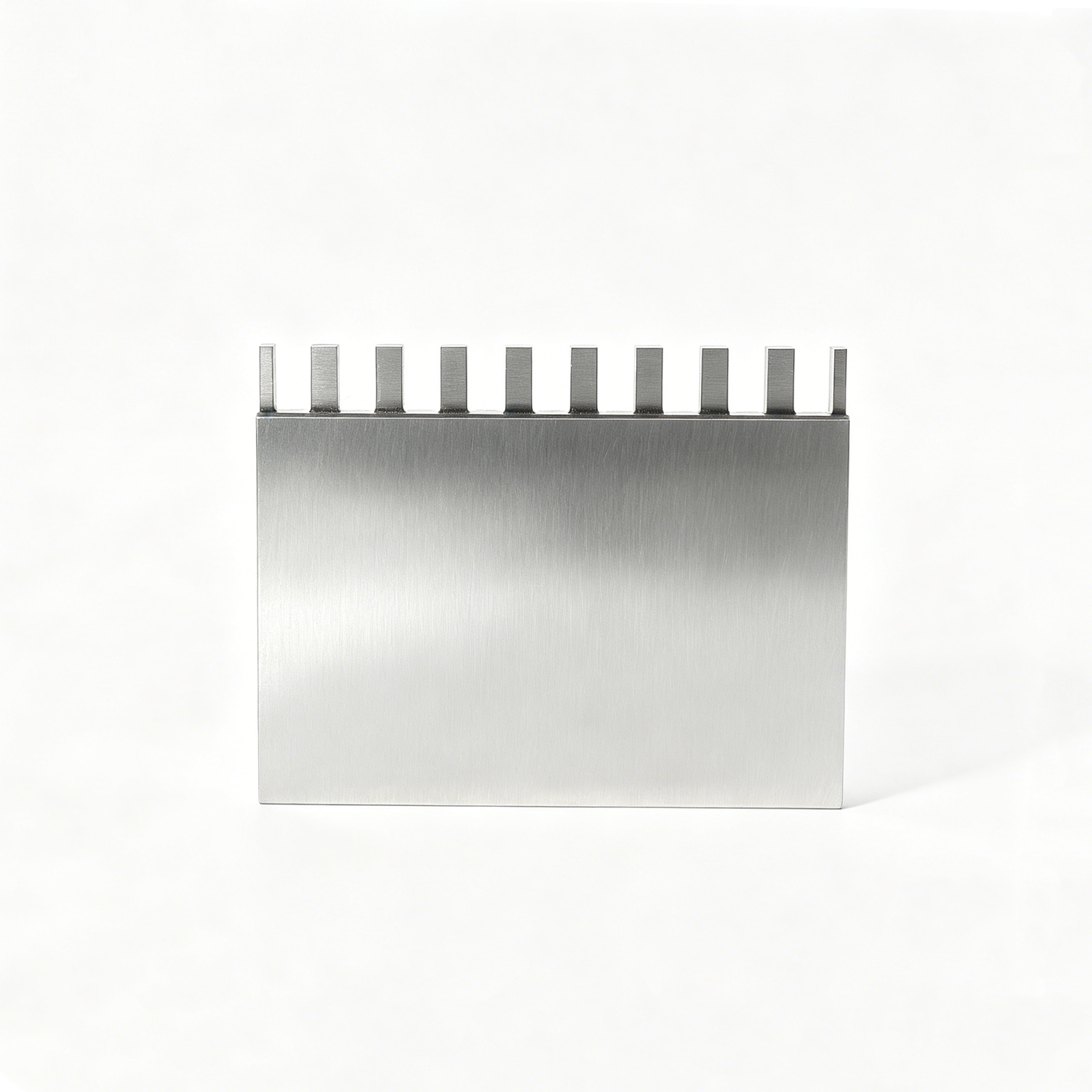
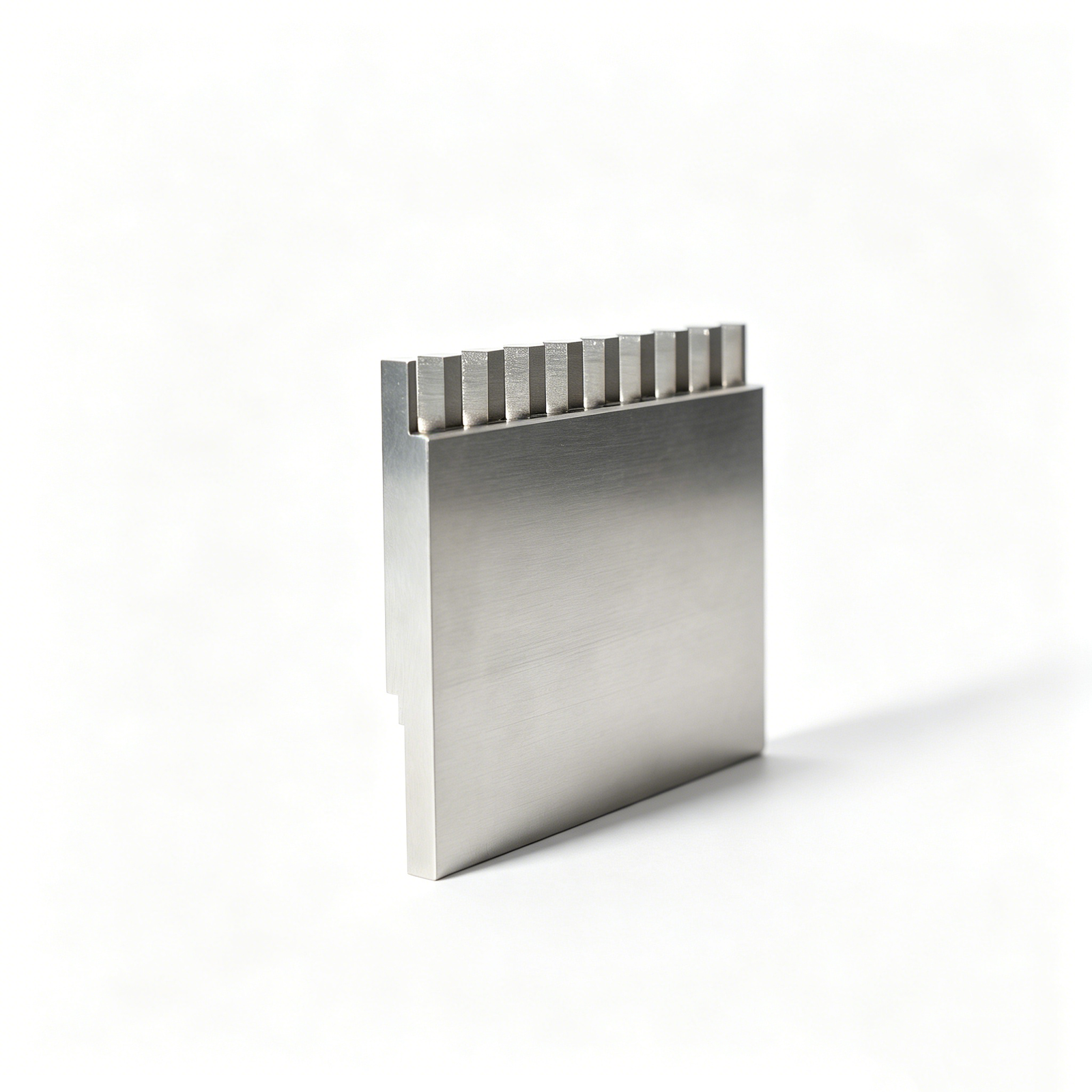
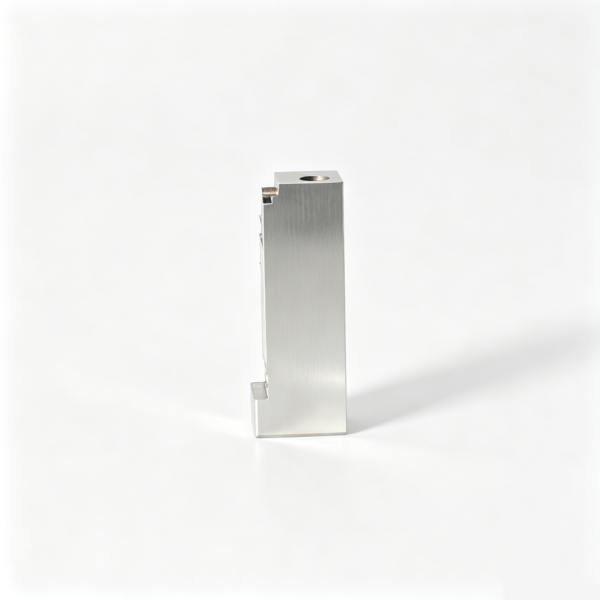
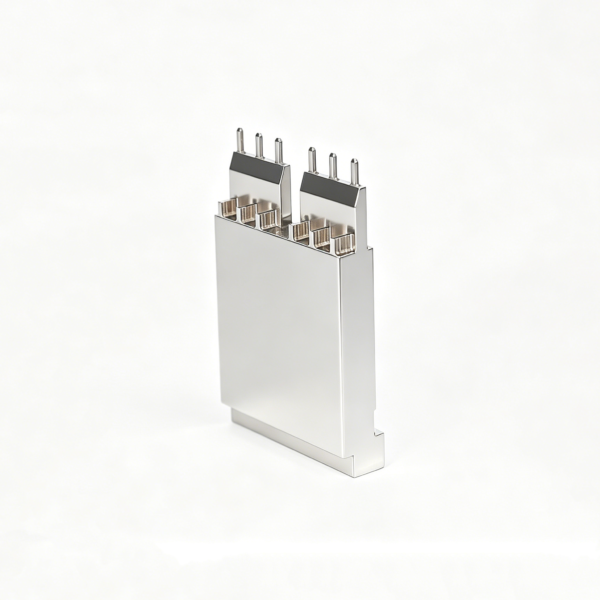
Precision Mold Components for Automotive Connectors – Fine-Pitch Inserts, Cores & Ejector Pins
Brand Xuxiang Mold
Availability Made to drawing
RFQ pricing
Quote from STEP / PDF & quantity
Engineer your next connector program with stable, fine-pitch tooling built around precision mold components for automotive connectors. Designed for tight tolerance cavities, cores and ejector pins, this component set supports consistent parting lines and reliable demoulding across long production runs. Robust tool steels and optimized surface finishes help minimize wear under high-cavity, high-cavitation conditions. From prototype tools to full-scale series molds, these components help you maintain dimensional accuracy, reduce scrap and keep connector molding cells running smoothly.
- ISO 9001:2015–oriented process & documented inspection paths
- Zeiss / Nikon class metrology available for critical dimensions
- DFM feedback from 10+ senior tooling engineers
- Dongguan HQ + Quanzhou capacity for volume programs
Fine-Pitch Precision Mold Components for Automotive Connector Tooling
Automotive electrical connectors demand exceptionally accurate plastic housings so terminals, seals and locking features align perfectly in the vehicle harness. Precision mold components for automotive connectors are the core building blocks of that tooling: core inserts, cavities, sleeves, ejector pins, slides, lifters and related inserts that define every critical dimension of the molded connector housing.
This component set is tailored for fine-pitch, multi-cavity automotive connector molds, where stable dimensions, repeatable demoulding and long service life are essential to keep injection molding lines running at high efficiency. By combining carefully selected tool steels, optimized heat-treatment and precision grinding, these components support micron-level consistency across high-volume production.
Key Features & Performance Benefits
Every part of an automotive connector mold contributes to the stability of the final plastic part. This series of precision mold components is engineered to help mold makers and Tier suppliers achieve both electrical performance and fit in demanding automotive environments.
- Fine-pitch geometry control – Core and cavity inserts are configured to support tight terminal spacing, small wall thicknesses and miniature locking details typical of modern high-density connectors.
- High dimensional stability over long runs – Material selection and heat-treatment strategies are chosen to help maintain geometry during long high-temperature cycles, supporting stable plug and socket fit for the life of the tool.
- Wear-resistant working surfaces – Contact areas on core pins, sleeves and gate regions are finished for high wear resistance, supporting filled engineering resins and repeated mechanical ejection.
- Clean demoulding for delicate terminals and ribs – Ejector pins, lifters and slides are arranged to minimize stress on thin walls and latch features during demoulding, reducing cracking or deformation of thin connector sections.
- Consistent shot-to-shot repeatability – Tight manufacturing tolerances and precision grinding help keep cavity alignment, parting lines and pin locations within narrow process windows, aiding stable molding parameters.
- Configurable for different connector families – Components can be used in molds for in-line, right-angle, header and multi-row connectors as well as custom housing concepts.
Specifications & Construction Details
Because automotive connector designs vary widely, the exact geometry of each mold component is tailored to the specific connector family and mold design. Instead of fixed numbers, the table below summarizes typical construction and compatibility attributes to help you evaluate suitability for your project.
| Attribute | Description |
|---|---|
| Component types | Core inserts, cavity inserts, fine-pitch core pins, sleeves, ejector pins, sliders, lifters, backing inserts and ancillary mold elements for connector tooling |
| Typical applications | Automotive electrical connectors, sensor housings, ECU plugs, fuse and relay block interfaces, wire-to-wire and wire-to-board connectors |
| Material options | Common mold tool steels and stainless tool steels selected for wear resistance, dimensional stability and corrosion resistance in injection molding environments |
| Surface finish | Precision ground or polished working surfaces in critical areas; textured or matte finishes available where specified by the connector design |
| Tolerance range | Manufactured to tight tolerances appropriate for fine-pitch connector tooling; specific values defined per drawing and project requirements |
| Mold compatibility | Configured for use in multi-cavity, high-speed injection molds for thermoplastics commonly used in automotive connector housings |
| Cooling & venting provisions | Components are designed to integrate with mold-side cooling channels and allow proper venting in fine features according to overall mold layout |
| Customization | Dimensions, seating details and locating features can be tailored to the customer’s connector platform and tooling standards |
| Production stage | Suitable for both prototype tools and full-production connector molds used in automotive harness and module manufacturing |
Use Cases & Ideal Users
These precision mold components are aimed at professionals who must balance demanding automotive quality standards with the realities of high-volume plastic injection molding.
- Automotive connector manufacturers producing housings for wiring harnesses, ECU connectors, lighting systems, ADAS sensors, EV charging and power distribution modules.
- Toolmakers and mold design houses responsible for developing new connector molds or refurbishing existing tools with upgraded inserts and pins to extend service life.
- Tier 1 and Tier 2 suppliers who operate in-house injection molding and seek interchangeable, serviceable insert solutions to reduce downtime.
- Engineering teams engaged in new vehicle programs needing prototype and bridge tools that can be quickly adapted while retaining production-level accuracy.
Typical applications include high-density multi-pin connectors, sealed connectors with complex sealing interfaces, hybrid-power connectors, and compact PCB headers used in control units and sensor modules.
Selection, Maintenance & Buying Guidance
Choosing the right precision components for your connector mold is critical to long-term dimensional stability and process capability. When you specify components for a new tool or a refurbishment project, consider the following practical points.
- Start from the connector and resin – Define terminal pitch, required creepage and clearance distances, wall thickness and resin characteristics (such as glass-fiber content) before finalizing insert and pin details.
- Align with your mold base standard – Ensure that insert seating dimensions, dowel locations and cooling channel interfaces follow your internal or customer tooling standards.
- Think ahead to maintenance – Design for replaceable wear components, such as gate inserts and high-wear core pins, so that the mold can be serviced without full disassembly.
- Plan for thermal balance – Coordinate component layout with cooling channels to maintain uniform cavity temperatures and reduce warpage in asymmetrical connector housings.
- Establish inspection routines – Introduce regular checks of critical dimensions and surface condition on core/cavity inserts and ejector components to prevent dimensional drift from affecting electrical performance.
With proper cleaning, lubrication and inspection schedules, these precision mold components can help your connector molds maintain stable dimensions through long automotive production programs.
FAQ
Are these mold components compatible with my existing automotive connector mold base?
Components are designed to integrate with standard automotive connector mold layouts. Final compatibility depends on your specific mold base and standards, so dimensions and locating features are defined at the drawing stage to match your tooling.
What connector types can these precision mold components be used for?
They are suitable for a wide range of automotive connector types, including in-line harness connectors, ECU plug housings, sensor and lighting connectors, sealed connectors and compact PCB headers, as long as the mold design is configured accordingly.
How do I choose the right material option for my core and cavity inserts?
Material selection is usually based on the resin type, filler content, required tool life and maintenance strategy. For abrasive, glass-filled materials or very high-volume programs, higher wear resistance is typically prioritized, while corrosion resistance may be key for specific plant conditions.
Can these components support high-cavitation, high-speed connector molding?
Yes. They are developed with high-volume connector programs in mind, where stable dimensions, controlled thermal behavior and robust wear performance are required to keep multi-cavity molds running efficiently.
What maintenance is recommended to extend the life of these mold components?
Regular cleaning of resin deposits, careful lubrication of moving elements and scheduled inspection of critical wear areas are recommended. Many users also track cavity dimensions and flash tendencies to decide when to rework or replace inserts.
How are the components shipped and protected during transport?
Components are typically shipped in protective packaging with individual wrapping or trays to prevent damage to precision surfaces. Rust-preventive coatings or oils may be applied, which should be removed according to your shop procedures before assembly.
Do I need special equipment to install these inserts, pins and sleeves?
No special machinery is usually required beyond standard mold shop tools and measuring equipment. However, precise seating and alignment procedures should be followed to maintain the designed tolerances and avoid stress on the components.
What is the typical lead time for customized automotive connector mold components?
Lead time depends on complexity and quantity. Simple replacement pins or standard-form inserts are usually faster to supply, while fully customized, fine-pitch core and cavity sets require additional design and manufacturing time. Your sales contact can estimate timing for your specific project.
How are returns or dimensional issues handled after delivery?
If dimensional deviations or defects are detected during incoming inspection, documentation and measurement reports are typically reviewed and a corrective action plan agreed. Options may include rework, replacement or adjustment to drawings, depending on the case and commercial terms.
Can these components be used in molds for non-automotive connectors?
Yes. While optimized for automotive connector applications, the same precision and wear characteristics make them suitable for industrial, telecom or consumer connector molds where similar fine-pitch and reliability requirements apply.
Related products
Same drawing, predictable results—next batch
Share revision, quantity ramp, and inspection level. We quote process route, ship date, and documentation in one structured response.