
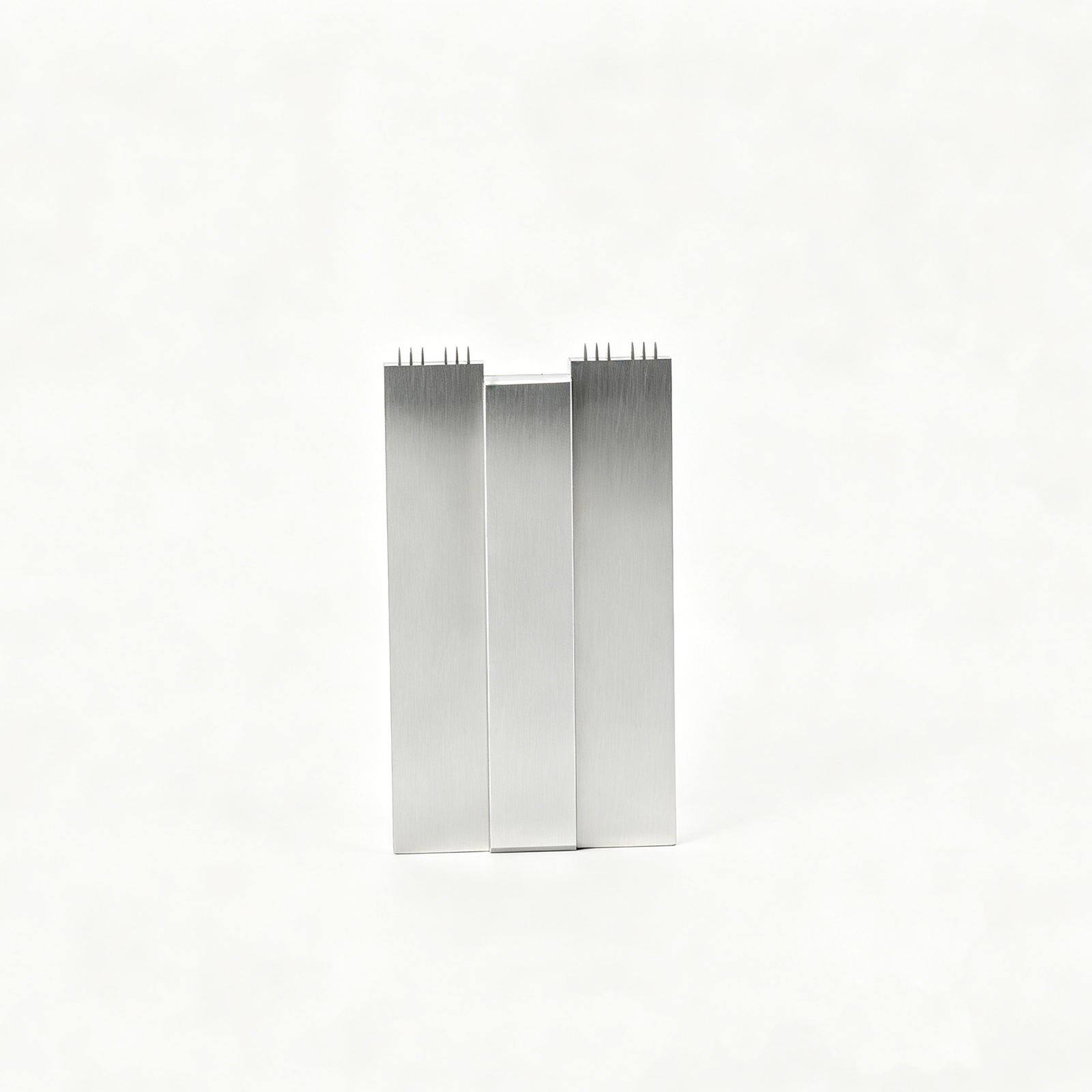
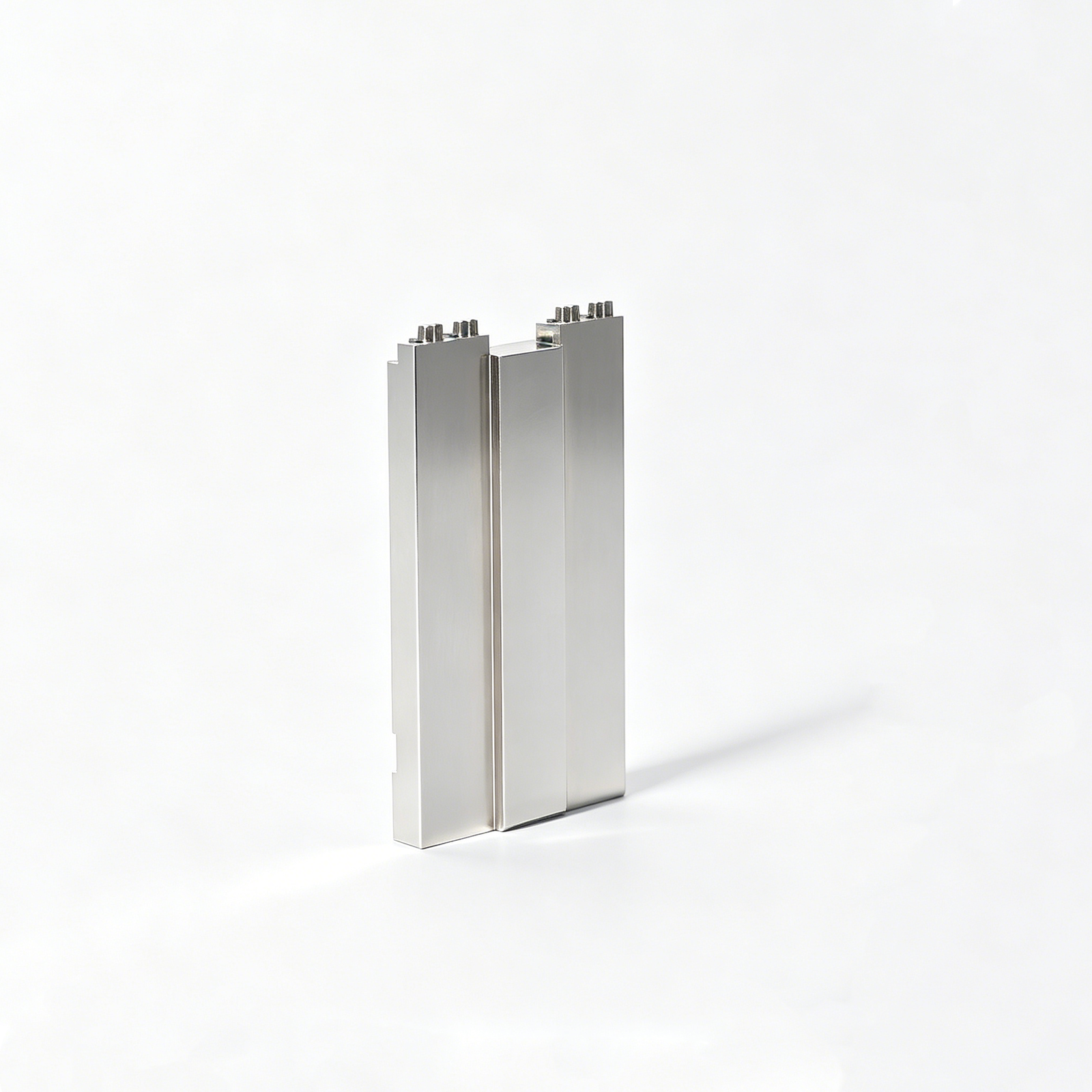
Plastic film parts · Precision mold insert
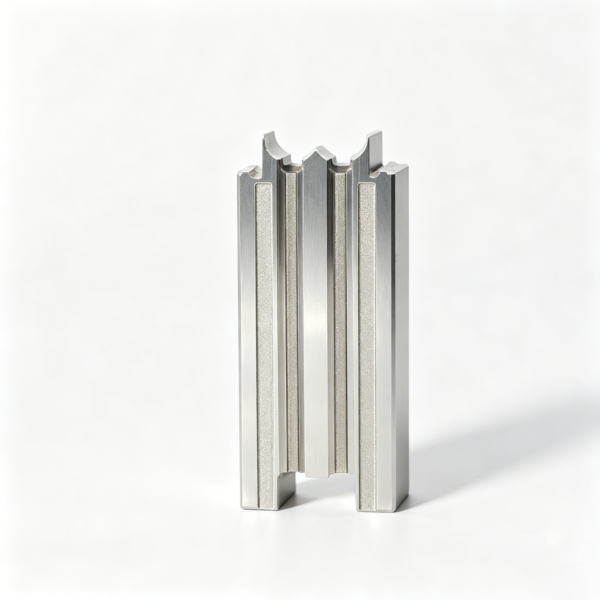
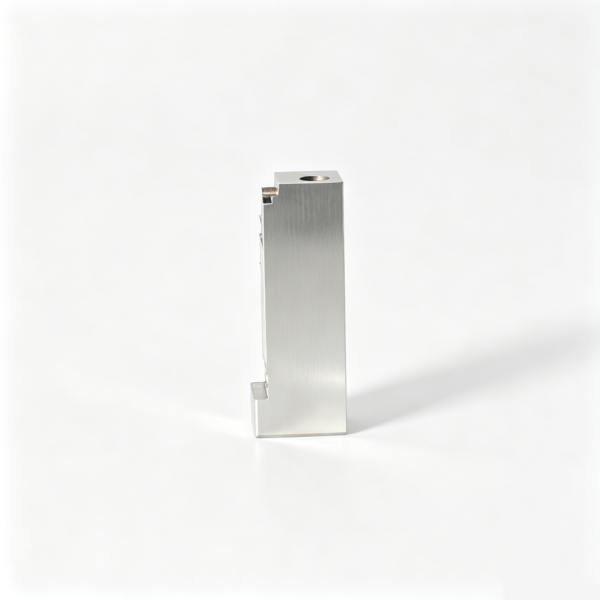
Precision Mold Components for Automotive Connectors – High-Stability Insert & Core Set
Brand Xuxiang Mold
Availability Made to drawing
RFQ pricing
Quote from STEP / PDF & quantity
Enhance the dimensional stability and repeatability of your connector tooling with these precision mold components for automotive connectors. Engineered for tight-tolerance molding, they help you achieve clean parting lines, sharp detail, and reliable pin-to-cavity alignment. Robust steel selection and optimized heat treatment deliver long service life, even in high-cavitation tools. Ideal for OEMs and Tier 1 suppliers upgrading legacy molds or building new connector programs. Integrate them into your existing stack to reduce scrap rates and improve process capability.
- ISO 9001:2015–oriented process & documented inspection paths
- Zeiss / Nikon class metrology available for critical dimensions
- DFM feedback from 10+ senior tooling engineers
- Dongguan HQ + Quanzhou capacity for volume programs
High-stability precision components for demanding automotive connector molds
Automotive electrical connectors are only as reliable as the tooling that forms them. Tight terminal windows, slender walls, and complex latching features all depend on precision mold components for automotive connectors that can maintain alignment, surface finish, and dimensional stability over long production runs. These high-stability insert and core sets are designed specifically for connector molds used in wiring harnesses, control units, sensor interfaces, and other automotive electronics applications.
Each component is manufactured from carefully selected tool steels and machined to tight tolerances, then finished by grinding, EDM, and polishing to achieve consistent parting lines and accurate pin locations.[1][5][7] This combination of material and process control helps reduce flash, short shots, and deformation, so you can maintain critical connector dimensions and secure mating performance in high-volume production.[8][10]
Key features & benefits for connector tooling engineers
These precision components are developed with the real-world needs of mold designers, process engineers, and maintenance teams in mind. The focus is on stability, ease of integration, and long-term consistency.
- Application-optimized geometry – Cores, cavities, sleeves, and inserts tailored for automotive connector housings, terminal cavities, cable entry features, and latch details, allowing you to support complex connector designs without sacrificing manufacturability.[1][8]
- High dimensional accuracy – Tight machining and grinding tolerances help maintain exact connector pitch, terminal window size, and locking feature positions, critical for proper mating and electrical performance.[5][7][8]
- Stable, wear-resistant materials – Quality tool steels and suitable heat treatments are used to resist abrasion from glass-filled or flame-retardant plastics commonly specified for automotive connectors.[2][5][13]
- Surface finish tuned for plastics flow – Controlled surface roughness in functional areas supports uniform material flow, reduces weld lines, and improves part appearance, particularly on visible connector faces.[3][6][10]
- Service-friendly design – Components are designed to be replaceable and accessible, helping maintenance teams swap worn pins, inserts, or cores with minimal downtime.
- Compatibility with high-cavitation molds – Suitable for multi-cavity tools used in large connector harness programs where cycle time and uptime are critical metrics.[10][14]
The result is a component set that supports stable processing windows, predictable shrinkage behavior, and consistent part quality across long production campaigns.
Specifications & key attributes
The table below outlines typical attributes and options available for these automotive connector mold components. Values are expressed descriptively to reflect configuration flexibility across different tools and programs.
| Attribute | Description |
|---|---|
| Product type | Precision cores, cavities, inserts, sleeves, and pins for automotive connector molds |
| Primary application | Injection molds for automotive electrical connector housings, terminal blocks, sensor plugs, and harness interfaces |
| Material options | High-quality tool steels suitable for high-volume plastic injection molding, with customized heat treatment options[2][5][13] |
| Manufacturing processes | Precision CNC machining, grinding, EDM, and polishing for critical surfaces and edges[5][7][11] |
| Tolerance capability | Tight connector-grade machining and grinding tolerances designed for small terminal cavities and fine connector details[5][7] |
| Surface finish | Functional areas prepared with controlled finishes to balance flow, venting, and part aesthetics |
| Mold types supported | Single- and multi-cavity connector molds, family tools, and specialized overmolding applications[8][10][14] |
| Typical plastics | High-performance engineering resins used in automotive connectors, including glass-filled and flame-retardant grades[6][10] |
| Customization | Dimensional and geometric customization available based on connector design, mold layout, and press capability |
| Quality focus | Designed to support consistent connector fit, sealing performance, and assembly automation requirements[8][10] |
Applications & who these components are for
These precision components are ideal for organizations involved in the design and production of automotive connectors and wiring systems. They serve both new mold builds and refurbishment of legacy tools.
- Connector manufacturers – Companies producing electrical connectors for passenger cars, commercial vehicles, EVs, and off-highway equipment can use these components to stabilize critical dimensions and reduce scrap in high-volume production.[8][10]
- Mold makers & tool shops – Tooling specialists designing new connector molds or refurbishing existing ones can integrate these components to improve mold performance, longevity, and serviceability.[1][9][13]
- Tier 1 and Tier 2 suppliers – Automotive electronics, harness, and module suppliers can standardize on robust connector mold components to support global production platforms and long service life.[10][14]
- Engineering teams – Product and process engineers responsible for new connector projects can specify these components early in the design phase to align connector geometry with tooling feasibility and durability.[6][8]
Typical use cases include high-pin-count ECU connectors, compact sensor plugs, sealed connectors for under-hood environments, and low-profile connectors used in interior modules and infotainment systems.
Selection, care & buying guidance
Selecting the right precision mold components begins with a clear understanding of your connector design and molding conditions. Consider the following factors when specifying components for your next tool:
- Connector geometry and wall thickness – Tight terminal spacing, fine ribs, and complex snap fits may require specific core and insert designs to ensure adequate venting and smooth ejection.[6][8]
- Resin choice – Abrasive, glass-filled, and flame-retardant resins call for more wear-resistant materials and finishes to maintain dimensional accuracy over time.[2][5][10]
- Production volume and cavitation – High-output programs benefit from enhanced wear resistance and stable alignment systems to minimize downtime and component replacement.[10][14]
- Maintenance strategy – Designing for easy access and replacement of cores, pins, and inserts facilitates preventative maintenance and reduces the cost of ownership.
To extend service life, follow a structured maintenance plan that includes regular cleaning of vent areas, inspection of critical edges and shutdown surfaces, and monitoring of pin tip wear. When wear is detected, replacing affected components promptly helps maintain connector quality and prevents damage to related tooling surfaces.
When ordering, provide connector drawings, mold layouts, and resin information so that components can be configured to your specific application. Collaborating early with your tooling supplier ensures that material selection, geometry, and surface finish are aligned with your performance and lifetime targets.
FAQ
Are these precision mold components compatible with my existing connector molds?
In many cases, components can be adapted to fit existing connector mold layouts as long as you provide accurate drawings and cavity details. Custom dimensions and geometries can be produced to match your current tooling strategy, making it possible to upgrade specific wear items without redesigning the entire mold.
What types of automotive connectors are these components suitable for?
They are suitable for a wide range of automotive connectors, including ECU connectors, sensor plugs, body control module interfaces, lighting connectors, and wiring harness junction connectors. The focus is on plastic housings produced by injection molding using engineering thermoplastics.
How should I maintain the components to maximize tool life?
Regularly clean vent areas and cavity surfaces, avoid aggressive mechanical scraping, and use suitable mold cleaners that do not attack the steel or surface finish. Inspect high-wear zones such as core pins, parting edges, and gate areas, and replace individual components when wear is evident to prevent damage to adjacent tooling.
Can these components handle glass-filled, flame-retardant automotive resins?
Yes. The materials and heat treatments are selected to withstand the higher abrasion and chemical exposure associated with glass-filled and flame-retardant resins commonly used in automotive connectors. Inform your supplier of the specific resin family so that the component configuration can be matched to your application.
What information do I need to provide when ordering custom connector mold components?
To ensure a proper fit, share 2D and 3D drawings of the connector, cavity layout, and mold base interface, along with resin type, expected production volume, and any special requirements such as sealing features or overmolding. This helps the supplier optimize geometry, tolerances, and surface finish.
How long will these components last in high-volume production?
Service life depends on factors like resin abrasiveness, cavitation, cycle time, and maintenance practices. With correct material selection and regular maintenance, they are designed to support long production campaigns typical of automotive connector programs, with replaceable wear parts to further extend tool life.
Do you offer support for mold design and optimization?
Many suppliers of connector mold components provide engineering support, including design reviews, recommendations for gate and vent placement, and guidance on draft and wall thickness. Collaborating early can improve mold robustness and reduce the risk of defects such as warpage, flash, and incomplete filling.
What is the typical lead time for manufacturing custom components?
Lead time varies with complexity and order quantity, but standard connector geometries are usually faster to produce than highly customized features. Sharing clear specifications and approving drawings promptly helps reduce overall delivery time.
What is the policy on returns or adjustments if components do not fit as expected?
If components are produced according to agreed drawings and specifications, most adjustments are handled through engineering changes or additional machining. If there is a discrepancy between the supplied parts and approved drawings, suppliers typically work with you to correct the issue according to their quality and returns procedures.
Related products
Same drawing, predictable results—next batch
Share revision, quantity ramp, and inspection level. We quote process route, ship date, and documentation in one structured response.