
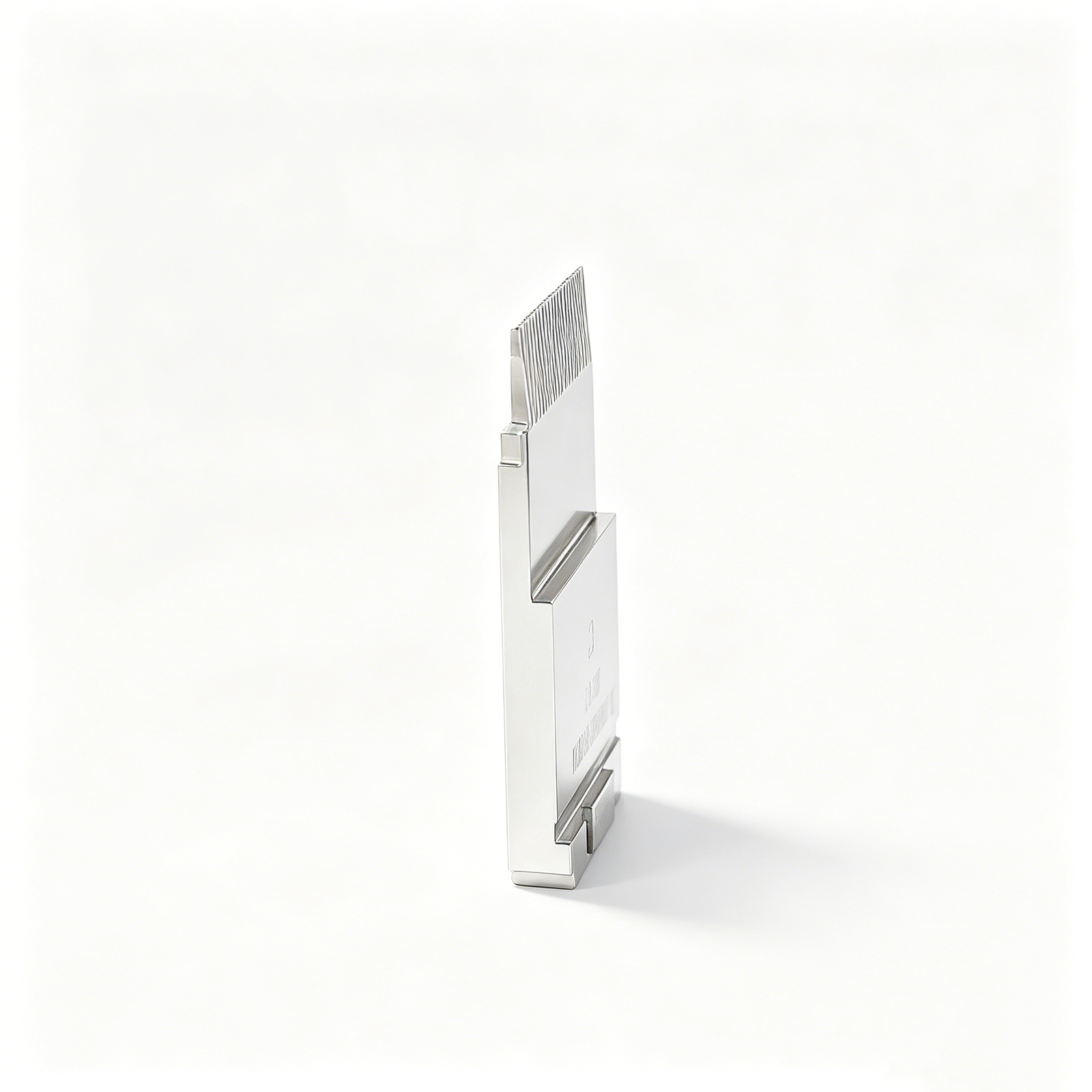
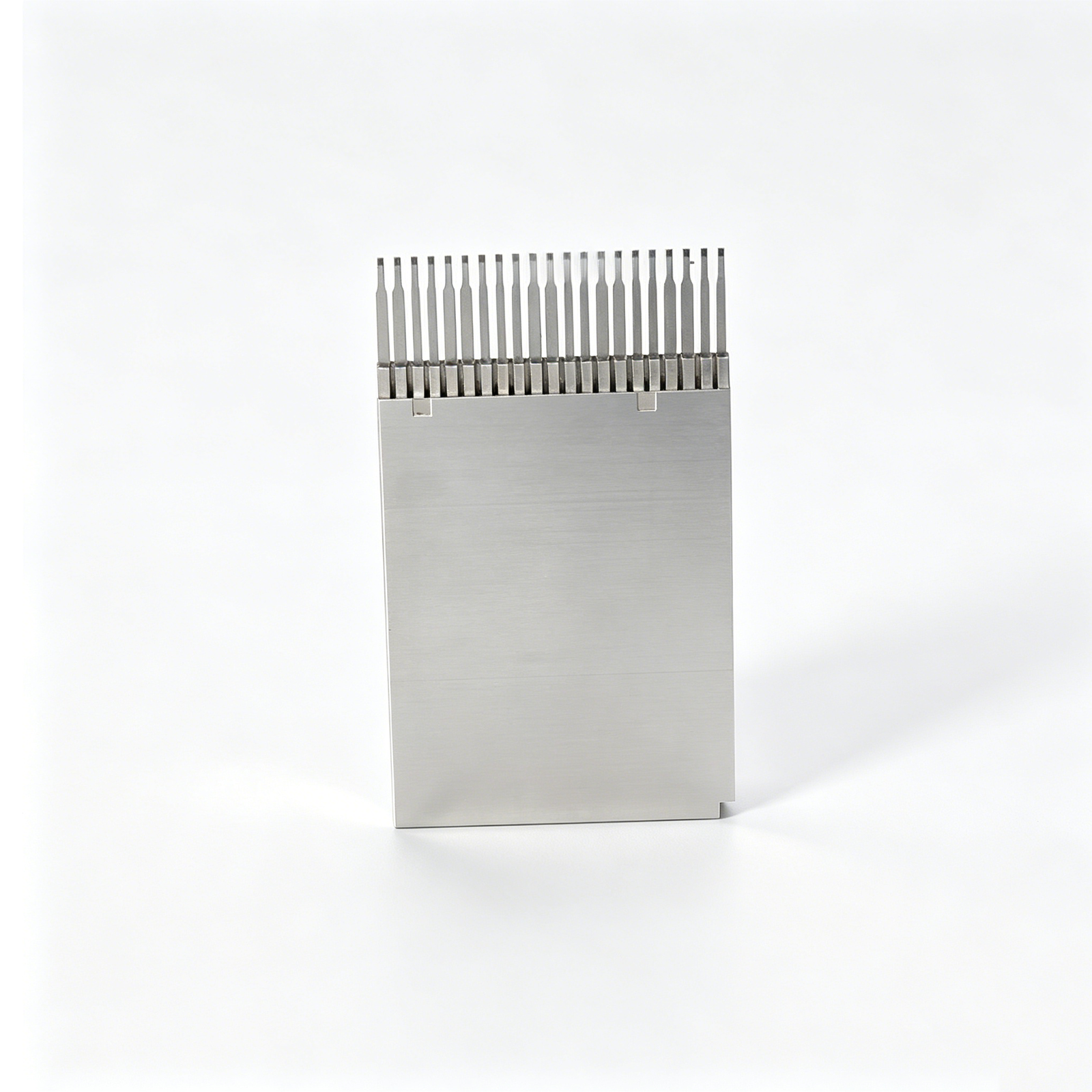
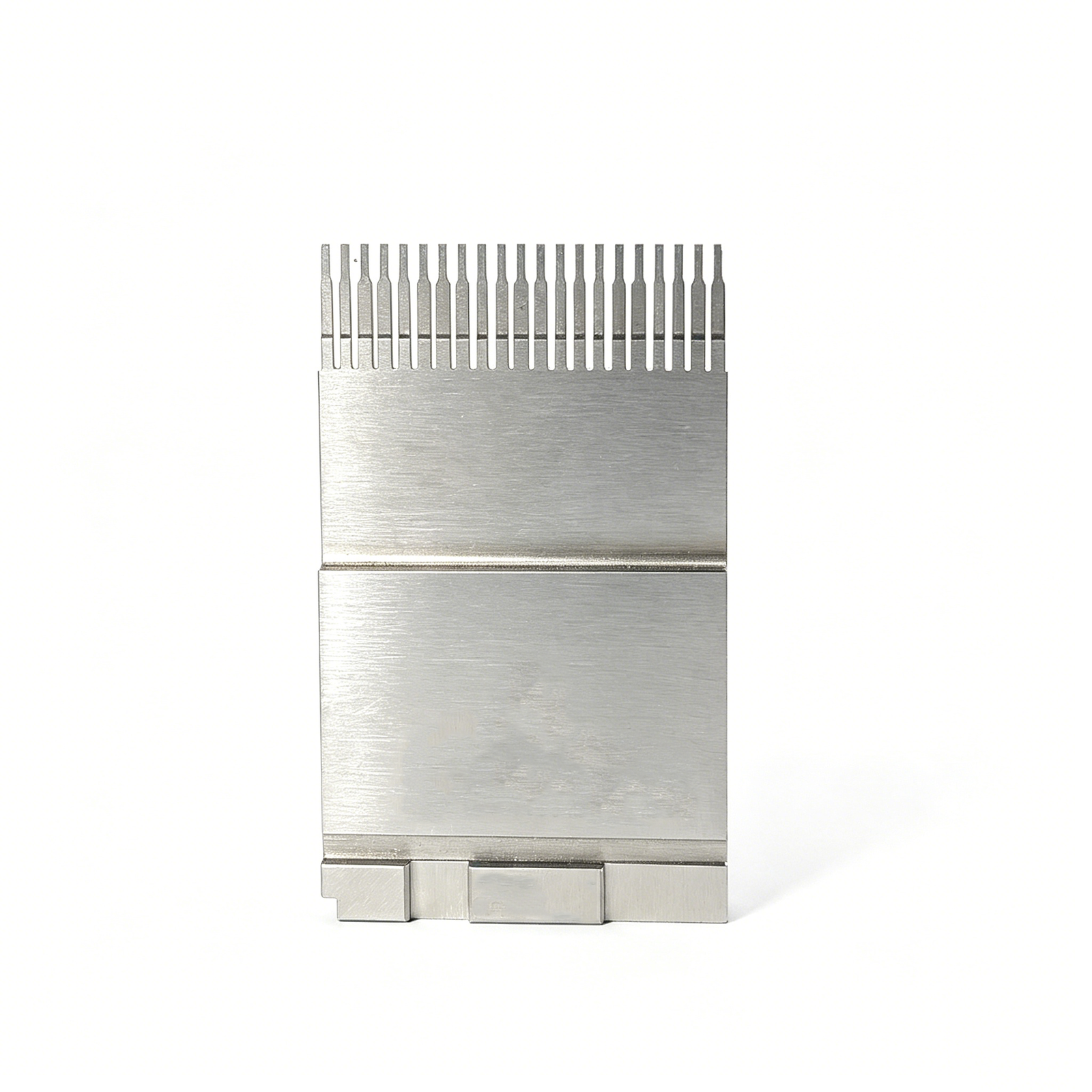
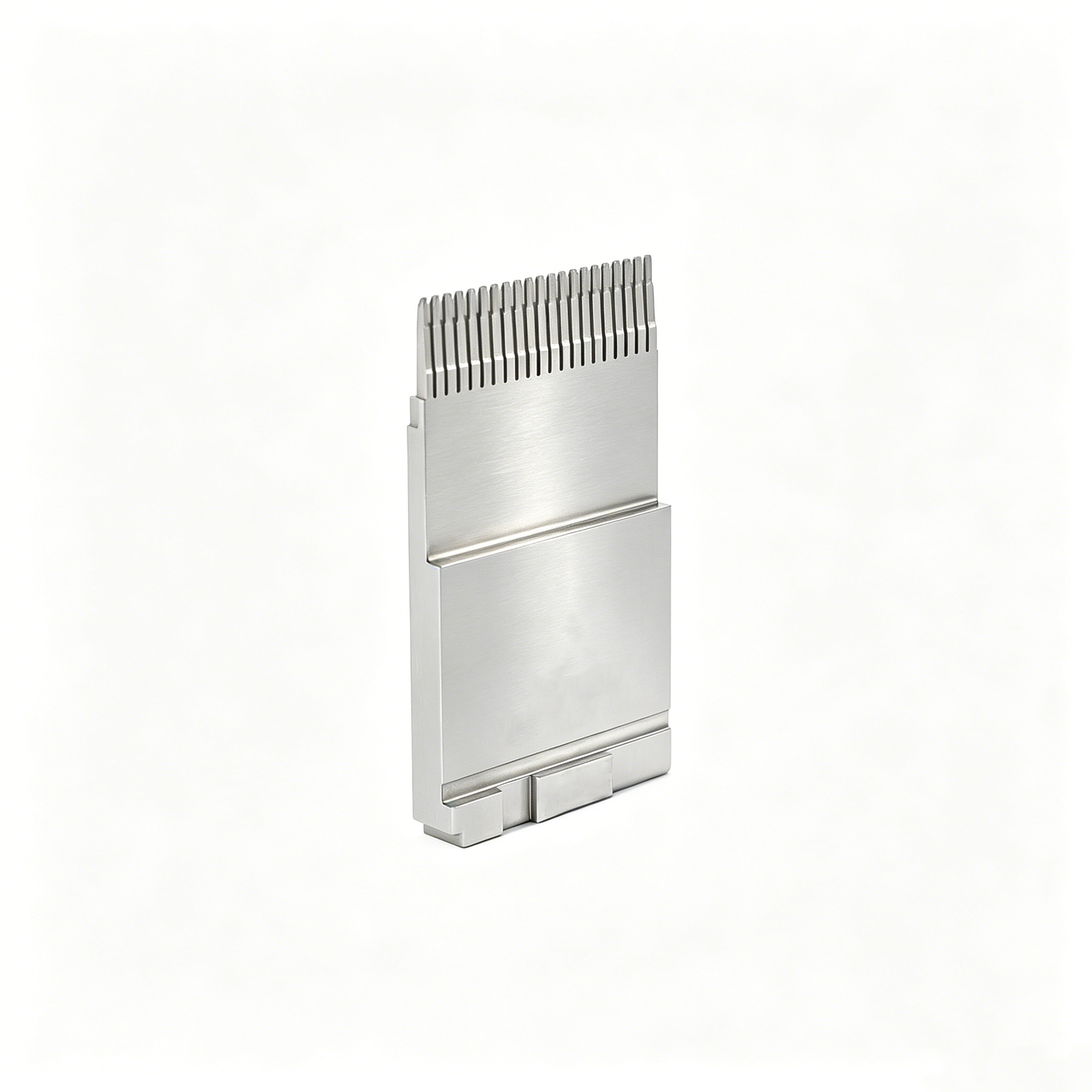
Plastic film parts · Precision mold insert
Industrial Connector Precision Mold Components for High-Accuracy Tooling
Brand Xuxiang Mold
Availability Made to drawing
RFQ pricing
Quote from STEP / PDF & quantity
Achieve consistent, high-tolerance production in your connector tooling with our Industrial Connector Precision Mold Components. Engineered for demanding molding environments, these components help you maintain tight dimensional control, reduce flash, and prolong mold life. Precision-ground elements and stable materials minimize downtime from rework and adjustment. Whether you produce miniature signal connectors or rugged power housings, these components support repeatable quality shot after shot. Upgrade your tooling stack to improve productivity, reduce scrap, and deliver connectors your customers can trust.
- ISO 9001:2015–oriented process & documented inspection paths
- Zeiss / Nikon class metrology available for critical dimensions
- DFM feedback from 10+ senior tooling engineers
- Dongguan HQ + Quanzhou capacity for volume programs
Industrial Connector Precision Mold Components – Built for High-Accuracy Connector Tooling
Industrial connector manufacturers face constant pressure to deliver smaller, more reliable, and higher-density connectors while keeping cycle times under control. Any variation in the mold stack can lead to poor pin alignment, inconsistent insulation thickness, and costly post-processing. Our Industrial Connector Precision Mold Components are developed specifically to address these challenges in connector injection molding tools.
From micro-pitch signal connectors to heavy-duty power and industrial I/O assemblies, these components help you build and maintain molds that hold tight tolerances over long production runs. Precision pins, sleeves, inserts, and guiding elements are designed to stabilize the mold stack, support thin-wall sections, and improve parting line integrity so you can run with confidence.
What These Precision Mold Components Are
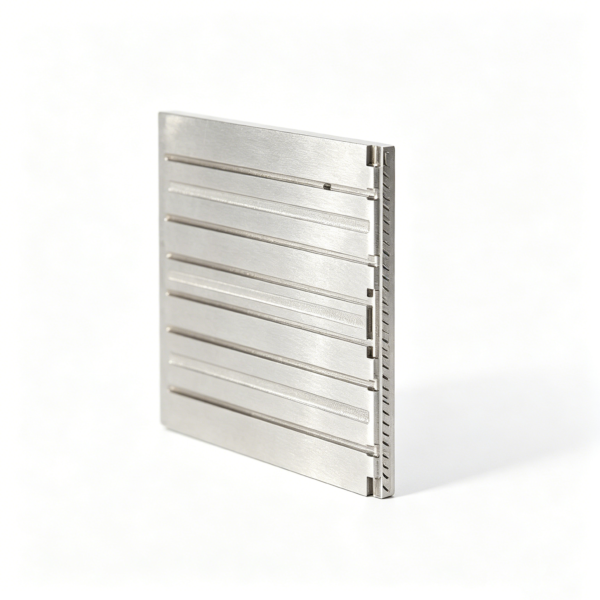
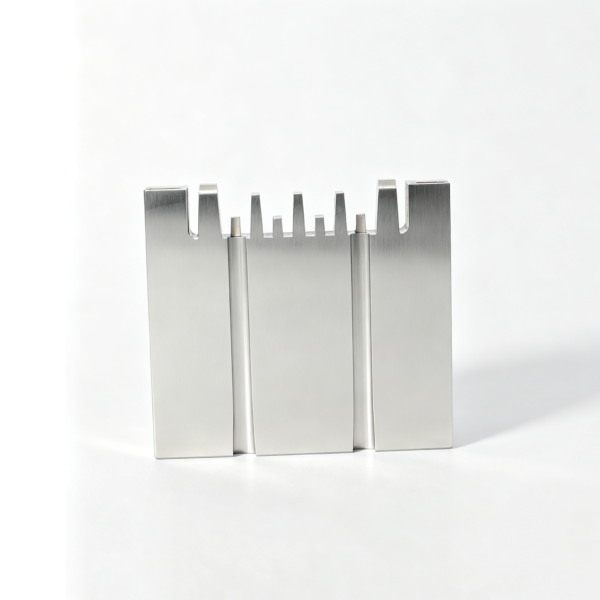
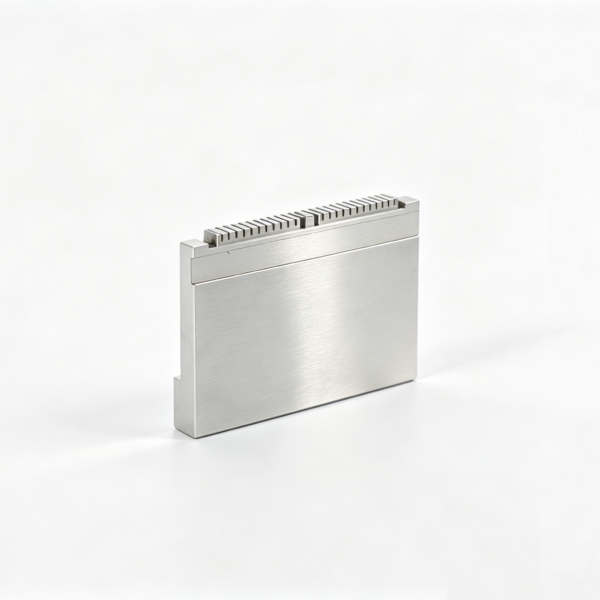
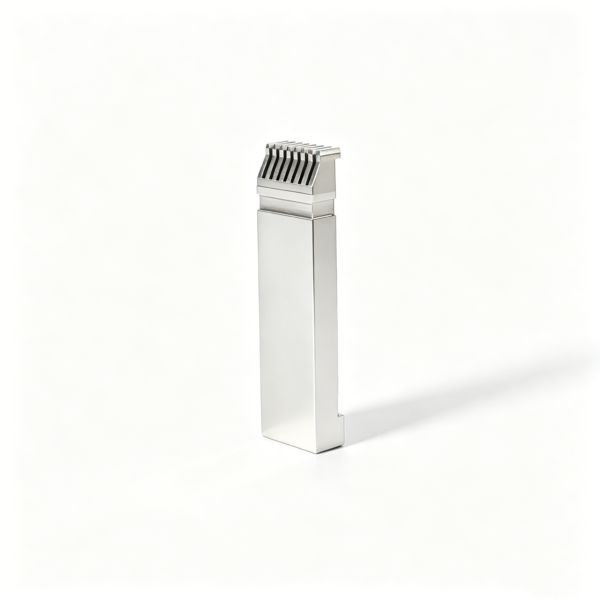
Industrial Connector Precision Mold Components are a curated range of critical tooling elements used inside connector molds. Typical component types include:
- Core and cavity inserts for connector housings and terminal pockets
- Precision core pins and sleeves for contact channels and alignment features
- Guiding and alignment elements to maintain exact mold half positioning
- Ejector pins and lifters configured for delicate connector geometries
- Locating rings, support pillars, and retainer plates for robust mold structure
Each component is produced using high-stability tool steels or equivalent mold-grade materials, then finished with tight process controls to ensure consistency from one replacement part to the next. Surface finishes are optimized for resin flow, release, and wear resistance depending on the application.
Key Features & Benefits
Designed around the real-world needs of connector mold builders and injection molding shops, these components deliver practical advantages on the shop floor.
- Connector-focused geometry – Dimensional proportions, draft angles, and tip forms are tailored to typical connector design features such as pin cavities, locking lances, keying ribs, and strain-relief details.
- Stable dimensions for tight tolerances – Carefully controlled heat treatment and finishing processes help reduce distortion, so cores and cavities maintain dimensional stability while in service, even under demanding cycle conditions.
- Improved part quality – Enhanced guiding and alignment components help maintain parting line accuracy and reduce flash, short shots, and mismatch, which is critical for small connectors with fine pitch.
- Extended mold life – Wear-resistant surfaces and robust material selection help minimize galling and erosion in high-friction areas, extending maintenance intervals and reducing unscheduled downtime.
- Reduced setup and adjustment time – Consistent component dimensions from batch to batch make replacements more predictable, allowing toolmakers to change parts with minimal hand fitting.
- Compatibility with common connector resins – Suitable for typical connector materials such as engineering thermoplastics, glass-filled resins, and high-temperature polymers, when matched with appropriate mold design practices.
Key Specifications & Attributes
The following table summarizes typical attributes for Industrial Connector Precision Mold Components. Exact values depend on the specific component type, mold design, and connector application. Use this as a guide when engineering your tooling stack or planning replacement parts.
| Attribute | Description |
|---|---|
| Typical Component Types | Core pins, cavity inserts, sleeves, ejector pins, lifters, guide pillars, bushings, locating elements |
| Industry Focus | Industrial connectors, signal and power connectors, I/O and automation interfaces |
| Material Category | Mold-grade tool steels or equivalent materials selected for wear resistance and dimensional stability |
| Surface Finish Options | Polished, micro-textured, or treated surfaces tailored for resin flow, release, or anti-wear performance |
| Dimensional Tolerance Focus | Optimized for tight-tolerance connector features such as fine-pitch cavities and thin-wall insulation sections |
| Mold Compatibility | Injection molds for thermoplastic connector housings and related overmolded components |
| Application Environment | High-volume production, multi-cavity tools, and precision connector molding cells |
| Customization | Configurable geometries and fit to match customer-specific connector designs and existing mold bases |
| Maintenance Approach | Designed for routine cleaning, inspection, and replacement during planned mold maintenance cycles |
| Quality Focus | Consistent component-to-component repeatability to support stable, predictable production results |
Use Cases & Who These Components Are For
Industrial Connector Precision Mold Components are well suited for a wide range of connector manufacturing environments:
- Connector OEMs and brand owners that run in-house injection molding cells and require stable production of proprietary connector families.
- Custom mold makers specializing in high-precision, multi-cavity connector tools that need reliable standard and semi-standard components to complete their designs.
- Tiered suppliers producing connector housings and inserts for automotive, industrial automation, energy, and communications applications.
- Molding job shops that service multiple connector brands and need versatile, dependable mold components to handle frequent tool changes and varied resins.
Typical use scenarios include new mold builds for next-generation connectors, refurbishment of legacy tools to improve uptime, and incremental upgrades where critical components are replaced with higher-precision alternatives to boost part quality.
Care, Maintenance & Buying Guidance
To maximize the performance and service life of your Industrial Connector Precision Mold Components, combine good purchase decisions with disciplined maintenance practices.
- Match components to connector design – When specifying new parts, consider connector pitch, cavity depth, resin selection, and expected cycle time so that component geometry and material suit your application.
- Plan for interchangeability – Where possible, standardize certain component interfaces and diameters across tools. This simplifies stocking spares and makes replacements faster when a component reaches the end of its service life.
- Use regular cleaning and inspection – Incorporate visual inspection of cores, cavities, and guiding elements into your scheduled mold maintenance to catch wear or buildup before it impacts dimensional accuracy.
- Monitor process indicators – Changes in parting line flash, ejector marks, or dimensional drift can signal that a component needs reconditioning or replacement.
- Document component configurations – Keep clear records of which mold components are used in each tool and cavity. This makes sourcing replacements or upgrades more straightforward and reduces the risk of incompatible parts.
When purchasing, review your tooling standards, connector portfolio, and maintenance strategy. Selecting components that align with your long-term tooling roadmap helps control total cost of ownership while maintaining the level of precision your connectors demand.
FAQ
Are these Industrial Connector Precision Mold Components compatible with my existing molds?
The components are designed to integrate with typical connector mold architectures, but final compatibility depends on your specific mold base and design. In many cases, dimensions and fits can be selected or adjusted to replace existing elements without major rework.
How should I choose the right components for different connector sizes?
Start by reviewing the connector pitch, wall thickness, and cavity depth. Then select component geometries that provide adequate support and guidance without restricting resin flow. For very small or high-density connectors, prioritize precision-guided elements and stable core pins.
Do you offer guidance on component selection for new mold projects?
Yes. When planning new connector tooling, share your connector drawings, resin information, and production targets. This information can be used to recommend appropriate component types and configurations to support your design goals.
What maintenance is recommended to extend component life?
Use regular mold cleaning to remove resin buildup, check for wear on sliding and guiding surfaces, and monitor for rounding or damage on critical edges. Replacing or reconditioning components at planned intervals helps prevent unplanned downtime and scrap.
Will these components work with high-temperature engineering resins?
They are suitable for many common engineering thermoplastics used in connectors when paired with appropriate mold design and processing conditions. For very high-temperature or abrasive materials, confirm material selection and surface treatment to ensure adequate wear resistance.
How are the components shipped and protected during transport?
Components are typically packed in protective trays or sleeves to prevent impact and corrosion during transit. Each shipment is arranged to keep delicate tips and precision surfaces secure until they reach your toolroom.
Can I return components if they do not fit my tooling?
Return options depend on the specific purchase terms and whether the components were standard or made to order. Standard parts may be eligible for return in unused condition, while customized items usually require prior review. Check the applicable return policy before ordering.
What is the typical lead time for these mold components?
Lead times vary with component type and customization level. Commonly used geometries are often available faster, while highly specialized parts may require additional production time. Plan ahead for critical tools to ensure components arrive in line with your maintenance schedule.
Do I need any special training to install these components?
Experienced toolmakers and mold technicians can usually install the components using standard shop procedures. For complex tooling changes, detailed drawings and clear identification of replacement parts help ensure a smooth installation process.
How can I tell when a component should be replaced instead of reworked?
When wear, corrosion, or damage affects dimensional stability or surface integrity beyond practical reconditioning, replacement is typically the better option. Comparing current part performance with your original specifications and process capability targets can help guide this decision.
Related products
Same drawing, predictable results—next batch
Share revision, quantity ramp, and inspection level. We quote process route, ship date, and documentation in one structured response.