
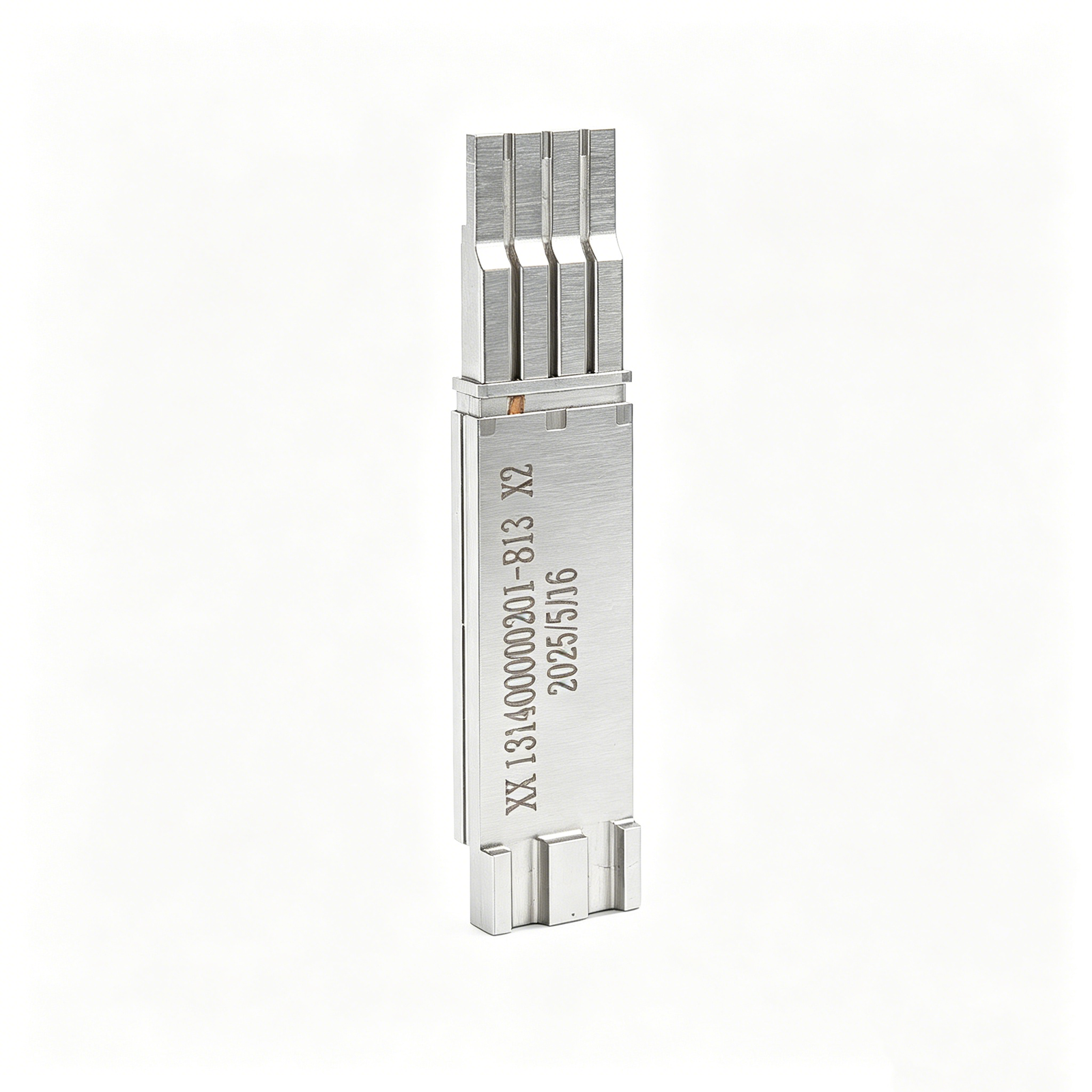
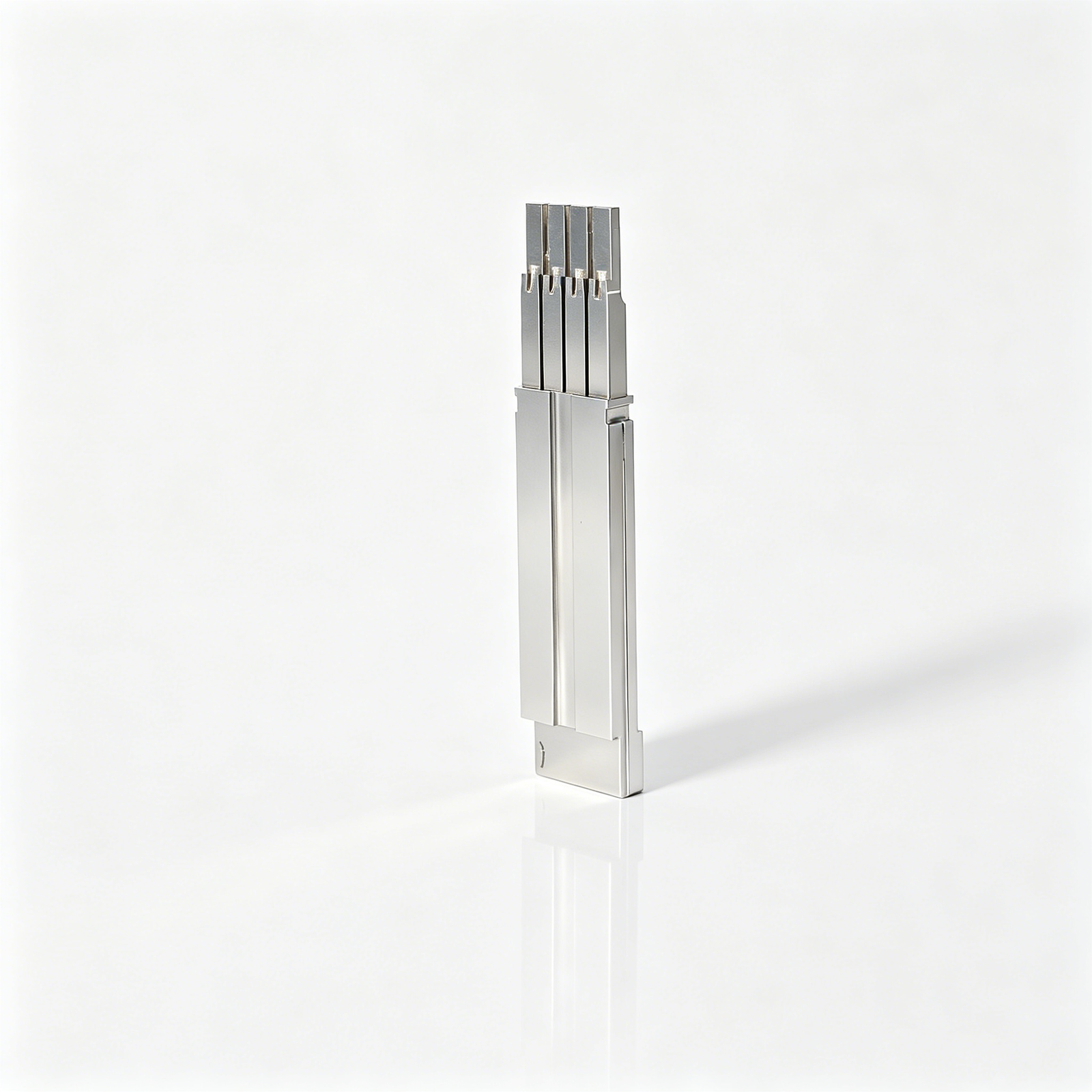
Plastic film parts · Precision mold insert
Industrial Connector Precision Mold Components for High-Accuracy Tooling
Brand Xuxiang Mold
Availability Made to drawing
RFQ pricing
Quote from STEP / PDF & quantity
Engineer reliable, repeatable connector production with our Industrial Connector Precision Mold Components, purpose-built for demanding injection molding environments. Each component is manufactured from wear-resistant tool steel and finished to tight tolerances to help you maintain stable dimensions over long production runs. Smooth surfaces and precise alignment features support fast cycling, efficient ejection and minimal scrap. Whether you are molding data, power or automotive connectors, these components integrate seamlessly into new or existing tools to upgrade performance. Choose them to reduce downtime, extend mold life and protect the consistency of every molded connector.
- ISO 9001:2015–oriented process & documented inspection paths
- Zeiss / Nikon class metrology available for critical dimensions
- DFM feedback from 10+ senior tooling engineers
- Dongguan HQ + Quanzhou capacity for volume programs
Industrial Connector Precision Mold Components: Engineered for Stable, High-Volume Connector Production
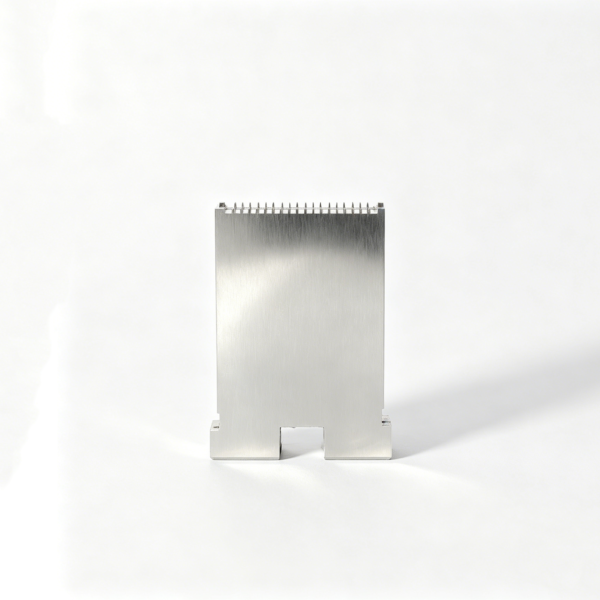
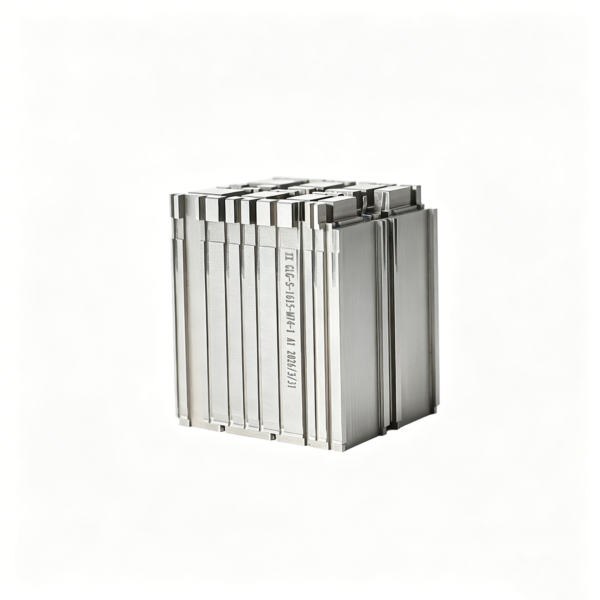
Industrial connector tooling needs to deliver consistent micro-precision under continuous thermal and mechanical stress. Our Industrial Connector Precision Mold Components are designed specifically for connector molds used in electronics, automotive, industrial controls, 5G communication modules and other high-density connector applications. These components form the critical contact surfaces, guiding elements and functional inserts that determine dimensional accuracy, surface finish and overall tool life.
By combining high-stability tool steels with advanced machining and surface treatment, these components help mold builders and OEMs achieve repeatable tolerances, clean parting lines and reliable demolding, even on fine-pitch connector designs. Whether you are building a new multi-cavity mold or retrofitting existing tooling, these precision parts provide a robust foundation for your connector production strategy.
Key Features & Performance Benefits
Connector molds present unique challenges: thin walls, complex geometries, tight pitch, and strict dimensional requirements for mating fit and electrical performance. These industrial connector precision mold components are configured to address those challenges directly.
- Precision-ground cavity and core inserts to support stable connector geometry, including fine-pitch terminals, housing ribs and latch details.
- High wear resistance from premium tool steels and appropriate heat treatment, helping withstand glass-fiber-filled or flame-retardant resins often used for connector insulating housings.
- Excellent dimensional stability for complex connector features where even minor deviations can affect mating, sealing and electrical clearance.
- Optimized surface finishes on molding faces to promote smooth flow, consistent gloss or texture, and easier demolding of micro-features.
- Robust alignment and guiding elements that maintain precise registration between core and cavity blocks, protecting delicate pin and slot features from damage.
- Support for high-cavitation tools, with repeatable component geometry that simplifies balancing and multi-cavity maintenance.
- Adaptable to multiple resin families, including engineering plastics used in industrial connectors such as high-temperature, high-tracking-resistance materials.
Together, these benefits translate into reduced scrap, fewer dimensional non-conformities, improved cycle consistency and a longer service interval between regrinds or component replacement.
Specifications & Construction Details
Every connector application is different, so the specific geometry of the components is tailored to your mold design. The table below outlines typical attributes and options for this product range to help you evaluate suitability for your project.
| Attribute | Description |
|---|---|
| Product type | Industrial connector precision mold components for injection molding tools |
| Typical components | Cavity inserts, core inserts, core pins, sleeves, lifter inserts, slide inserts, ejector-related components, guide and alignment elements |
| Suitable mold applications | Connector housing molds, terminal block molds, multi-pin data and power connector tools, automotive and industrial connector tooling |
| Base materials | High-quality tool steels selected for hardness, toughness and wear resistance appropriate to connector resins |
| Heat treatment | Engineered heat treatment strategies to deliver stable hardness and dimensional control under production temperatures |
| Surface treatment options | Surface hardening or coating options commonly used in precision molds to enhance wear and corrosion resistance |
| Tolerance capability | Recognizes connector industry need for micro-precision on critical features; exact tolerances defined per drawing and application |
| Compatible molding materials | Thermoplastics used for connectors, including high-temperature, glass-filled and flame-retardant engineering resins |
| Customization | Made-to-drawing configurations for unique connector geometries, pin layouts, gating concepts and ejection strategies |
| Typical industries | Electronics, telecom, industrial automation, automotive, medical and other sectors using precision plastic connectors |
Typical Use Cases & Ideal Customers
These industrial connector precision mold components are aimed at mold builders, tool rooms and OEMs who need reliable, repeatable performance in connector manufacturing. They are suitable for both greenfield mold builds and upgrades to existing tools.
- Connector mold manufacturers seeking a stable, repeatable component source for high-cavitation tools serving consumer electronics and industrial markets.
- Electronics and telecom OEMs producing high-density connectors for data centers, 5G base stations, routers or network equipment and needing tight control over fit and finish.
- Automotive and EV suppliers molding power and signal connectors that must withstand vibration, temperature extremes and harsh under-hood conditions.
- Industrial automation and control system providers using ruggedized connectors on factory equipment, sensors, PLCs and drives.
- Maintenance and tooling departments wanting replacement or upgraded mold components to extend the life of existing connector molds.
In each of these scenarios, component quality has a direct impact on connector mating reliability, sealing, mechanical retention and final electrical performance. Investing in stable, carefully manufactured mold components helps you safeguard those downstream requirements.
Selection, Care & Buying Guidance
Choosing the right industrial connector precision mold components involves matching the component configuration, steel selection and surface finish to the specifics of your connector and resin. For thin-wall, high-temperature connectors, for example, material choices that balance hardness with toughness and thermal stability are essential. For connectors using abrasive, glass-fiber-filled materials, surface hardness and wear resistance become especially important.
When specifying components, consider:
- Connector geometry – pin pitch, wall thickness, undercuts and snap mechanisms all influence insert design and tolerance needs.
- Molding resin family – temperature, shrink characteristics and abrasiveness drive tool steel and surface treatment choices.
- Production volume and cycle time – higher-volume programs benefit from higher-grade materials and coatings that extend maintenance intervals.
- Existing mold standards – alignment with current mold base and standard components can simplify installation and spare-part management.
Good care and maintenance further extend service life. Maintain a scheduled cleaning program to remove deposits, corrosion sources and resin build-up from molding surfaces. Lubricate moving components following your plant’s standards, and inspect high-stress areas such as thin pins, slide inserts and lifter edges on a regular interval. Store spare components in a clean, dry environment with appropriate rust-prevention measures to keep them ready for quick changeovers.
By integrating these industrial connector precision mold components into your tooling strategy and combining them with sound maintenance practices, you can achieve consistent quality, reduced unplanned downtime and a more predictable cost per connector over the entire life of the mold.
FAQ
Are these mold components compatible with my existing connector mold?
Yes, the components are designed to be produced to your drawings or adapted to common mold standards. When ordering, provide your tool drawings and specifications so dimensions and interfaces match your current mold base and hardware.
Which connector types are these components suitable for?
They are suitable for a wide range of plastic connector housings, including signal and power connectors, board-to-board, wire-to-board and wire-to-wire connectors used in electronics, automotive and industrial equipment.
How should I select materials for high-temperature or glass-filled resins?
For high-temperature or abrasive, glass-filled resins, choose tool steels and surface treatments that prioritize wear resistance, thermal stability and toughness. Sharing your resin data sheet and expected cycle conditions will help determine an appropriate material and treatment combination.
What maintenance do these precision mold components require?
Follow a routine maintenance schedule that includes cleaning molding faces, checking for wear or micro-cracking on high-stress features, lubricating moving parts where appropriate and reconditioning surfaces when necessary. Proper storage of spare parts in a dry, protected location is also important.
Do you offer guidance on component sizing and fit for new mold designs?
Yes, basic application guidance is available to help you align component choices with your connector layout, gating approach and ejection concept. Share key information such as cavity count, connector geometry and target cycle time to support the selection process.
How are the components packaged and shipped to protect accuracy?
Components are individually protected with corrosion-inhibiting packaging and cushioned to prevent impact damage. Larger sets are organized to make identification and installation straightforward upon arrival.
What is the typical lead time for custom-made connector mold components?
Lead time depends on complexity and order size. Once drawings and requirements are confirmed, an estimated schedule is provided so you can plan tool assembly and trials accordingly.
Can these components be refurbished or reground after wear?
Many components can be reground or polished within defined limits, extending tool life before complete replacement is required. Periodic measurement of critical dimensions helps you decide when to recondition or replace parts.
What is the policy on non-conforming or damaged components on delivery?
If any component arrives damaged or does not meet the agreed specification, contact support with photos and inspection records. Evaluation will determine whether repair, replacement or credit is appropriate under the warranty and returns terms.
Do these components support future connector design changes?
Yes, by modularizing certain inserts and pin groups, you can often update only the affected components when connector geometry evolves, minimizing downtime and tooling cost for design revisions.
Related products
Same drawing, predictable results—next batch
Share revision, quantity ramp, and inspection level. We quote process route, ship date, and documentation in one structured response.