
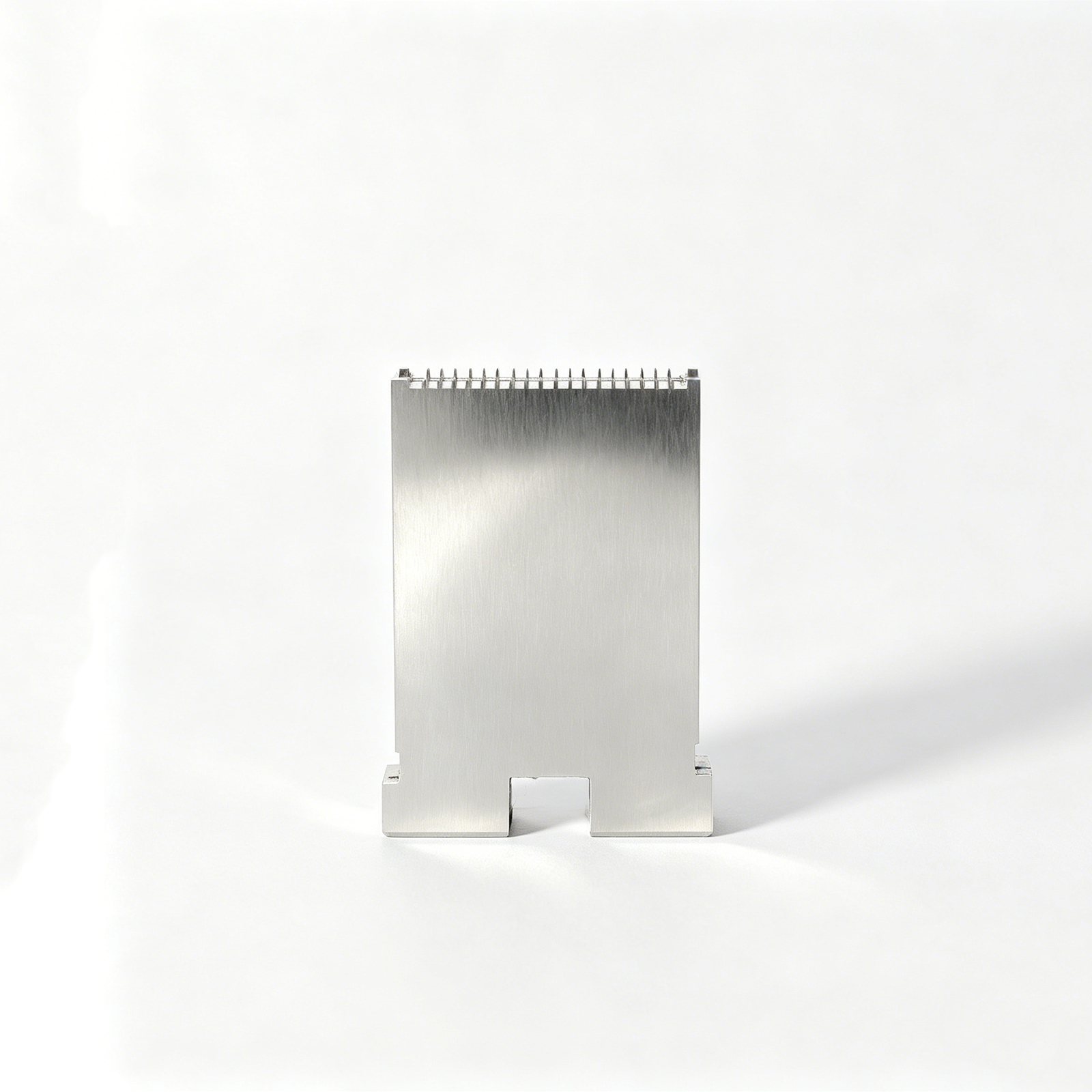
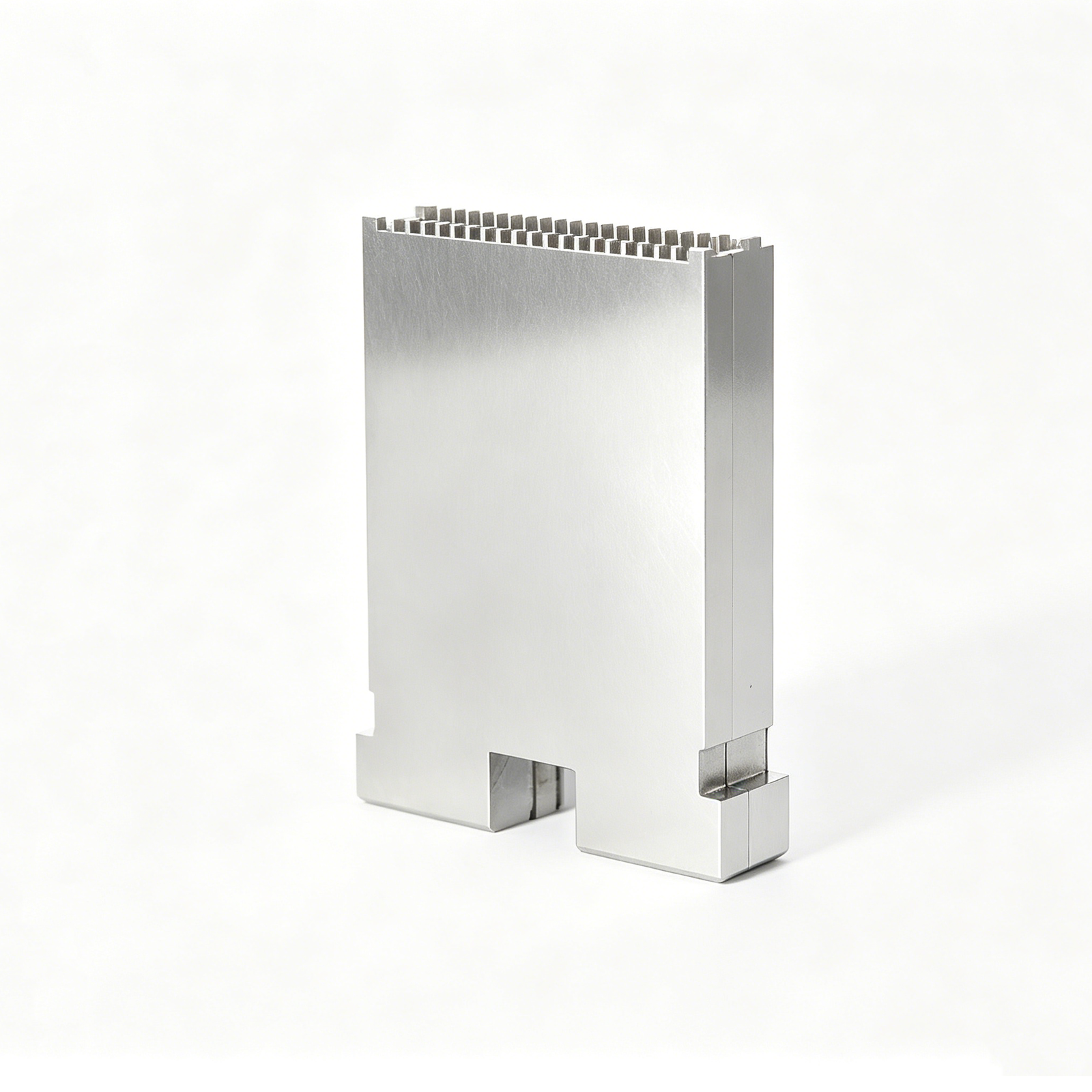
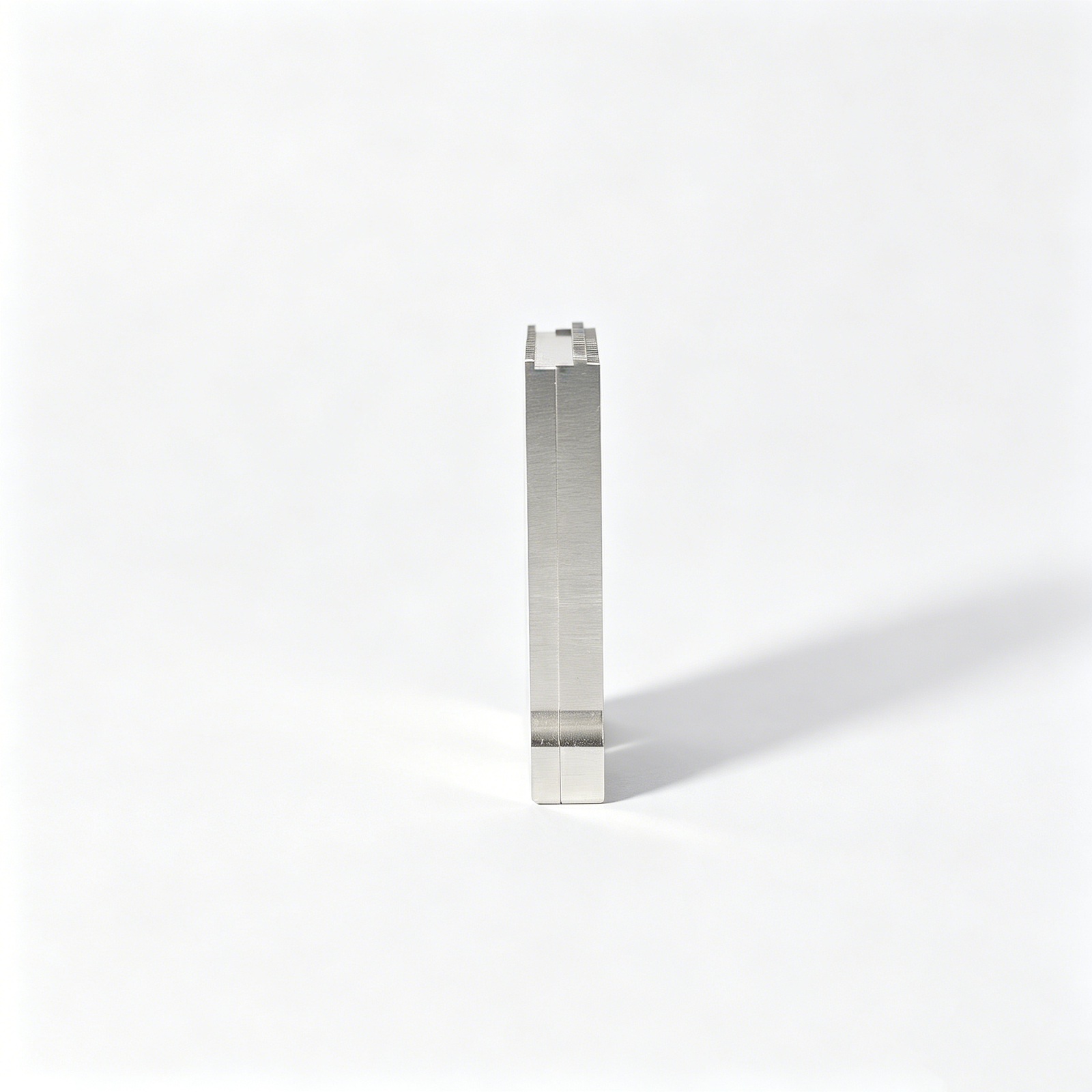
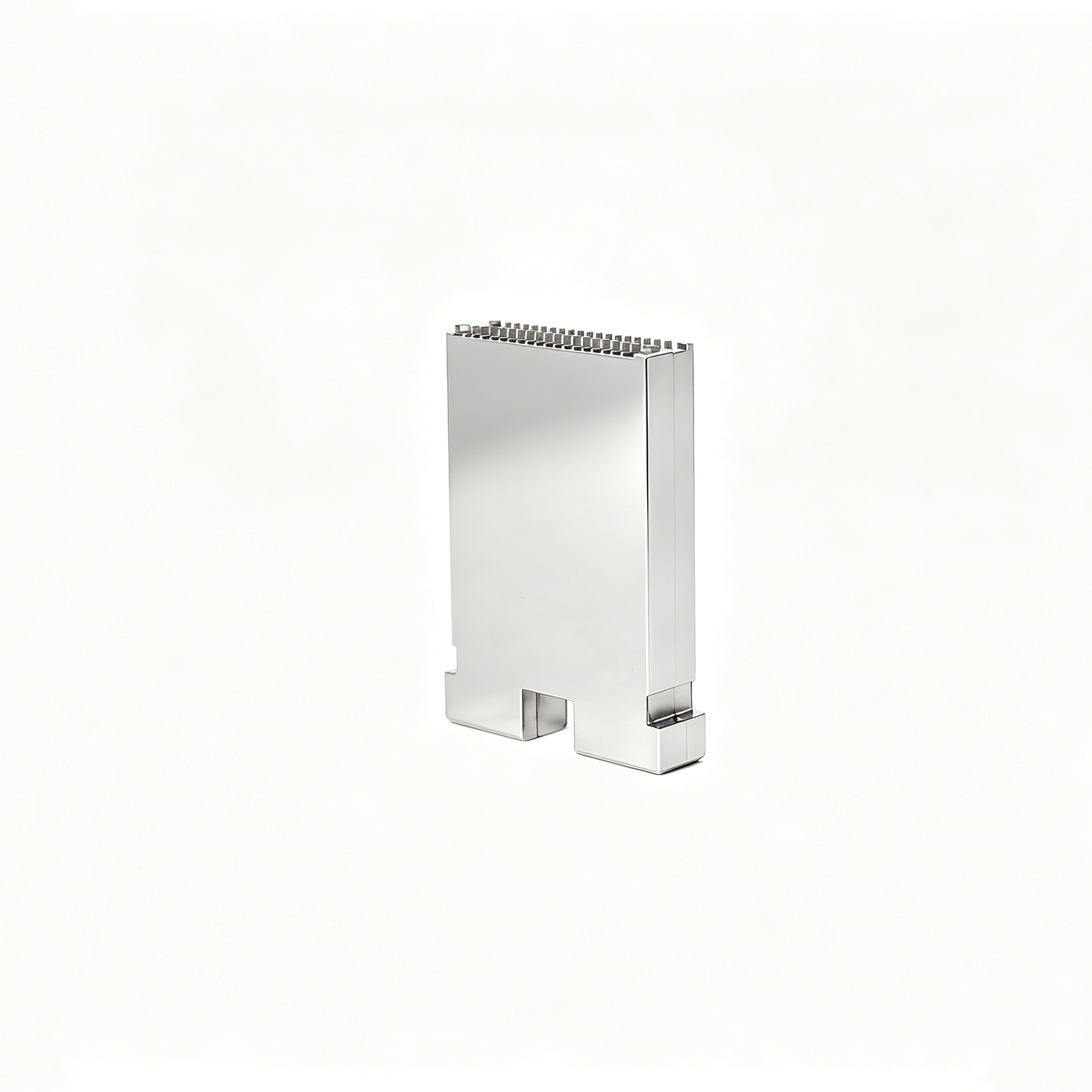
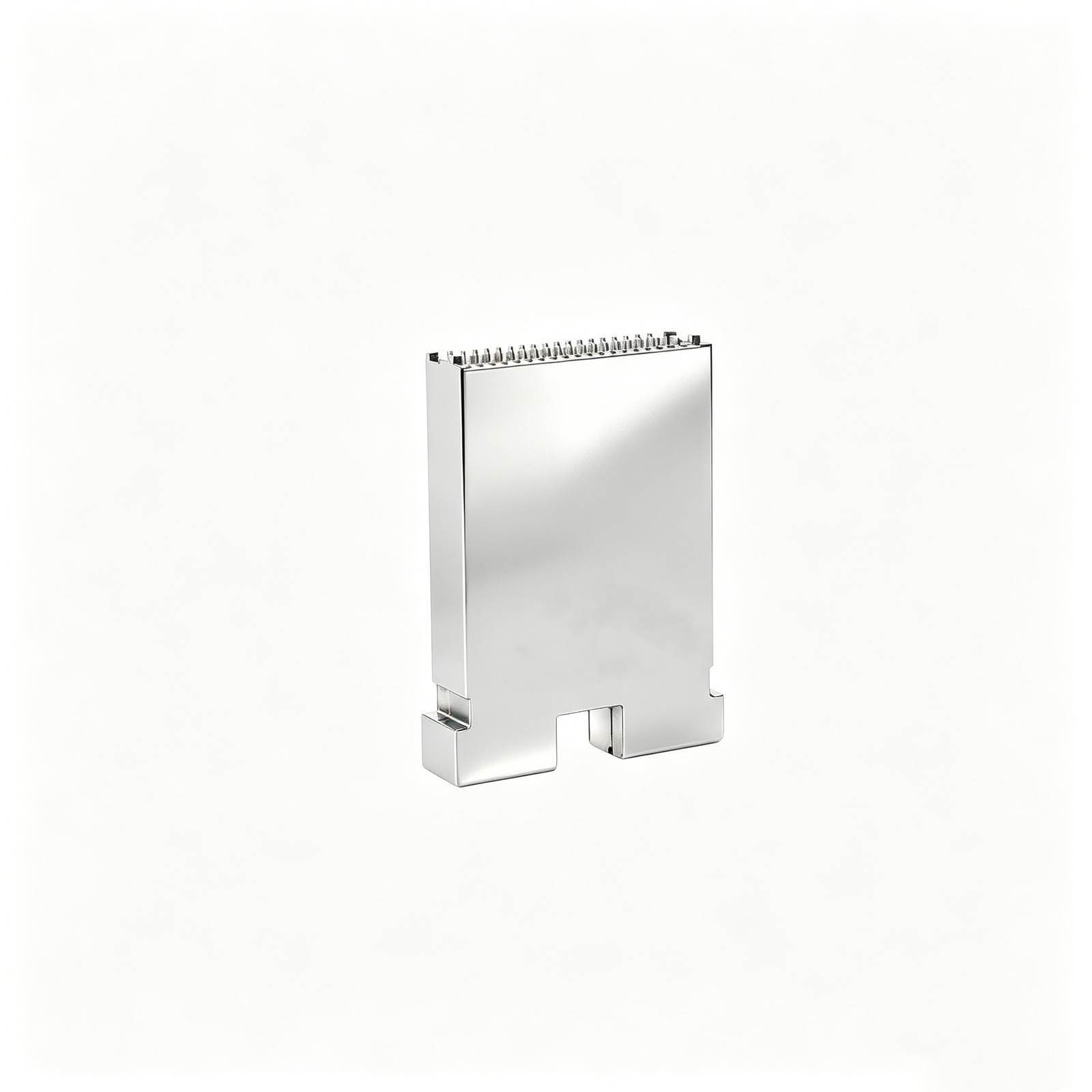
Plastic film parts · Precision mold insert
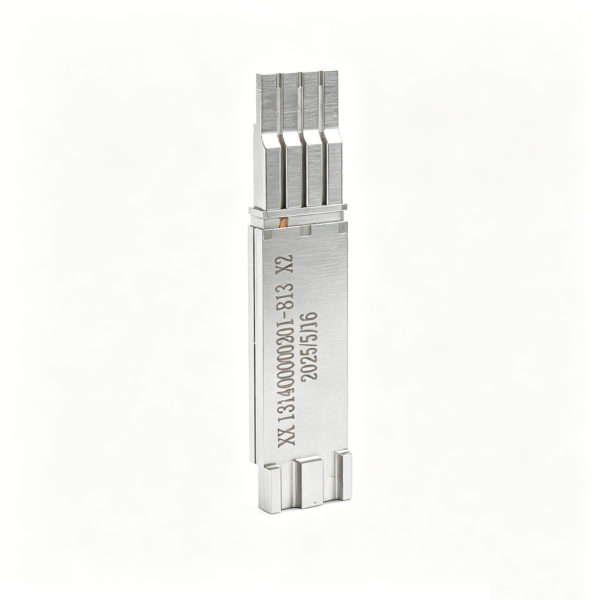
Industrial Connector Precision Mold Components for Consistent Connector Molding
Brand Xuxiang Mold
Availability Made to drawing
RFQ pricing
Quote from STEP / PDF & quantity
Achieve stable, repeatable connector quality run after run with these Industrial Connector Precision Mold Components engineered for modern injection molding lines. Each critical element is machined for high dimensional integrity to support tight-fit terminal cavities, fine-pitch housings, and complex locking features. Durable premium tool steels and optimized surface finishes help extend mold life under demanding production conditions. Thoughtful design of cores, inserts, and ejector systems promotes smooth plastic flow and clean part release, cutting scrap and rework. Integrate these components into new tools or retrofit existing molds to upgrade performance without redesigning your entire system, while keeping your Industrial Connector Precision Mold Components running at peak efficiency.
- ISO 9001:2015–oriented process & documented inspection paths
- Zeiss / Nikon class metrology available for critical dimensions
- DFM feedback from 10+ senior tooling engineers
- Dongguan HQ + Quanzhou capacity for volume programs
Industrial Connector Precision Mold Components for Consistent Connector Molding
These Industrial Connector Precision Mold Components are designed specifically for manufacturers who need stable, repeatable quality in injection-molded electrical and electronic connectors. From finely detailed housings and terminal cavities to wire-to-wire and wire-to-board interfaces, this component set supports the demanding dimensional and surface-quality requirements of today’s connector programs.
Connector molds must manage thin walls, small pitches, complex latch geometries, and strict positional tolerances to ensure reliable mating and long-term electrical performance. By using precision-engineered mold components built for connector tooling, you can streamline setup, stabilize production, and minimize unplanned downtime caused by wear, galling, or alignment issues.
Key Features & Performance Benefits
Industrial connector tooling operates at the intersection of mechanical precision and electrical reliability. These components are optimized to support that balance in real production environments.
- Precision-ground cavities and cores to help maintain tight connector dimensions, ensuring correct fit with mating parts and consistent pin alignment.
- Connector-focused design for terminal slots, locking ramps, and keyways so small geometry features fill correctly and release cleanly from the mold.
- Wear-resistant materials in critical areas exposed to high injection pressure, glass-filled resins, or frequent sliding motion, helping extend maintenance intervals.
- Optimized cooling/channel provisions on key blocks (where applicable) to support balanced thermal control, reducing warpage and dimensional drift across multi-cavity tools.
- Smooth surface finishes in the plastic-contact regions to improve resin flow into fine details while facilitating easy demolding and reducing part scuffing.
- Replaceable insert approach on small, high-wear connector features so damaged or modified geometries can be changed without replacing the entire mold base.
- Compatibility with automation, including robotic pick-and-place, automatic part handling, and in-mold sensing in modern connector production cells.
By combining material selection, precision machining, and connector-specific design, these components help you reach stable cycle times and consistency in high-volume jobs while maintaining the flexibility needed for engineering changes or new connector variants.
Technical Specifications & Core Attributes
The table below summarizes typical characteristics and options relevant to connector mold applications. Where exact numerical specifications vary by project, descriptive entries are provided to guide purchasing and engineering decisions without overstating performance.
| Attribute | Description |
|---|---|
| Product type | Industrial connector precision mold components for injection molding tools |
| Typical applications | Plastic connector housings for industrial, automotive, communication, and consumer electronics systems |
| Main component forms | Cavity inserts, core pins, core blocks, gate inserts, sliders, lifters, ejector pins, and guide elements |
| Material options | High-hardness tool steels and alloy steels selected for wear, heat, and corrosion resistance (grade matched to project needs) |
| Surface finish in cavity area | Fine ground or polished surfaces tailored to connector appearance and release requirements |
| Supported molding resins | Common connector plastics such as engineering thermoplastics and high-temperature grades, including glass-filled formulations |
| Tolerance capability | Manufactured for tight dimensional control suited to small-pitch connectors and precise terminal positioning (project-specific limits) |
| Cooling considerations | Components designed to integrate with mold cooling circuits for stable temperatures and reduced warpage |
| Production environment | Compatible with manual, semi-automatic, and fully automated connector molding lines |
| Customization | Geometries, materials, and surface treatments can be tailored to specific connector programs and tooling standards |
Use Cases & Ideal Users
These Industrial Connector Precision Mold Components are a strong choice for OEMs, mold makers, and molding subcontractors who need reliable connector tooling performance across a diverse range of projects.
- Industrial automation connectors where dust, vibration, and temperature fluctuations demand consistent retention forces and secure mating.
- Automotive harness and sensor connectors requiring precise sealing features, robust locking tabs, and reliable alignment of pins and sockets.
- Communication and data connectors with fine-pitch contact arrangements, thin walls, and complex latch details that depend on highly accurate cavities and cores.
- Consumer electronics and appliance connectors where cosmetic appearance around the connector housing is important alongside mechanical performance.
- Moldmakers and toolrooms looking to upgrade existing connector molds with higher-grade inserts or to standardize on a component platform that simplifies maintenance and accelerates design changes.
Whether you produce short runs of specialized connectors or manage long-running, high-volume programs, these components help you maintain output stability and reduce variations that can trigger downstream assembly and testing issues.
Care, Maintenance & Buying Guidance
To realize the full life and performance potential of your connector tooling, it is important to combine high-quality components with disciplined maintenance practices.
- Routine inspection: Regularly check core pins, cavity edges, and sliding elements for wear, chipping, or corrosion, particularly when molding abrasive or glass-filled materials.
- Cleanliness and lubrication: Keep mating surfaces clean and apply suitable mold lubricants to moving components to reduce friction and prevent galling.
- Storage conditions: When molds are offline, store components in a dry environment and apply rust-preventive coatings as needed to protect precision surfaces.
- Alignment control: Verify guide pins, bushings, and support pillars that affect connector cavity alignment, since even small deviations can cause flash or misfit with mating connectors.
- Resin compatibility review: Consult with your tooling engineer or supplier to confirm that selected materials and coatings are suitable for the resins and processing temperatures used in your connector projects.
When ordering, share your connector drawings, expected annual volumes, and resin information so the mold components can be matched to your real production conditions. This ensures that the selected steels, coatings, and geometries support your target cycle times, quality metrics, and maintenance strategies.
FAQ
Are these components compatible with my existing connector mold base?
In most cases, the components can be adapted to standard mold bases as long as key dimensions and mounting interfaces are matched. Provide your current tool drawings so compatibility can be evaluated and any required adaptation features can be designed in.
What types of connector projects are these best suited for?
They are ideal for plastic connector housings in industrial, automotive, communication, and consumer electronics applications where tight dimensional control, secure mating, and long mold life are priorities. Fine-pitch and multi-cavity connector tools benefit especially from the precision and durability of these components.
How should I specify dimensions and tolerances when ordering?
Share complete 2D and 3D connector and mold drawings, plus any critical-to-function dimensions, so the component supplier can align manufacturing tolerances to your requirements. Highlight terminal positions, sealing features, and latch details that must be tightly controlled.
What maintenance is recommended to extend component service life?
Implement a preventive schedule that includes cleaning, visual inspection of high-wear regions, verification of alignment features, and reapplication of lubrication where needed. Replace or rework worn inserts before they begin to impact connector quality or increase scrap rates.
Can these mold components handle high-temperature or glass-filled resins?
Yes, with appropriate material and surface-treatment choices. Inform your supplier of processing temperatures and filler types so tool steels and coatings are selected to handle the additional wear and thermal load associated with high-performance connector grades.
What is the typical lead time for customized connector mold components?
Lead time depends on design complexity and order volume. Standardized geometries and minor modifications are usually faster, while fully custom inserts or complex slider systems will require additional engineering and machining time. Confirm current timing at the quotation stage.
How are the components packaged and shipped to protect precision surfaces?
Components are generally cleaned, lightly oiled or treated with rust-preventive coatings, and individually protected with suitable packaging materials. Items are then boxed to prevent movement and impact during transport so critical surfaces arrive in ready-to-use condition.
What happens if a component does not fit as expected?
If a fit issue occurs, document the deviation with measurements and photographs and contact support promptly. In most cases, the component can be adjusted, remade, or replaced according to the agreed terms, especially when ordered against approved drawings.
Is there any warranty or quality guarantee on these mold components?
Connector mold components are typically supplied under a quality assurance framework that covers material conformity and workmanship within specified tolerances. Details of warranty coverage, including any limitations, can be confirmed with your sales representative at the time of purchase.
Can I order small quantities for trial or pilot tools?
Yes, low-volume orders are often available for pilot molds, prototype tools, or initial validation projects. This allows you to qualify the component performance on a smaller scale before committing to full production tooling.
Related products
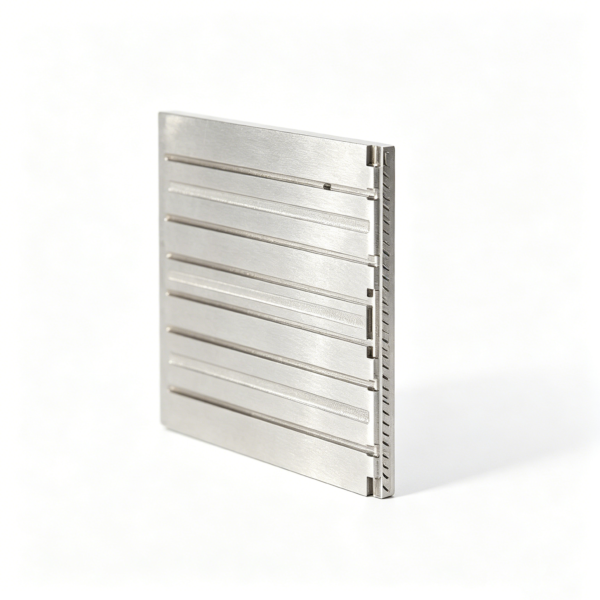
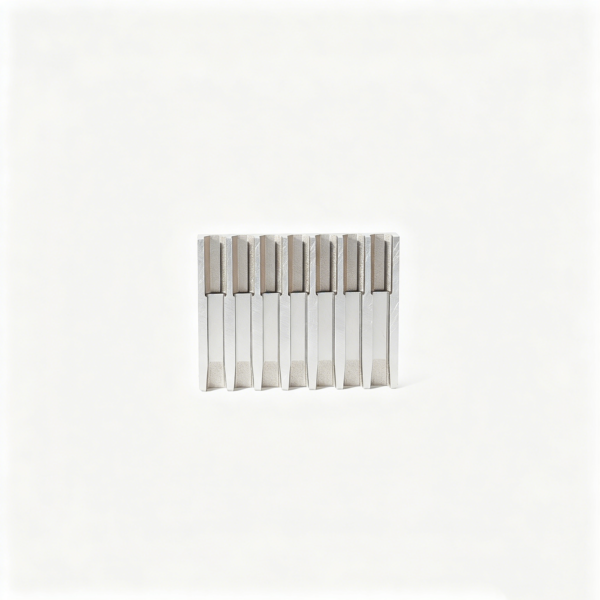
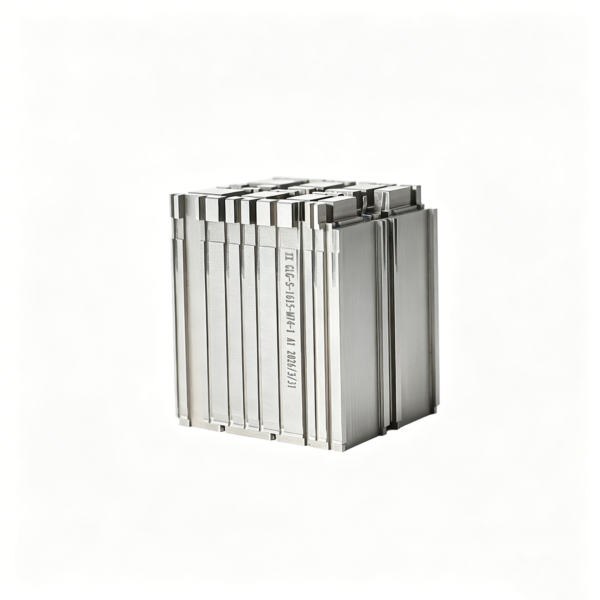
Same drawing, predictable results—next batch
Share revision, quantity ramp, and inspection level. We quote process route, ship date, and documentation in one structured response.