
Plastic film parts · Precision mold insert
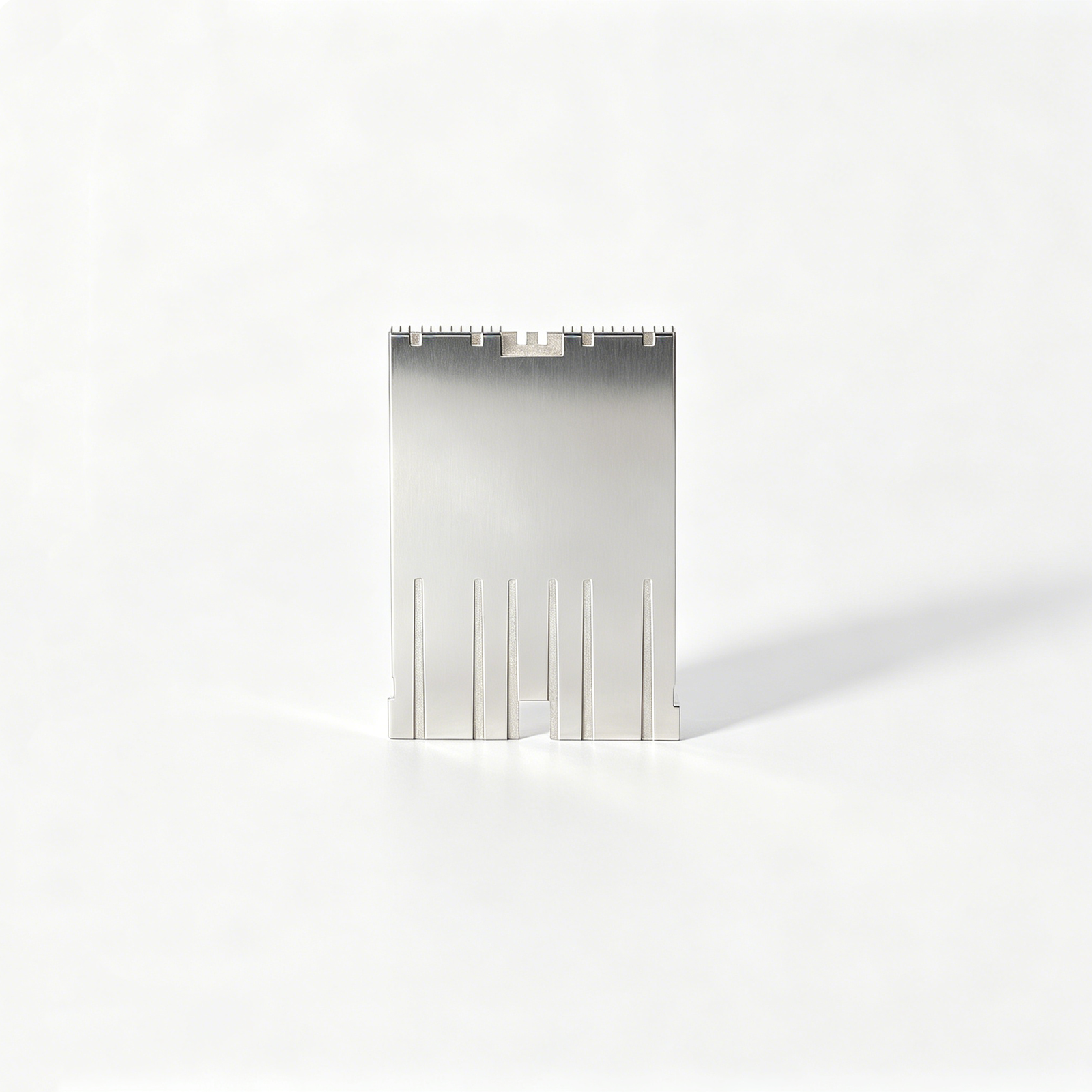
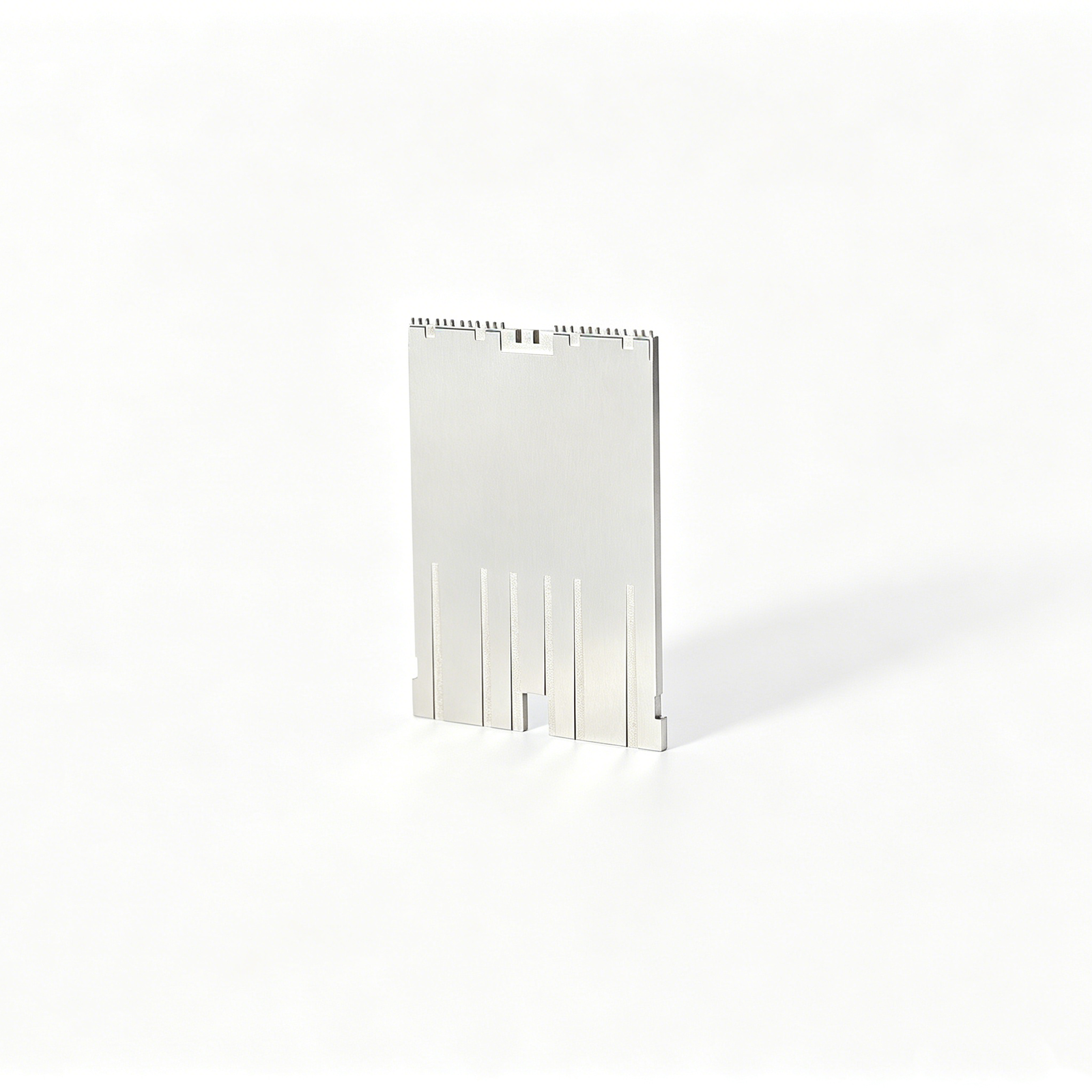
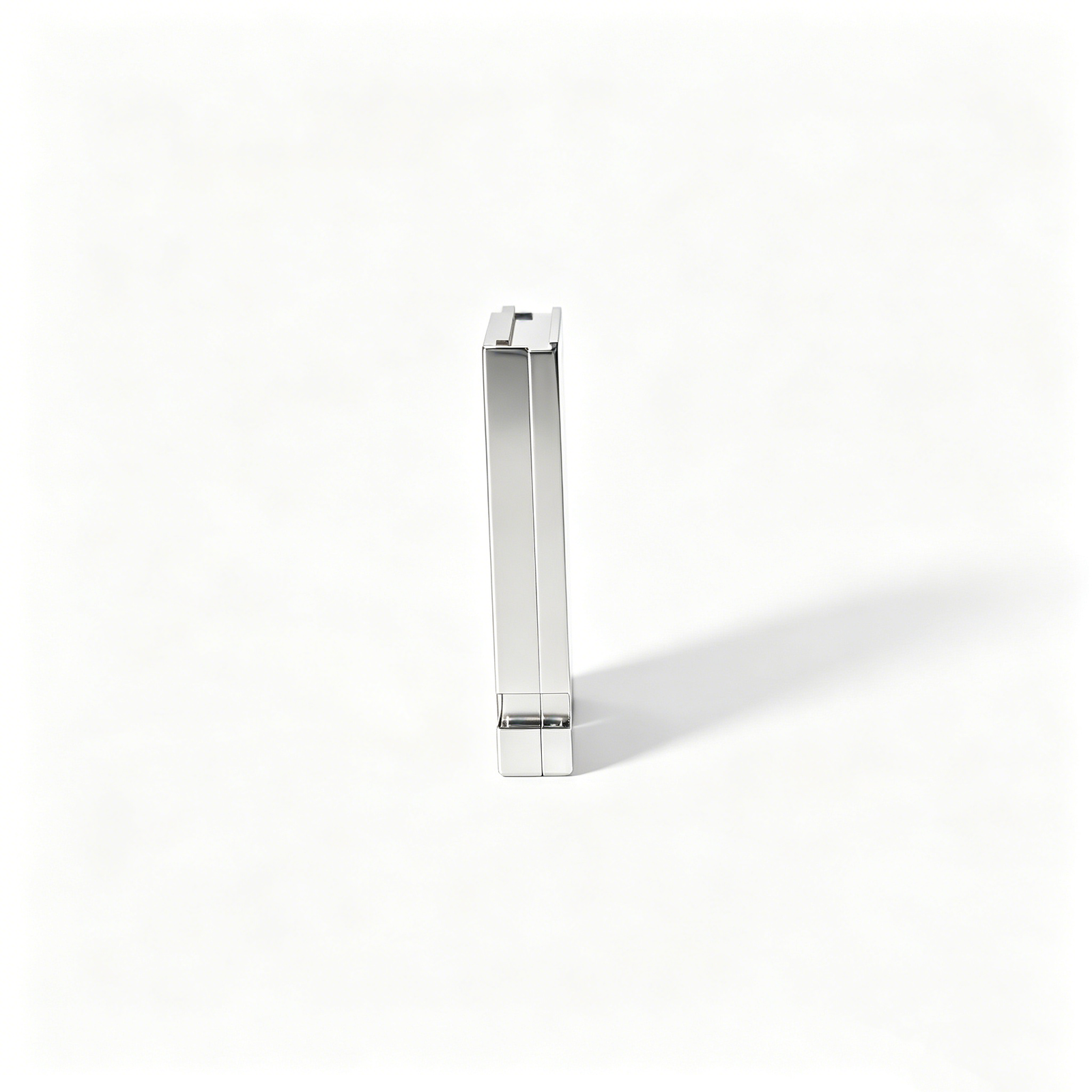
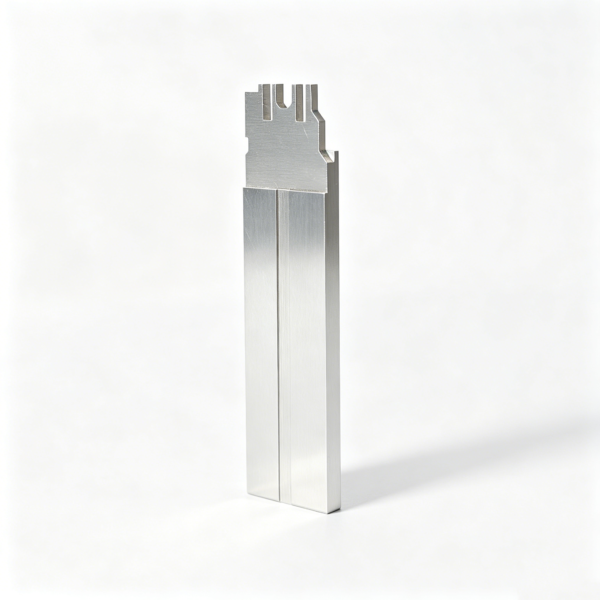
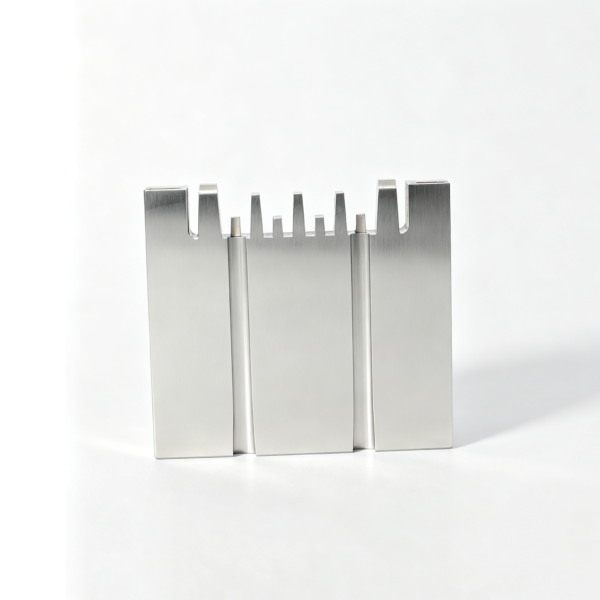
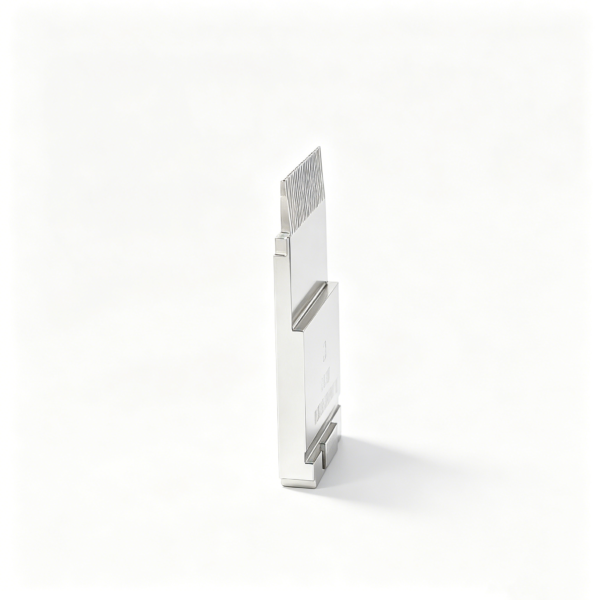
Industrial Connector Precision Mold Components for High-Speed Connector Molding
Brand Xuxiang Mold
Availability Made to drawing
RFQ pricing
Quote from STEP / PDF & quantity
Engineered for demanding connector tooling, these Industrial Connector Precision Mold Components deliver repeatable accuracy in high-speed injection molding lines. Each core, cavity, and insert is machined from wear-resistant tool steel to maintain stable dimensions over long production runs. Optimized gating and cooling interfaces help you reduce cycle times while protecting delicate connector details. Ideal for manufacturers who need dependable uptime, clean parting lines, and consistent pin alignment in every shot.
- ISO 9001:2015–oriented process & documented inspection paths
- Zeiss / Nikon class metrology available for critical dimensions
- DFM feedback from 10+ senior tooling engineers
- Dongguan HQ + Quanzhou capacity for volume programs
Industrial Connector Precision Mold Components for High-Speed Production
These Industrial Connector Precision Mold Components are purpose-built for manufacturers who run fast injection molding cycles and cannot compromise on dimensional accuracy or tool life. Designed around the demanding requirements of modern connector housings and terminals, the components support precise molding of fine features such as thin walls, micro-ribs, and closely spaced pin windows used in industrial, automotive, and communication connectors.[1][5]
Used as critical elements inside connector molds, these parts typically include cores, cavities, inserts, slides, lifters, and ejector systems that define both the external profile and internal geometry of plastic connectors.[5][6] By combining high-stability tool steels with precision grinding and EDM processes, the components help maintain stringent tolerances across long production runs, ensuring that molded connectors mate reliably with their counterpart plugs, headers, or PCB interfaces.[4][5]
For OEMs and molders serving industrial automation, power distribution, and data connectivity markets, these components provide the foundation for stable, repeatable mass production. They are well-suited to connector molds that must withstand continuous operation, frequent tool changes, and rigorous quality audits on dimensions, appearance, and electrical performance.[1][7][8]
Key Features & Performance Benefits
Every feature of these precision mold components is engineered to support high-speed connector molding where minor dimensional drift or surface wear can quickly translate into scrap, assembly issues, or field failures.
- High-precision geometry – Cores, cavities, and inserts are manufactured to tight tolerances to accurately reproduce fine-pitch connector details, ensuring correct fit with mating parts and terminals.[4][5][8]
- Wear- and heat-resistant materials – Components are made from hardened tool steels or equivalent high-performance materials selected for abrasion resistance, thermal stability, and resistance to deformation under high clamp forces and repeated cycling.[5][7]
- Optimized for uniform filling – Critical surfaces and parting lines are designed to cooperate with the mold’s gate layout, allowing balanced flow into narrow connector features, which minimizes short shots, sink marks, and warpage.[5][8]
- Stable performance at high speed – Reliable guidance and smooth sliding interfaces on moving elements reduce friction and heat buildup, supporting short cycle times without compromising part quality.[5]
- Fine surface finish – Polished or textured working surfaces help achieve clean connector housing surfaces, crisp logos, and sharp edges where required, improving visual quality and downstream assembly performance.[7][14]
- Support for multi-cavity tooling – Consistent machining across cavities promotes uniform filling and shrinkage, enabling multi-cavity connector molds to produce parts with minimal inter-cavity variation.[2][5]
Specifications & Technical Characteristics
The table below summarizes representative attributes and design considerations relevant to these Industrial Connector Precision Mold Components. Exact details can be customized to the mold design and connector program.
| Attribute | Description |
|---|---|
| Product type | Precision mold components for injection-molded industrial connectors (cores, cavities, inserts, slides, ejectors) |
| Primary application | Molds for plastic connector housings in industrial, automotive, and communication equipment[1][5] |
| Suitable molding processes | Conventional injection molding, multi-cavity tooling, insert and overmolding for connectors[5][7] |
| Typical materials | High-hardness tool steels or equivalent mold steels engineered for wear, heat, and corrosion resistance[5][7] |
| Precision level | Manufactured to tight dimensional tolerances supporting fine-pitch connector geometries and stable mating performance[4][8] |
| Surface treatment options | Polishing, texturing, and optional coating or heat treatment to enhance durability and surface finish[5][7] |
| Cooling and venting support | Interfaces designed to integrate with mold cooling channels and vents for controlled cooling and reduced defects[5] |
| Compatibility | Customizable to fit new mold builds or as replacement components in existing connector molds from various tooling suppliers[2][5] |
| Quality checks | Dimensional inspection, surface verification, and trial molding to confirm connector fit, appearance, and stability[7][14] |
| Recommended users | Connector manufacturers, industrial OEMs, and precision mold shops requiring high-speed, high-yield production[2][11][14] |
Typical Use Cases & Target Users
These components are tailored to a wide range of connector applications where high-speed production and consistent performance are paramount.
- Industrial automation connectors – Molding for I/O connectors, sensor plugs, and power interfaces in factory automation and robotics, where dust and vibration resistance are critical.[1]
- Automotive and transportation connectors – Connector housings used in engine compartments, chassis electronics, and in-vehicle infotainment systems that require tight tolerances and robust retention features.[3][14]
- Power and control cabinets – High-density terminal blocks and modular connectors installed in electrical distribution panels, PLC cabinets, and control boxes.[1][5]
- Data and communication modules – Connector components for industrial Ethernet, fieldbus, and other communication systems that must maintain impedance control and stable mechanical alignment.[1][7][8]
- OEMs and contract molders – Tooling and component sets for companies running continuous connector production where uptime, easy maintenance, and predictable quality are essential.[2][11][14]
Whether you are upgrading an existing connector mold or commissioning a new tooling package, these components provide a reliable basis for stable, repeatable manufacturing. Their design supports collaboration with mold designers and process engineers to fine-tune gating, draft angles, and cooling for optimal cycle times and shrink control.[7][8][12]
Care, Maintenance & Buying Guidance
To maximize service life and maintain consistent connector quality, proper care and thoughtful purchasing decisions are crucial.
- Routine inspection – Periodically check working surfaces for wear, micro-cracks, corrosion, or pitting. Early detection allows components to be refurbished or replaced before they affect part quality.[5]
- Lubrication of moving parts – Apply suitable mold lubricants to slides, lifters, and ejectors to reduce friction, prevent galling, and support smooth operation during high-speed cycling.[5]
- Cleaning and storage – Clean mold components after production runs, removing residues and moisture, and store them in a dry, controlled environment with rust-inhibiting protection when not in use.[5]
- Material selection – When specifying new components, prioritize proven mold steels and treatments that balance hardness and toughness, especially for thin or delicate connector features.[5][7]
- Design collaboration – Work closely with your mold maker and connector designers to align component geometry with part requirements, wall thickness limitations, draft angles, and ejection strategy, helping reduce warpage and cosmetic defects in the molded connectors.[7][8]
- Trial runs and validation – After installation, conduct mold trials to verify connector dimensions, surface finish, and electrical performance where relevant, adjusting processing windows and minor tool details as needed.[7][14]
By pairing robust materials with disciplined maintenance and careful process control, these Industrial Connector Precision Mold Components can offer long-term, reliable service, even in demanding high-speed production environments.
FAQ
Are these mold components compatible with my existing connector mold?
Yes, the components can be custom-manufactured to match your current mold layout, including core and cavity sizes, mounting interfaces, and alignment features. Provide your existing drawings or sample parts so the tooling supplier can engineer drop-in replacements or upgrades.[2][5]
What types of connectors are these components best suited for?
They are suited for a wide range of injection-molded industrial connectors, including power plugs, signal connectors, terminal housings, and connector housings used in automation, automotive, and communication equipment.[1][3][5]
How do I choose the right material for the mold components?
Discuss your production volume, connector resin, and cycle time targets with the tooling supplier. In general, high-hardness, wear-resistant mold steels are preferred where abrasive fillers, high temperatures, or long runs are expected.[5][7]
Do these components support multi-cavity, high-speed molding?
Yes. They are specifically designed for multi-cavity connector molds and high-speed molding environments. Consistent machining and precision alignment help ensure uniform part quality from cavity to cavity at elevated production speeds.[2][5]
What maintenance is required to keep the components performing well?
Regular cleaning, lubrication of moving parts, and inspection for wear or corrosion are recommended. Replace or refurbish any components showing damage before they impact connector dimensions or surface appearance.[5]
How are the components shipped and protected in transit?
Components are typically shipped individually wrapped or secured in protective packaging with rust-inhibiting coatings or papers to prevent corrosion and impact damage during transportation and storage.[5]
Can I start with a trial set before committing to a full tooling package?
Many precision mold component suppliers offer sample or pilot sets for trial molds. This allows you to validate connector performance, fine-tune processing conditions, and confirm durability before scaling to full production volumes.[6][11]
What is the usual lead time for custom connector mold components?
Lead time depends on component complexity and order quantity. After reviewing your drawings and requirements, the supplier can provide a schedule that covers design confirmation, machining, finishing, and final inspection.
Is there any warranty or quality assurance on these components?
Reputable suppliers back their components with quality assurance based on dimensional inspection and trial molding. Specific warranty terms vary, so confirm coverage for material defects and workmanship when placing your order.[5][6]
Related products
Same drawing, predictable results—next batch
Share revision, quantity ramp, and inspection level. We quote process route, ship date, and documentation in one structured response.