
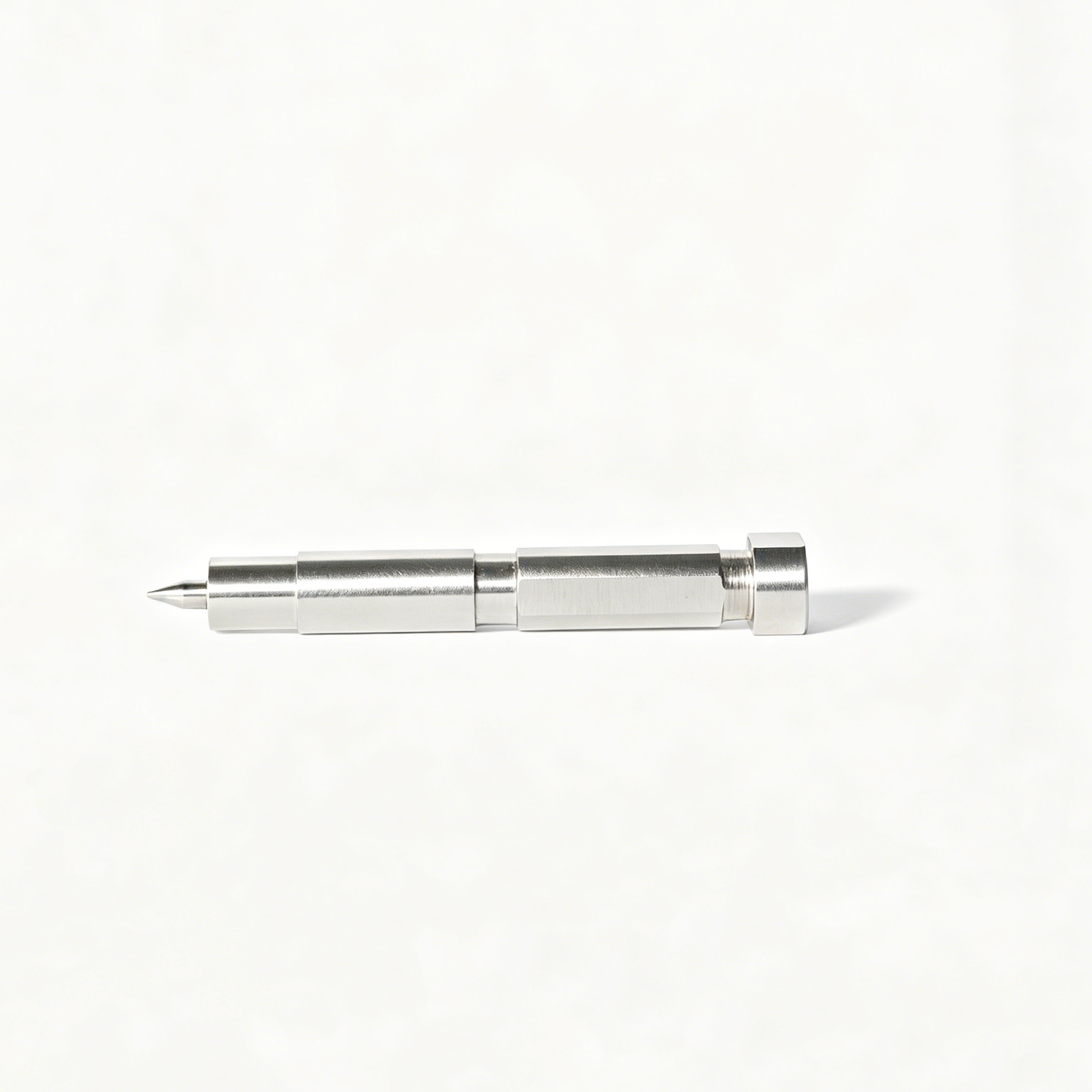
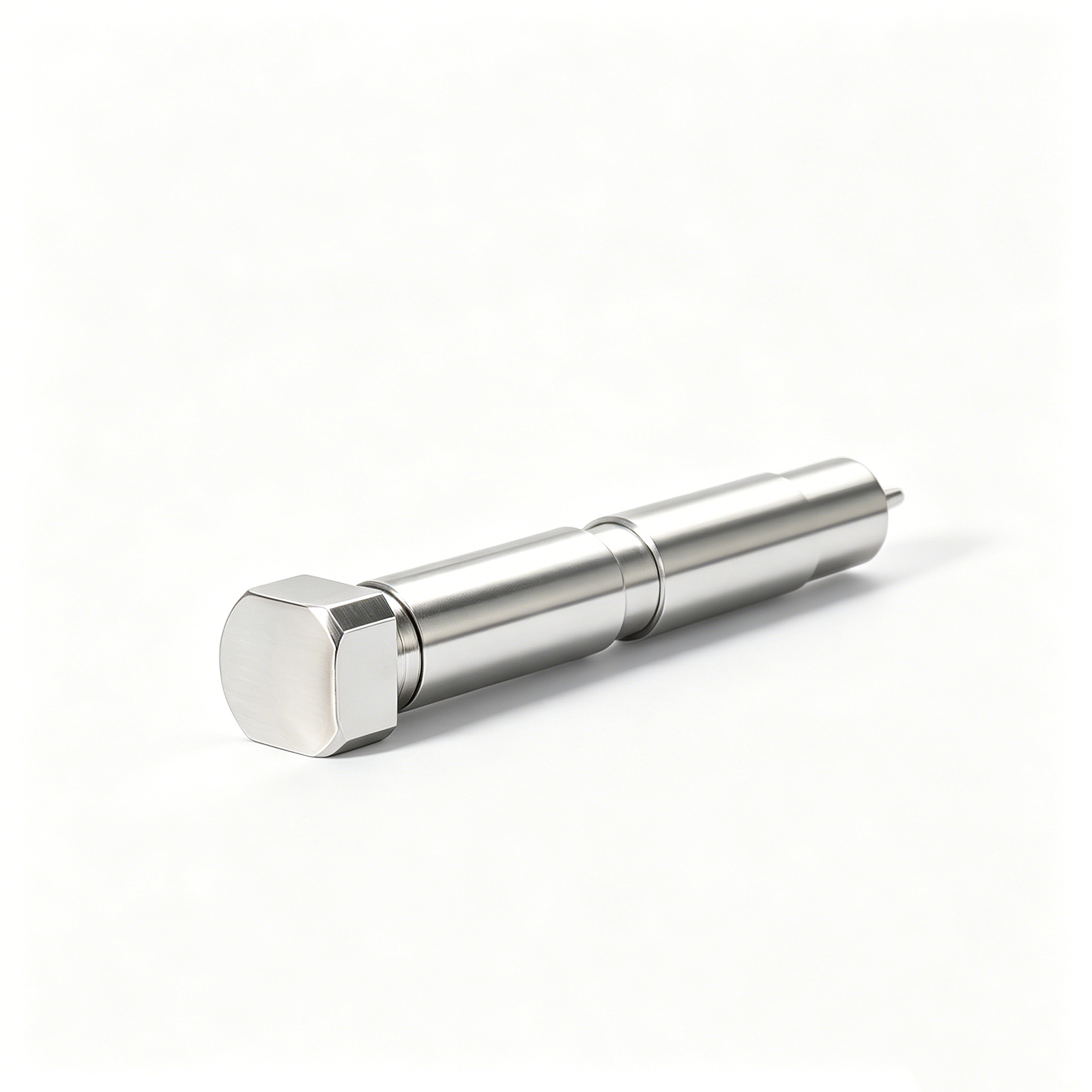
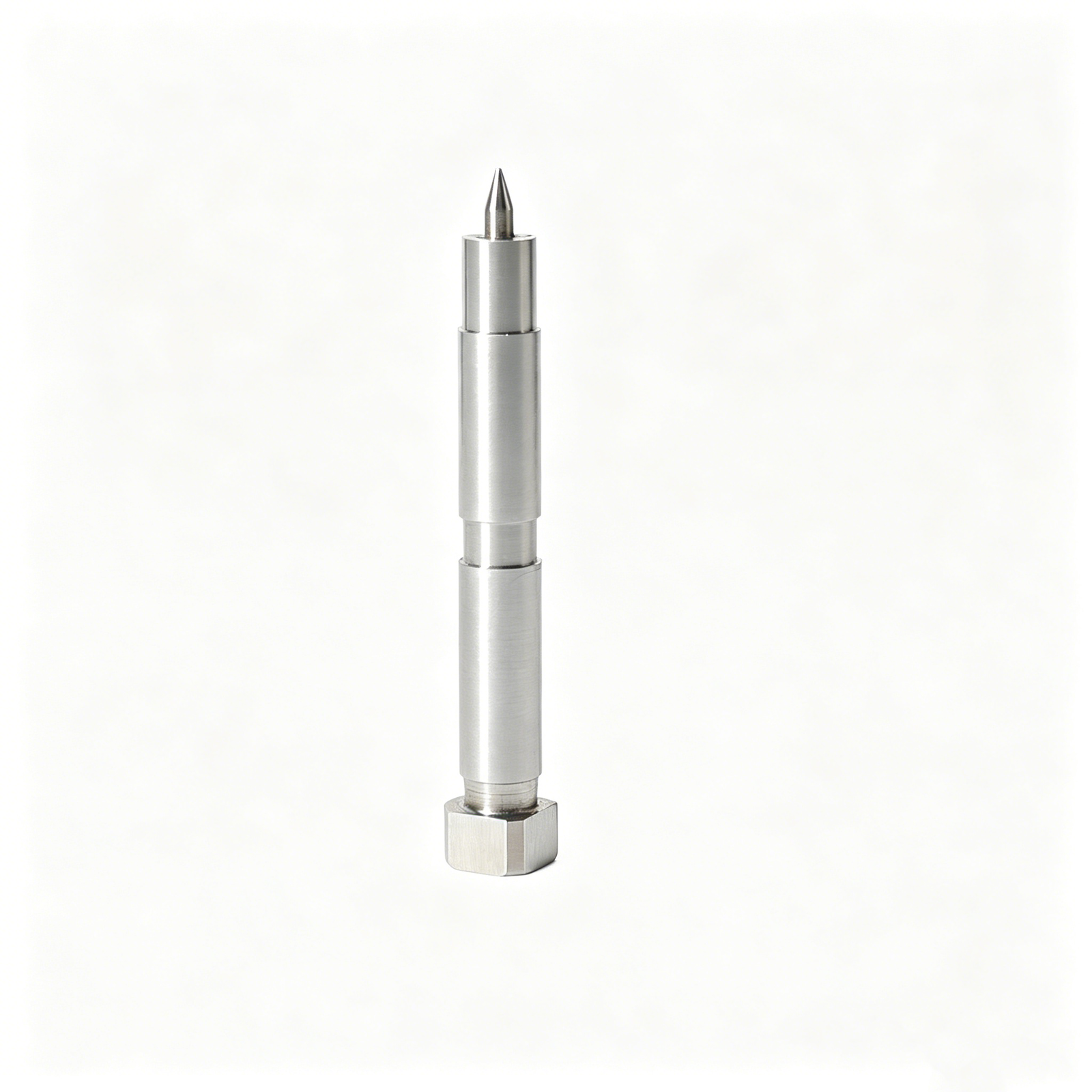
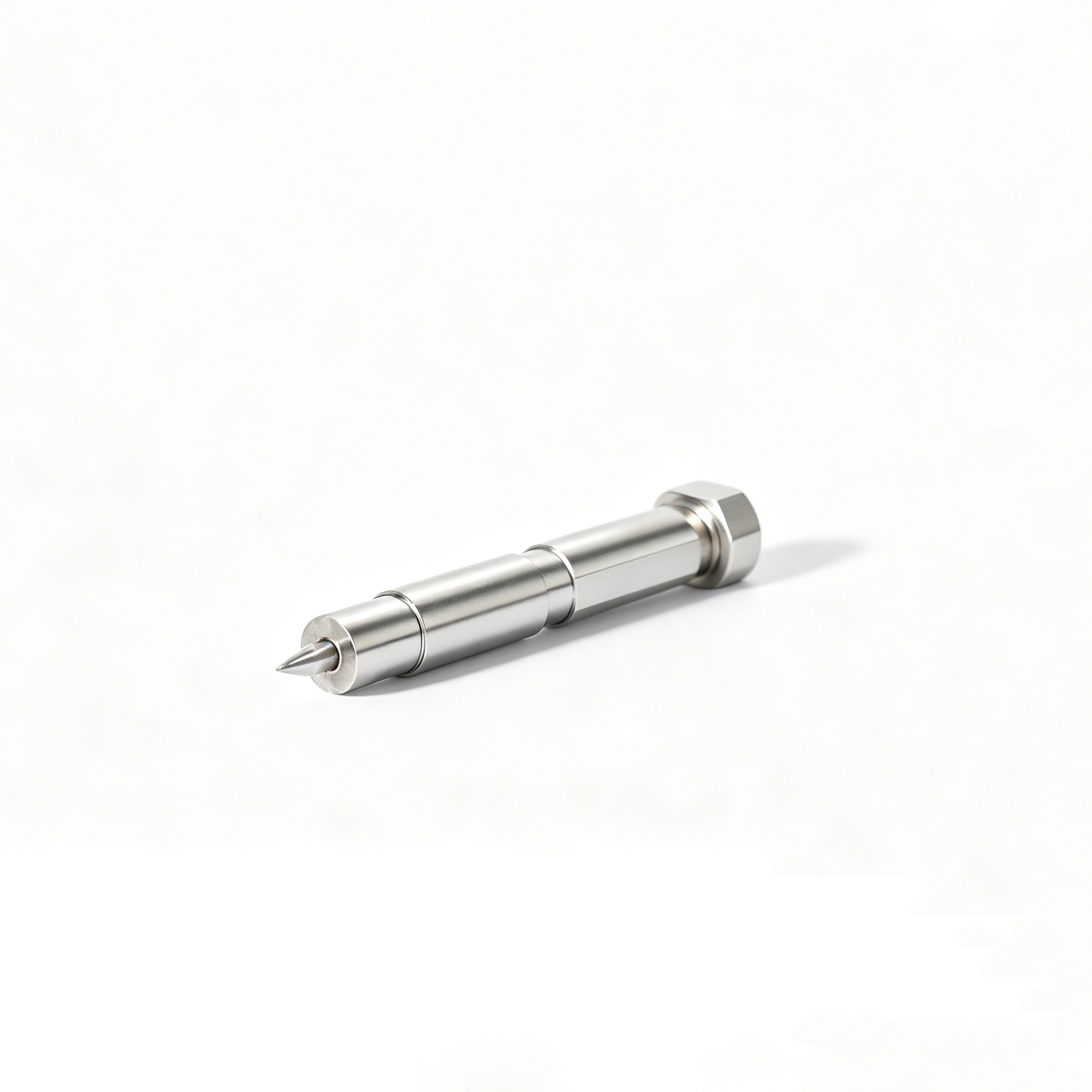
Plastic film parts · Precision mold insert
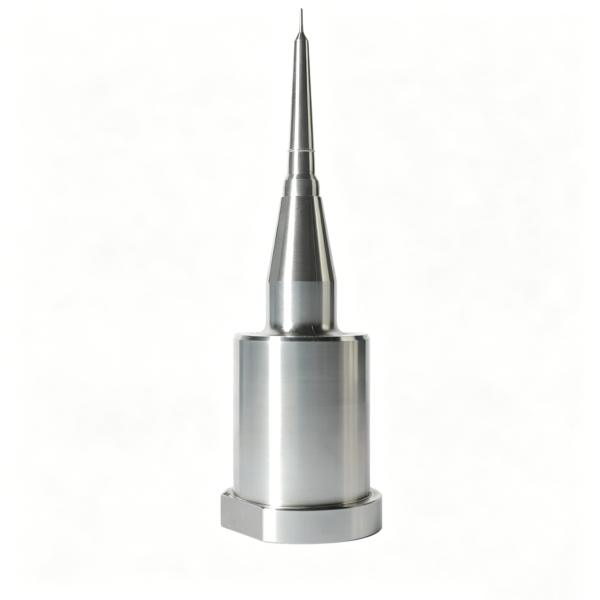
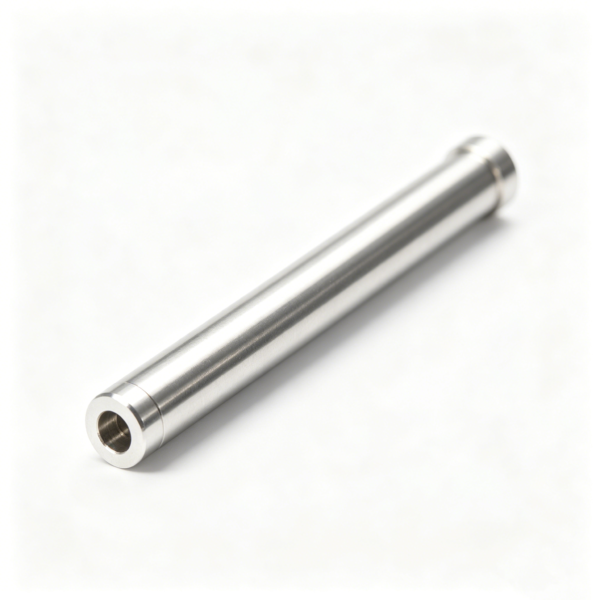
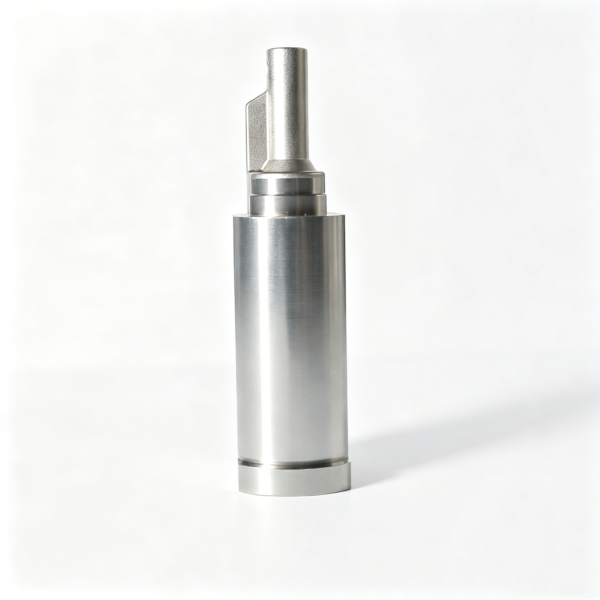
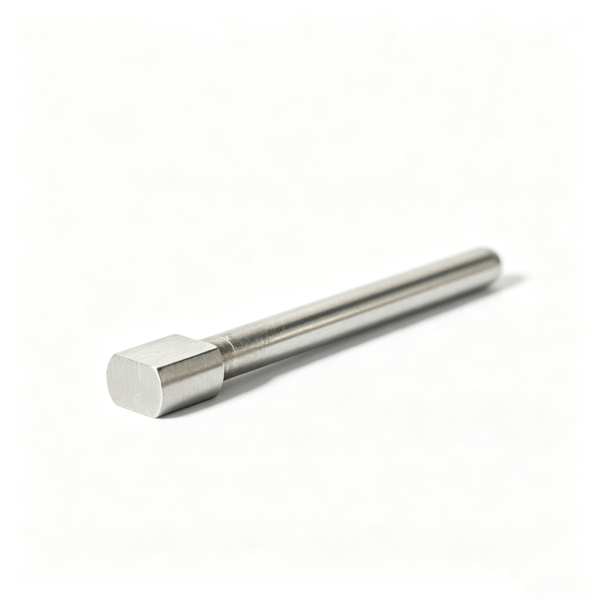
Custom Precision Round Parts for OEM Mechanical Components
Brand Xuxiang Mold
Availability Made to drawing
RFQ pricing
Quote from STEP / PDF & quantity
Engineer your assemblies with confidence using custom-built Precision Round Parts tailored to your exact print, material, and tolerance requirements. These tightly controlled cylindrical components are produced on advanced CNC turning and milling centers for repeatable accuracy across every production run. From shafts and bushings to spacers, sleeves, and rings, each part is finished for smooth fit, reliable rotation, and stable alignment in your equipment. Ideal for demanding OEM applications, they help reduce vibration, simplify assembly, and extend service life in the field.
- ISO 9001:2015–oriented process & documented inspection paths
- Zeiss / Nikon class metrology available for critical dimensions
- DFM feedback from 10+ senior tooling engineers
- Dongguan HQ + Quanzhou capacity for volume programs
Custom Precision Round Parts for High‑Performance Mechanical Systems
These Precision Round Parts are engineered as custom cylindrical components for OEMs, product developers, and maintenance teams who need dependable geometry, tight tolerances, and consistent surface finishes across small to large production runs. Manufactured on modern CNC turning centers and complementary milling equipment, each round part is made to your drawing to integrate seamlessly into shafts, hubs, housings, and rotational assemblies.
Typical applications include locating and spacing components, transmitting torque, guiding motion, and supporting bearings or seals in everything from industrial automation to transportation and fluid handling systems. By combining stable materials, controlled machining processes, and effective quality inspection, these parts deliver the dimensional reliability your designs depend on.
Key Features & Benefits
Every project begins with your CAD model or drawing, allowing the machining process to be matched to the functional role of the part. The result is a custom solution that supports accurate assembly, smooth motion, and long service life.
- Tight, production-grade tolerances: CNC turning and grinding workflows are set up to maintain consistent diameters, lengths, and concentricity, supporting press fits, sliding fits, and bearing fits in critical assemblies.
- Versatile material options: Choose from common engineering metals and plastics—such as carbon steel, alloy steel, stainless steel, aluminum, brass, or engineering polymers—based on strength, weight, corrosion resistance, or electrical properties.
- Optimized cylindrical geometry: Round parts are ideal where rotation, indexing, or concentric alignment is required, helping to minimize eccentric loads and vibration during operation.
- Surface finishes tuned to function: Functional surfaces can be turned, ground, or polished to support reduced friction, improved sealing, or dependable press-fit engagement.
- Flexible batch sizes: Support ranges from prototyping and pilot lots through full production, so you can validate design changes before committing to higher-volume runs.
- Design for manufacturability guidance: Support is available to help adjust chamfers, reliefs, groove features, or tolerances so parts are easier to machine while still meeting application needs.
Specifications & Options
Use the table below as a guide when preparing your inquiry. Where a specific numeric value is not defined, the row describes the configurable option so you can align it with your own drawing or requirements.
| Attribute | Typical Options / Description |
|---|---|
| Part type | Custom round shafts, bushings, sleeves, spacers, rings, pins, collars, and similar cylindrical components |
| Manufacturing process | CNC turning as primary; milling, drilling, threading, grooving, and grinding as needed |
| Material options | Carbon steel, alloy steel, stainless steel, aluminum, brass/bronze, engineering plastics (by specification) |
| Shape | Round / cylindrical; solid or hollow with bores, counterbores, threads, or keyways per drawing |
| Dimensional range | Small to medium diameters and lengths configured to customer requirements and machine capacity |
| Tolerances | Machined to customer-specified tolerances suitable for general, close, or high-precision fits |
| Surface finish | Turned, fine-turned, ground, or polished depending on functional and aesthetic needs |
| Heat treatment | Through-hardening, case hardening, or stress-relieving available when specified on the print |
| Coatings & protection | Options such as plating, black oxide, anodizing (for aluminum), or oil coating for corrosion resistance |
| Quality inspection | Dimensional checks, surface evaluation, and fit verification per agreed inspection plan |
| Documentation | Drawings, measurement reports, and material information available on request |
Use Cases & Who These Parts Are For
Because they are purpose-built, these custom round components are used across a wide range of industries and mechanical systems. Typical customers include OEMs, contract manufacturers, maintenance teams, and engineering consultancies.
- Industrial machinery & automation: Guide shafts, alignment pins, and coupling sleeves used in conveyors, actuators, jigs and fixtures, and assembly lines.
- Motion & power transmission: Round parts acting as hubs, spacers, and precision sleeves for gearboxes, belt drives, and chain drives where concentricity is critical.
- Fluid handling & process equipment: Cylindrical components that support seals, impellers, or rotating unions in pumps and process systems.
- Transportation & off-road equipment: Bushings, pivot pins, and sleeves used in suspension linkages, steering components, and articulated joints.
- Fixtures, tooling & test rigs: Round locating features, alignment dowels, and custom mandrels for inspection fixtures, welding jigs, and assembly tooling.
If you are designing or maintaining equipment that requires rotating elements, accurate centering, or consistent bearing fits, specifying custom precision round parts can simplify assembly tolerances and reduce the need for on-site rework.
Ordering, Care & Buying Guidance
To ensure your parts are manufactured correctly the first time, provide a clear print and any applicable standards or notes. This information helps translate design intent into a stable machining and inspection process.
- Prepare a detailed drawing that includes all critical dimensions, tolerances, surface finish requirements, and any thread, groove, or keyway details.
- Specify material and treatment, including grade, hardness requirements, and any heat treatment or coating you need for wear and corrosion resistance.
- Highlight critical features such as bearing seats, sealing diameters, or press-fit zones so extra care can be taken during machining and measurement.
- Consider production quantity; prototype runs allow you to validate fit and performance before you commit to larger volumes.
- Plan for handling & storage; store precision parts clean, dry, and protected from impact to preserve surface integrity and dimensional accuracy.
Routine care is minimal once the parts are integrated into your assembly, but they should be handled with clean gloves where surface finish matters, and any uncoated steel surfaces should be protected from moisture before installation. For maintenance environments, keeping spare precision round parts on hand can significantly reduce downtime if a shaft, sleeve, or bushing needs to be replaced.
FAQ
What information do I need to request a quote for these precision round parts?
You will get the fastest and most accurate quote by sending a drawing or CAD model that shows all critical dimensions, tolerances, materials, and any heat treatment or coating requirements. Including your target quantity and desired delivery date also helps in planning production.
Are these round parts compatible with my existing assemblies?
Yes, as long as the parts are designed to match your existing dimensions and fits. You can either provide legacy drawings or send a sample part to be measured and duplicated. This ensures the new components will drop into your current assembly without modification.
Can I order a single prototype before committing to a larger production run?
Prototype and small-batch orders are commonly supported. This allows you to confirm that the part fits, functions, and assembles correctly before placing a larger order for production quantities.
How are the precision round parts packaged for shipping?
Parts are typically wrapped or separated to prevent metal-to-metal contact, with protective packaging such as sleeves, foam, or compartmented boxes. For sensitive surfaces, additional wrapping or corrosion-inhibiting materials may be used during shipment.
What is the typical lead time for custom cylindrical parts?
Lead time depends on part complexity, material availability, and order quantity. Simple components in common materials can often be produced more quickly, while complex parts or special alloys may require additional time. Your quote will normally include an estimated delivery window.
How should I store these parts to maintain their precision?
Store the parts in a clean, dry environment, ideally in their original packaging or in dedicated bins that prevent impact and scratching. Uncoated steel parts benefit from a light protective oil film and humidity control to reduce the risk of corrosion.
Can I request special surface finishes or coatings?
Yes. You can specify required surface finishes on functional surfaces and request coatings such as plating, black oxide, or anodizing (for aluminum) to improve corrosion resistance or appearance. These details should be included on your drawing or purchase order.
What happens if the parts do not meet my specifications?
If you receive parts that do not match the agreed drawing or specifications, contact customer support promptly with photos, measurements, and your order details. A review process will determine whether rework, replacement, or another corrective action is appropriate under the warranty or return policy.
Are there design tips to make my precision round parts more cost-effective?
Yes. Standardizing diameters, using common thread sizes, allowing reasonable tolerances where ultra-tight fits are not essential, and avoiding unnecessary complex features all help reduce machining time and cost. Engineering support can often suggest modifications that preserve function while improving manufacturability.
Same drawing, predictable results—next batch
Share revision, quantity ramp, and inspection level. We quote process route, ship date, and documentation in one structured response.