
Plastic film parts · Precision mold insert
Custom Precision Round Parts for Specialty Industrial Hardware & Fittings
Brand Xuxiang Mold
Availability Made to drawing
RFQ pricing
Quote from STEP / PDF & quantity
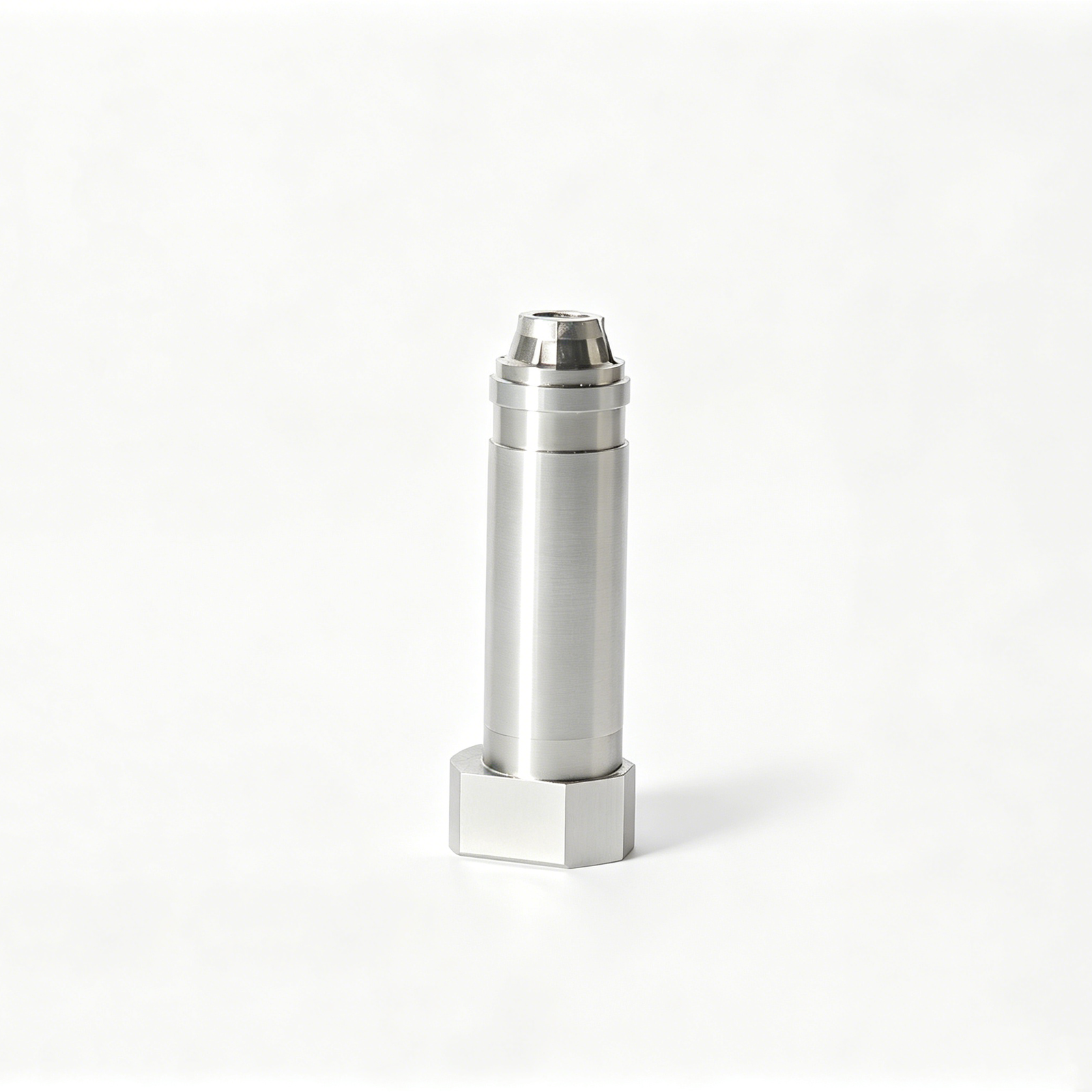
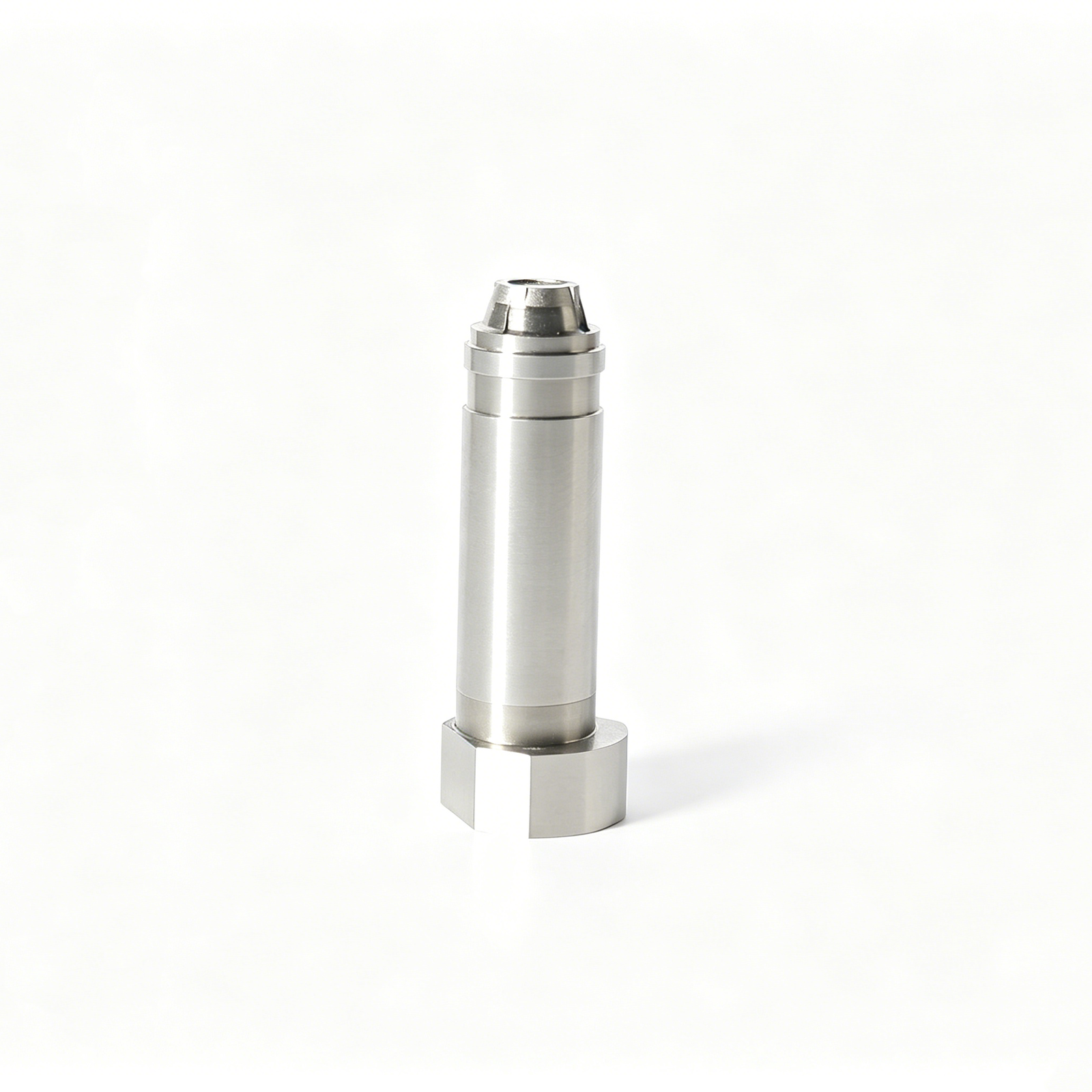
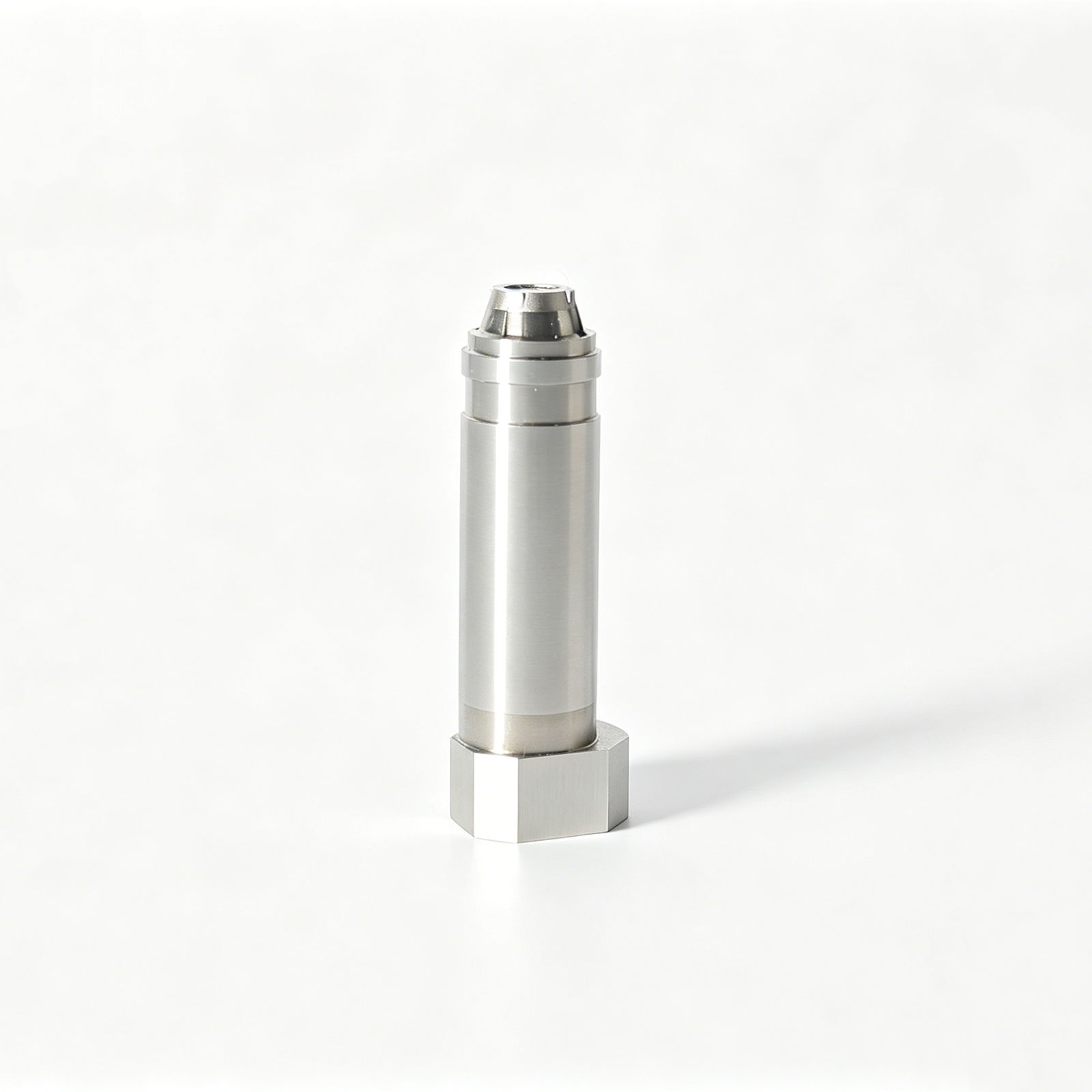
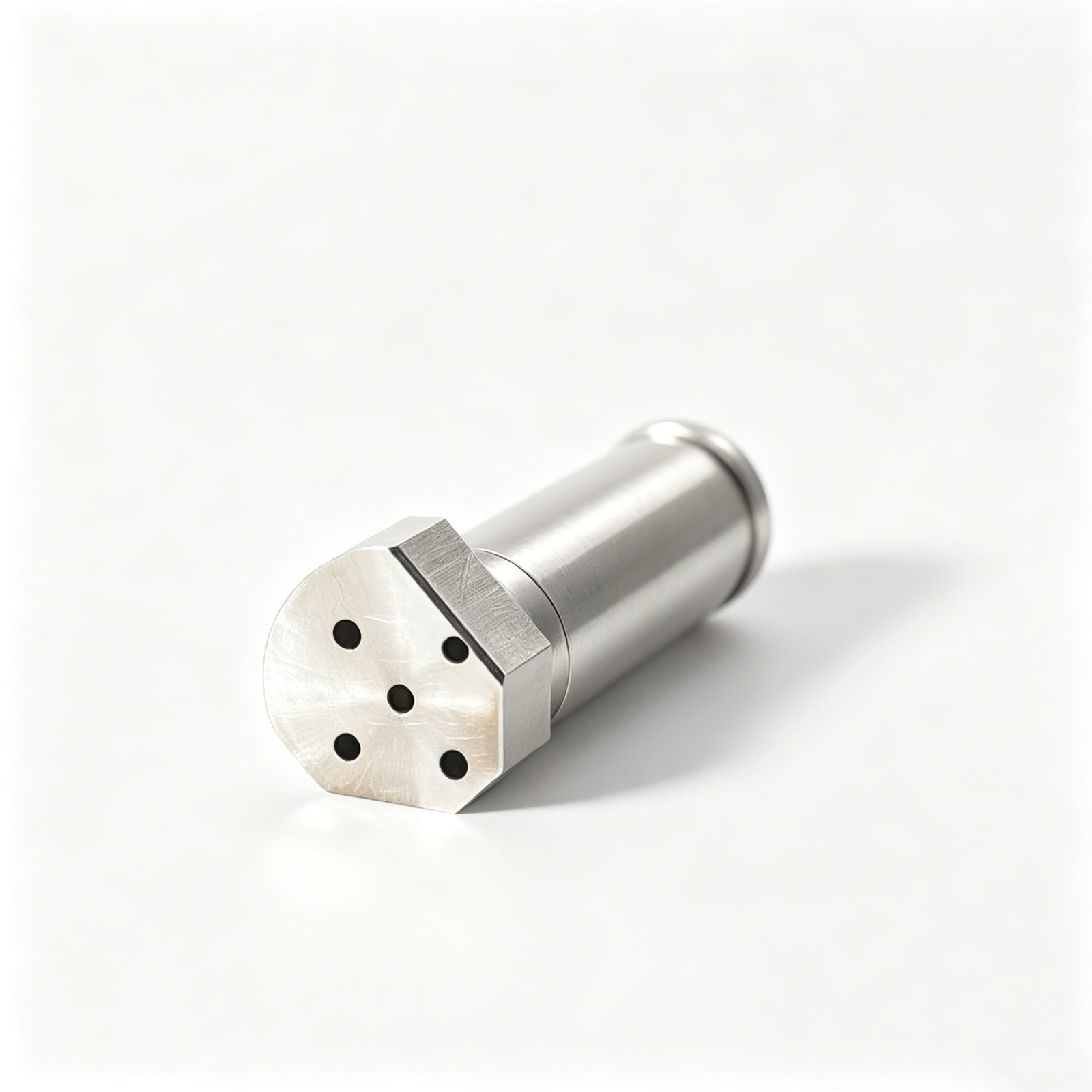
Bring repeatable accuracy and smooth assembly to your builds with custom Precision Round Parts designed for demanding industrial hardware and fastening applications. Each cylindrical component is machined to your drawing for a perfect fit with threads, bores, chamfers and grooves exactly where you need them. Imagine shaft collars that slide without play, spacers that seat square every time, and bushings that eliminate rattle and misalignment. These parts are ideal for OEM hardware, custom fixtures and specialty fastener systems where off‑the‑shelf pieces just do not exist. From prototype runs to scheduled production, we help you keep critical assemblies simple, robust and easy to install.
- ISO 9001:2015–oriented process & documented inspection paths
- Zeiss / Nikon class metrology available for critical dimensions
- DFM feedback from 10+ senior tooling engineers
- Dongguan HQ + Quanzhou capacity for volume programs
Custom Precision Round Parts for Specialty Hardware & Fittings
When standard catalog fasteners and fittings will not solve a design challenge, custom precision round parts become the core of a truly purpose‑built solution. These machined cylindrical components can function as spacers, collars, sleeves, adapter bushings, threaded standoffs, alignment pins and more, all tailored to the exact geometry your hardware system requires.
By combining tight-tolerance turning, boring, threading and secondary machining, these round parts provide the consistency and dimensional control that high‑value industrial hardware and assembly tooling demand. Whether you are developing a new fixture family, integrating a specialty hinge or latch, or designing durable couplings for field‑serviceable equipment, custom machined round components give you the design freedom to do it right the first time.
What These Precision Round Parts Are & How They Work
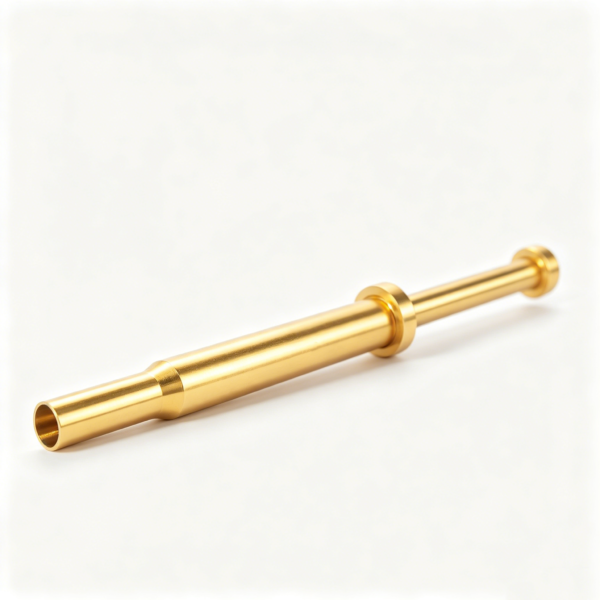
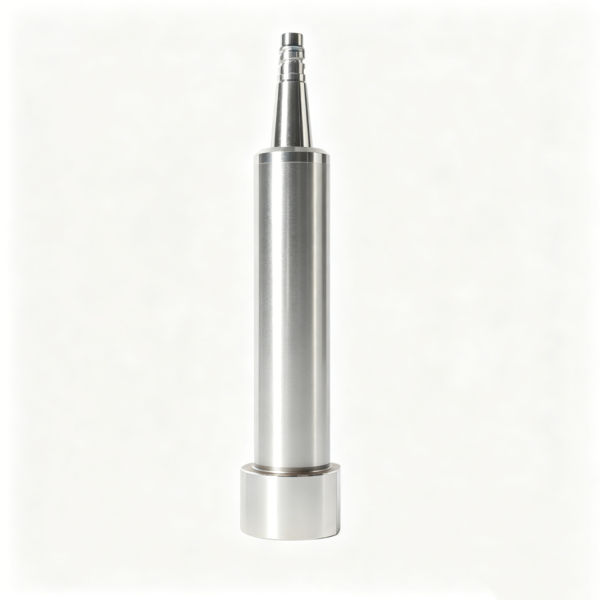
In this context, precision round parts are custom cylindrical metal or engineered‑plastic components engineered for use as structural and fastening elements within mechanical hardware systems. Unlike generic spacers or off‑the‑shelf collars, each piece is made to a specific drawing or 3D model that defines length, diameter, inner bores, shoulders, grooves, threads and other features.
Typical examples include:
- Sleeves and bushings used to adapt one shaft diameter to another or to provide low‑friction rotation.
- Spacer tubes and stand‑offs that control exact distances between brackets, panels or mating components.
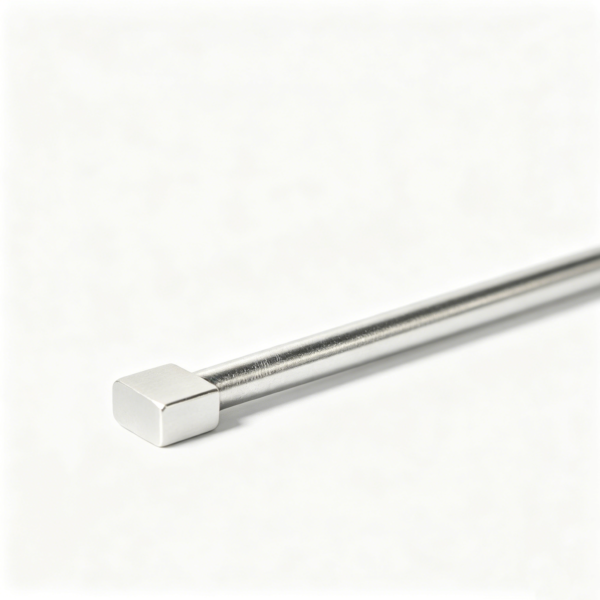
- Round locating dowels or alignment pins that ensure repeatable mounting of fixtures or modular hardware.
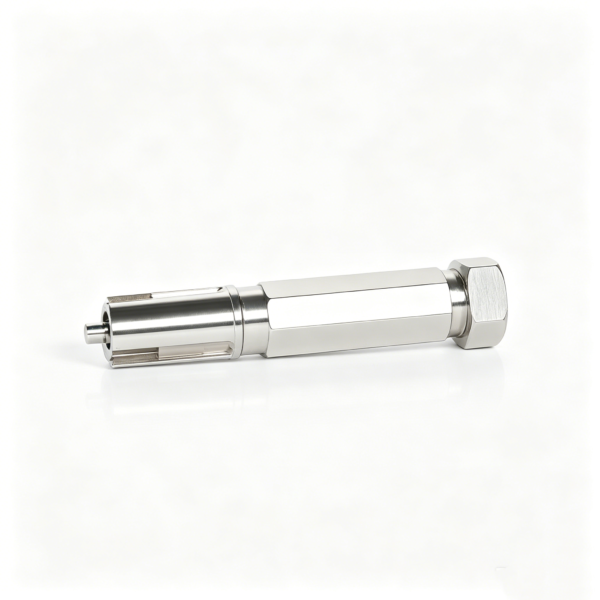
- Threaded round adapters that transition between different thread sizes or types in fluid, pneumatic or mechanical connections.
- Custom collars, rings and retainers that secure components along a shaft without distorting delicate parts.
Because these parts are turned and machined rather than stamped or cast, they can achieve fine concentricity, smooth finishes and repeatable dimensional control, which leads directly to easier assembly and more durable hardware in the field.
Key Features & Benefits
Designing specialty industrial hardware and fittings often means managing tight spaces, mixed thread standards and specific load paths. Custom precision round parts solve these challenges with targeted performance advantages:
- Application‑specific geometry: Every length, diameter, shoulder and chamfer is set to your requirements, eliminating stack‑up issues caused by trying to adapt standard spacers or bushings.
- Improved alignment & stability: Tight control of concentricity and squareness helps keep mating components aligned, reducing wear and vibration in hinges, latches and rotating couplings.
- Clean assembly interfaces: Smooth surfaces and accurately placed grooves, counterbores and recesses help fasteners seat properly, making installations faster and more repeatable for field technicians.
- Material choice for the environment: Options typically include carbon and alloy steels, stainless grades for corrosion resistance, aluminum for weight‑sensitive hardware, brass for fittings and connectors, and engineered plastics for electrical isolation or low friction.
- Reduced need for shims or ad‑hoc spacers: Correctly sized rounds remove the guesswork from stack‑up control, improving product quality and simplifying assembly instructions.
- Brand‑consistent aesthetics: Where hardware is visible, precision machining allows for attractive chamfers, radii and uniform finishes that complement your product’s industrial design.
Specifications & Customization Options
Every project has its own priorities—sometimes corrosion resistance and appearance matter most; other times, strength and long‑term dimensional stability are critical. Instead of forcing your design to match a catalog spec, these precision round parts are configured around your needs.
| Attribute | Typical Options / Description |
|---|---|
| Part type | Custom sleeves, bushings, spacers, collars, threaded adapters, standoffs, alignment pins, retaining rings |
| Common materials | Carbon steel, alloy steel, stainless steel, aluminum, brass, bronze, selected engineering plastics (e.g., acetal, nylon) |
| Outer / inner diameter range | Sized to drawing; suitable for small hardware pins up to robust industrial sleeves, within machining capabilities |
| Length | Cut and finished to specified overall or shoulder‑to‑shoulder length for accurate spacing |
| Tolerances | Tight dimensional and geometric tolerances available per application and machining process |
| Threads | Internal or external threads, metric or imperial, straight or tapered, per standard or custom profiles |
| Surface finish | As‑machined, fine‑turned, ground, or polished finishes, with optional coatings as required |
| Coatings & treatments | Plating, passivation, anodizing, black oxide, or other protective and cosmetic treatments per specification |
| Quantity | Suitable for prototype batches, pilot runs and ongoing production with repeatable quality |
| Documentation | Dimensional inspection reports and material documentation available when required |
Use Cases & Who These Parts Are For
Custom precision round parts serve a wide range of industries where hardware and fastening solutions must bridge the gap between standard offerings and real‑world design constraints.
Representative uses include:
- OEM industrial hardware: Tailored spacers, collars and bushings for branded hinges, latches, locking mechanisms and handle systems.
- Custom fixtures & jigs: Locating pins, standoffs and alignment sleeves that let production fixtures load parts quickly and reliably without repeated adjustment.
- Machinery and equipment builds: Round adapters that connect mismatched shafts or fasteners, reducing the need for redesign when integrating new components.
- Field‑serviceable assemblies: Robust, easy‑to‑replace sleeves and spacers in installations that must be repaired or adjusted on‑site with minimal downtime.
- Hardware retrofit and upgrades: Custom round inserts and bushings that allow older equipment or legacy fasteners to work with updated parts and standards.
These components are ideal for engineers, product designers, maintenance teams and hardware buyers who require dependable dimensional control in relatively compact, hardware‑like geometries. If you are specifying a latch mechanism, designing a modular bracket system, or creating an accessory kit, purpose‑built round parts make installation behavior predictable and repeatable.
Ordering, Care & Buying Guidance
To get the most value from custom precision round parts, it helps to approach the purchasing process with a clear understanding of your application. Providing complete and accurate specifications will lead to smoother sampling and shorter lead times.
Before requesting a quote or placing an order, consider the following:
- Define the function: Identify whether the part will carry load, locate components, provide spacing, or serve primarily as a cosmetic or protective sleeve.
- Clarify fit requirements: Note whether the fit should be sliding, snug, press‑fit, or clearance‑only between mating components, and specify tolerances accordingly.
- Account for environment: Consider exposure to moisture, chemicals, outdoor weather, or cleaning agents when choosing materials and finishes.
- Plan for assembly: Think about how technicians will install or remove the parts; features such as chamfers, wrench flats or alignment marks can significantly improve usability.
- Consider future maintenance: If the assembly is meant to be serviced, favor materials and finishes that wear predictably and are easy to replace or re‑order.
Once installed, these components generally require minimal attention beyond standard equipment care. Periodic inspection for wear on load‑bearing or sliding interfaces, and occasional cleaning to remove debris or corrosion, will help maintain stable performance over a long service life.
FAQ
What information do I need to provide to order custom precision round parts?
For the most accurate quote and manufacturing outcome, provide a detailed drawing or 3D model, preferred material, surface finish, quantity, and any critical dimensions or tolerances. If the part interfaces with existing hardware, including mating part drawings or sample components is also helpful.
Are these precision round parts compatible with standard fasteners and fittings?
Yes. Components can be made with standard metric or imperial threads, common shaft diameters and typical hardware clearances so they integrate smoothly with screws, bolts, nuts, and catalog fittings. Clearly specifying the standards you use ensures drop‑in compatibility.
How are the parts packaged and shipped to prevent damage?
Parts are typically cleaned, separated or layered to avoid metal‑to‑metal contact, then packed in protective cartons or crates appropriate for the part size and weight. Where surface finish is critical, additional wrapping or compartmentalized packaging may be used to protect edges and sealing surfaces during transit.
What is the typical lead time for custom precision round parts?
Lead time depends on part complexity, material availability and order quantity. Simple spacers or sleeves may be turned around more quickly, while intricate threaded adapters or multi‑feature bushings can require additional programming and inspection. Providing clear specifications early usually shortens overall timing.
Can I order small prototype quantities before committing to full production?
In most cases, yes. Prototype or pilot quantities are common so engineers can confirm fit, function and assembly behavior. Once the design is validated, the same manufacturing data can be used to support larger production runs with consistent quality.
How should I maintain precision round parts in service?
Maintenance depends on the application, but general best practices include keeping mating surfaces clean, lubricating moving interfaces where appropriate, and inspecting for wear or corrosion during scheduled equipment checks. Replace heavily worn sleeves or bushings promptly to protect more expensive components.
What if my design requires very tight tolerances or special inspection?
If your hardware system relies on exact alignment or controlled fits, specify the critical dimensions and required tolerance band on your drawings. You can also request additional inspection, such as sampling plans, dimensional reports or gauge checks, so you have documented verification that the parts meet your criteria.
Are there options for corrosion‑resistant or outdoor applications?
Yes. Stainless steels, aluminum with appropriate coatings, brass and certain engineered plastics are common choices for outdoor or corrosive environments. Plating, passivation and other surface treatments can further extend service life in challenging conditions.
What is your policy on returns or remakes if parts do not meet specifications?
If parts arrive out of tolerance or do not match the agreed‑upon specifications, reputable suppliers will review inspection data, verify the issue and arrange for rework, replacement or credit as appropriate. Clear communication and detailed documentation at the ordering stage help minimize the chance of discrepancies.
Same drawing, predictable results—next batch
Share revision, quantity ramp, and inspection level. We quote process route, ship date, and documentation in one structured response.