
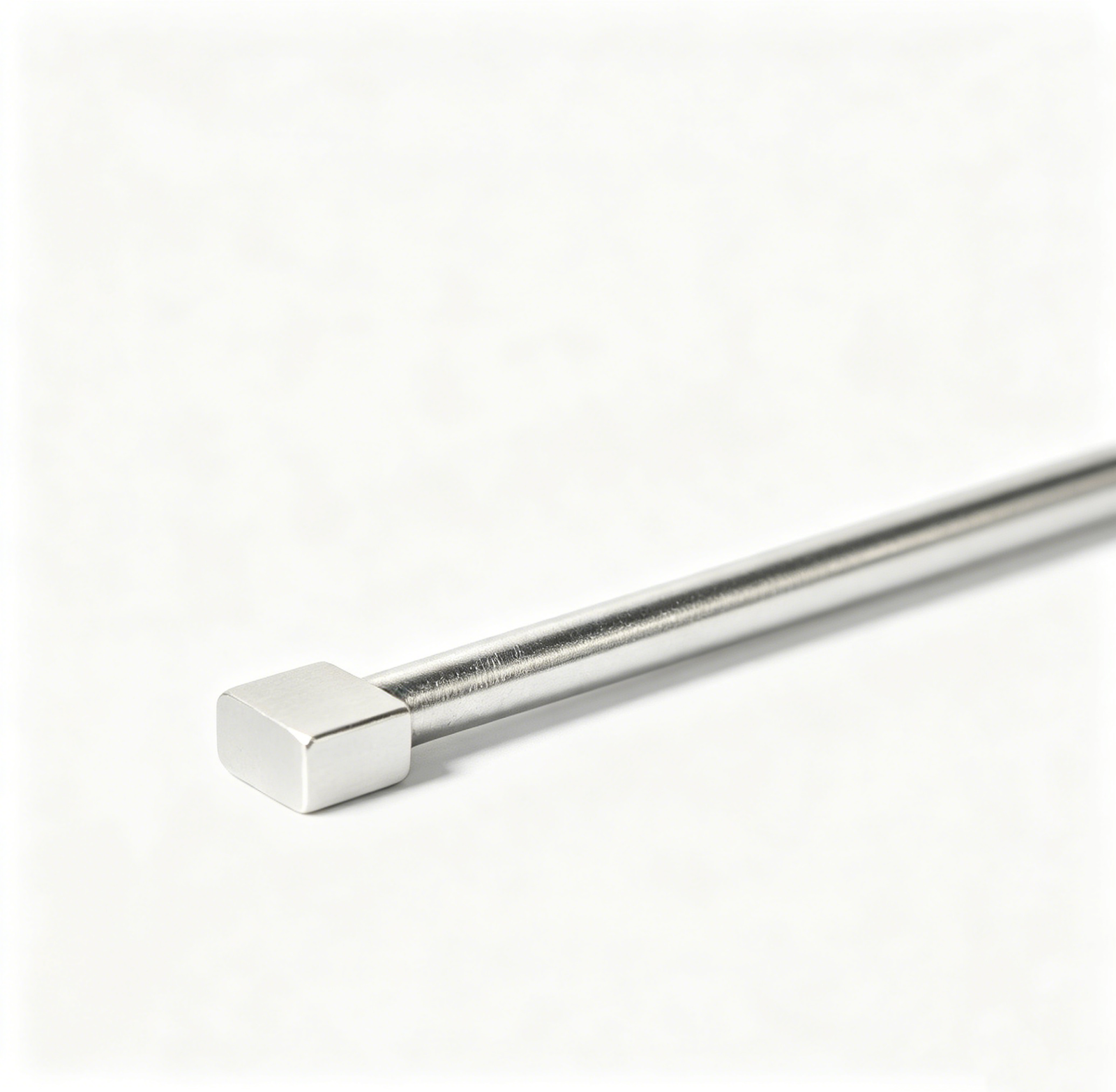
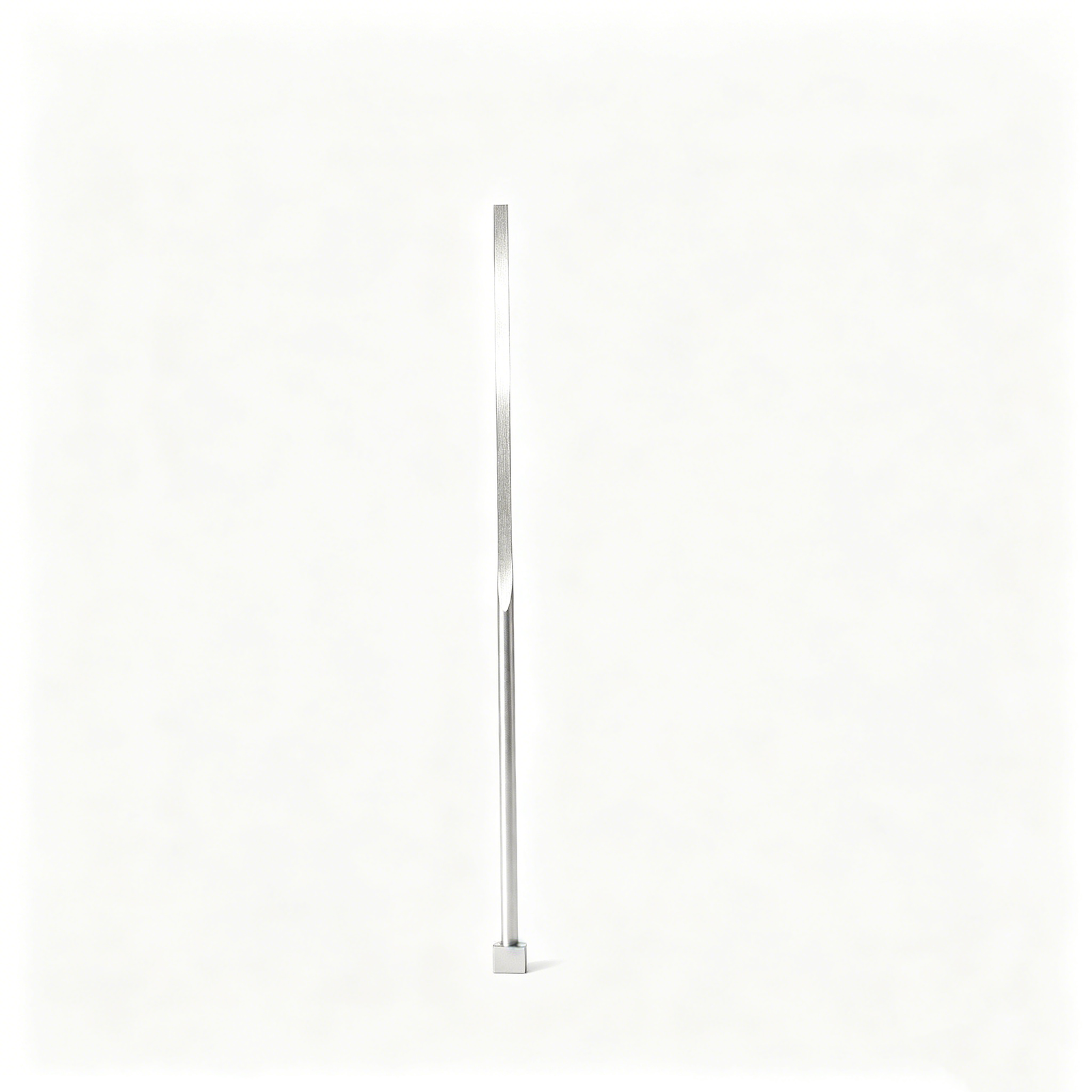
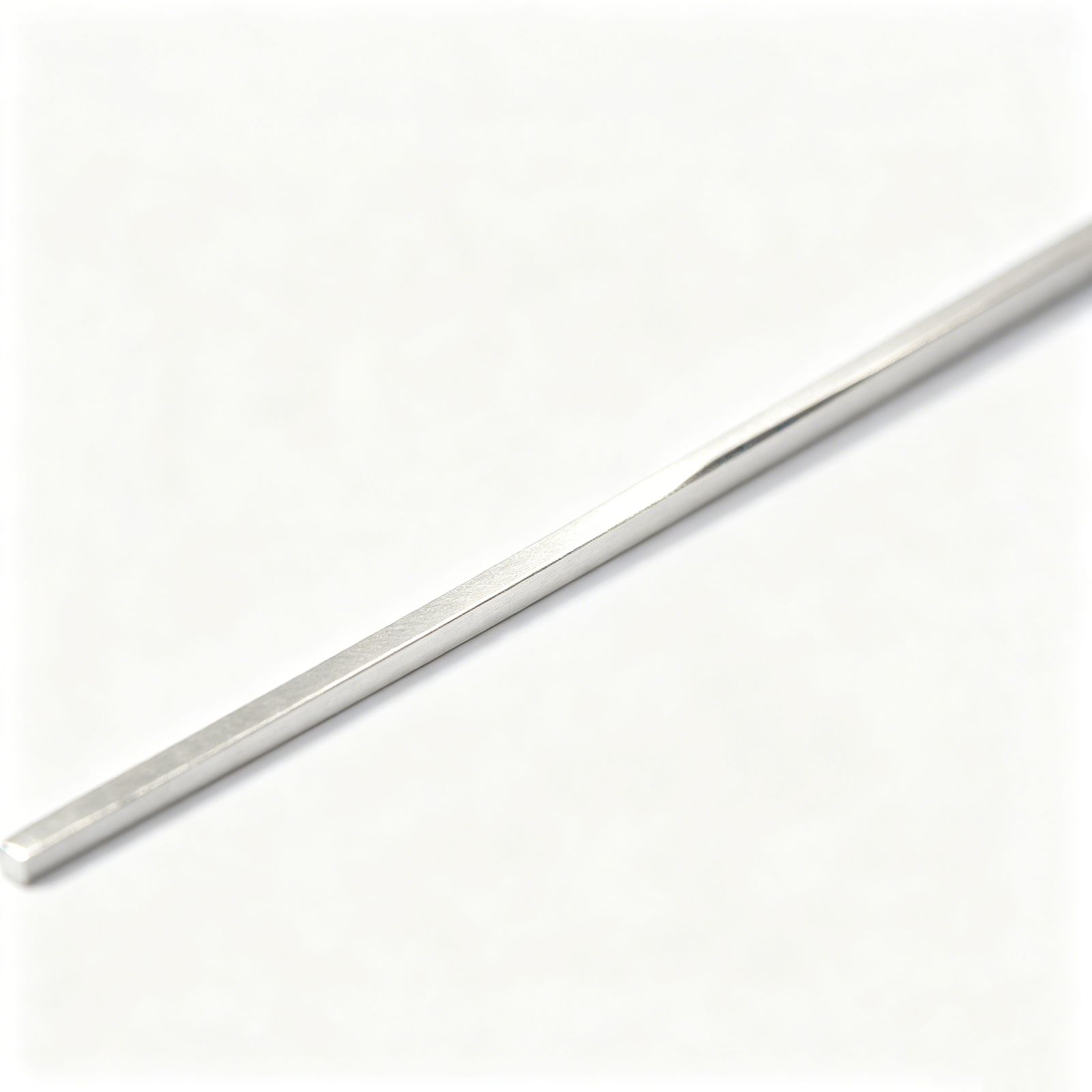
Plastic film parts · Precision mold insert
Custom Precision Round Parts for Pneumatic & Fluid Control Assemblies
Brand Xuxiang Mold
Availability Made to drawing
RFQ pricing
Quote from STEP / PDF & quantity
Engineer smoother flow paths and leak-tight connections with custom Precision Round Parts designed specifically for pneumatic and fluid control assemblies. These cylindrical components are machined to exact tolerances for reliable sealing, consistent pressure, and repeatable performance in demanding environments. From valve spools and sleeves to manifolds, couplings, and actuator hardware, each part is produced to your print using high-quality alloys and engineered plastics. Whether you are optimizing a new design or improving an existing platform, these components help reduce friction, minimize wear, and enhance system efficiency. Partner with our engineering and machining team to create round components that fit right the first time and keep your equipment running longer.
- ISO 9001:2015–oriented process & documented inspection paths
- Zeiss / Nikon class metrology available for critical dimensions
- DFM feedback from 10+ senior tooling engineers
- Dongguan HQ + Quanzhou capacity for volume programs
Custom Precision Round Parts for Advanced Pneumatic & Fluid Control
Modern pneumatic and fluid control systems depend on a network of carefully designed components to move, meter, and shut off gases and liquids safely and efficiently. In many of these systems, precision round parts such as valve spools, sleeves, pistons, guide bushings, and couplings are the heart of the mechanism. When these cylindrical components are manufactured to tight tolerances and finished with high-quality surfaces, they help ensure accurate flow control, reduced leakage, and long service life under continuous cycling.
This product offering focuses on custom-made round parts for pneumatic valves, regulators, actuators, hydraulic and fluid manifolds, and related assemblies. These components are produced through CNC turning, Swiss-type machining, and, when required, secondary milling or grinding operations. The result is a tailored solution that matches your drawings, mating components, and application constraints rather than forcing your design to fit a catalog part.
Whether you are developing a compact proportional valve, redesigning a rugged on/off valve for harsh environments, or building a multi-station fluid manifold, these custom parts provide the precision, repeatability, and consistency required in professional industrial applications.
Key Features & Benefits
Choosing custom precision round parts for pneumatic and fluid control assemblies allows you to optimize both performance and manufacturability. Instead of compromising with off-the-shelf components, your critical dimensions, materials, and features are built into each part from the start.
- Application-specific geometry – Integrate grooves, ports, tapers, and shoulders to match your valve bodies, seals, and manifold cavities, facilitating direct drop-in installation.
- Tight dimensional tolerances – Controlled diameters and concentricity support precise clearances for spools, sleeves, and pistons, helping to minimize internal leakage and maintain stable flow characteristics.
- Enhanced surface finishes – Smooth sealing and sliding surfaces reduce friction and wear, especially in components that cycle frequently in pneumatic circuits, cylinders, or regulators.
- Material flexibility – Select from stainless steels, carbon and alloy steels, brass, aluminum, or engineering plastics based on pressure, media compatibility, and weight requirements.
- Integration-friendly design – Include threads, cross-holes, flats, and drive features so that round parts assemble easily with seals, springs, and other sub-components, reducing assembly time.
- Consistency across production runs – CNC and Swiss machining practices support repeatable quality, which is crucial for multi-cavity manifolds and series-produced valves where parts must be interchangeable.
By concentrating design effort on these core cylindrical elements, you can gain better control over flow dynamics, actuation response, and leakage performance in pneumatic and fluid subsystems.
Specifications & Manufacturing Capabilities
Because these precision round parts are custom manufactured, the exact specifications are defined by your drawings and performance requirements rather than a fixed catalog. Typical projects can incorporate a wide range of materials, sizes, and tolerances tailored to pneumatic or fluid power environments.
The table below summarizes the types of attributes that can be configured for your order. Where specific numeric values depend on your design, descriptive information is provided so you can understand what is possible and discuss the details with engineering support.
| Attribute | Typical Options / Description |
|---|---|
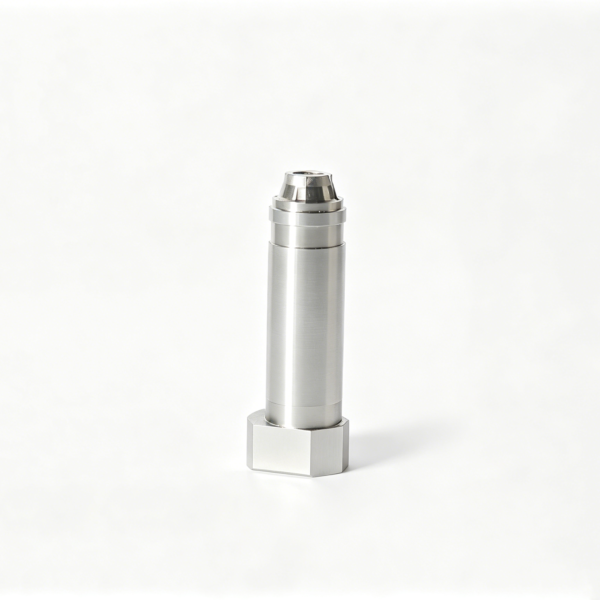
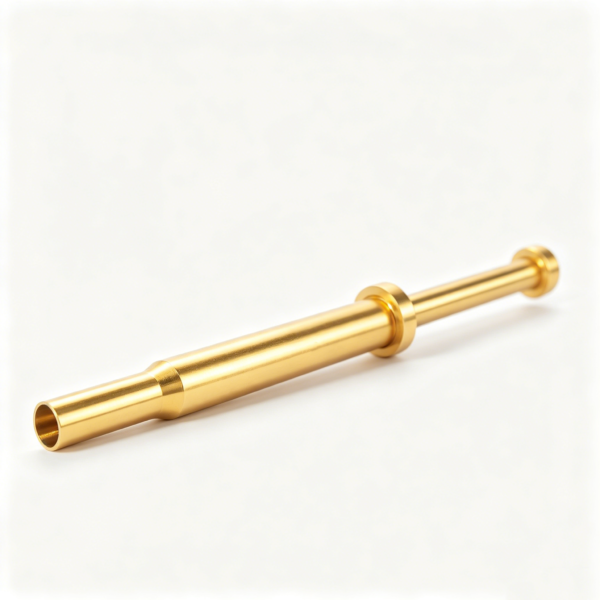
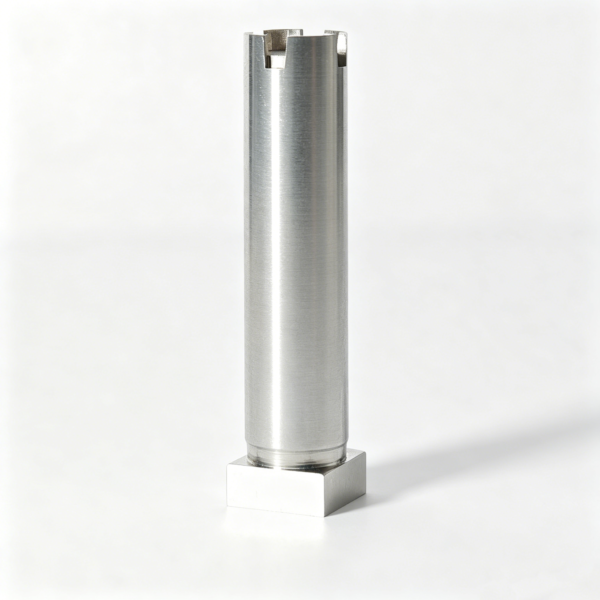
| Part Types | Valve spools, sleeves, pistons, guide bushings, couplings, fittings, manifold plugs, custom pins and shafts for pneumatic and fluid assemblies |
| Materials | Stainless steel grades, carbon and alloy steels, brass and copper alloys, aluminum, and selected engineered plastics compatible with pneumatic and fluid media |
| Manufacturing Processes | CNC turning, Swiss-type machining, secondary milling, drilling, reaming, and finishing operations such as grinding or honing as required |
| Surface Finish | Application-appropriate finishes to support sealing, sliding, or press-fit requirements, including polished and ground surfaces where needed |
| Dimensional Tolerances | Tight tolerances on diameters, concentricity, and length held to suit valve clearances and manifold cavity fits; defined in collaboration with your engineering team |
| Feature Options | Cross-holes, ports, grooves for O-rings or seals, chamfers, threads, flats, keyways, and alignment features designed per print |
| Media Compatibility | Suitable for compressed air, inert gases, and a variety of compatible fluids when paired with appropriate materials and seals |
| Volume Range | Supports prototype quantities through ongoing production volumes, with machining strategies adapted to project size |
| Quality & Inspection | Dimensional checks, surface finish verification, and other inspection methods aligned with your print and quality requirements |
Typical Applications & Who These Parts Are For
These precision round components are used anywhere controlled movement or sealed guidance of a gas or liquid is required. Engineers and buyers in fluid power, automation, and equipment manufacturing will find them particularly useful when standard fittings or spools do not meet performance or packaging needs.
- Pneumatic valve assemblies – Custom spools, sleeves, and plungers that sit at the core of directional and proportional valves, designed to achieve your target flow rates and switching speeds.
- Regulators and pressure controls – Cylindrical parts that interface with diaphragms, springs, and seats to maintain stable downstream pressure in air and gas systems.
- Actuators and cylinders – Pistons, rods, and guide bushings that help convert compressed air or fluid energy into reliable linear motion in industrial equipment.
- Fluid and gas manifolds – Plugs, inserts, and port adapters that reconfigure flow paths, block unused ports, or integrate sensors and fittings into manifold blocks.
- Instrumentation and test rigs – Precision round parts that create repeatable flow restrictions, reference leaks, or calibrated control elements in measurement and test devices.
These parts are ideally suited for OEMs, system integrators, and design engineers working in industries such as factory automation, packaging machinery, life sciences equipment, process control, and specialized pneumatic tools. If your design team is seeking to reduce assembly complexity, improve valve responsiveness, or enhance leak integrity, purpose-built cylindrical components can play a central role.
Care, Handling & Buying Guidance
Because precision round parts often interface directly with seals and sliding surfaces, proper handling and integration are important for long-term reliability. A few practical guidelines can help you get the most from your custom components:
- Protect critical surfaces – Avoid scratching or nicking sealing diameters and bearing surfaces during handling and assembly. Use clean trays, protective caps, or sleeves when storing or transporting parts.
- Maintain cleanliness – Keep parts free of chips, dust, and abrasive particles that can damage seals or accelerate wear when the valve or actuator is first cycled.
- Verify fits before full assembly – Check sample parts in their mating housings or manifolds to confirm clearances, alignment, and stroke before committing to full production assembly.
- Coordinate materials with media and environment – When specifying parts, consider exposure to moisture, chemicals, and temperature extremes so that materials and finishes are selected appropriately.
- Plan for future scaling – If you anticipate growth in production volume, discuss this early so that fixturing, tooling, and process flow can be optimized to support consistent quality at higher quantities.
When you request a quote, providing detailed drawings, material preferences, expected operating conditions, and target annual volumes will help ensure that the quoting team can suggest the most efficient manufacturing approach. Collaboration between your design engineers and the machining specialists can often uncover opportunities to simplify geometry, tighten critical dimensions, or adjust tolerances to balance performance and cost.
FAQ
Can these precision round parts be customized for my specific pneumatic valve design?
Yes. Each part is produced to your drawings or jointly developed specifications, including diameters, grooves, ports, and other details required for your valve body or manifold. Your engineering team can share models or prints so the machining process is tailored to your design.
What information should I include when requesting a quote for custom parts?
For accurate pricing and lead time, include detailed drawings or 3D models, material requirements, any special surface finish or heat treatment needs, estimated annual usage, and any critical tolerances that affect function. If your parts are part of a pneumatic or fluid assembly, sharing operating pressure and media can also help guide material and finish recommendations.
Are these precision round parts compatible with both air and liquid systems?
They can be designed for use with compressed air, inert gases, and many compatible liquids. Compatibility depends on the selected materials, seals, and finishes in your assembly. When you define your requirements, note the media and environmental conditions so the parts are specified appropriately.
How should I handle and store the parts to avoid damage before assembly?
Store components in clean, dry containers and avoid stacking heavy items on top of them. Protect critical sealing and sliding surfaces from contact with hard objects that might cause dents or scratches. Maintaining cleanliness helps prevent debris from being introduced into your pneumatic or fluid system.
What is the typical lead time for custom precision round parts?
Lead time depends on part complexity, required materials, and order quantity. Prototype or small batch orders are often completed more quickly, while larger runs may require additional scheduling and tooling. When requesting a quote, indicate your target delivery date so the production plan can be aligned with your schedule.
Can I order small quantities for prototypes before committing to full production?
Yes. Many projects begin with prototype or pilot quantities that allow you to test fit, function, and performance in your pneumatic or fluid assemblies. Once the design is validated, you can scale to higher volumes using the same machining setup with any refinements incorporated.
Do these parts require any special maintenance once installed?
The parts themselves typically require no direct maintenance, but their performance is influenced by system cleanliness, lubrication, and filtration. Maintaining clean, dry air or properly filtered fluid will help protect sealing surfaces and sliding interfaces, extending service life for both the round parts and associated seals.
What is the policy on returns or rework if parts do not meet specifications?
If there is a discrepancy between delivered parts and approved drawings or specifications, the standard process is to review inspection data and samples, then arrange rework or replacement where appropriate. Clear documentation and agreed inspection criteria at the start of the project help streamline any corrective actions if needed.
Can you help refine my design for better manufacturability?
Support is typically available to review your part geometry and suggest adjustments that may simplify machining, improve consistency, or reduce cost without compromising performance. Collaborative design-for-manufacturing discussions are particularly valuable when developing new pneumatic or fluid control platforms.
Related products
Same drawing, predictable results—next batch
Share revision, quantity ramp, and inspection level. We quote process route, ship date, and documentation in one structured response.