
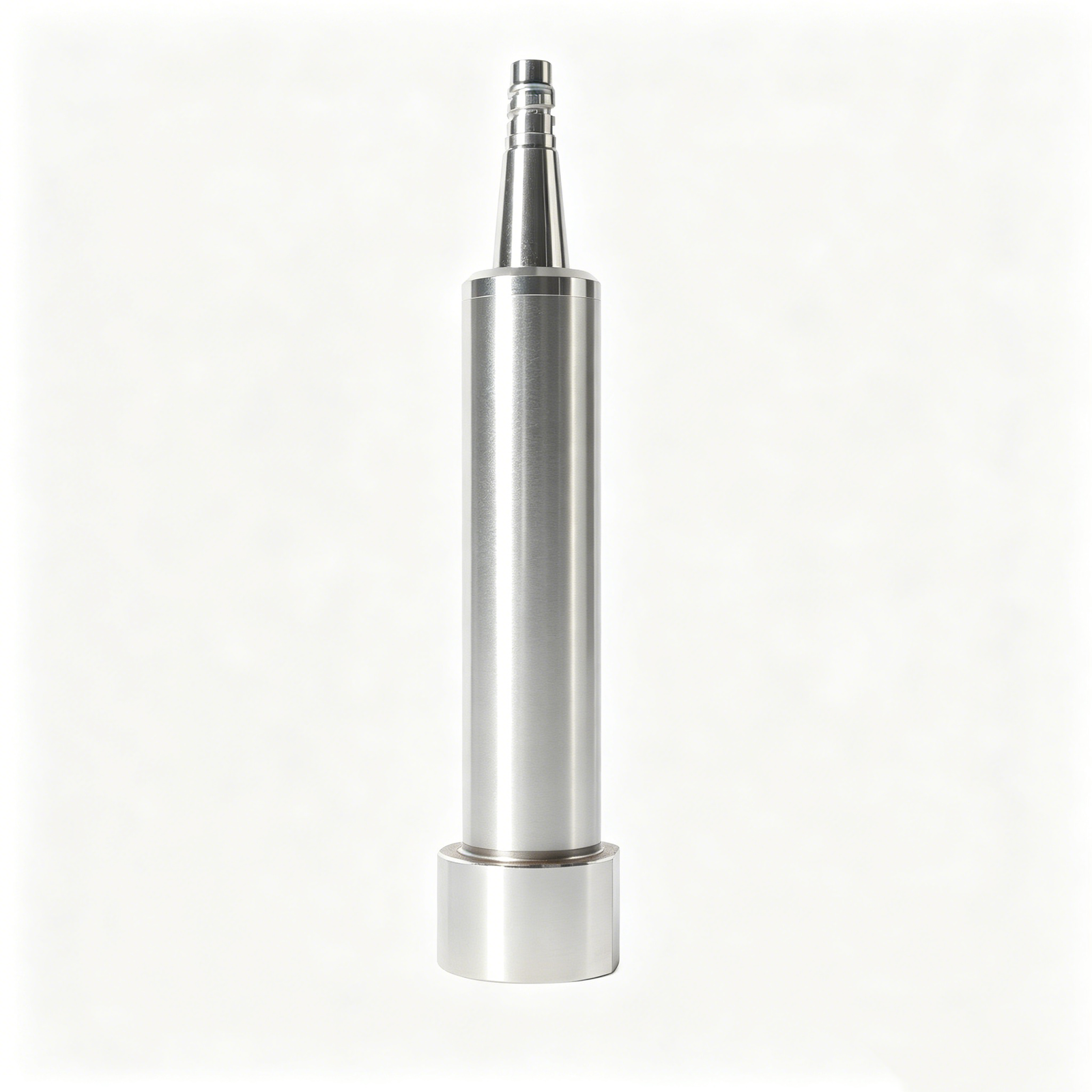
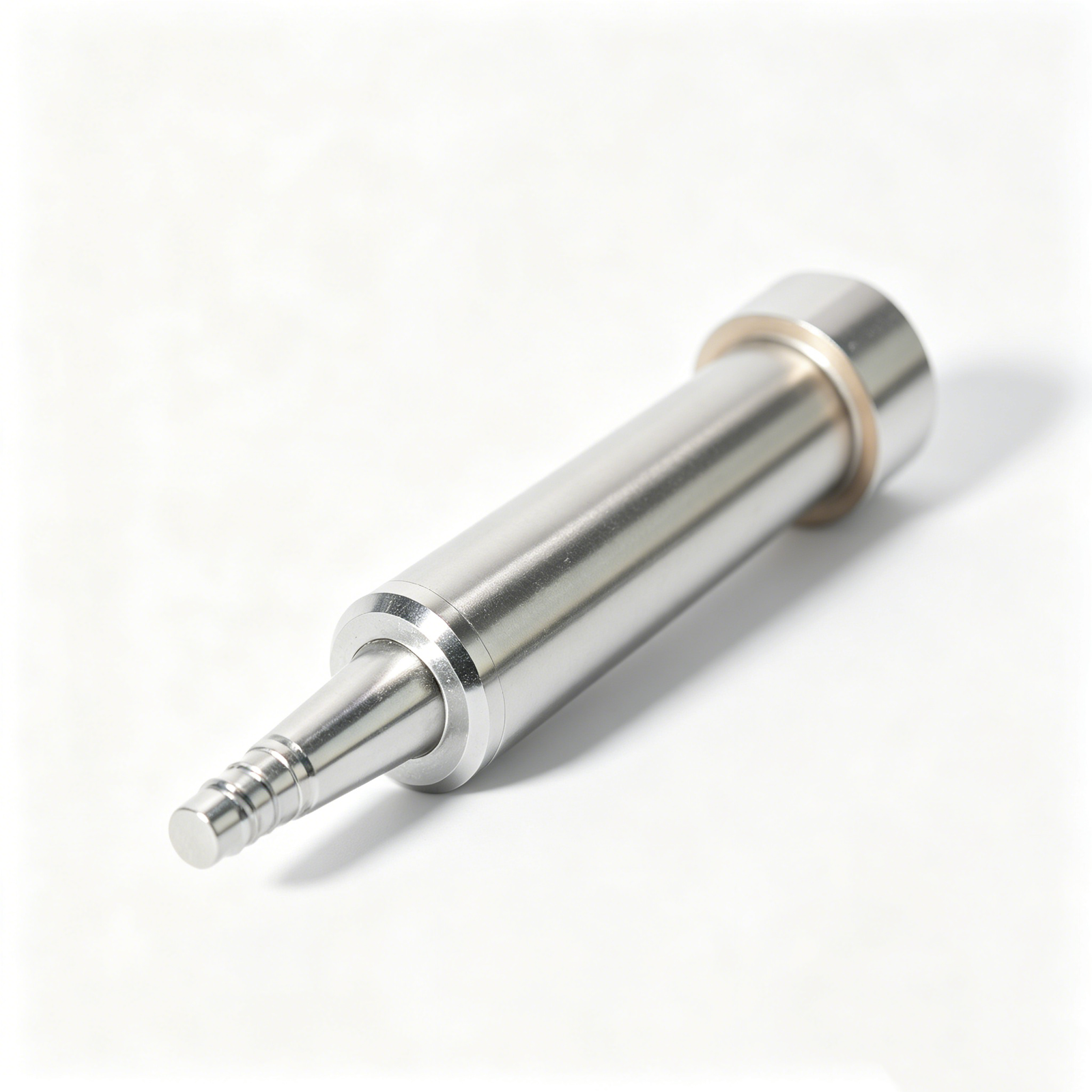
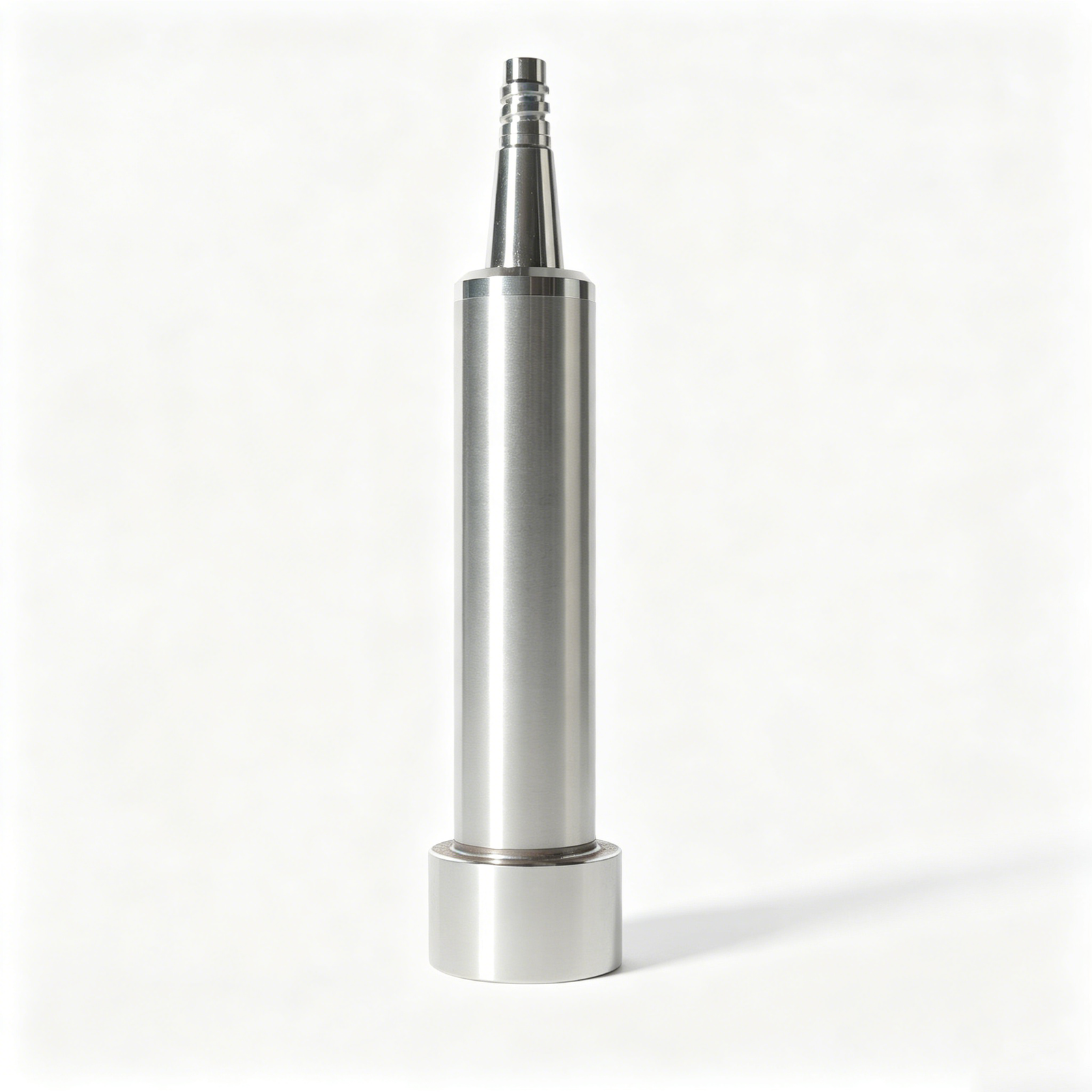
Plastic film parts · Precision mold insert
Custom Precision Round Parts for Medical & Laboratory Equipment
Brand Xuxiang Mold
Availability Made to drawing
RFQ pricing
Quote from STEP / PDF & quantity
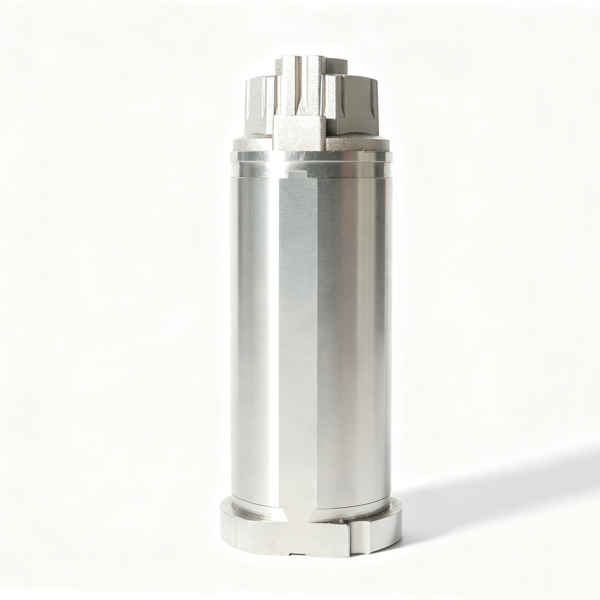
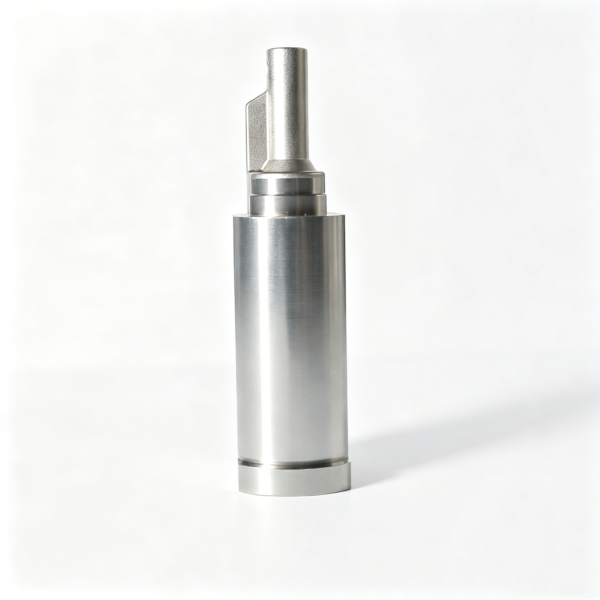
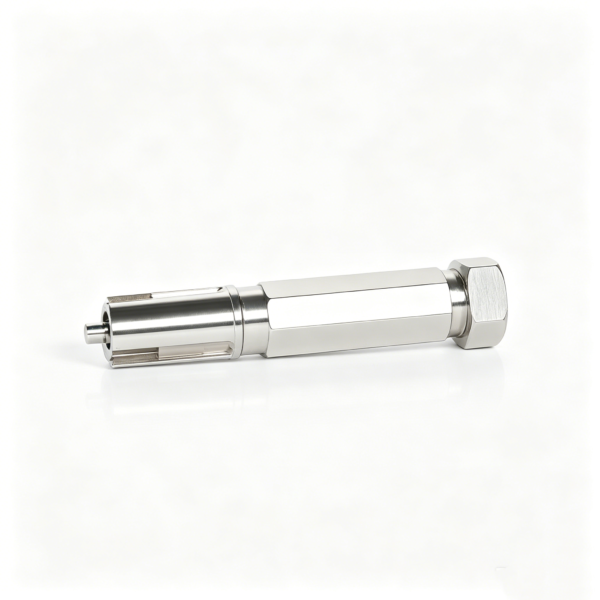
Ensure your medical and laboratory devices run smoothly with custom Precision Round Parts engineered for repeatable accuracy. Each cylindrical component is machined to tight tolerances for smooth motion, leak-tight fluid control, and reliable alignment in critical assemblies. From miniature shafts and pins to valve bodies and bushings, we tailor materials and finishes to match your sterilization, biocompatibility, and cleanroom needs. Partner with our engineering team to optimize manufacturability, reduce friction and wear, and enhance long-term reliability. Delivered fully inspected and ready for seamless integration into your high‑value medical and lab systems.
- ISO 9001:2015–oriented process & documented inspection paths
- Zeiss / Nikon class metrology available for critical dimensions
- DFM feedback from 10+ senior tooling engineers
- Dongguan HQ + Quanzhou capacity for volume programs
Custom Precision Round Parts for Medical & Laboratory Applications
Medical devices and laboratory instruments demand components that perform flawlessly, cycle after cycle, often in demanding environments that include repeated sterilization, exposure to aggressive media, and strict cleanliness requirements. Our Precision Round Parts are designed specifically for these critical applications, combining stable dimensional accuracy with carefully selected materials and finishes that support long service life and consistent performance.
From tiny guide pins in diagnostic equipment to robust valve housings in fluid management systems, we work closely with OEM engineers to turn complex drawings into dependable, production-ready components. Leveraging advanced CNC turning, Swiss-type machining, and multi-axis milling technologies, we achieve the tight tolerances and fine surface finishes that medical and lab equipment manufacturers require.[4][2][3] Our team understands that every micrometer matters when you are dealing with dosing accuracy, sample integrity, and patient safety.
Key Features & Benefits
These custom-machined round parts are engineered to meet the unique challenges of medical and life-science environments, where reliability, cleanliness, and traceability are paramount.[4][5]
- High dimensional accuracy – Tight-tolerance turning and grinding help ensure precise fits, smooth linear or rotational motion, and repeatable assembly in mating components.
- Material choices for healthcare use – Options commonly include stainless steels, medical-grade alloys, technical plastics, and corrosion-resistant materials that withstand cleaning agents and disinfectants.[10][14]
- Clean, low-roughness surfaces – Optimized surface finishes reduce friction, minimize particle shedding, and make parts easier to clean or sterilize, supporting hygienic design.
- Consistent quality across production runs – Rigid process control and in-process inspection help hold tolerances and finish requirements as production volumes scale up.[4][5]
- Design-for-manufacturing support – Our engineering team collaborates with you to refine critical dimensions, chamfers, grooves, and undercuts for more stable machining and competitive piece pricing.
- Flexible batch sizes – From small prototype lots to full-scale production, we align capacity with your development stage and ramp-up timeline, a key requirement in fast-moving medtech markets.[2][5]
Specifications & Options
Because these Precision Round Parts are built-to-print, the exact specifications are tailored to your device or instrument. Below is a representative overview of the capabilities and options typically offered for medical and laboratory components.
| Attribute | Typical Options / Details |
|---|---|
| Component types | Shafts, pins, spacers, bushings, valve bodies, sleeves, couplings, custom cylindrical inserts |
| Primary manufacturing processes | CNC turning, Swiss-type turning, multi-axis machining, secondary milling, drilling, tapping, deburring |
| Common materials | Stainless steel grades for medical and lab use, non-corrosive alloys, precision plastics such as high-performance thermoplastics[10][14] |
| Surface finish options | Turned, ground, fine-polished surfaces; optional coatings or passivation depending on application |
| Tolerance capability | Tight-tolerance roundness and concentricity achievable based on design and process selection (specified on your drawing) |
| Cleanliness & handling | Careful handling, cleaning steps, and protective packing available to support cleanliness-sensitive applications |
| Traceability | Lot identification, documentation, and quality records provided according to your regulatory and QA requirements |
| Quality assurance | Dimensional inspection, sampling plans, and documentation aligned with customer specifications and industry expectations[4][5][14] |
| Prototype to production | Support for early prototyping, design validation builds, and transition to serial production |
Typical Use Cases & Applications
The global precision parts market is deeply tied to the growth of medical devices, diagnostics, and healthcare infrastructure.[2][3][5] Custom Precision Round Parts are vital wherever controlled motion, sealed interfaces, or repeatable mechanical alignment are required:
- Diagnostic & analytical instruments – Precision round shafts, guide pins, and bushings support sample handling, carousel rotation, and pump mechanisms in analyzers and lab automation systems.
- Infusion, dosing & drug-delivery devices – Tight-tolerance cylindrical components help regulate flow, position pistons, and maintain leak-tight connections in fluid paths.
- Surgical & orthopedic equipment – Machined round parts may be used in powered instruments, fixation systems, or positioning devices where stable alignment and reliable motion are critical.[14]
- Life-science research tools – Lab mixers, shakers, centrifuges, and bioprocessing equipment rely on accurate round components to control rotation, balance, and vibration.
- Imaging & monitoring systems – Custom cylindrical connectors, housings, and spacers help integrate sensors, optics, and mechanical supports in advanced imaging platforms.
Across all of these applications, precision machined components reduce assembly variation, help maintain calibration, and support the stringent uptime expectations of clinical and research environments.[11][14]
Guidance on Material Selection, Design & Purchasing
Selecting the right geometry and material for your Precision Round Parts is essential to long-term performance and regulatory compliance. Consider the following when preparing your RFQ and drawings:
- Operating environment – Document exposure to cleaning agents, disinfectants, bodily fluids, or lab chemicals so that material and finish can be matched to corrosion resistance and cleanliness needs.[10][14]
- Sterilization methods – Steam autoclave, gamma, ETO, or other methods may influence material choice and tolerance stack-ups due to thermal and chemical effects.
- Mechanical loads – Provide information on torque, axial loads, vibration, and expected cycle counts so that designers can optimize diameters, shoulders, and fillets for durability.
- Interface with mating parts – Clear dimensional and geometric tolerancing (GD&T) for fits, concentricity, and runout helps ensure smooth assembly and consistent performance.
- Regulatory & quality requirements – If components are part of regulated medical devices, note any documentation, traceability, or change-control expectations so they can be built into the project from the start.[14][5]
- Lifecycle cost – Design-for-manufacturing adjustments such as simplifying undercuts, standardizing chamfers, or tuning tolerances can significantly reduce machining time and overall cost, especially at higher volumes.[4][11]
By aligning these design and purchasing considerations with experienced precision machining capabilities, medical and laboratory OEMs can reduce risk, accelerate time to market, and support the rapid growth in advanced healthcare and life-science systems that the global precision parts market is currently experiencing.[2][3][5]
FAQ
What information do you need to quote custom Precision Round Parts?
To provide an accurate quote, we typically require detailed drawings or 3D models, material specifications, estimated annual volume, and any special finish, cleanliness, or documentation requirements. Including information about the application environment and regulatory constraints helps ensure that the proposed process and materials are suitable for medical or lab use.
Are these parts compatible with existing medical and lab assemblies?
Yes, these components are built-to-print to match your existing or new assemblies. As long as your drawings define the critical dimensions and fits, we can manufacture to those requirements so that parts are compatible with current housings, seals, and mating components.
What is the typical lead time for custom medical-grade round parts?
Lead time depends on design complexity, material availability, and order quantity. Prototype quantities are usually faster, while full production runs may require additional time for tooling, process validation, and quality documentation. We discuss timelines early to align with your development or launch schedule.
Can you support small prototype batches before full production?
Yes. We routinely support prototype and pilot batches so engineering teams can validate designs, perform functional testing, and complete regulatory submissions before scaling to production volumes.
How should I specify tolerances and surface finishes for these parts?
Indicate critical dimensions and fits on your drawings using GD&T where necessary. Focus tight tolerances and fine surface finishes only on functional areas that truly require them; this maintains performance while controlling machining cost and lead time.
How do I care for and handle these components before assembly?
Store parts in their original packaging in a clean, dry environment. Avoid touching critical surfaces with bare hands and protect edges or sealing lands from impact. If additional cleaning is required before assembly, follow your internal validated cleaning procedures compatible with the part materials.
What are your policies on nonconforming parts, returns, or warranty?
Nonconforming parts identified during your incoming inspection should be reported with traceability information and measurement data. We review the issue, investigate root cause, and coordinate replacement or credit according to the agreed quality and supply terms. Warranty and return conditions are defined in the supply agreement or purchase contract.
Can these Precision Round Parts withstand sterilization processes?
Yes, when specified appropriately. During the design and quoting stages, please indicate which sterilization methods you intend to use. We can then recommend materials and finishes that have a history of performance under those conditions.
Do you offer documentation for regulated medical device projects?
We can provide inspection reports, material certifications, and traceability records tailored to your quality system and regulatory needs. Specific documentation and record-keeping expectations should be defined at the start of the project.
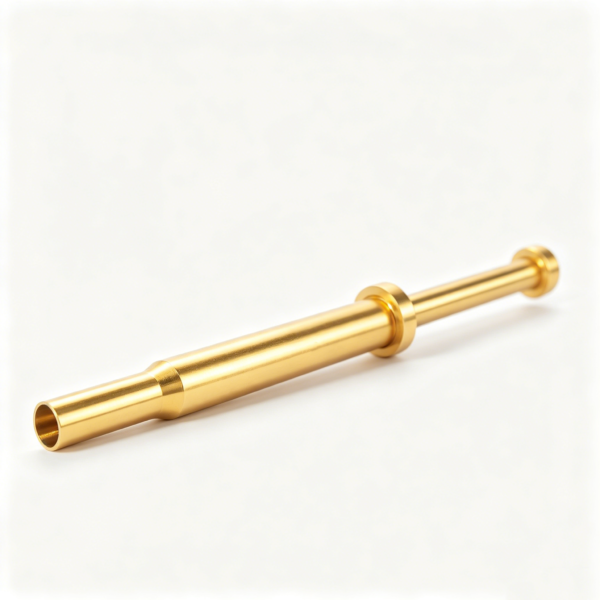
Same drawing, predictable results—next batch
Share revision, quantity ramp, and inspection level. We quote process route, ship date, and documentation in one structured response.