
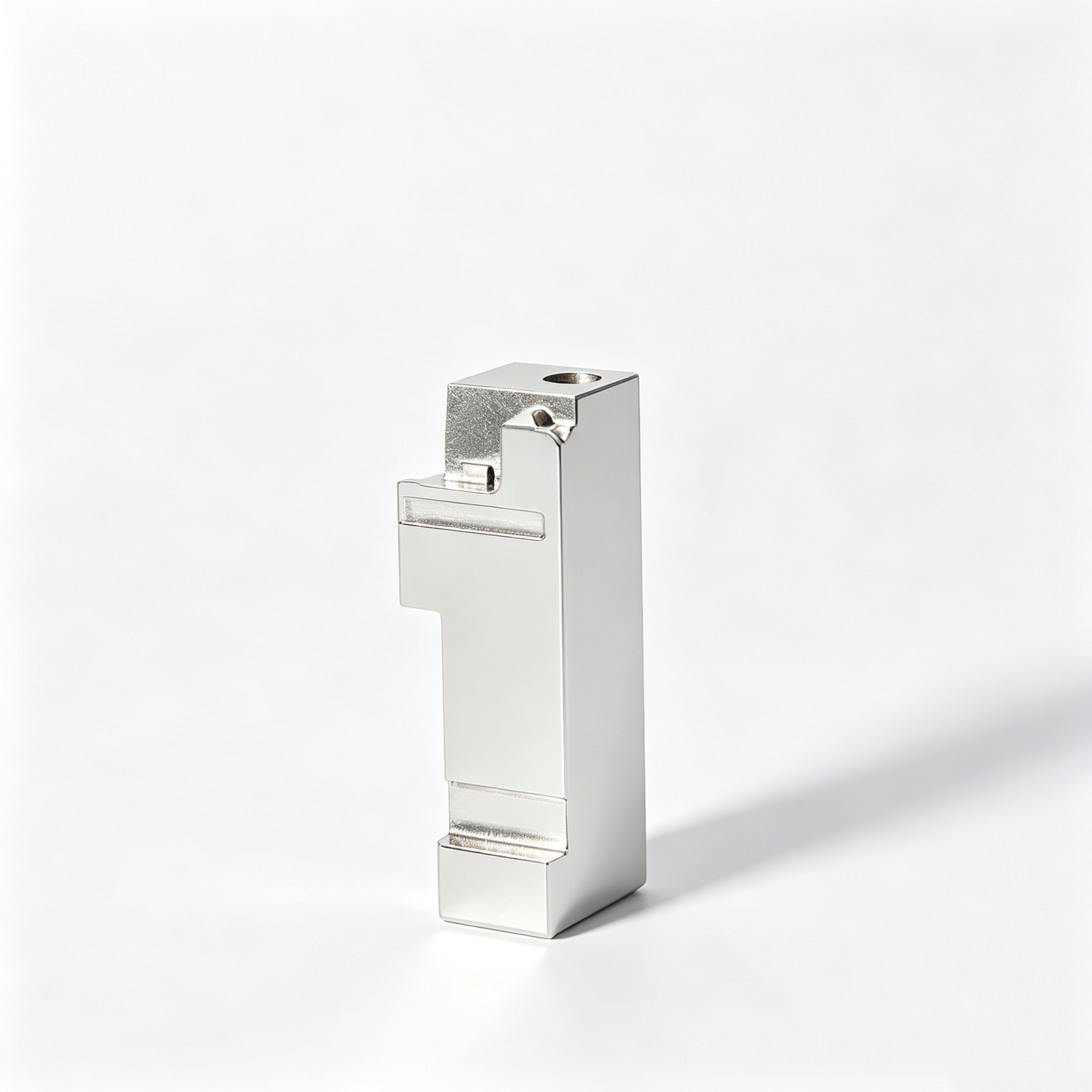
Plastic film parts · Precision mold insert
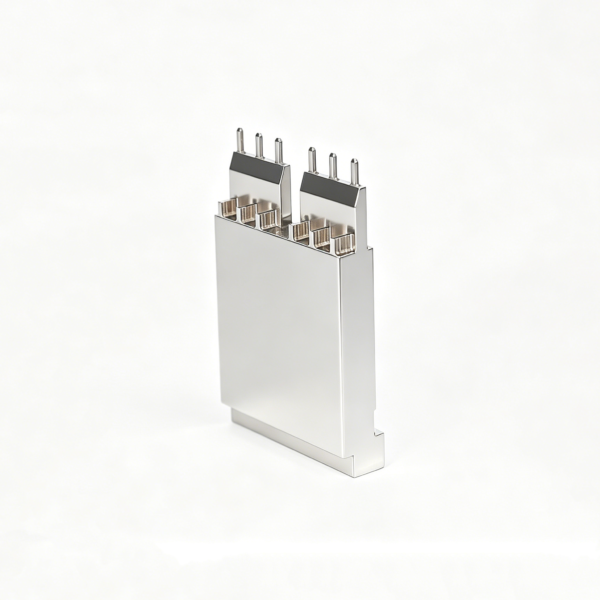
Precision Mold Components for Automotive Connectors – Wear-Resistant Inserts & Pins Set
Brand Xuxiang Mold
Availability Made to drawing
RFQ pricing
Quote from STEP / PDF & quantity
Engineer reliable, high-density automotive connectors with precision mold components designed for demanding production environments. This matched set of inserts, cores, sleeves and ejector pins helps you maintain ultra-tight tolerances, clean parting lines and consistent cavity alignment over long runs. Optimized steel grades and surface treatments enhance wear resistance under high-cavitation and high-speed molding conditions. By stabilizing critical dimensions, you reduce scraping, ease connector assembly and improve electrical performance in the field. Upgrade your tooling stack so every automotive connector shot counts.
(Precision mold components for automotive connectors)
- ISO 9001:2015–oriented process & documented inspection paths
- Zeiss / Nikon class metrology available for critical dimensions
- DFM feedback from 10+ senior tooling engineers
- Dongguan HQ + Quanzhou capacity for volume programs
High-Performance Precision Components for Automotive Connector Molds
Automotive electrical systems depend on compact, complex connectors that must lock, seal and conduct flawlessly over millions of duty cycles. To achieve this level of performance, the injection tooling behind each connector needs precision mold components that can hold micro-level tolerances, deliver repeatable filling and withstand abrasive, glass-filled engineering plastics.[1][4] Precision mold components for automotive connectors are the critical building blocks inside your mold: inserts, cores, sleeves, lifters, ejectors and other elements that shape every housing, terminal cavity, latch and seal groove.[1]
This product is a high-precision components set engineered specifically for automotive connector molds used in under‑hood, in‑cabin and chassis applications. With carefully selected tool steels, hardened surfaces and optimized fit between mating mold parts, these components support stable production of complex connector geometries, help minimize flash and deformation, and improve mold uptime in high-volume manufacturing environments.[2][3][6]
Key Features & Tooling Advantages
Every feature of these precision components is engineered around the realities of automotive connector production: tight dimensional windows, high cavity counts, demanding resin systems and zero‑defect expectations from OEMs and Tier 1 suppliers.[4][10]
- Tight dimensional control: Critical functional areas such as terminal cavities, latch details and sealing interfaces are machined to very tight tolerances to support correct mating, low contact resistance and IP-rated sealing performance in the final connector assembly.[1][6]
- Stable molding of thin-wall features: Fine core pins and inserts are designed to manage thin walls, undercuts and snap-fits commonly found in modern high‑pin‑count connectors, reducing warpage and improving fill balance.[4][7]
- Wear-resistant steel selection: Components are produced from suitable tool steels for glass‑fiber reinforced and flame‑retardant engineering plastics, combining hardness with toughness to resist abrasion, erosion and chipping around gates and flow fronts.[4]
- Optimized for high-cavity molds: Geometries and fits support multi-cavity, family and high-cavitation connector molds, helping maintain alignment, cavity-to-cavity consistency and ease of maintenance during long production campaigns.[2][5][9]
- Surface finishes for clean release: Functional surfaces are finished to appropriate roughness levels to support smooth demolding, reduce part sticking, and help maintain clean parting lines, especially around delicate latch arms and locking ramps.[3][8]
- Flexible customization: Dimensions, shapes and locating features can be tailored to your mold base and connector program, facilitating retrofits of existing tools or the build-out of new tooling platforms.[2][11][13]
Specifications & Component Overview
The table below summarizes typical characteristics and options for these precision mold components. Exact details are customized per connector design, mold base standard and production requirements.
| Attribute | Description |
|---|---|
| Primary application | Injection molds for automotive electrical connectors, housings and related plastic components |
| Typical component types | Cavity inserts, core inserts, core pins, sleeves, lifters, ejector pins, guide elements and custom form inserts |
| Compatible connector styles | Board connectors, harness connectors, sealed and unsealed housings, multi‑pole and high‑density terminals |
| Base materials | Mold tool steels selected for hardness, toughness and wear resistance; options suitable for glass‑filled and high‑temperature resins[4][6] |
| Heat treatment | Hardened and tempered to support high cycle life and dimensional stability under injection loads[4] |
| Surface treatments | Polishing and optional coatings to enhance wear resistance, corrosion protection and part release |
| Dimensional tolerance capability | Precision machining suitable for tight connector feature tolerances, including miniature terminal cavities and latching details[1][6][8] |
| Mold compatibility | Custom-fitted to new or existing connector molds; compatible with common mold base standards |
| Typical production environment | High-volume automotive injection molding lines with strict quality and dimensional control[10][14] |
| Quality focus | Supports zero-defect strategies, stable process windows and consistent connector fit and function[4][7][10] |
Use Cases & Ideal Customers
These precision mold components are designed to integrate into a wide range of connector tooling projects and production contexts across the automotive supply chain.[4][10][14]
- OEM and Tier 1 connector manufacturers: For new connector series or platform refreshes where optimized mold internals are essential for part consistency, PPAP approvals and long-term supply contracts.
- Custom mold makers: Tool shops building new connector tools or refurbishing existing molds for automotive wiring harnesses, ECU plugs, sensor connectors and mechatronic modules.[2][9][11]
- High-volume injection molders: Production facilities running multi-cavity connector molds that require durable, easy-to-service components to minimize unplanned downtime and quality deviations.[5][10]
- Engineering and R&D teams: Development of prototype and pilot molds for new connector geometries, where flexible, accurately machined inserts and pins support iterative design changes and fast validation.[4][7]
- Maintenance & tooling departments: As replacement or upgrade parts for existing automotive connector molds, improving wear life around gates, parting lines and critical sealing surfaces.
Example applications include engine bay connectors exposed to under‑hood temperatures and vibration, in‑cabin infotainment connectors demanding precise alignment for high‑speed data, and chassis connectors that must resist contamination and mechanical shock.[10]
Selection, Maintenance & Buying Guidance
Choosing the right precision components for your automotive connector mold starts with a clear understanding of the connector’s operating environment and resin selection. Under‑hood connectors, for instance, often rely on high‑temperature, glass‑filled engineering plastics, which call for more wear‑resistant steel choices and robust surface treatments in high-flow and gate regions.[4][10]
- Align with connector design: Review the connector drawing and tolerance stack‑up—especially around terminal cavities, latch features and sealing areas—so component dimensions support target fit and electrical performance.[4][7]
- Consider resin and additives: Share material data (glass content, flame retardants, operating temperature) to select appropriate steel and finishing options for your components.[4][10]
- Plan for maintenance: Specify component designs that allow easy removal and replacement, with clear identification of high-wear areas to simplify preventive maintenance scheduling.[4][14]
- Validate through trials: Conduct mold trials with production-grade resin and process parameters, checking part dimensions, flash, warpage and connector mating force to confirm that the components hold the required accuracy.[4][7]
Routine care and inspection extend the life of your precision components. Clean deposits from vents and fine features, monitor gate and cavity edges for wear, and document any dimensional drift that could affect connector fit. A systematic approach to component replacement helps maintain stable processes and reduces the risk of field issues due to poor connector engagement or sealing.[4][14]
FAQ
Are these precision mold components compatible with my existing connector mold?
Yes, the components are designed to be customized to your existing mold base and connector design. By sharing your current mold drawings and connector specifications, components can be produced to match your dimensions and locating features for a direct fit.
What types of automotive connectors can these components be used for?
They are suitable for a broad range of connector styles, including sealed and unsealed housings, multi‑pole plug and socket connectors, PCB-mounted connectors and specialized sensor or ECU interfaces used in automotive applications.
How do I confirm dimensional compatibility before ordering a full set?
You can begin with a small batch of key inserts or core pins based on your CAD files and tolerance requirements. After trialing these in your tool, you can confirm fit and performance before scaling up to a complete components package.
What maintenance practices help extend component life in production?
Regularly clean the cavities, cores and vents, check gate and parting line areas for wear, and perform periodic dimensional checks on critical features. Replacing heavily worn pins or inserts before they drift out of tolerance helps maintain connector quality and reduces scrap.
Can these components handle glass-filled or high-temperature engineering plastics?
Yes, with the appropriate steel and surface treatments, the components are suited for glass‑fiber reinforced and high‑temperature automotive resins. When ordering, provide your material data so the correct material and finishing options are selected.
What is the typical lead time for customized automotive connector mold components?
Lead time depends on the number of components, their complexity and your documentation readiness. Once drawings and requirements are confirmed, production and finishing are scheduled to align with your tooling or maintenance timeline.
How are the components packaged and shipped to protect precision surfaces?
Components are individually protected, typically with corrosion-inhibiting wrapping and secure separators to prevent contact damage. They are then packed in sturdy cartons or crates suitable for international transport.
Do you support design reviews for new connector tooling projects?
Yes, engineering support is available to review your connector and mold concepts, identify critical tolerance zones, and recommend component configurations that support stable molding and long service life.
What happens if a component does not fit or perform as expected?
If any supplied part does not meet the agreed specifications, it can be analyzed and adjusted or remade. Dimensional reports, photos and trial data help quickly identify and resolve any mismatches.
Can I order small quantities for repair and spare parts?
Absolutely. You can order single components or small kits for maintenance and repair work, allowing you to replace worn inserts or pins without purchasing a full component set.
Related products
Same drawing, predictable results—next batch
Share revision, quantity ramp, and inspection level. We quote process route, ship date, and documentation in one structured response.