
Plastic film parts · Precision mold insert
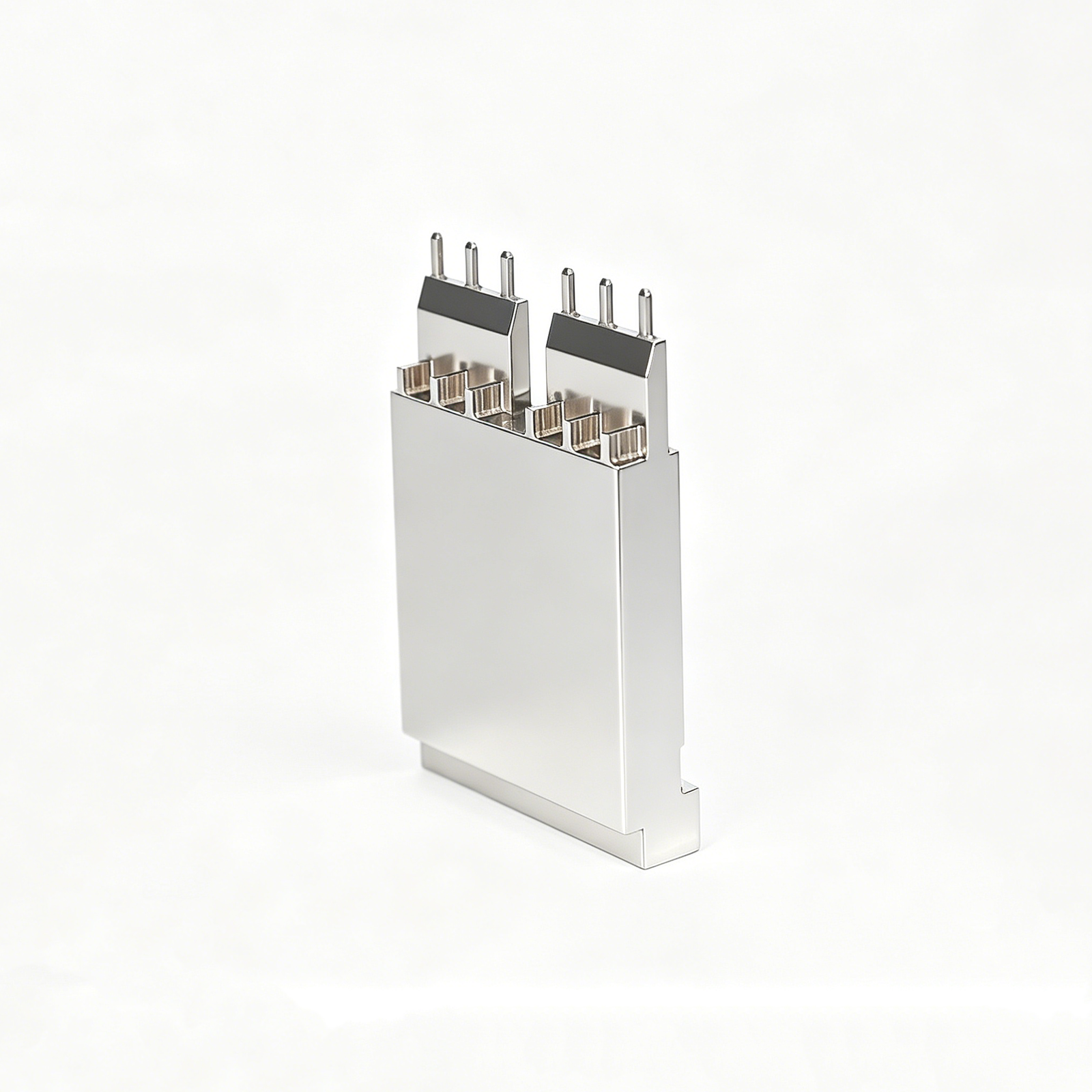
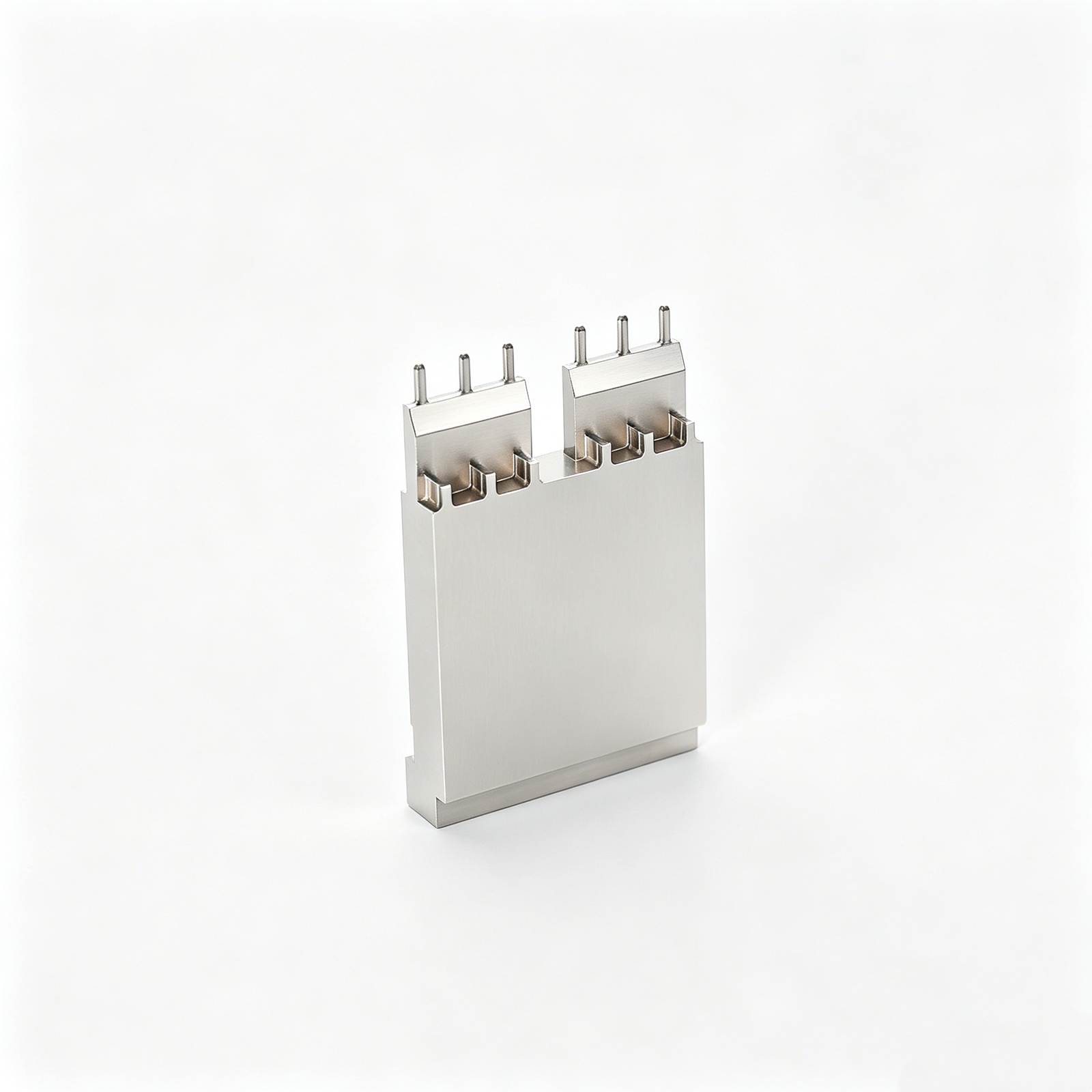
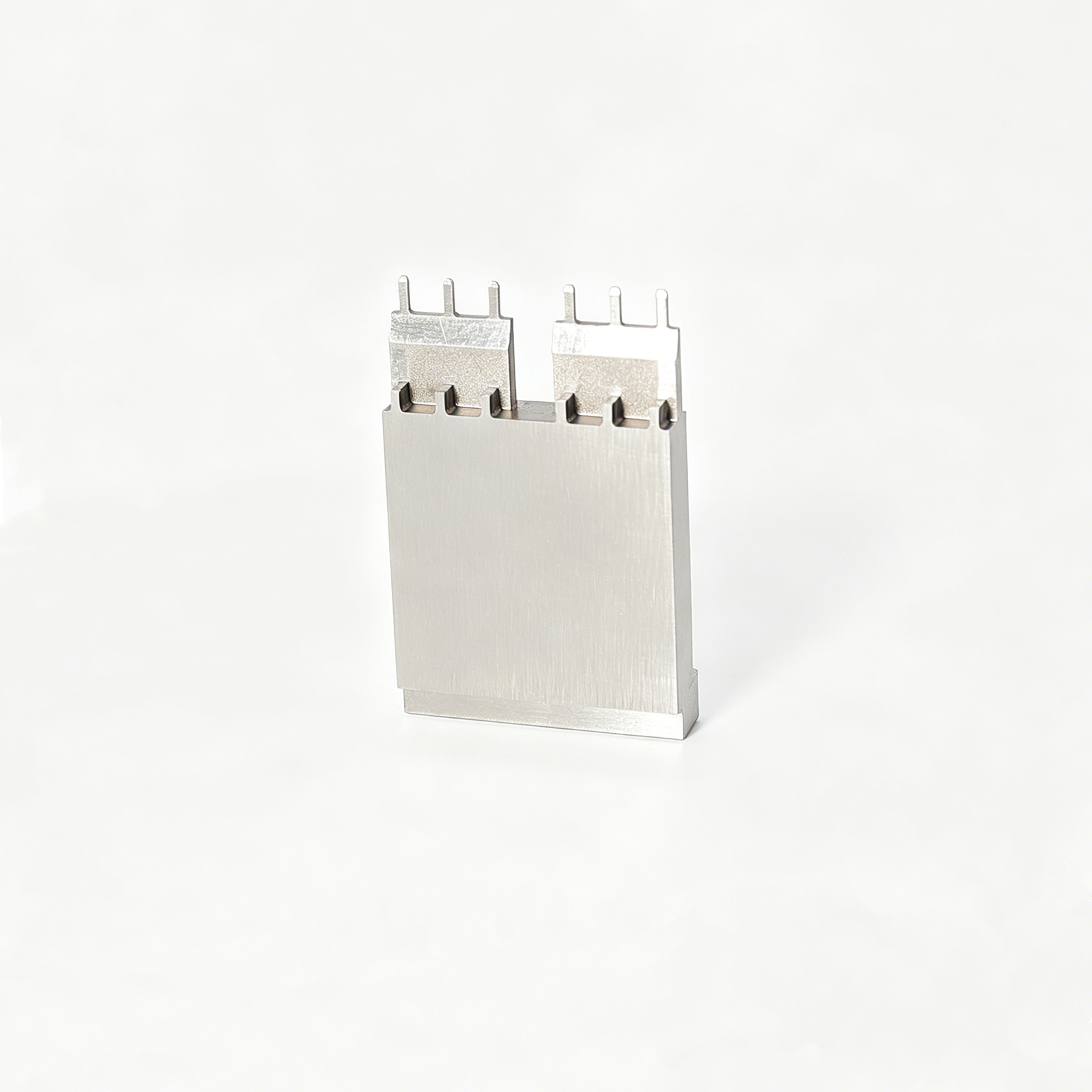
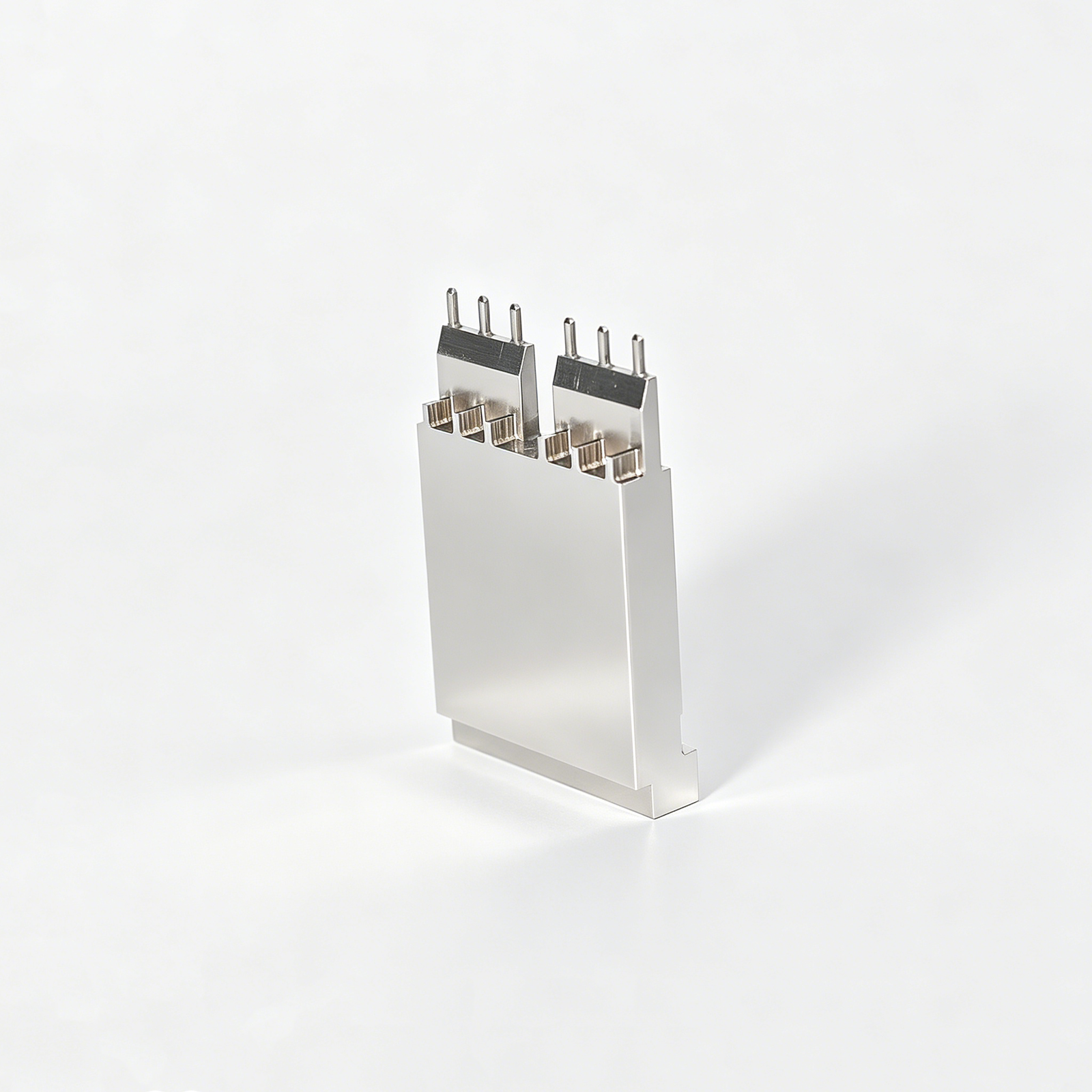
Precision Mold Components for Automotive Connectors – High-Accuracy Core & Cavity Inserts
Brand Xuxiang Mold
Availability Made to drawing
RFQ pricing
Quote from STEP / PDF & quantity
Engineer flawless connector geometries with precision mold components for automotive connectors designed for demanding OEM and Tier-1 production lines. These finely machined cores, cavities, lifters and inserts help you maintain tight dimensional control at every cavity, shot after shot. Optimized steel selection and heat treatment enhance wear resistance, even in high-cavitation, high-cycle tools. From miniaturized signal connectors to robust power housings, these components support consistent molding quality and reduced scrap. Upgrade existing tools or specify them into new programs to improve connector fit, stability and long-term reliability in the vehicle.
- ISO 9001:2015–oriented process & documented inspection paths
- Zeiss / Nikon class metrology available for critical dimensions
- DFM feedback from 10+ senior tooling engineers
- Dongguan HQ + Quanzhou capacity for volume programs
What Are Precision Mold Components for Automotive Connectors?
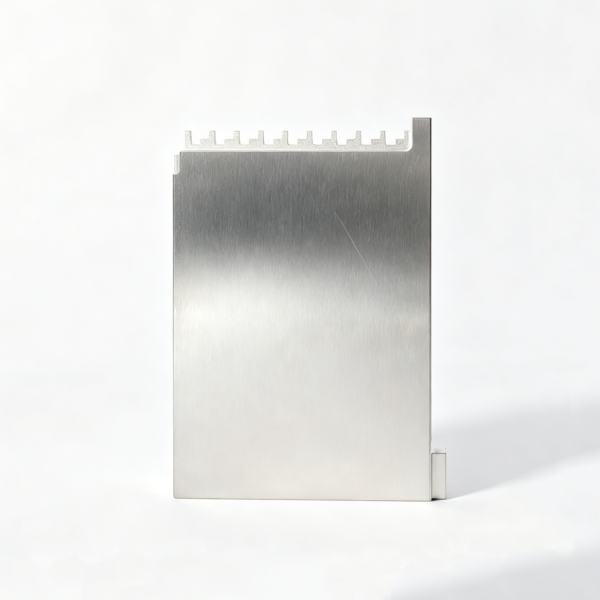
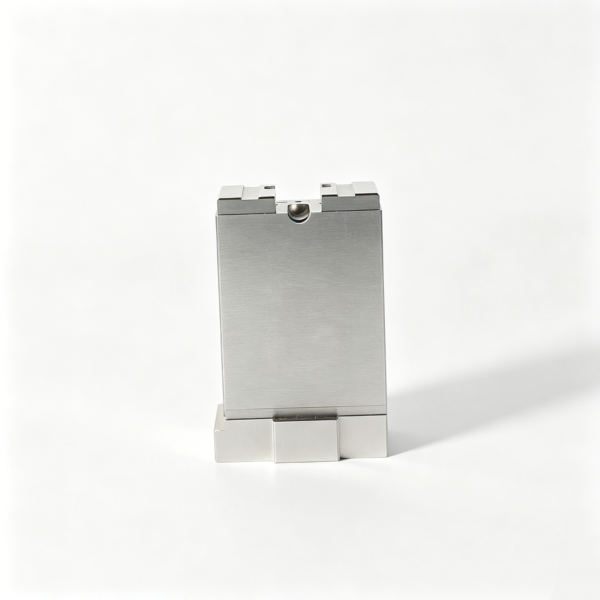
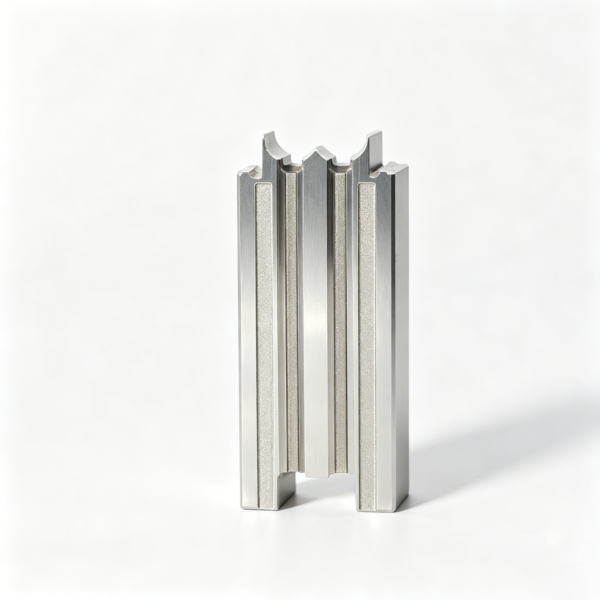
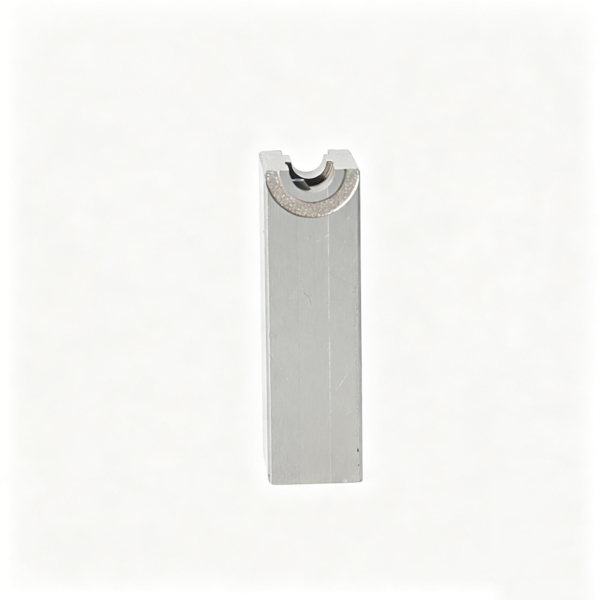
Precision mold components for automotive connectors are specially engineered inserts, cores, cavities and related tooling elements used inside injection molds to produce plastic connector housings and related insulating parts for vehicles. They form the fine details of each connector, including terminal cavities, latch features, sealing interfaces and polarization keys, where dimensional accuracy and repeatability are critical for electrical performance and assembly reliability.
In a typical automotive connector mold, the base frame supports a group of high-precision components such as core pins, cavity blocks, sliders, lifters, ejector pins, gate inserts and guiding elements. These parts are manufactured from premium tool steels or other mold-grade materials and are processed by CNC machining, EDM, grinding and polishing to achieve tight tolerances and excellent surface finish suitable for high-volume automotive production.
Because automotive connectors must withstand temperature extremes, vibration, fluids and long service life, the tooling that creates them needs to maintain dimensional stability over hundreds of thousands or even millions of cycles. Well-designed precision components help maintain cavity integrity, minimize flashing, ensure proper venting and support consistent part weight and wall thickness, all of which contribute directly to connector performance in the vehicle.
Key Features & Benefits
These precision mold components are developed to meet the particular requirements of automotive connector manufacturing, offering both mechanical robustness and fine detail capability.
- High dimensional precision – Carefully controlled machining and grinding processes provide the tight clearance and positional accuracy needed for multi-pin connector layouts and miniature terminal cavities.
- Optimized materials for durability – Mold-grade steels and appropriate heat treatment help resist wear, deformation and corrosion, even under high injection pressure and elevated molding temperatures.
- Stable performance in high-cavitation molds – Components are suited for multi-cavity connector tools, supporting uniform filling, balanced cooling and consistent part quality across all cavities.
- Support for complex geometries – Sliders, lifters and inserts enable undercuts, locking latches and intricate sealing features without compromising demolding or cycle time.
- Smooth surfaces for reliable sealing – Precision polishing and surface treatment help produce connector surfaces that interact correctly with gaskets, seals and mating components, reducing risk of moisture ingress.
- Maintainability and interchangeability – Modular design of cores, cavities and inserts simplifies maintenance and allows selective replacement of high-wear areas without reworking the entire tool.
Specifications & Technical Attributes
The table below summarizes typical attributes and options for precision mold components used in automotive connector tools. Exact specifications can be tailored to your connector design, material and production strategy.
| Attribute | Description |
|---|---|
| Component types | Core pins, cavity inserts, sliders, lifters, ejector pins, gate inserts, guide posts, bushings and alignment elements for connector tooling |
| Typical applications | Automotive power and signal connectors, multi-pin harness connectors, sensor housings, ECU plug bodies and other plastic connector shells |
| Material options | Mold-grade tool steels and other high-strength alloys selected for wear resistance, toughness and dimensional stability during injection molding |
| Manufacturing processes | CNC milling, turning, wire EDM, sinker EDM, precision grinding and hand or machine polishing to achieve the required geometry and finish |
| Surface finishes | Functional surfaces prepared to support sealing and ejection; options may include mirror polishing, texturing or coating based on connector design |
| Tolerance strategy | Tight tolerance control on critical connector features such as terminal pockets, locking windows and sealing diameters for repeatable assembly |
| Cooling and venting support | Components can be designed with provisions for cooling channels, inserts or vents to promote uniform cooling and minimize warpage or burn marks |
| Tooling integration | Compatible with common automotive mold bases and injection molding machines; custom configurations can be developed for specific connector families |
| Quality assurance | Dimensional verification, fit checks and trial shots used to confirm performance before full-scale automotive production |
| Customization options | Geometry, material and surface treatment tailored to connector design, resin selection and expected production volume |
Use Cases & Who These Components Are For
Precision mold components for automotive connectors are particularly well-suited to organizations that need to deliver consistent, high-reliability molded parts into the automotive supply chain.
- Automotive mold makers – Tooling manufacturers who build new connector molds for OEM and Tier-1 programs can specify these components to achieve reliable start-up, shorter debugging time and stable dimensional results.
- Injection molding suppliers – Production plants running connector tools benefit from enhanced uptime and reduced maintenance when critical wear components are robust and easy to replace.
- Connector designers and engineers – Design teams working on new connector families can collaborate with tooling specialists to develop insert and core configurations that match complex electrical and environmental requirements.
- Automotive OEMs and Tier-1s – Internal tooling departments and strategic partners can standardize component styles and dimensions to improve consistency across global manufacturing locations.
Common applications include engine-bay connectors, in-cabin infotainment connectors, ADAS sensor interfaces, battery management system connectors and other critical plug-in interfaces throughout the vehicle. In each of these areas, the quality of the molded housing directly affects assembly fit, contact retention, sealing performance and long-term durability.
Care, Maintenance & Buying Guidance
Selecting and caring for precision mold components is essential to sustaining connector quality over the full life of the tool.
- Match components to resin and environment – When specifying components, consider the plastic resin used (e.g. glass-filled engineering thermoplastics), expected mold temperature and automotive environment (under-hood vs interior) to choose suitable materials and finishes.
- Plan for modular maintenance – Using standardized inserts and core assemblies makes future replacements quicker and less disruptive, helping maintain cavity balance across multi-cavity tools.
- Implement regular inspection – Periodically inspect core pins, sealing surfaces and sliding elements for wear, corrosion or damage, and replace them before part quality drifts out of specification.
- Apply correct cleaning procedures – Clean components using appropriate solvents or ultrasonic cleaning where suitable, avoiding aggressive methods that could change critical dimensions or surface finish.
- Work with experienced suppliers – Partnering with a supplier who understands automotive connector programs and PPAP/validation workflows can help ensure that mold components support the required quality documentation and traceability.
When evaluating options, review drawings or 3D models for critical dimensions, confirm compatibility with your existing mold base standards and discuss any special requirements such as integrated cooling, special coatings or unique gating concepts. A well-planned component strategy can reduce overall tooling cost across the vehicle platform by improving reliability and extending mold life.
FAQ
Are these precision mold components compatible with my existing connector molds?
In most cases, components can be adapted to existing automotive connector molds by matching key dimensions, mounting interfaces and functional geometry. Sharing drawings or 3D data with your tooling supplier helps confirm compatibility before ordering.
How do I choose the right material for mold components used with high-temperature resins?
For high-temperature or glass-filled resins, it is important to select tool steels and heat treatments that offer sufficient hardness, toughness and thermal stability. Your mold component supplier can recommend material grades based on the connector resin, molding temperature and projected shot count.
What maintenance do these components require during production?
Routine maintenance typically includes cleaning deposits from parting lines and vents, checking for wear on core pins and sliding elements, verifying alignment and applying suitable mold lubricants to moving parts. Scheduled inspections help prevent unexpected downtime and part quality issues.
Can I use these components for both prototype and mass production tools?
Yes, precision mold components can be used in prototype, bridge and full-production molds. For early prototypes, you may prioritize flexibility and shorter lead times, while production tools usually benefit from optimized materials and more robust designs for extended life.
How do precision mold components improve connector fit and electrical performance?
Accurate tooling controls the dimensions of terminal cavities, locking features and sealing areas, which in turn affects contact positioning, insertion forces and sealing integrity. Better control of these features reduces misalignment, loose fits and potential electrical issues in the vehicle.
What should I provide to get a quotation for custom automotive connector components?
To receive a precise quotation, prepare 2D drawings or 3D models, include any tolerance and surface finish requirements, specify the resin and expected shot volume, and indicate whether the components are for a new tool or as replacements for an existing mold.
How are these components shipped and protected from damage?
Components are typically cleaned, lightly oiled for corrosion protection and individually packed or fixture-mounted to prevent damage in transit. Protective packaging is selected according to component size, geometry and shipping method.
What happens if a component does not fit or function as expected?
If a component does not fit or perform as intended, contact your supplier with photos, measurement data and tool information. Many suppliers will review the issue, compare it to the approved drawings and coordinate adjustments, remanufacture or replacement based on their warranty and service policy.
Is there a warranty for wear or damage during regular production?
Warranty coverage for wear or damage depends on the agreement with your supplier, including expected shot count and usage conditions. It is important to discuss warranty terms, service support and response times before finalizing your purchase.
Can I standardize mold components across multiple connector programs?
Yes, many automotive suppliers standardize core pins, inserts and other critical elements across families of connector tools to simplify maintenance, shorten lead times and improve part consistency. Your tooling partner can help you identify opportunities for standardization.
Related products
Same drawing, predictable results—next batch
Share revision, quantity ramp, and inspection level. We quote process route, ship date, and documentation in one structured response.