
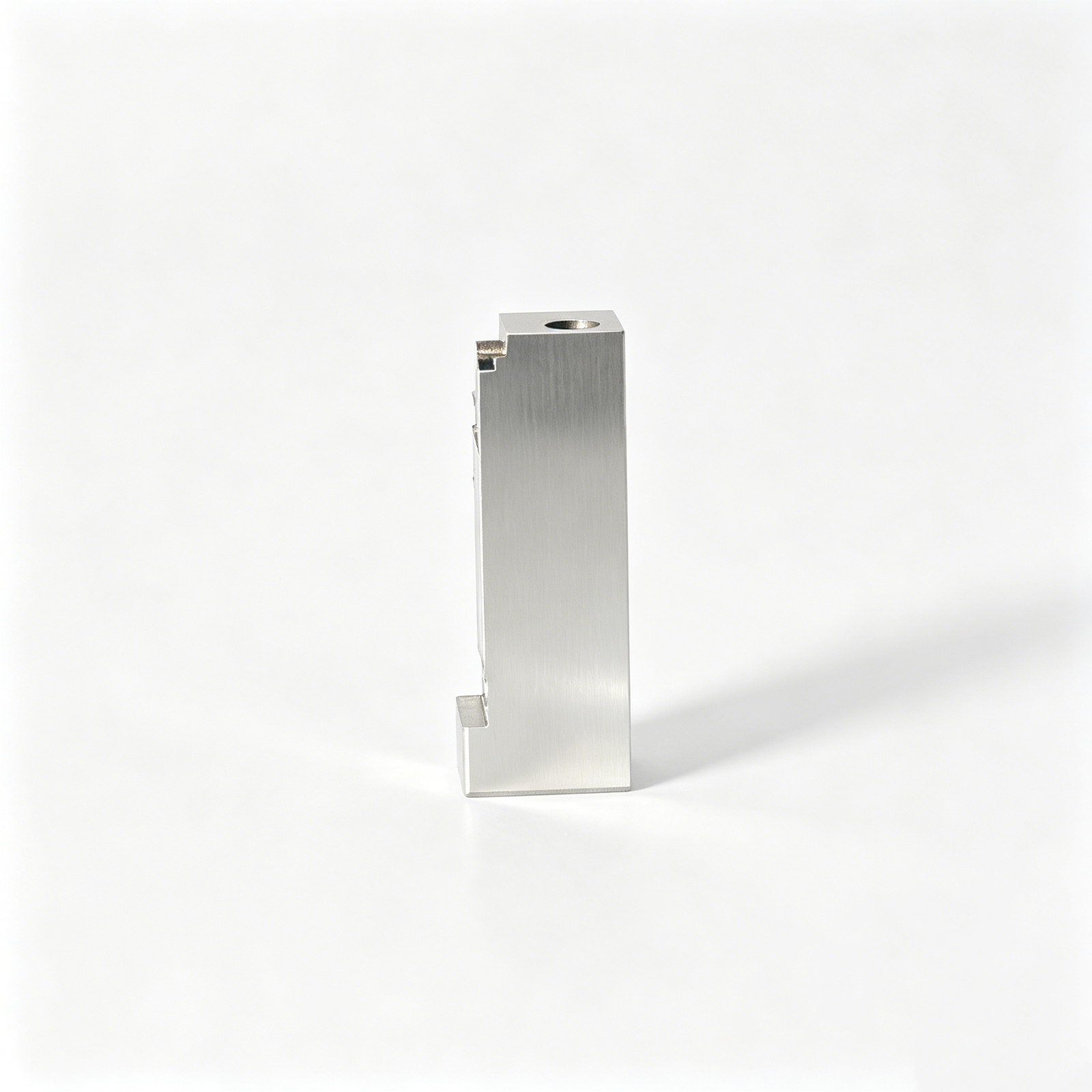
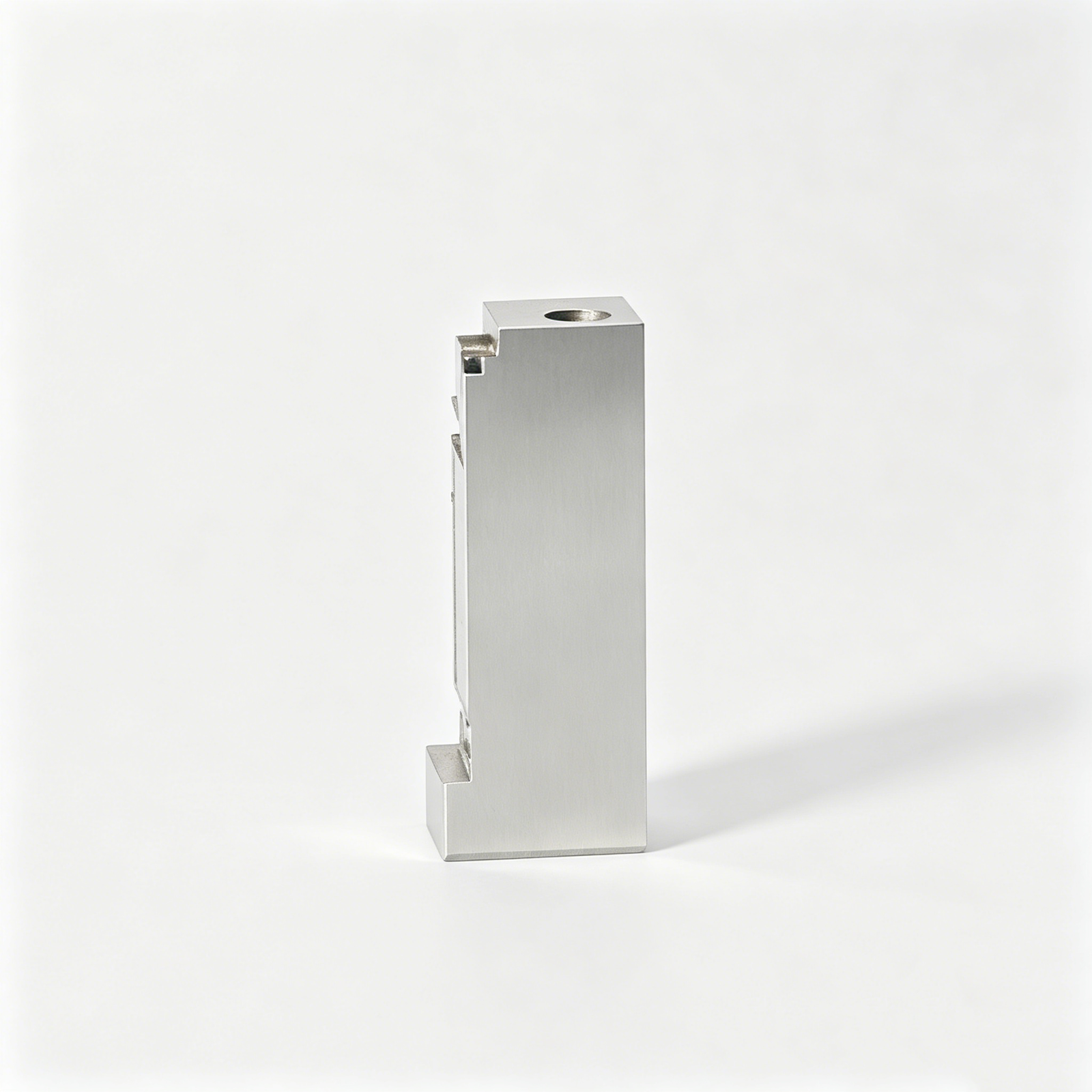
Plastic film parts · Precision mold insert
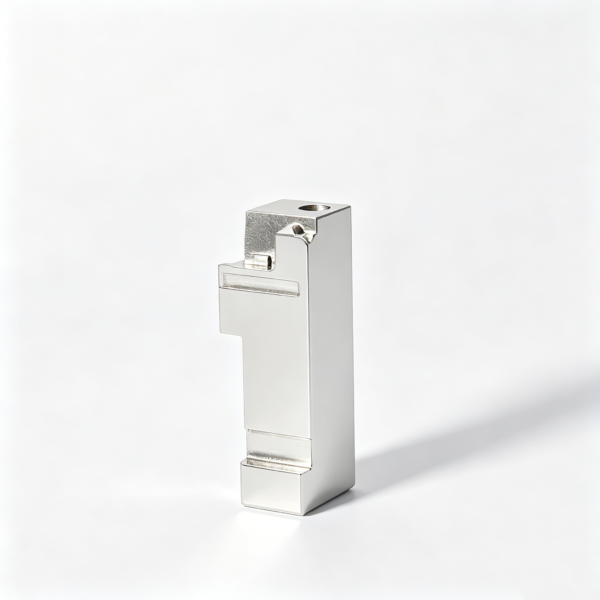
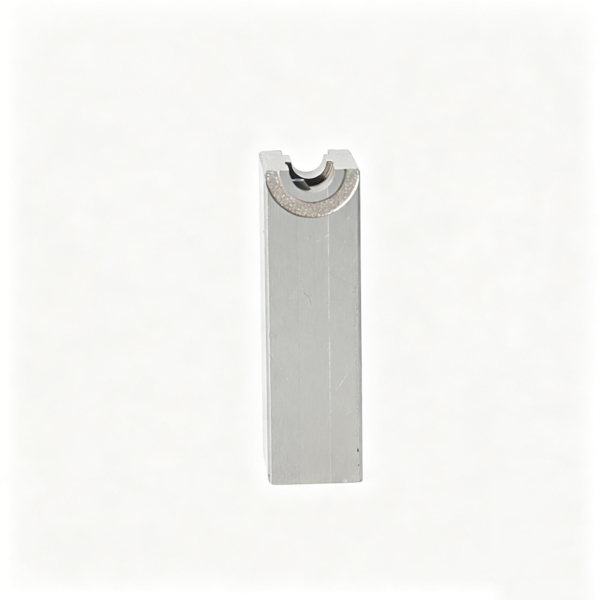
Precision Mold Components for Automotive Connectors – High-Stability Pin, Sleeve & Insert Set
Brand Xuxiang Mold
Availability Made to drawing
RFQ pricing
Quote from STEP / PDF & quantity
Engineer more reliable automotive electrical connectors with precision mold components designed for demanding production environments. These high-stability core pins, sleeves and inserts help you achieve consistent cavity geometry, smooth demolding and tight mating dimensions, even on complex multi-cavity connector tools. Manufactured from wear-resistant tool steels and finished for low-friction operation, they support long maintenance intervals and stable cycle times. Whether you produce terminal housings, plug shells or overmolded connector bodies, these components help minimize flash, reduce scrap and keep dimensional accuracy under control. Integrate these precision mold components for automotive connectors into new projects or retrofit existing tooling to upgrade performance and extend mold life.
- ISO 9001:2015–oriented process & documented inspection paths
- Zeiss / Nikon class metrology available for critical dimensions
- DFM feedback from 10+ senior tooling engineers
- Dongguan HQ + Quanzhou capacity for volume programs
Precision Mold Components for Automotive Connectors – Built for Dimensional Control and Long Tool Life
Automotive electrical connectors demand extremely accurate plastic housings so that terminals, seals and locking features fit and function correctly in the vehicle harness. Precision mold components are the heart of the connector mold, defining every critical surface inside the cavity. From high-precision core pins and sleeves to ejector elements and interchangeable inserts, these components directly influence dimensional stability, cycle time and tool longevity.
This set of precision mold components for automotive connectors is engineered for manufacturers who need reliable, repeatable production of connector housings, plug shells, headers and overmolded cable interfaces. By pairing optimized geometries with robust materials and fine surface finishes, these components help you keep tolerances under control across long production runs while simplifying maintenance and changeovers.
What These Precision Mold Components Are
In an automotive connector mold, individual components combine to create the final cavity that shapes the plastic part. Typical elements include core pins that form terminal pockets, sleeves that define sealing areas, inserts that generate latch details, and support blocks that hold everything in position. Together, they translate the 3D connector design into a stable tooling layout suitable for high-speed injection molding.
The components in this offering are intended for use in new connector molds or as replacement parts for existing tools. They are compatible with typical automotive-grade connector housings molded in high-performance engineering plastics such as PBT, PA, or reinforced resins, where precise control of wall thickness, draft angles and critical clearances is essential for assembly and long-term field performance.
Key Features & Benefits
- High dimensional stability – Precision-ground working surfaces and carefully controlled tolerances help maintain accurate terminal cavities, locking windows and seal grooves, reducing the risk of misfit or intermittent electrical contact.
- Wear-resistant tooling materials – Components are manufactured from suitable tool steels or alloys chosen for hardness, toughness and thermal stability, supporting long production runs with minimal dimensional drift or surface degradation.
- Optimized surfaces for smooth ejection – Polished or fine-finished surfaces in flow-critical and ejection areas help reduce friction, prevent sticking and support short, repeatable cycle times.
- Support for complex connector geometries – Slender core pins, undercut-forming inserts and tightly nested sleeves make it easier to mold high-density connector housings with many cavities and intricate locking features.
- Service-friendly design – Clearly defined reference surfaces and interchangeable inserts simplify alignment, replacement and preventive maintenance work, reducing downtime when components need to be serviced or upgraded.
- Consistent quality across cavities – When used in multi-cavity tools, the uniform accuracy of these components supports balanced dimensions and performance across all cavities, helping to reduce sorting and rework.
Key Specifications & Attributes
The table below summarizes typical attributes for these precision mold components. Values are presented descriptively to guide selection; specific details can be matched to your connector design and mold base.
| Attribute | Description |
|---|---|
| Component types | Core pins, sleeves, cavity inserts, supporting blocks, ejector-related elements for automotive connector molds |
| Typical applications | Injection molding of automotive connector housings, plug and socket bodies, headers and overmolded cable connectors |
| Material options | Tool steels and suitable alloys selected for hardness, wear resistance and dimensional stability under molding temperatures |
| Surface finish | Precision-ground and polished functional surfaces; finish level adapted to flow and ejection requirements |
| Dimensional tolerance range | Tight tolerances appropriate for fine connector features; can be matched to project drawings and quality requirements |
| Connector compatibility | Designed for automotive electrical connectors such as multi-pin housings, sealed connectors and compact high-density styles |
| Mold types | Single- and multi-cavity injection molds, including tools with complex slides, lifters and interchangeable inserts |
| Production environment | High-volume automotive manufacturing lines with continuous operation and closely monitored quality standards |
| Customization | Dimensions, shapes and interface details tailored to specific connector designs and mold layouts |
| Maintenance approach | Designed for disassembly, inspection and refurbishment, allowing periodic polishing or replacement when required |
Typical Use Cases & Who These Components Are For
These precision mold components are particularly suitable for:
- Automotive connector manufacturers who produce high volumes of plug and receptacle housings, where consistent latch force, seal compression and terminal positioning are mandatory.
- Tier-1 and Tier-2 suppliers supporting OEM electrical systems, wiring harnesses and sensor interfaces that demand repeatable quality and robust tooling solutions.
- Mold makers and toolrooms building new connector molds or upgrading existing tools with higher durability components and more stable geometry for demanding projects.
- Engineering teams developing new connector families with finer pitch, increased pin counts or compact envelopes that require advanced mold design and accurately made details.
These components are applied throughout the connector mold, including areas that form terminal cavities, secondary locking elements, latch arms, keying features and sealing interfaces. By choosing well-designed mold components, you help ensure that the resulting plastic parts can be assembled easily with terminals, seals and backshells, even when the connectors are miniaturized or exposed to thermal and mechanical stress in the vehicle.
Care, Maintenance & Buying Guidance
To get the best life and consistency from your precision mold components for automotive connectors, it is important to combine the right initial specification with a disciplined maintenance program. The following guidelines can help:
- Match materials to resin and production volume – When working with abrasive or reinforced resins, select more wear-resistant tooling materials and consider protective surface treatments as recommended by your tooling partner.
- Plan for accessibility – During mold design, ensure that critical components such as core pins, inserts and sleeves can be removed without fully disassembling the mold, reducing downtime for cleaning or replacement.
- Implement routine inspection – Inspect high-load and fine-detail components on a schedule aligned with production volume. Look for signs of wear, micro-cracking, buildup or dimensional shift that might affect connector performance.
- Use appropriate cleaning methods – Clean components using methods compatible with their materials and surface finishes. Avoid overly aggressive abrasives that could change dimensions or damage polished surfaces.
- Coordinate with quality control – Link tooling maintenance triggers to part measurement data, such as shifts in key dimensions or increases in flash, to intervene before defects impact downstream assembly.
When specifying components, share detailed connector drawings, resin details and production targets with your tooling supplier. This helps them recommend the most suitable combination of materials, surface treatments and geometries to balance durability, accuracy and cost for your particular project.
FAQ
Are these mold components compatible with my existing connector mold?
Compatibility depends on the dimensions and layout of your current mold. In most cases, components can be custom machined or adapted to match existing pockets, mounting interfaces and alignment features. Providing 2D and 3D tool drawings allows a precise compatibility check.
What types of automotive connectors can these components support?
They are suitable for a wide range of connector types, including multi-pin housings, sealed connectors, sensor plugs, header-style connectors and compact high-density interfaces. As long as the cavity design is defined, components can be tailored to match the geometry.
How do I choose the right material for high-volume production?
Material selection should consider resin type, filler content, molding temperature and expected shot count. For abrasive or glass-filled materials and 24/7 production, higher hardness and wear-resistant alloys, possibly with surface treatments, are typically recommended.
What maintenance is required to keep the components in good condition?
Routine maintenance includes cleaning residue from flow surfaces, lightly polishing critical areas when needed, checking for wear or chipping on fine details, and verifying that alignment and clamping surfaces remain within tolerance.
Can I order customized sizes or shapes for special connector designs?
Yes. Customization is common for automotive connector tooling. Core pins, inserts and sleeves can be produced to your exact drawings, including special undercuts, draft angles and transitions designed for your proprietary connector family.
How are these components shipped and protected during transport?
Components are typically packaged individually or in matched sets, using protective sleeves and cushioning materials to prevent impact and corrosion during transit. Oiled surfaces or rust-inhibiting packaging may be used where appropriate.
What is the usual lead time for replacement or new components?
Lead time varies with complexity and customization level. Standard-style components can often be supplied more quickly, while complex, fully custom inserts and core pins require additional machining and inspection time. It is advisable to discuss project timelines in advance.
Is there any warranty or support if a component wears prematurely?
Many tooling suppliers offer warranty coverage against manufacturing defects and will support root-cause analysis if components show unexpected wear. Support may include repair, replacement or recommendations on material or design changes.
How do I verify dimensional accuracy on delivery?
Components are usually supplied with inspection reports or certificates detailing key dimensions. You can also verify critical features in-house using CMM measurement, microscopes or gauge blocks before installing the components into the mold.
Related products
Same drawing, predictable results—next batch
Share revision, quantity ramp, and inspection level. We quote process route, ship date, and documentation in one structured response.