
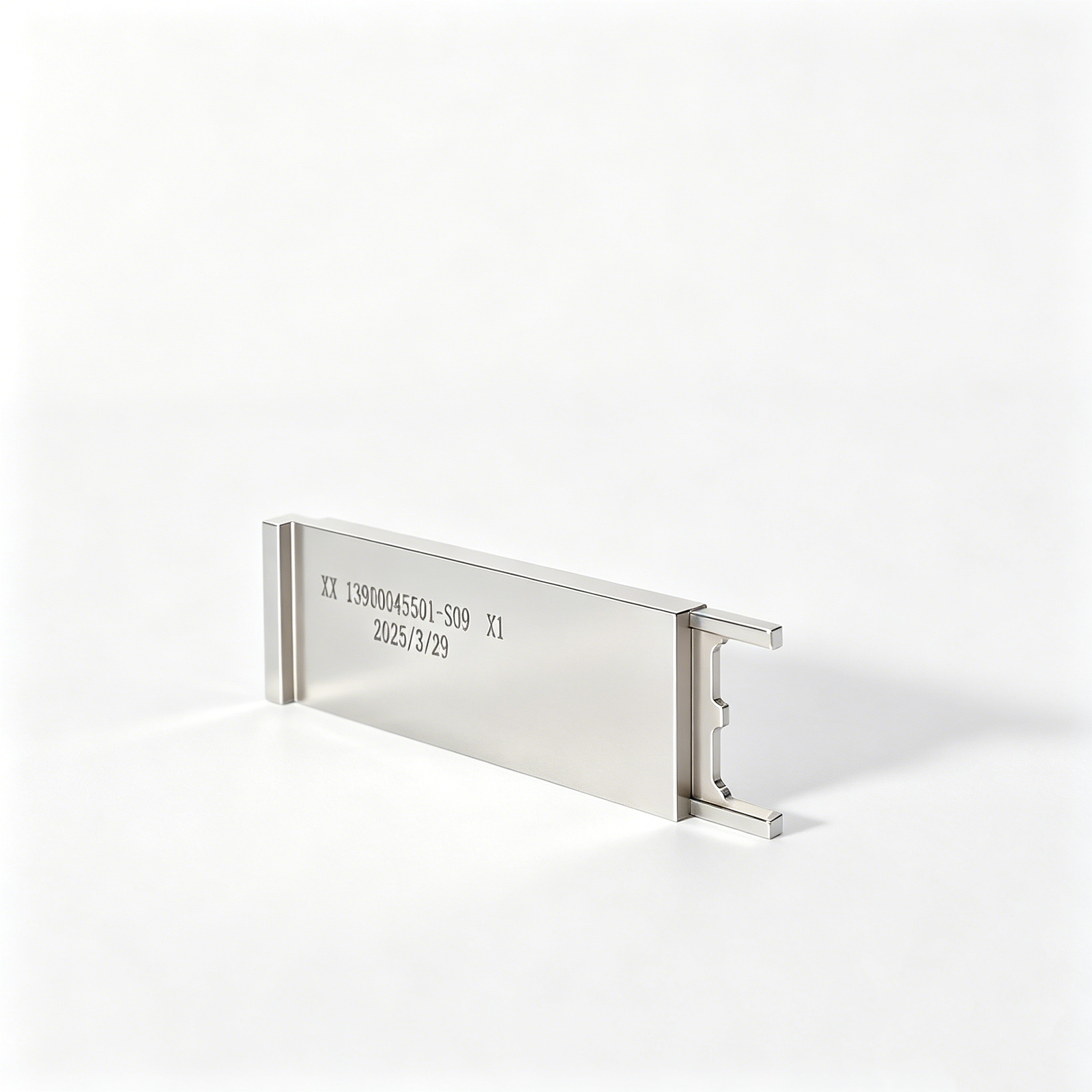
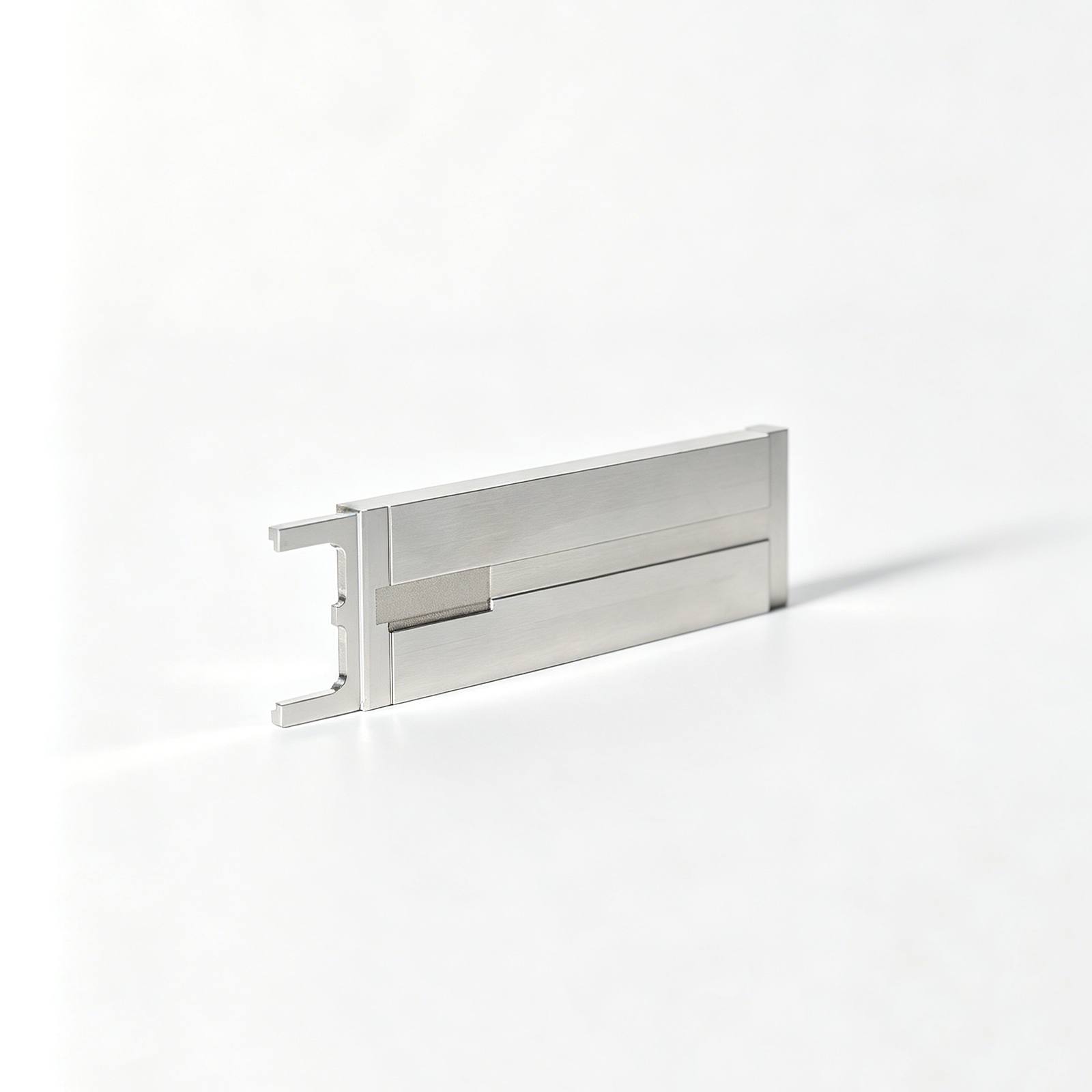
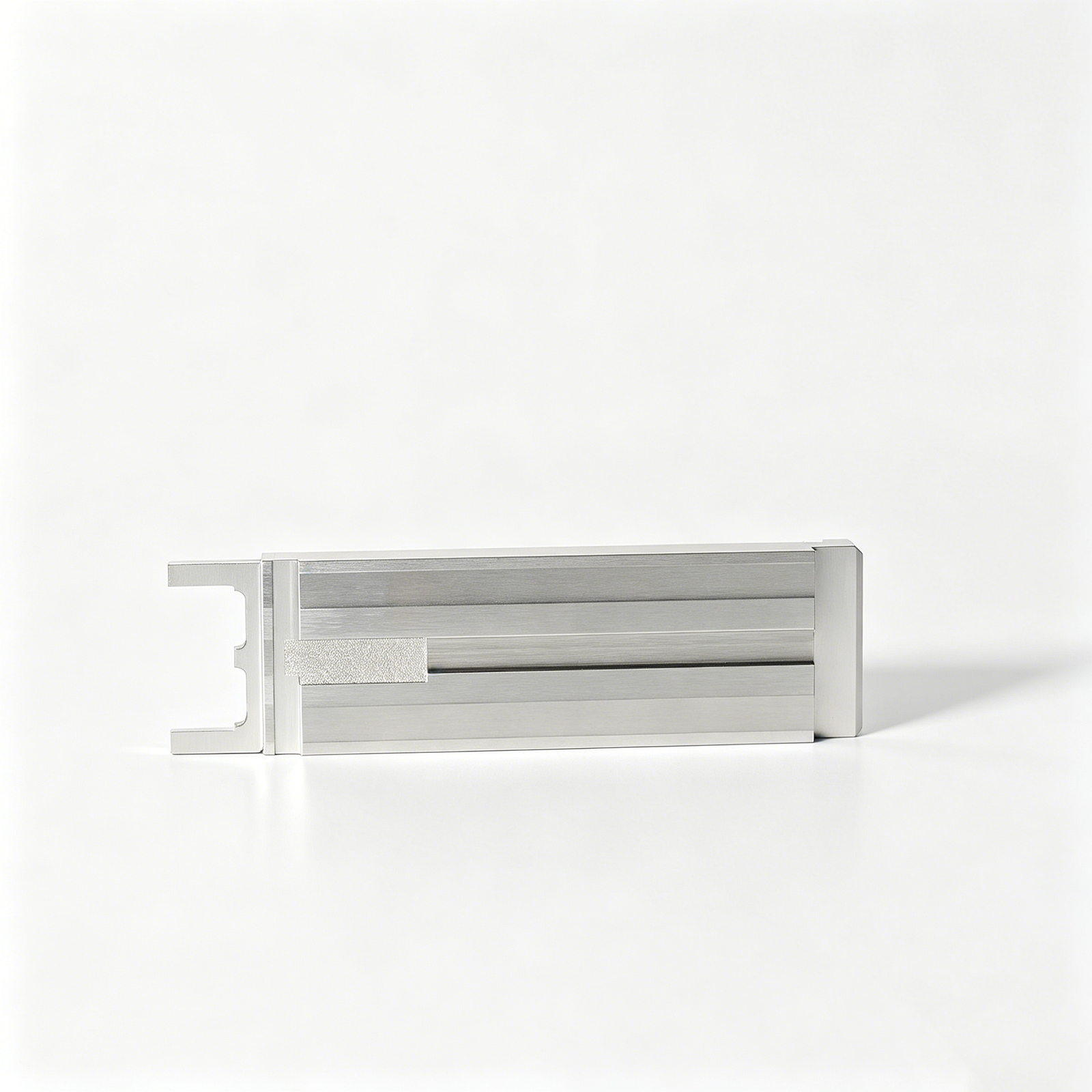
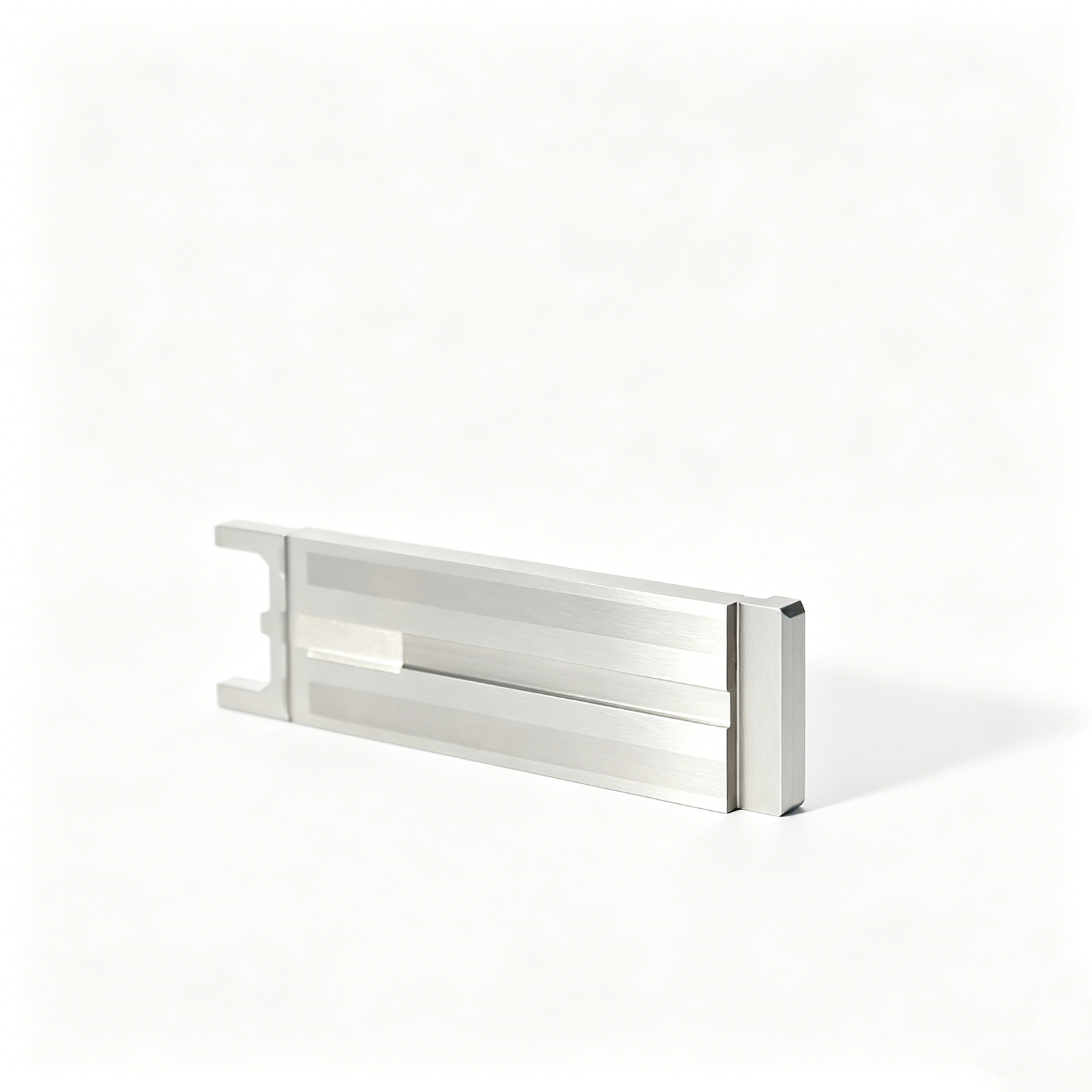
Plastic film parts · Precision mold insert
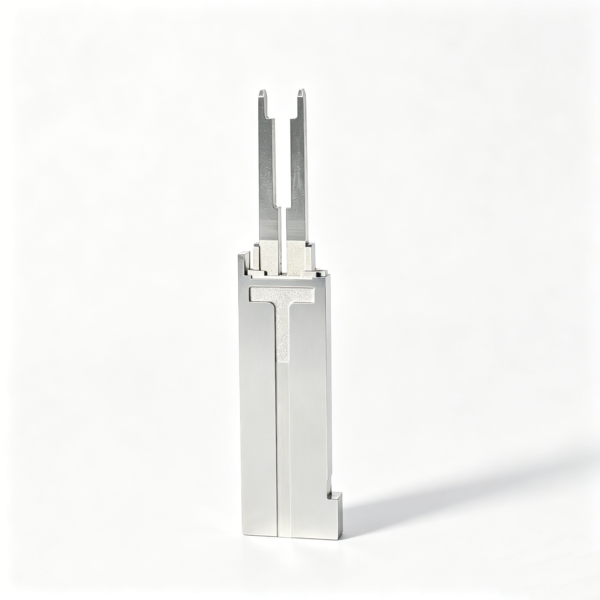
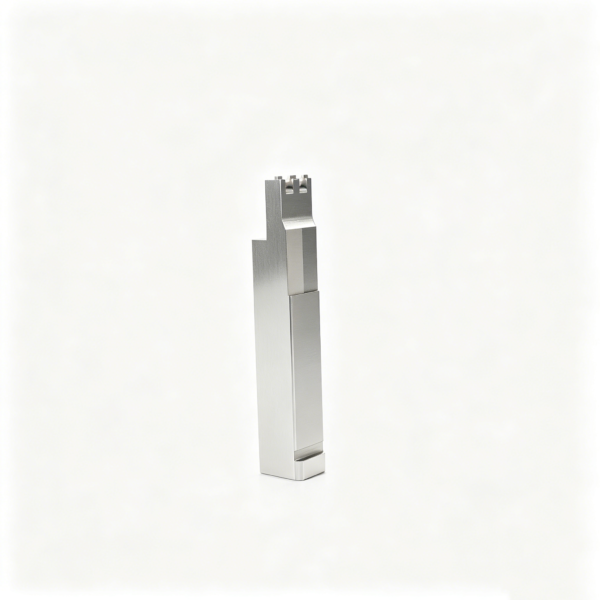
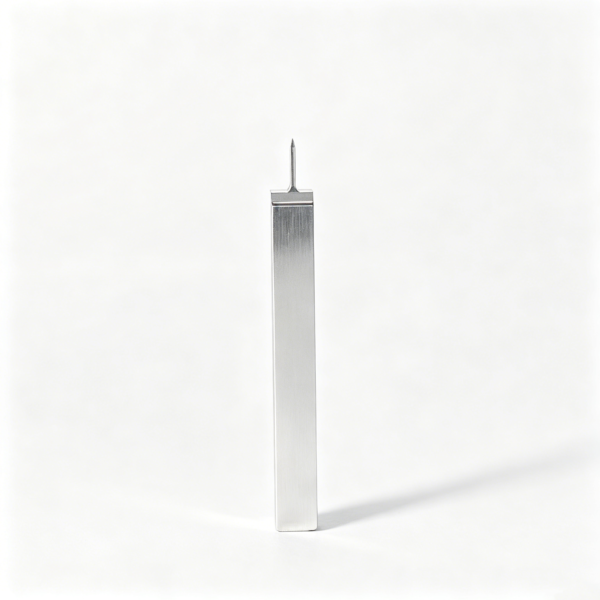
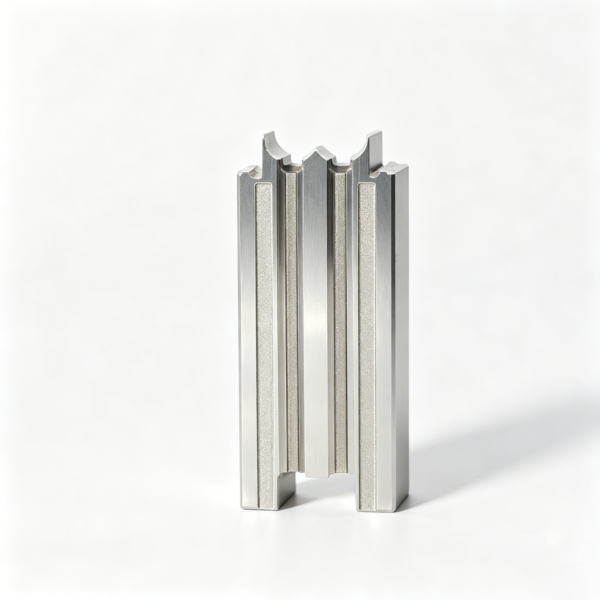
Precision Mold Components for Automotive Connectors – Ultra-Fine Insert, Core & Ejector Set
Brand Xuxiang Mold
Availability Made to drawing
RFQ pricing
Quote from STEP / PDF & quantity
Engineer reliable electrical interfaces with precision mold components for automotive connectors designed for ultra-fine pitch terminals and complex connector geometries. This matched insert, core and ejector set delivers stable dimensions, clean parting lines and repeatable molding quality across long production runs. Optimized steel grades and heat treatment help resist wear from glass-filled engineering plastics while maintaining tight tolerances. Ideal for Tier 1 and Tier 2 suppliers, it supports faster changeovers, smoother demolding and fewer rejected parts on critical connector projects.
- ISO 9001:2015–oriented process & documented inspection paths
- Zeiss / Nikon class metrology available for critical dimensions
- DFM feedback from 10+ senior tooling engineers
- Dongguan HQ + Quanzhou capacity for volume programs
Ultra-Precise Tooling for Modern Automotive Connector Molding
Automotive electrical connectors are becoming smaller, more complex and more densely packed, putting unprecedented pressure on mold accuracy and durability. Precision mold components for automotive connectors provide the critical tooling interface between your injection molding machine and the final plastic part, ensuring every cavity, pin and terminal pocket is formed exactly as designed.[1][4][6] These components typically include core inserts, cavity inserts, sleeves, ejector pins, guide elements and other hardened parts that define the connector geometry and support demolding.[1][2][13]
This ultra-fine insert, core and ejector set is tailored for high-performance automotive connector molds where micron-level dimensional control, long service life and interchangeability across tools are essential. By focusing on uniform fit, polished surfaces and stable alignment, the set helps molders achieve consistent connector dimensions, enabling reliable mating performance and compliance with stringent automotive quality standards.[4][10]
Key Features & Production Benefits
The design and manufacturing of this component set draw on best practices from automotive connector mold design to maximize stability, productivity and part quality.[4][9][14]
- High-precision geometry for fine-pitch connectors – Core and cavity inserts are manufactured with tight tolerances suitable for small terminal cavities, thin walls and complex locking features used in modern automotive connectors.[3][6][8][11]
- Optimized steel selection & heat treatment – Components are produced from high-grade tool steels commonly used in precision connector tooling, selected for wear resistance, dimensional stability and polishability when working with engineering plastics.[4][12][13]
- Polished, defect-minimizing surfaces – Critical molding surfaces can be finished to high gloss or tailored textures, helping plastic resin flow uniformly, reducing weld lines and facilitating smooth part ejection to reduce scrap rates.[4][7][9]
- Balanced cooling potential – Insert and core designs are compatible with optimized mold cooling layouts, supporting uniform temperature distribution around fine connector features for improved dimensional stability and shorter cycle times.[4][9][14]
- Stable demolding and long tool life – Precision ejector pins and sleeves help ensure controlled demolding of delicate connector details, reducing stress marks, deformation and premature wear on the tool.[4][5][6]
- Interchangeable component philosophy – Inserts and pins can be organized so that worn or design-changed features are replaced individually, minimizing downtime and preserving your overall mold base investment.[2][11][13]
Key Attributes & Configuration Overview
The table below summarizes the typical characteristics and options offered for this precision component set. Where exact numerical values vary by project, descriptive entries indicate available configuration ranges.
| Attribute | Description |
|---|---|
| Product type | Precision mold components set (cores, cavities, sleeves, ejectors) for automotive connector tooling |
| Typical application | Injection molds for automotive electrical connectors, sensor plugs, terminal housings and multi-pin connector systems |
| Material options | High-grade tool steels commonly used for connector molds, with options emphasizing wear resistance, corrosion resistance or polishability |
| Dimensional tolerance level | Fine-tolerance manufacturing suitable for tight connector fit requirements and micron-level alignment where specified |
| Surface finish | Polished or textured molding surfaces tailored to connector design and resin type |
| Supported connector complexity | Single-row, multi-row and high-density pin layouts, including locking features, keying ribs and sealing geometries |
| Compatibility | Custom-fit to customer mold base and injection molding standards; suitable for a wide range of automotive-grade resins |
| Customization options | Bespoke core/cavity shapes, gate interfaces, cooling interface dimensions and ejector layouts based on project drawings |
| Quality focus | Designed to support low defect rates, stable dimensions and repeatable connector performance across long production runs |
| Typical users | Automotive connector manufacturers, Tier 1 and Tier 2 suppliers, precision mold makers, and specialized injection molders |
Use Cases & Ideal Customers
These precision mold components are engineered for manufacturers who must balance complex connector designs with demanding automotive quality expectations.[10][14]
- High-density ECU and sensor connectors – Perfect for connectors used in engine control units, ADAS sensors, and powertrain electronics where stable pin alignment and sealing features are critical for long-term reliability.[10]
- In-cabin electronics & infotainment – Suitable for fine cosmetic surfaces and robust latch details needed for interior harnesses, multimedia interfaces and switch assemblies.[9][10]
- Under-hood and harsh-environment connectors – Component materials and surface finishes can be configured to perform with high-temperature, glass-fiber-filled resins used in exposed or high-vibration areas.[4][10][14]
- Prototype to mass-production tools – Designers and mold makers can use similar core and cavity strategies from prototype tools through to multi-cavity production molds, simplifying validation and change management.[4][7]
- Global automotive supply chains – Standardized component approaches help multinational teams maintain consistent connector quality and simplify spare parts logistics across plants.
Guidance on Selection, Use & Maintenance
To get the most value from your precision mold components, it is important to integrate them into a holistic connector mold design and maintenance plan.[4]
- Align with connector design – Review connector CAD data carefully to define critical dimensions, draft angles, undercuts and sealing areas. This information guides core and cavity layouts, gate locations and cooling strategies.[4][7]
- Coordinate with mold base and machine – Ensure that insert sizes, locating features, and ejector patterns match your existing mold base and molding equipment to reduce setup time and risk of misalignment.[4][9]
- Plan for wear points – Identify high-friction or high-erosion zones (e.g., thin core pins, gate areas) and specify enhanced materials or coatings where appropriate to extend service life.[2][6][13]
- Implement routine maintenance – Follow a cleaning and lubrication schedule for cores, cavities and ejectors, paying special attention to vent areas and fine details where residue can accumulate.[4]
- Monitor dimensional drift – Periodically check sample parts and critical tooling features against drawings to catch gradual wear before it affects connector fit or electrical performance.[4][10]
By combining robust design, precise machining and disciplined maintenance, this precision mold component set can support consistent, high-yield production of automotive connectors over many molding cycles.
FAQ
Are these precision mold components compatible with my existing mold base?
Yes, the components are produced according to your drawings or agreed interface dimensions, so they can be adapted to most standard and custom mold bases. During the quotation stage, you typically provide connector and mold base data so the components are sized and located correctly.
What types of automotive connectors are best suited for this component set?
The set is ideal for multi-pin automotive electrical connectors, sensor plugs, ECU connectors and other precision plastic housings where fine-pitch terminals, sealing features and reliable mating performance are critical.
Can the components handle glass-fiber-filled or high-temperature resins?
Yes, suitable tool steels and heat treatments can be selected to withstand the abrasion and thermal loads associated with glass-filled and high-temperature engineering plastics. Specify your resin type and operating conditions so the material choice can be optimized.
How do I know if the tolerances are tight enough for my connector design?
Typical manufacturing tolerances are designed to meet or exceed common automotive connector fit requirements. Your engineering team can supply critical dimensions and tolerance stacks, and the component supplier will propose achievable tooling tolerances that support those targets.
What is the recommended maintenance routine for these mold components?
Regularly clean, inspect and lightly lubricate moving elements such as ejector pins and sleeves. After a defined number of molding cycles, inspect fine features like core pins and terminal cavities for wear, and replace individual inserts as needed to maintain quality.
Do you offer replacement inserts for design changes or repairs?
Yes, replacement and modified inserts can typically be produced based on updated drawings or CAD files. This allows you to implement connector design changes or restore worn features without replacing the entire mold.
How are these precision mold components packaged and shipped?
Components are usually cleaned, protected with anti-corrosion coatings where appropriate, and individually packed or separated to avoid damage to critical surfaces. They are then boxed with clear labeling for easy identification upon arrival.
Is there any guidance on installation and alignment in the mold?
Installation typically follows detailed drawings indicating reference surfaces, locating elements and tightening sequences. During assembly, it is important to verify contact surfaces, preloads and alignment to ensure that the insert set seats correctly and maintains cavity concentricity.
What happens if parts produced with these components show dimensional drift?
If you notice dimensional changes, first check molding parameters and material batches. If the issue persists, inspect the cores, cavities and ejectors for wear or contamination. In many cases, replacing a few key inserts or pins restores the original performance without major downtime.
Do these components come with any quality or inspection documentation?
Upon request, dimensional inspection reports or measurement summaries can be provided for critical features. This documentation supports your PPAP, validation and traceability requirements in automotive projects.
Related products
Same drawing, predictable results—next batch
Share revision, quantity ramp, and inspection level. We quote process route, ship date, and documentation in one structured response.