
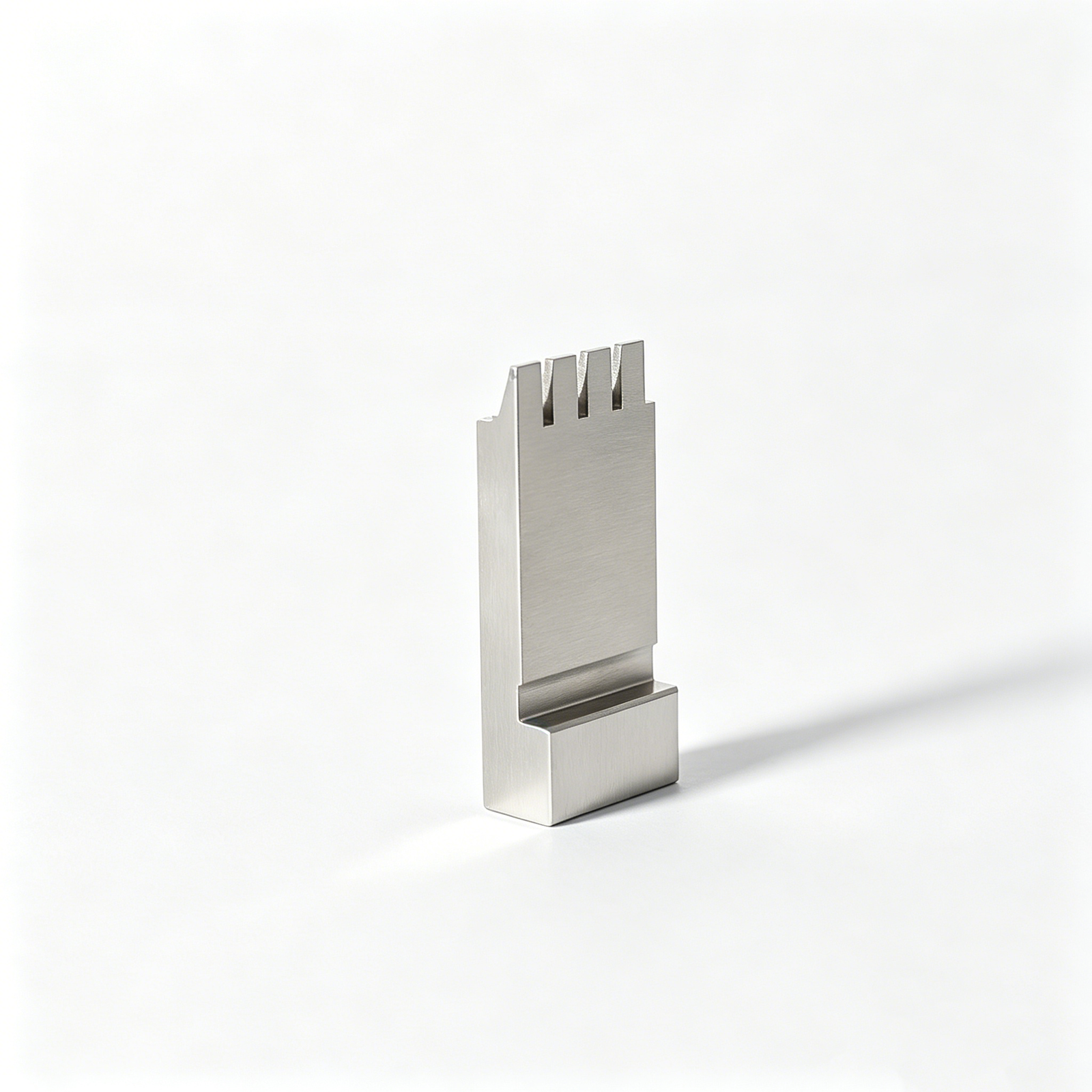
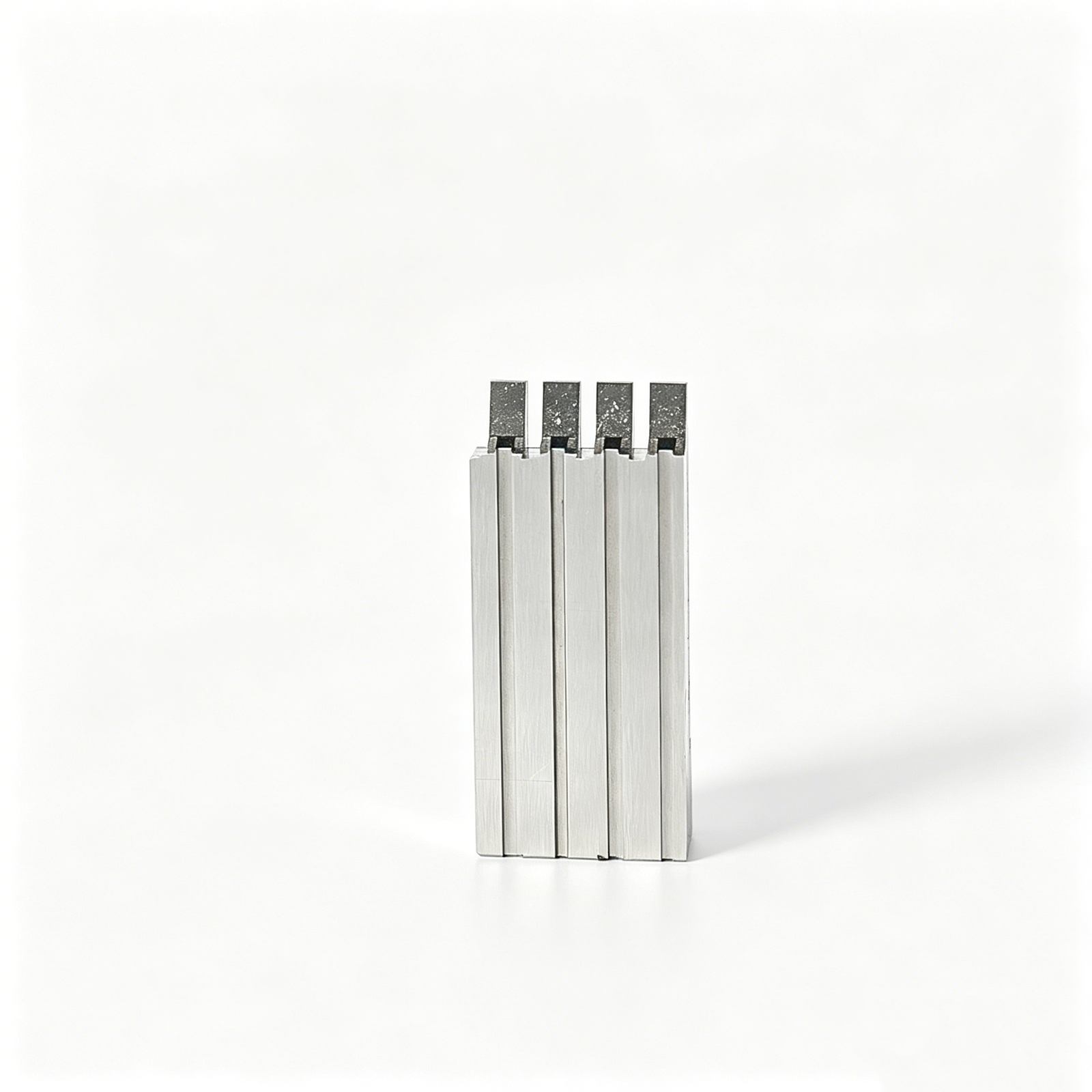
Plastic film parts · Precision mold insert
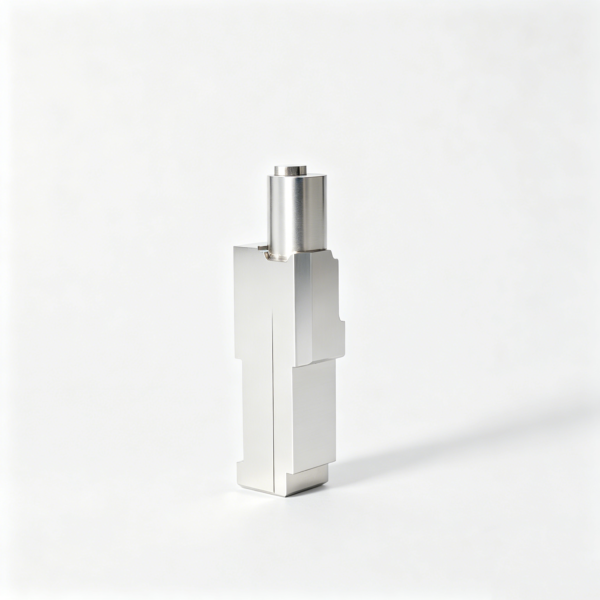
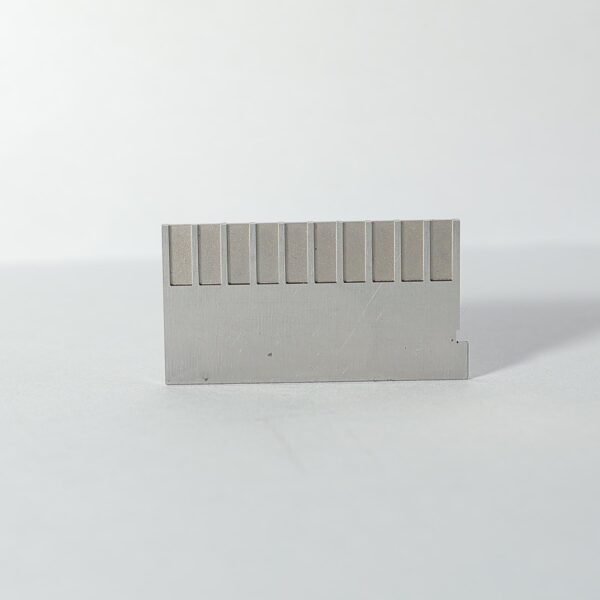
Automotive Connector Precision Mold Components for High-Accuracy Tooling Precision mold components for automotive connectors
Brand Xuxiang Mold
Availability Made to drawing
RFQ pricing
Quote from STEP / PDF & quantity
Built for connector production lines that demand repeatable fit and clean part release, this tooling set helps support stable molding of automotive electrical parts. The Precision mold components for automotive connectors are designed to work with high-accuracy cavities, cores, and related inserts where dimensional control matters most. Use them to help improve consistency across long runs, reduce rework, and keep assembly interfaces dependable. A smart choice for mold makers supplying vehicle wiring and connector applications.
- ISO 9001:2015–oriented process & documented inspection paths
- Zeiss / Nikon class metrology available for critical dimensions
- DFM feedback from 10+ senior tooling engineers
- Dongguan HQ + Quanzhou capacity for volume programs
Precision Tooling for Automotive Connector Manufacturing
Precision mold components for automotive connectors are specialized tooling elements used in the production of plastic connector housings, terminal interfaces, and other electrical connector features. In automotive applications, the mold is not just a forming tool; it is a control system for geometry, fit, release, and repeatability. According to industry sources, connector molds and their components must support high dimensional accuracy because the finished parts need to mate reliably with terminals, housings, and wiring systems[1][9].
This product category is commonly associated with core and cavity inserts, cavity blocks, pin and sleeve elements, and other fine-feature mold parts used inside injection tooling[3][4][12]. The goal is straightforward: produce connectors that come out consistent, assemble smoothly, and maintain the shape integrity needed for demanding vehicle environments. That includes parts with narrow walls, latching features, precise alignment points, and stable shrink control during cooling[4][7].
Key Features and Benefits
These mold components are intended for tooling teams that need predictable performance rather than generic off-the-shelf inserts. Automotive connector production places unusual pressure on tolerances, surface finish, and wear resistance, so the component design and material selection matter as much as the final mold layout[4].
- High-accuracy geometry helps maintain connector fit and reduces dimensional drift during production[4][9].
- Support for fine features makes it easier to form locking details, thin walls, and precise mating surfaces[7].
- Wear-conscious design is important for long production cycles and repeat tooling consistency[4].
- Better demolding behavior can help reduce sticking, scuffing, and damage during ejection[4][7].
- Production stability supports more consistent part quality across high-volume automotive runs[1][4].
In practice, these benefits matter because connector parts are often judged by whether they assemble correctly the first time. Small errors in cavity detail, core alignment, or cooling behavior can affect the entire downstream process. Precision components help reduce that risk by keeping the tooling structure tightly controlled[4][9].
Material, Design, and Performance Considerations
Automotive connector molds usually rely on tool steel or stainless steel for durability and corrosion resistance, especially where repeated cycling and maintenance access are expected[4]. Mold design also needs to account for the fill path, cooling layout, and ejection strategy so the finished connector maintains dimensional stability as it solidifies[4].
Because connector parts often include delicate features, mold engineers commonly pay close attention to draft angles, wall thickness consistency, and shrinkage control[7]. These factors are not decorative details; they directly influence whether a part releases cleanly and whether it lands within the intended size window. A well-built precision mold component supports the whole process by keeping the critical forming surfaces accurate and stable over time[4].
| Attribute | Typical Consideration |
|---|---|
| Product type | Precision mold components for connector tooling |
| Common forms | Core inserts, cavity inserts, pin elements, sleeve parts, manufacturing blocks |
| Primary use | Injection molds for automotive electrical connectors |
| Design priority | Dimensional accuracy, release performance, and repeatability |
| Material direction | Tool steel or stainless steel, depending on wear and corrosion needs |
| Application focus | High-volume connector production and fine-feature molding |
| Customization | Often configured to match connector shape, size, and mold structure requirements |
Who This Product Is For
This product is a strong fit for mold builders, tooling engineers, and automotive parts manufacturers working on electrical connector programs. It is especially relevant when the project involves tight assembly fit, compact connector geometry, or repeat production where consistency is non-negotiable. Sources describing automotive connector mold design emphasize that the mold structure, filling system, cooling layout, and demolding system all need to be matched to the connector’s shape and performance requirements[4][9].
It also suits buyers who need replacement mold parts for maintenance, upgrades to improve cavity performance, or custom-built inserts for a new connector platform. In many cases, the best choice is not a one-size-fits-all part, but a component engineered around the specific connector family and production target[2][3][12].
Buying and Maintenance Guidance
When selecting precision mold components, start with the connector’s geometry, expected production volume, and required surface quality. If the part has fine latches, narrow walls, or highly visible mating surfaces, prioritize component accuracy and finish over general-purpose tooling. If the application will run for long cycles, confirm the material and wear strategy before ordering.
Maintenance is equally important. Regular cleaning, lubrication, and inspection help extend service life and preserve dimensional consistency[4]. If the mold shows signs of wear on critical surfaces, prompt repair or replacement can prevent broader quality issues later in the run. For buyers, the best results usually come from sharing drawings, part samples, tolerance targets, and resin information early in the sourcing process.
FAQ
How are these parts typically shipped?
Shipping is usually arranged as protective industrial packaging for precision tooling parts, with the exact method depending on size, quantity, and destination. For fragile or highly finished components, buyers should request secure packing and inspection before dispatch.
Will these components fit my existing connector mold?
Fit depends on your mold design, connector geometry, and required interface dimensions. The safest approach is to compare drawings, critical tolerances, and mounting details before ordering or requesting customization.
What kinds of connectors are they used for?
They are commonly used in automotive electrical connector tooling, including housings, mating interfaces, and other precision plastic connector parts. Compatibility depends on the connector family and mold structure.
How should I use them in production?
Install them according to the mold design, then verify alignment, cooling behavior, and ejection performance during trial runs. Early validation helps confirm that the connector parts release cleanly and maintain size stability.
What maintenance do they need?
Routine cleaning, lubrication, and inspection are recommended to help preserve surface quality and dimensional accuracy. If wear appears on critical forming surfaces, repair or replacement should be scheduled promptly.
Can these be customized for a specific connector project?
Yes. Automotive connector mold parts are often customized to match connector shape, size, and molding requirements. Customization is especially useful for fine features, tight fits, or platform-specific tooling.
What should I ask before placing an order?
Provide the part drawing, target tolerance, resin type, production volume, and whether you need inserts, pins, sleeves, or cavity blocks. These details help ensure the component is built for the right application.
Do you offer warranty or return support?
Warranty and return terms vary by supplier and by whether the part is standard or custom-made. Confirm policy details before purchase so expectations are clear for inspection, replacement, or after-sales support.
Related products
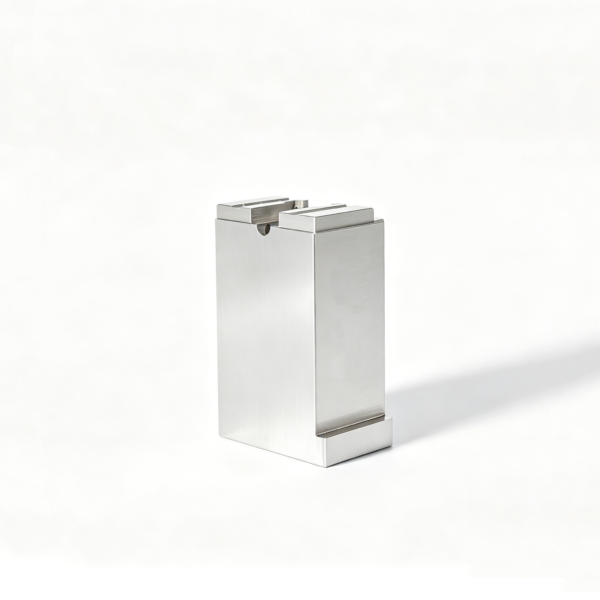
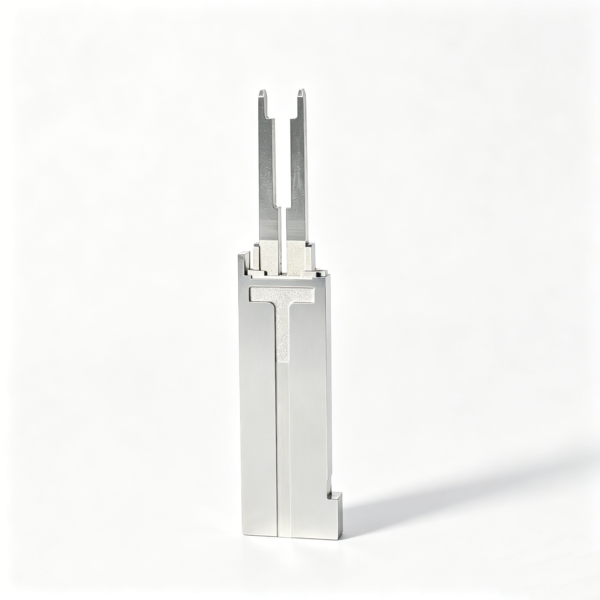
Same drawing, predictable results—next batch
Share revision, quantity ramp, and inspection level. We quote process route, ship date, and documentation in one structured response.