
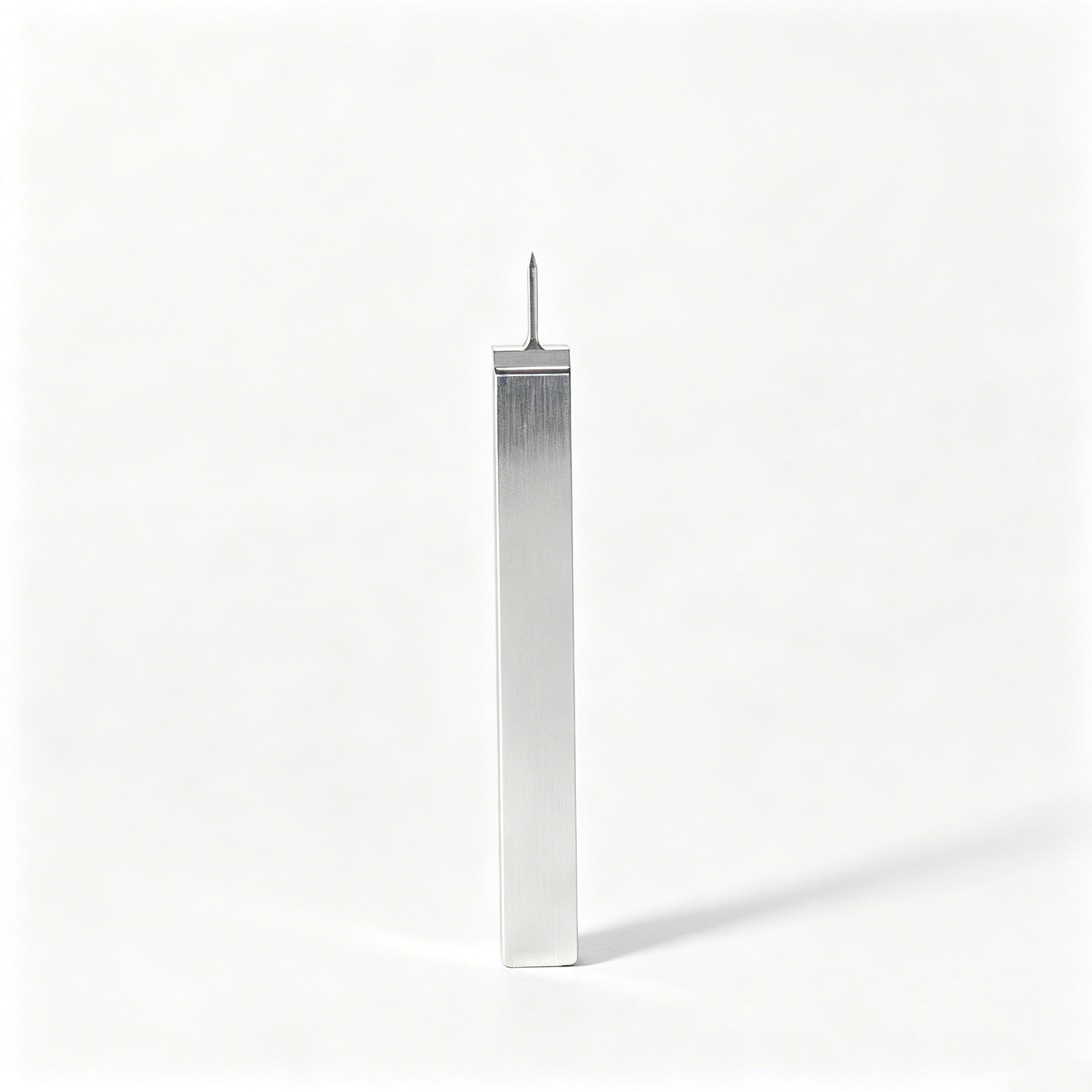
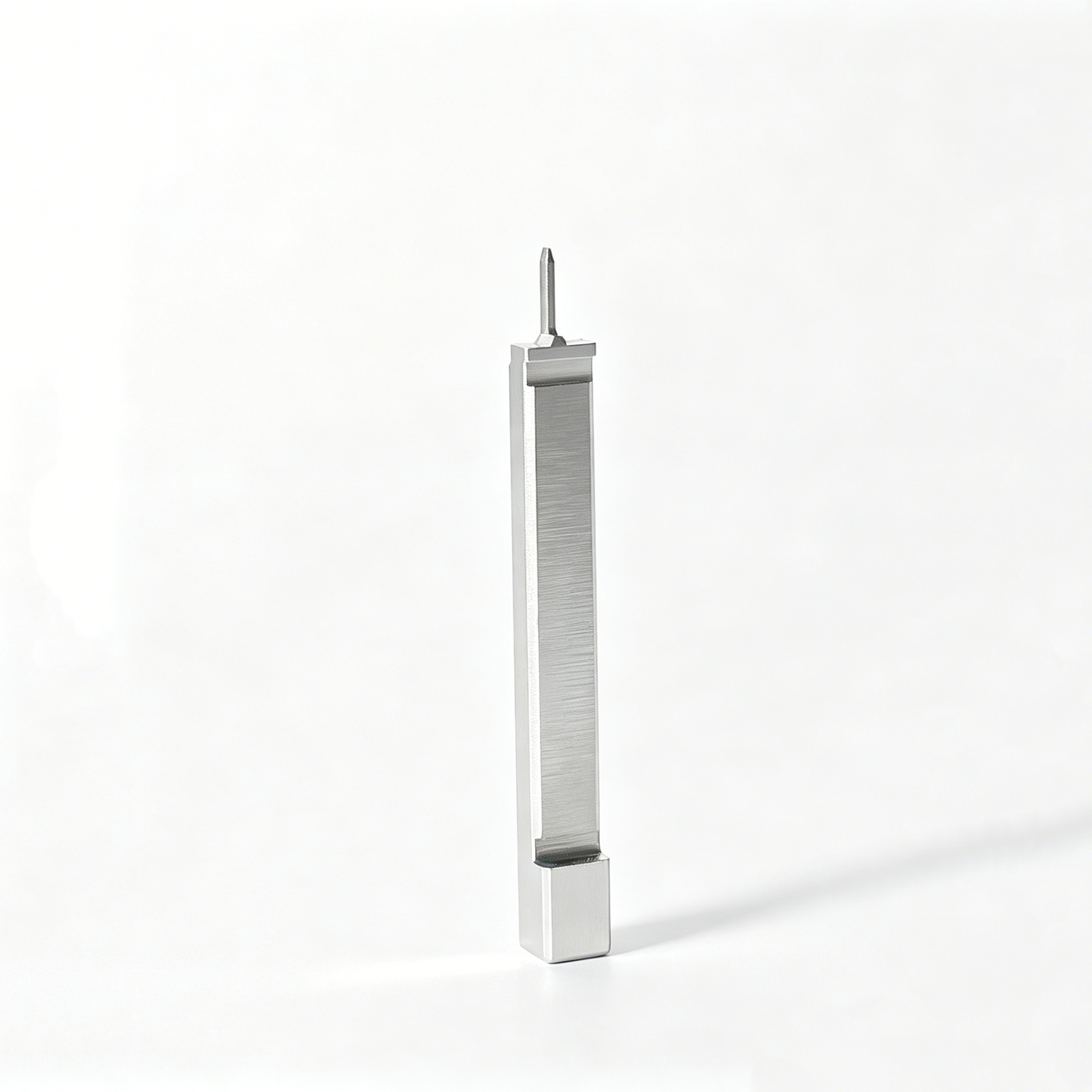
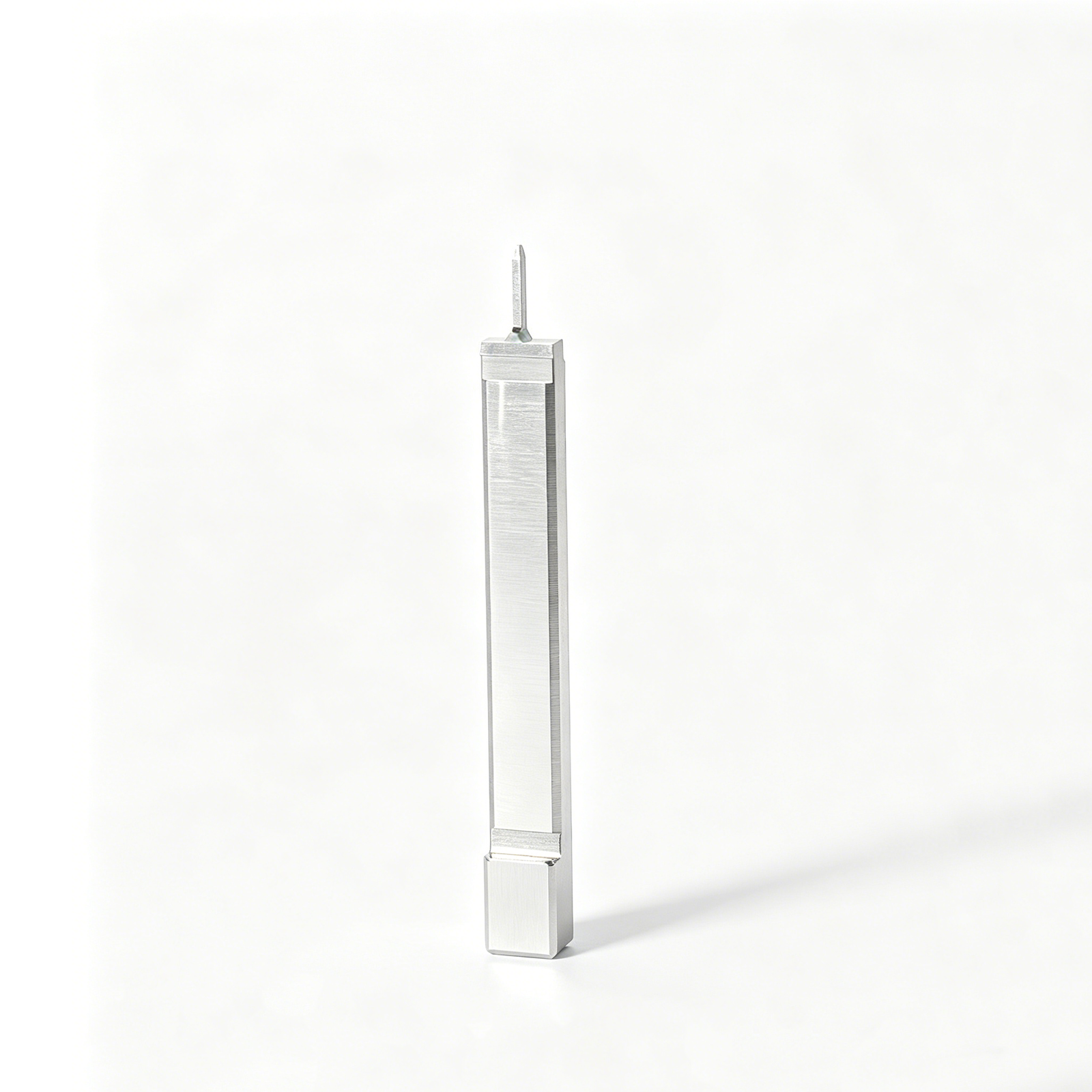
Plastic film parts · Precision mold insert
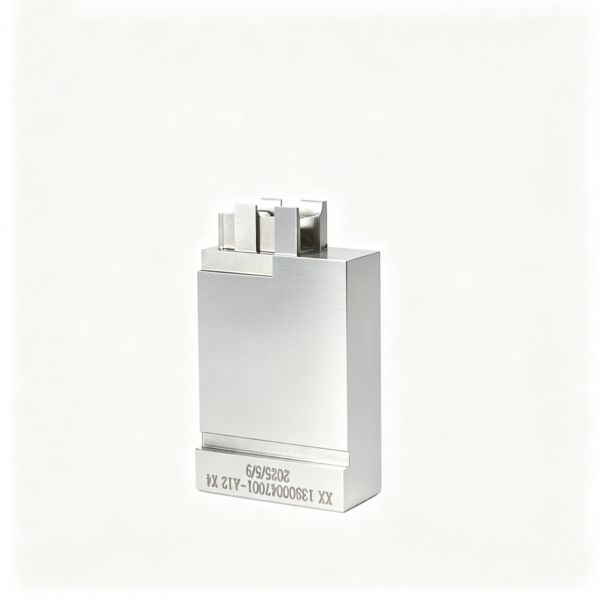
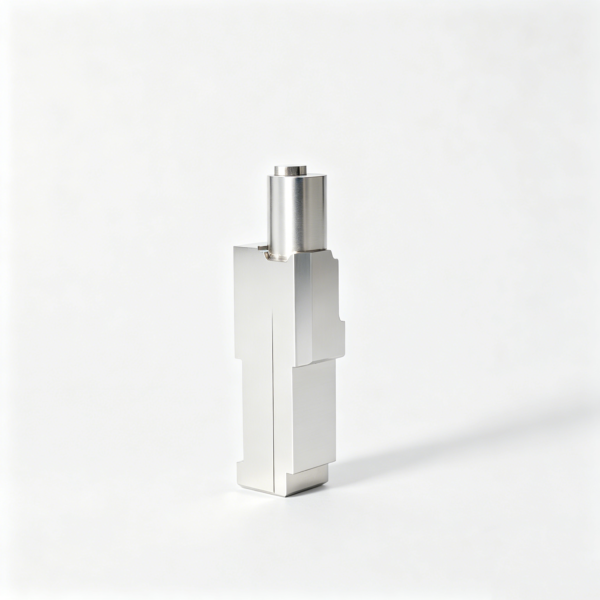
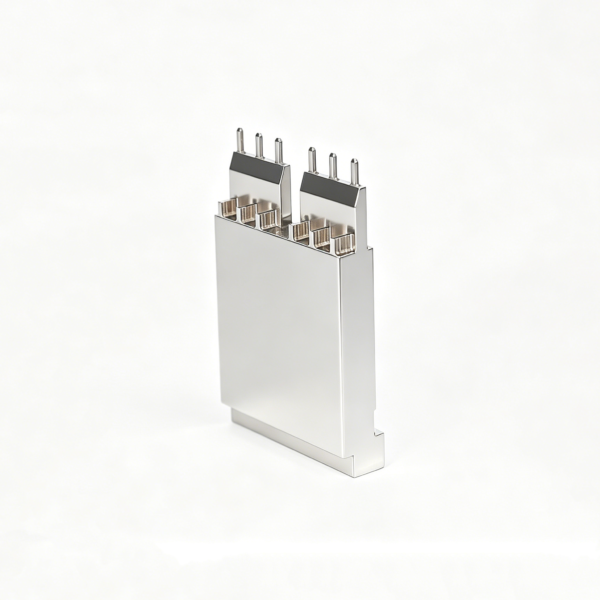
Automotive Connector Tooling Inserts and Core Pins for Precision Mold Components Precision mold components for automotive connectors
Brand Xuxiang Mold
Availability Made to drawing
RFQ pricing
Quote from STEP / PDF & quantity
Built for demanding connector production, this part family helps molders achieve clean release, stable dimensions, and consistent fit from shot to shot. Precision mold components for automotive connectors are ideal when small geometry, repeatability, and tool life all matter at the same time.
Use them to support high-volume injection molding where connector housings, cavities, and features must stay aligned. The result is smoother production, fewer fit issues, and tooling that is easier to maintain over time.
For manufacturers supplying automotive electrical systems, these components are a practical choice for accuracy-focused molding programs.
- ISO 9001:2015–oriented process & documented inspection paths
- Zeiss / Nikon class metrology available for critical dimensions
- DFM feedback from 10+ senior tooling engineers
- Dongguan HQ + Quanzhou capacity for volume programs
Precision tooling built for automotive connector production
Precision mold components for automotive connectors are the small but critical elements that make high-accuracy connector molding possible. In this category, the tooling itself often determines whether parts eject cleanly, hold their intended geometry, and assemble reliably with terminals, seals, and mating housings. Automotive connectors are especially sensitive to variation because even minor dimensional drift can affect fit, retention, sealing, or downstream assembly.
These components are typically used in injection mold sets for connector housings, terminal interfaces, latch features, guide channels, and other fine-detail zones. Common examples include cavity inserts, core inserts, pin components, sleeves, and related precision tooling features. According to industry sources on automotive connector mold design, successful tooling must account for connector shape, size, electrical-performance requirements, cooling, filling, and demolding behavior[4][9].
Why buyers choose precision mold components
The main advantage of precision tooling is repeatability. Automotive connector production often runs at scale, so mold parts need to support consistent output across long cycles. High-precision mold parts for connector applications are used to reduce mismatch, flash, deformation, and release problems that can interrupt production or create rejection risk[3][5][6].
Another advantage is fit control. Connector molds are expected to create parts that mate accurately with terminals and wiring systems, which is why dimensional accuracy is emphasized in automotive connector tooling[9]. Well-made inserts and cores also help maintain uniform wall formation and stable cooling, both of which are important for minimizing warpage and preserving part integrity[4][7].
Tooling durability matters as well. Mold designers commonly select wear-resistant and corrosion-resistant materials such as tool steel or stainless steel for connector applications because these materials support longer service life and better process stability[4]. That makes precision components a strong fit for production environments where uptime and maintenance planning are important.
| Attribute | Typical buyer value |
|---|---|
| Product type | Precision mold components for automotive connector tooling |
| Common component forms | Core pins, cavity inserts, sleeves, and related mold inserts |
| Primary purpose | Improve accuracy, release behavior, and production consistency |
| Application | Injection molds for automotive electrical connectors |
| Design focus | Dimensional stability, wear resistance, cooling performance, and demolding ease |
| Material guidance | Tool steel or stainless steel are commonly used depending on the application |
| Customization | Often tailored to connector geometry, cycle demands, and tooling layout |
| Maintenance need | Regular cleaning, lubrication, inspection, and scheduled repair |
Where these components fit in the production process
These mold parts are used by connector mold makers, injection molding plants, prototype toolrooms, and automotive suppliers that need dependable production of plastic connector parts. They are especially useful in programs where connector housings must match mating components precisely or where compact geometry leaves little room for error. In many projects, the tooling must also support efficient filling and controlled cooling so the finished part stays within target dimensions[4].
Buyers often look for precision components when developing new connector families, upgrading existing molds, or replacing worn inserts and pins in high-cycle tooling. They are also relevant for manufacturers working on electrical distribution systems, sensor connectors, control modules, and other vehicle electronics where connector reliability is essential.
Care, selection, and buying guidance
When choosing mold components for automotive connectors, start with the part geometry and the molding process requirements. Confirm that the insert or pin profile supports the intended connector features, draft angles, and ejection path. If the design includes narrow walls, latch features, or fine sealing sections, pay special attention to cooling balance and wear points.
Maintenance is equally important. Industry guidance recommends routine cleaning, lubrication, and inspection to extend service life and reduce unexpected downtime[4]. For buyers comparing options, it is helpful to ask about surface finish, fit tolerance expectations, replacement strategy, and whether the component can be customized to a specific cavity layout. If you are replacing an existing part, matching the original tooling geometry closely can help reduce adjustment time during requalification.
FAQ
Do you ship precision mold components for automotive connectors internationally?
Many suppliers in this category support international shipping for tooling and replacement parts, especially for export-oriented mold shops and automotive supply chains[2][5][8]. Shipping method, lead time, and packing details usually depend on the order size and destination.
How do I know if a component will fit my connector mold?
Fit depends on the exact cavity design, connector geometry, and mold base layout. Before ordering, compare drawings, critical dimensions, and intended insert positions, and confirm whether the part is a direct replacement or a custom-made match[4][9].
Can these parts be customized for different connector sizes?
Yes. Connector mold parts are commonly made to suit specific housing shapes, terminal windows, latch details, and production requirements[2][4]. Customization is often the norm rather than the exception in automotive tooling.
What is the best way to use these components in production?
They should be installed and aligned according to the mold design, then monitored during trial runs for ejection quality, dimensional stability, and wear. Connector design best practices also emphasize proper draft, wall uniformity, and controlled flow to reduce defects[7].
How should I maintain them?
Clean them regularly, apply appropriate lubrication where needed, and inspect for wear, buildup, or alignment changes. Regular maintenance is recommended to extend tool life and keep production stable[4].
What materials are commonly used?
Tool steel and stainless steel are commonly selected because they offer wear resistance and corrosion resistance suited to long production runs[4]. The final choice depends on the mold environment, cycle demand, and part geometry.
What if I need a replacement for a worn insert or pin?
Use the original drawing or a verified sample to match the geometry as closely as possible. For high-precision connector tooling, even small deviations can affect fit and release performance[6][9].
Are these components suitable for high-volume molding?
Yes. Precision mold components are especially valuable in high-volume automotive connector production because they help maintain repeatability, reduce rework, and support consistent output over long runs[5][6].
Related products
Same drawing, predictable results—next batch
Share revision, quantity ramp, and inspection level. We quote process route, ship date, and documentation in one structured response.