
Plastic film parts · Precision mold insert
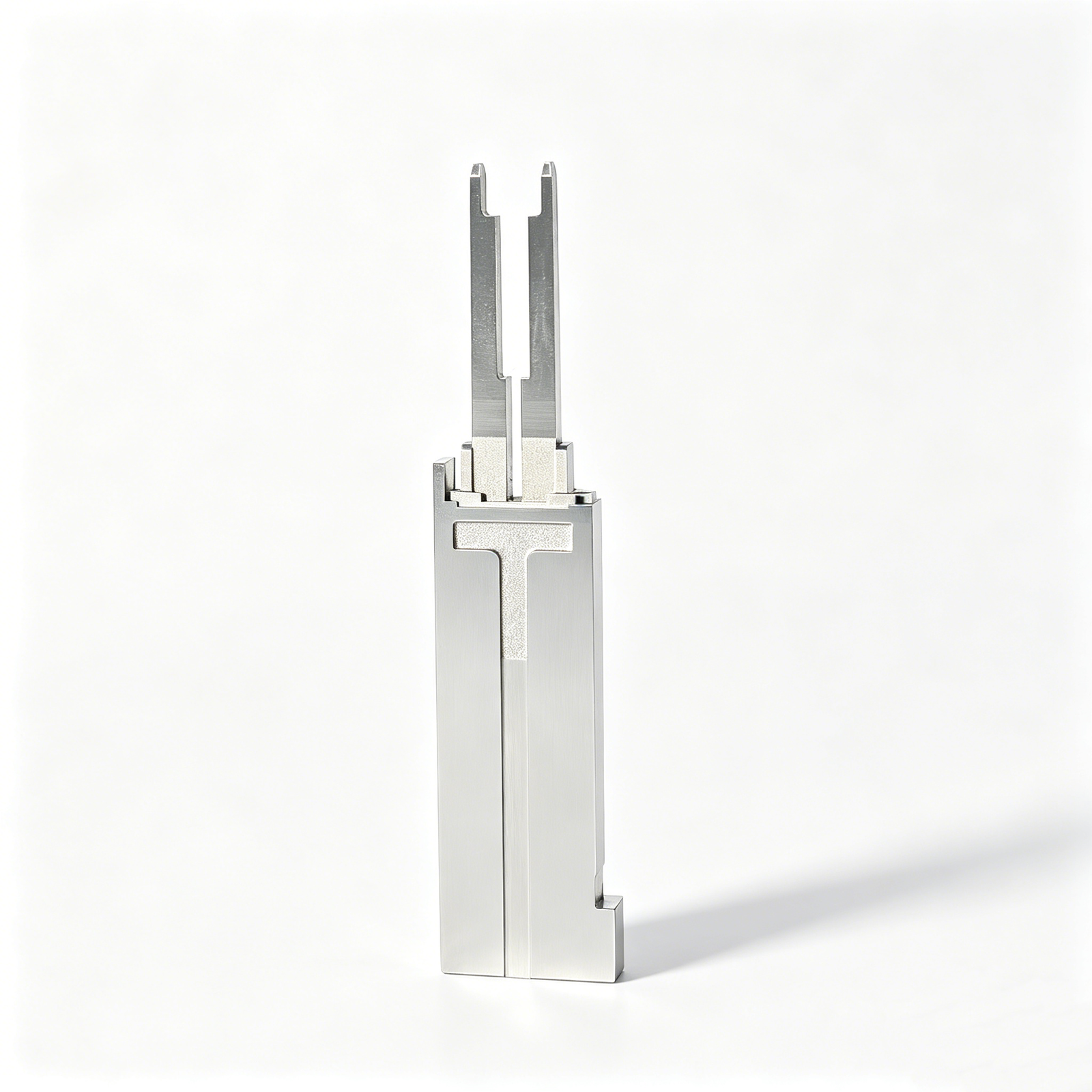
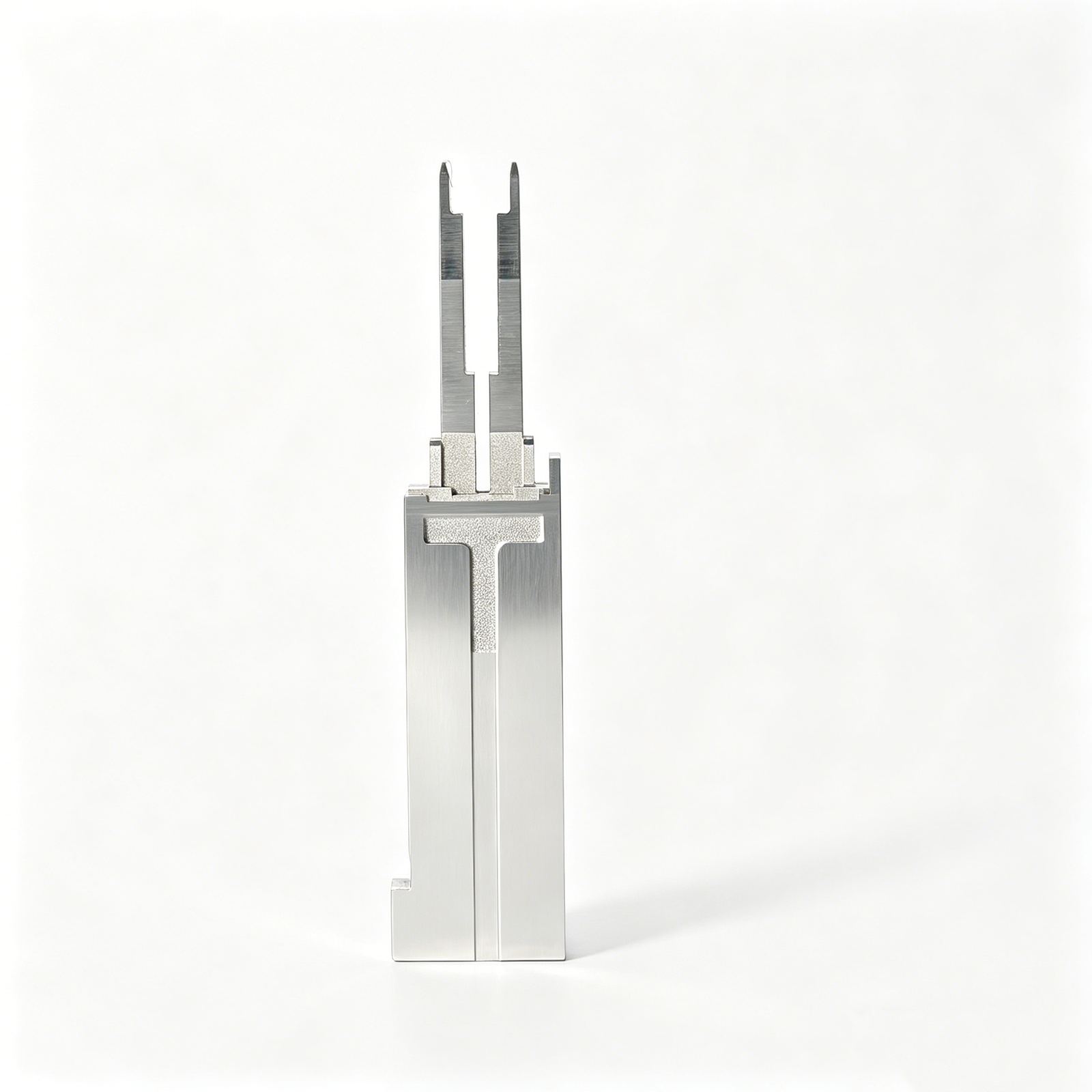
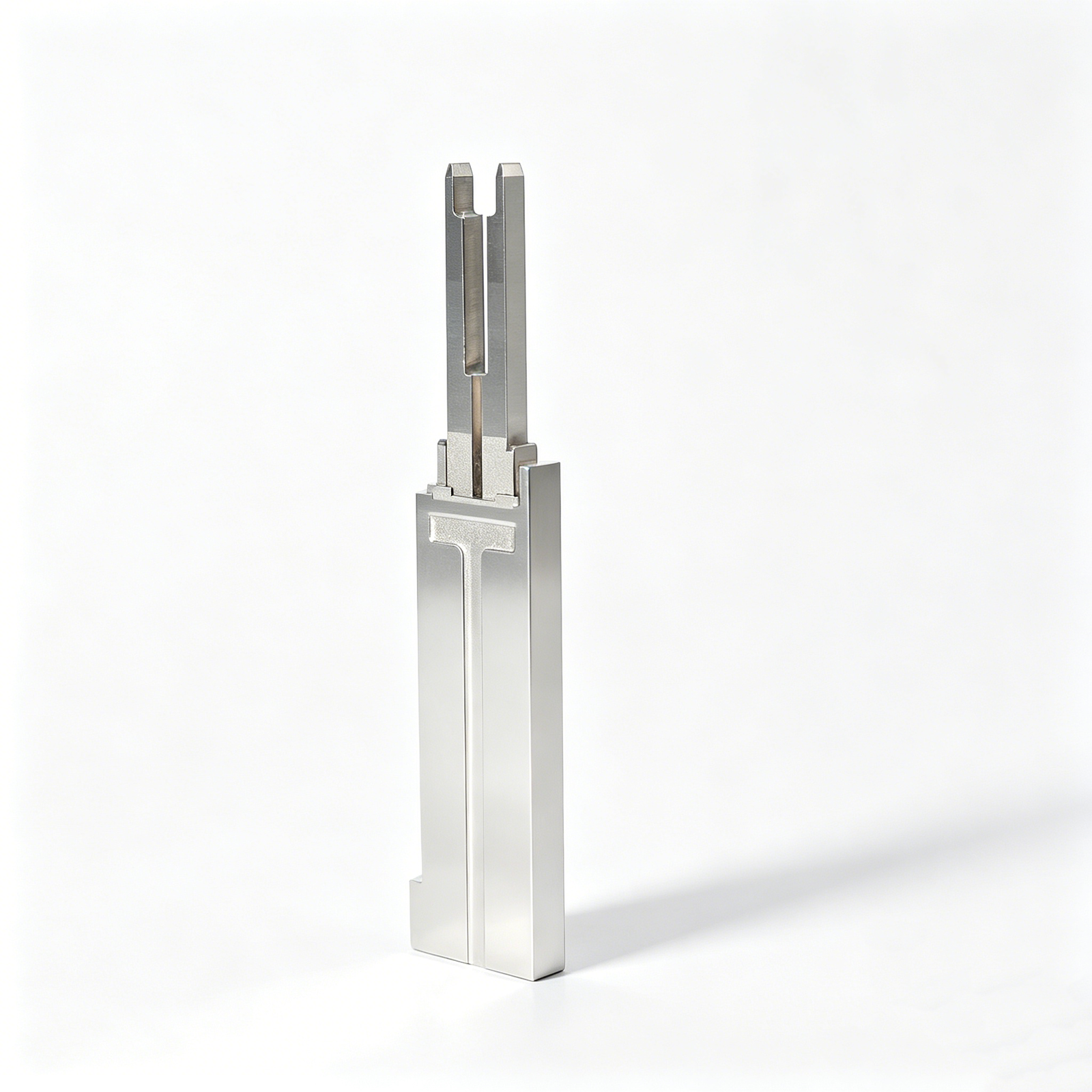
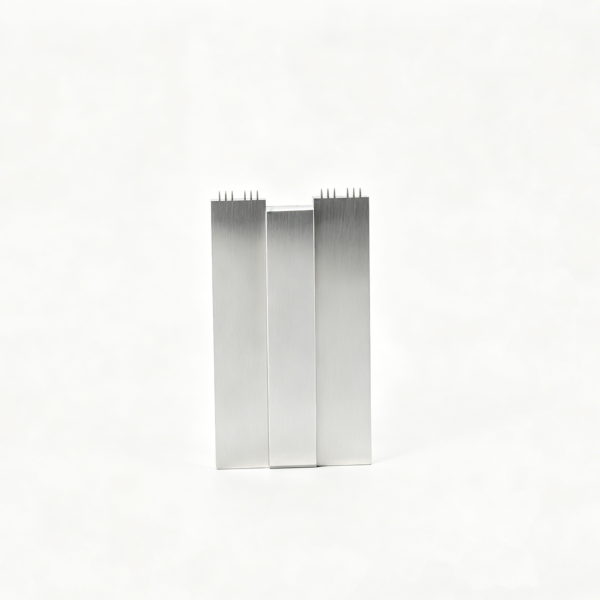
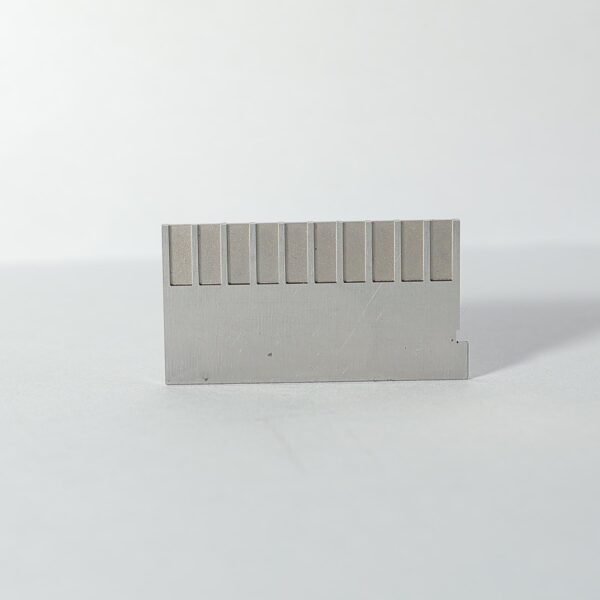
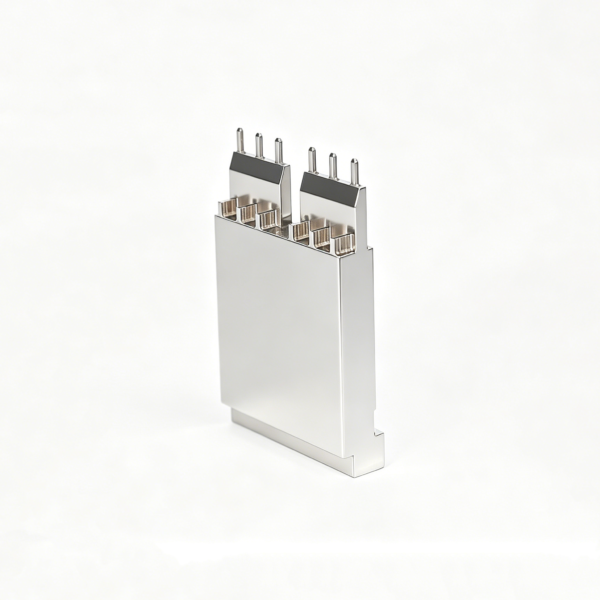
Precision Mold Components for Automotive Connectors – Fine-Pitch Terminal Cavities & Guide Pins
Brand Xuxiang Mold
Availability Made to drawing
RFQ pricing
Quote from STEP / PDF & quantity
Engineer your connector tooling for stable, repeatable quality with these precision mold components for automotive connectors. Optimized for fine-pitch terminal spacing and complex cavity layouts, they help you maintain dimensional integrity on even the smallest connector housings. High-quality tool steels and carefully finished surfaces support long service life in demanding, high-cavitation tools. Whether you are building new connector molds or refurbishing existing tooling, these parts are designed to drop in and perform. Ideal for Tier 1 and Tier 2 automotive suppliers seeking consistent yield on multi-cavity connector production.
- ISO 9001:2015–oriented process & documented inspection paths
- Zeiss / Nikon class metrology available for critical dimensions
- DFM feedback from 10+ senior tooling engineers
- Dongguan HQ + Quanzhou capacity for volume programs
Precision Mold Components for Automotive Connector Tooling
Automotive electrical connectors demand extremely tight dimensional control, consistent mating interfaces, and robust long-term performance under vibration, heat, and moisture in the vehicle environment.[1][9] To achieve this level of quality in injection-molded housings, the mold itself must be equipped with highly accurate, durable components. These precision mold components for automotive connectors are engineered to support stable mass production of complex connector designs, from micro-sized ECU plugs to multi-pin power connectors.[1][4][9]
In typical automotive connector molds, multiple inserts, cores, sleeves, ejector pins, and cavity blocks work together to form detailed geometries such as terminal cavities, latch features, polarization keys, and sealing channels.[1][4] Using well-designed, wear-resistant components in these critical areas helps maintain consistent connector dimensions over very high cavity counts and shot volumes.[5][6][8] This product range focuses on fine-pitch terminal cavities and guide elements, where precision and positional accuracy are essential for a clean fit with stamped terminals and mating halves.
Key Features & Manufacturing Benefits
These mold components are developed specifically for automotive connector applications, taking into account narrow wall sections, complex demoulding, and long-term dimensional stability.[4][9] The design and material choices aim to improve both your tooling reliability and production economics.
- Fine-pitch cavity control: Core inserts and cavity blocks are machined to support tight tolerance terminal spacing, helping you meet demanding connector mating requirements and avoid insertion issues at the harness assembly stage.[3][6][9]
- Precision guide pins & alignment: Guide pins and bushings help align fixed and moving halves, maintaining accurate shut-off surfaces and preventing flash or mismatches in delicate connector features.[1][4]
- Tool-steel construction: Components are typically produced from high-grade tool steels selected for hardness, wear resistance, and dimensional stability under repeated thermal cycling.[4][6] This supports long mold life, even in high-cavitation, high-cycle production environments.[5][8]
- Optimized for engineering plastics: Surfaces and geometries are suited to common connector molding resins such as PA, PBT or other high-performance, glass-filled materials used in automotive electrical systems.[7][11]
- Support for complex cooling and demoulding: Many connector molds incorporate intricate cooling channels and ejector layouts; compatible components help distribute cooling evenly and avoid warpage, while facilitating smooth release of small, fragile connector parts.[4][7][9]
- Customizable geometry: Suppliers can adapt insert shapes, lengths, radii, and draft angles to match your connector design, enabling new projects or replacement of worn parts without redesigning the entire mold base.[2][3][6][12]
Specifications & Key Attributes
The following table summarizes representative characteristics of these precision mold components. Exact parameters can be tailored to your connector design, mold base, and production targets.
| Attribute | Description |
|---|---|
| Product type | Precision mold components for automotive connector injection molds (cores, cavities, guide pins, sleeves, ejectors) |
| Typical application | Plastic housings and insulators for automotive electrical connectors in wiring harnesses, ECUs, sensors, and modules[1][9][11] |
| Material options | High-grade tool steels or stainless tool steels selected for wear and corrosion resistance (specific grade chosen per project)[4][6] |
| Manufacturing processes | Precision grinding, high-accuracy CNC machining, EDM, and fine surface finishing for small connector geometries[3][6][8] |
| Tolerance capability | Fine-tolerance production suitable for tight connector terminal spacing; project-specific tolerances available on request[3][6][8] |
| Surface finish | Polished or textured surfaces according to connector functional and cosmetic requirements |
| Mold compatibility | Custom-sized for customer mold bases; suitable for single- and multi-cavity tools and high-cavitation connector molds[2][5][14] |
| Connector styles | Inline connectors, multi-pin headers, sensor connectors, ECU plugs, power connectors and other automotive styles[1][9][11] |
| Design support | Assistance with insert layout, cooling considerations, and demoulding strategies for new connector programs[2][4][10] |
| Typical users | Automotive connector manufacturers, wiring harness suppliers, custom mold makers, and Tier 1/Tier 2 automotive suppliers[9][11][15] |
Use Cases & Ideal Applications
These precision mold components serve as critical elements in injection molds used across a wide range of vehicle electronics and electrical systems.[9][11][15] They are particularly valuable where connector miniaturization and high cavity counts increase the risk of dimensional drift and premature tool wear.
- High-volume harness connectors: For common multi-pin connectors used in body wiring harnesses, robust inserts and guide pins help maintain thousands or millions of shots without losing critical terminal spacing.[9][11]
- Engine compartment connectors: Under-hood connectors face thermal cycling and aggressive environments; precise mold components help ensure sealing features and latch geometries remain consistent, supporting long-term reliability.[9][11]
- Controller and ECU plugs: Electronic control units require dense arrays of small pins; accurate cavity and core design is essential for smooth assembly and reliable electrical contact.[4][7][9]
- Sensor and safety systems: Airbag, ABS, ADAS, and other safety-related connectors must meet strict performance requirements, which depend on accurately molded housings and stable geometries.[9][11]
- New platform development: For OEMs and Tier suppliers launching new connector families, customized inserts allow iterative tool tuning while keeping the base mold investment stable.[2][4][10]
Selection, Care & Buying Guidance
Choosing the right mold components for your connector tooling has direct implications for part quality, scrap rates, maintenance intervals, and overall cost per part. When specifying components, consider your connector geometry, resin choice, and target annual volume.[4][9][11]
- Match component design to connector geometry: Complex latch features, locking fingers, or integrated seals may require special core shapes, undercut solutions, or multi-part inserts. Work with your supplier to translate connector CAD into practical mold components.[4][7][10]
- Consider resin and filler type: Glass-filled or high-temperature engineering plastics can accelerate wear. In these cases, prioritize materials and coatings chosen for abrasion resistance and thermal stability.[4][6][11]
- Plan for maintenance and replacement: Design your mold so critical wear items (such as fine cores, ejector pins, and guide elements) can be replaced without extensive downtime. Modular inserts make refurbishment more efficient.[4][5][14]
- Evaluate alignment and cooling: Well-designed guide pins and cooling layouts help reduce flash, warpage, and dimensional variation. Incorporating these considerations early improves long-term performance.[4][7][9]
- Partner with specialized suppliers: Selecting a vendor experienced in automotive connector molds ensures better support on issues such as demoulding, venting, and gate positioning, all of which interact with component design.[1][2][4][14]
Routine care, including cleaning of fine cavity details, inspection of shut-off surfaces, and scheduled replacement of high-wear components, will help preserve connector quality throughout the mold’s service life.[4][9] With the right combination of precision components and disciplined maintenance, you can run demanding connector programs with confidence in both dimensional performance and uptime.
FAQ
Are these mold components compatible with my existing automotive connector mold?
Yes, components are typically produced to your supplied drawings or measured samples so they match your existing mold base, cavity layout, and connector geometry. Custom sizing and geometry adjustment are standard for connector tooling projects.[2][3][6][12]
What connector types can these precision components support?
They are suitable for a wide range of automotive connector styles, including inline harness connectors, ECU plugs, sensor connectors, and various multi-pin plug and receptacle designs used in vehicle electrical systems.[1][9][11]
How do I specify the correct components for my connector project?
Provide your connector 3D models, 2D drawings, and key performance requirements such as pitch, pin count, resin type, and expected annual volume. The tooling supplier can then recommend appropriate insert geometry, materials, and tolerances for your mold.[2][4][10]
What maintenance do these precision mold components require?
Regularly clean cavities and cores to remove resin residue, inspect fine edges for wear or chipping, and lubricate moving elements like guide pins and ejectors when appropriate. Schedule periodic dimensional checks for high-wear items to decide when replacement is necessary.[4][9]
Can these components be used with glass-filled or high-temperature engineering plastics?
Yes, they can be manufactured from tool steels and surface finishes that handle abrasive, glass-filled, or high-temperature connector resins. Inform your supplier of the specific material so they can select a suitable steel and heat treatment.[4][6][11]
How does shipping work for custom connector mold components?
Once the design is confirmed and tooling is manufactured, components are typically packed individually or in sets to protect fine features during transit. Shipping options can be selected based on your required lead time and location; your supplier will advise available methods.
What is the typical lead time for new or replacement components?
Lead time depends on component complexity, quantity, and current production load. Simple replacement pins or inserts are usually faster to produce than complex multi-part cores. Discuss your project schedule early so production and delivery can be aligned.
Do these components come with any warranty or quality assurance?
Most specialized suppliers provide quality documentation, dimensional reports, and agreed-upon warranty terms. These may cover material conformity and workmanship, within normal operating conditions and maintenance practices defined for the mold.[2][5][6]
Can I modify the design later if my connector geometry changes?
Yes, one advantage of using separate inserts and cores is that design updates can often be implemented by modifying or replacing only certain components, without rebuilding the entire mold base. This is especially helpful in early platform development or design revisions.[2][4][10]
What information should I include when requesting a quotation?
Include your connector drawings or models, mold layout if available, desired component types and quantities, resin information, tolerance expectations, and target delivery date. Clear information upfront helps generate an accurate quotation and realistic lead time estimate.
Related products
Same drawing, predictable results—next batch
Share revision, quantity ramp, and inspection level. We quote process route, ship date, and documentation in one structured response.