
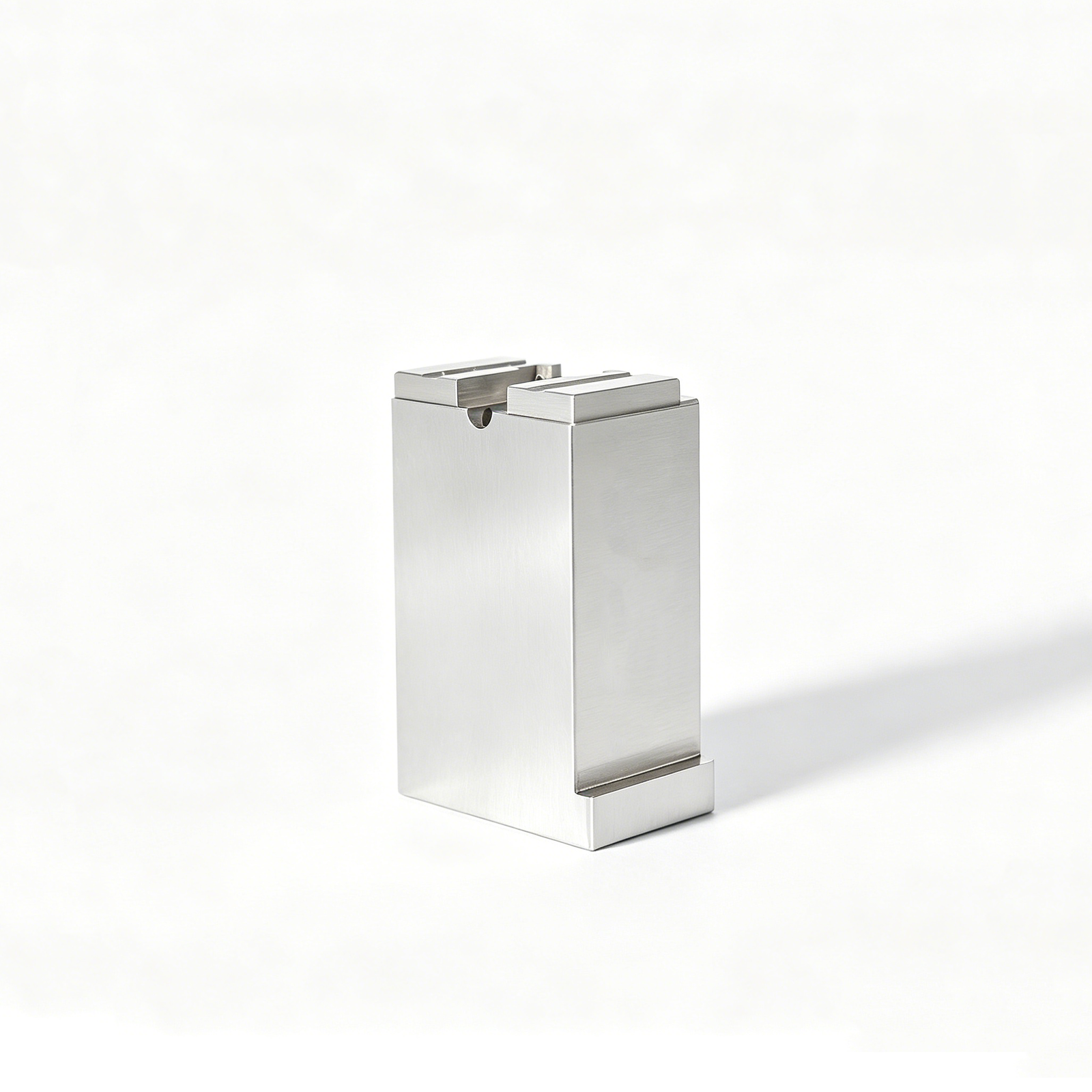
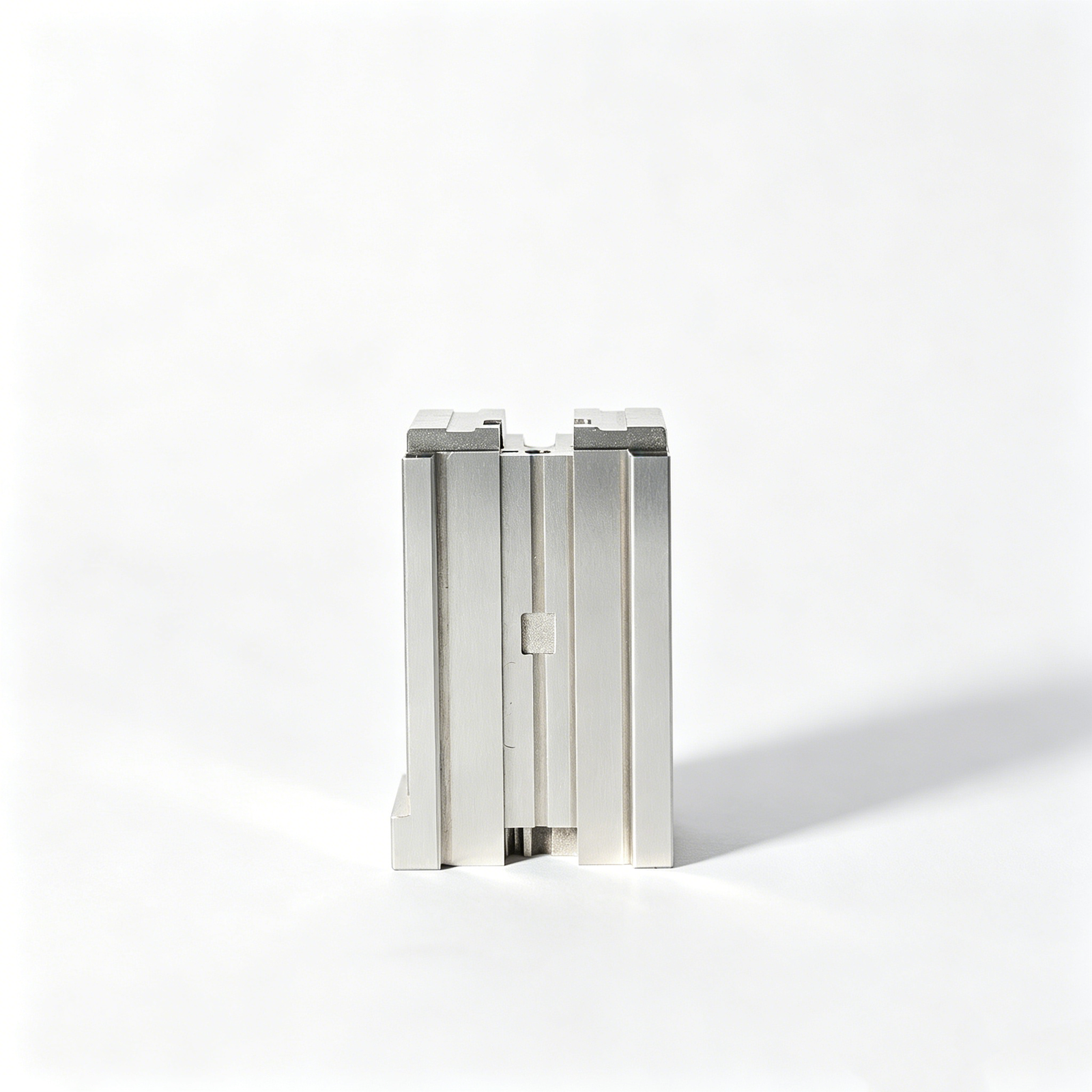
Plastic film parts · Precision mold insert
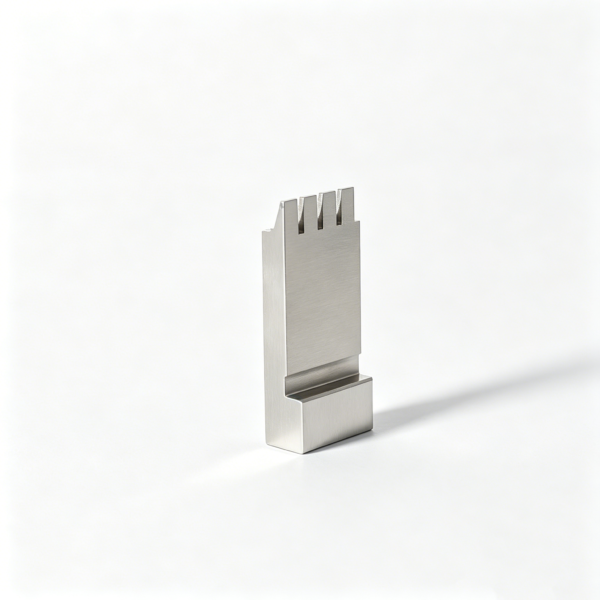
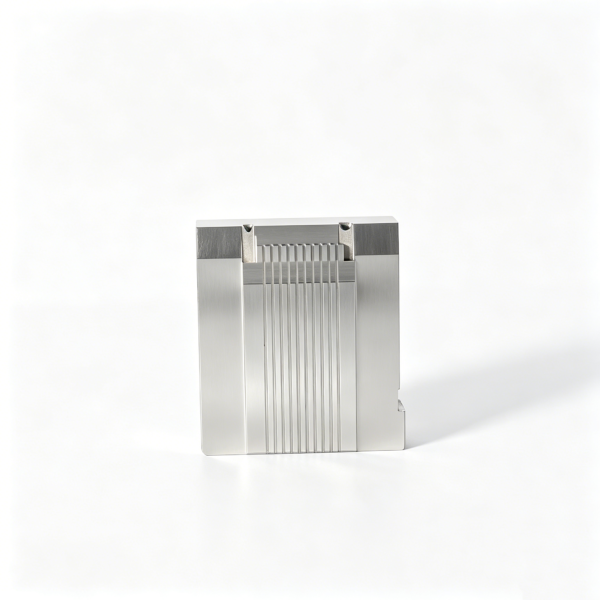
Precision Mold Components for Automotive Connectors – Fine-Pitch Terminal Cavities & Guide Pins
Brand Xuxiang Mold
Availability Made to drawing
RFQ pricing
Quote from STEP / PDF & quantity
Engineer reliable automotive plug and socket housings with precision mold components for automotive connectors built for fine-pitch terminal layouts. This component set is designed to support slim walls, dense pin arrays and complex latch features common in modern vehicle electrical systems. Smooth surfaces and stable dimensional control help you reduce flash, warpage and rework in connector molding. Use these components to keep your connector tooling running consistently across long production runs while maintaining tight mating tolerances. Ideal for OEM and tier suppliers upgrading connector tooling for next-generation platforms.
- ISO 9001:2015–oriented process & documented inspection paths
- Zeiss / Nikon class metrology available for critical dimensions
- DFM feedback from 10+ senior tooling engineers
- Dongguan HQ + Quanzhou capacity for volume programs
Precision Mold Components for Automotive Connectors – Built for Fine-Pitch Terminal Geometry
These precision mold components for automotive connectors are engineered specifically for high-density, fine-pitch connector housings used throughout modern vehicles. From ECU and sensor plugs to lighting, infotainment and ADAS harness connectors, automotive electrical systems depend on plastic housings that mold cleanly, hold tight tolerances and protect delicate terminals from vibration, heat and moisture.
The component set is intended for toolmakers and injection molders producing connector molds that must consistently deliver complex micro-features: thin insulating walls between terminals, polarized keying elements, snap-fit latches and seal grooves. By using carefully machined cores, cavities, sleeves, guide pins and ejector elements, you can improve dimensional stability, ensure repeatable mating fit and reduce downtime caused by premature wear or poor alignment.
Typical automotive connector molds require high-precision metal components made from wear-resistant tool steels or similar materials to cope with glass-filled and heat-resistant resins commonly used in connectors. With optimized surface finish and accurate positioning, these components help you control shrinkage, parting-line flash and gate vestige, so molded parts match your drawing every cycle.
Key Features & Practical Benefits
This precision mold component set is tuned to the challenges of fine-pitch automotive connectors, where multiple small terminals must be isolated and aligned within a compact housing. Tooling stability and repeatability are critical to avoid fit issues in wiring harnesses and modules.
- Fine-pitch cavity and core geometry – Supports narrow terminal spacing, intricate ribbing and shallow draft angles required for compact connector designs while maintaining clean release and low defect rates.
- Stable alignment and guidance – Guide pins, sleeves and locating features help preserve alignment between core and cavity halves, reducing dimensional variation across multi-cavity and family molds.
- Surface finish suited to technical plastics – Smooth working surfaces help material flow freely into thin sections, improving fill of micro-features and lowering the likelihood of short shots and burn marks.
- Wear-conscious material selection – Components are designed for use with high-performance connector polymers such as glass-fiber reinforced, heat-stabilized resins that can be abrasive to tooling.
- Consistent ejector and demolding behavior – Coordinated ejector pins and sleeves support uniform demolding of delicate connector housings, helping to prevent stress whitening, cracking and deformation in snap latches or sealing lips.
- Support for high-cavitation production – Precision machined elements make it easier to scale from prototype to multi-cavity production tooling without sacrificing dimensional integrity.
Together, these characteristics allow you to maintain the tight tolerances that automotive connector housings demand to mate correctly with terminals and counter-connectors in the vehicle harness.
Specifications & Key Attributes
The table below summarizes typical characteristics and options you would consider when integrating precision mold components into an automotive connector mold. Exact values and configurations will be tailored to your connector platform, cavity count and molding equipment.
| Attribute | Description |
|---|---|
| Primary Application | Injection mold tooling for automotive electrical connector housings and related plastic parts |
| Typical Component Types | Cores, cavities, core blocks, inserts, guide pins, sleeves, ejector pins, lifter components |
| Connector Styles Supported | Male/female plug housings, multi-way harness connectors, sensor connectors, ECU connectors and fuse/relay block segments |
| Design Focus | Fine-pitch terminal cavities, thin insulating walls, latch details, polarization keys and seal grooves |
| Material Orientation | Suitable for use with high-performance automotive connector resins, including reinforced and heat-stabilized plastics |
| Tolerance Strategy | Optimized for tight, repeatable dimensional control of small features to support accurate mating and electrical spacing |
| Mold Types | Prototype and production connector molds, including single-cavity, multi-cavity and family tools |
| Process Compatibility | Conventional injection molding; supports hot runner or cold runner layouts as defined by the mold design |
| Typical Users | Automotive connector manufacturers, injection molding suppliers, precision tool shops and engineering teams |
| Customization Options | Geometry, surface finish and component configuration tailored to specific connector and mold design requirements |
Use Cases & Who This Set Is For
These precision mold components are targeted at professionals responsible for building and maintaining molds that produce automotive electrical connectors. As connectors become smaller and more complex, tooling must deliver greater accuracy and stability across long production runs.
- Automotive connector manufacturers who need stable, repeatable tooling to supply Tier-1 and OEM wiring harnesses, modules and sensor assemblies.
- Injection molding suppliers producing connector housings as contract manufacturers and looking to reduce scrap, rework and dimensional deviations.
- Toolmaking and mold design companies redesigning legacy connector molds for higher cavitation, shorter cycle times or updated connector platforms.
- Engineering teams developing new vehicle platforms, EV architectures or ADAS systems that require dense, fine-pitch connectors with strict tolerance requirements.
Typical applications include multi-pole engine bay connectors, low-profile infotainment plugs, sealed connectors with integrated gasket grooves and fine-pitch sensor connectors where positional accuracy is critical for signal integrity and environmental sealing.
Care, Maintenance & Buying Guidance
To keep precision mold components performing at their best in demanding automotive connector applications, consistent care and thoughtful selection are important.
- Routine cleaning – Clean mold components regularly to remove polymer residue, vent deposits and any glass-fiber build-up that can affect surface finish or venting.
- Lubrication and corrosion protection – Apply appropriate mold release and anti-corrosion agents that are compatible with connector resins and do not compromise electrical insulation or surface quality.
- Dimensional checks – Periodically verify critical dimensions on core and cavity elements, particularly in fine-pitch terminal areas, to detect wear before it affects connector fit.
- Cooling system upkeep – Maintain clean cooling channels and stable cooling performance to prevent warpage and dimensional drift in the connector housings.
- Component replacement planning – For high-volume programs, plan for spare cores, inserts and high-wear elements so that replacements can be installed quickly without extended downtime.
When purchasing, share your connector drawings, 3D models and molding parameters with your tooling supplier. Clarifying required features—such as the number of poles, pitch, sealing strategy and latch design—helps optimize the configuration of the precision mold components for your specific connector family.
FAQ
Are these precision mold components compatible with my existing connector mold base?
The components are intended to be integrated into standard connector mold bases, but final compatibility depends on your current mold layout, cavity spacing and mounting interfaces. Share your existing mold drawings so the geometry and mounting points can be matched or adapted.
What types of automotive connectors can these components support?
They are suitable for a wide range of connector housings, including engine compartment connectors, sensor plugs, ECU connectors, lighting connectors and interior harness interfaces. Fine-pitch, multi-way connector platforms benefit most from these precision elements.
How do I check if the components will hold the tolerances my connectors require?
Provide your connector tolerance stack-up, critical dimensions and mating requirements. The tooling supplier can then propose component designs and machining tolerances that align with your dimensional targets and quality standards.
Do I need special molding parameters when using these components?
You can continue to use standard automotive connector molding practices, but precise temperature, pressure and cooling control will help you fully utilize the accuracy of the components. Your process window can be adjusted during trials to optimize fill and dimensional stability.
How should I maintain the components to maximize service life?
Use a regular maintenance schedule that includes cleaning deposits, checking for wear in fine-pitch areas, verifying cooling channel cleanliness and applying suitable anti-corrosion protection when molds are idle or stored.
What is the typical lead time for customized connector mold components?
Lead time depends on complexity, cavity count and customization level. After reviewing your connector models and specifications, your supplier can provide a more precise delivery estimate based on machining and inspection steps.
Can these components be used with glass-fiber reinforced connector materials?
Yes, they are oriented toward use with reinforced and heat-stabilized automotive connector resins. Material selection and surface treatments are chosen with abrasive fillers in mind to support long-term dimensional stability.
What is the return or adjustment policy if components do not fit as expected?
If there is a mismatch with agreed drawings or specifications, most suppliers will work with you to modify, replace or correct the components. Discuss inspection criteria and approval samples during the ordering stage to streamline any adjustments.
How is shipping handled for these precision mold parts?
Components are usually shipped in protective packaging to prevent damage to critical surfaces. For international shipments, wooden or reinforced cartons and rust-preventive wrapping are commonly used; expedited options are available depending on project urgency.
Related products
Same drawing, predictable results—next batch
Share revision, quantity ramp, and inspection level. We quote process route, ship date, and documentation in one structured response.