
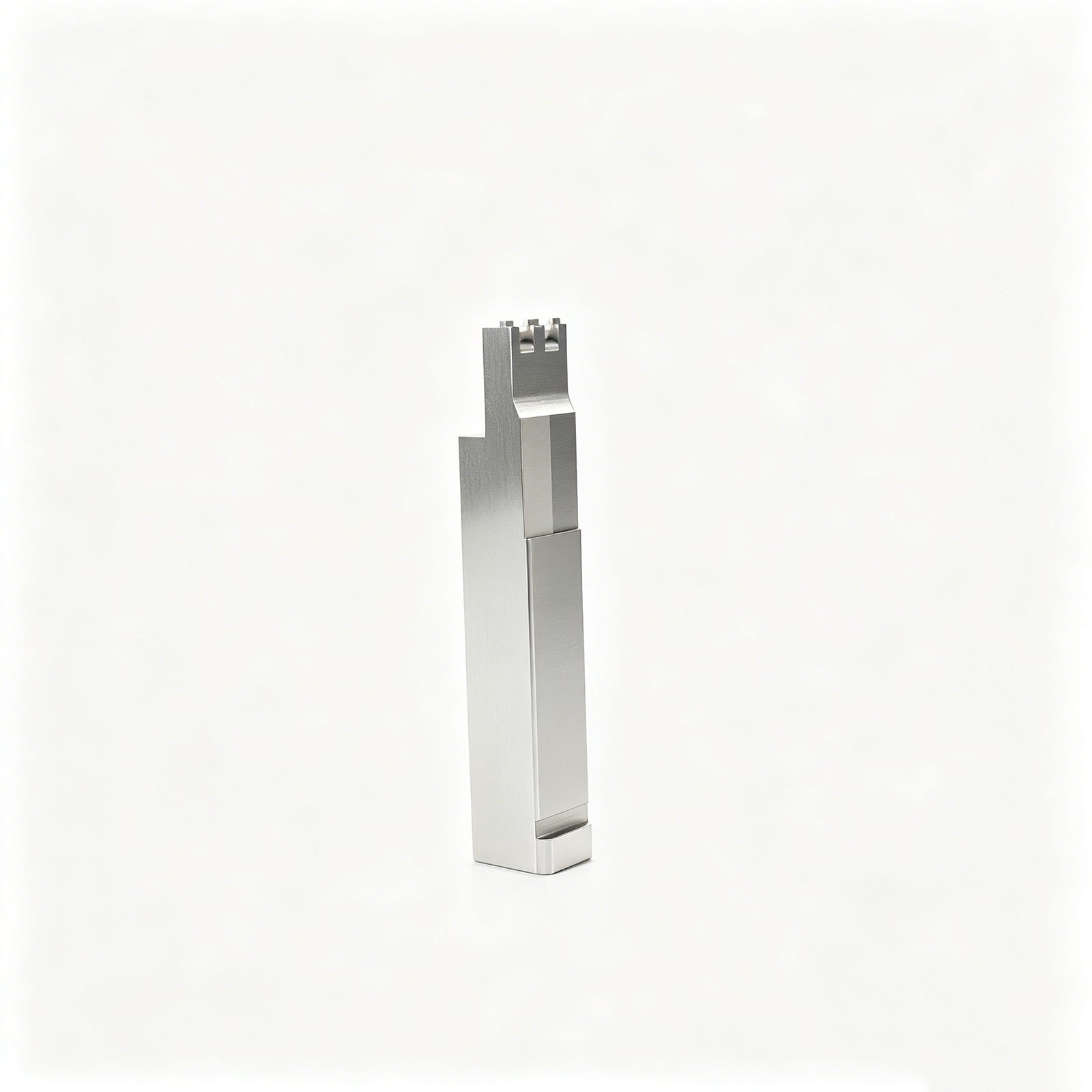
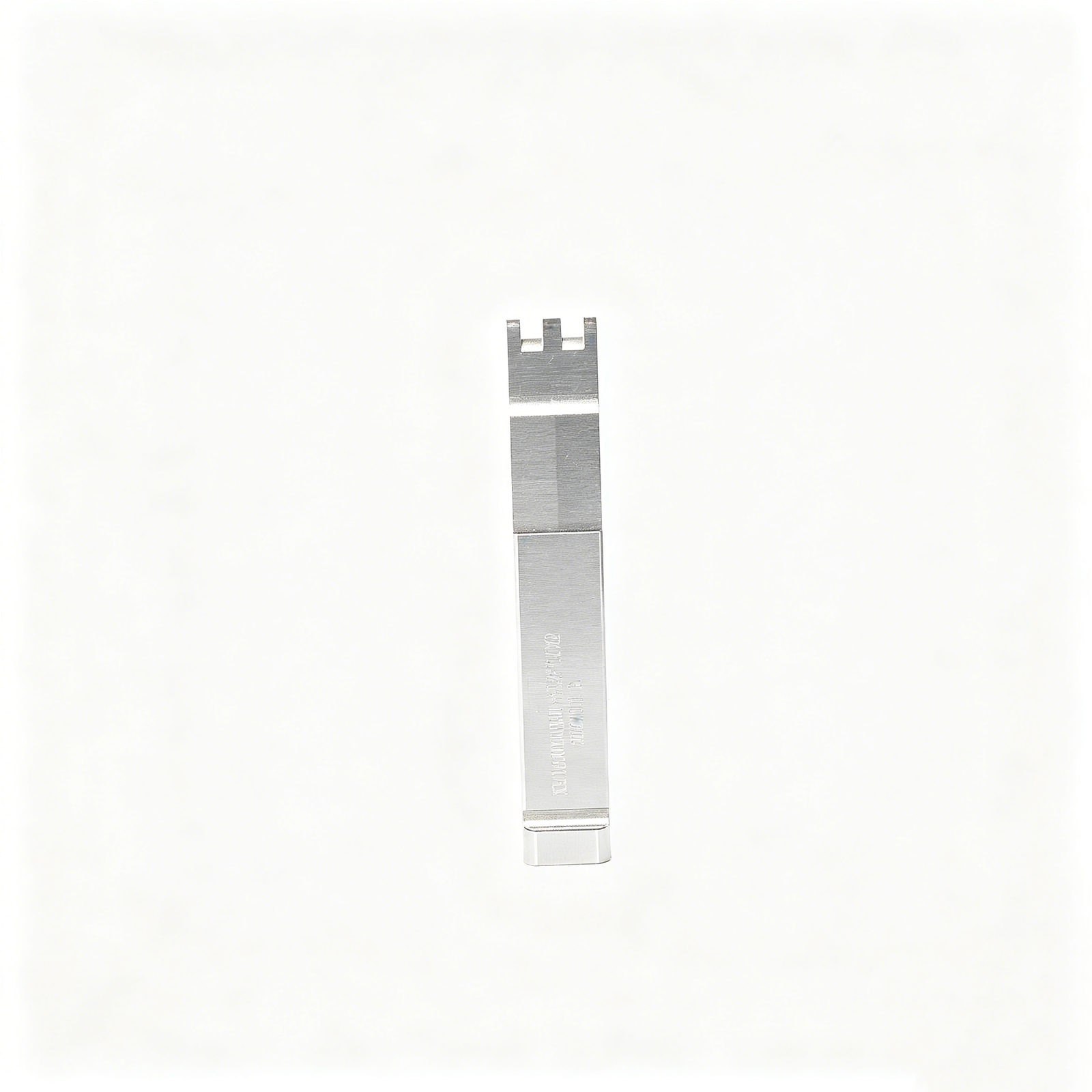
Plastic film parts · Precision mold insert
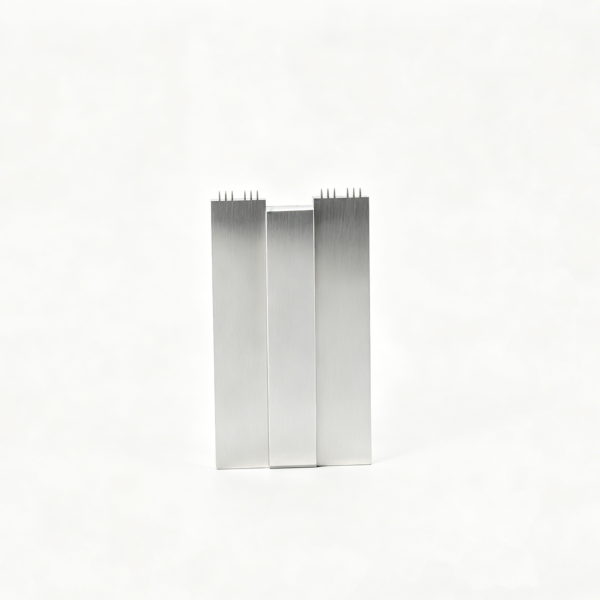
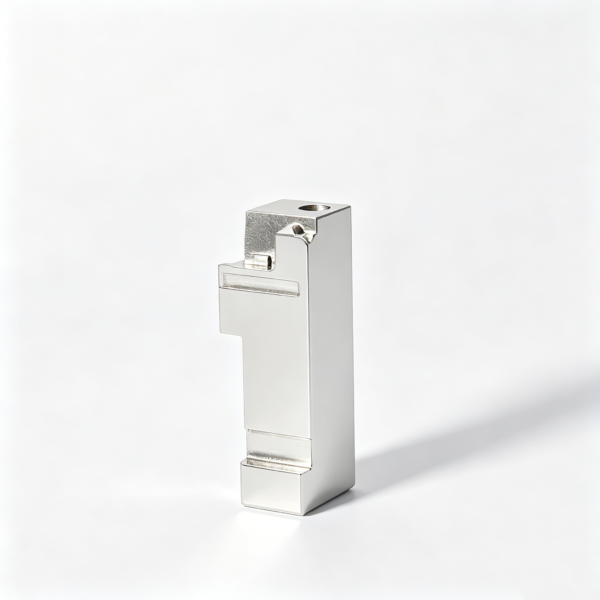
Precision Mold Components for Automotive Connectors – High-Cycle Production Grade Set
Brand Xuxiang Mold
Availability Made to drawing
RFQ pricing
Quote from STEP / PDF & quantity
Engineered for demanding production environments, these precision mold components for automotive connectors help you achieve consistent, flash-free parts over long tool life. Each core, cavity, sleeve and pin is manufactured from premium tool steel with meticulous heat treatment for stability under high clamp forces and fast cycles. Optimized for tight tolerances in miniature connector geometries, they support reliable mating performance in modern vehicle electrical systems. Use them to upgrade existing connector tooling or specify them in new molds for improved uptime and reduced maintenance. Ideal for Tier 1 and Tier 2 automotive suppliers focused on process capability, repeatability and cost per part.
- ISO 9001:2015–oriented process & documented inspection paths
- Zeiss / Nikon class metrology available for critical dimensions
- DFM feedback from 10+ senior tooling engineers
- Dongguan HQ + Quanzhou capacity for volume programs
High-cycle precision components for modern automotive connector molds
Automotive electrical architectures are becoming more complex, with higher pin counts, miniaturized housings and increasingly strict reliability expectations. Every connector housing must be molded with precise dimensions to ensure proper mating, sealing and retention in harsh under‑hood, chassis and interior environments. To support this, moldmakers and injection molders rely on robust precision mold components for automotive connectors that can maintain micron-level accuracy over millions of cycles.
This high‑cycle production grade set is designed specifically for automotive connector tooling. It provides the key mold inserts, cores, sleeves and pins required to form intricate connector cavities, terminal windows, locking features and strain-relief details, while resisting wear from glass-fiber reinforced resins and aggressive molding conditions. By combining advanced tool steels, optimized heat treatment and fine grinding, these components help you maintain dimensional stability, reduce unplanned downtime and keep connector molding cells running at peak efficiency.
Key features & performance benefits
Every element in this component set is engineered around the realities of automotive connector production: tight tolerances, fast cycle times and demanding resins. The result is a robust foundation for both new mold builds and refurbishment of legacy tools.
- High-cycle durability – Tool steels and surface treatments are selected for resistance to abrasive fillers, high injection pressures and frequent start/stop cycles, helping extend maintenance intervals and overall mold life.
- Tight tolerance capability – Precision grinding, EDM and polishing methods support very fine clearances in terminal slots, locking lances and seal grooves, improving connector fit, contact positioning and IP sealing performance.
- Optimized for engineering plastics – Component geometries are designed to accommodate common connector materials such as glass‑fiber reinforced PA, PBT and high‑temperature engineering resins used around engines or power electronics.
- Stable over long runs – Robust core support and guided components help minimize deflection under clamp and cavity pressure, reducing dimensional drift on critical features like pitch, pitch-to-wall and housing latch heights.
- Service-friendly design – Standardized interfaces and clear identification make it easier for your toolroom to swap inserts, replace worn pins and align cavities accurately after maintenance.
- Supports complex connector designs – Suited for high‑density multi‑pole housings, compact micro‑connectors and custom terminal layouts, including side-entry, inline and header-style configurations.
Specifications & construction details
Rather than relying on a single component type, this production grade set bundles the core mold elements commonly used in automotive connector tools. This helps ensure consistent quality across cavity groups and replacement parts.
| Attribute | Description |
|---|---|
| Product type | Precision mold components set for automotive connector injection molds |
| Typical components | Core inserts, cavity inserts, sleeves, core pins, ejector pins, locator blocks (exact mix per tooling design) |
| Recommended application | Plastic housings for automotive electrical connectors and terminal blocks |
| Base materials | High-quality tool steel grades suitable for wear and heat resistance in automotive molding |
| Surface finish options | Precision ground and EDM finished working surfaces; polish levels as required by connector cosmetic and sealing needs |
| Tolerance capability | Designed for fine tolerances on critical connector features; specific values follow customer drawings and tooling standards |
| Connector styles supported | Inline, header, sealed and unsealed housings, high-pin-count modules and micro-connectors |
| Molding process compatibility | Injection molding of engineering thermoplastics, including reinforced grades typically used in automotive connectors |
| Customization | Dimensions, materials, coating and component mix tailored to customer mold design and OEM standards |
| Target users | Moldmakers, toolrooms, automotive connector producers and Tier 1 / Tier 2 injection molders |
Use cases & ideal customers
These precision components are suitable for a wide range of automotive connector programs, from legacy platforms to next‑generation EV architectures. Whether you are launching a new tool or upgrading a high‑runner, this set gives you the consistency you need.
- New mold builds for connector platforms – Specify this component range when designing new multi‑cavity connector tools, to simplify spare parts management and qualify long‑term production performance early in the project.
- Refurbishment of existing molds – Replace worn cores, sleeves and pins in high‑volume tools to restore dimensional capability, reduce flash and lower scrap rates without re‑engineering the entire mold.
- EV and high‑voltage connector housings – Support complex geometries and tight creepage/clearance requirements in connectors used for battery packs, inverters, on‑board chargers and power distribution modules.
- Under‑hood and chassis connectors – Maintain accurate sealing surfaces and latch features that must withstand vibration, thermal cycling and fluid exposure in harsh environments.
- Interior and infotainment connectors – Produce small, visually visible connectors with clean parting lines and repeatable snap‑fit features for instrument panels and center consoles.
The main audience includes OEM-approved mold shops, global connector manufacturers, and Tier suppliers who cannot afford dimension‑related line stoppages or field issues due to poor molding quality. For companies operating lean manufacturing environments, the lower maintenance burden and stable process window can contribute directly to Overall Equipment Effectiveness (OEE) improvements.
Selection, care & buying guidance
Choosing the right component set starts with a clear view of your connector portfolio and production targets. Consider the materials you mold, the expected annual volume, and any OEM tool standards you must follow. Sharing drawings and tolerance stacks with the supplier helps ensure that core and cavity inserts are matched to your connector geometry and molding process window.
When planning purchases, it is wise to order a small buffer stock of critical wear items such as gate inserts, tiny core pins and ejector pins that contact glass‑fiber reinforced material directly. This allows your toolroom to perform preventive maintenance without waiting on lead times, especially for multi‑cavity tools where one damaged pin can stop the entire mold.
To extend service life:
- Follow a regular cleaning schedule, removing built‑up resin, gas deposits and contamination from vents, parting lines and pin bores.
- Use compatible lubricants on moving components, avoiding oils or greases that could migrate into cavities and cause cosmetic or electrical issues on the connectors.
- Inspect core and cavity edges for micro‑chipping and wear, and address these early to prevent flash and dimensional drift.
- Document maintenance intervals and wear patterns, then adapt your preventive maintenance plan to match real production data.
By selecting a production grade component set and pairing it with disciplined maintenance, you build a more predictable molding process for your automotive connector programs, helping you meet PPAP, capability and field reliability requirements with fewer surprises.
FAQ
Are these mold components compatible with my existing automotive connector mold?
Most components can be adapted to existing tools as long as dimensions and interfaces match your current design. You will typically share 2D/3D drawings so the supplier can confirm fit or recommend customized inserts and pins.
What connector materials are these components suitable for?
The components are engineered for common automotive connector materials such as reinforced PA, PBT and other engineering thermoplastics. If you mold specialty high‑temperature or flame‑retardant grades, this can be taken into account when choosing materials and surface treatments.
How do I know which sizes and types of components to order?
The ideal approach is to base your order on your mold design BOM. Identify cores, cavities, sleeves and pins that are critical wear elements or potential spares, then specify quantities and any customization needed for each connector family.
What maintenance is recommended for long tool life?
Regular cleaning, proper lubrication of moving elements and scheduled inspections for wear on edges, gates and pin tips are essential. Many users combine a fixed cycle count or shot count with visual checks to determine when to remove components for polishing or replacement.
Can these components support high-cavity molds and fast cycle times?
Yes, they are designed with high‑volume, multi‑cavity connector tools in mind. Stable materials, accurate guidance and precise fits help maintain uniformity across all cavities at fast cycles.
How are the mold components shipped and protected in transit?
Components are typically cleaned, lightly oiled for corrosion protection and packed in individual or grouped protective cases. This minimizes the risk of nicks or damage to critical surfaces during transport.
Is there any warranty or quality assurance on these components?
Standard practice is to supply components under a documented quality system, with inspection records and dimensional checks against drawings. Warranty terms vary by supplier, but you can expect support in the event of manufacturing defects or non‑conforming parts.
What is the typical lead time for customized core and cavity inserts?
Lead times depend on complexity and quantity, but customized inserts normally require additional engineering and machining time. Providing complete data and confirming details early in the project helps shorten delivery schedules.
Do I need any special storage conditions for spare components?
Store spares in a clean, dry environment, ideally in their original protective packaging. Lightly oiled surfaces and desiccant packs can help prevent corrosion during long-term storage.
Can I order small quantities for trial or pilot tools?
Yes, it is common to start with limited quantities for prototype or pilot molds, then scale up orders for series tools once the design is validated and connector performance has been confirmed.
Related products
Same drawing, predictable results—next batch
Share revision, quantity ramp, and inspection level. We quote process route, ship date, and documentation in one structured response.