
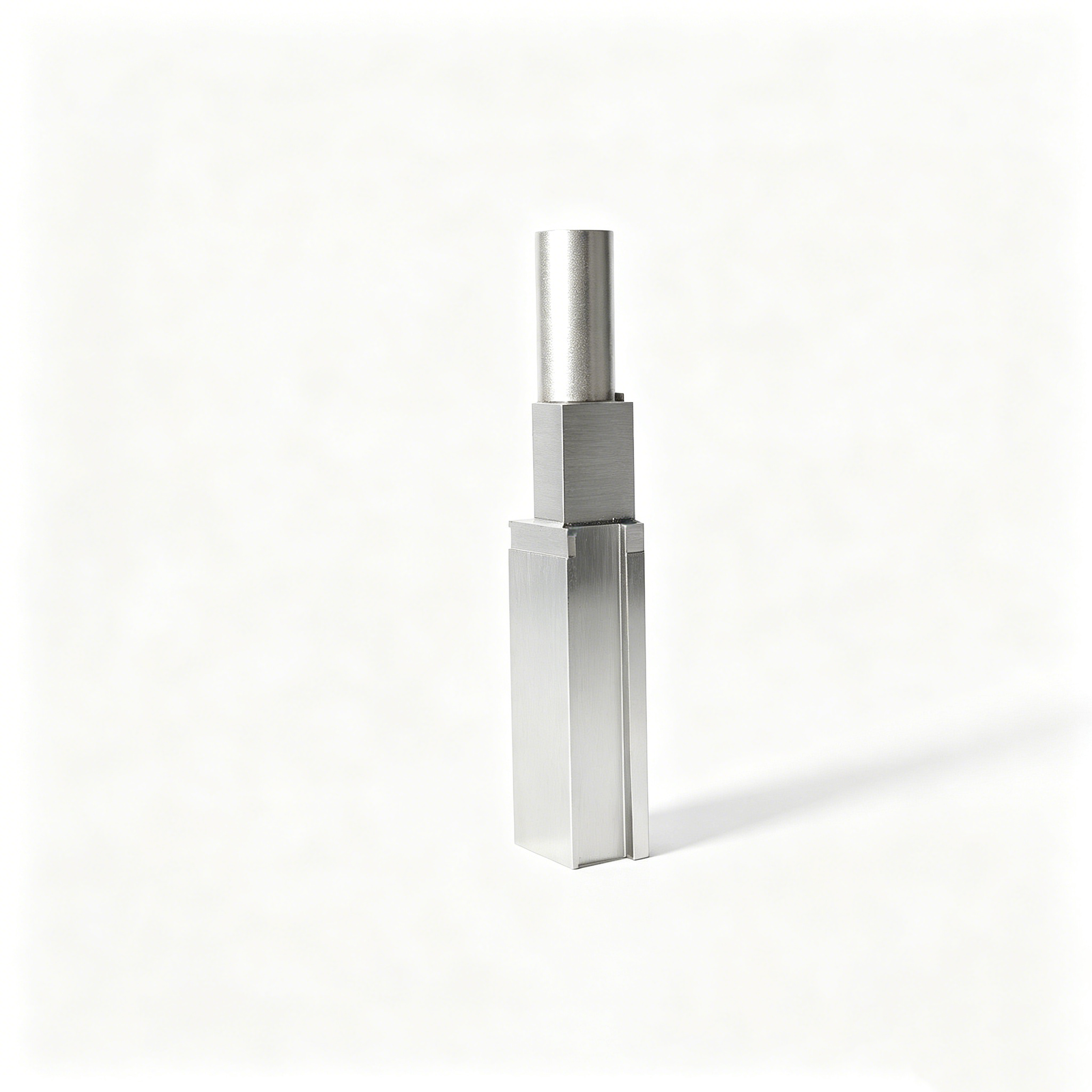
Plastic film parts · Precision mold insert
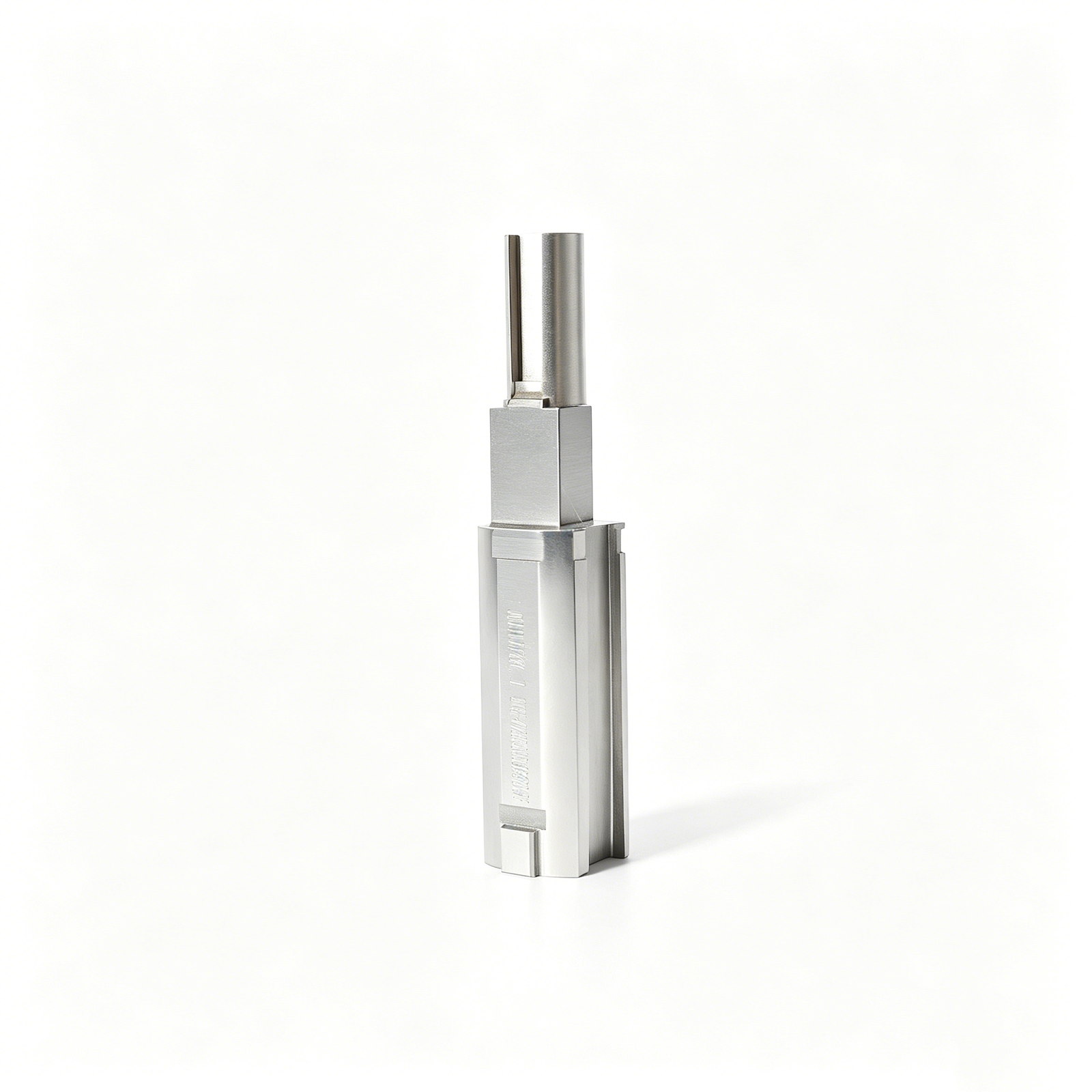
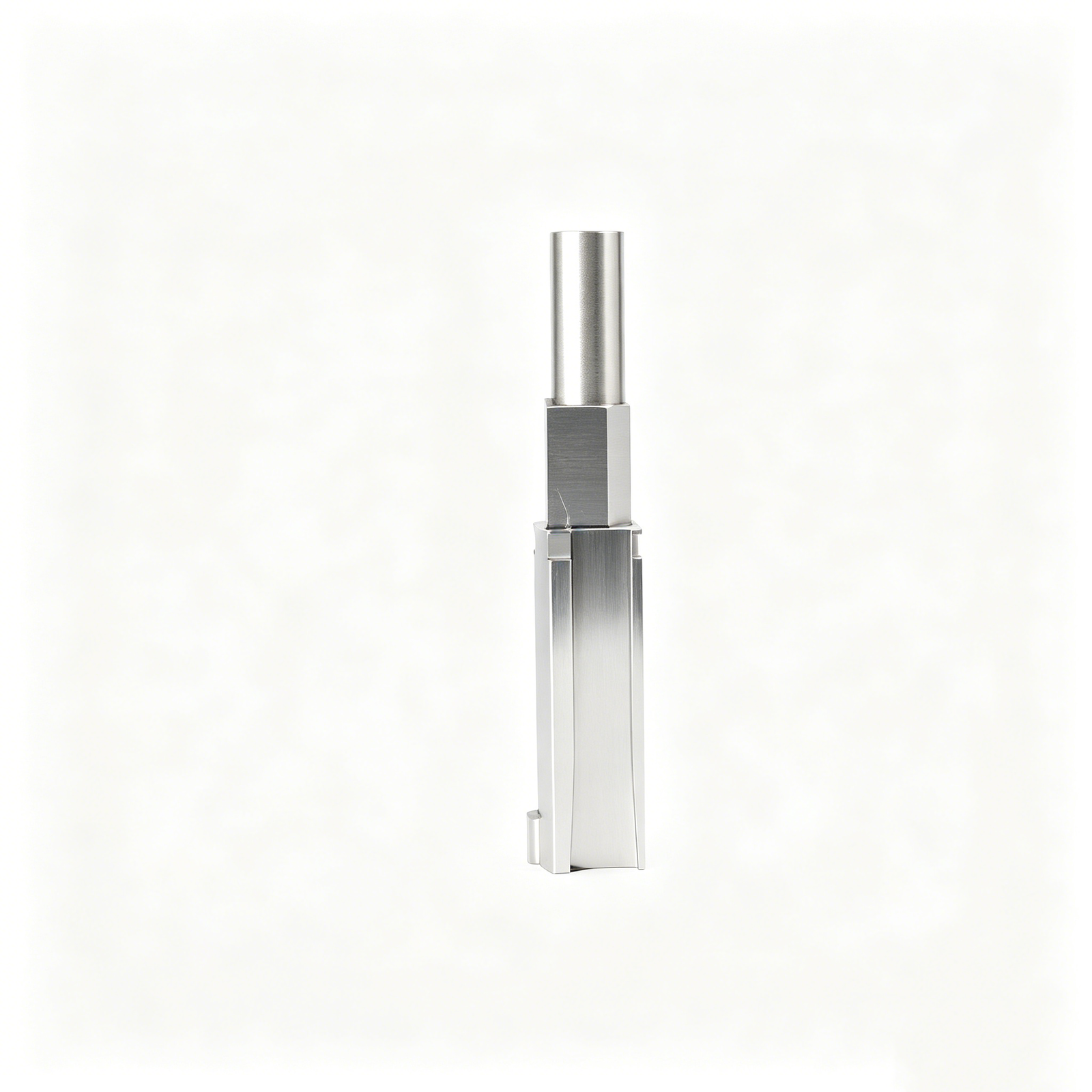
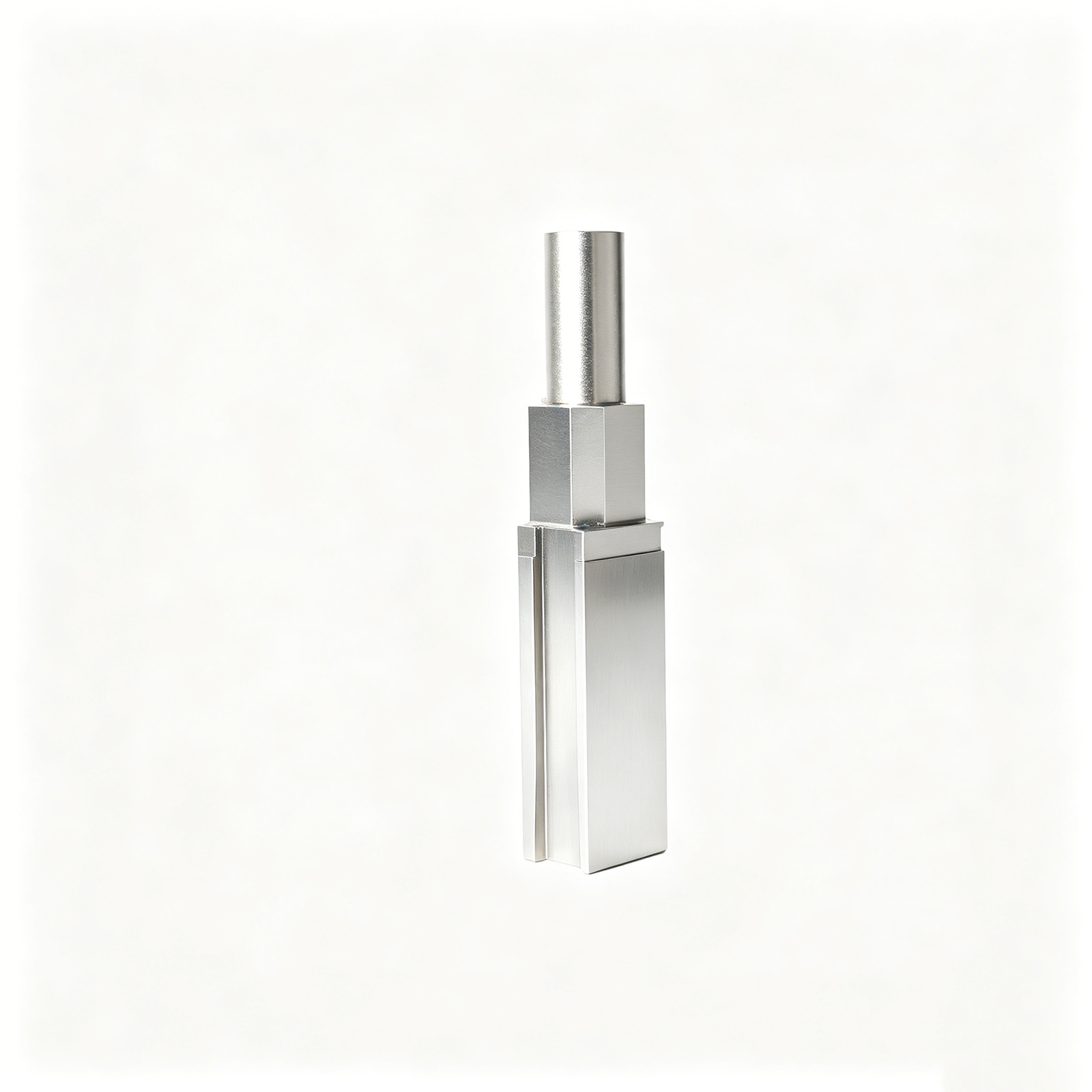
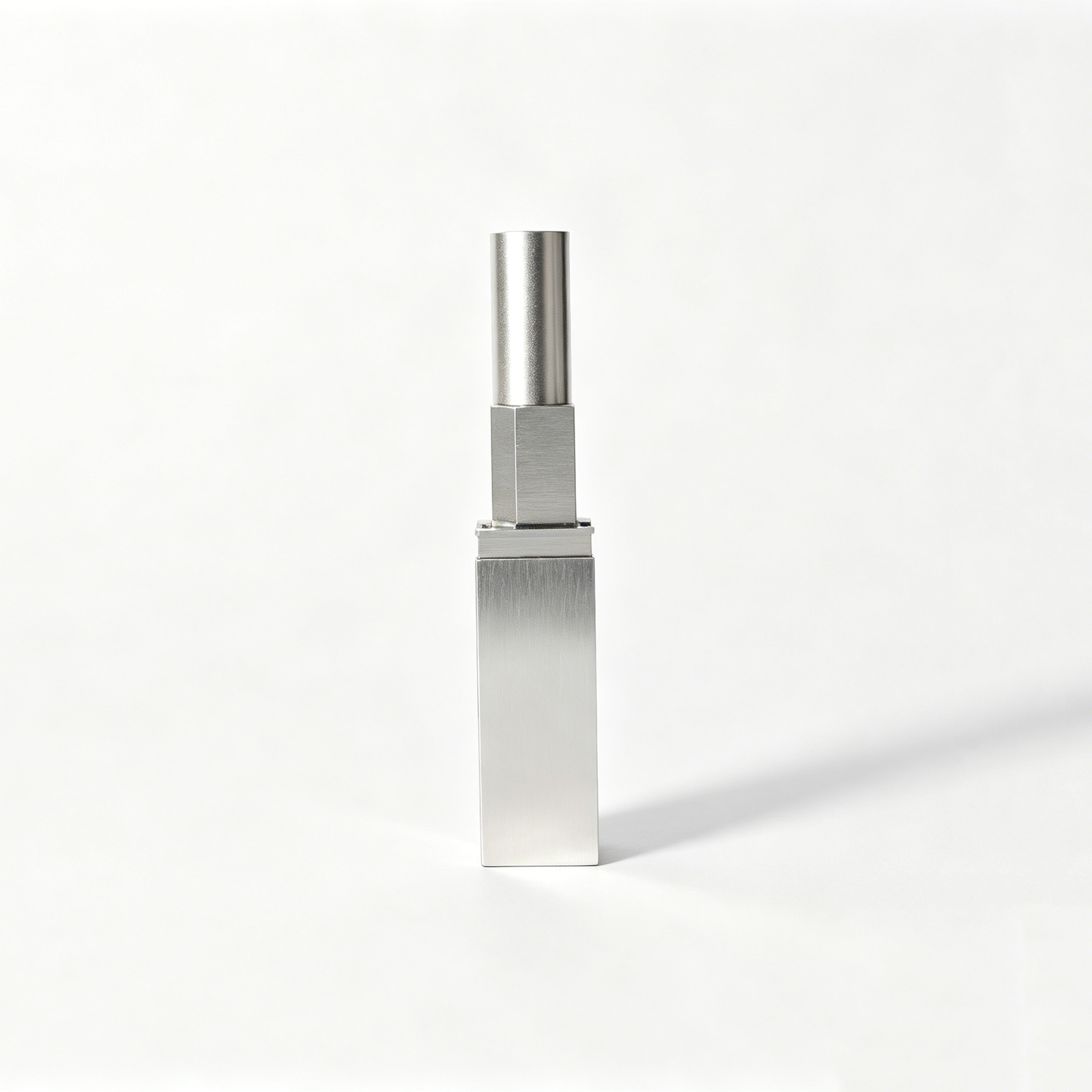
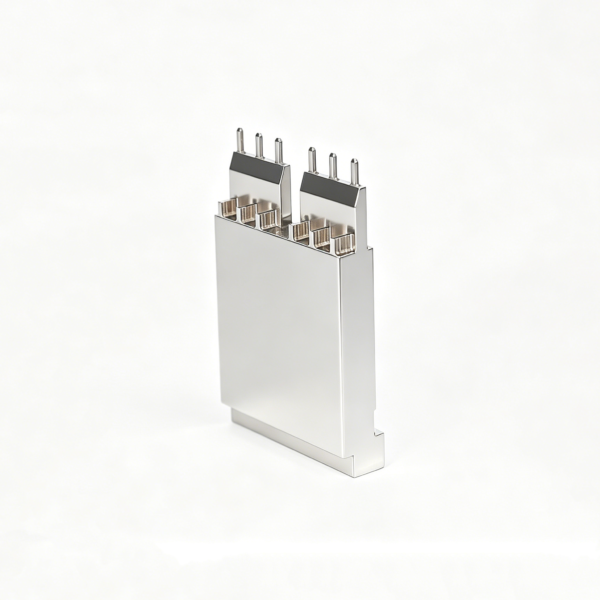
Precision Mold Components for Automotive Connectors – Fine-Detail Tooling Parts Set
Brand Xuxiang Mold
Availability Made to drawing
RFQ pricing
Quote from STEP / PDF & quantity
Engineer consistent connector quality with this precision mold components set for automotive connectors, designed for demanding injection molding environments. Each core, insert, and pin is manufactured for stable dimensions and repeatable performance in multi-cavity connector tooling. High-grade tool steels and optimized surface finishes support long production runs with minimal wear. Whether you are updating existing connector molds or building new tools, this set helps reduce scrap, improve fit with terminals, and shorten qualification time. Integrate these components into your tooling to keep your connector projects running reliably and on schedule.
(Precision mold components for automotive connectors)
- ISO 9001:2015–oriented process & documented inspection paths
- Zeiss / Nikon class metrology available for critical dimensions
- DFM feedback from 10+ senior tooling engineers
- Dongguan HQ + Quanzhou capacity for volume programs
Fine-Detail Precision Mold Components for Automotive Connector Tooling
Automotive electrical connectors require extremely consistent geometry so that terminals, seals, and housings mate flawlessly in the vehicle harness. Precision mold components for automotive connectors are the critical tooling parts inside your injection molds that define these tiny but important details. This set is designed for toolmakers and OEMs who need stable, repeatable connector production across long runs and multi-cavity tools.
By combining carefully selected steels, precision grinding, and fine-detail machining, these mold components contribute to tight dimensional control and smooth demolding of complex connector housings. They are suitable for use in injection molds that produce harness connectors, sensor plugs, ECU connectors, in-line joints, and other high-reliability automotive interfaces.
Key Features & Performance Advantages
This precision mold component set is engineered to support the full lifecycle of modern connector tooling, from initial sampling to high-volume production.
- Connector-focused geometry: Component designs are optimized for the thin walls, fine pitch, locking features, and terminal windows typical of automotive connector housings.
- Stable dimensions over long runs: High-strength mold steels and heat treatment help maintain cavity and core accuracy under repeated thermal cycling, supporting consistent part dimensions.
- Fine surface finishes: Polished or micro-finished working surfaces help improve plastic flow, reduce sticking, and enhance the appearance of visible connector faces.
- Support for multi-cavity molds: The components are suitable for use in high-cavity connector tools where balance between cavities and repeatability from cavity to cavity are essential.
- Serviceable, replaceable parts: Core inserts, sleeves, and pins can be replaced individually in your existing mold base, reducing downtime and avoiding complete mold rebuilds.
- Compatible with common engineering plastics: Designed for typical automotive connector materials such as high-temperature nylons and PBT blends used in electrical and under-hood environments.
Specifications & Construction Details
The table below summarizes the typical attributes and options for these precision mold components. Values and descriptions are provided in a way that supports comparison and purchasing decisions without relying on speculative numerical claims.
| Attribute | Description |
|---|---|
| Product type | Precision mold components set for automotive connector injection molds (cores, inserts, sleeves, pins, related elements) |
| Typical application | Plastic housings for automotive electrical connectors, sensor plugs, ECU connectors, harness junctions |
| Material category | Tool steel and other mold steels selected for wear resistance, hardness, and dimensional stability |
| Manufacturing process | Precision machining, EDM, and grinding for fine features and consistent tolerances |
| Surface finish | Working surfaces prepared for smooth resin flow; finish level tailored to connector cosmetic and functional needs |
| Connector styles supported | Multi-pin rectangular connectors, round connectors, inline splices, sensor and actuator connectors |
| Mold compatibility | Intended for integration into custom connector molds; dimensions configurable to match your mold base and layout |
| Production environment | Suited to high-volume automotive injection molding lines with automated or semi-automated demolding |
| Maintenance approach | Components can be removed, cleaned, re-polished or replaced individually without scrapping the entire mold |
| Target users | Mold makers, tooling engineers, Tier 1 & Tier 2 automotive suppliers, connector manufacturers |
Typical Use Cases & Ideal Users
These precision mold components for automotive connectors are suitable for a wide range of connector programs, from new platform launches to service-part tools.
- New connector platform launches: Use them when building new connector molds for OEM or Tier 1 programs that require tight dimensional control and robust tooling from the start.
- Tooling upgrades and refurbishments: Replace worn cores, pins, and inserts in existing connector molds to restore part quality and reduce scrap rates caused by flash or dimensional drift.
- Multi-cavity mold balancing: Apply consistent, high-quality components across all cavities to reduce cavity-to-cavity variation and simplify process optimization.
- Prototype-to-production transitions: When moving a connector design from pilot tooling to full production, specify precision components to stabilize the process and reduce validation iterations.
- Specialty connector projects: Ideal for niche connectors with unique locking features, fine terminal windows, or complex sealing geometries where generic mold parts may not hold sufficient accuracy.
The products are particularly valuable for engineering teams that must support rigorous automotive requirements, including stable fit with terminals, consistent insulation distances, and reliable assembly in automated harness lines.
Care, Maintenance & Purchasing Guidance
To maximize service life and maintain part quality, precision mold components for automotive connectors should be handled, installed, and maintained carefully. Even small scratches or deposits can affect connector dimensions and fit.
- Regular cleaning: Remove resin build-up, vent residue, and plate-out from the working surfaces according to your molding material and production frequency.
- Inspection intervals: Incorporate scheduled checks for wear, micro-cracks, or rounding of critical edges, especially on fine features such as terminal windows and latch details.
- Protective handling: During mold disassembly or storage, protect high-precision surfaces from impact and corrosion using appropriate covers and rust-prevention agents.
- Alignment and assembly: Ensure accurate alignment during installation to prevent stress, uneven wear, or damage when the mold closes under clamp force.
- Procurement considerations: When ordering, provide connector drawings, cavity layouts, and preferred steel grades so that the supplied components match your existing tooling strategy.
By selecting high-quality mold components and managing them with a robust maintenance plan, you can sustain high-volume connector production while limiting unscheduled tool repairs and connector dimensional issues.
FAQ
Are these precision mold components compatible with my existing connector mold base?
The components are intended to be integrated into custom mold bases and can be specified to match your current mold layout. When ordering, share your cavity drawings, core layouts, and preferred mounting method so that dimensions and interfaces can be aligned with your existing tooling.
What types of automotive connectors can I produce with this components set?
They are suitable for most injection-molded automotive connector housings, including multi-pin rectangular connectors, sensor plugs, ECU interfaces, inline connectors, and similar harness components. If your design includes unusual locking features or sealing structures, those details can be reflected in the component geometry.
How do I determine the right sizing and configuration for my project?
Start from your connector CAD data and mold design, then define the core, cavity, and pin dimensions required to form the critical internal and external features. Providing this information at the inquiry stage allows the components to be configured for the correct fit and stroke within your mold.
Can these mold components be used with high-temperature automotive connector materials?
Yes, they are designed for typical engineering plastics used in automotive connectors, including heat-resistant resins. During specification, you can indicate the material family you intend to mold so that suitable steel and surface treatments can be chosen for heat and wear resistance.
What maintenance is recommended to keep the components performing well?
Implement regular cleaning to remove deposits, verify that vents and fine features remain open, and inspect critical edges for wear. Depending on production volume, you may also schedule periodic polishing or replacement of highly stressed pins and inserts to maintain dimensional accuracy.
How are the components shipped and protected during transport?
Precision surfaces are typically protected with rust-preventive coatings and individual packaging. Components are then packed securely in foam or compartmented boxes to reduce risk of impact or surface damage during shipping. On receipt, store them in a dry, protected location until installation.
What is the typical lead time for custom-sized mold components?
Lead time depends on complexity, quantity, and any special treatments requested. For most projects, time is required for reviewing your drawings, machining, finishing, and inspection, so it is best to place orders early in your mold-build schedule.
Is there any warranty or return support if a component does not match the specification?
If components are supplied against agreed drawings and specifications, quality assurance procedures are used to verify conformity before shipment. Should you find dimensional or quality issues on receipt, contact customer service promptly with measurement data and photos so that an appropriate replacement or corrective action can be arranged.
Can I replace only individual cores or pins instead of the whole set?
Yes, one advantage of this approach is that you can order single replacement parts, such as a specific core or ejector pin, rather than rebuilding an entire mold. Keeping spare critical components on hand helps reduce downtime when wear or accidental damage occurs.
Related products
Same drawing, predictable results—next batch
Share revision, quantity ramp, and inspection level. We quote process route, ship date, and documentation in one structured response.