
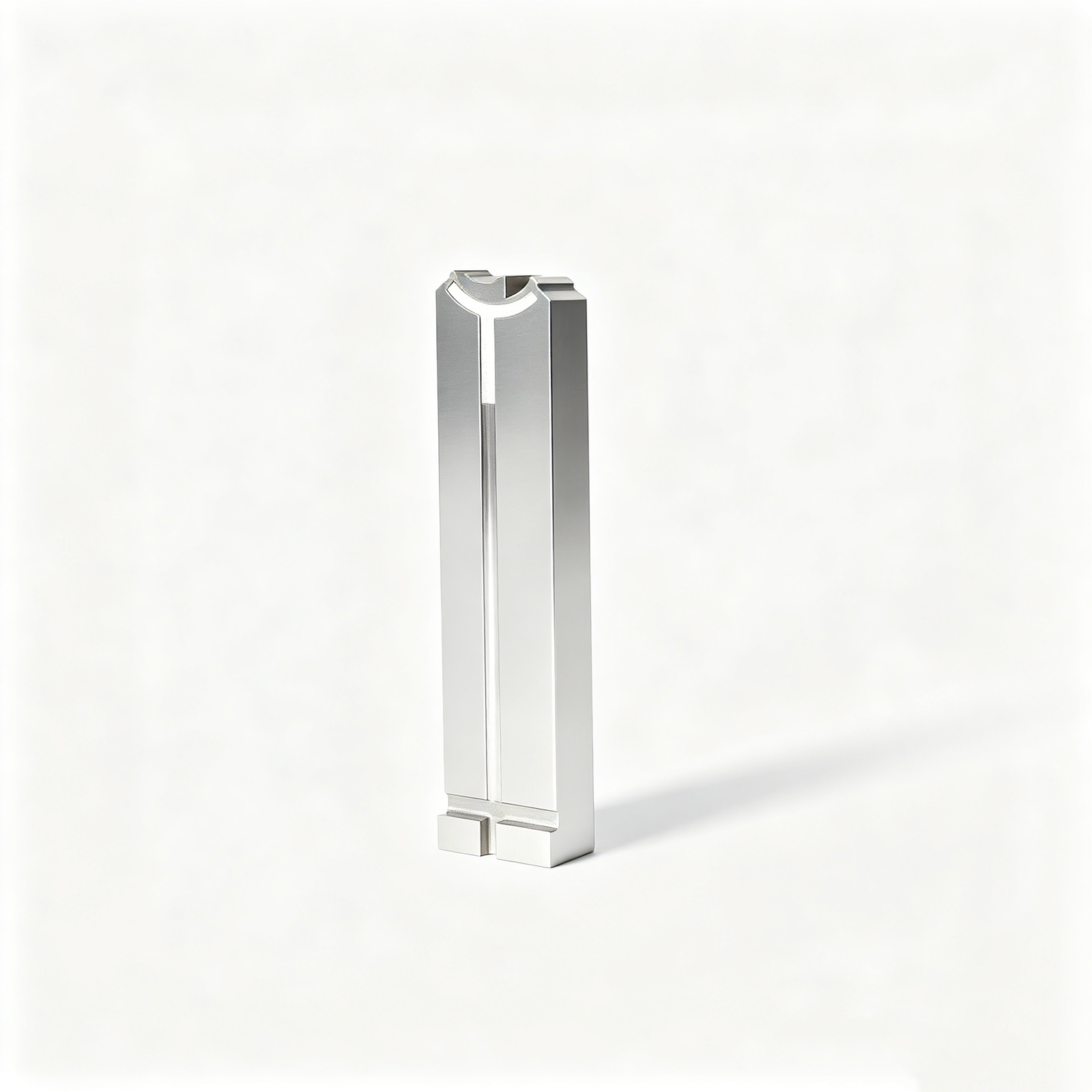
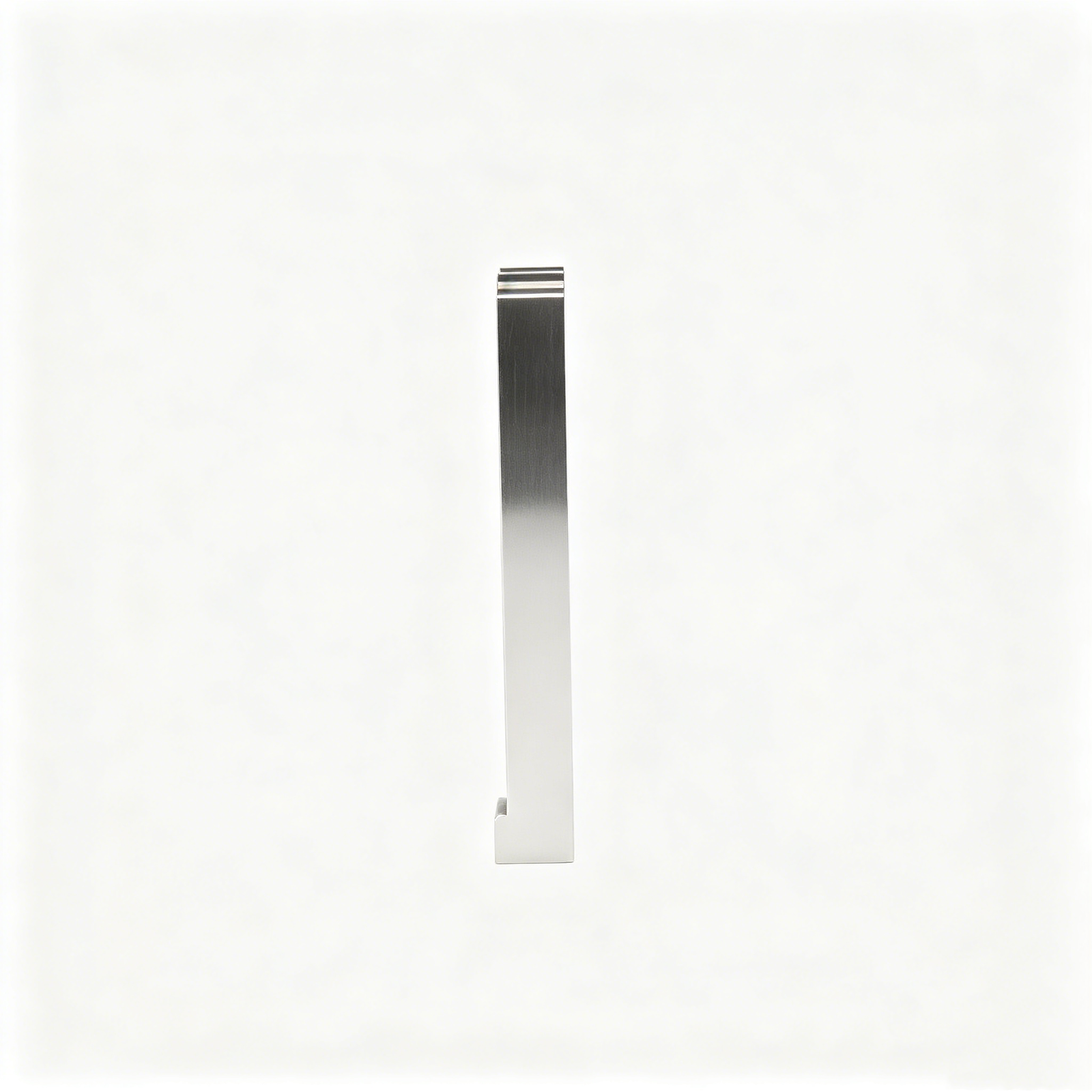
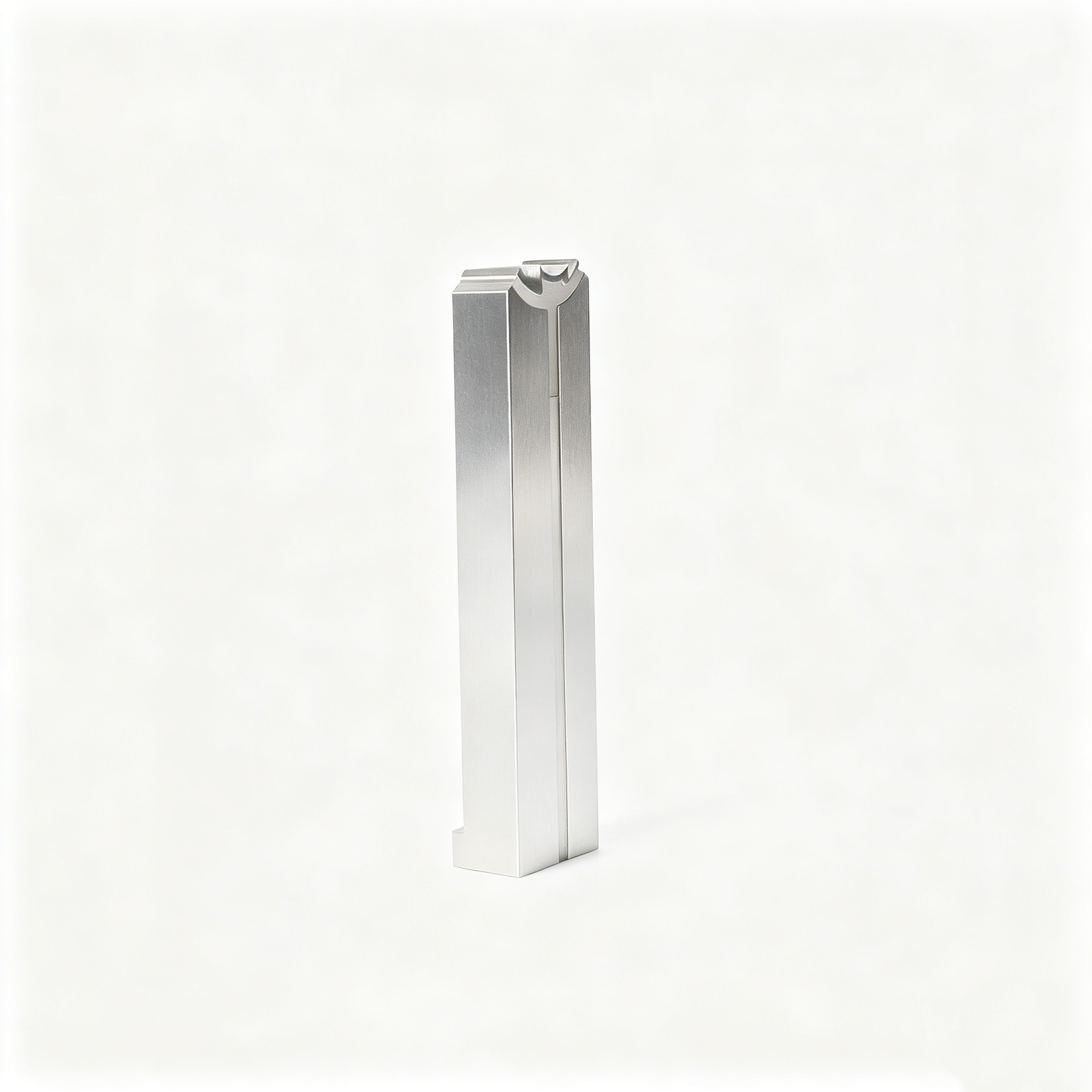
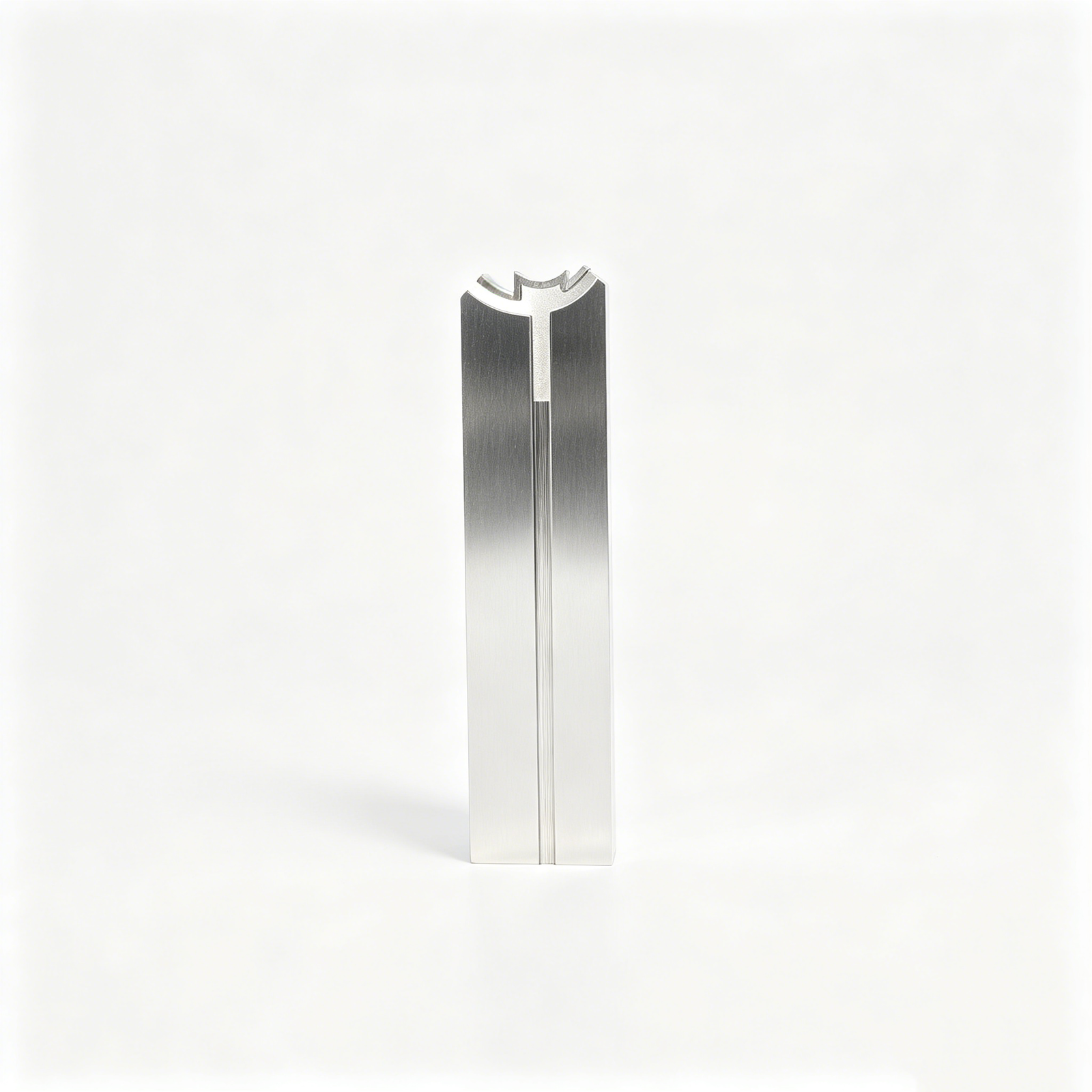
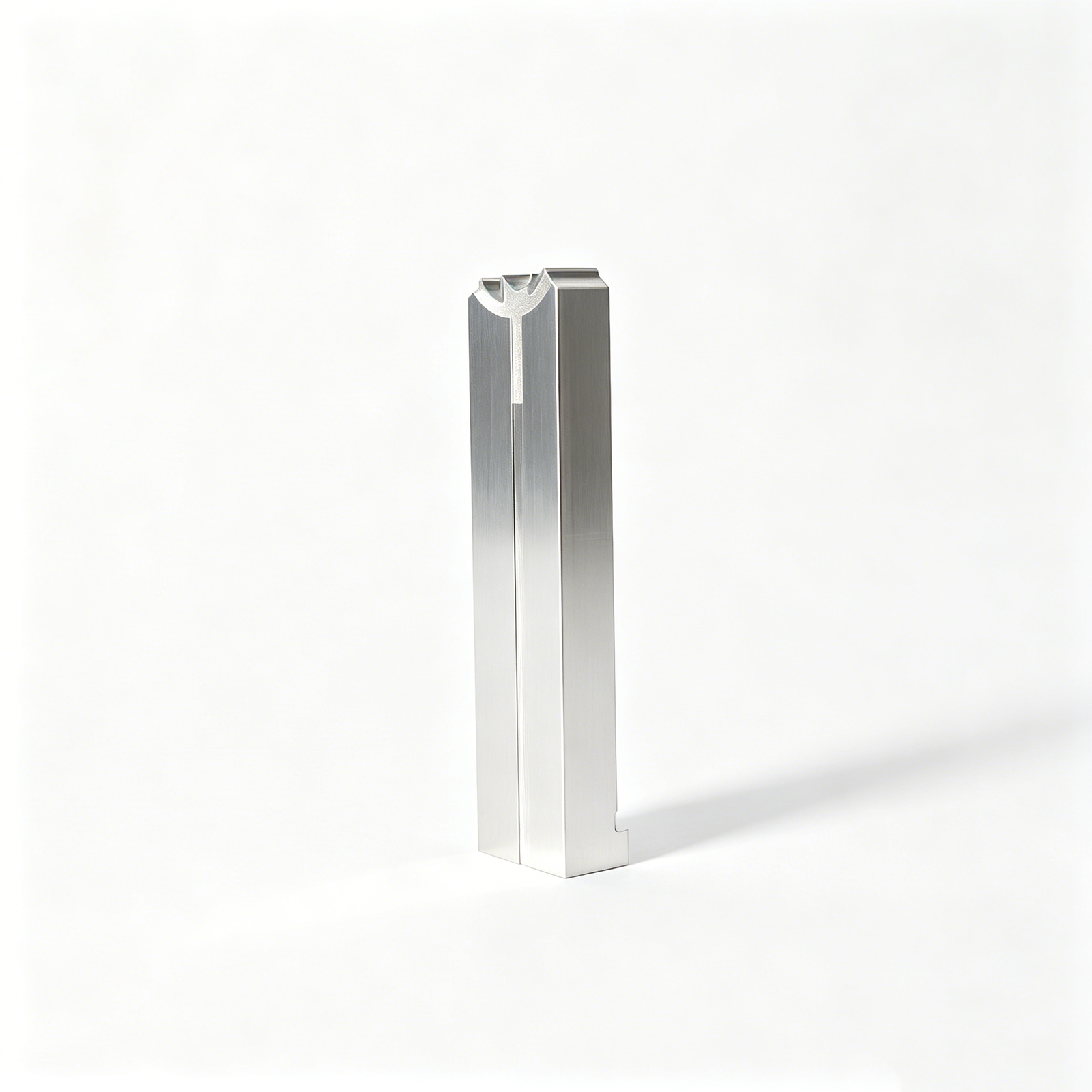
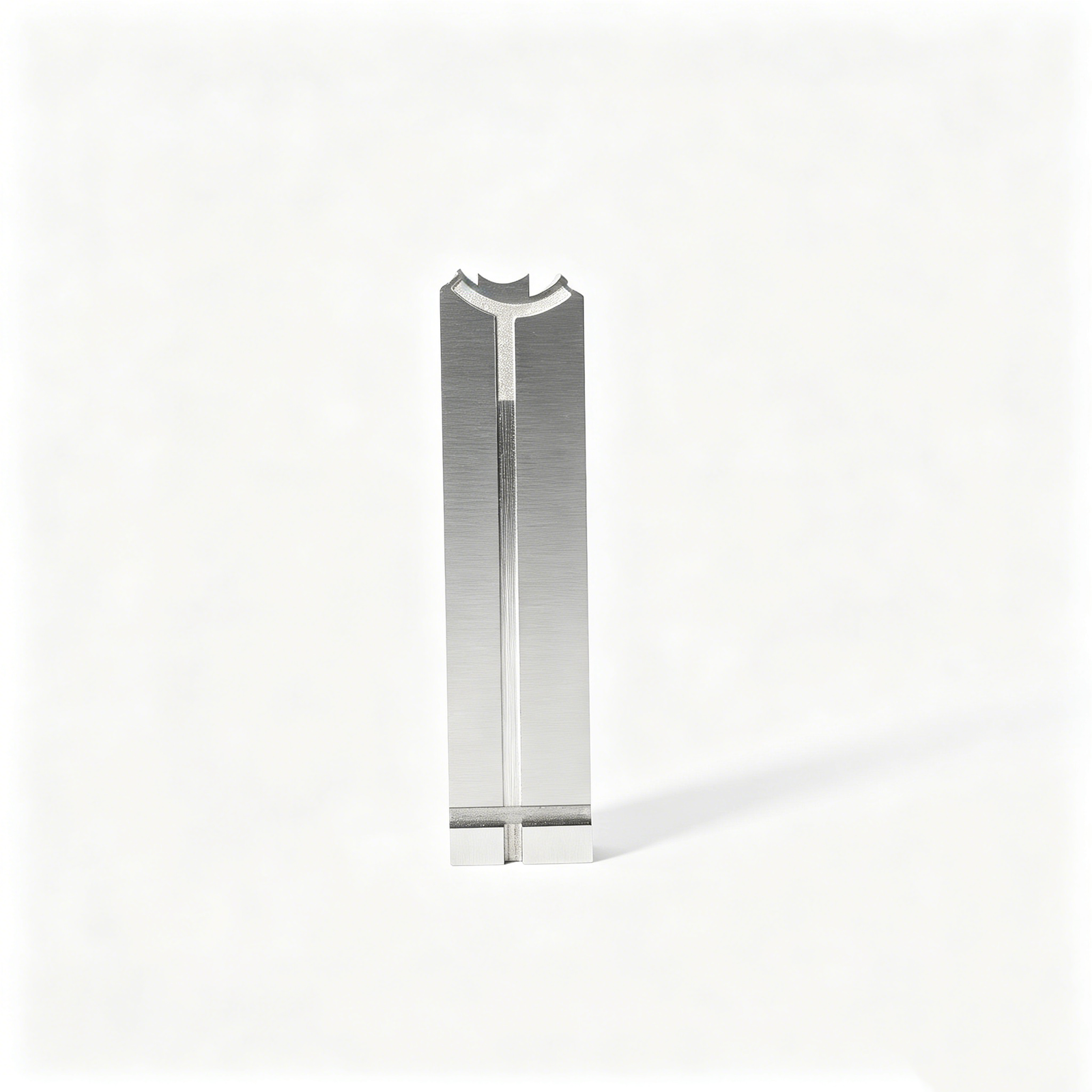
Plastic film parts · Precision mold insert
Precision Mold Components for Automotive Connectors – Fine-Pitch Terminal & Housing Tooling Parts
Brand Xuxiang Mold
Availability Made to drawing
RFQ pricing
Quote from STEP / PDF & quantity
Engineer reliable electrical interfaces with precision mold components for automotive connectors that are built for fine-pitch, multi-cavity tooling. Each core, insert, sleeve and ejector element is manufactured for stable dimensions and repeatable processing on high-speed injection molding lines. Consistent molding of connector housings, terminals and seals helps your team reduce flash, warpage and costly rework. These components are ideal for OEM and Tier 1 tool rooms looking to upgrade or localize connector tooling. Pair them with your preferred mold base and hot runner system to accelerate sampling and SOP.
- ISO 9001:2015–oriented process & documented inspection paths
- Zeiss / Nikon class metrology available for critical dimensions
- DFM feedback from 10+ senior tooling engineers
- Dongguan HQ + Quanzhou capacity for volume programs
Precision Mold Components for Automotive Connectors – Built for Fine-Pitch Connector Tooling
These precision mold components for automotive connectors are engineered to support the demanding tolerances, complex geometries and long production life required in modern vehicle electrical systems. From multi-row ECU connectors to compact sensor plugs, the components are designed to help your tooling deliver stable, repeatable part quality shot after shot.
Automotive connector molds must form thin walls, intricate latch features and tight terminal cavities while maintaining strict dimensional control so the finished connector mates correctly and seals against moisture and vibration. By choosing high-precision cores, inserts, sleeves and ejector elements, you reduce the risk of flash, short shots and mismatched fits that can lead to electrical failures and field returns.
This component range is intended for use in injection molds that produce plastic housings and related parts for automotive electrical connectors, including power distribution blocks, sensor interfaces, in-vehicle infotainment harness connectors and more.[1][9][11]
Key Features & Performance Benefits
- Fine-pitch capability: Component geometry and finish support the molding of narrow terminal windows, close-contact spacing and micro-connector features with reduced risk of sticking or damage during demolding.[1][4]
- Stable material selection: Components are typically manufactured from high-grade tool steels chosen for wear resistance, hardness and dimensional stability under repeated thermal cycling, helping maintain cavity accuracy over long runs.[4][9]
- Optimized for high-cavity tools: Suitable for connector molds with multiple cavities and family layouts, where consistency between cavities is critical to avoid sorting and downstream assembly issues.[4][11]
- Surface finish for smooth ejection: Carefully ground and polished surfaces in functional areas help minimize friction during part ejection, reducing drag marks and deformation on delicate connector features.[6][8]
- Support for complex demolding: Compatible with demolding systems that use ejector pins, sleeves and lifters to remove parts with undercuts, latch details and snap features without stressing critical dimensions.[4][7]
- Better process window: By maintaining accurate cavity geometry and proper venting / shut-offs, these components help widen the process window for injection speed, packing and cooling, making it easier to stabilize molding conditions across shifts.
- Reduced maintenance downtime: Wear-resistant construction and replaceable elements allow targeted servicing of high-wear areas—such as gate regions and terminal core pins—without removing or rebuilding the entire mold.[4][9]
Typical Component Types & Specifications
This product line covers a variety of precision elements used in automotive connector tooling. Actual dimensions, steel grades and treatments are selected according to your connector design, resin selection and production targets.
| Component Type | Typical Function in Connector Mold | Key Attributes / Options |
|---|---|---|
| Core Pins & Core Inserts | Form terminal cavities, pin channels and internal features of the connector housing.[1][6] | High wear resistance, fine grinding tolerance, options for coated surfaces in high-friction areas. |
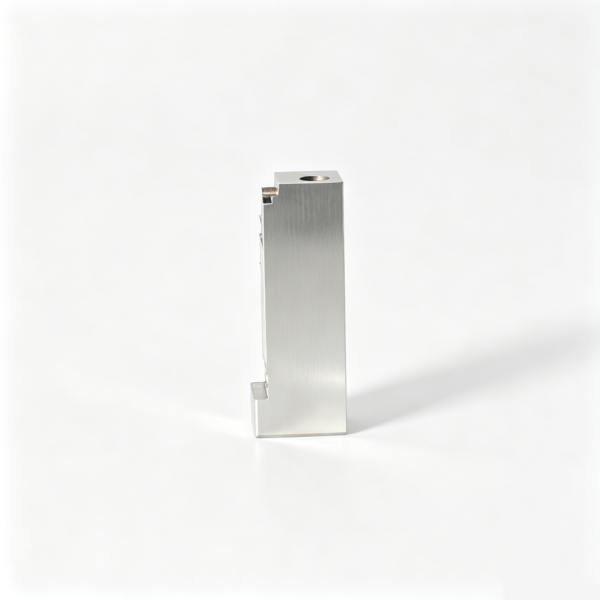
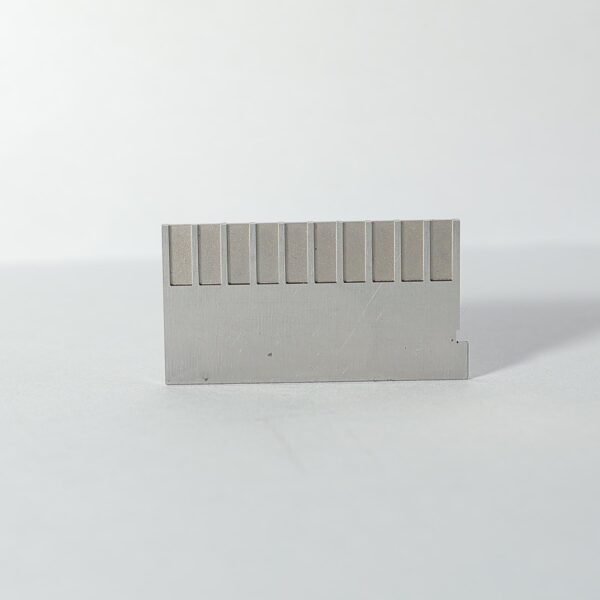
| Cavity Inserts & Blocks | Shape the external form of housings, latch arms, keying features and seal grooves.[3][12] | Custom contouring, precision shut-offs, optimized cooling channels for dimensional stability. |
| Ejector Pins / Sleeves | Provide controlled demolding of parts without damaging thin walls or latching geometry.[4] | Polished ejector surfaces, corrosion-resistant materials, compatibility with standard ejector plates. |
| Guiding & Alignment Elements | Maintain accurate alignment between core and cavity halves to protect fine-pitch features.[4][9] | Close-fit guides, bushings and leader elements sized for your mold base. |
| Gate & Runner Inserts | Control resin flow into small connector cavities, helping manage shear, weld lines and packing.[4][7] | Gate profiles adapted to material (e.g. PA, PBT, high-temperature resins), replaceable wear zones. |
| Cooling Inserts | Enhance cooling near thick or critical regions to minimise warpage and cycle time.[4] | Integrated channels or conformal cooling-compatible designs, tailored to connector geometry. |
| Material & Treatment | Durability and dimensional control over high shot counts.[4][9] | Tool steels commonly used for precision molds; specific grades and treatments chosen per project. |
| Customization Level | Adaptation to OEM / Tier design standards and connector platform families. | Fully custom dimensions, special markings and compatibility with your standard mold bases. |
Use Cases & Who These Components Are For
These precision components support a broad range of connector applications found throughout passenger vehicles, commercial trucks, off-highway equipment and EV platforms. Typical uses include:
- Injection molds for engine-bay connectors exposed to heat, vibration and fluids, where housing geometry and seal integrity are critical for long-term performance.[9][11]
- Interior harness connectors for dashboards, infotainment and comfort systems that require tight dimensional tolerances for multi-pin alignment.
- Sensor and actuator connectors in ADAS, braking systems and powertrain controls, where slight deviations can affect contact pressure and signal stability.
- High-density multi-row connectors for control units and gateway modules, which demand consistent cavity geometry across many cavities to simplify automated assembly.[9][11]
The components are a good fit for:
- Automotive connector manufacturers producing housings and inserts via in-house molding.
- Toolmakers and mold shops building new connector molds or refurbishing existing tools for longer life and higher cavitation.[2][5][14]
- Tier 1 & Tier 2 suppliers who need to localize tooling for regional production while maintaining OEM drawing requirements.
- Engineering teams developing new connector platforms who require prototype and pilot tooling with production-grade precision.[4][10]
Selection, Care & Buying Guidance
To specify the right precision mold components, start from the connector’s performance requirements and the plastics you plan to mold. Automotive connectors often use engineering resins such as PA or PBT with glass fiber, as well as high-temperature materials for engine and power electronics zones.[7][11] The combination of resin and geometry determines the stresses your tooling will see and guides the choice of steels, surface treatments and cooling configurations.[4]
When requesting a quotation or engineering review, it is helpful to prepare:
- 3D models and 2D drawings of the connector housing and any inserts.
- Mold layout or at least an indicative cavity arrangement (number of cavities, parting line, gate location).
- Resin specifications and any special processing requirements (e.g. high melt temperature, flame-retardant grades).[7][11]
- Target annual volume and expected mold lifetime to balance upfront tooling cost against durability.
- OEM or internal standards for tolerances, surface finish and marking.
For ongoing performance, schedule regular inspections of high-wear areas such as gate inserts, terminal core pins and ejector systems. Cleaning, lubrication and timely replacement of worn components help keep cavity dimensions within tolerance and maintain predictable cycle times.[4][9] Incorporating spare sets of critical pins or inserts into your initial purchase can minimize downtime in high-volume production environments.
If you are upgrading an existing mold, precision replacement components can often be manufactured to match the current mold base and alignment system, allowing you to improve connector quality or extend mold life without a complete redesign.[2][14]
FAQ
Are these precision mold components compatible with my existing automotive connector molds?
In most cases, components can be engineered to match your existing mold base, alignment system and cavity layout. Providing current drawings and 3D data allows the supplier to confirm compatibility and suggest any improvements to core, insert or ejector design.
What information do I need to provide to order custom connector mold components?
Typically you should share connector part drawings, 3D models, mold layout information, resin details and target production volume. This enables engineering to select suitable steels, fits and surface finishes and to estimate lead times accurately.
How do I know if these components will meet my fine-pitch connector tolerance requirements?
Precision levels depend on the machining and grinding process specified in your order. You can request tolerance ranges, surface finish targets and inspection reports so that the delivered components align with your connector drawings and quality plan.
What maintenance do precision mold components for automotive connectors require?
Regular cleaning of cavity surfaces, checking for wear at gate and terminal areas, and lubricating moving elements such as ejectors are recommended. Establishing a preventive maintenance schedule based on shot count helps maintain dimensional accuracy and avoid unexpected downtime.
Can these components handle abrasive or glass-filled connector resins?
Yes, components can be produced from wear-resistant tool steels and treated surfaces selected for abrasive, glass-filled or high-temperature materials. Inform your supplier about the resin family and any additives so they can propose appropriate material and coating options.
What is the typical lead time for custom automotive connector mold inserts and cores?
Lead time depends on complexity, quantity and current capacity. Simple replacement pins may be produced relatively quickly, while complex multi-featured inserts require more time for machining, grinding and inspection. Your quotation will usually include an indicative schedule.
Do you offer support for design optimization of new connector molds?
Many precision component suppliers work closely with tool designers to review cooling, gating and demolding concepts. Sharing early design data can help refine component geometry, improve moldability and reduce later modifications.
What is the warranty or return policy for these precision mold components?
Warranty terms vary by supplier, but typically cover manufacturing defects and non-conformance to agreed drawings or specifications. Before ordering, review the supplier’s quality assurance and return procedures so you understand how issues will be handled.
How are the components packaged and shipped to protect precision surfaces?
Components are generally cleaned, rust-protected and individually wrapped or tray-packed to prevent damage to critical surfaces during transport. For export shipments, reinforced boxes and moisture protection are commonly used; you can request specific packing standards if needed.
Can I order spare sets of critical connector mold pins and inserts?
Yes, many buyers order spare sets of high-wear elements along with the initial delivery. Keeping spares on hand allows you to replace worn pins or inserts quickly and keep your connector molding lines running with minimal interruption.
Related products
Same drawing, predictable results—next batch
Share revision, quantity ramp, and inspection level. We quote process route, ship date, and documentation in one structured response.