
Plastic film parts · Precision mold insert
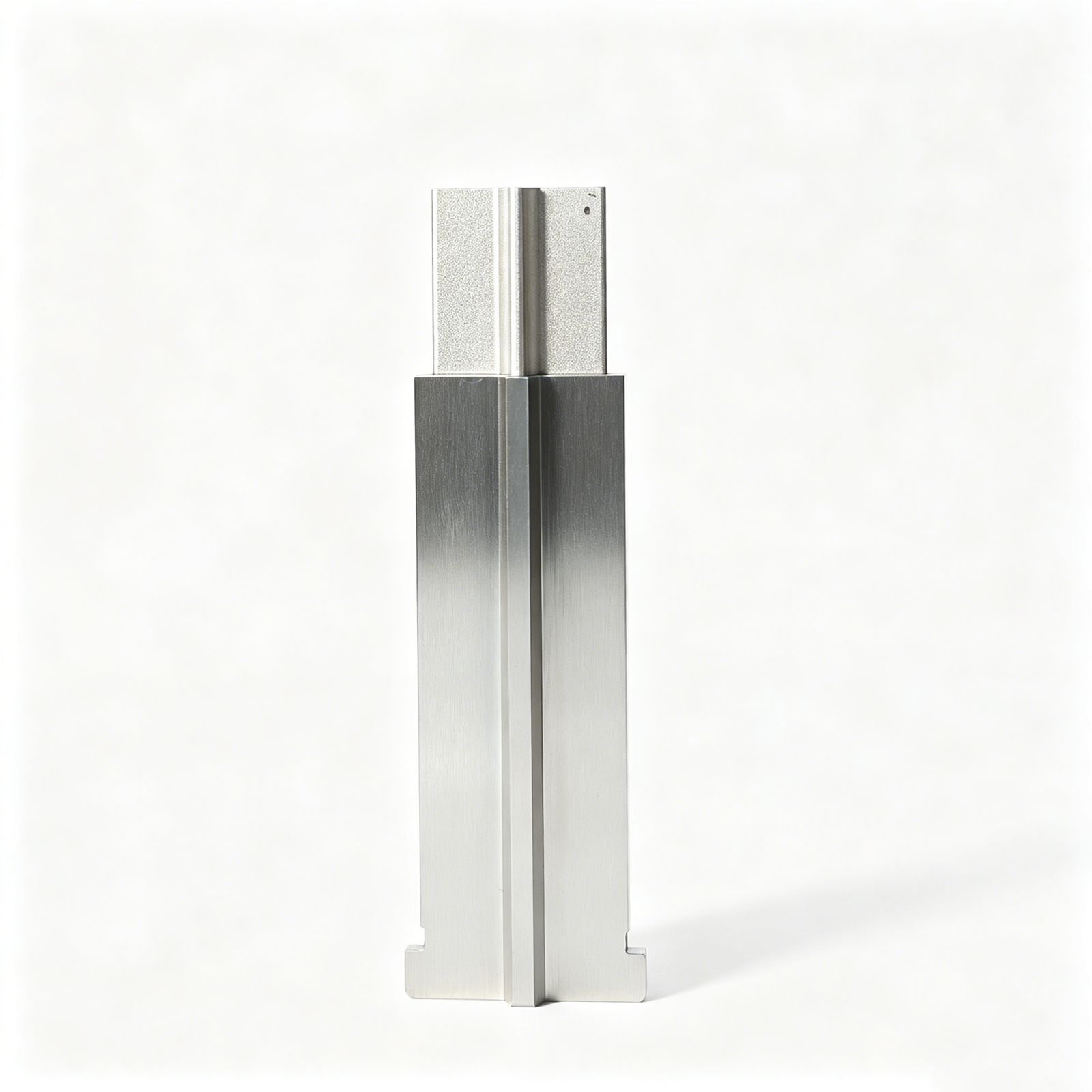
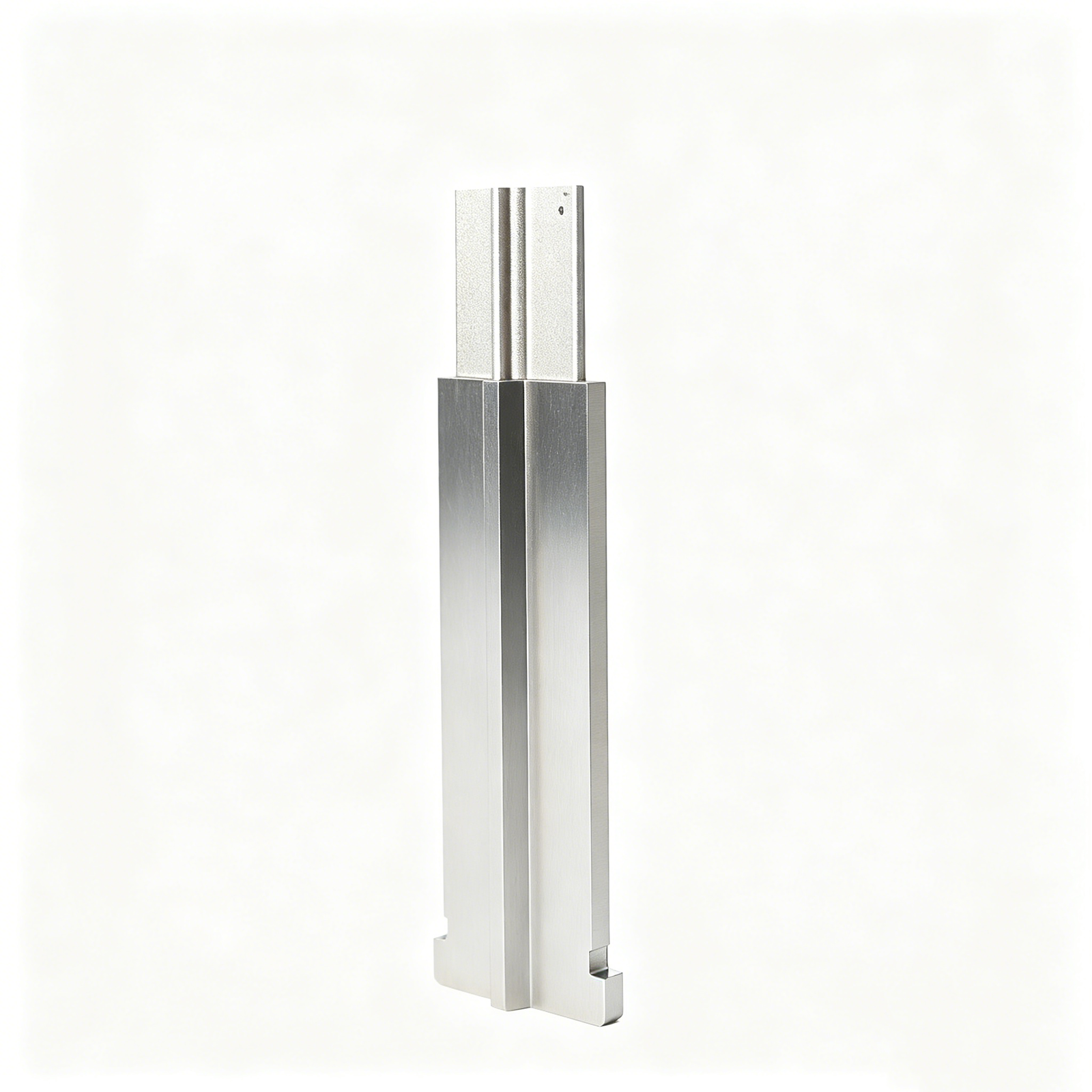
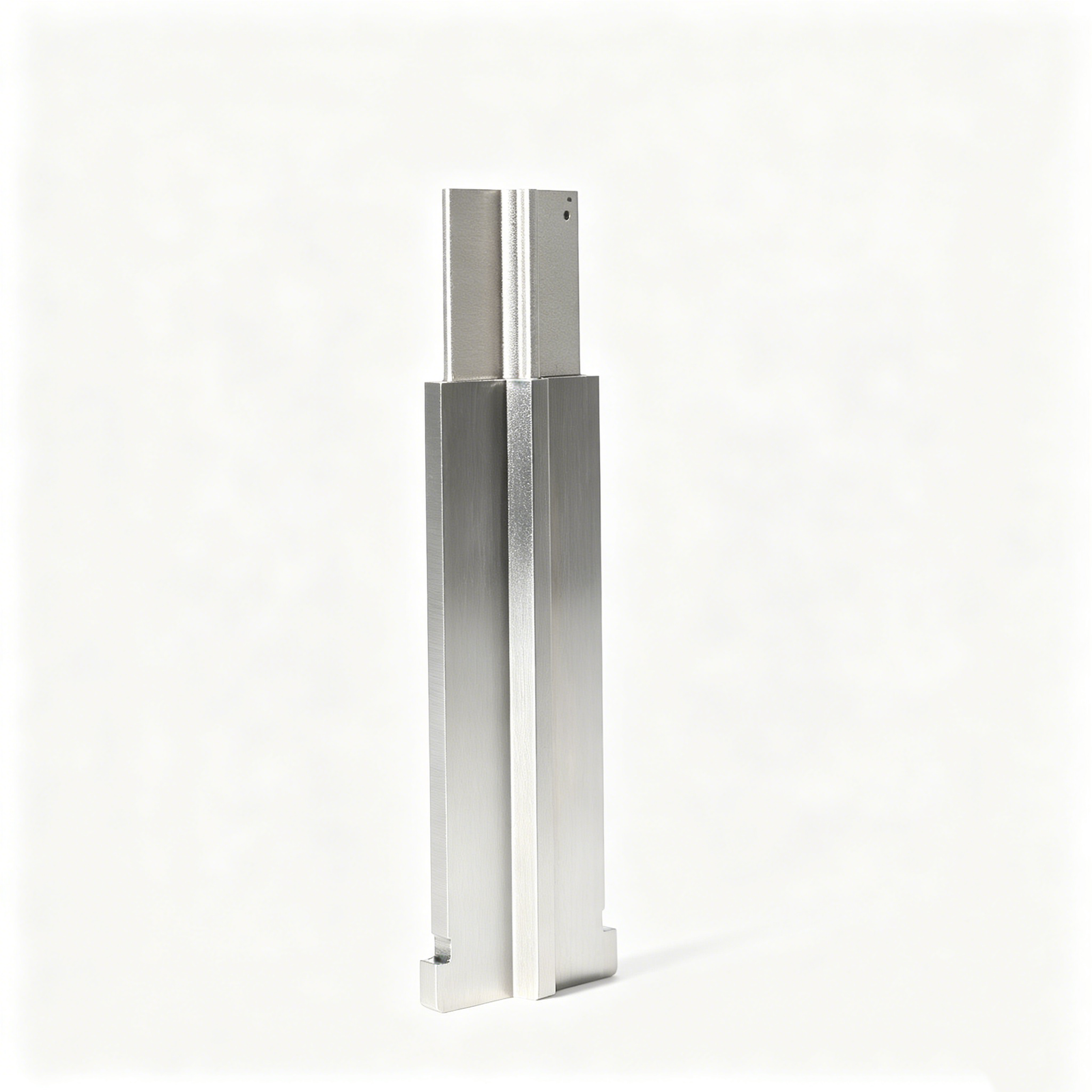
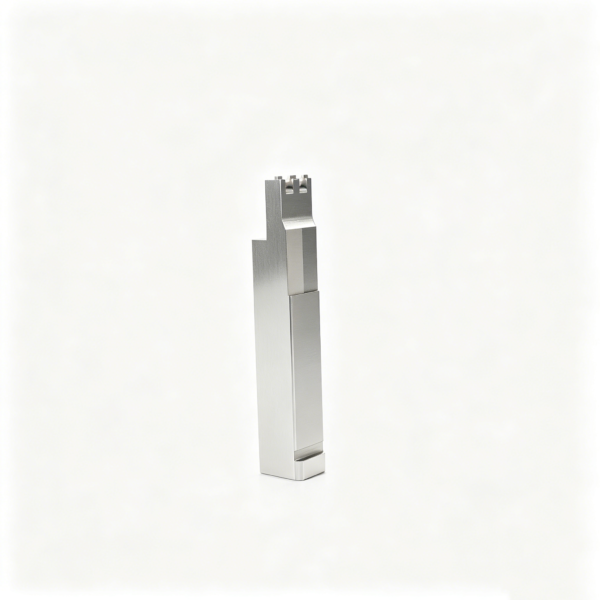
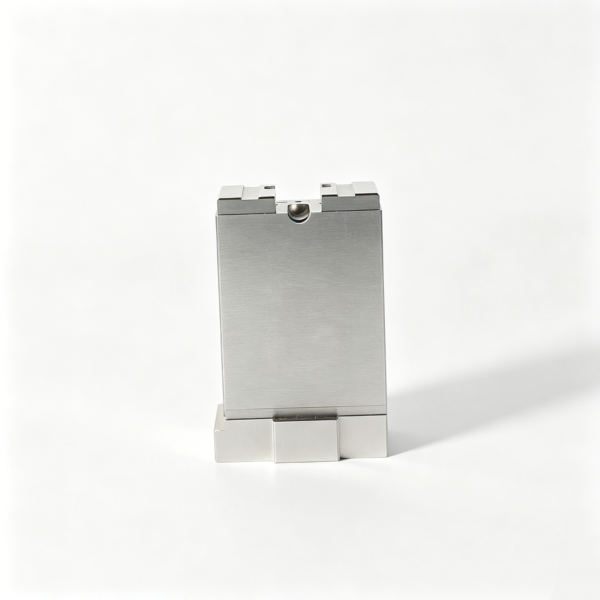
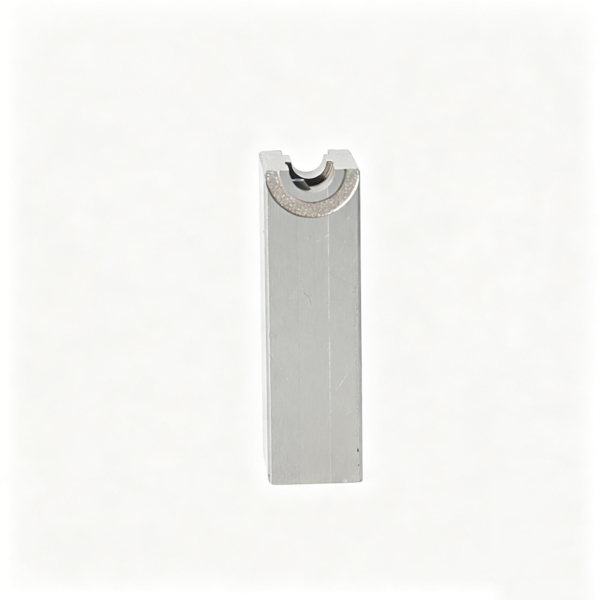
Precision Mold Components for Automotive Connectors – Fine-Pitch Terminal Cavities & Core Pins
Brand Xuxiang Mold
Availability Made to drawing
RFQ pricing
Quote from STEP / PDF & quantity
Engineer cleaner fills, sharper edges, and repeatable dimensions in every shot with these precision mold components for automotive connectors. Designed for tight-pitch terminal layouts and complex connector geometries, they help you stabilize parting lines and minimize flash on high-cavity tools. Optimized core pins, sleeves, and inserts support consistent insulation distances and robust latch features even on miniature housings. Built for demanding automotive-grade production environments, they help you reduce downtime, scrap rates, and tooling adjustments over the full life of your connector programs.
- ISO 9001:2015–oriented process & documented inspection paths
- Zeiss / Nikon class metrology available for critical dimensions
- DFM feedback from 10+ senior tooling engineers
- Dongguan HQ + Quanzhou capacity for volume programs
Fine-Pitch Precision Mold Components for Automotive Connector Tooling
Automotive electrical connectors are becoming smaller, more complex, and more densely packed, which puts extreme demands on the injection molds that produce them.[1][9] To keep up with these requirements, moldmakers and Tier suppliers need mold components engineered specifically for high-density terminal layouts, thin walls, and demanding automotive standards. These precision mold components for automotive connectors are designed to help you achieve stable dimensional accuracy, clean terminal cavities, and long mold life in high-volume production.
The component range typically includes core pins, inserts, sleeves, cavity blocks, and related precision parts used in the connector mold’s core and cavity side.[1][4] Each element is manufactured with tight tolerances and high surface quality to support smooth plastic flow, reliable demolding, and precise fit with mating metal terminals. Whether you are building a new connector family or refurbishing an existing tool, these components provide a solid foundation for consistent, automotive-grade output.
Key Features & Performance Benefits
These fine-pitch mold components are developed around the realities of modern automotive connector design and molding.
- Fine-pitch cavity definition – Slim, rigid core pins and insert geometries support densely packed terminals, helping maintain correct center distances and consistent insertion forces.
- High dimensional stability – Precision grinding and controlled heat treatment aim to deliver predictable tolerances so that connector housings fit reliably with seals, terminals, and mating plugs or headers.[6][8]
- Support for complex connector shapes – Components are suitable for multi-row connectors, angled exits, keying features, latch windows, and locking ramps common in vehicle harness connectors.[4][9]
- Surface finish optimized for plastic flow – Smooth, polished working surfaces help reduce flow marks and jetting, aiding in uniform filling of thin-wall connector housings and clips.[7][10]
- Durability in high-cavity, high-cycling molds – Material choices and surface treatments are geared toward wear resistance, especially where glass-filled or flame-retardant materials are used.[4][11]
- Improved process window – Consistent component geometry supports repeatable molding conditions, reducing the frequency of in-press adjustments and improving overall equipment effectiveness.
By combining stable mechanical performance with fine-pitch design capability, these mold components help balance productivity with the strict dimensional requirements of modern automotive electrical systems.
Specifications & Typical Construction
Because connector designs vary widely between OEMs, platforms, and regions, these precision mold components are usually configured to match your specific connector geometry, resin choice, and production targets.[1][4][12] Rather than fixed catalog sizes, the focus is on supporting your mold design with practical, high-precision solutions.
| Attribute | Description |
|---|---|
| Product type | Precision mold components set for automotive connector injection molds (core pins, inserts, sleeves, cavity elements) |
| Target application | Automotive electrical connector housings and related plastic components (plug, receptacle, header, and terminal-block styles)[1][9] |
| Supported connector layouts | Fine-pitch, multi-row, high-pin-count, and miniaturized connector designs used in modern vehicle harnesses and modules[2][11] |
| Typical materials | Automotive-grade mold steels and alloys selected for wear resistance, polishability, and dimensional stability under thermal cycling[4][13] |
| Manufacturing processes | Precision machining and grinding, with optional EDM and surface treatments as required for complex connector geometries[3][6][8] |
| Tolerance capability | Designed for fine tolerances suitable for automotive connectors; actual tolerances defined by project drawings and process capability.[6][8] |
| Compatible molding resins | Common connector plastics such as glass-filled engineering thermoplastics and high-temperature grades appropriate for under‑hood or ECU connectors[7][11] |
| Mold types | High-cavity, multi-parting-line, and hot-runner connector molds with complex demolding and ejection systems[4][10] |
| Customization options | Geometry adapted to customer connector drawings, resin shrinkage, gate locations, and demolding strategy[1][4][12] |
| Typical users | Automotive connector manufacturers, wiring harness suppliers, and precision mold shops serving the automotive electronics sector[9][11][14] |
Use Cases & Ideal Users
These precision mold components are intended for teams whose success depends on reliable, repeatable connector production.
- Automotive connector manufacturers producing plug and receptacle housings for OEM and aftermarket harnesses, where terminal alignment and latch integrity are critical for vehicle safety and diagnostics.[9][11]
- Tier 1 and Tier 2 suppliers responsible for high-volume production of ECU connectors, sensor interfaces, and power distribution modules, who must meet strict dimensional and electrical clearance requirements.
- Custom mold builders developing new connector tooling for platform launches or redesigns, seeking reliable core and cavity elements that shorten sampling time and help hit SOP schedules.[4][10][15]
- Tooling engineers and process technicians tasked with reducing scrap and downtime on existing connector molds by upgrading wear components and improving fine-pitch performance.
Typical applications include interior harness connectors, under‑hood and engine-bay connectors, high-vibration sensor plugs, battery or power-train connectors, and compact connectors for ADAS or infotainment systems.[9][11]
Care, Maintenance & Buying Guidance
Because automotive connector molds often run at high cycle counts and use abrasive or high-temperature materials, correct component selection and maintenance are critical.[4][11]
- Match components to resin and environment – When specifying components, consider whether connectors will be used in interior, chassis, or under‑hood environments, as this influences resin selection and wear expectations for mold steel.[4][11]
- Plan for service and replacement – For high-cavity tools, plan spare sets of critical pins and inserts to minimize downtime when individual components reach wear limits.
- Observe connector mold best practices – Work closely with your mold designer to coordinate gate design, cooling, and demolding systems so that core pins and inserts operate within safe mechanical limits.[4][7]
- Regular inspection and cleaning – Include fine-pin inspection in your preventive maintenance schedule, and use compatible cleaning methods to prevent surface damage or corrosion that could affect connector fit or insulation distances.[4]
- Use trial data to refine specifications – Early sampling of new connector tools provides valuable information on wear patterns and dimensional trends; use this feedback to fine-tune future component orders for improved life and stability.
By combining correctly specified mold components with disciplined mold maintenance, you can sustain the high dimensional precision required for automotive connectors over long production runs and across multiple programs.
FAQ
Are these mold components compatible with my existing automotive connector mold?
In most cases, components can be engineered to match your existing mold layout as long as detailed drawings and connector specifications are available. Custom dimensions and fits are typically used to integrate with current core blocks, cavity plates, and ejector systems.
What types of automotive connectors are these components suitable for?
They are suitable for a wide range of connector families, including multi-pin plug and receptacle housings, sensor connectors, header-style connectors on ECUs, and compact interior connectors. The key requirement is a defined connector drawing so that core and cavity geometry can be matched.
How do I know if these components support my resin and operating temperature?
When requesting components, share your resin data sheet and target molding conditions. This information helps confirm that material hardness, surface treatment, and cooling considerations are aligned with high-temperature or glass-filled connector materials.
What information is needed to order precision mold components for a new connector?
Provide the connector 3D model and 2D drawings, mold layout or concept, expected annual volume, target cavitation, and the plastic material you intend to use. This allows component dimensions and tolerances to be specified to match your design and production targets.
How should I maintain fine-pitch core pins and inserts over long production runs?
Implement a preventive maintenance schedule with regular inspections for wear, bending, or surface damage on fine pins and small features. Clean surfaces with approved agents, avoid abrasive tools, and replace components once wear begins to affect connector fit or flash levels.
Do these components help reduce flash and warpage on connector parts?
High-precision fit between cores, cavities, and parting surfaces can help limit flash and support better dimensional stability. Combined with optimized gating, cooling, and process settings, precise components support a wider and more stable process window.
What is the typical lead time for custom automotive connector mold components?
Lead time depends on complexity, quantity, and the level of customization required. Simple replacement pins and inserts can often be delivered more quickly than fully customized cavity blocks. Share your project timeline early to align component delivery with mold build milestones.
Can I order spare sets to minimize downtime?
Yes, it is common to order spare sets of critical wear components such as fine core pins, sleeves, and small inserts. Planning spares based on expected production volume and material abrasiveness can significantly reduce unplanned stoppages.
What is the return or warranty policy for these precision components?
Warranty terms typically cover manufacturing defects in material and workmanship within an agreed period. For project-specific details, review the commercial terms at the time of order and confirm procedures for inspection, claims, or replacement if quality issues arise.
Related products
Same drawing, predictable results—next batch
Share revision, quantity ramp, and inspection level. We quote process route, ship date, and documentation in one structured response.