
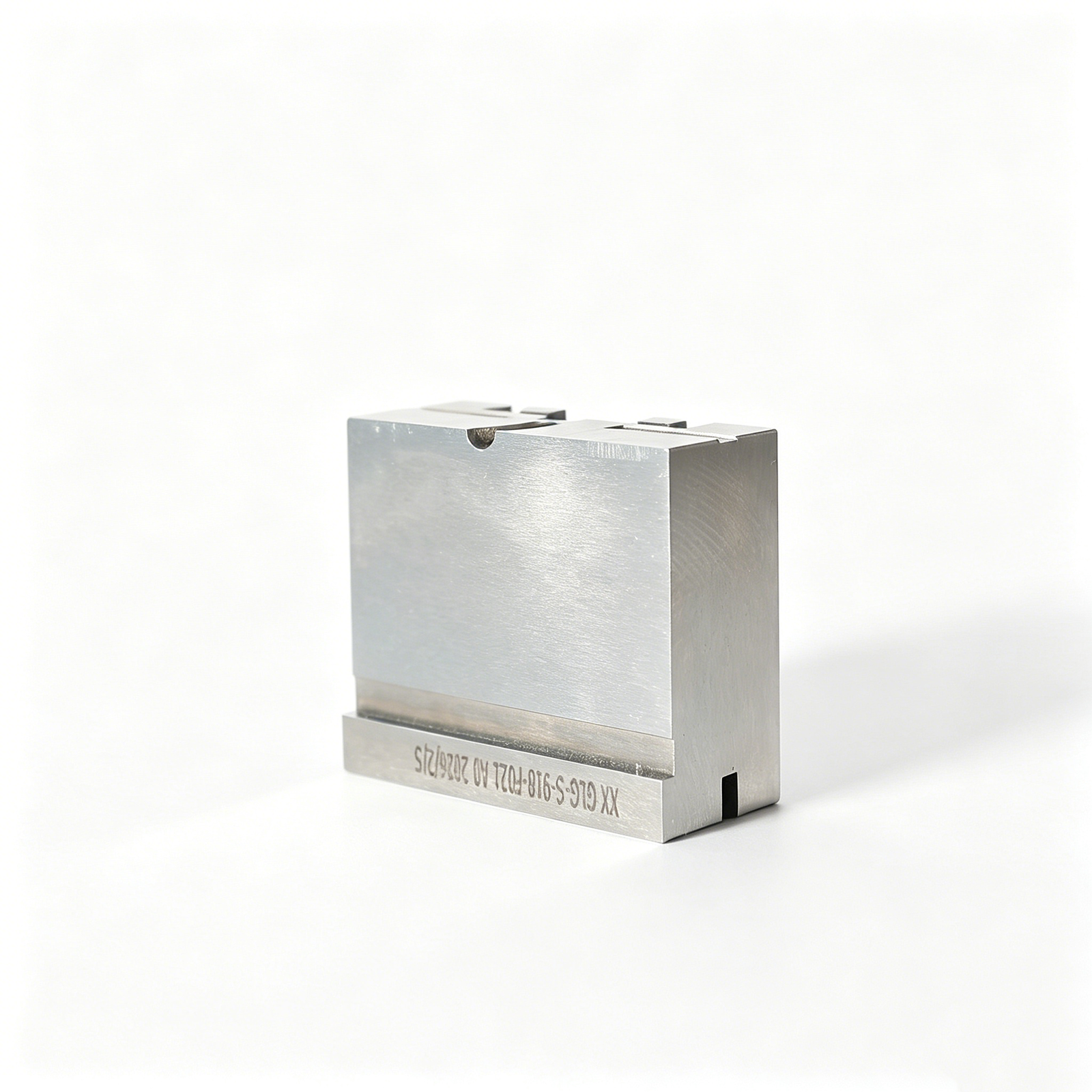
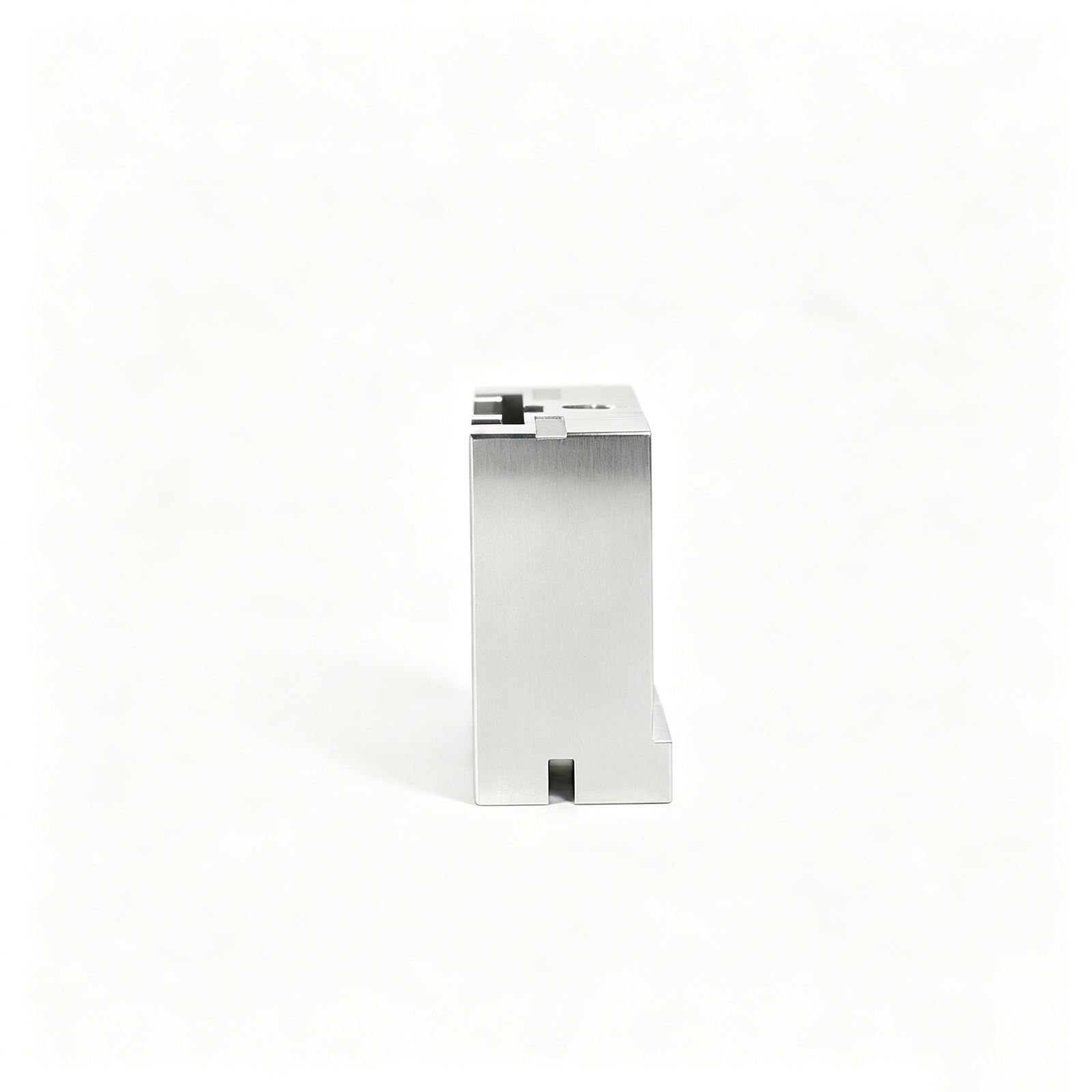
Plastic film parts · Precision mold insert
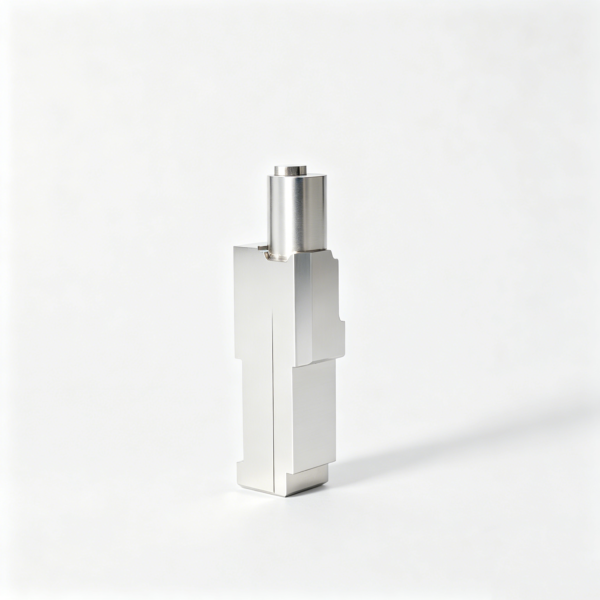
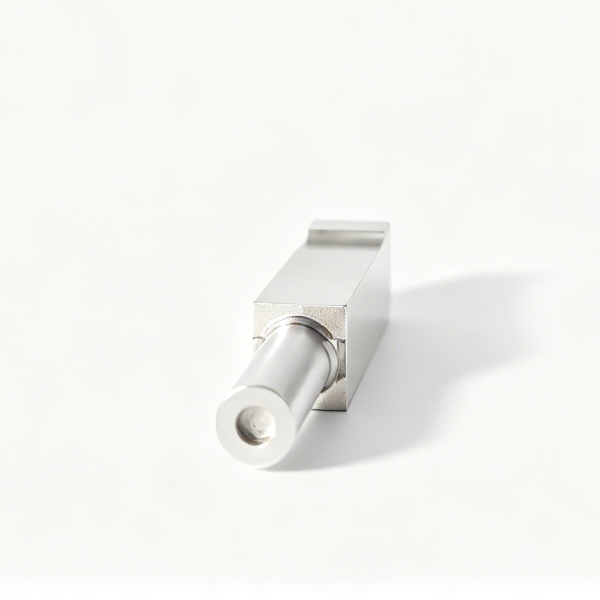
Precision Mold Components for Automotive Connectors – Plug Housing & Terminal Block Tooling Set
Brand Xuxiang Mold
Availability Made to drawing
RFQ pricing
Quote from STEP / PDF & quantity
Boost the stability and repeatability of your connector molding with this precision mold components for automotive connectors set engineered for modern plug housings and terminal blocks. Each core, cavity and insert is machined for clean parting lines, reliable pin positioning and consistent insulation thickness. Robust tool steels and carefully finished surfaces help extend maintenance intervals in demanding, high‑cavity tools. Ideal for automotive suppliers looking to stabilize dimensional quality, reduce scrap and keep connector programs running on time.
- ISO 9001:2015–oriented process & documented inspection paths
- Zeiss / Nikon class metrology available for critical dimensions
- DFM feedback from 10+ senior tooling engineers
- Dongguan HQ + Quanzhou capacity for volume programs
High‑Stability Tooling for Automotive Connector Plug Housings
Automotive electrical connectors demand exceptionally accurate plastic housings and terminal blocks so that seals, terminals and locking features align perfectly in the vehicle harness. Precision mold components for automotive connectors are the core building blocks inside your injection tools that shape these critical features. They typically include core pins, cavity inserts, sleeves, gate inserts and ejector elements configured around the specific connector family you produce.[1][4][9]
This plug housing & terminal block tooling set is designed for manufacturers who need dependable dimensional repeatability across large production runs. The components support tight tolerance molding in high‑temperature engineering plastics used for under‑hood, in‑cabin and powertrain connector applications.[4][11] By combining carefully selected tool steels with optimized surface finishing, the set helps mitigate wear, galling and flash in high‑cavity tools and automatic production environments.[2][5][8]
Key Features & Production Benefits
Instead of treating connector tooling as generic inserts, this set focuses on the specific mechanical and functional requirements of automotive plug housings and terminal blocks.
- Connector‑specific geometry – Mold cores and cavities are engineered to support thin walls, locking lances, polarization keys and latch details that are typical in automotive plug housings.[4][7][9]
- Stable pin and terminal slot definition – Precision‑ground core pins help keep contact chambers aligned, reducing insertion force variation and preventing terminal damage during assembly.[6][8]
- Dimensional accuracy for mating performance – High accuracy cavity inserts support consistent pitch and profile, helping connectors mate smoothly with complementary parts and retain sealing integrity.[3][9][11]
- Wear‑resistant materials – Automotive‑grade mold steels and hardened components are selected for abrasion resistance when molding glass‑reinforced or high‑temperature polymers common in engine bay connectors.[2][5][14]
- Reduced downtime for maintenance – Polished molding surfaces and optimized radii help minimize build‑up, easing cleaning and extending intervals between preventive maintenance cycles.[4][10]
- Support for multi‑cavity tools – Consistent machining practices and matched sets of inserts help maintain cavity‑to‑cavity balance in large connector family molds.[1][8]
Specifications & Construction Details
The table below summarizes typical characteristics of this mold component set for automotive connector plug housings and terminal blocks. Exact configuration is tailored to your connector design, tooling concept and molding equipment.
| Attribute | Description |
|---|---|
| Application focus | Plastic plug housings and terminal blocks for automotive electrical connectors and wire harness systems |
| Typical component types | Core inserts, cavity blocks, core pins, sleeves, gate inserts, ejector pins and associated support blocks |
| Material selection | Automotive‑grade tool steels and stainless steels chosen for wear resistance, toughness and corrosion resistance in production molding environments[2][4][5] |
| Machining accuracy | Fine machining and grinding practices used to support tight connector tolerances and consistent cavity dimensions[3][6][8] |
| Surface finish | Polished molding surfaces in critical seal and contact areas to improve part appearance and ease of demolding[4][10] |
| Compatible plastics | Designed for engineering thermoplastics commonly used in connectors, including high‑temperature and glass‑reinforced grades[7][11] |
| Mold types | Suitable for high‑cavity, multi‑row connector molds with hot runner or cold runner systems, depending on project needs[4][9] |
| Design customization | Component geometry can be adapted for specific connector families, locking systems, sealing arrangements and terminal layouts[1][4][12] |
| Target production environment | High‑volume automotive connector molding cells emphasizing consistent cycle time, low scrap and stable quality[9][11][15] |
| Quality focus | Emphasis on dimensional stability, repeatable fit with mating halves and reliable performance throughout mold life[1][5][14] |
Use Cases & Ideal Users
This precision mold component set is ideal for organizations that treat connector tooling as a strategic asset for long‑term automotive programs.
- Tier‑1 and Tier‑2 harness suppliers – Companies supplying complete wiring harnesses or sub‑harnesses can use these components to stabilize connector housing quality across regional plants.
- Specialized connector manufacturers – Producers of custom plug housings for sensors, lighting, ADAS devices and infotainment modules can configure inserts for small‑pitch and multi‑row layouts.[9][11]
- Tool shops and mold makers – Mold builders can integrate this component set into new automotive connector tools, shortening development time and easing future insert changes.[1][2][14]
- Engineering teams updating platforms – When platforms shift to new electronics packages, these components help translate revised connector specifications into predictable tooling performance.[4][15]
Typical applications include interior connectors hidden behind instrument panels, high‑temperature plugs in engine compartments, battery connection systems and sensor interface housings. Wherever mating reliability and sealing performance depend on accurate plastic geometry, high‑quality mold components are a direct contributor to the end product’s reliability.[9][11]
Care, Maintenance & Buying Guidance
To get the longest service life from your precision mold components, consistent maintenance and deliberate purchasing practices are essential.
- Routine cleaning – Clean molding surfaces regularly to remove deposits from additives and glass fibers, preventing abrasion and surface defects on critical connector features.[4]
- Lubrication of moving elements – Apply suitable high‑temperature lubricants to moving pins and slides as recommended by your mold maintenance procedures to avoid galling and seizure.[4][10]
- Dimensional checks – Periodic inspection of core pins, terminal chambers and critical seal surfaces helps detect wear before it impacts connector fit or electrical performance.[6][8]
- Spare sets for key programs – For high‑volume production, keeping spare inserts and pins for high‑wear areas reduces downtime during changeovers or scheduled refurbishment.
- Collaboration with design engineers – Involving connector and tool designers early helps ensure that the mold components align with connector specifications, including creepage/clearance, locking forces and environmental sealing needs.[4][7]
When selecting a supplier, consider their experience in automotive connector projects, ability to support design iterations, and traceability for materials and processes. These factors are especially important when your housings are used in safety‑critical or high‑reliability systems such as airbags, ABS, powertrain control units and EV battery management modules.[9][11][15]
FAQ
Are these mold components compatible with my existing connector molds?
In most cases, the components are tailored to your connector design and mold base, so they can be integrated into new tools or used as replacement inserts in existing molds with appropriate engineering review. Share 3D data and current tool layouts so compatibility can be confirmed before ordering.[1][4]
What types of automotive connectors are these components best suited for?
The tooling set is particularly suitable for plastic plug housings and terminal blocks used in wire harnesses, ECU interfaces, sensor connectors, lighting connectors and other low‑ to medium‑power signal and power interfaces in vehicles.[9][11]
Can the components handle high‑temperature, glass‑filled engineering plastics?
Yes. Materials and surface treatments are selected with high‑temperature and glass‑reinforced connector resins in mind, emphasizing wear resistance and dimensional stability in demanding applications.[2][5][11]
How should I maintain the molding surfaces to protect connector quality?
Follow a regular schedule of cleaning, visual inspection and light polishing with suitable compounds to remove build‑up without altering critical dimensions. Avoid aggressive abrasives that could affect terminal chamber size, sealing surfaces or latch features.[4][10]
What information do I need to provide when ordering customized components?
Provide connector drawings or 3D models, target material and molding conditions, expected annual volume, mold layout details and any special requirements such as IP rating, creepage and clearance distances or specific OEM standards. This allows the component design to be tuned to your application.[4][9]
Do these precision mold components come with any form of warranty?
Warranty conditions vary by supplier, but typically cover defects in materials and workmanship for a defined period or cycle count under normal operating conditions. Confirm specific terms, including coverage for wear items, before finalizing your purchase.
How long does shipping usually take for customized connector mold components?
Lead times depend on design complexity, quantity and current production loading. Standard configurations may ship faster, while fully customized sets require additional engineering and machining time. Your supplier will provide an estimated schedule at quotation stage, including production and transit time.
Can these components support design changes or connector upgrades in the future?
Yes. By using modular inserts and standardized interfaces where possible, the mold can often be adapted for connector revisions, additional cavities or minor geometry updates without replacing the entire tool, helping reduce long‑term capital expenditure.[1][4]
What return policy applies if the components do not meet my specifications?
Most professional suppliers handle non‑conformances through corrective action, which may include rework, replacement or credit, depending on the situation. Review acceptance criteria, inspection methods and return procedures in the quotation and purchase agreement to ensure expectations are clear.
Related products
Same drawing, predictable results—next batch
Share revision, quantity ramp, and inspection level. We quote process route, ship date, and documentation in one structured response.