
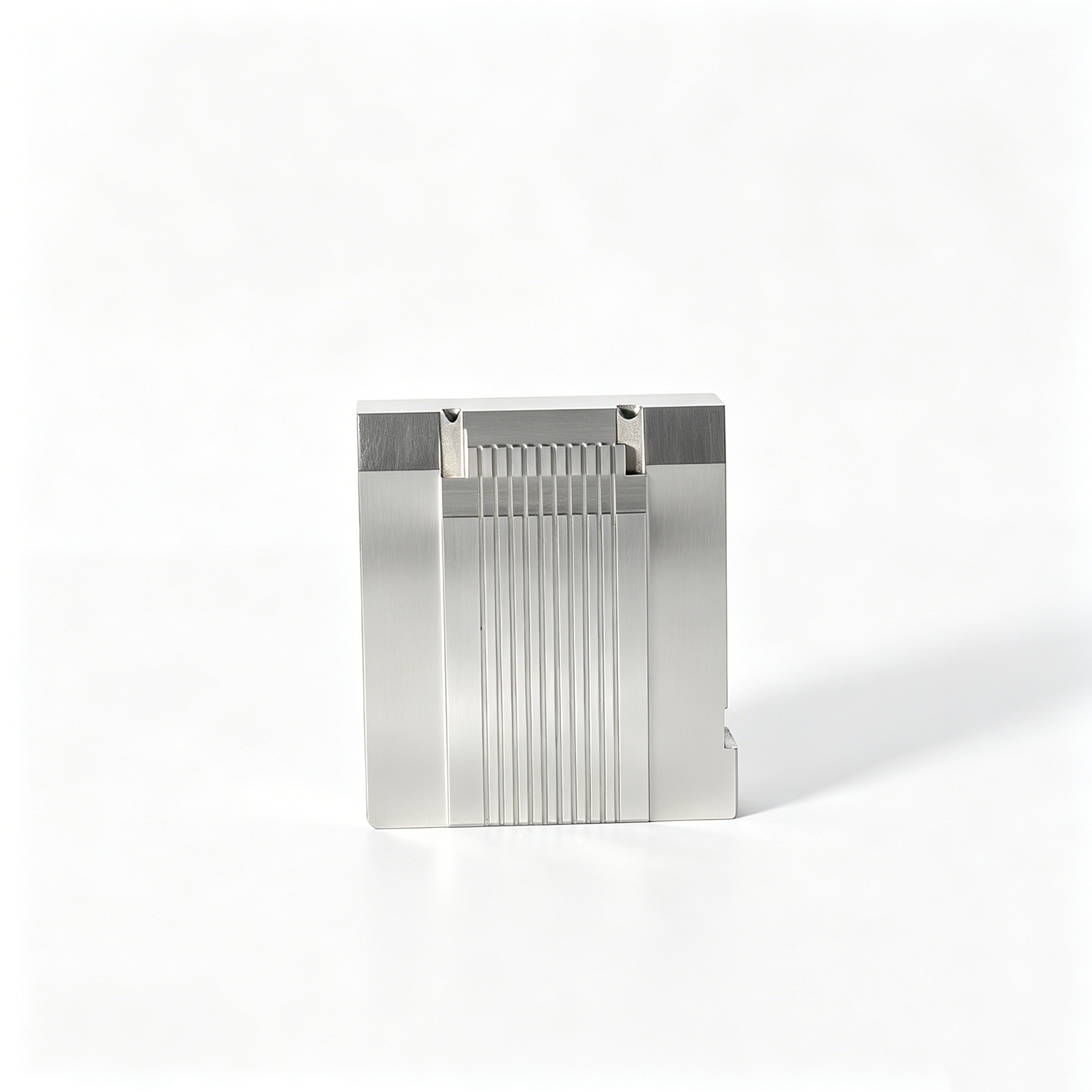
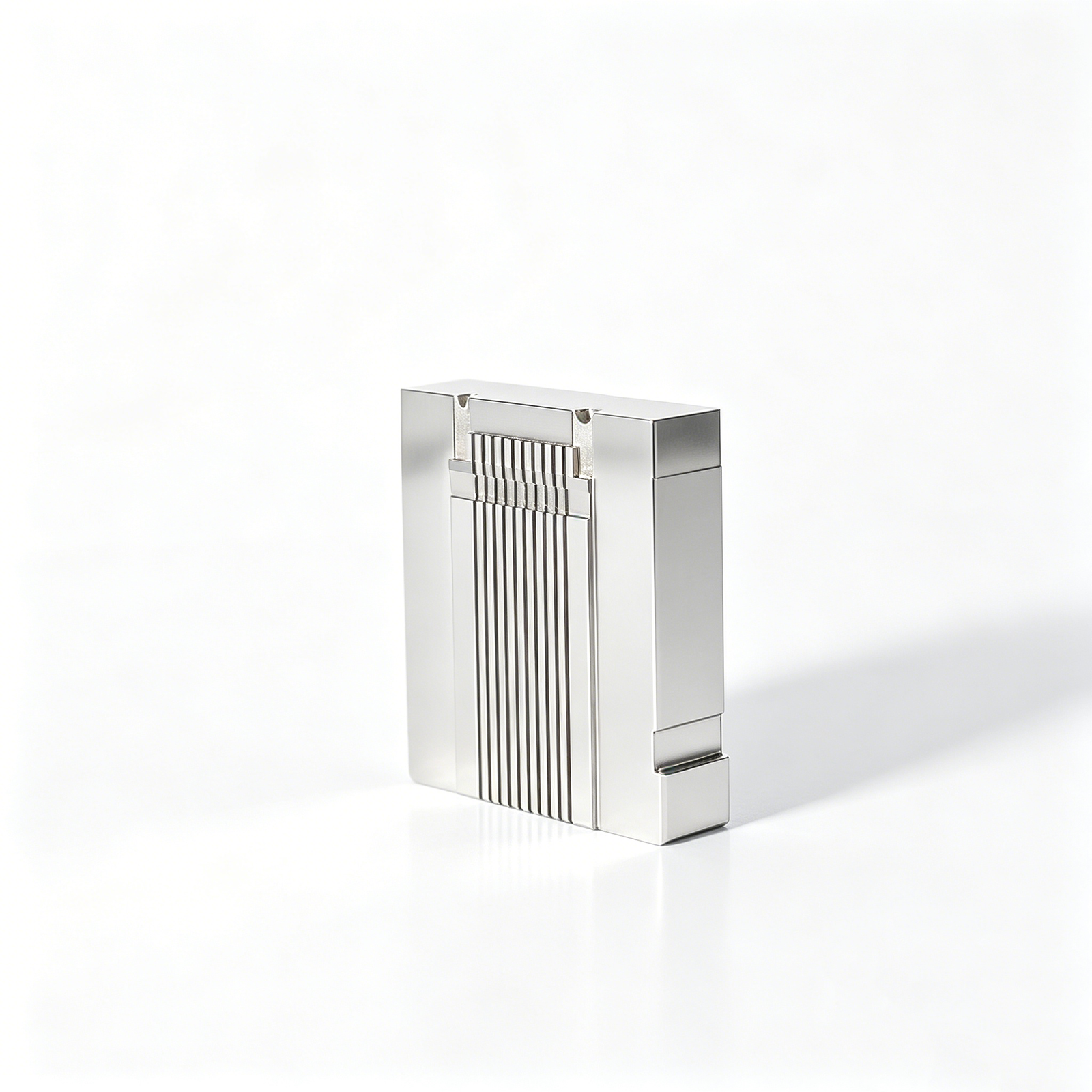
Plastic film parts · Precision mold insert
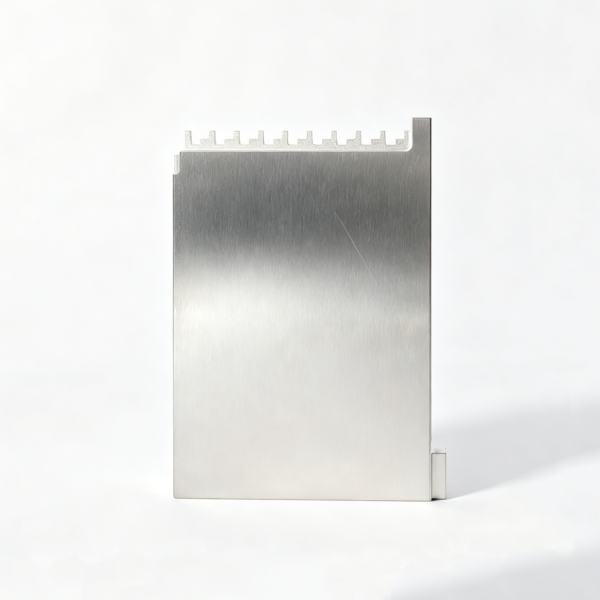
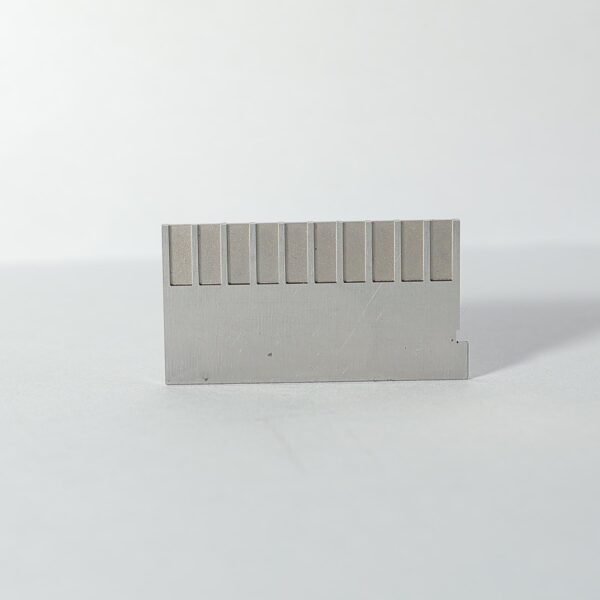
Automotive Connector Precision Mold Components for High-Accuracy Tooling Precision mold components for automotive connectors
Brand Xuxiang Mold
Availability Made to drawing
RFQ pricing
Quote from STEP / PDF & quantity
Built for demanding connector production, Precision mold components for automotive connectors help keep every cavity, pin, and insert aligned for consistent part quality. They are designed to support clean ejection, stable molding cycles, and repeatable fit in automotive electrical applications. For manufacturers chasing tighter tolerances and fewer assembly issues, these components help reduce drift during long runs while supporting dependable output. The result is tooling that is easier to maintain and better suited to high-volume connector manufacturing.
- ISO 9001:2015–oriented process & documented inspection paths
- Zeiss / Nikon class metrology available for critical dimensions
- DFM feedback from 10+ senior tooling engineers
- Dongguan HQ + Quanzhou capacity for volume programs
Purpose-Built Mold Hardware for Automotive Connector Production
Precision mold components for automotive connectors are specialized tooling parts used to manufacture plastic connector housings, terminal interfaces, and related electrical connection features. In automotive programs, connector geometry must remain consistent so the finished parts mate correctly with terminals, seals, and wiring systems. These components are engineered to support that consistency by helping the mold hold shape, manage ejection, and preserve detail through repeated production cycles.
Unlike generic mold parts, connector-focused components are selected with high-accuracy molding in mind. Automotive connectors often involve small features, tight fitting surfaces, and repeated assembly demands, so even minor tooling variation can affect final fit or performance. Precision inserts, cores, sleeves, and cavity-related elements are commonly used to help maintain stable dimensions and improve process control during injection molding. Industry sources note that automotive connector mold parts are precision components made specifically for manufacturing automotive electrical connectors, and that connector molds rely on high dimensional accuracy to ensure proper fit with terminals and wiring systems.[1][8]
Why These Components Matter
Connector production is sensitive to shrinkage, warpage, draft design, and flow behavior. Tooling that is too soft, poorly aligned, or difficult to maintain can lead to flash, inconsistent dimensions, or ejection problems. Precision mold components help address those risks by supporting a more controlled cavity environment and a cleaner release from the tool. Guidance on molded connectors emphasizes dimensional accuracy, wall-thickness control, draft angles, and material selection as key factors in achieving reliable parts.[6][8]
For buyers, that translates into practical manufacturing benefits:
- Better repeatability across long production runs
- Improved fit for mating connector and terminal parts
- Cleaner ejection and fewer tooling interruptions
- Reduced maintenance burden when wear-resistant materials and proper finishes are used
- More stable output in high-volume automotive programs
Because automotive connector projects often require custom tooling adaptation, suppliers frequently offer made-to-spec parts for connector molds, including high-precision inserts and cavity blocks.[2][3][11]
Typical Specifications and Selection Factors
The exact configuration depends on the connector family, mold design, and production target, so many buyers evaluate these components by function rather than by a single universal specification. The table below summarizes the most common selection points.
| Attribute | Typical Buyer Consideration |
|---|---|
| Application | Injection molds for automotive electrical connectors, housings, and related precision plastic parts |
| Component Types | Core inserts, cavity inserts, pin elements, sleeves, blocks, and custom mold detailing parts |
| Accuracy Focus | Tight dimensional control for consistent connector fit and repeatable molding |
| Wear Resistance | Important for long production cycles and frequent opening/closing of the mold |
| Surface Finish | Selected to support clean part release and minimize cosmetic defects |
| Compatibility | Matched to the mold base, connector geometry, and processing requirements |
| Customization | Often required for proprietary connector designs, layouts, or maintenance replacements |
| Quality Priority | Stable alignment, reliable ejection, and consistent cavity performance |
Where They Are Used
These components are a strong fit for suppliers and factories producing connectors used in vehicle electrical systems, including harness interfaces, sensor connectors, control units, and other compact plastic connector parts. They are also relevant for mold shops building replacement tooling, redesigning worn cavities, or upgrading older molds for better consistency. Automotive connector mold parts are commonly marketed for precision use in the automobile industry, reflecting the need for accuracy and stable production behavior.[4][11]
They are especially useful for:
- Automotive electrical connector housings
- Terminal-supporting plastic parts
- Multi-cavity connector molds
- Prototype-to-production tooling transitions
- Maintenance and refurbishment of existing molds
Buying and Maintenance Guidance
When selecting precision mold components, start by confirming the connector drawing, mating requirements, and expected production volume. If the mold will run high cycles, prioritize wear resistance, alignment stability, and ease of replacement. If the part has sensitive locking features or narrow walls, ask for tooling details that support controlled fill and clean release. Connector molding best practices emphasize working closely with mold designers, using suitable plastics, and validating fit through early prototypes.[6]
Maintenance is equally important. Clean components regularly, inspect for wear at parting lines and ejection points, and replace inserts before dimensional drift affects part quality. For buyers, a good sourcing process includes reviewing compatibility with the existing mold structure, confirming the needed level of customization, and checking how the supplier handles dimensional inspection or grinding tolerance requests. Precision connector parts are often offered with custom or high-precision machining support, making supplier communication a key part of getting the right fit.[5][7]
FAQ
How are these parts shipped?
Shipping is typically arranged based on order size, customization level, and destination. Standard items may ship faster, while custom precision components usually require inspection and secure packing before dispatch.
Will they fit my existing connector mold?
Fit depends on the mold design, connector geometry, and interface dimensions. Share drawings, samples, or replacement part measurements so compatibility can be confirmed before production.
Can these components be used for different connector styles?
They can be adapted to many automotive connector designs, but the exact size, profile, and mounting details must match the tool. Customization is common for proprietary or multi-cavity molds.
How should I maintain precision mold components?
Keep surfaces clean, inspect wear points regularly, and monitor ejection and alignment areas. Preventive maintenance helps preserve dimensional accuracy and reduce unplanned downtime.
Are custom sizes available?
Yes, custom machining is often required for automotive connector tooling. Buyers commonly request tailored cores, inserts, or cavity parts to match a specific mold or repair need.
What if the parts do not meet my requirements?
Check the supplier’s inspection process, tolerances, and return policy before ordering. For custom tooling, provide clear drawings and approval steps to reduce the risk of mismatch.
Do these components help improve production consistency?
Yes. Precision components are designed to support stable cavity performance, cleaner ejection, and repeatable part dimensions, which are all important in connector production.
Related products
Same drawing, predictable results—next batch
Share revision, quantity ramp, and inspection level. We quote process route, ship date, and documentation in one structured response.