
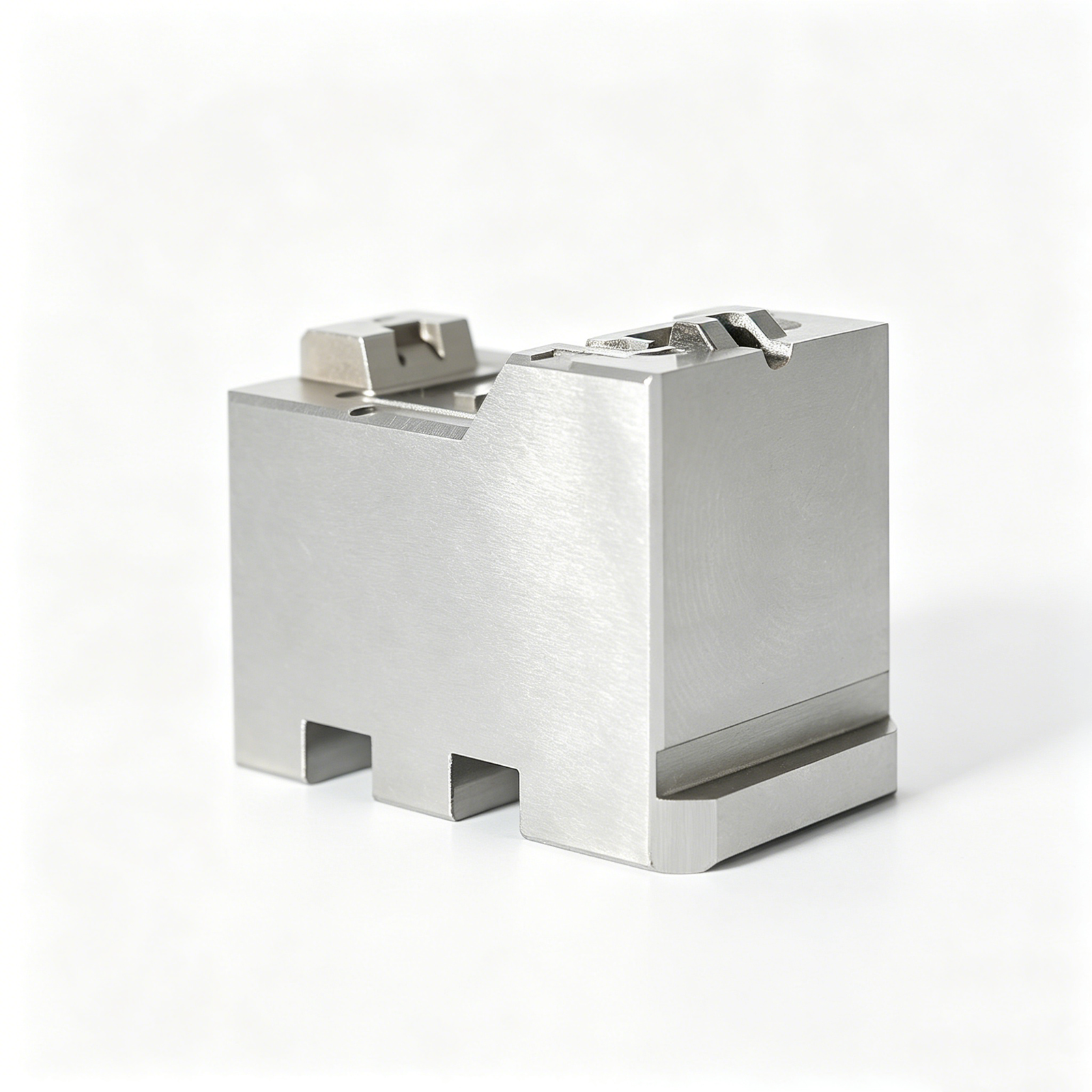
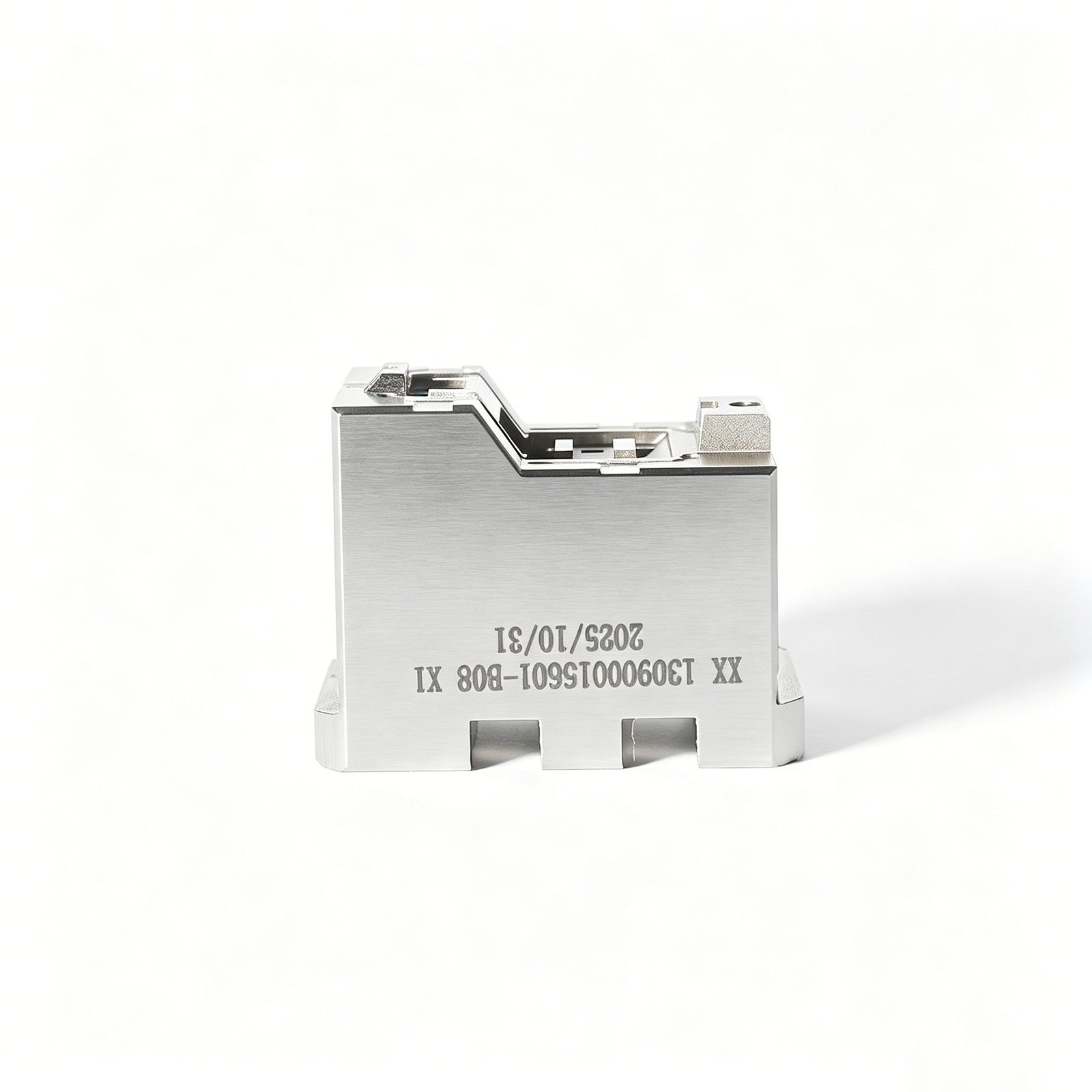
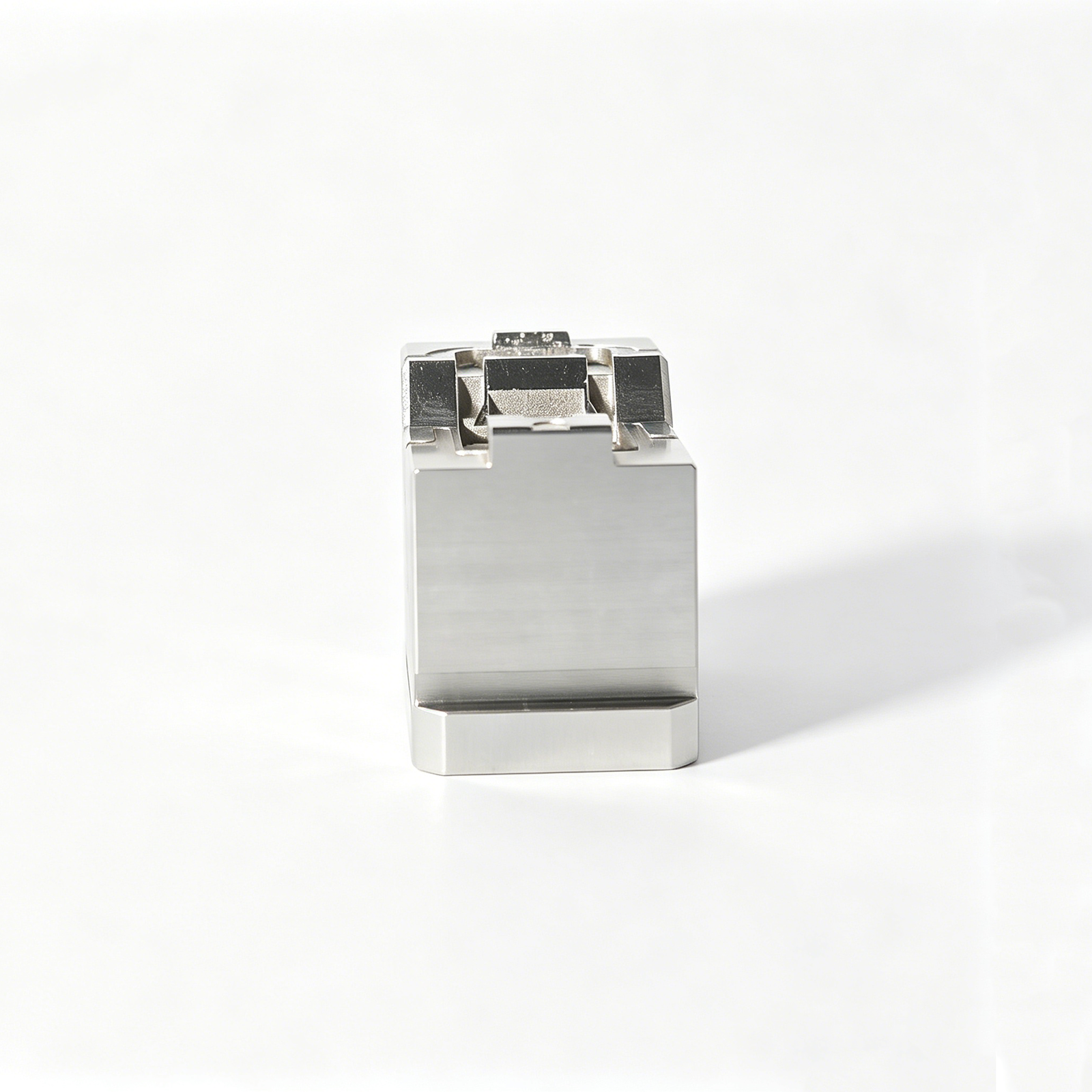
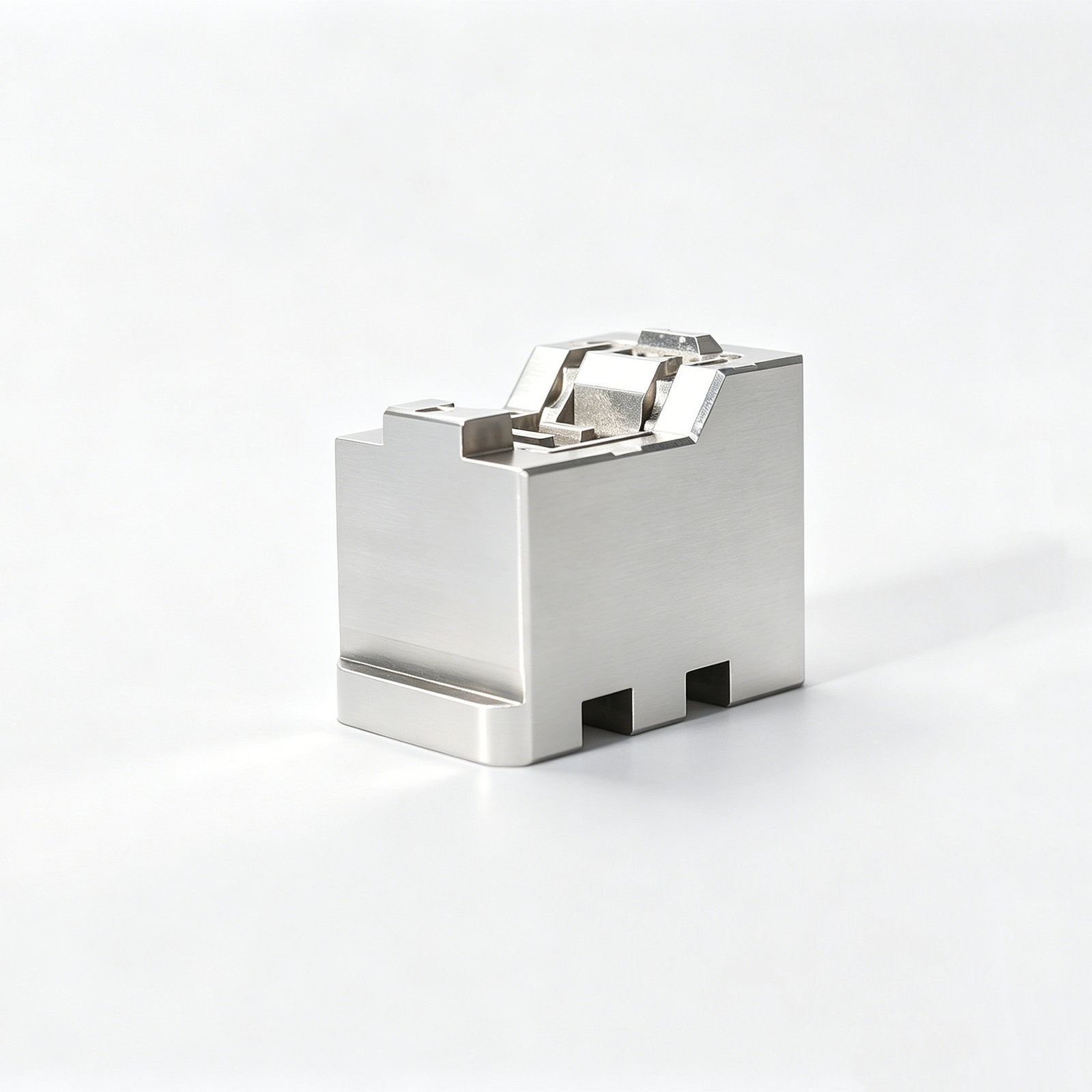
Plastic film parts · Precision mold insert
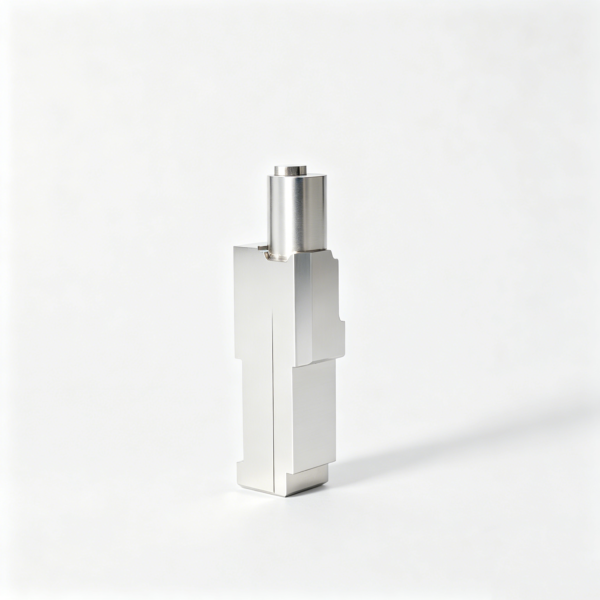
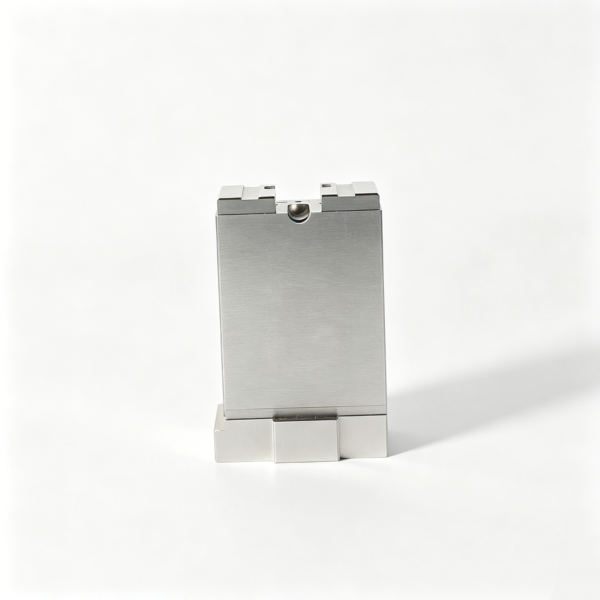
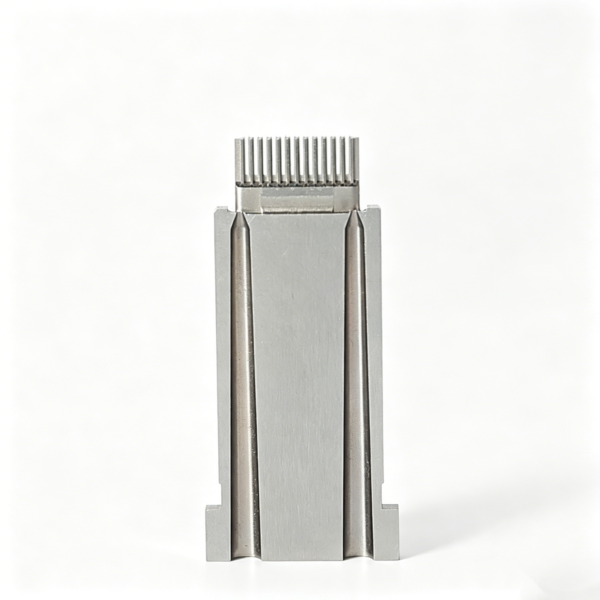
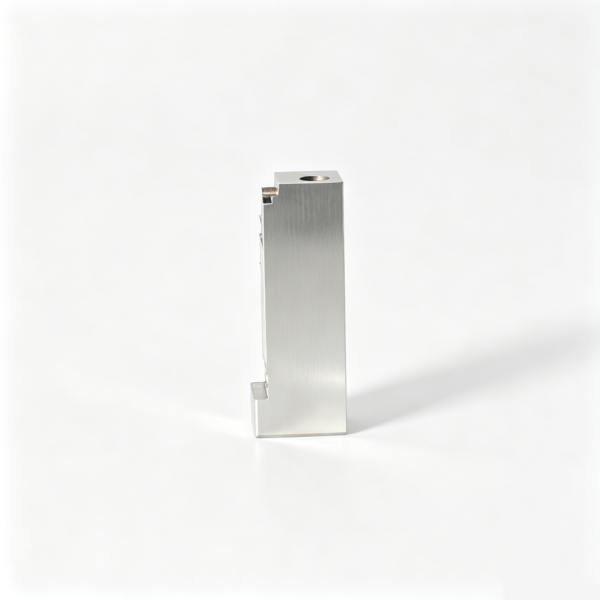
Automotive Connector Precision Mold Inserts & Core Components Precision mold components for automotive connectors
Brand Xuxiang Mold
Availability Made to drawing
RFQ pricing
Quote from STEP / PDF & quantity
Built for connector tooling that demands consistent fit, clean release, and stable long-run performance, this solution supports the small but critical details that shape reliable automotive parts. The Precision mold components for automotive connectors are designed to help you hold geometry, reduce rework, and keep production moving with fewer interruptions. Ideal for teams working on compact, high-density connector housings and related inserts, it offers a practical path to sharper cavity definition and repeatable molding results. Choose it when accuracy, durability, and process stability matter more than guesswork.
- ISO 9001:2015–oriented process & documented inspection paths
- Zeiss / Nikon class metrology available for critical dimensions
- DFM feedback from 10+ senior tooling engineers
- Dongguan HQ + Quanzhou capacity for volume programs
Precision tooling support for automotive connector production
Automotive connectors live in a demanding environment: limited space, tight mating interfaces, repeated assembly cycles, and strict expectations for dimensional consistency. That is why the tooling behind them must be just as precise as the final part. Precision mold components for automotive connectors are the engineered elements that form, locate, eject, and protect critical features inside the mold. In practice, they help manufacturers produce connector housings and related plastic parts with reliable repeatability, cleaner parting lines, and better control over wear during extended production runs.
These components are commonly used in molds for electrical connector bodies, terminal support structures, locking features, and small cavities where even slight variation can affect fit or function. Because connector designs often include fine ribs, narrow walls, and delicate retention details, the mold parts must maintain alignment and surface integrity while supporting stable injection cycles. For buyers, that means less downtime, fewer dimensional surprises, and a better chance of achieving consistent output across multiple cavities or repeated tool builds.
Key features and practical benefits
One of the main advantages of this category is its focus on repeatable precision. Instead of relying on general-purpose tooling, connector mold components are selected and finished to support exacting tolerances, smoother release, and reduced wear in high-use zones. That is especially valuable when the connector design includes small pins, slots, or snap-fit structures that are sensitive to mismatch or flash.
Another benefit is production stability. Automotive connector molding often runs at scale, so tool inserts, cores, and cavity-related parts need to withstand repeated thermal and mechanical stress. Well-matched precision components help preserve feature accuracy over time, which can reduce corrective maintenance and keep part quality more uniform from shift to shift. In many projects, this also supports faster troubleshooting because critical wear points are easier to inspect, replace, or refresh.
These components also support manufacturability. When the mold design is well executed, the tooling can improve flow balance, simplify demolding, and reduce the risk of cosmetic or functional defects. That is important for connector applications where a small defect can affect assembly, sealing, or terminal alignment. For engineering and purchasing teams alike, precision components are a straightforward way to improve confidence in the tool before full production ramps up.
| Attribute | Typical Buyer Need | Notes |
|---|---|---|
| Product type | Precision mold components | Used in connector injection tooling |
| Primary application | Automotive electrical connectors | Supports housings, inserts, cores, and related features |
| Precision focus | Fine feature control | Helpful for tight interfaces and small-form geometry |
| Wear resistance | High-cycle durability | Important for repeated production runs |
| Customization | Application-specific fit | Often tailored to connector design and mold structure |
| Maintenance approach | Replaceable or serviceable elements | Supports tool uptime and easier refurbishment |
Where these components are used
This category is a strong fit for suppliers and manufacturers producing automotive wiring connectors, sensor connectors, power connectors, and compact electronic interfaces used in vehicle systems. It is also suitable for tooling programs where connector families share a common mold platform but need different insert details, core profiles, or cavity modifications.
Beyond automotive OEM supply chains, these parts are useful for mold makers, maintenance teams, prototype toolrooms, and contract manufacturers that need dependable insert-level accuracy. If your production depends on clean mating geometry, controlled ejection, and consistent feature reproduction, precision mold components can make a measurable difference in tool performance and finished-part quality.
Buying and maintenance guidance
When selecting components, focus first on compatibility with the existing mold design. The most important factors are feature geometry, assembly fit, expected production volume, and the material environment inside the tool. In connector applications, it is often wise to prioritize stability and serviceability alongside initial accuracy, because a component that is easy to inspect and replace can save time later.
For care, keep critical surfaces clean, inspect wear-prone areas regularly, and confirm alignment during scheduled maintenance. If the tool runs abrasive resins or high-volume cycles, plan for periodic refreshes of inserts and related parts rather than waiting for dimensional drift. That approach helps protect both output consistency and tool life.
FAQ
How are these components shipped?
They are typically packed to protect precision surfaces from impact, rust, and contamination during transit. Buyers should request protective packaging that matches the component finish and intended storage period.
Will they fit any automotive connector mold?
No. Fit depends on the mold design, insert geometry, locating features, and machining standard. It is best to confirm drawings, critical dimensions, and interface requirements before ordering.
Can these parts be used for prototype tooling?
Yes. They are often used in prototype, pilot, and production tooling when the connector design already requires fine dimensional control and reliable ejection behavior.
How should precision mold components be maintained?
Clean them after use, inspect for wear or scoring, verify alignment during service, and protect finished surfaces with appropriate storage and rust prevention methods.
What materials are commonly chosen for this type of tooling part?
Toolmakers often select wear-resistant tool steels or stainless options depending on cycle count, resin behavior, and corrosion exposure. The final choice should match the application rather than a generic standard.
Are replacement inserts available for worn areas?
In many connector molds, yes. Replaceable insert design is common because it simplifies maintenance and helps restore precision without rebuilding the entire tool.
What if I need a custom shape or altered cavity detail?
Custom machining is usually the right approach for connector tooling. Provide part drawings, tolerance targets, and any critical lock, slot, or terminal-support features so the component can be matched accurately.
What is your return or warranty approach?
Warranty and returns typically depend on the seller’s terms, drawing approval, and whether the component was made to a confirmed specification. Always review conditions before production release.
Related products
Same drawing, predictable results—next batch
Share revision, quantity ramp, and inspection level. We quote process route, ship date, and documentation in one structured response.