
Plastic film parts · Precision mold insert
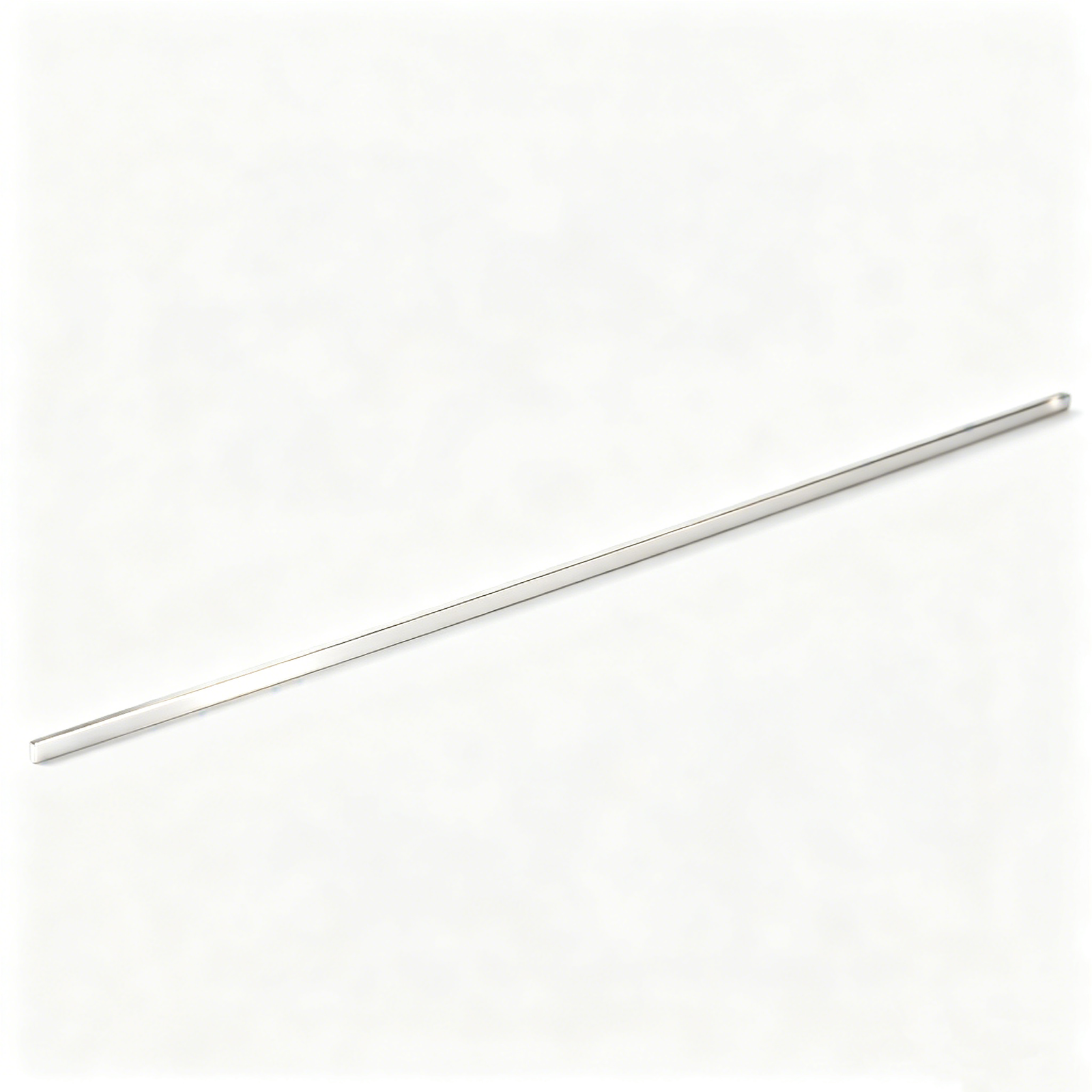
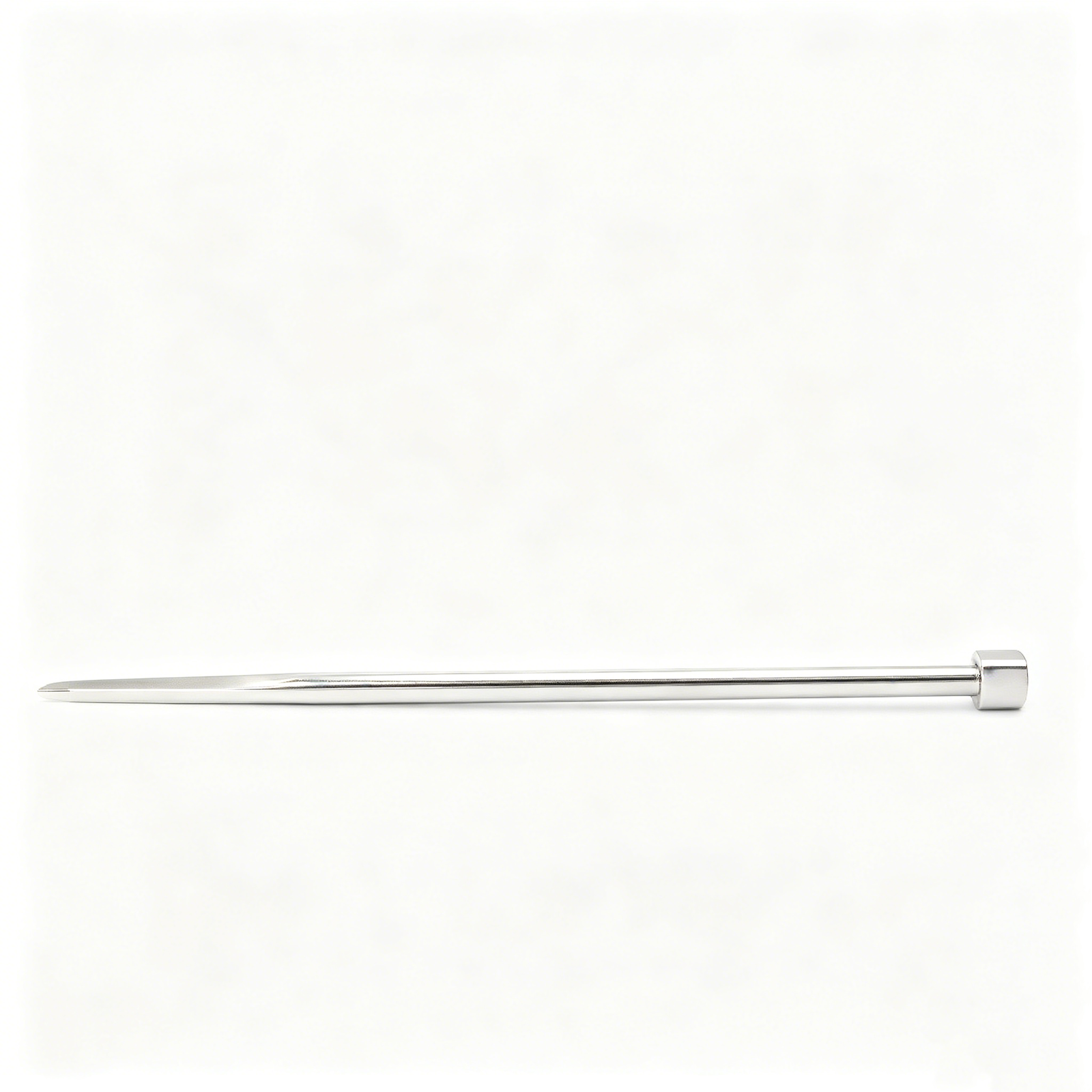
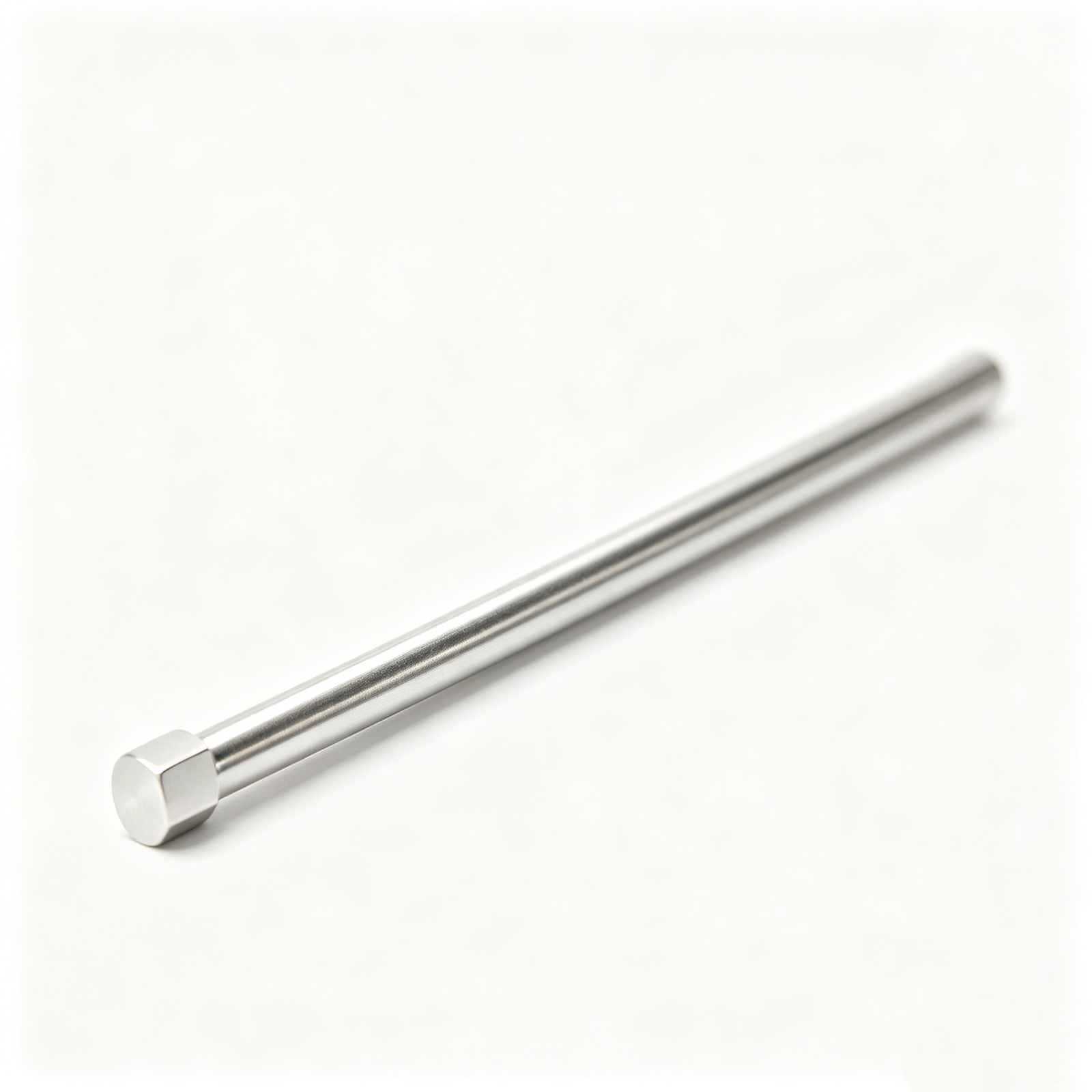
Precision Round Parts for Aerospace & Defense-Grade Machined Components
Brand Xuxiang Mold
Availability Made to drawing
RFQ pricing
Quote from STEP / PDF & quantity
Engineered for mission‑critical reliability, these aerospace and defense‑grade Precision Round Parts deliver exceptional dimensional accuracy and repeatable performance. Each cylindrical component is produced on advanced CNC and Swiss-type lathes to achieve smooth mating surfaces, stable fits and minimized vibration. Whether you are prototyping a new actuator, refining a guidance mechanism or scaling production of high-load rotary assemblies, these parts help you hit tight tolerance targets with confidence. Specify your material, finish and geometry, and we’ll align the manufacturing route to your certification and documentation needs. Build quieter, smoother, longer‑lasting mechanisms that withstand high g‑loads, temperature swings and demanding QA audits.
- ISO 9001:2015–oriented process & documented inspection paths
- Zeiss / Nikon class metrology available for critical dimensions
- DFM feedback from 10+ senior tooling engineers
- Dongguan HQ + Quanzhou capacity for volume programs
High‑Reliability Precision Round Parts for Aerospace & Defense Platforms
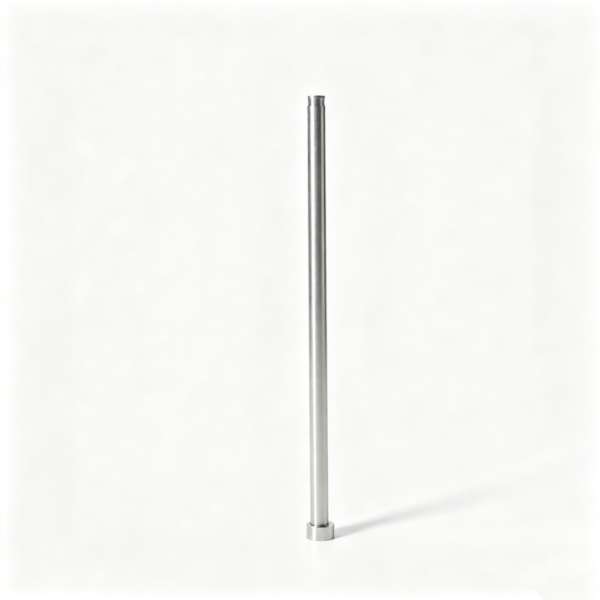
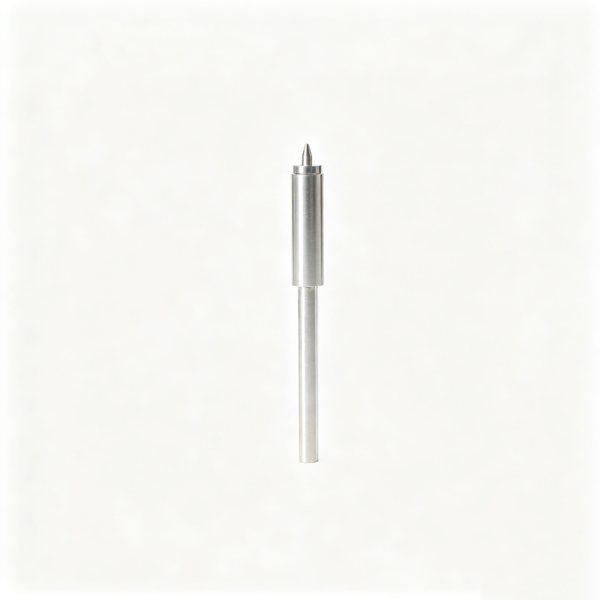
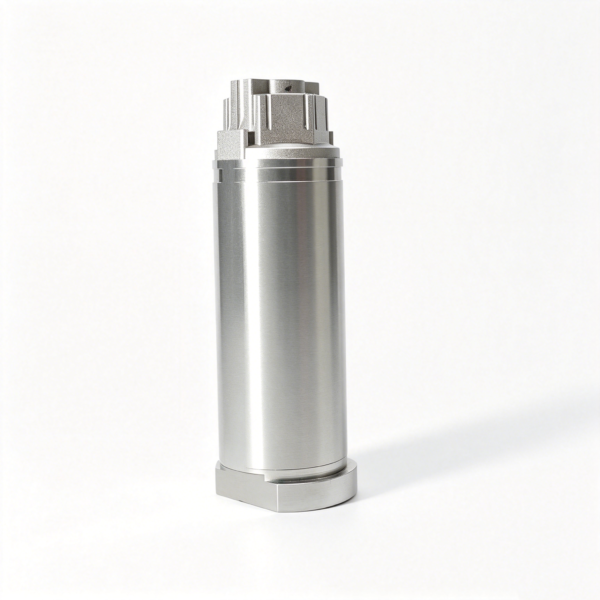
When you design flight‑critical or mission‑critical hardware, every cylindrical feature matters. These Precision Round Parts are custom‑machined to support demanding aerospace and defense applications, where consistent geometry, controlled surface finish and verifiable traceability are essential. From actuator shafts and guidance pins to sensor collars and spacer sleeves, each part is produced to integrate seamlessly into your assembly and quality processes.
Leveraging modern CNC turning centers, Swiss‑type lathes and multi‑axis machining, we manufacture round components that maintain concentricity, straightness and roundness across the entire production run. Careful process control, in‑process inspection and documented lot traceability help reduce risk in your supply chain and simplify qualification with your end customers or internal QA teams.
Key Features & Benefits for Aerospace and Defense Engineers
These machined round components are optimized for assemblies that see high loads, thermal cycling and strict inspection regimes. Instead of fighting inconsistent vendor quality, you gain a repeatable source for the cylindrical parts that hold your design together.
- Tight, application‑appropriate tolerances – Cylindrical features are produced to your drawing requirements, with attention to concentricity and true position between critical diameters to support precision bearings, seals and bushings.
- Surface finishes engineered for motion – Running surfaces can be honed, ground or polished to support smooth sliding, rotational accuracy and controlled friction in actuators, pivots and linkage systems.
- Material options aligned to aerospace & defense needs – Choose from stainless steels, alloy steels, aluminum alloys, brass, copper and engineering plastics to balance weight, strength, corrosion resistance and machinability.
- Consistent roundness and straightness – Controlled processes minimize runout and distortion so that pins, shafts and sleeves assemble smoothly and stay aligned under load.
- Configurable end features – Add threads, cross‑holes, grooves, flats, keyways, chamfers or radii to make each component plug‑and‑play within your existing design envelope.
- Documentation and traceability – Upon request, parts can be supplied with inspection reports or certificates of conformity that align with your internal documentation standards.
Specifications & Customization Options
Because these Precision Round Parts are built to order, each project is configured around your drawings, models and performance criteria. Instead of rigid catalog dimensions, you can match the component to the envelope, load and interface conditions of your assembly.
| Attribute | Typical Options / Description |
|---|---|
| Product type | Custom precision‑machined round components (shafts, pins, sleeves, bushings, collars, spacers) |
| Manufacturing processes | CNC turning, Swiss‑type turning, multi‑axis machining, secondary grinding and honing where specified |
| Typical materials | Stainless steel, alloy steel, aluminum alloys, brass, copper, select engineering plastics (per project) |
| Dimensional range | Small to medium cylindrical parts sized to drawing; suitable for precision mechanisms and actuators |
| Surface finish | Turned, ground, polished or honed finishes tailored to sliding, rotating or locating functions |
| End configurations | Threads, cross‑holes, undercuts, grooves, radii, chamfers, key features and custom forms |
| Tolerance capability | Application‑driven tolerance windows for diameters, lengths, runout and concentricity (per print) |
| Quality control | In‑process and final inspection using calibrated gauges; inspection data available upon request |
| Order quantities | Support for prototypes, pilot batches and ongoing production schedules |
| Documentation | Drawings, material details and inspection records maintained for repeat orders and audits |
Use Cases: Where These Precision Round Parts Excel
Aerospace and defense projects live or die on the reliability of seemingly simple hardware. These precision‑machined cylindrical parts are designed to remove variability from the small components that have outsized impact on overall system performance.
- Actuation and control systems – Shafts, rods, pins and sleeves for electromechanical actuators, flight control linkages, landing gear subsystems and smart weapons mechanisms.
- Guidance and stabilization mechanisms – Precision round elements for gimbal assemblies, sensor mounts, targeting systems and stabilization linkages.
- Avionics and instrumentation – Spacers, stand‑offs and collars that maintain exact clearances for PCBs, connectors and enclosures inside high‑vibration environments.
- Defense vehicles and naval systems – Corrosion‑resistant round parts used in hinges, latches, locking pins and motion components exposed to outdoor or marine conditions.
- Test rigs and ground support equipment – Repeatable cylindrical hardware for fixtures, jigs, test stands and custom tooling that must hold position over many cycles.
By partnering early in the design process, you can optimize material choices and geometric details to align manufacturability with performance. That helps you avoid last‑minute drawing revisions, unexpected cost drivers or delays in qualification testing.
Buying Guidance & Design Considerations
To get the most value from these Precision Round Parts, share as much application detail as is practical when requesting a quotation. The more clearly your use case and constraints are understood, the better the manufacturing process can be tuned to support your goals.
- Define critical features – Identify which diameters, lengths and surfaces are functionally critical so inspection plans can focus on what matters most.
- Consider operating environment – Temperature range, exposure to moisture or chemicals, vibration levels and load cycles can all influence material and finish recommendations.
- Align fits with mating parts – Specify clear fit classes or clearance/interference targets relative to bearings, bushings, housings and seals to avoid assembly issues.
- Plan for assembly and service – Features such as chamfers, lead‑ins, wrench flats and identification marks can reduce assembly time and support easier maintenance or replacement.
- Provide drawings or models – Dimensioned drawings or 3D models help ensure that geometry, tolerances and datums are interpreted exactly as intended.
If you are transitioning from prototype to production, you can also standardize certain diameters, lengths or thread forms across different part numbers. This often lowers cost and simplifies future sourcing while preserving performance.
FAQ
Can these Precision Round Parts be produced from aerospace‑grade materials?
Yes. Components can be machined from commonly used aerospace and defense materials such as stainless steels, alloy steels and aluminum alloys, as well as selected non‑metallics when specified in your documentation.
What information do you need to quote custom round components?
Provide a drawing or model, target quantities, material preferences, any special surface finish or heat treatment requirements, and details about how the part functions in your assembly. This allows a more accurate and realistic quotation.
Are these parts compatible with existing actuators, bearings or bushings?
Compatibility is determined by your dimensional and tolerance requirements. If you share the mating part details or fit requirements, the Precision Round Parts can be machined to assemble correctly with existing components.
How are the parts inspected before shipment?
Parts undergo dimensional checks using calibrated measuring equipment. For critical features, additional inspection steps can be added, and summary inspection data or reports can be supplied when requested at the quotation stage.
What is the typical lead time for custom aerospace and defense parts?
Lead time depends on complexity, material availability and order quantity. Prototype and small‑batch orders are usually processed faster than large recurring runs. You can request an estimated schedule when submitting your drawings.
Do you offer surface treatments or coatings for corrosion protection?
Surface treatments such as anodizing, plating or passivation can often be coordinated as part of the overall supply package. Indicate the required finish, performance expectations and any applicable standards when requesting a quote.
Can I order a small prototype batch before committing to production?
Yes. Many projects begin with prototypes or pilot lots to prove the design and validate fit, form and function before moving to larger production quantities.
What happens if a part does not meet the agreed specification?
If a component falls outside the documented specification, it is typically reworked or replaced according to the agreed terms. Please review the quotation and confirmation documents for quality and return conditions before placing an order.
How should I store and handle these precision components on site?
Store parts in a clean, dry environment in their original packaging until use. Avoid impacts or contamination on functional surfaces, and keep sets of matched components together so that traceability is preserved for audits and future reference.
Same drawing, predictable results—next batch
Share revision, quantity ramp, and inspection level. We quote process route, ship date, and documentation in one structured response.