
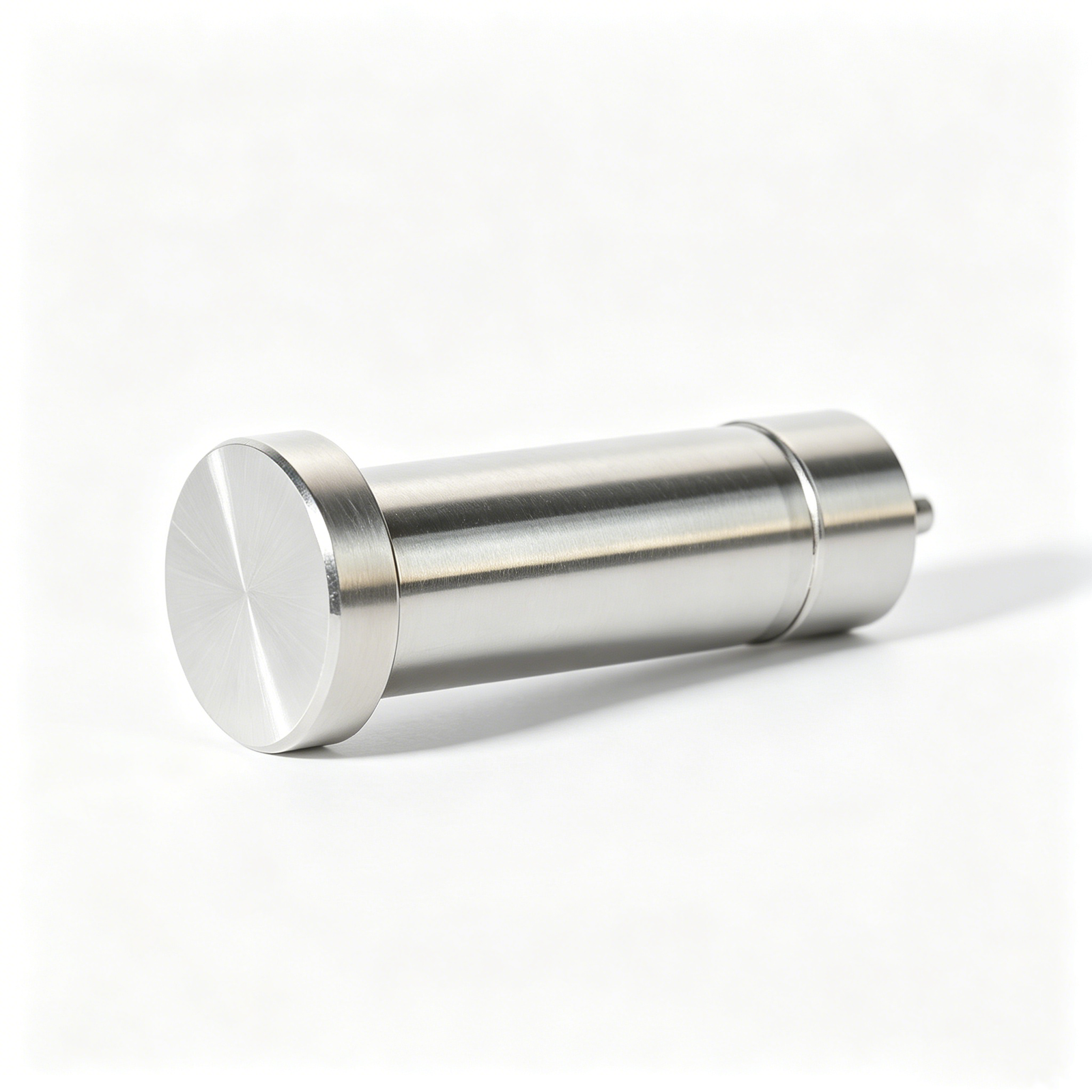
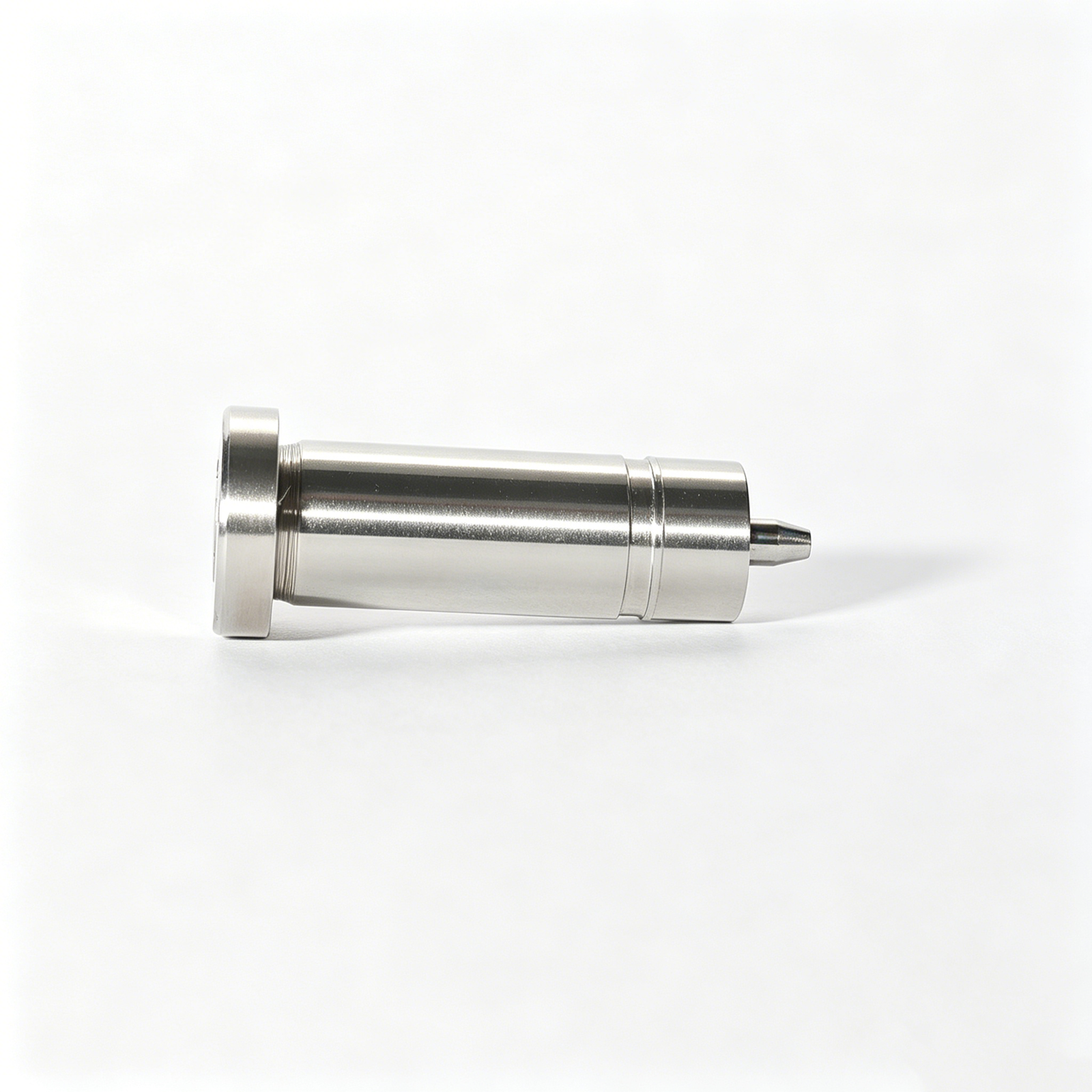
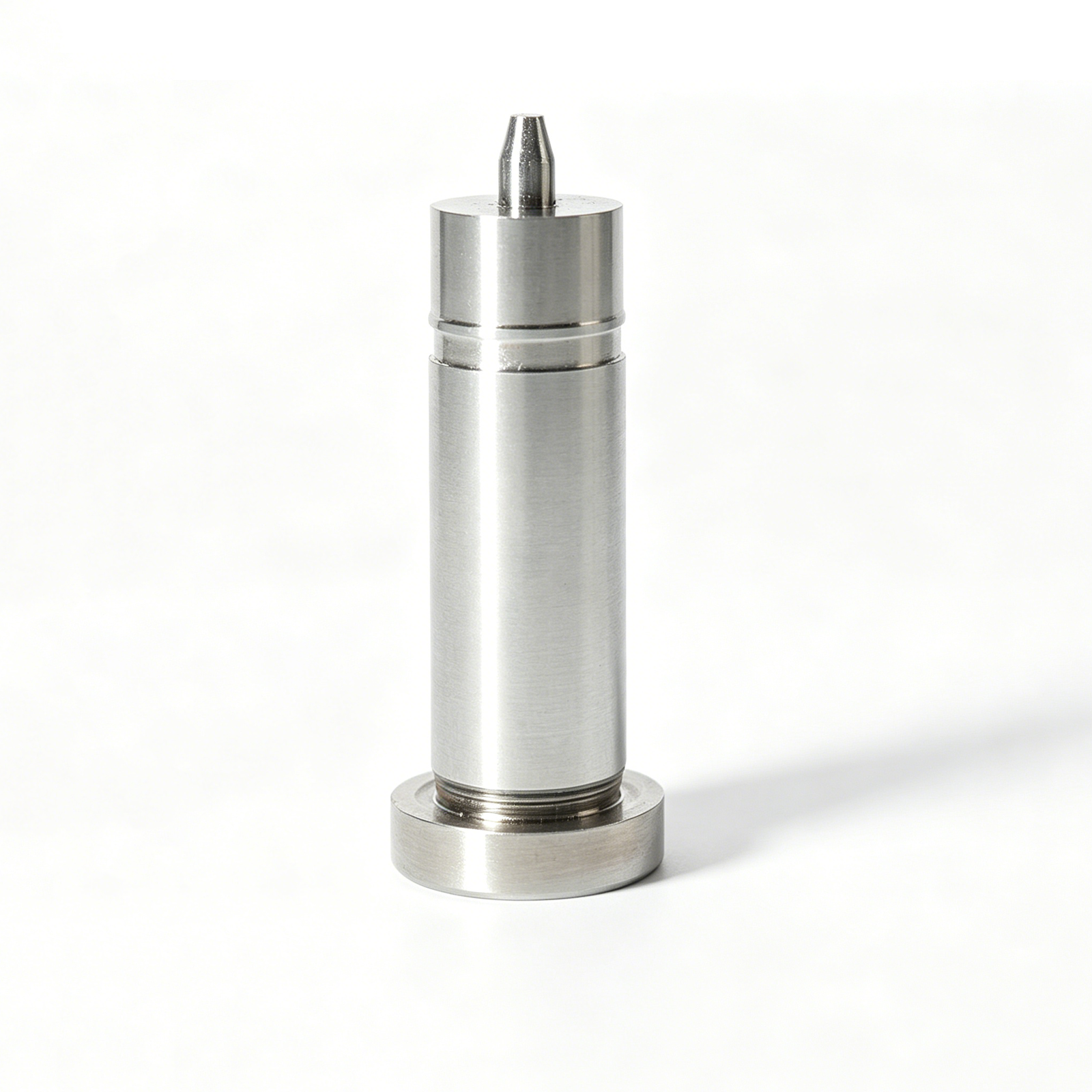
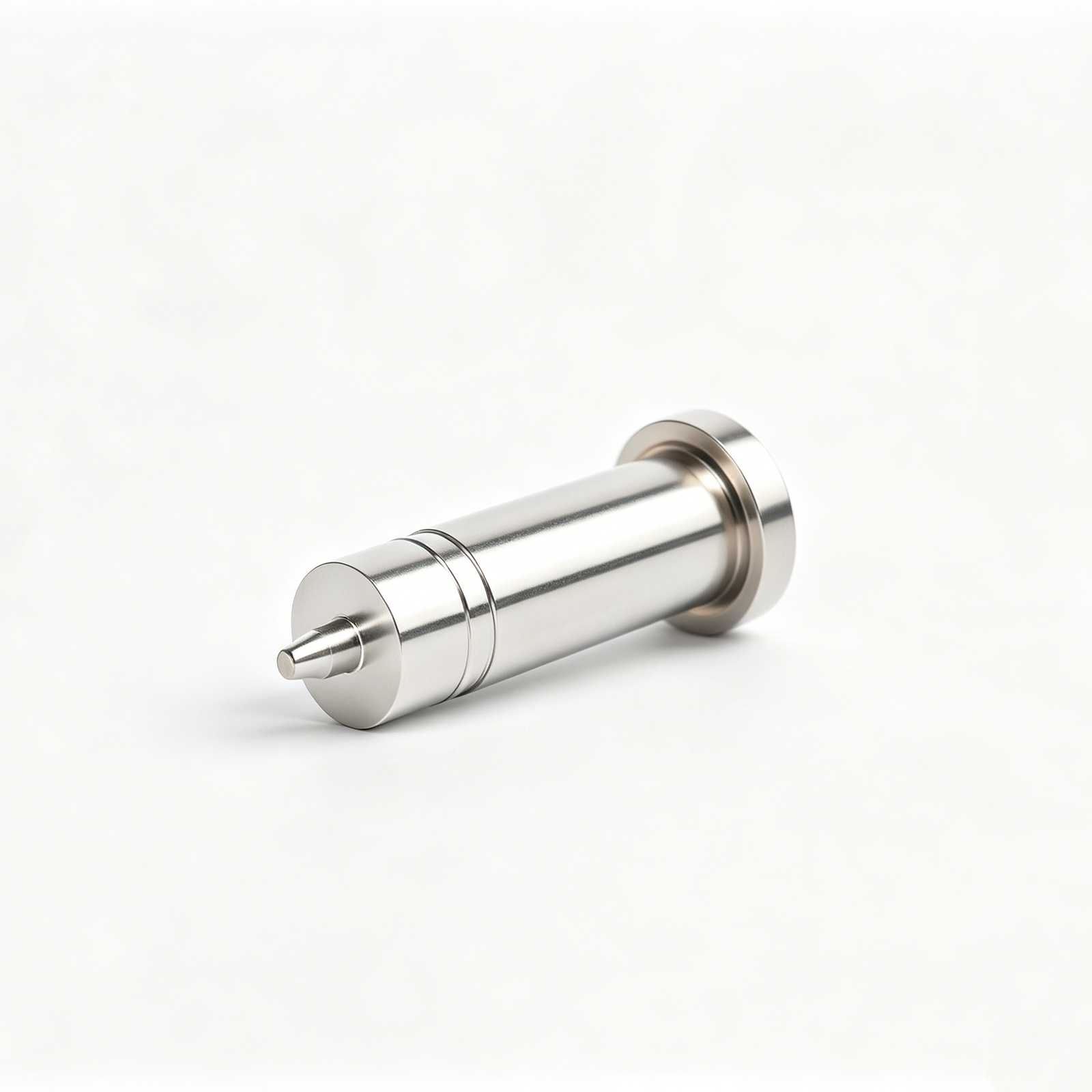
Plastic film parts · Precision mold insert
Custom Precision Round Parts for Tight-Tolerance Shaft & Bushing Designs
Brand Xuxiang Mold
Availability Made to drawing
RFQ pricing
Quote from STEP / PDF & quantity
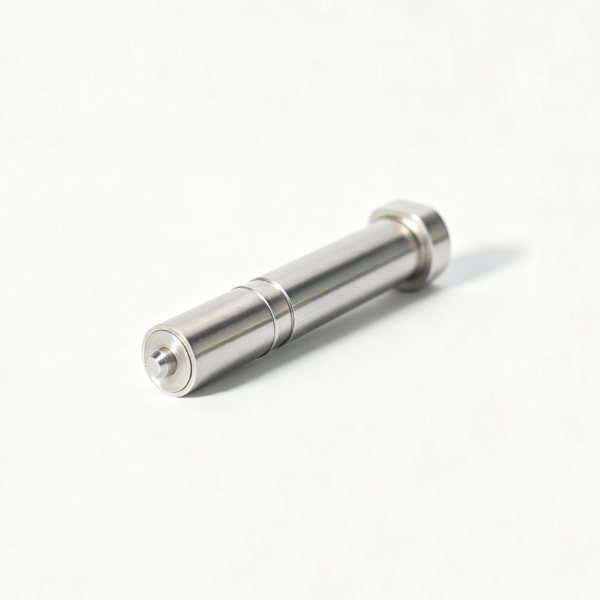
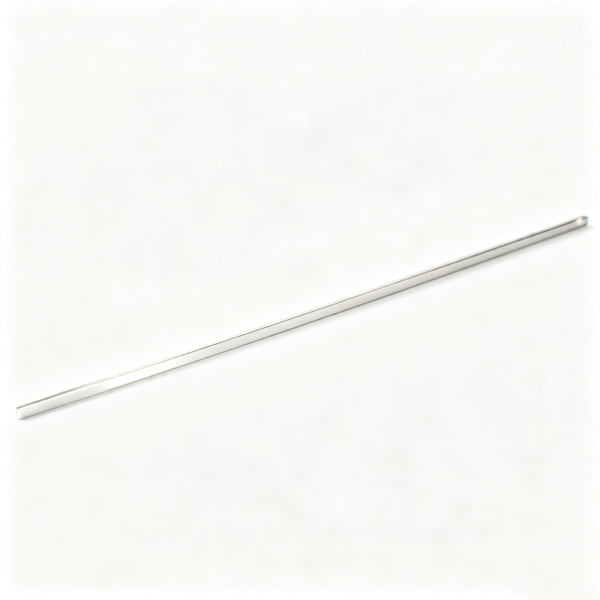
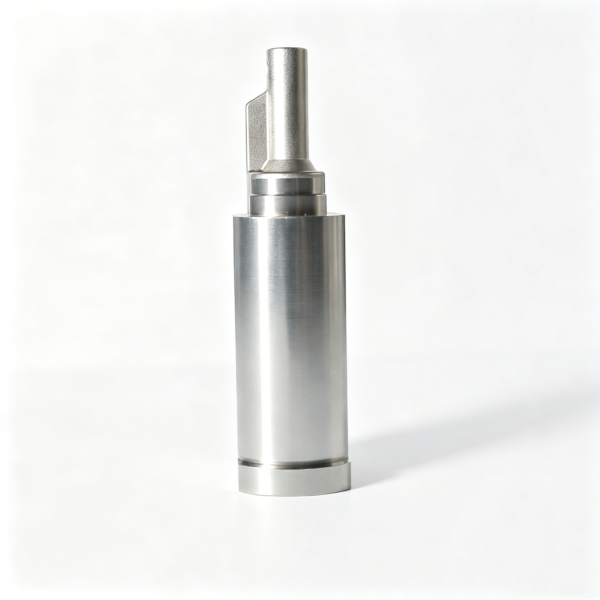
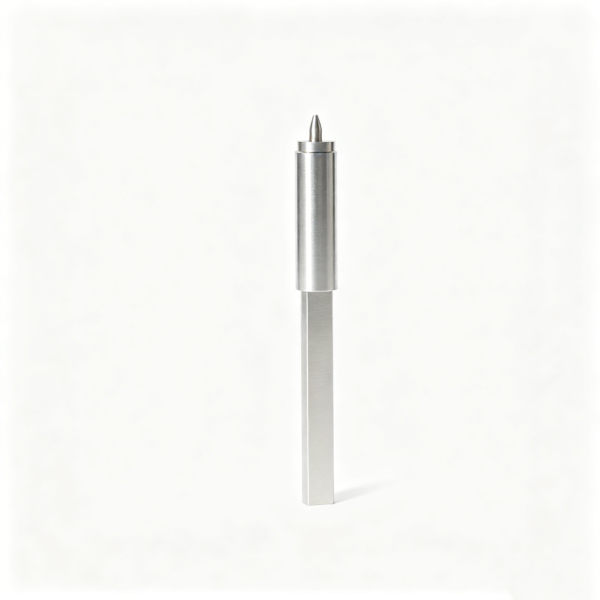
Bring your most demanding shaft, bushing, pin, and spacer designs to life with custom Precision Round Parts engineered for tight tolerances and repeatable accuracy. CNC turning and Swiss machining deliver consistently concentric, burr-free surfaces ready for assembly without secondary rework. From short-run prototypes to full-scale production, we can machine a wide variety of metals and plastics to match your print and performance targets. Partner with us to reduce friction, cut assembly time, and improve reliability across your mechanical systems.
- ISO 9001:2015–oriented process & documented inspection paths
- Zeiss / Nikon class metrology available for critical dimensions
- DFM feedback from 10+ senior tooling engineers
- Dongguan HQ + Quanzhou capacity for volume programs
Custom Precision Round Parts for Critical Rotating & Locating Components
These custom precision round parts are engineered to meet the exacting requirements of modern mechanical assemblies, where concentricity, surface finish, and repeatable dimensions directly impact performance and product life. Leveraging advanced CNC turning, Swiss-type lathes, and complementary milling operations, we produce cylindrical components such as shafts, bushings, spacers, pins, and sleeves tailored to your drawings and application needs.[2][5]
In CNC turning, the workpiece rotates while fixed cutting tools remove material to create highly accurate circular features, making it ideal for round parts that demand tight tolerance on diameters, shoulders, grooves, and threads.[5][12] This process is widely used across industries including aerospace, automotive, industrial equipment, robotics, automation, and medical devices, where reliable rotational components are essential.[5]
Whether you are developing a new prototype or scaling to high-volume production, our machining partners can support a wide range of lot sizes. Precision inspection, including CMM and in-process gauging, helps ensure your round parts arrive within your specified tolerances and ready for immediate integration into your assemblies.[3][7]
Key Features & Benefits
Choosing custom precision round parts manufactured via CNC turning and Swiss machining offers several advantages for design engineers, buyers, and production teams.
- Optimized for cylindrical geometries: Turning excels at producing round, concentric features such as shafts, pins, axles, bushings, and spacer rings, with excellent control over diameters, tapers, and shoulders.[5][12]
- Tight and repeatable tolerances: Modern CNC lathes can hold closely controlled dimensional tolerances on outside diameters and bores, supporting demanding fits for bearings, seals, press fits, and sliding components.[2][3]
- Superior surface finish: Proper tooling, feeds, and speeds allow turned surfaces to achieve a smooth finish that reduces friction, wear, and noise, especially in rotating assemblies and linear guides.[2][5]
- Flexible materials: Precision round parts can be produced from steels, stainless steels, aluminum, brass, copper alloys, engineering plastics, and more, allowing you to balance strength, corrosion resistance, weight, and cost.[2][3][11]
- Efficient prototypes and production: Once a program is validated, CNC turning enables fast changeovers and consistent repeat runs, making it suitable for both rapid prototyping and repeat production orders.[2][7][11]
- Complex profiles and features: Grooves, chamfers, undercuts, threads, through-holes, and cross-holes can be integrated using live tooling and secondary milling operations, reducing the need for multiple vendors.[2][5][12]
- Cost-effective manufacturing: The combination of automated CNC equipment and optimized setup reduces scrap and labor, often lowering the total cost per part compared to manual machining or multi-step processes.[5][7][11]
Key Specifications & Options
The table below summarizes common capability ranges for custom precision round parts manufactured via CNC turning. Actual achievable specs will depend on material, part geometry, batch size, and your specific project requirements.
| Attribute | Typical Options / Description |
|---|---|
| Manufacturing process | CNC turning, CNC Swiss turning, secondary milling and drilling as required[2][5][12] |
| Part geometry | Cylindrical round parts: shafts, bushings, sleeves, pins, spacers, threaded studs, stepped axles[5] |
| Typical diameter range | From small precision pins to medium-sized circular components; exact range defined per project[2][3] |
| Length range | Short bushings and collars up to extended shafts; length limited by machine envelope and material bar length[6][7] |
| Tolerances (OD / ID) | Tight tolerances possible on critical features; specific values set by your print and process capability[2][3] |
| Compatible metals | Carbon and alloy steels, stainless steels, aluminum alloys, brass, bronze, copper alloys, tool steels[2][3][11] |
| Plastics & polymers | Selected engineering plastics for bushings and wear components, subject to machinability |
| Surface finishes | As-turned finish with optional polishing, grinding, or coating based on performance needs |
| Secondary operations | Cross-holes, slots, flats, keyways, knurling, tapping, and light milling using live tooling[5][12] |
| Heat treatment | Through-hardening, case-hardening, or tempering via external partners when specified on the drawing |
| Finishing & plating | Anodizing, black oxide, zinc, nickel, or other common industrial finishes as required |
| Inspection | Dimensional inspection with calibrated instruments; advanced projects may use CMM and statistical process control[3] |
| Order quantities | From prototype quantities to recurring production runs; minimums depend on material and complexity[7][9] |
| Documentation | Drawings, material certifications, and quality reports available on request |
Typical Applications & Industries
Because of their geometry and performance, precision round parts play a critical role in many products and systems. Design and purchasing teams rely on them wherever controlled rotation, alignment, or load transfer is required.
- Industrial machinery: Motor shafts, couplings, dowel pins, and sleeves that keep equipment aligned and running smoothly.
- Automation & robotics: Precision dowels, pivot pins, linear shafting, and custom spacers that support repeatable motion and tight positional accuracy.[5]
- Automotive & transportation: Bushings, steering components, sensor housings, and valve parts turned to specification.
- Aerospace & defense: Lightweight, high-accuracy cylindrical components where material selection and consistency are critical for safety and performance.
- Medical & laboratory devices: Small, intricate turned parts for instruments, fixtures, and specialized mechanisms.[5][13]
- Energy & fluid systems: Fittings, adapters, and sleeves used in hydraulic, pneumatic, and process piping assemblies.
For OEMs and contract manufacturers, consolidating these cylindrical components with a single turning supplier can reduce lead times, improve quality consistency, and simplify inventory management.
Design & Purchasing Guidance
To obtain the best performance and value from your custom precision round parts, consider the following design and sourcing guidelines.[12]
- Optimize for turning: Whenever possible, keep features rotationally symmetric or concentric with the main diameter. Turning is most efficient when the majority of critical features can be produced in a single chucking.[5][10][12]
- Specify tolerances carefully: Reserve the tightest tolerances for truly critical fits. Overly tight tolerances on non-critical features can increase cost without improving performance.[12]
- Choose practical materials: Work with materials that balance machinability and performance. For example, aluminum and brass often machine faster and with better surface finishes than harder alloys, lowering cost and lead time.[2][3]
- Communicate surface and geometry needs: Indicate any special surface finish, chamfers, radii, or edge-break requirements on your drawings so they can be incorporated into the turning program from the start.
- Plan for downstream processes: If parts will be heat treated, ground, or plated, build that into your dimensional targets and tolerances to avoid assembly issues.
- Share volumes and schedules: Providing anticipated annual usage and release patterns helps your machining partner plan tooling and capacity, which can lead to better pricing and more reliable delivery.[7][9]
When you request a quote, include 2D drawings, any 3D models, the expected quantity per order, target lead times, and any certification or documentation needs. With this information, a precision turning provider can recommend the ideal process and material to support your project goals.
FAQ
What information do I need to request a quote for precision round parts?
For an accurate quote, provide a detailed drawing or model, the required material, key tolerances, surface finish requirements, quantity, and target delivery date. If applicable, include notes about heat treatment, coating, or special inspection so they can be factored into pricing and lead time.
How do I know if my part is suitable for CNC turning?
Parts that are primarily cylindrical or rotationally symmetric are usually ideal for CNC turning. If your design is dominated by round features such as diameters, shoulders, threads, and grooves, and the length-to-diameter ratio is reasonable, it is likely a strong candidate for turning instead of milling.[5][10][12]
Can you handle both prototypes and high-volume production orders?
Yes. CNC and Swiss turning are flexible enough to support small prototype batches through to recurring production. Setup and programming are amortized over larger lots, so per-piece pricing is typically lower at higher volumes, but one-off and low-volume runs are also feasible for validation builds and custom machinery.[2][7][11]
What is the typical lead time for custom precision round parts?
Lead times vary based on material availability, complexity, and order quantity. Simple components in common materials can often be produced more quickly, while intricate parts with secondary operations or special finishes require more time. Communicating your required date early allows the shop to schedule capacity accordingly.
How are tolerances and quality verified?
Dimensional checks are performed during setup and throughout production using calibrated gauges and measurement tools. For critical applications, coordinate measuring machines (CMMs) and documented inspection reports may be used to confirm that key features and tolerances meet your specification.[3]
Are these precision round parts compatible with standard bearings and seals?
Yes, as long as the mating diameters and shoulder locations are designed to match bearing or seal manufacturer recommendations. Providing the intended bearing or seal model when you submit your design helps ensure that shaft and housing fits are optimized for performance and life.
What materials are best for wear-resistant bushings and sleeves?
For bushings and sleeves, hardened steels, bronze, and certain engineering plastics are commonly used for wear resistance. The best choice depends on load, speed, lubrication, and environmental conditions. Your application details will guide the recommendation toward a suitable material and heat treatment.
How should I care for and store precision turned components?
Store parts in a clean, dry environment, preferably in their original packaging to prevent damage and corrosion. Avoid handling finished surfaces with bare hands for extended periods, and keep components away from abrasive dust or impact. For long-term storage, consider light protective oil or packaging that includes corrosion inhibitors, especially for carbon steel parts.
What is your policy on returns or nonconforming parts?
If any parts do not meet the agreed specifications, contact customer service with photos, measurements, and lot information. After review, nonconforming components are typically replaced or credited according to the terms of sale. Clear communication of requirements at the quotation stage helps minimize the risk of quality issues.
Do you offer assistance with design for manufacturability (DFM)?
Many precision turning providers can review your drawings and suggest small adjustments to dimensions, tolerances, or features that lower cost or improve reliability. Sharing your performance requirements and constraints early in the process allows them to propose manufacturable, cost-effective solutions.[12]
Same drawing, predictable results—next batch
Share revision, quantity ramp, and inspection level. We quote process route, ship date, and documentation in one structured response.