
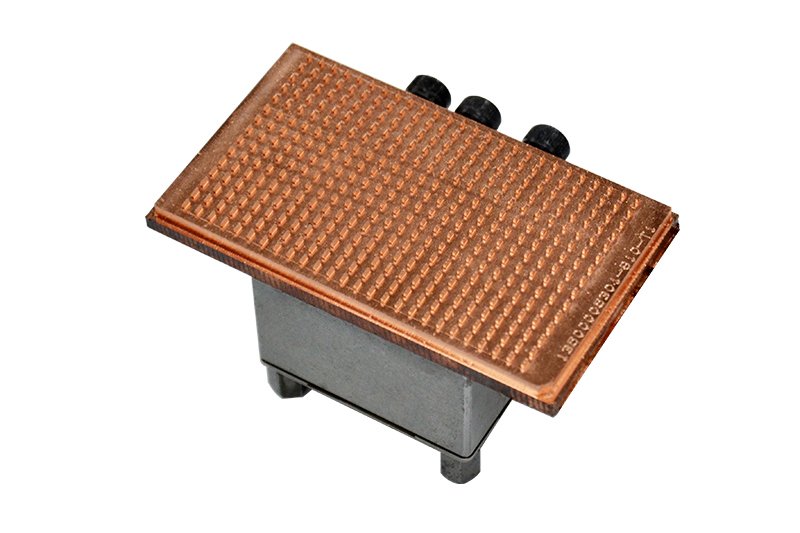
Plastic film parts · Precision mold insert
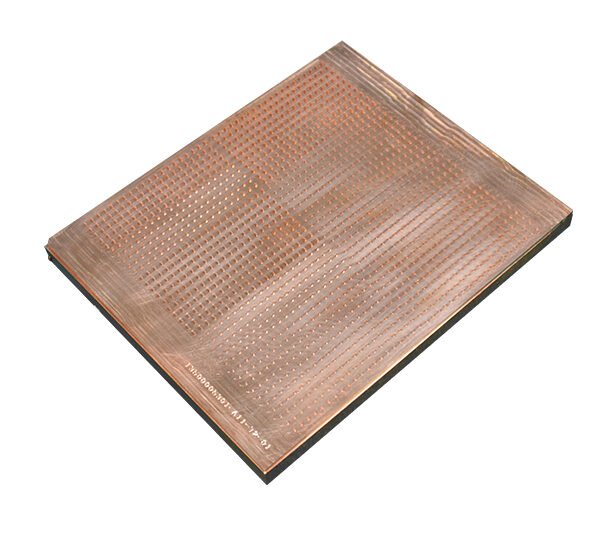
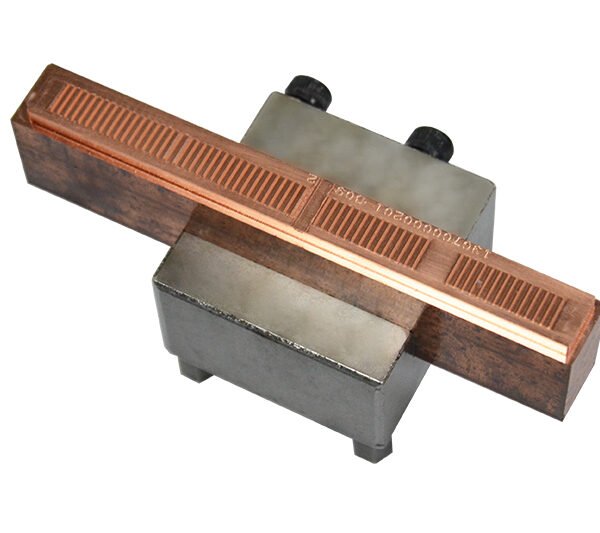
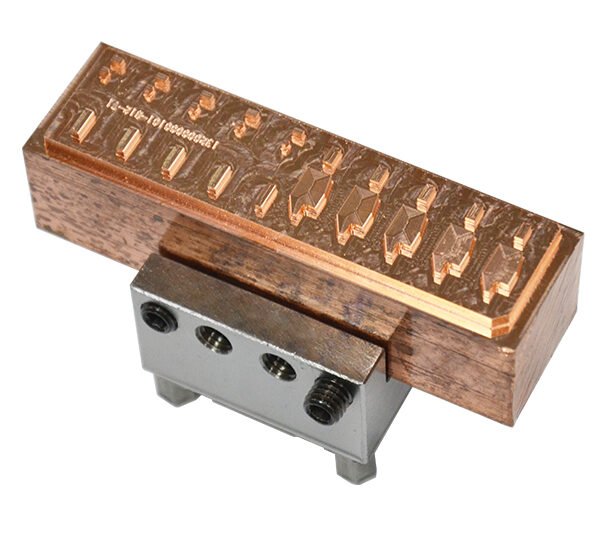
Discharge Machining Electrode for Precision EDM Applications
Brand Xuxiang Mold
Availability Made to drawing
RFQ pricing
Quote from STEP / PDF & quantity
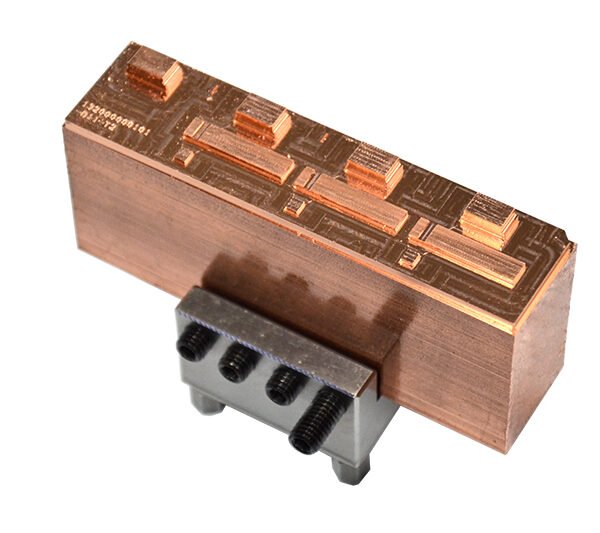
Achieve exceptionally crisp details and tight tolerances in hard metals with this precision-engineered discharge machining electrode. Designed for toolrooms and production EDM cells, it delivers stable spark erosion performance, reduced wear, and consistent cavity reproduction over long burn times. Optimized material composition ensures reliable conductivity, heat resistance, and predictable erosion characteristics across a wide range of steels and alloys. Whether you are producing complex molds, dies, or micro-features, this discharge machining electrode helps you cut setup time and improve surface quality. Ideal for manufacturers who demand repeatable EDM results shift after shift.
- ISO 9001:2015–oriented process & documented inspection paths
- Zeiss / Nikon class metrology available for critical dimensions
- DFM feedback from 10+ senior tooling engineers
- Dongguan HQ + Quanzhou capacity for volume programs
High-Performance Discharge Machining Electrode for Demanding EDM Work
This discharge machining electrode is engineered for modern Electrical Discharge Machining (EDM) environments where precision, consistency, and tool life directly impact productivity and cost. In EDM, the electrode acts as the shaped “tool” that transfers its geometry into the workpiece by a controlled series of electrical discharges within a dielectric fluid. Instead of mechanical cutting forces, thermal energy from thousands of micro-sparks erodes the material, enabling the machining of extremely hard, conductive alloys and intricate geometries that are difficult or impossible to achieve with conventional milling or turning.
By selecting a high-quality electrode with optimized conductivity and erosion resistance, EDM operators can improve metal removal rates, achieve finer surface finishes, and reduce electrode wear, resulting in fewer setups and more predictable machining outcomes. This product is designed to support that performance, making it a robust choice for mold makers, die manufacturers, precision engineering shops, and R&D labs.
Key Features & Benefits
- Optimized conductivity for stable, repeatable spark generation, helping maintain a consistent gap condition and reducing the risk of arcing or shorting during long burns.
- Good erosion resistance so the electrode maintains its shape longer, supporting tighter tolerances and reducing the number of roughing and finishing electrodes required per job.
- High thermal stability to withstand intense local temperatures generated at the spark interface, which can reach thousands of degrees Celsius in the discharge zone.
- Fine feature capability that supports the production of narrow cavities, sharp internal corners, and complex 3D contours common in injection molds, forging dies, and aerospace components.
- Versatile material compatibility with most EDM-capable machine tools and dielectric fluids, suitable for a wide range of workpiece materials including tool steels, stainless steels, superalloys, and other conductive metals.
- Consistent manufacturing quality resulting in uniform material density and structure, which helps deliver predictable wear patterns and repeatable machining results from electrode to electrode.
Specifications & Key Attributes
The exact configuration of your discharge machining electrode can be selected to match your machine, program, and workpiece requirements. Use the table below as a guide to the core attributes of a typical electrode in this category.
| Attribute | Description |
|---|---|
| Product type | Discharge machining electrode for EDM (sink/ram or customized shapes) |
| Typical electrode material | High-conductivity metallic or graphite-based EDM-grade material, chosen for balance of wear resistance and machinability |
| Form factor | Available as solid blocks, rods, or pre-machined profiles depending on application requirements |
| Compatibility | Designed for use with common die-sinking EDM machines using hydrocarbon or deionized water-based dielectrics |
| Workpiece suitability | Tool steel, hardened steel, stainless steel, carbides, and other electrically conductive alloys |
| Primary applications | Mold and die cavities, precision pockets, ribs, gear forms, turbine features, and intricate internal shapes |
| Surface finish potential | Supports roughing through finishing passes; achievable finish depends on machine, settings, and polishing strategy |
| Machining strategy | Suitable for multi-electrode strategies (rough, semi-finish, finish) to balance speed and dimensional accuracy |
| Custom machining | Electrode can be machined to customer-specific 2D/3D geometries prior to EDM operations |
Typical Use Cases & Who It Is For
This discharge machining electrode is ideal for any operation that relies on EDM to produce high-precision components from tough, hard-to-machine materials. If your work demands intricate detail, consistent cavity reproduction, and minimal rework, a reliable electrode is essential.
- Mold and die manufacturers producing injection molds, compression molds, and stamping dies with detailed cavities, ejector pockets, and cooling features.
- Toolrooms in automotive and aerospace where tight dimensional tolerances and repeatability are critical for components such as turbine blades, structural connectors, and engine parts.
- Precision machining job shops that handle diverse short-run and prototype work, requiring electrodes that are easy to machine, stable in use, and consistent across different jobs.
- Medical device and electronics manufacturers where very fine features, small radii, and complex internal geometries must be produced in hard, wear-resistant materials.
- R&D and testing environments where process reliability and a predictable wear pattern are important to quickly iterate on new tool designs or component geometries.
By pairing high-quality electrodes with properly tuned EDM parameters, you can significantly reduce polishing time after burning, improve part consistency, and minimize the number of electrode changes required during a long production run.
Care, Handling & Buying Guidance
Selecting and caring for your discharge machining electrode directly affects EDM performance and overall operating cost. A few practices will help you get the most out of this product:
- Match the electrode to the job: Choose an electrode grade that balances wear resistance for long burns with machinability for complex geometries. Roughing passes may benefit from a different electrode grade or geometry than finishing passes.
- Secure, stress-free fixturing: Always ensure that the electrode is rigidly clamped yet not distorted. Poor fixturing can lead to vibration, inconsistent gap control, and dimensional errors.
- Protect from contamination: Store electrodes in a clean, dry environment away from dust, oils, and impact. Surface contamination can affect spark stability and surface finish.
- Inspect before use: Before mounting an electrode, verify that mounting surfaces, datum faces, and critical edges are clean and undamaged, and confirm that the electrode matches the program revision you intend to run.
- Monitor wear: Track electrode wear for your key jobs so you can refine offsets and determine when to switch to a new electrode or step through your roughing/finishing sequence.
- Plan for spares: For critical production jobs, keep spare electrodes machined and ready, especially for finishing operations, to avoid unexpected downtime.
When ordering, review your machine brand, holder system, dielectric type, and the materials you typically process. If you run both roughing and finishing cycles, consider specifying separate electrode strategies (and possibly different geometries) to get the best balance of speed and accuracy.
FAQ
Is this discharge machining electrode compatible with my EDM machine?
The electrode is designed for use with most common die-sinking EDM machines that operate with standard hydrocarbon or deionized water-based dielectric fluids. For best results, match the shank or holder interface to your existing tooling system and confirm that the chosen electrode size and geometry fit within your machine’s work envelope.
What types of materials can I machine using this electrode?
You can use this electrode to machine a wide range of electrically conductive metals, including tool steels, hardened steels, stainless steels, and many specialty alloys. Non-conductive materials cannot be machined by EDM, as the process depends on electrical discharge between the electrode and the workpiece.
How should I store and handle the electrodes to avoid damage?
Store electrodes in a clean, dry cabinet or dedicated storage tray where they are protected from shock, dust, and contact with sharp edges. Avoid dropping or striking them, and handle machined features carefully to preserve sharp corners and fine details that are critical for accurate EDM results.
How do I know when an electrode needs to be replaced?
Electrode wear will gradually alter dimensions and surface conditions. Monitor key reference surfaces and critical features after each major burn, and compare against your acceptable tolerance range. When wear approaches your specified limit or you see degradation in surface finish or dimensional accuracy, switch to a fresh electrode or your next finishing stage.
Does this electrode require any special maintenance during EDM operations?
The electrode itself does not require active maintenance while cutting, but stable performance depends on a clean dielectric system, correct flushing, and proper machine settings. Regularly clean filters, monitor fluid level and cleanliness, and verify that flushing conditions are appropriate for the geometry you are burning.
Can I use a single electrode for both roughing and finishing?
While it is possible to use one electrode for multiple passes, most precision applications benefit from separate electrodes for roughing and finishing. Roughing electrodes prioritize metal removal rate and can tolerate more wear, while finishing electrodes are reserved for final passes where accuracy and surface quality are critical.
What is the typical lead time and shipping method for these electrodes?
Lead time depends on whether you order standard blanks or custom-machined electrode geometries. Standard forms typically ship quickly via standard industrial carriers, while custom electrodes require additional machining time. For urgent jobs, choose expedited shipping options and confirm production capacity when placing your order.
Are there any special installation steps before running a new electrode?
Before running a new electrode, clean the mounting surfaces, check runout and alignment, and verify the reference coordinates used in your EDM program. It is good practice to run a brief dry-run or low-power test to confirm that the electrode path clears fixtures and the workpiece as expected.
What is your returns or warranty policy on electrodes?
Electrodes are typically covered against manufacturing defects affecting material integrity or dimensional conformity at delivery. Because they are consumable tooling, wear from normal EDM use is not covered. Inspect your order upon receipt and contact support promptly if you notice any defects or damage from shipping.
Same drawing, predictable results—next batch
Share revision, quantity ramp, and inspection level. We quote process route, ship date, and documentation in one structured response.