
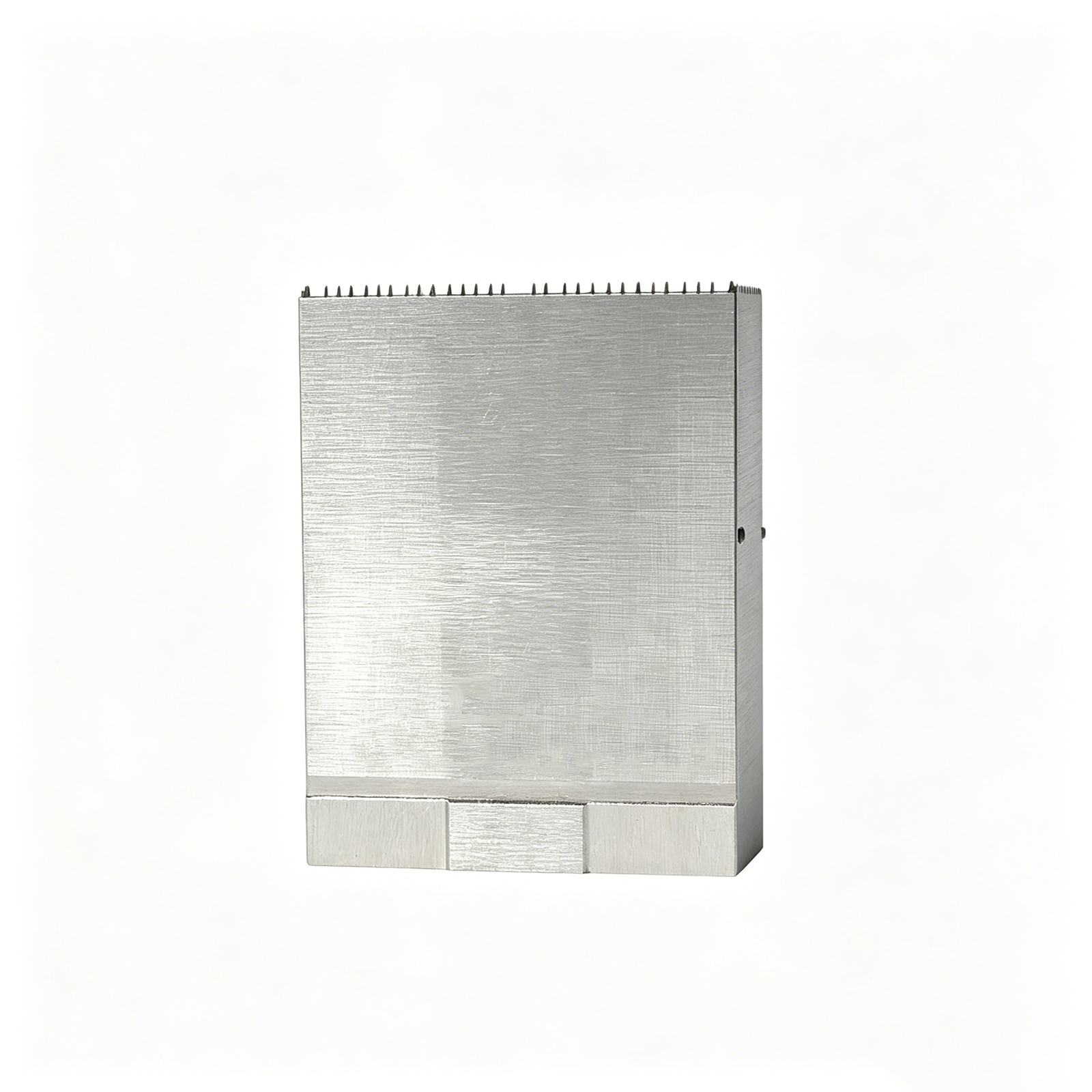
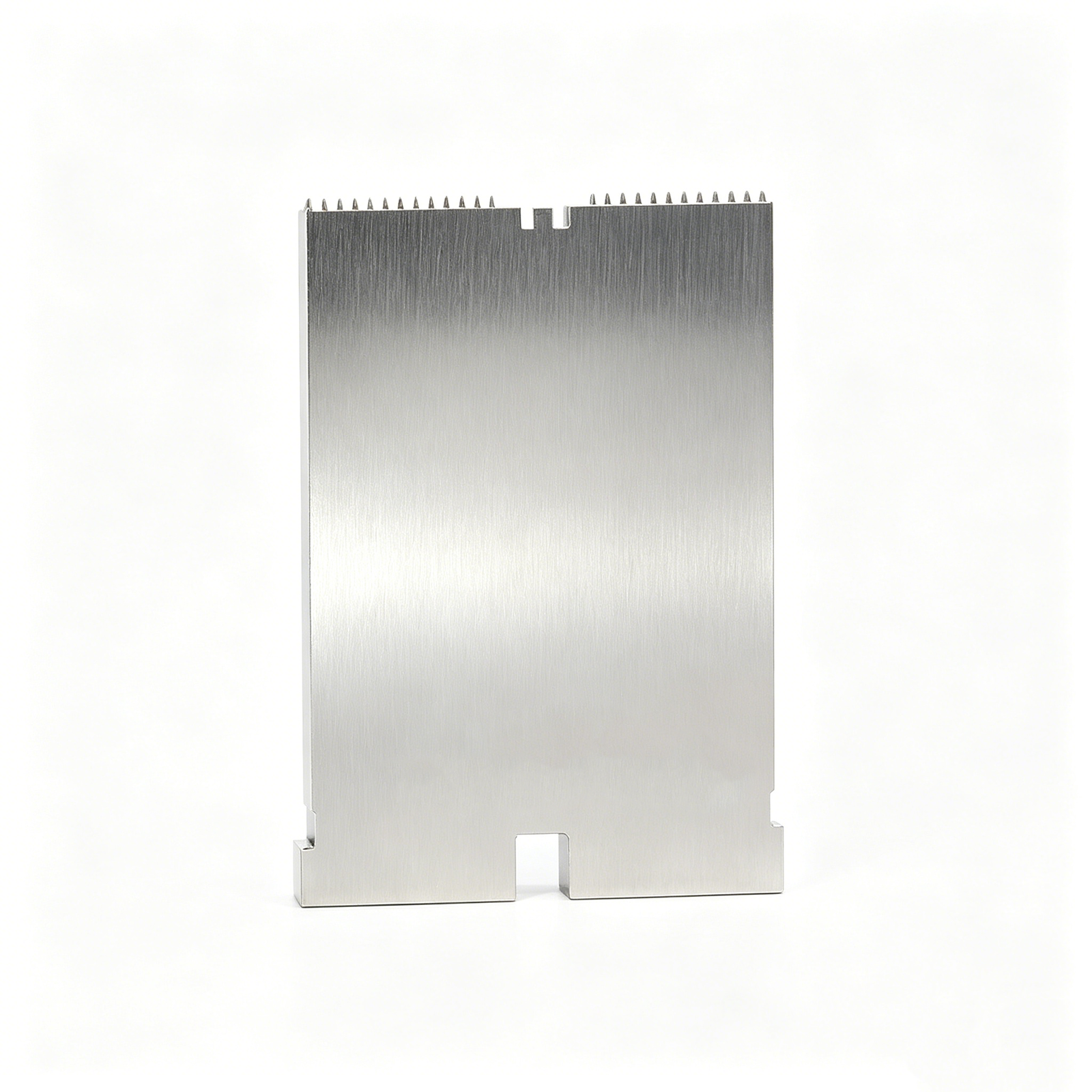
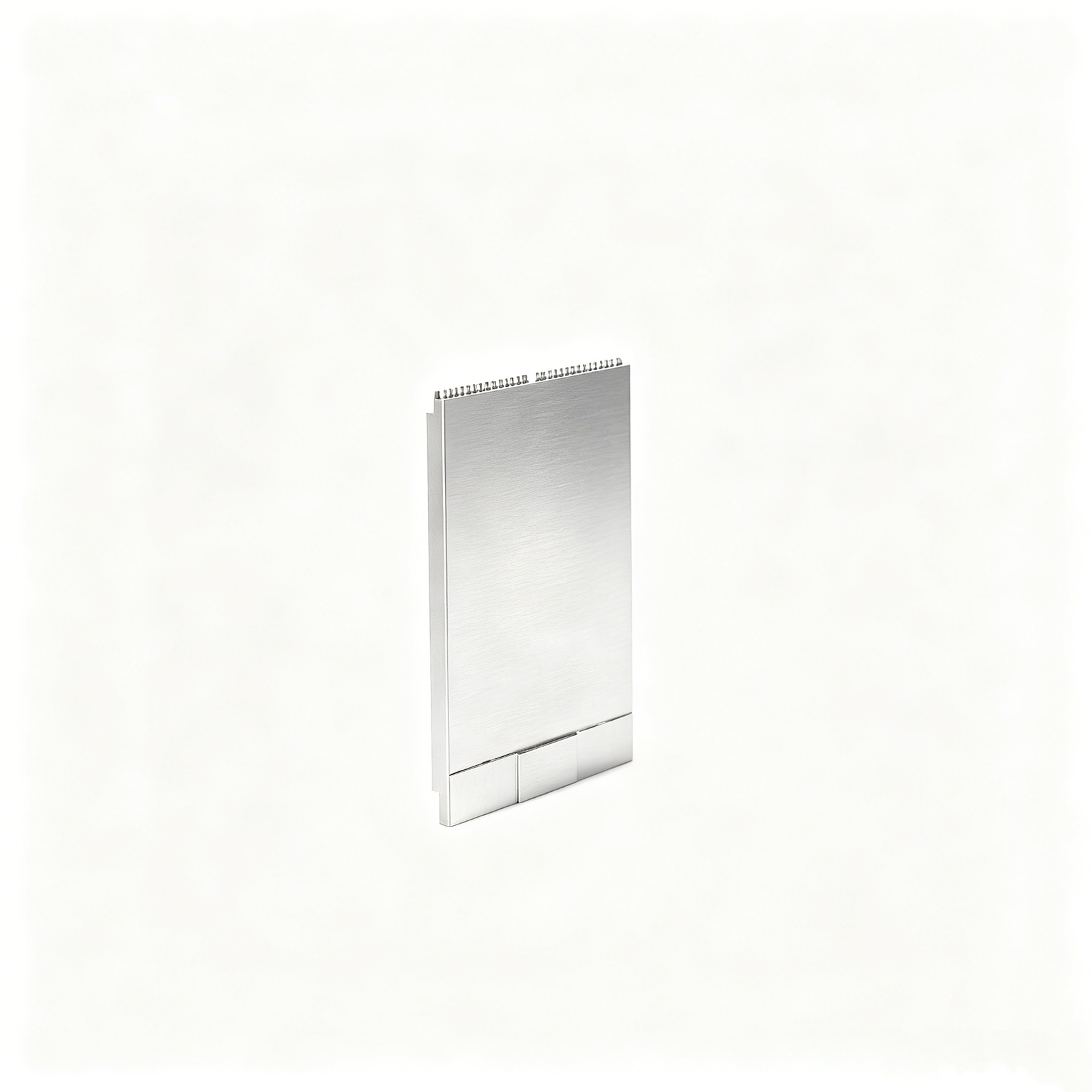
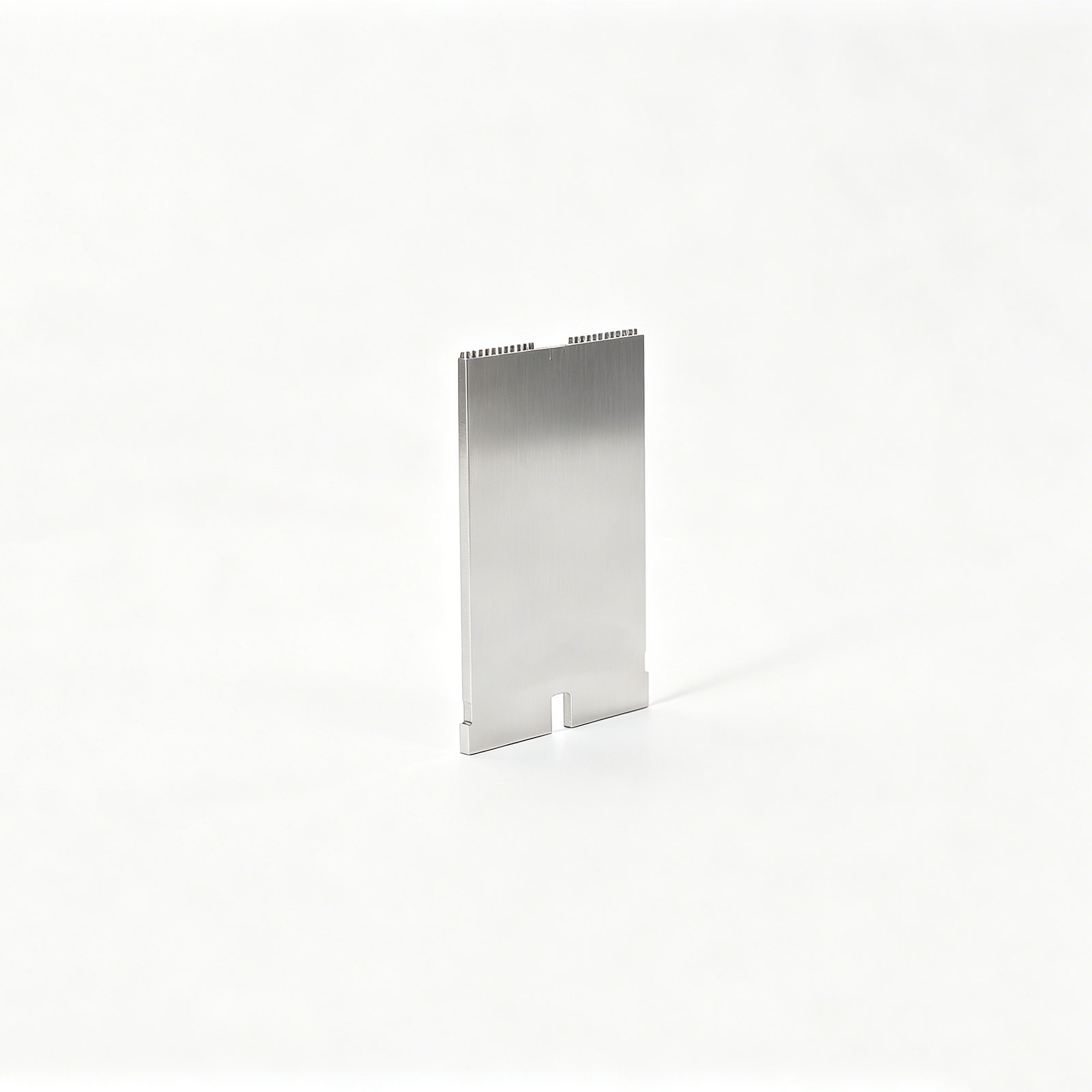
Plastic film parts · Precision mold insert
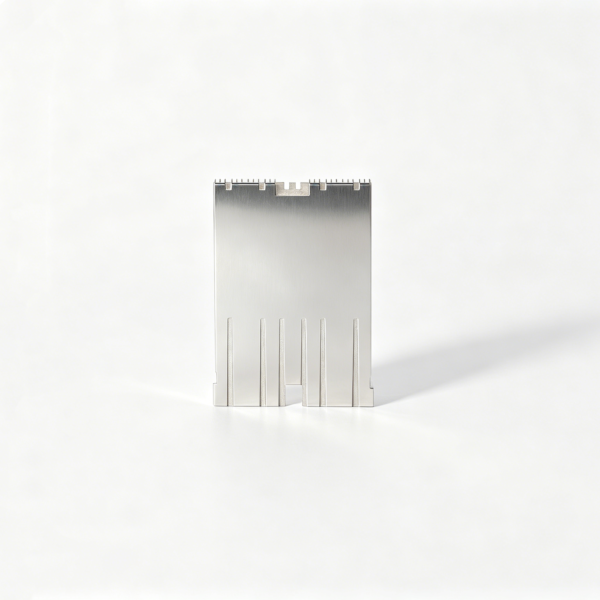
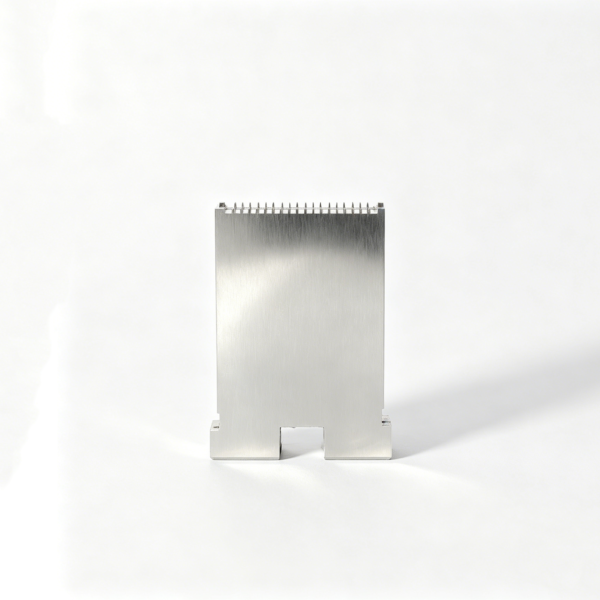
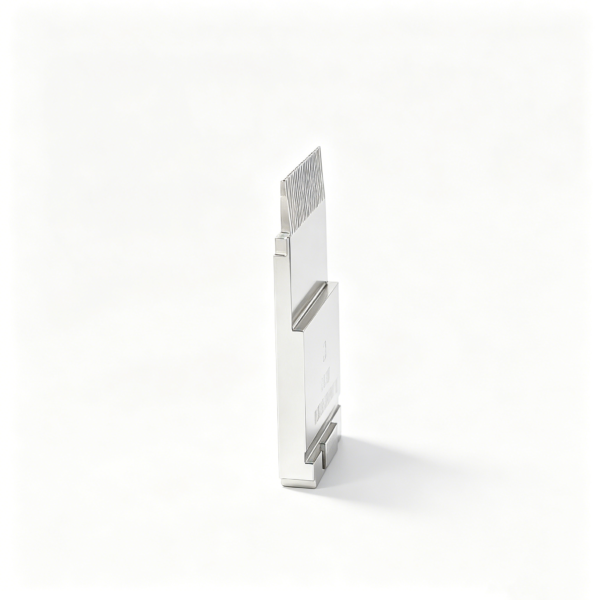
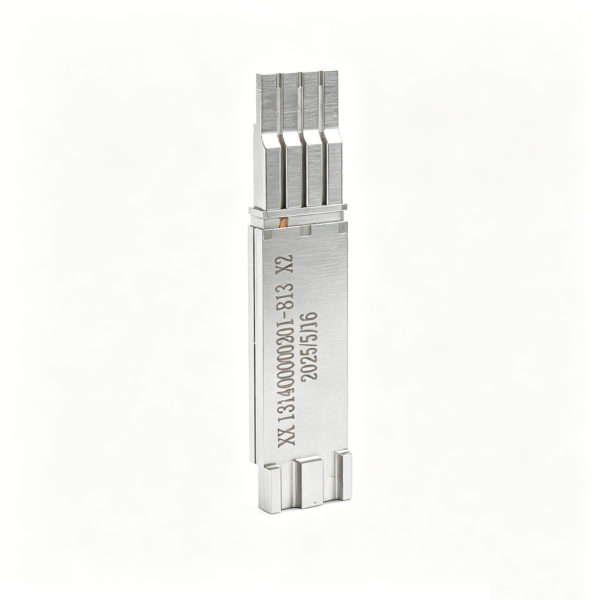
Industrial Connector Precision Mold Components for Rugged WTW Tooling
Brand Xuxiang Mold
Availability Made to drawing
RFQ pricing
Quote from STEP / PDF & quantity
Built for demanding connector programs, Industrial Connector Precision Mold Components help support stable part formation, clean release, and repeatable assembly performance. They are a practical choice when your tooling must handle tight interfaces, consistent cavity detail, and production environments where reliability matters. From wire-to-wire connector families to industrial interfaces, these components are designed to fit the pace of serious manufacturing. Choose them when you want tooling that supports both accuracy and durability on the shop floor.
- ISO 9001:2015–oriented process & documented inspection paths
- Zeiss / Nikon class metrology available for critical dimensions
- DFM feedback from 10+ senior tooling engineers
- Dongguan HQ + Quanzhou capacity for volume programs
Precision Mold Components for Industrial Connector Production
Industrial Connector Precision Mold Components are the small but critical parts that help connector molds produce consistent, well-formed plastic parts for demanding electrical and mechanical assemblies. In industrial connector tooling, accuracy is not optional: mating features, latch geometry, sealing surfaces, and terminal-related details all depend on mold parts that hold their shape and position during repeated cycles. These components are commonly used in connector molds for wire-to-wire systems, industrial interface housings, and other applications where fit, function, and repeatability must stay aligned.
Because industrial connectors often serve in environments exposed to vibration, dust, moisture, oil mist, and repeated handling, the mold hardware behind them must be engineered with the same seriousness as the final part. Precision mold components help stabilize the cavity and core structure, guide motion smoothly, and support a cleaner molding process with fewer interruptions. For buyers, that means better dimensional consistency, less downtime, and a tooling setup that is easier to maintain over time.
Key Features and Practical Benefits
One of the main advantages of these components is their role in maintaining tight positional control across the mold assembly. In connector tooling, even small shifts can affect pin alignment, wall uniformity, snap-fit performance, or sealing integrity. Precision-machined components help the mold open, close, and eject in a controlled way, which is especially valuable when the product design includes fine details or compact layouts.
These components are also selected for wear resistance and dependable long-term use. Connector molds often run in production schedules that demand repeated cycling, so the mold parts must resist abrasion, surface fatigue, and alignment drift. When paired with proper mold design and maintenance, precision components can contribute to more stable output and fewer quality variations from one run to the next.
Another important benefit is process confidence. Better mold component accuracy can help reduce flashing, uneven filling, or ejection issues that slow production and increase scrap. For manufacturers, that can translate into smoother startup, faster troubleshooting, and a more predictable path from sampling to mass production.
Typical Attributes and Buying Considerations
The right specification depends on the connector family, molding material, and tool architecture. Buyers usually evaluate fit-up requirements, wear exposure, surface finish needs, and compatibility with the mold base and insert system. If the connector has complex geometry or narrow contact areas, the mold components may need careful attention to alignment, venting behavior, and heat stability.
It is also wise to consider whether the tool will support standard production only or repeated engineering changes. Connector programs sometimes evolve during validation, and modular or replaceable mold parts can make adjustments easier. For industrial buyers, that flexibility can reduce the cost of long-term maintenance and make it easier to support multiple product revisions.
| Attribute | What to Consider |
|---|---|
| Application focus | Industrial connector molds, WTW connector tooling, electrical interface components |
| Primary function | Support cavity accuracy, core alignment, ejection stability, and repeatable molding |
| Precision needs | Suitable for tight-fitting connector features and fine structural details |
| Material selection | Chosen according to wear resistance, hardness, thermal stability, and machining requirements |
| Maintenance focus | Cleaning, inspection, lubrication where applicable, and wear monitoring |
| Customization | Often adapted to connector size, mold layout, insert design, and production volume |
Where These Components Are Used
These mold components are a strong fit for connector manufacturers serving industrial automation, equipment wiring, communication hardware, control systems, and other assembly-intensive sectors. They are especially relevant when the connector must meet demanding mechanical fit requirements or operate reliably in harsh-use settings. Industrial connector tooling often supports parts that must combine electrical connection with dust resistance, moisture protection, and rugged handling tolerance, so the mold elements behind the product must be equally dependable.
They are also useful in programs that require stable repeatability across large production runs. If your operation depends on consistent connector housings, contact carriers, or related precision plastic parts, these components can support a more controlled and scalable process. In many cases, they help bridge the gap between prototype validation and repeatable mass production.
Maintenance and Selection Guidance
To get the most from precision mold components, keep the tooling clean, inspect for wear regularly, and store parts in a dry, protected environment when not in use. Surface contamination, corrosion, and unnoticed alignment wear can all affect connector quality. A simple preventive routine often extends useful service life and helps maintain part consistency.
When comparing suppliers, look beyond the basic part name. Ask how the components are machined, how they are checked for alignment and fit, and whether they can be adapted to your connector geometry. For industrial applications, the best choice is usually the one that balances precision, durability, and maintainability rather than the one that simply looks standardized on paper.
FAQ
How are these components shipped?
Most orders are packed to protect precision surfaces and alignment features during transit. Shipping methods typically depend on order size, destination, and whether the parts are standard or custom-made.
Will these fit my existing connector mold?
Compatibility depends on your mold layout, insert dimensions, and connector design. It is best to confirm drawings, tolerances, and installation points before ordering to ensure proper fit.
What kind of connectors are they used for?
They are commonly used in industrial connector molds, including wire-to-wire designs and other electrical housing applications that need stable, repeatable tooling performance.
How should I maintain the mold components?
Keep them clean, inspect for wear or damage, and store them in a dry environment. If the mold design includes moving interfaces, follow the recommended lubrication and maintenance schedule.
Can these be used in high-volume production?
Yes, precision mold components are often selected for repeat production because they help maintain alignment and consistency during long runs.
What if I need a custom size or geometry?
Many connector tooling projects require custom inserts or modified dimensions. Share your drawings, sample parts, or mold standards so the supplier can confirm manufacturability.
Do you offer warranty or return support?
Warranty and return terms usually depend on whether the part is standard, custom, or made to drawing. Confirm the policy before purchase so expectations are clear.
What should I check before placing an order?
Review the connector size, material needs, tolerances, surface finish requirements, and mold assembly details. Clear technical inputs help reduce rework and speed up approval.
Related products
Same drawing, predictable results—next batch
Share revision, quantity ramp, and inspection level. We quote process route, ship date, and documentation in one structured response.