
Plastic film parts · Precision mold insert
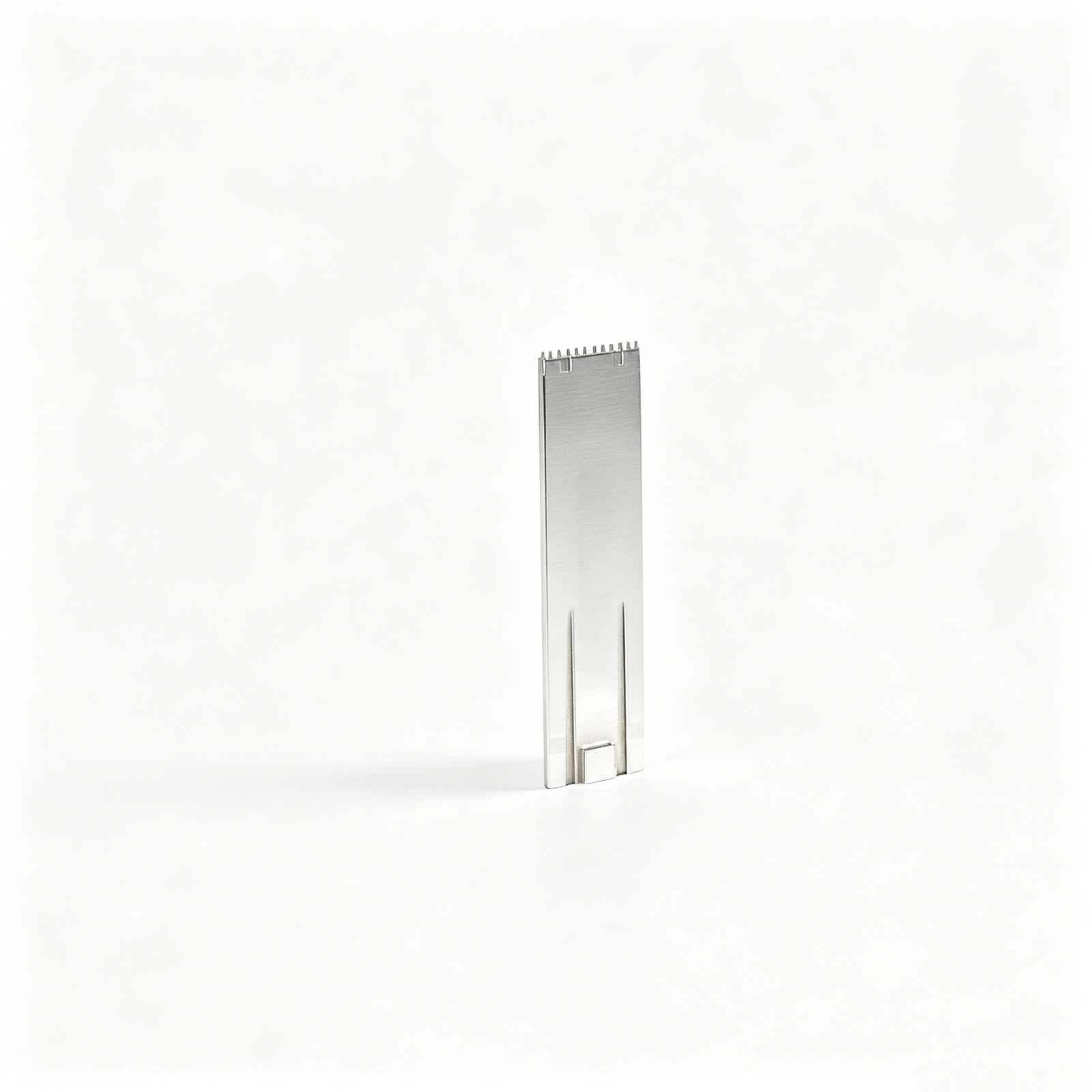
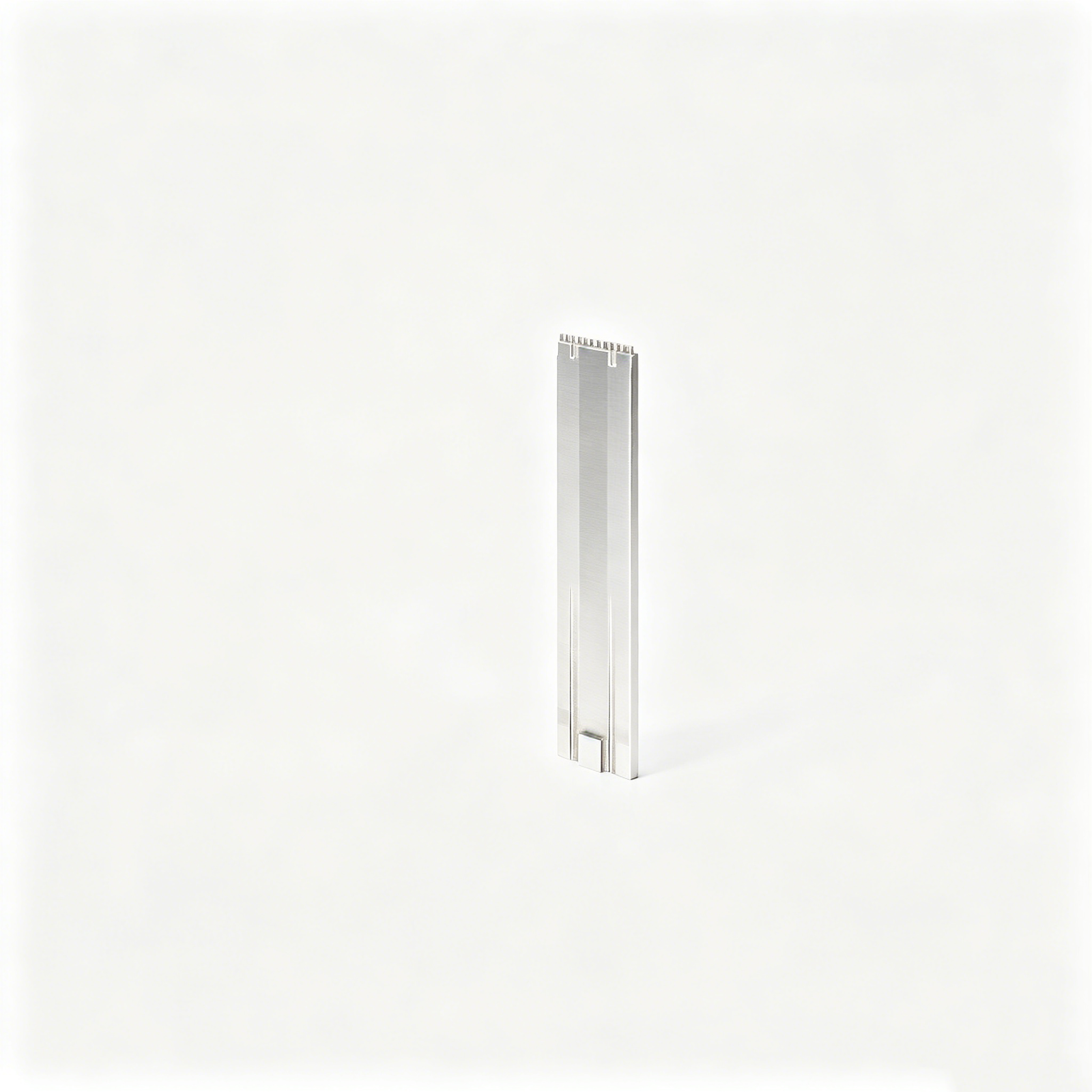
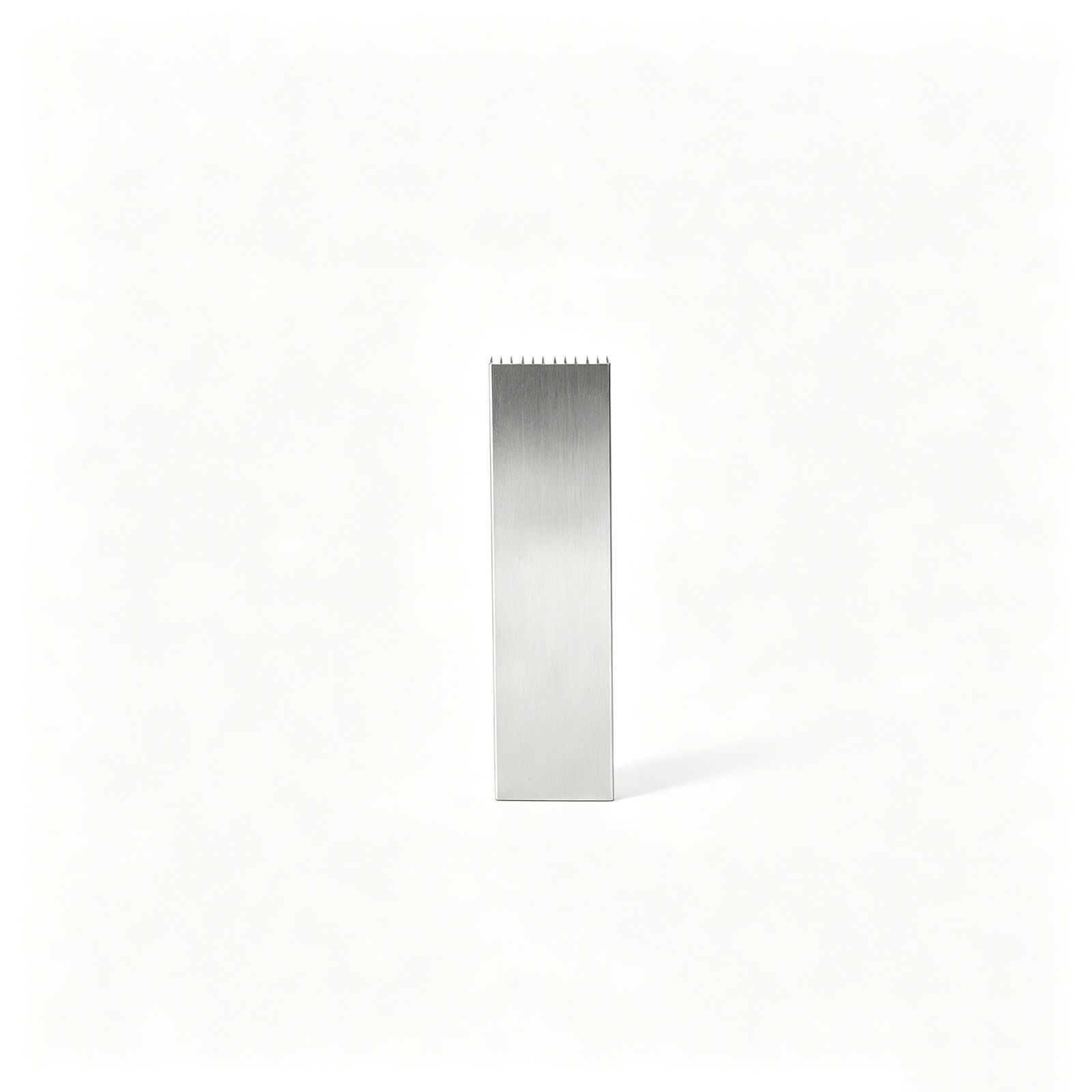
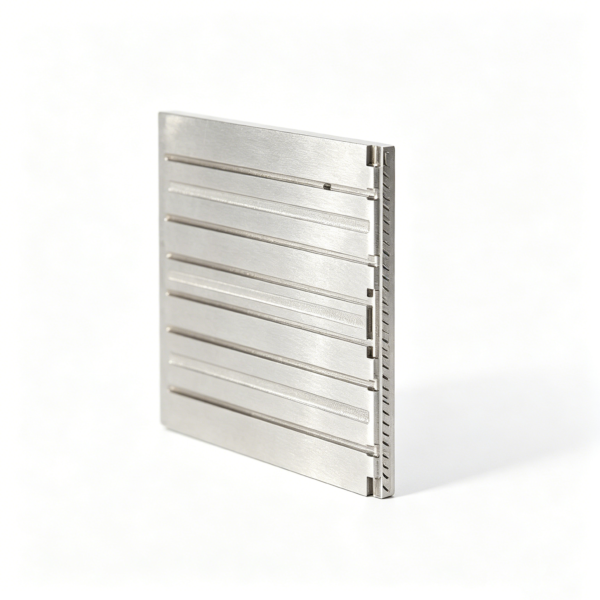
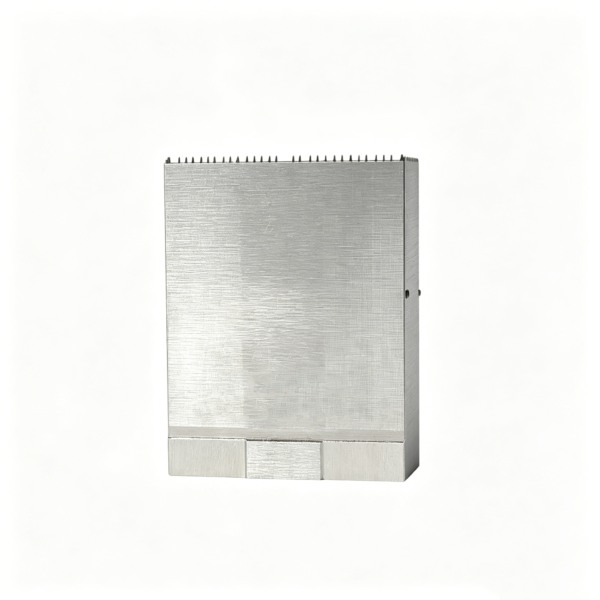
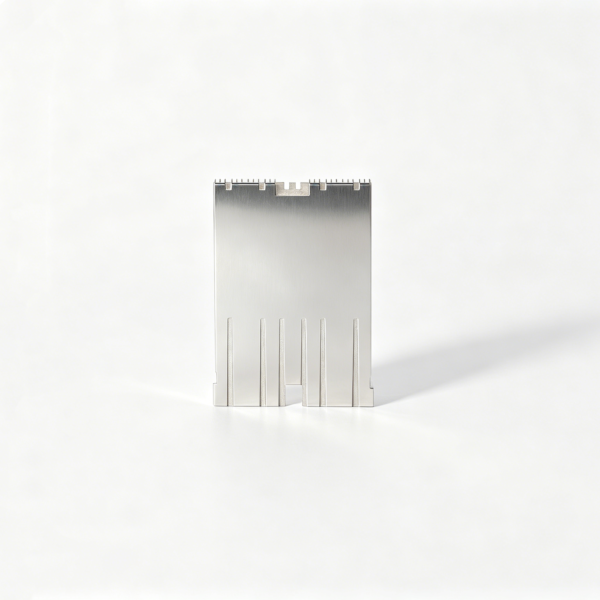
Industrial Connector Precision Mold Components for Robust WTW Tooling
Brand Xuxiang Mold
Availability Made to drawing
RFQ pricing
Quote from STEP / PDF & quantity
Build cleaner connector parts with tooling details designed to protect fit, finish, and repeatability. These Industrial Connector Precision Mold Components support stable molding performance for demanding industrial assemblies, where consistent alignment and reliable ejection matter on every cycle.
Ideal for connector programs that must balance durability with tight dimensional control, this component set helps reduce variation during production. It is a practical choice for manufacturers looking to improve mold stability, protect part quality, and keep assembly-ready connector features consistent.
Use them when your process calls for dependable connector tooling with a professional, production-minded finish.
- ISO 9001:2015–oriented process & documented inspection paths
- Zeiss / Nikon class metrology available for critical dimensions
- DFM feedback from 10+ senior tooling engineers
- Dongguan HQ + Quanzhou capacity for volume programs
Purpose-Built for Industrial Connector Tooling
Industrial Connector Precision Mold Components are used in connector mold systems where repeatable accuracy, clean part definition, and dependable cycle performance are essential. In industrial connector manufacturing, small deviations can affect mating force, sealing performance, retention, and assembly speed. That is why precision mold parts matter: they help the tool maintain consistent geometry, support stable molding conditions, and reduce the risk of flash, wear-related drift, or uneven ejection.
These components are best understood as the high-accuracy building blocks inside connector molds. Depending on the tooling design, they may support cavity formation, core positioning, insert alignment, guiding, ejection, or detailed molding of features that influence electrical and mechanical fit. The exact configuration varies by connector style, resin choice, mold layout, and production target, but the goal remains the same: deliver reliable repeatability from one shot to the next.
Industrial connector applications often demand more than basic plastic forming. Many connector parts must support precise interfacing between modules, stable assembly in compact spaces, and long service life in environments where dust, moisture, vibration, or impact can become concerns. Precision mold components help manufacturers keep that level of quality under control at the tooling stage, before quality issues appear in finished parts.
Why These Components Matter in Production
Well-made mold components can improve the consistency of molded connector parts in several ways. They help maintain alignment between mold sections, support accurate cavity detailing, and contribute to smoother part release. When tooling is stable, production teams can spend less time correcting defects and more time keeping output predictable.
For buyers, the biggest advantages are usually practical: better dimensional repeatability, less tool maintenance disruption, and more reliable downstream assembly. In connector projects, that can mean fewer rejected parts, fewer fit issues during mating tests, and less rework during inspection. Precision components also support longer tool life when selected and maintained correctly, especially in high-volume environments where wear resistance and surface stability are important.
These parts are also valuable when the connector design includes fine features or complex interface zones. Industrial connector molds often need careful attention to detail because even small burrs, mismatches, or wear marks can affect electrical performance or mechanical engagement. Precision mold components help preserve those features with a cleaner and more controlled molding process.
Key Attributes and Buyer Benefits
Although exact build details depend on the mold design, buyers usually look for a few core qualities when sourcing connector mold components:
- Accuracy for repeatable cavity and core positioning.
- Wear resistance for longer service in production tooling.
- Stable fit to support consistent alignment and reduced play.
- Clean surface quality to help minimize flash and imprint issues.
- Tooling reliability for fewer interruptions during long runs.
These benefits matter most when production schedules are tight and connector quality expectations are high. A mold that holds its geometry well tends to produce parts that are easier to assemble, inspect, and ship.
Typical Specifications and Selection Guidance
The right component depends on the connector family, molding material, mold structure, and production environment. If you are sourcing for a new project, use the table below as a practical reference for what buyers commonly evaluate.
| Attribute | What to Consider | Buyer Impact |
|---|---|---|
| Application | Industrial connector molds, insert tooling, precision cavity systems | Ensures the component matches the intended mold function |
| Accuracy focus | Tight alignment, repeatable fit, controlled geometry | Supports dimensional consistency in molded parts |
| Material selection | Chosen for hardness, wear resistance, and tool compatibility | Affects service life and maintenance frequency |
| Surface finish | Clean machining or polishing appropriate to the feature | Helps with part release and visual quality |
| Production environment | High-volume runs, fine-feature connector molding, repeat tooling cycles | Determines how much durability the component needs |
| Compatibility | Must match the mold base, insert layout, and processing method | Reduces retrofit risk and installation delays |
Common Use Cases
These precision mold components are commonly chosen for industrial connector projects that require dependable fit and repeatability. They are well suited for connector housings, precision insert areas, alignment features, and tooling sections where accuracy directly affects the finished part.
They are also useful in programs that involve repeat production over long periods, especially when tooling stability is critical to controlling variation. Buyers in electronics manufacturing, industrial equipment assembly, and connector tooling shops often look for components that can support clean part formation while keeping maintenance straightforward.
If your process includes frequent mold runs, detailed mating interfaces, or strict assembly tolerances, these components can help you build a more dependable production setup.
Care, Maintenance, and Purchasing Tips
To get the best performance from precision mold components, keep the tool clean, inspect wear points regularly, and store parts in a dry, protected environment when not in use. Lubricate moving interfaces where appropriate, and monitor alignment surfaces for signs of wear, corrosion, or imprinting. Good maintenance helps preserve the accuracy you paid for and reduces the chance of costly downtime.
When buying, confirm the mold function first, then match the component to the connector design, resin behavior, and expected production volume. If the application involves demanding cycle counts or fine features, prioritize reliable fit and wear resistance over the lowest upfront cost. That approach usually delivers better value over the full life of the tool.
FAQ
How are these parts shipped?
They are typically packed to protect precision surfaces during transit, using protective wrapping or secure cartons where needed. For custom or project-specific orders, ask the supplier about handling and packaging options before shipment.
Will these components fit my connector mold?
Fit depends on your mold design, insert layout, and required tolerances. Share drawings, dimensions, and the target connector style so compatibility can be confirmed before production.
What types of connector applications are they used for?
They are commonly used in industrial connector tooling, including connector housings, insert areas, alignment sections, and other precision mold features that affect fit and repeatability.
How should I maintain precision mold components?
Keep them clean, dry, and free of residue. Inspect wear surfaces regularly, apply lubrication where the mold design allows, and store unused parts in a controlled environment to reduce corrosion and damage.
Can they be used in high-volume production?
Yes, provided the material choice, finish, and geometry are matched to the expected cycle count. High-volume use makes wear resistance and alignment stability especially important.
What should I check before ordering?
Confirm the connector drawing, mold structure, tolerance requirements, expected resin, and production volume. These details help ensure the component is suitable for the intended process.
Do you offer returns or warranty support?
Warranty and return terms vary by supplier and order type. Review the policy before purchase, especially for custom-made precision parts that are produced to drawing specifications.
Can these parts help reduce mold defects?
They can help support more stable tool operation, which may reduce issues such as misalignment, flash, or uneven release. Final results still depend on the full mold design and process settings.
Related products
Same drawing, predictable results—next batch
Share revision, quantity ramp, and inspection level. We quote process route, ship date, and documentation in one structured response.