
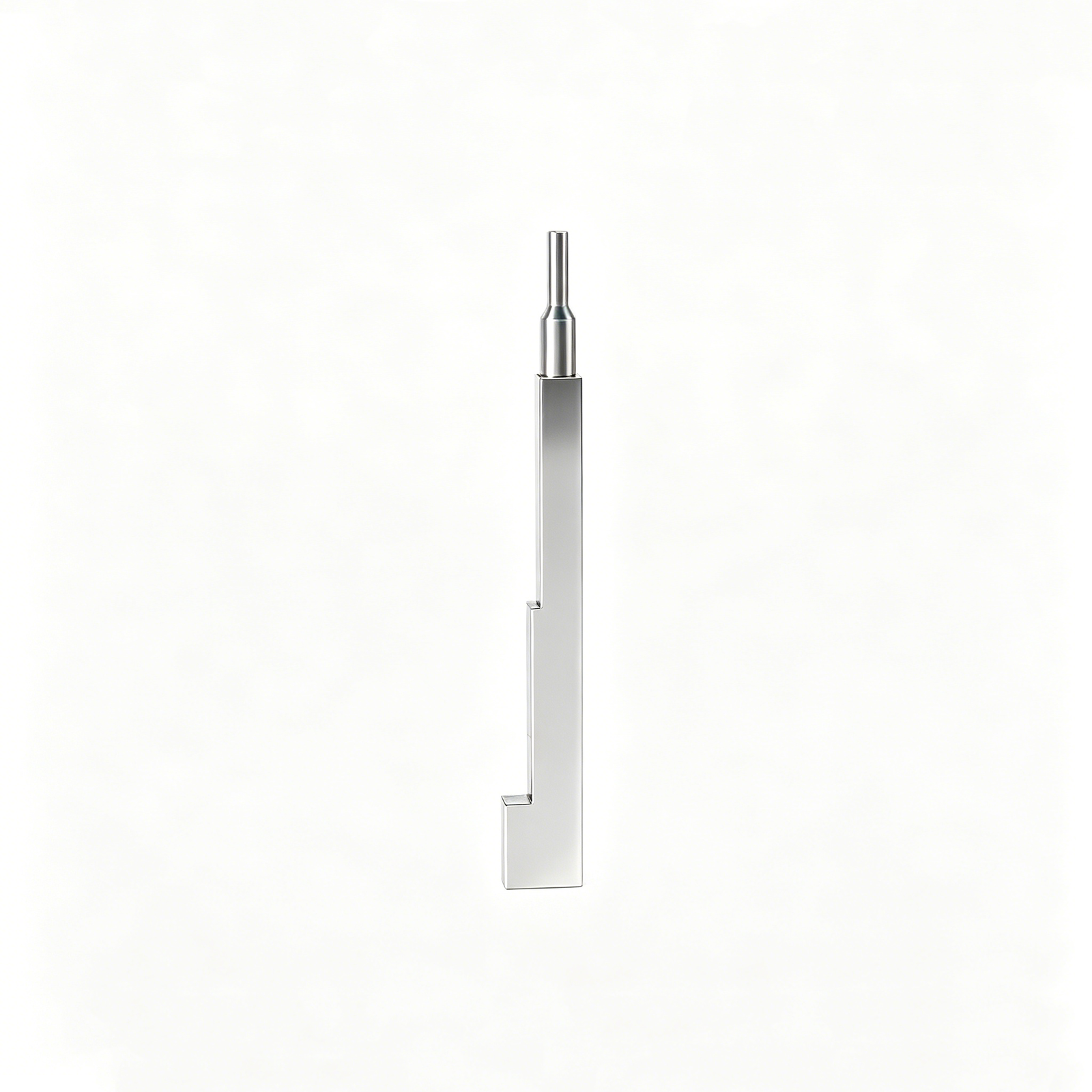
Plastic film parts · Precision mold insert
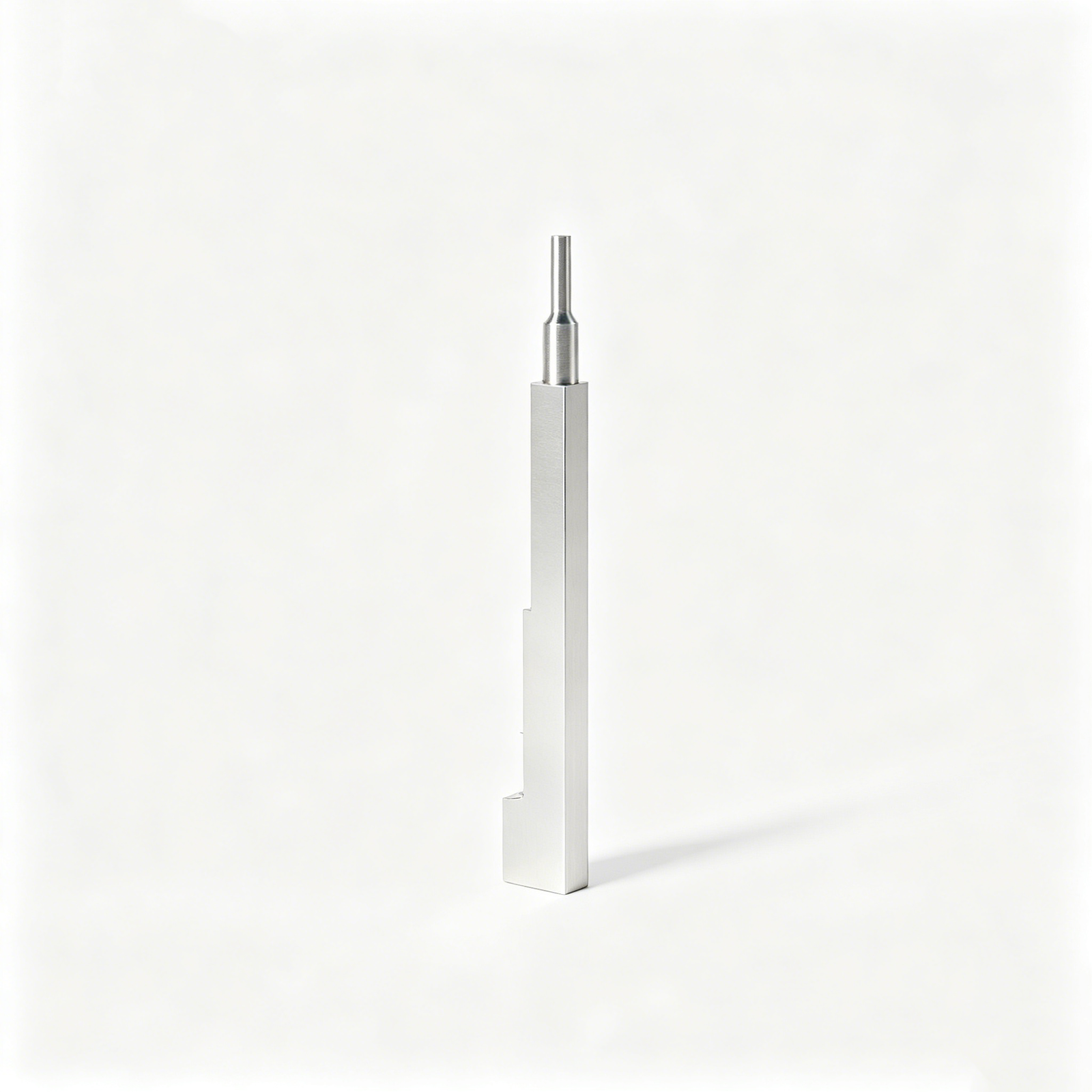
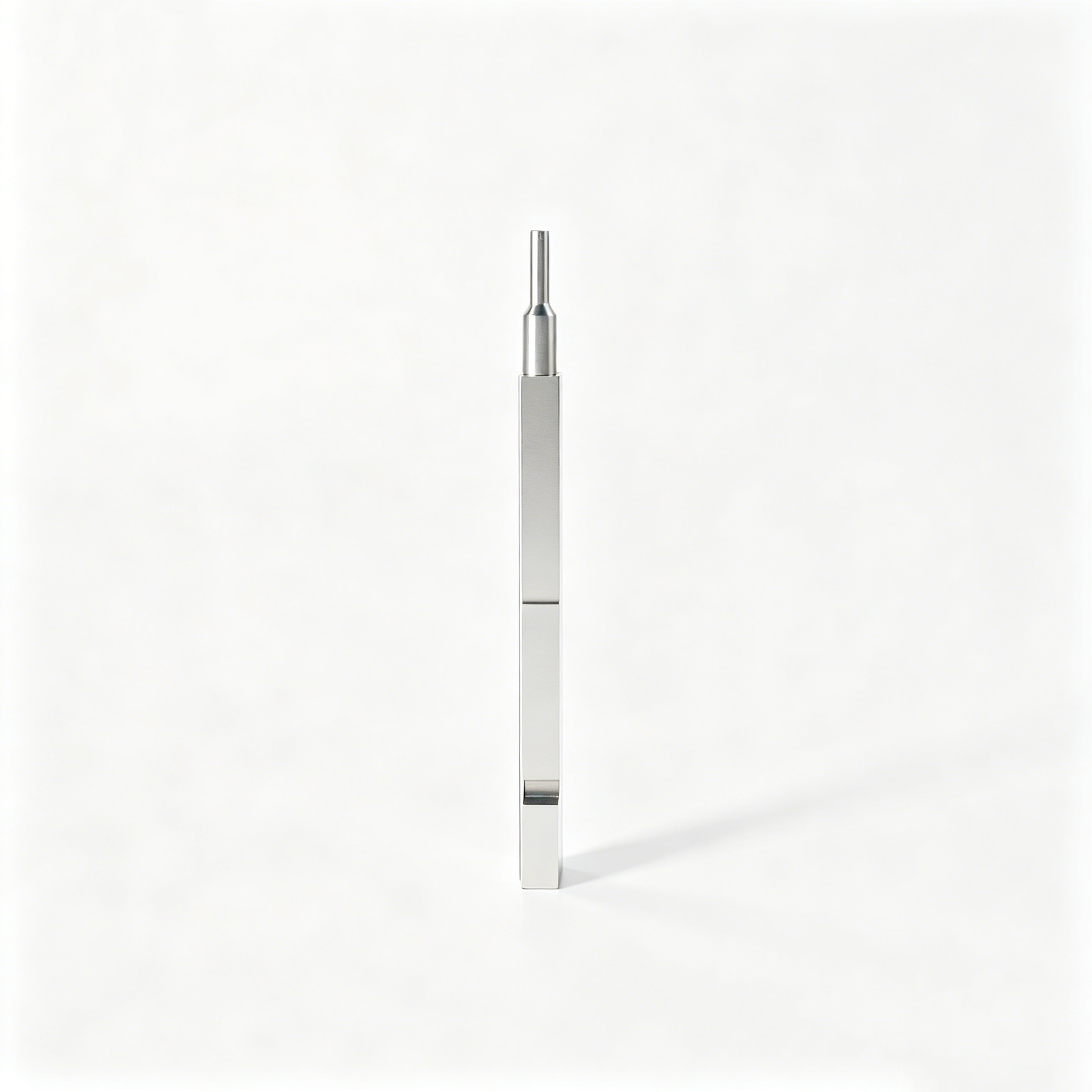
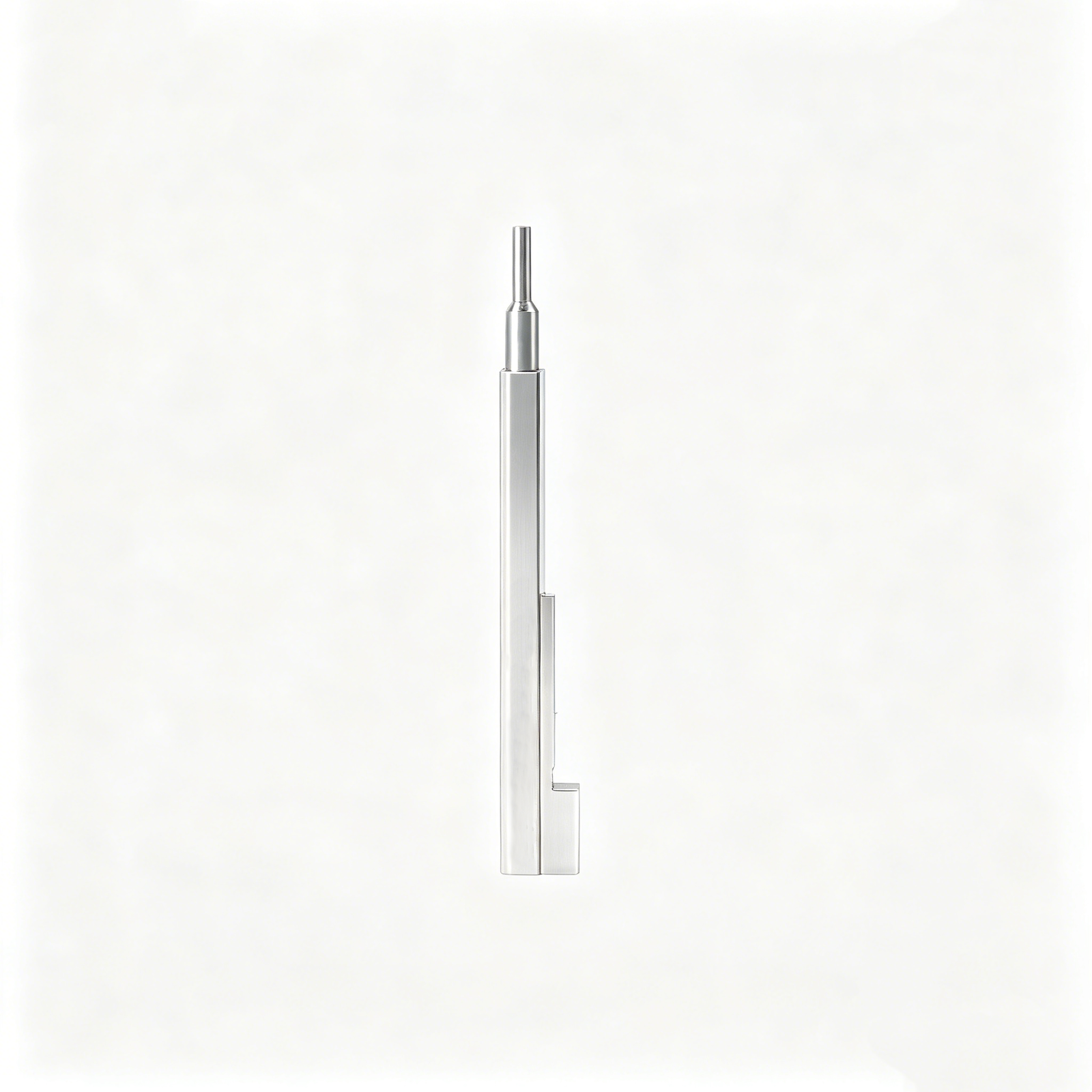
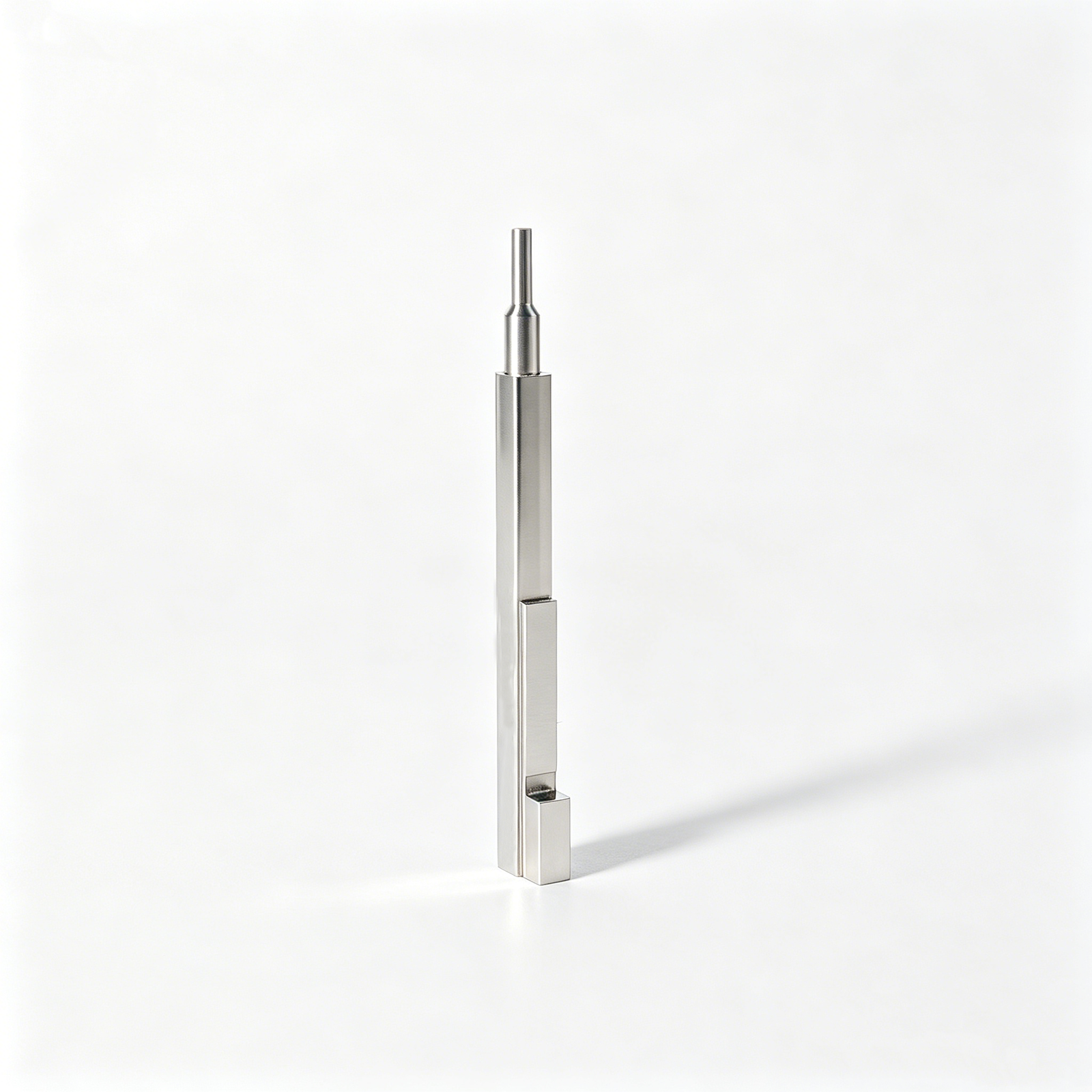
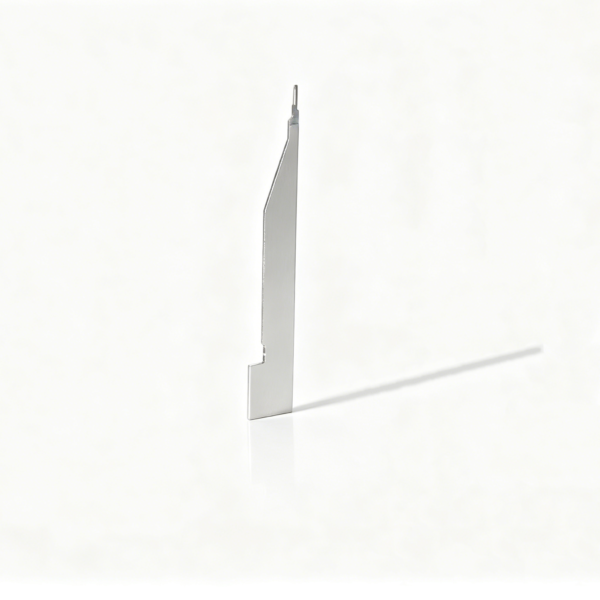
Mobile Connector Precision Mold Components for Connector Housing Cavities
Brand Xuxiang Mold
Availability Made to drawing
RFQ pricing
Quote from STEP / PDF & quantity
Engineer reliable connector housings with Mobile Connector Precision Mold Components designed specifically for small-pitch, multi-cavity connector tools. These high-accuracy inserts help you achieve stable parting lines, consistent pin positioning, and a clean mold surface finish across demanding production runs. Optimized for mobile, automotive, and consumer electronics connectors, they support fine geometries without sacrificing mold life. Upgrade existing tools or design new connector molds with components that minimize flash, reduce downtime, and keep your molding window under control.
- ISO 9001:2015–oriented process & documented inspection paths
- Zeiss / Nikon class metrology available for critical dimensions
- DFM feedback from 10+ senior tooling engineers
- Dongguan HQ + Quanzhou capacity for volume programs
High-Precision Mold Components for Mobile Connector Housings
Mobile devices, automotive electronics, and smart industrial equipment all rely on compact connectors that must mate accurately thousands of times over their service life. To produce these connectors consistently, you need mold inserts and components engineered for micrometer-level repeatability, long service life, and easy integration into your existing tooling standards.
These Mobile Connector Precision Mold Components for connector housing cavities are designed for small and medium-size multi-cavity tools used in the production of mobile, automotive, and electronic connector housings. They focus on the core and cavity areas that define the connector shell, locking features, and fine ribs, helping you maintain tight positional tolerances, excellent surface quality, and stable processing over high-volume operation.
Manufactured from quality tool steel grades commonly used for precision connector molds, and finished with high-accuracy grinding and EDM, these components offer excellent wear resistance and dimensional stability. Whether you are updating an existing connector mold or building a new platform, they provide a reliable foundation for consistent parts and shorter debugging cycles.
Key Features & Benefits
Every detail of these mold components is optimized for connector housing production, where small deviations can lead to assembly issues, poor mating, or premature field failures.
- Precision cavity geometry – The core and cavity inserts that define the connector housing profile are produced with tight machining tolerances and careful corner radii management to support fine ribs, slots, and latching features in modern mobile connectors.
- Stable dimensional accuracy – Heat-treated tool steels and controlled finishing help maintain shape and size under thermal cycling and clamping forces, reducing the need for frequent re-fitting or re-shimming.
- High-quality surface finish – Polished or micro-textured surfaces in the cavity make it easier to achieve the required cosmetic appearance and reduce the risk of sticking, stress whitening, or flow marks in translucent and colored materials.
- Optimized for engineering plastics – Compatible with commonly used connector resins such as glass-filled materials and high-temperature engineering plastics, supporting sharp edges, thin walls, and small draft angles.
- Consistency across multi-cavity tools – Matched cavity components help you maintain balance across high-cavity molds, simplifying process tuning and keeping part weight and dimension variation under control.
- Serviceable and replaceable design – Inserts are typically configured for easy removal, allowing selective replacement of high-wear areas instead of reworking the entire mold base.
Specifications & Technical Details
The table below summarizes typical characteristics for Mobile Connector Precision Mold Components used in connector housing molds. Exact specifications can be tailored to your tool design, connector style, and production requirements.
| Attribute | Description |
|---|---|
| Product type | Precision mold components for mobile connector housing cavities |
| Typical application | Injection molds for mobile, automotive, and electronic connector housings |
| Component forms | Core inserts, cavity inserts, inserts around locking features, fine rib forming elements |
| Material category | Hardened tool steel or equivalent high-wear, high-stability alloys suitable for connector molds |
| Manufacturing processes | Precision CNC machining, EDM, grinding, and polishing adapted for tight-tolerance connector details |
| Surface finish | Polished or controlled texture in functional areas to support flow and demolding |
| Tolerance capability | Fine tolerance capability suitable for small-pitch connector housing features (exact values per drawing) |
| Compatibility | Customizable for common mold base standards and connector platform designs |
| Connector types supported | Suited for mobile device connectors, board-to-board connectors, signal connectors, and similar housing styles |
| Customization options | Geometry tailoring, special radii, venting features, and fitting steps on request |
Typical Use Cases & Who These Components Are For
These mobile connector mold components are intended for tooling engineers, mold makers, and OEMs who need high reliability in compact connector housings.
- Mobile device connectors – Ideal for small connectors used in smartphones, tablets, wearables, and portable electronics where footprint and wall thickness are extremely constrained.
- Automotive and transportation connectors – Support robust locking and keying features required in vehicle harness connectors while still fitting into limited packaging spaces behind panels and in tight modules.
- Consumer and industrial electronics – Suitable for control units, sensor modules, and compact I/O connectors where stable dimensions and repeatable pin spacing are critical.
- Connector platform families – Useful when you build families of connector housings that share a mold base but require interchangeable inserts for different positions, polarities, or pin counts.
- Tool refurbishments and upgrades – When older connector molds show wear around ribs, latch features, or parting lines, these components can be used to re-core or refresh critical areas to extend tool life.
Selection, Care & Buying Guidance
Choosing the right Mobile Connector Precision Mold Components for connector housings starts with your connector drawings and process window. Review your target resin, required tolerances, and annual volume to determine the most appropriate material and finishing strategy for the insert set.
When specifying new components, many molders share 3D data and 2D drawings of the cavity region that defines the housing profile. This allows the components to be manufactured with the correct fitting steps, reference surfaces, and clearance for ejection, gating, and venting. Matching the insert layout to your mold base standard ensures that installation is straightforward and that future replacements will be consistent.
To keep your mold components performing at a high level over long runs, follow regular maintenance routines. Clean the cavity surfaces with suitable, non-abrasive agents to remove plate-out and residue from engineering plastics. Inspect edges, ribs, and sharp corners under magnification, especially in areas that see concentrated flow or frequent venting. Early detection of micro-chipping or wear allows you to schedule polishing or replacement during planned downtime, rather than after quality issues appear in production.
For buyers, it is helpful to prepare key information before ordering: connector housing style, expected shot count, resin type, and any special requirements such as enhanced corrosion resistance or specific surface textures. Providing this data up front allows the components to be tailored to your environment and quality standards, whether you run short product cycles or long-term high-volume programs.
By integrating well-designed Mobile Connector Precision Mold Components into your connector housing tools, you can shorten sampling time, stabilize your molding window, and maintain consistent connector quality even as volumes ramp up. This reduces rework and scrap, improves customer satisfaction, and helps you keep pace with fast-moving electronics development cycles.
FAQ
Are these components compatible with my existing connector housing mold base?
The components are designed to be adapted to common mold base standards, and can usually be matched to your existing pocket sizes and locating features using your 3D and 2D drawings.
What information do I need to provide when ordering custom connector housing inserts?
To specify custom inserts, prepare your connector housing drawings, mold layout, resin information, and any special requirements such as surface finish, venting, or corrosion resistance.
Can these Mobile Connector Precision Mold Components be used with high-temperature engineering plastics?
Yes, the components are suitable for common engineering plastics used in connector housings, including high-temperature grades, provided the material and heat-treatment selection is matched to your process conditions.
How should I maintain the cavity surfaces to extend tool life?
Use non-abrasive cleaning agents and soft tools to remove deposits, avoid aggressive mechanical polishing in critical tolerance areas, and schedule periodic inspections of edges and ribs for early signs of wear.
What is the typical lead time for customized connector housing cavity components?
Lead time depends on design complexity and order quantity; once drawings are approved, production and finishing are planned to fit within standard precision mold component delivery windows.
Can I replace only high-wear sections of my connector housing cavity?
Yes, inserts are typically designed so that individual high-wear areas can be replaced without changing the entire mold base, helping you control maintenance costs and downtime.
Do these components support multi-cavity connector housing molds?
They are well suited to multi-cavity tools, and consistent manufacturing across cavities helps maintain part balance and dimensional uniformity.
What happens if the components do not fit my mold as expected?
If any fitting issue occurs, you can compare the supplied parts with the approved drawings and coordinate adjustments or remanufacturing based on documented dimensions and tolerances.
Is there any special storage guidance for spare connector housing inserts?
Store spare components in a clean, dry environment, lightly oiled or protected if necessary, and clearly labeled by cavity position to ensure accurate replacement during maintenance.
Related products
Same drawing, predictable results—next batch
Share revision, quantity ramp, and inspection level. We quote process route, ship date, and documentation in one structured response.