
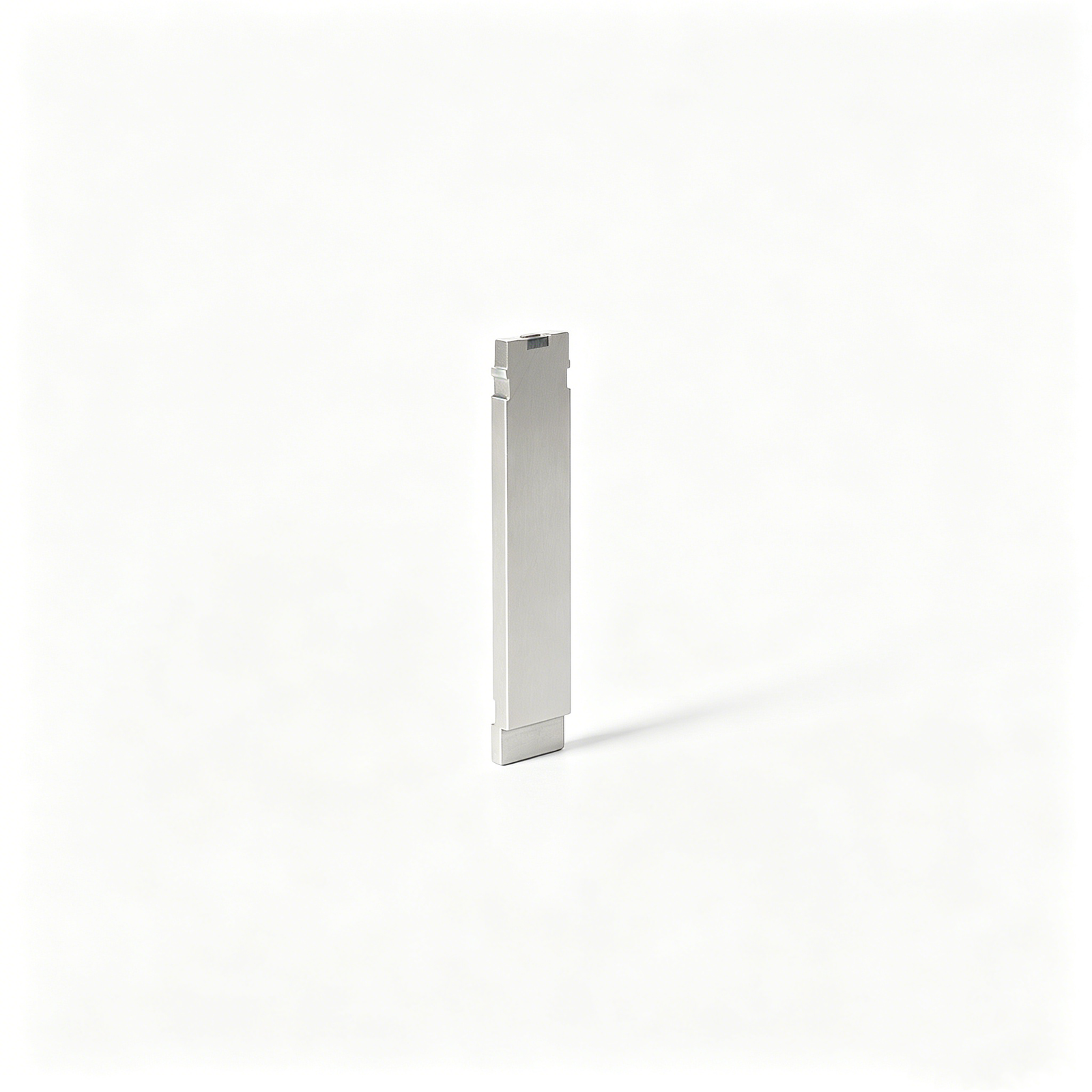
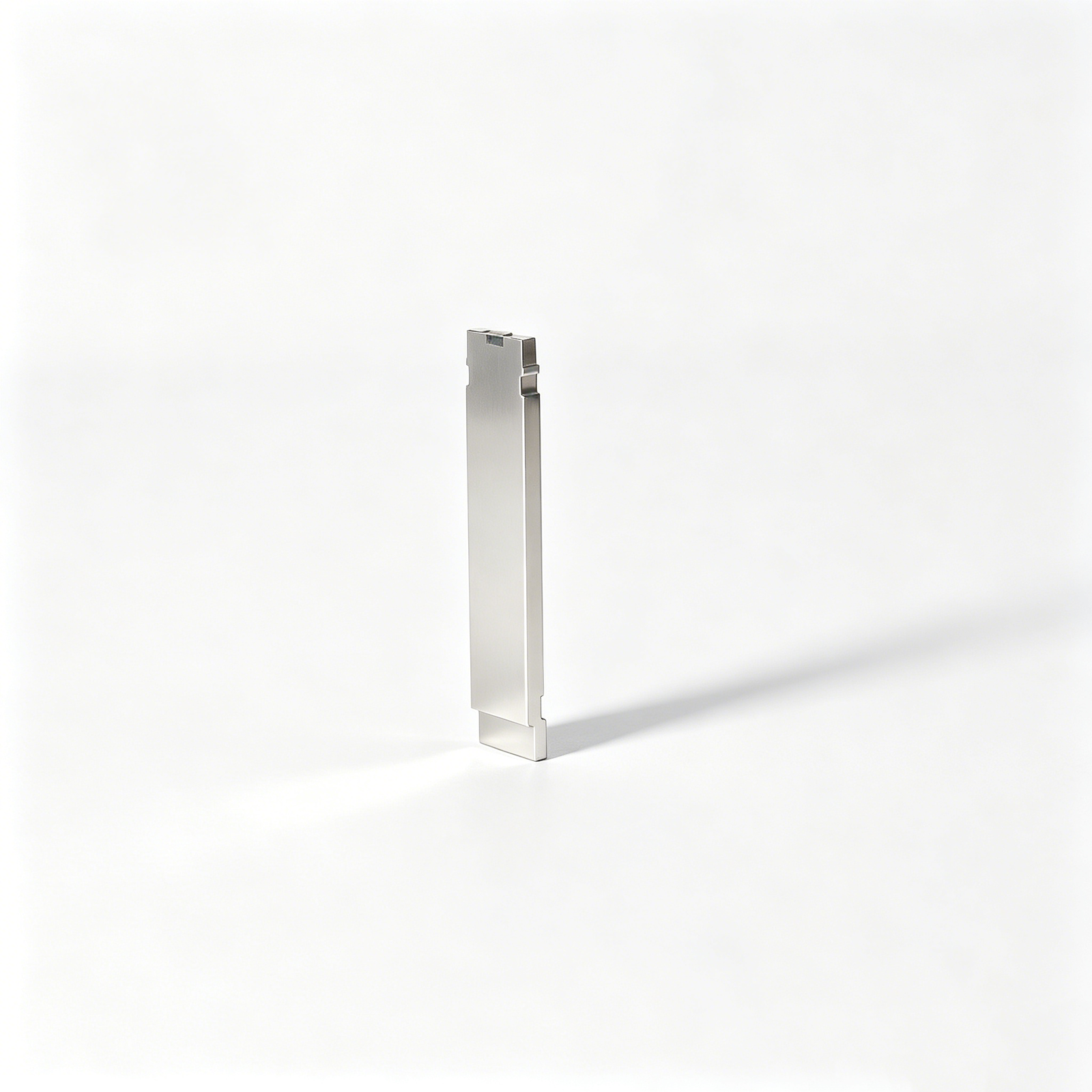
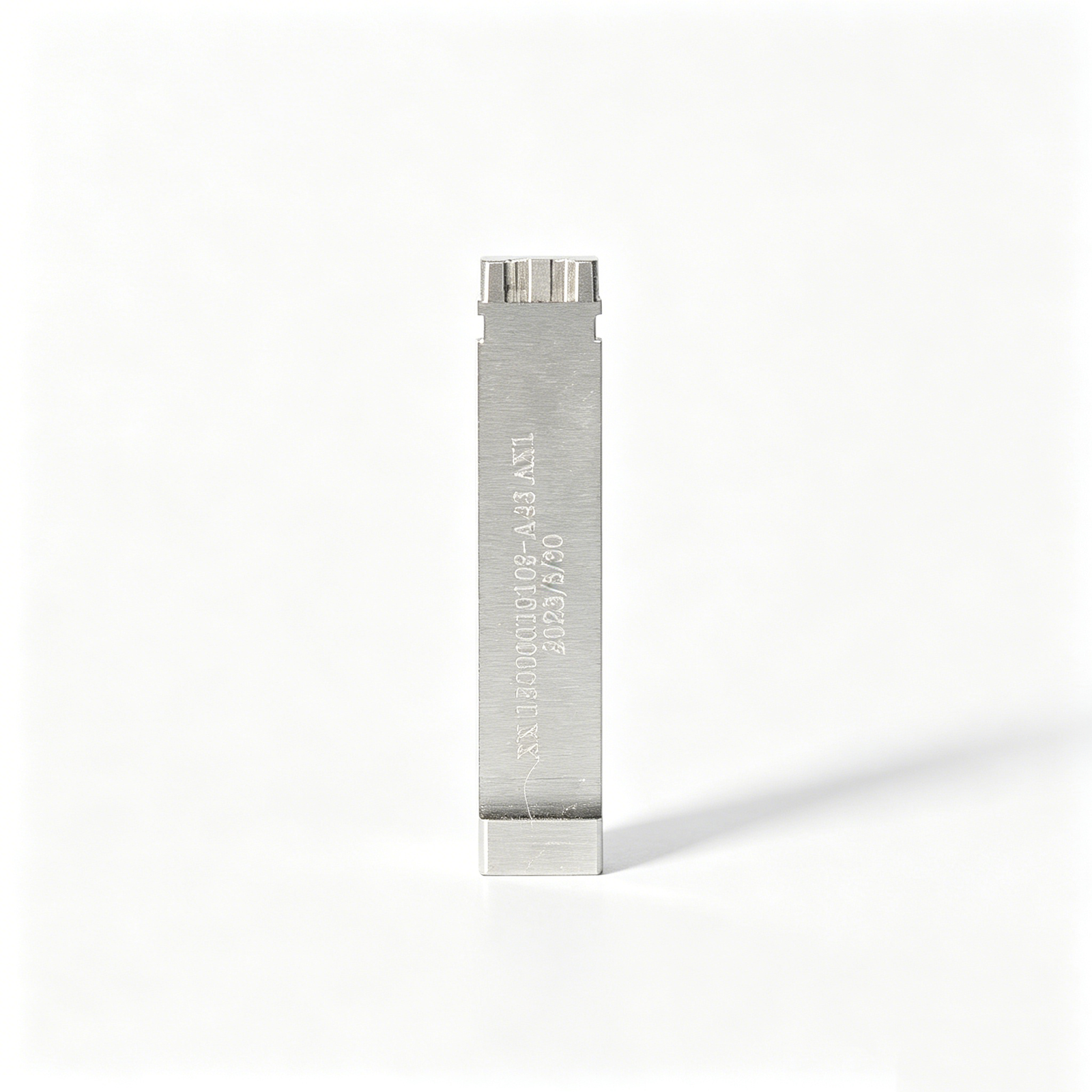
Plastic film parts · Precision mold insert
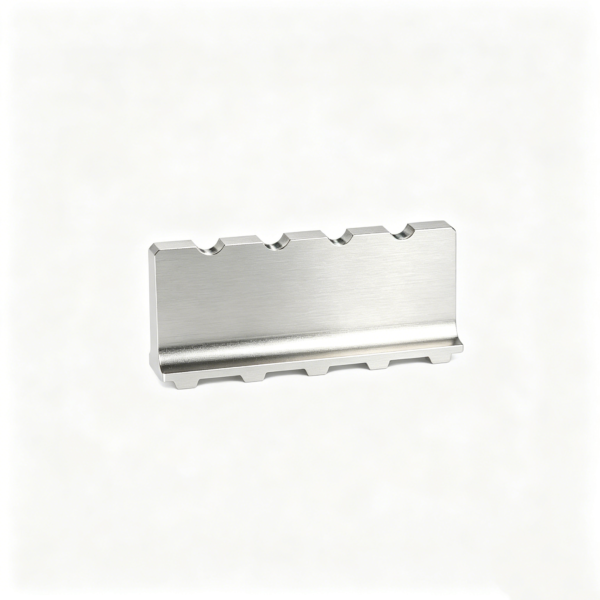
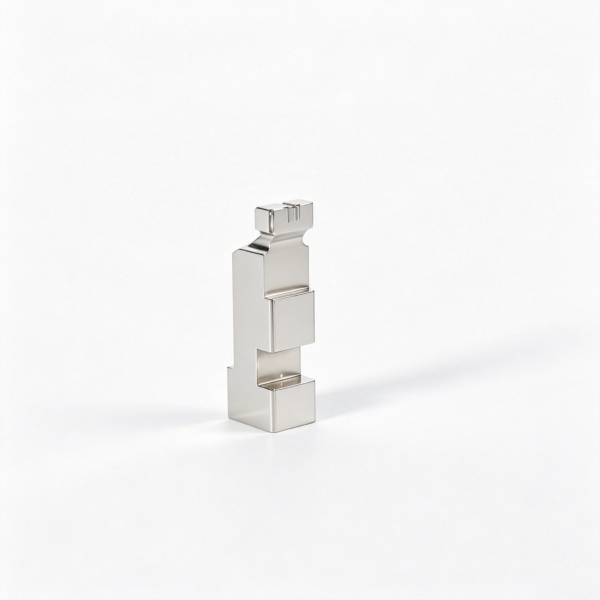
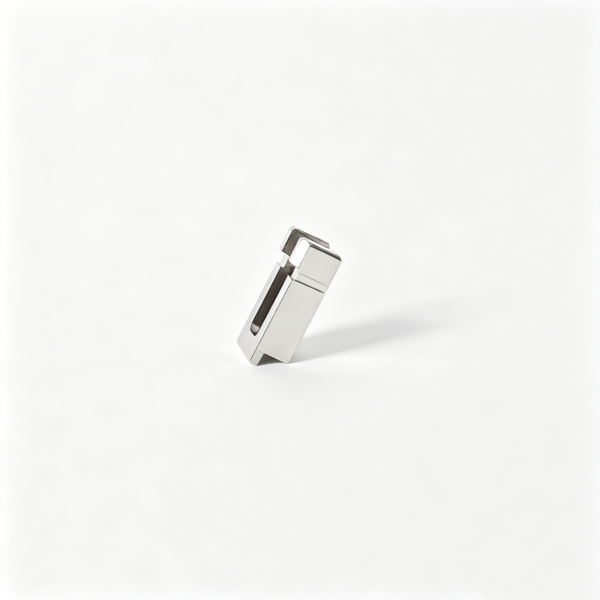
Mobile Connector Precision Mold Components for Connector Insert Tooling
Brand Xuxiang Mold
Availability Made to drawing
RFQ pricing
Quote from STEP / PDF & quantity
Built for compact connector production, Mobile Connector Precision Mold Components help support clean part release, stable cavity formation, and consistent detail in demanding tooling environments. They are a smart fit for shops that need reliable performance in tight spaces where fit, alignment, and repeatability matter. Use them to help improve molding consistency for mobile and portable connector parts without adding unnecessary complexity. The result is a more dependable path from tooling setup to finished connector output.
- ISO 9001:2015–oriented process & documented inspection paths
- Zeiss / Nikon class metrology available for critical dimensions
- DFM feedback from 10+ senior tooling engineers
- Dongguan HQ + Quanzhou capacity for volume programs
Precision Components for Mobile Connector Tooling
Mobile Connector Precision Mold Components are designed for the exacting needs of connector mold builds where small features, fine tolerances, and stable processing all matter at once. In this product category, the component itself is not a finished consumer item; it is a functional mold part used inside injection tooling or related precision tooling systems to help shape mobile connector parts with accuracy and repeatability. That makes it valuable for manufacturers working on compact electronic connectors, portable device interfaces, and other space-sensitive plastic parts.
Because connector geometries are often narrow, detailed, and sensitive to small variation, the mold component must do more than simply fit into the tool. It must help maintain alignment, support reliable cavity performance, and withstand repeated cycles without quickly losing surface quality or dimensional stability. For that reason, buyers in this niche typically look for precision-ground surfaces, careful material selection, and a build approach that supports long-term consistency rather than short-run convenience.
Key Features and Practical Benefits
One of the main advantages of this type of precision mold component is its role in improving production stability. When a connector part has fine ribs, thin walls, or compact contact-area geometry, even small tool variation can affect appearance, assembly fit, or downstream handling. A well-made mold component helps reduce those risks by supporting consistent cavity behavior and predictable tool response across production runs.
These components are also useful in tooling environments that require frequent maintenance or modular replacement. Instead of rebuilding an entire mold section, manufacturers may replace only the worn or specialized precision component, helping reduce downtime and keep production moving. This is especially valuable in connector manufacturing, where product revisions and model changes are common.
Another benefit is compatibility with high-precision machining workflows. Depending on the application, these components may be produced with CNC machining, grinding, polishing, EDM finishing, and careful inspection steps to help achieve the surface quality and detail control needed for connector tooling. In many cases, the quality of the finished plastic connector depends heavily on how well the mold component is engineered and finished.
Technical Overview
| Attribute | Typical Buyer Need |
|---|---|
| Product type | Precision mold component for connector tooling |
| Primary application | Mobile connector and compact electronic connector molds |
| Functional focus | Dimensional control, alignment support, repeatable cavity performance |
| Common manufacturing methods | CNC machining, grinding, EDM, polishing, inspection |
| Material selection | Chosen according to wear resistance, heat response, and tool life requirements |
| Surface requirement | Smooth, precise, and suitable for fine-detail molding |
| Maintenance approach | Cleaning, wear checks, lubrication where applicable, and replacement when needed |
| Customization | Usually aligned to drawing, sample, or connector geometry requirements |
Where It Fits in Production
This product is a strong fit for mold makers, injection molding shops, connector suppliers, and precision tooling teams serving mobile electronics, consumer devices, communications hardware, and other compact assemblies. It is especially relevant where toolmakers must balance miniaturization with consistency, since mobile connector parts often leave little room for error. If your production line depends on accurate insert features, stable release, or clean detail transfer, this type of component belongs in the conversation.
It is also useful for manufacturers managing multiple connector variants. A precision mold component can help support platform-based tooling, where a common mold structure is adapted for several related products. That approach can improve efficiency while still preserving the detail needed for different connector housings, terminals, or interface features.
Buying and Care Guidance
When choosing a mold component for mobile connector applications, start with the connector drawing, tolerance targets, and expected production volume. Ask whether the part must prioritize wear resistance, thermal stability, mirror-like finish, or easier maintenance, since the best material and processing route depends on the tool’s actual workload. If the connector features are especially fine or deep, confirm how the supplier handles polishing, inspection, and fit verification before ordering.
After installation, routine care helps preserve performance. Keep the component clean, check for wear or burr formation, and monitor fit during scheduled maintenance intervals. If the mold begins showing flash, release issues, or dimensional drift, the component should be inspected before the problem spreads to larger sections of the tool. For buyers, the safest approach is to match the component specification to real production conditions instead of choosing only by appearance or price.
FAQ
How is shipping typically handled for precision mold components?
Shipping is usually arranged based on part size, protection needs, and destination. Precision components should be packed securely to protect finished surfaces and edges during transit.
Can this be matched to my existing connector mold?
Yes, most buyers request a drawing, sample, or key dimensions so the component can be matched to the current tool structure and connector geometry. Compatibility depends on fit, tolerance, and intended mold function.
What types of mobile connector parts can it support?
It is generally used in tooling for compact connector housings, insert features, fine-detail cavities, and other small plastic components related to mobile or portable electronics.
How should the component be maintained in production?
Keep it clean, avoid surface damage during handling, and inspect for wear, residue, or alignment issues during regular mold maintenance. Proper care helps preserve finish and repeatability.
Is customization available for special shapes or tolerances?
Custom specifications are common in this category because connector designs vary widely. Buyers often supply drawings or application details so the component can be built to the required geometry.
What should I check before placing an order?
Confirm the connector model, tolerance needs, material preference, surface finish expectations, and whether the part is for a new tool or a replacement insert. These details help reduce rework and delays.
What if the component wears out during use?
If wear affects performance, the component is typically inspected and replaced or refurbished depending on the tool design. Regular checks make it easier to catch issues before they affect molded parts.
Do you offer returns or warranty support?
Warranty and return terms usually depend on the seller’s policy and whether the part was custom-made. For precision tooling items, it is best to confirm terms before purchase.
Related products
Same drawing, predictable results—next batch
Share revision, quantity ramp, and inspection level. We quote process route, ship date, and documentation in one structured response.