
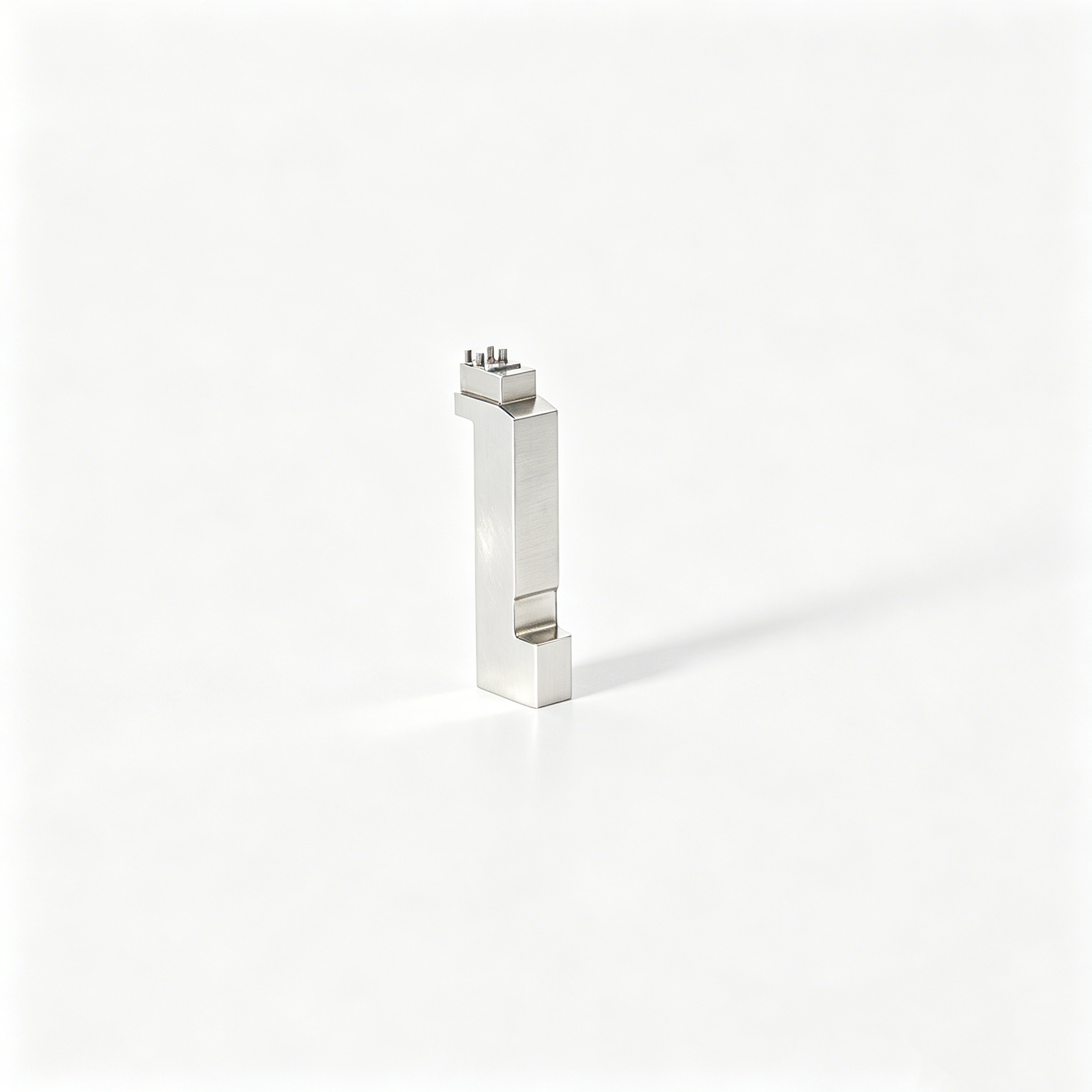
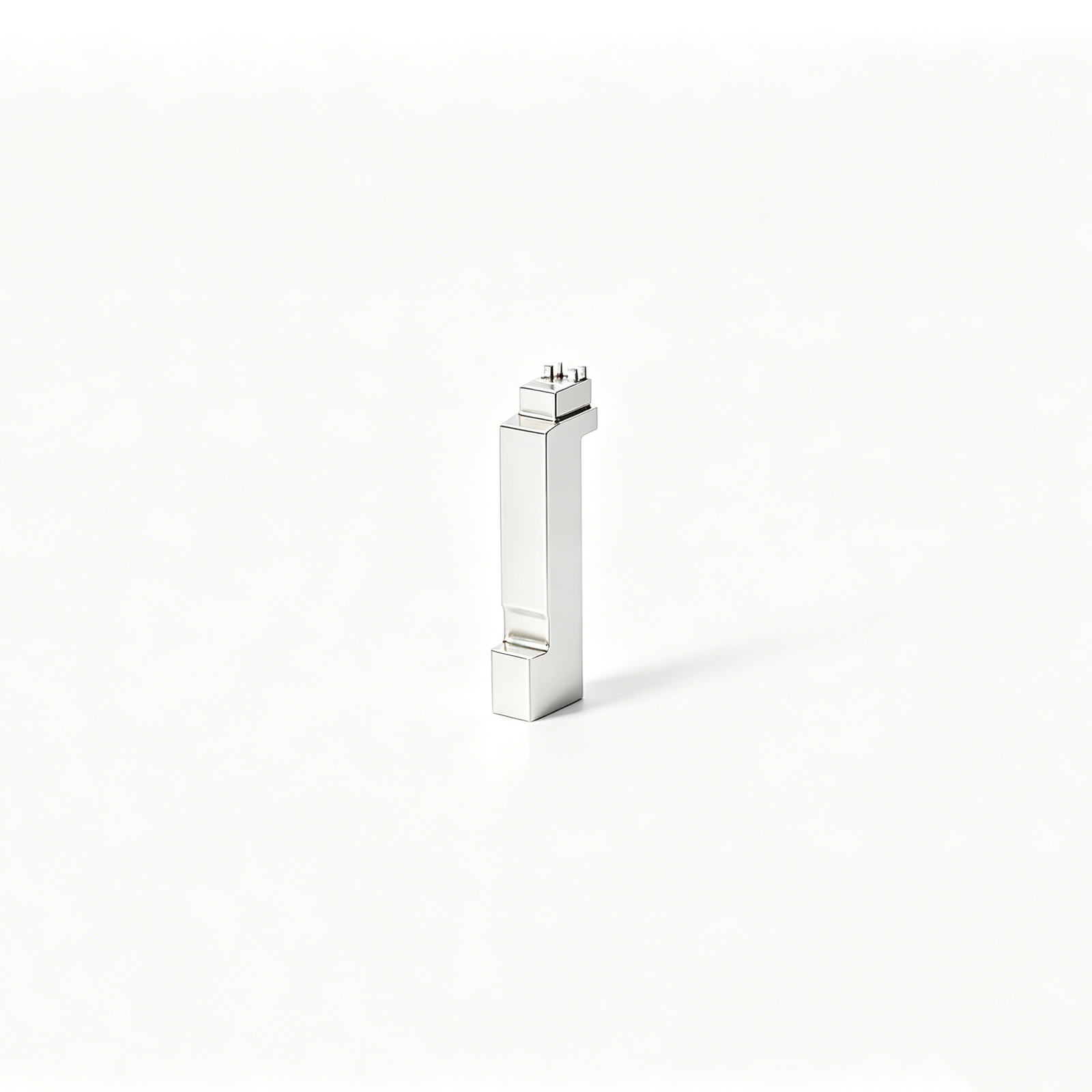
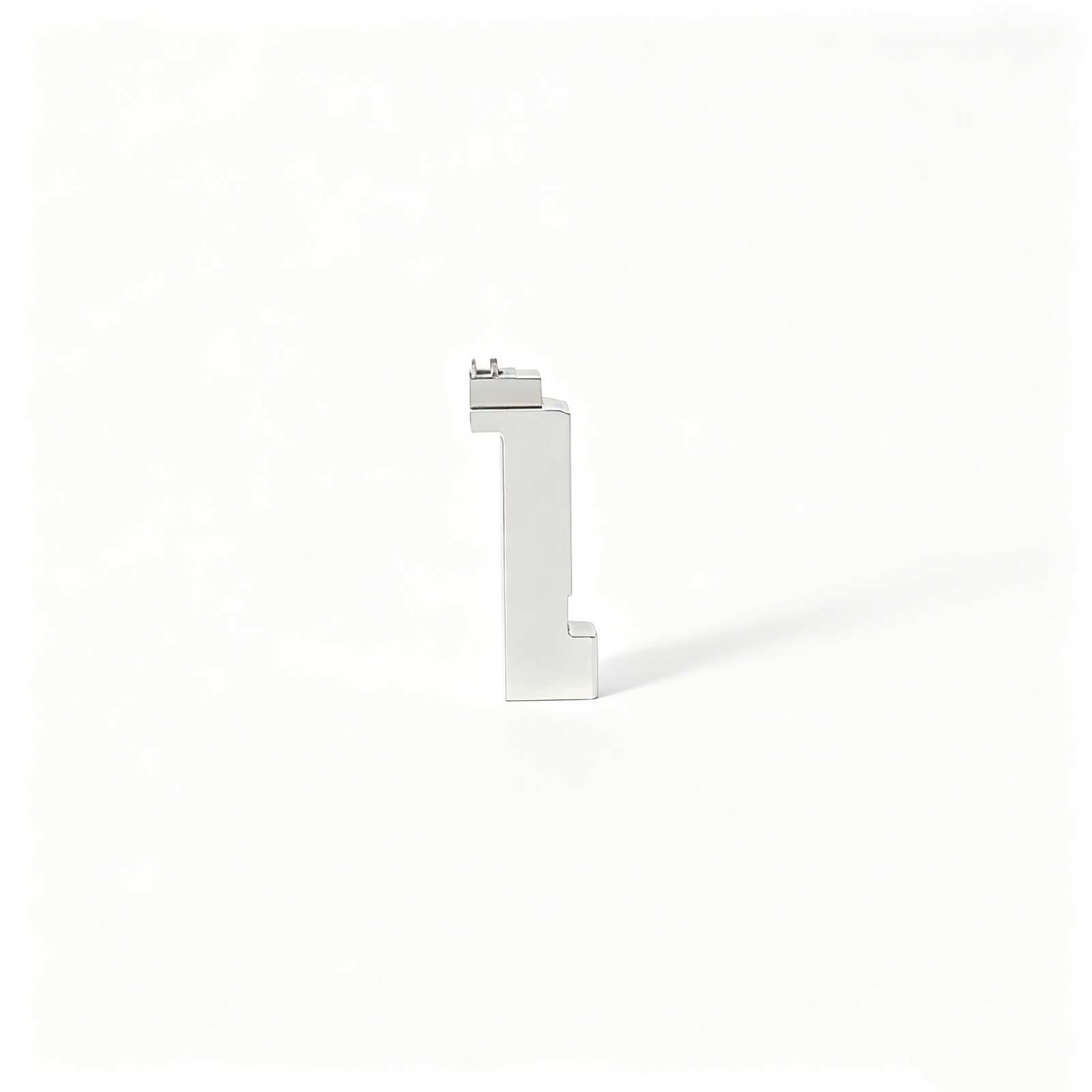
Plastic film parts · Precision mold insert
Mobile Connector Precision Mold Components for High-Accuracy Inserts
Brand Xuxiang Mold
Availability Made to drawing
RFQ pricing
Quote from STEP / PDF & quantity
Engineer tighter tolerances and longer-lasting tools with Mobile Connector Precision Mold Components designed specifically for high-cycle connector molding. These engineered inserts, cores, and sleeves help you achieve stable cavity dimensions, clean pin alignment, and reliable part release—even on micro-connector geometries. Optimized steel selections and surface treatments reduce wear in high‑temperature, glass-filled resins so you can keep your connector molds in production longer. From prototype tools to multi-cavity production molds, these components provide the repeatability you need for demanding connector applications. Upgrade your existing tools or specify them into new mold builds to enhance quality, uptime, and output.
- ISO 9001:2015–oriented process & documented inspection paths
- Zeiss / Nikon class metrology available for critical dimensions
- DFM feedback from 10+ senior tooling engineers
- Dongguan HQ + Quanzhou capacity for volume programs
What Are Mobile Connector Precision Mold Components?
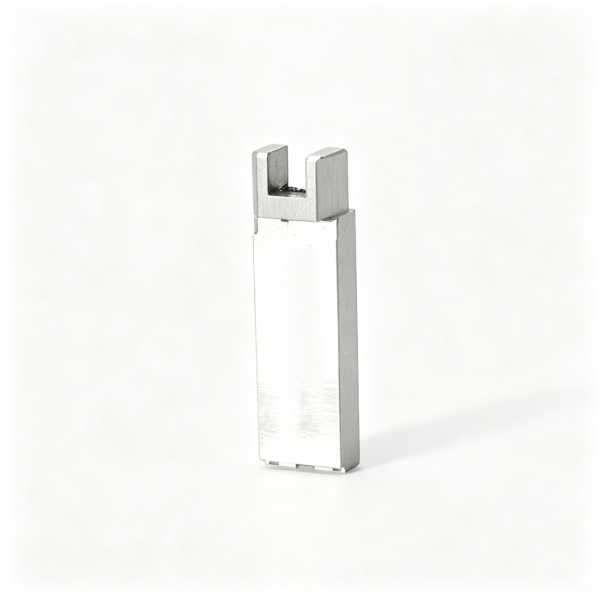
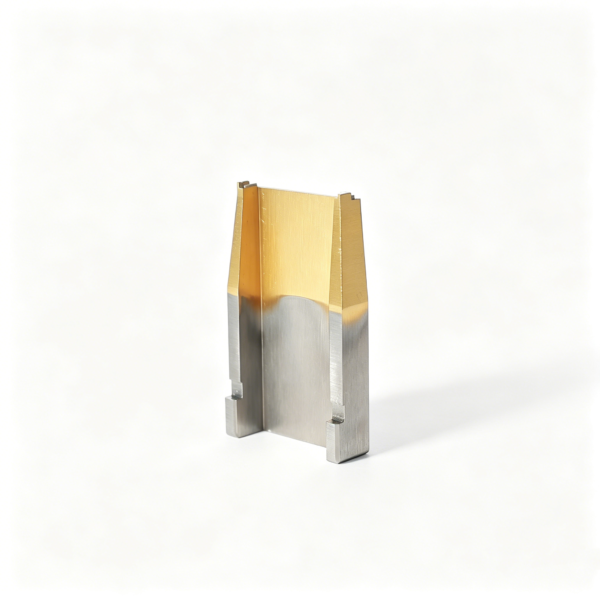
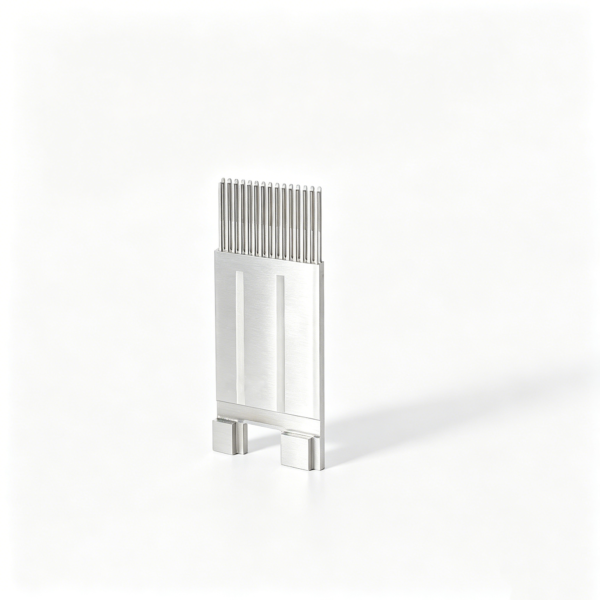
Mobile Connector Precision Mold Components are specialized tooling elements engineered for the injection molding of mobile device connectors, data ports, and high-density electronic interconnects. These components typically include core pins, cavities, sleeves, inserts, lifters, and guide elements that shape and protect the critical mating surfaces, contact slots, and latch features on your plastic connector housings.
In mobile electronics, connector geometry is extremely compact while dimensional tolerances remain tight. Any deviation in pitch, wall thickness, or pin clearance can cause misalignment, poor mating, or early field failures. Precision mold components are the backbone of a stable mold that can repeatedly produce connector housings with consistent dimensions, clean edges, and robust mechanical performance.
Whether you are molding USB connectors, board-to-board sockets, FPC/FFC connectors, or custom high-speed data ports, correctly designed and manufactured mold components directly influence your yield, scrap rates, and customer satisfaction. By using robust steels, precision grinding, and advanced surface treatments, these components help maintain mold accuracy over hundreds of thousands to millions of cycles.
Key Features & Benefits
Mobile Connector Precision Mold Components are engineered to address the most common pain points in connector molding: tiny features, complex parting lines, and aggressive materials. Investing in high-quality components pays off through better part quality and improved mold uptime.
- High-precision geometries: Tight dimensional control on critical features such as contact slots, alignment keys, and locking details to ensure reliable connector mating and electrical contact.
- Optimized for micro-scale features: Fine-tipped core pins, thin-wall cavity details, and miniature slide elements capable of forming ultra-thin ribs and closely spaced terminals typically found in mobile connectors.
- Durable tooling materials: Use of high-grade tool steels and wear-resistant alloys suitable for fiber-reinforced, high-flow, or halogen-free connector resins, helping maintain sharp edges and feature definition over long production runs.
- Surface treatments for long life: Polishing, nitriding, or other coatings applied to critical surfaces to reduce friction, resist abrasion, and minimize sticking of delicate connector parts.
- Improved mold stability: Precision-ground guide pins, bushings, and alignment features that keep cores and cavities in exact position, reducing flash, mismatch, and offset on thin connector walls.
- Flexible integration: Components are designed to be adapted to new mold builds or retrofitted into existing tools, allowing incremental upgrades where you need them most—such as high-wear cores or delicate insert areas.
- Faster maintenance and replacement: Modular construction with standardized mounting interfaces makes it easier for tool rooms to replace individual components without extensive rework.
Specifications & Technical Details
The exact specifications of Mobile Connector Precision Mold Components will vary by mold design, connector standard, and production requirements. The table below summarizes typical characteristics and options to consider when specifying components for your tools.
| Attribute | Description |
|---|---|
| Component types | Core pins, cavities, inserts, sleeves, slides, lifters, ejector pins, guide pins, bushings specific to mobile connector tooling |
| Typical applications | USB / Type-C connectors, mobile charging ports, SIM/SD card holders, FPC/FFC connectors, board-to-board and signal connectors for handheld devices |
| Material options | High-grade tool steels and wear-resistant alloys selected for hardness, toughness, and resistance to glass-fiber abrasion |
| Surface finishes | Precision grinding, high gloss polishing, texturing on visible surfaces, optional nitriding or other surface treatments on wear surfaces |
| Tolerance capability | Designed for tight tolerance connector features; exact values depend on mold design, machining process, and inspection standards |
| Compatibility | Customizable to fit most standard connector mold bases and hot runner layouts used in mobile electronics production |
| Supported resins | Engineered for high-temperature and filled connector materials such as high-performance thermoplastics and flame-retardant grades |
| Maintenance approach | Modular, replaceable components designed to be removed, cleaned, or swapped without full mold disassembly where possible |
Use Cases & Who These Components Are For
Mobile Connector Precision Mold Components are ideal for manufacturers who need reliable, repeatable connector molding across a wide range of electronics applications. Typical users include:
- Injection mold makers supplying tools to mobile phone, tablet, and wearable device manufacturers who demand precise connector housings.
- Electronics OEMs and ODMs that operate in-house molding facilities and must maintain rigorous quality standards for connector parts used in final assemblies.
- Connector manufacturers producing standardized or custom interconnect solutions where minor dimensional drift can lead to expensive downstream failures.
- Contract manufacturers who support multiple connector programs and need tooling that can withstand frequent production changes and long runs.
Specific use scenarios include:
- Upgrading existing connector molds suffering from wear, flash, or dimensional drift by replacing high-wear cores and inserts with more durable precision components.
- Developing new connector families with tighter pitch and reduced form factor that require micro-scale features and advanced alignment solutions.
- Scaling up from prototype to multi-cavity production while maintaining identical connector performance and fit across all cavities.
- Reducing scrap and rework by stabilizing critical dimensions on parts used in automated assembly, testing, or overmolding processes.
Care, Maintenance & Buying Guidance
To maximize the life and performance of Mobile Connector Precision Mold Components, it is important to follow a consistent care and selection process. These components operate under high temperature, clamping forces, and repeated mechanical motion; a disciplined approach helps preserve edge sharpness and dimensional accuracy.
For maintenance, consider the following best practices:
- Implement a preventive maintenance schedule that includes regular inspection of core tips, cavity edges, and thin features for micro-chipping or wear.
- Use appropriate cleaning agents and non-abrasive tools when removing build-up or residue from connector-forming surfaces.
- Monitor part quality data—such as dimensions, flash occurrence, and gate vestige—as early indicators that a component may need replacement or reconditioning.
- Document component positions and part numbers so that tool room teams can quickly identify and replace the correct elements without trial-and-error.
When selecting components for a new mold or refurbishment project, keep in mind:
- Connector design requirements: pin pitch, wall thickness, locking features, and required mating force all influence component geometry.
- Material selection: choose component materials and surface treatments appropriate for the resin’s temperature, fillers, and flame-retardant chemistry.
- Production volume: higher expected cycle counts justify more robust steels, advanced coatings, and modular designs that simplify future replacements.
- Assembly process: if connectors will be assembled automatically, prioritize components that support consistent gate quality, dimension stability, and minimal deformation.
Working closely with your tooling engineer or mold maker to discuss these factors early in the project ensures that the Mobile Connector Precision Mold Components you specify will support both current and future production needs.
FAQ
Are these components compatible with my existing connector mold?
Many Mobile Connector Precision Mold Components are designed to be customized to your specific mold base and connector geometry. In most cases, key elements such as cores, inserts, and pins can be adapted to retrofit existing tools, but a review of your mold drawings is typically required.
What connector types can these mold components support?
They are suitable for a wide variety of mobile and handheld electronics connectors, including USB and Type-C charging ports, board-to-board connectors, SIM and memory card holders, and compact signal connectors used in phones, tablets, and wearables.
How do I choose the right material for my mold components?
Material selection depends on your resin, production volume, and feature complexity. For abrasive or glass-filled materials, high-grade tool steels and wear-resistant surface treatments are usually recommended. Your tooling supplier can advise on the best combination for your application.
What kind of maintenance do these components require?
Routine inspection, thorough cleaning, and timely replacement of worn elements are essential. Establish a preventive maintenance schedule based on cycle counts and part inspection data to keep connector dimensions within specification and avoid unplanned downtime.
Can I order customized geometries for unique connector designs?
Yes. Precision mold components for connectors are typically produced to drawing, allowing you to specify unique geometries, tolerances, and finishes that match your proprietary connector designs or specific industry standards.
What is the typical lead time for Mobile Connector Precision Mold Components?
Lead times vary depending on complexity, quantity, and customization. Standardized components may be available more quickly, while highly specialized inserts and micro-scale features usually require additional machining and quality checks.
How are the components packaged and shipped?
Components are usually individually protected and packed to prevent damage or corrosion in transit. Smaller parts such as core pins and ejectors are often supplied in labeled cases so they can be easily identified when received in the tool room.
Is there any warranty or quality guarantee?
Most suppliers offer a quality guarantee covering workmanship and material defects for a defined period. Specific warranty terms depend on the supplier, so it is important to review documentation and clarify expectations at the time of purchase.
Can these components help reduce scrap and rework?
Yes. By maintaining accurate geometry and minimizing wear in critical areas of the mold, well-specified precision components can significantly reduce flash, mismatch, and dimensional variation, which in turn lowers scrap and rework rates over the life of the mold.
Do I need special training to install or replace these mold components?
Experienced toolmakers and maintenance technicians can usually install and replace the components using standard shop practices. However, following the supplier’s installation guidelines and documenting torque settings, alignment procedures, and fit checks is strongly recommended.
Related products
Same drawing, predictable results—next batch
Share revision, quantity ramp, and inspection level. We quote process route, ship date, and documentation in one structured response.