
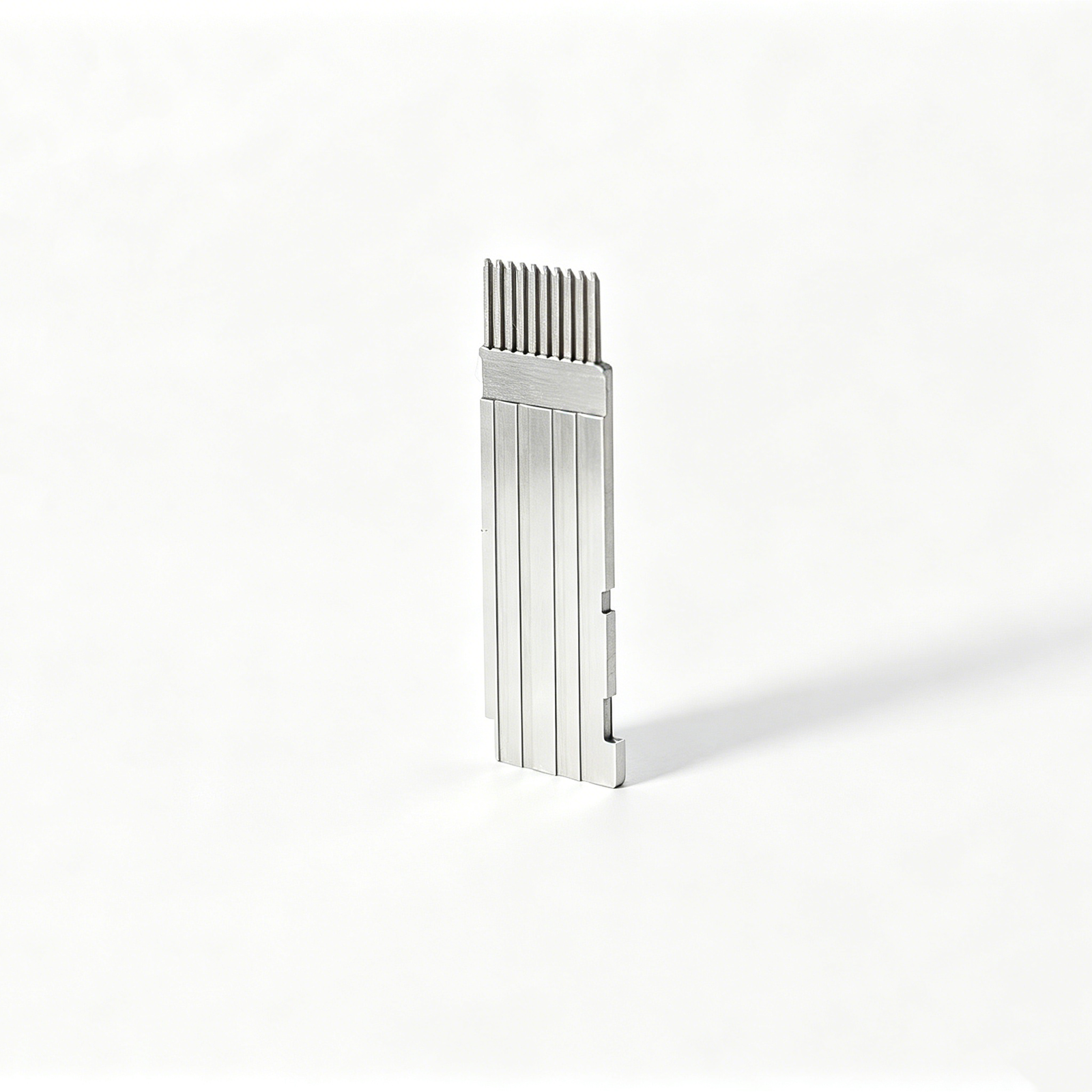
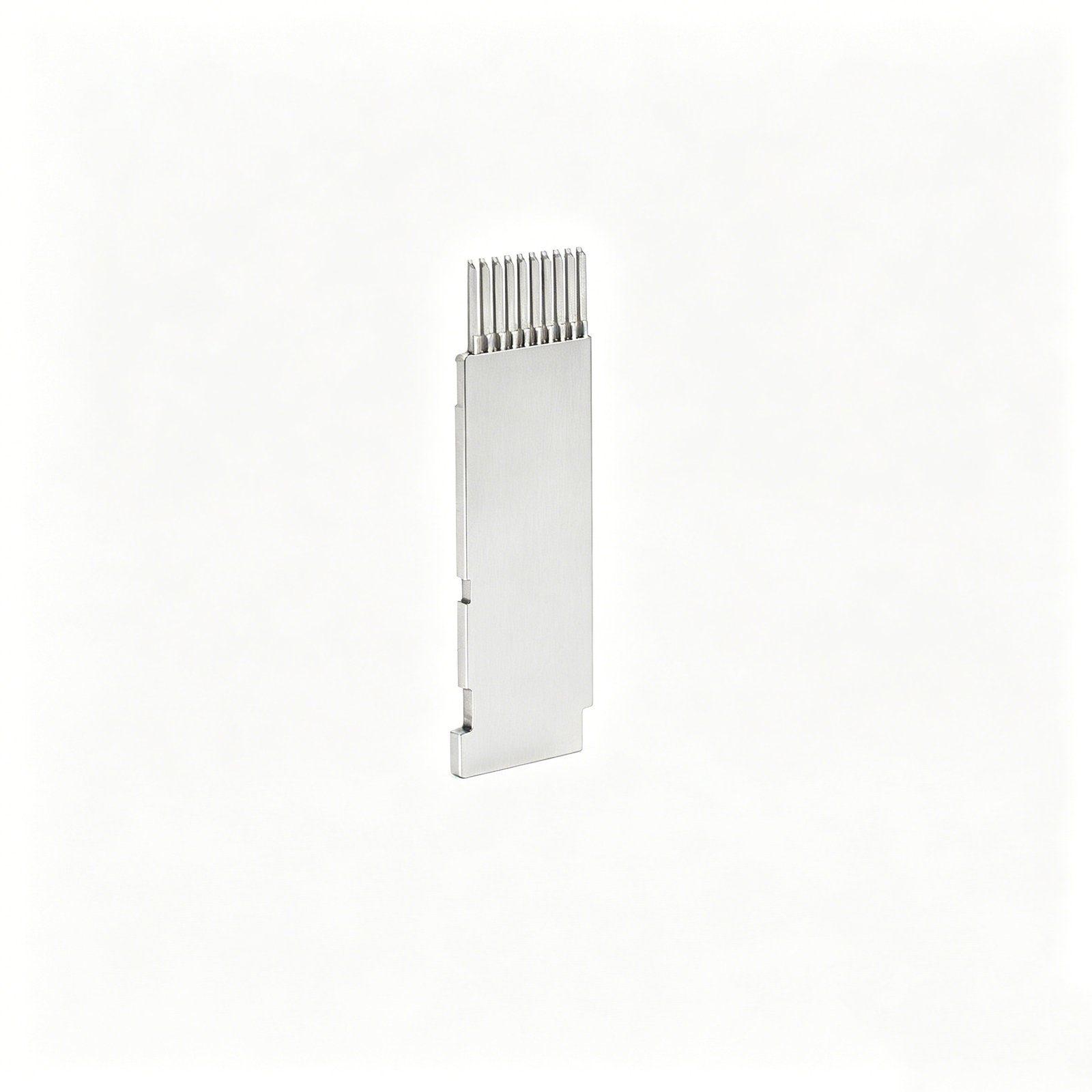
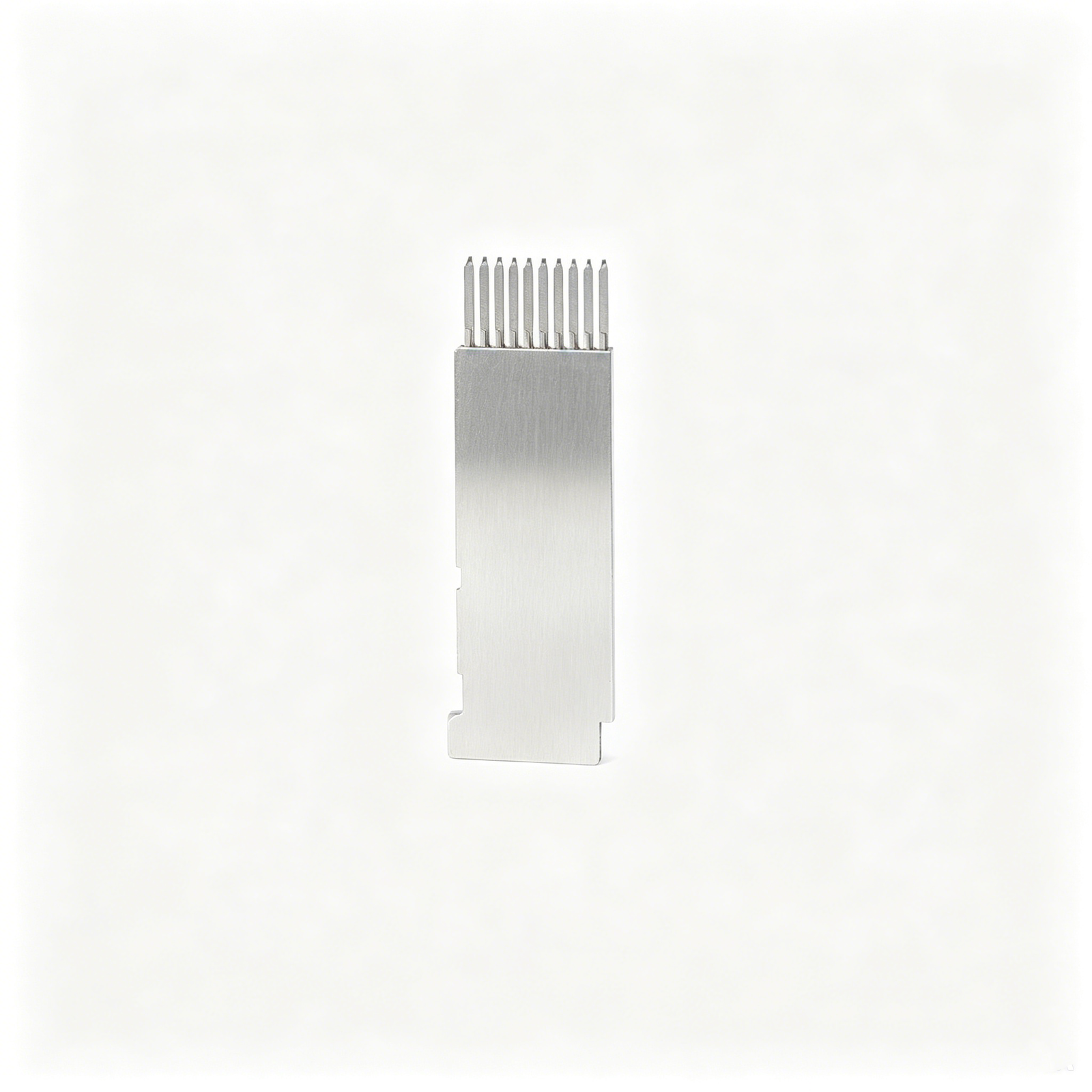
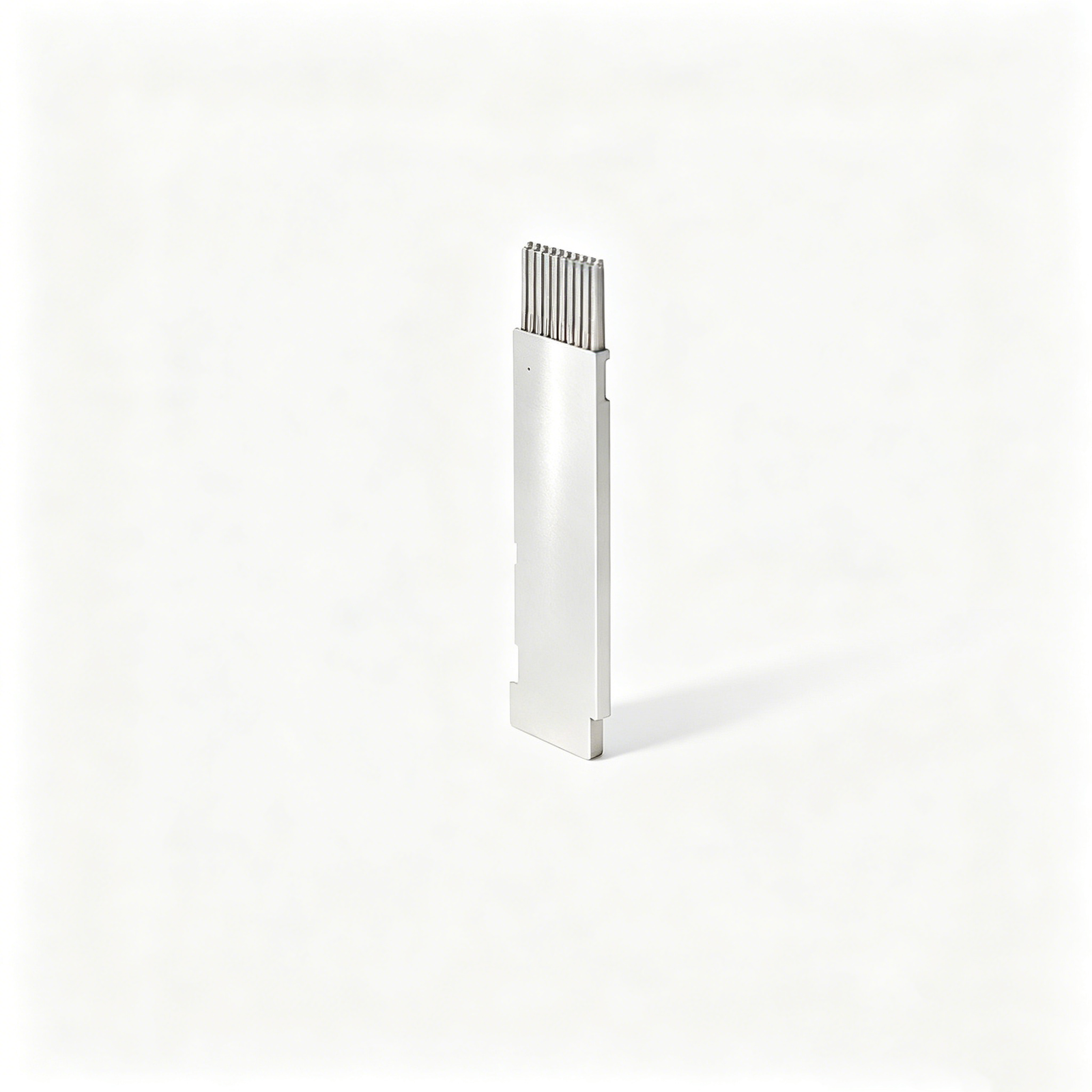
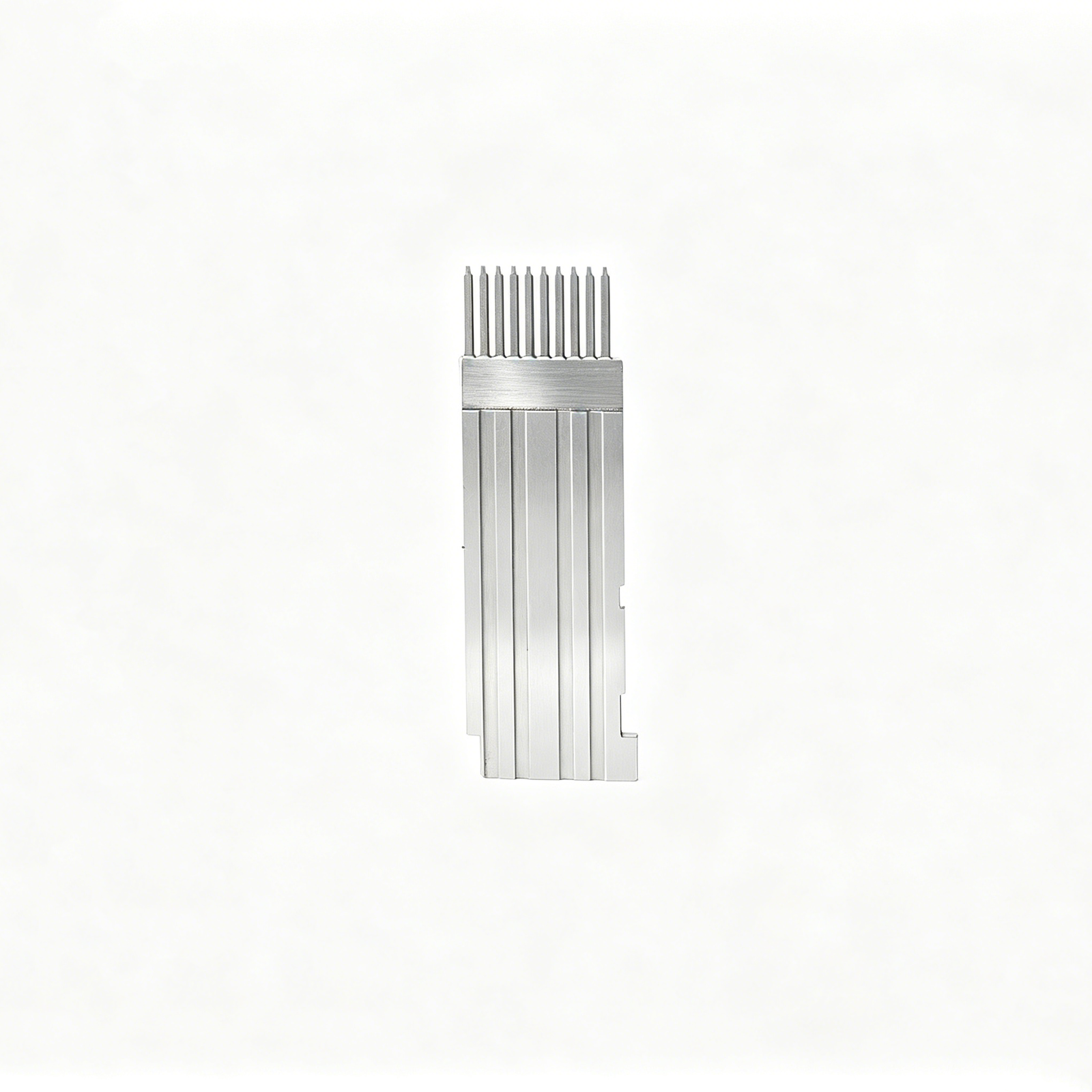
Plastic film parts · Precision mold insert
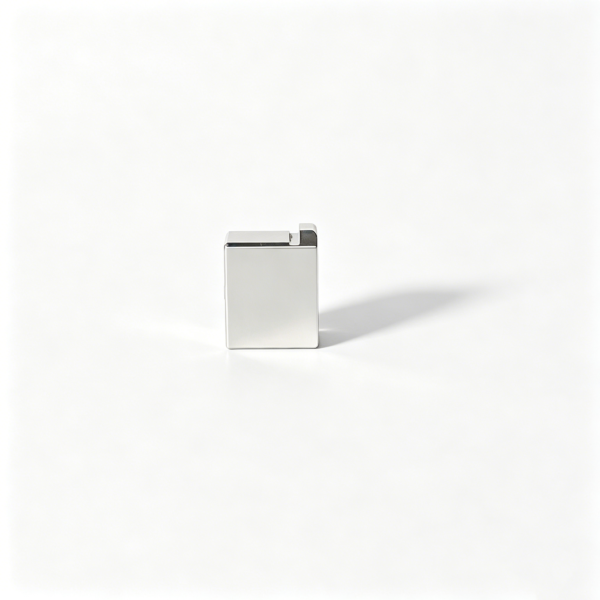
Mobile Connector Precision Mold Components for High-Output Connector Tooling
Brand Xuxiang Mold
Availability Made to drawing
RFQ pricing
Quote from STEP / PDF & quantity
Engineered for demanding connector programs, these Mobile Connector Precision Mold Components help you stabilize quality while increasing output per mold. Each insert, core pin and cavity block is ground to fine tolerances for reliable, repeatable molding of compact mobile connectors. Their robust tool steel construction resists wear in high-cavitation, long-run production environments. Optimized cooling and vent details support shorter cycle times without sacrificing dimensional accuracy. Integrate them into new tooling or as upgrades to existing molds to unlock smoother production and more consistent parts.
- ISO 9001:2015–oriented process & documented inspection paths
- Zeiss / Nikon class metrology available for critical dimensions
- DFM feedback from 10+ senior tooling engineers
- Dongguan HQ + Quanzhou capacity for volume programs
High‑Output Mold Components for Mobile Connector Production
Mobile devices, automotive electronics, smart appliances and other compact systems all rely on miniature connectors with extremely tight dimensional windows. Any instability in your injection mold quickly turns into flash, short shots, poor pin alignment or difficult demolding. These Mobile Connector Precision Mold Components are designed specifically to support high‑output production of mobile and low‑pitch connectors, helping tooling engineers and molders maintain accuracy over long runs.
Each component is manufactured from high‑grade tool steel and processed with advanced CNC machining, EDM, precision grinding and polishing practices similar to those used for automotive connector molds.[1][3] This combination of materials and process control delivers cavity details that can reliably reproduce complex connector geometries while standing up to abrasive, glass‑filled, or flame‑retardant polymers.
What These Precision Mold Components Include
This product line is tailored for connector tooling teams building or retrofitting injection molds for mobile connectors. A typical package of Mobile Connector Precision Mold Components can include:
- Core inserts and cavity inserts for connector housings and terminals
- Fine core pins for pin arrays, slots, latch details and alignment features
- Gate inserts and sub‑inserts to fine‑tune flow and gate vestige
- Wear plates, guide elements and support blocks for high‑cycle stability
- Customized cooling‑ready inserts prepared for your cooling layout
All parts are produced to customer drawings and are compatible with standard connector mold base designs used in mobile and automotive connector projects.[1][3] That means you can drop them into existing tools as performance upgrades or use them to accelerate new tool builds.
Key Features & Benefits
Compared with generic mold inserts, these precision components are optimized for the challenges of mobile connector molding.
- Tight form and positional accuracy – Precision ground dimensional control helps maintain critical distances between contacts, walls and latch features, supporting connector performance and reliable mating.
- Stability over long production runs – Tool steel selection and heat treatment are chosen to improve hardness and wear resistance in continuous injection cycles.[3] This helps stabilize part dimensions over time and reduces the need for frequent insert replacement.
- Fine surface finishes – Through controlled grinding and polishing, component surfaces achieve low roughness levels that support smooth resin flow and clean part appearance, while reducing sticking and drag during demolding.[1]
- Tailored for complex connector designs – The components are suited to multi‑cavity and multi‑row connector layouts, enabling dense cavity arrays without sacrificing rigidity or cooling access.
- Support for high‑output molding – Properly designed inserts and cores allow optimized cooling paths and balanced filling, contributing to shorter cycles and better part‑to‑part consistency in high‑volume production.[3][12]
Specifications & Technical Overview
The table below summarizes typical characteristics and options for these Mobile Connector Precision Mold Components. Values are presented descriptively so you can match them with your tool design and molding environment.
| Attribute | Description |
|---|---|
| Product type | Custom precision mold components for mobile connector injection molds |
| Typical components | Core inserts, cavity inserts, core pins, gate inserts, sub‑inserts, wear plates, support blocks |
| Recommended materials | Hardened tool steels commonly used in connector molds, selected according to customer requirements and resin type[1][3] |
| Manufacturing processes | CNC milling, turning, wire and sinker EDM, precision grinding, fine polishing, heat treatment for hardness and wear resistance[1][3] |
| Surface finish | Fine ground and polished surfaces for smooth resin flow and clean parting lines (gloss or textured finishes available according to spec) |
| Tolerance capability | Engineered for tight tolerance molding of small connector features; specific tolerance bands set by customer drawings |
| Mold compatibility | Adaptable to single‑cavity through high‑cavitation connector molds for mobile, automotive and electronics sectors[1][12] |
| Supported resins | Typical engineering thermoplastics used in connectors, including high‑temperature and glass‑filled grades, as defined by the molder |
| Cooling considerations | Components designed to integrate with mold cooling layouts to help remove heat around dense connector features |
| Customization | Built to print from 2D/3D CAD files; support for design refinement and DFM to suit connector projects |
Use Cases & Who These Components Are For
These Mobile Connector Precision Mold Components are ideal for organizations focused on high‑volume connector applications where stable, repeatable quality is non‑negotiable.
- Mobile device connectors – Charging ports, data connectors and internal board‑to‑board connectors that demand very tight pitch and consistent wall thickness.
- Automotive and e‑mobility connectors – Compact connectors used in dashboards, infotainment systems, sensors and control modules, where vibration resistance and sealing rely on accurate housings.[1][3]
- Consumer electronics and wearables – Small form‑factor connectors where cosmetic appearance and smooth demolding help keep scrap rates low.
- Industrial and IoT modules – Sensor, gateway and control unit connectors that require durable housings capable of repeated mating cycles.
- Tooling and molding service providers – Mold shops and injection molders seeking a reliable component partner to shorten lead times for new connector projects.
Engineering teams can specify these components early in the mold design phase to secure predictable performance, or use them as replacement and upgrade parts to enhance existing tools that are struggling with wear, flash, or dimensional drift.
Selection, Care & Buying Guidance
Choosing the right configuration of Mobile Connector Precision Mold Components for your project begins with a clear definition of part requirements. Connector shape, size, pitch, required creepage and clearance distances, and resin choice all influence component design and material selection.[3][12]
- Share detailed CAD data – Provide full 3D and 2D drawings of the connector and mold layout so the component design aligns with your gating, cooling and ejection strategy.
- Match materials to resin – For abrasive, glass‑filled or high‑temperature resins, specify wear‑resistant tool steels and surface treatments appropriate for your conditions.[1][3]
- Plan for maintenance – Design your mold so inserts can be removed and serviced without disassembling the entire tool. This reduces downtime and extends tool life.
- Implement routine care – Clean component surfaces regularly, remove residue and plate-out, and check for early signs of wear. Scheduled inspection of core pins and small inserts helps prevent unexpected failures during production.
- Leverage trial shots – During mold trials, evaluate part dimensions, warpage and flash, then fine‑tune clearances or venting on selected components as needed to lock in stable production.[3]
By investing in high‑quality mold components designed specifically for mobile connector molds, you reduce unplanned downtime, improve first‑pass yield and lower the total cost per connector over the life of the tool.
FAQ
Are these components suitable for high‑cavitation mobile connector molds?
Yes. The components are designed for use in both single‑cavity and multi‑cavity connector molds, including dense layouts common in mobile and automotive applications. Correct material selection and robust design help maintain rigidity and dimensional control in high‑cavitation tools.
How do I confirm compatibility with my existing connector mold?
Compatibility is ensured by manufacturing components directly from your drawings and 3D models. Provide details of your existing mold base, cavity spacing and resin type so the components can be sized and toleranced to drop into your current design with minimal modification.
What information do you need to quote Mobile Connector Precision Mold Components?
For accurate quotations, share 2D/3D CAD data of the connector and mold layout, any existing component drawings, target production volume, resin specifications and special requirements such as texture, venting strategy or gate style. This allows the engineering team to recommend suitable materials and manufacturing routes.
How are the components packaged and shipped to protect precision surfaces?
Components are typically cleaned, lightly oiled and individually packed or compartmentalized to prevent contact damage during transport. Protective caps or sleeves may be used on fine pins and edges. This ensures parts arrive ready for assembly and mold tryout.
Can these mold components handle high‑temperature engineering plastics?
They can be specified for use with many high‑temperature and reinforced thermoplastics by choosing appropriate tool steels, heat treatment and surface finishes. When requesting components, indicate the exact resin family and any additives so the material recommendation can be matched to your conditions.
What maintenance is recommended during production runs?
Regularly clean parting lines, vents and small features to remove build‑up, and periodically inspect core pins and inserts for wear or damage. Simple preventive maintenance, combined with proper mold temperature control, helps keep connector dimensions stable and extends component life.
Is there support if dimensional issues appear during mold trials?
If you encounter flash, short shots or dimensional deviations during trials, you can share measurement reports and photos along with shot conditions. Engineering support can then help diagnose whether adjustments to clearances, venting or gating on selected components will correct the issue.
What is the typical warranty or return approach for custom components?
Because these mold components are built to customer drawings, warranty and return options are normally linked to conformance with the approved design and agreed specifications. If a part does not match the validated drawings or material agreement, corrective action or replacement is usually arranged after joint review.
Can I order small batches for pilot tools before committing to full production?
Yes. Many projects start with a pilot or prototype tool to validate connector performance and molding conditions. You can order smaller sets of components for these tools and then scale up to additional cavities or duplicate sets once the design is confirmed.
How long does it take to manufacture a typical set of Mobile Connector Precision Mold Components?
Lead time depends on complexity, quantity and surface requirements, as well as the current production schedule. Simple insert sets can be produced relatively quickly, while dense multi‑cavity arrays or highly complex connector geometries will require more machining, EDM and polishing time. Confirm the schedule when you submit your drawings and volume targets.
Related products
Same drawing, predictable results—next batch
Share revision, quantity ramp, and inspection level. We quote process route, ship date, and documentation in one structured response.