
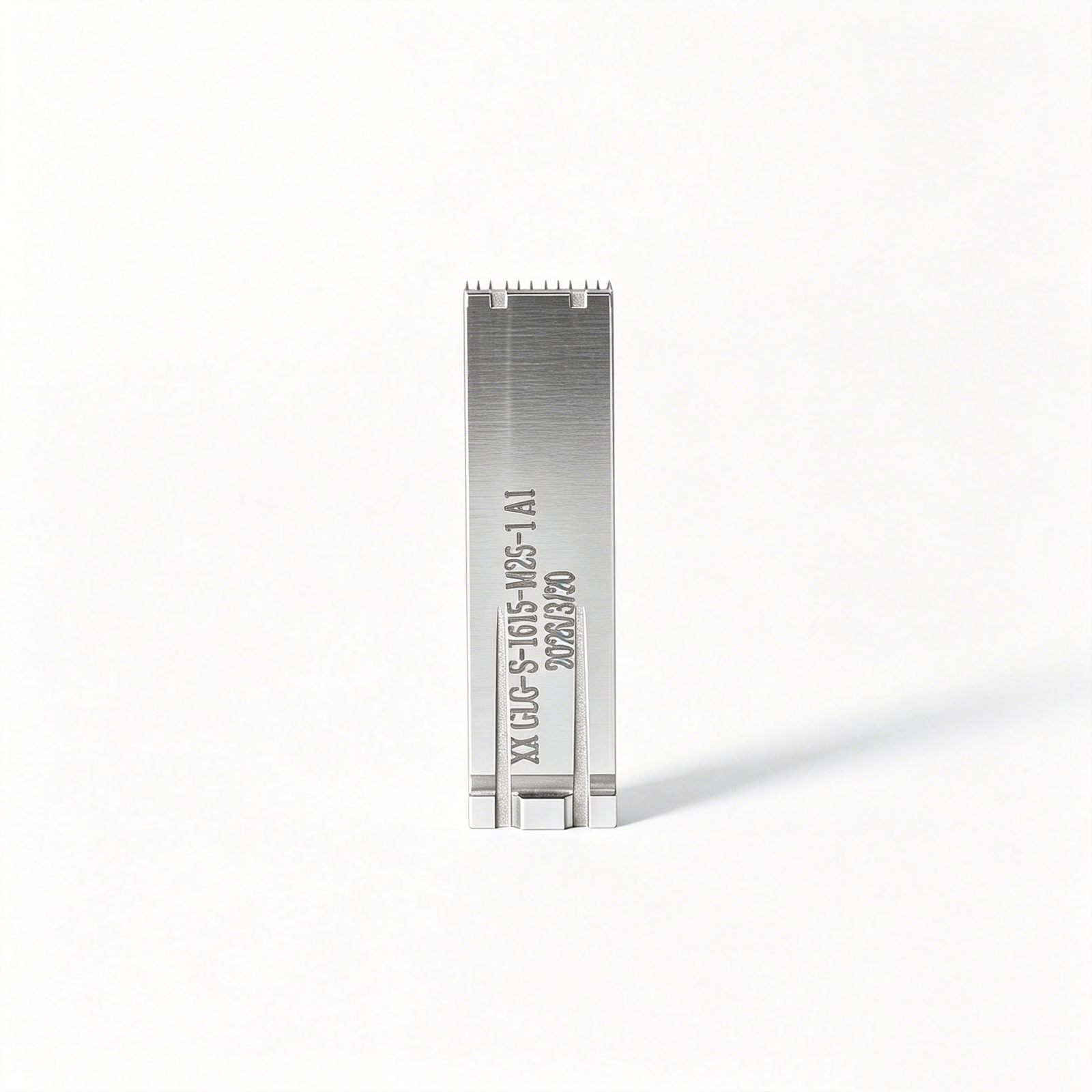
Plastic film parts · Precision mold insert
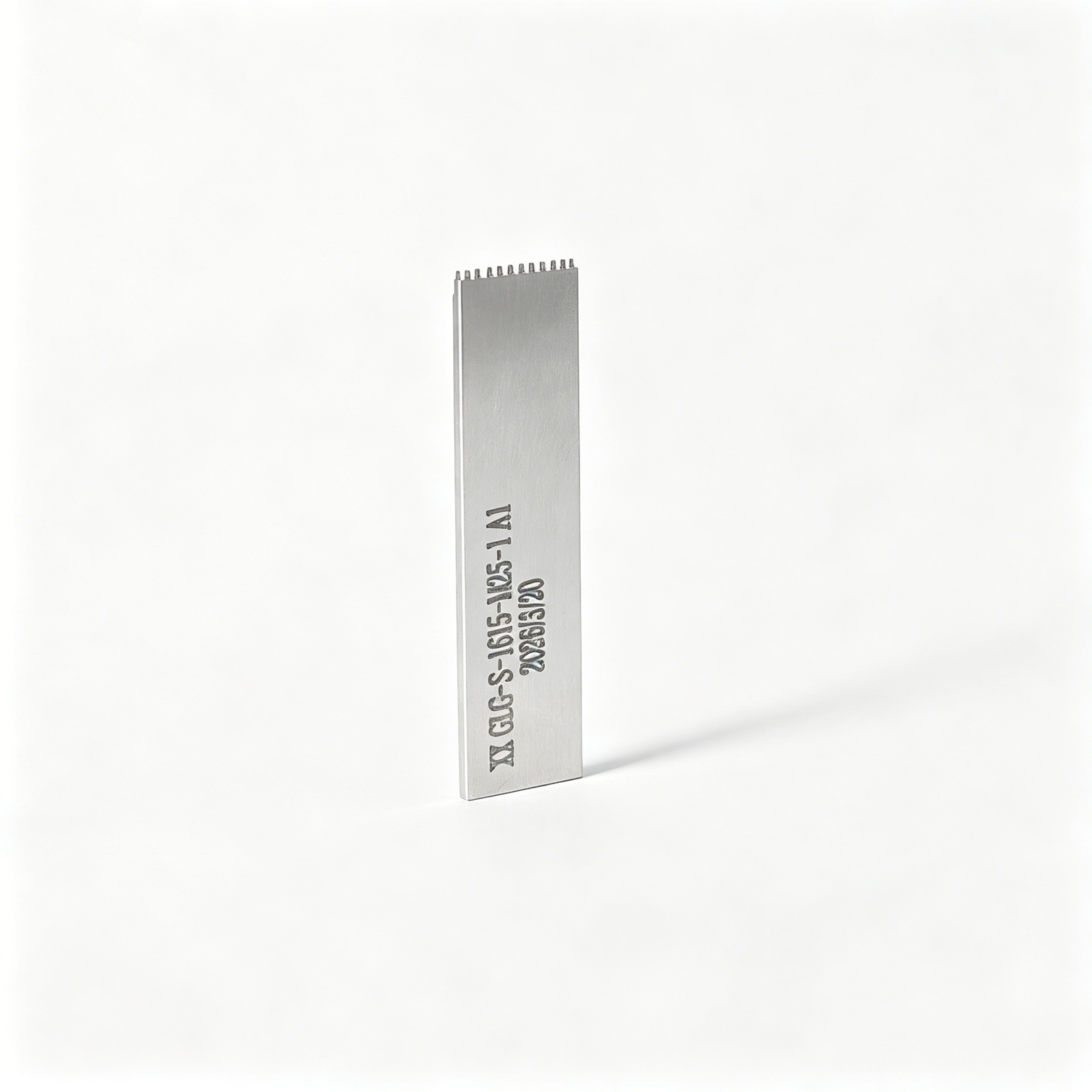
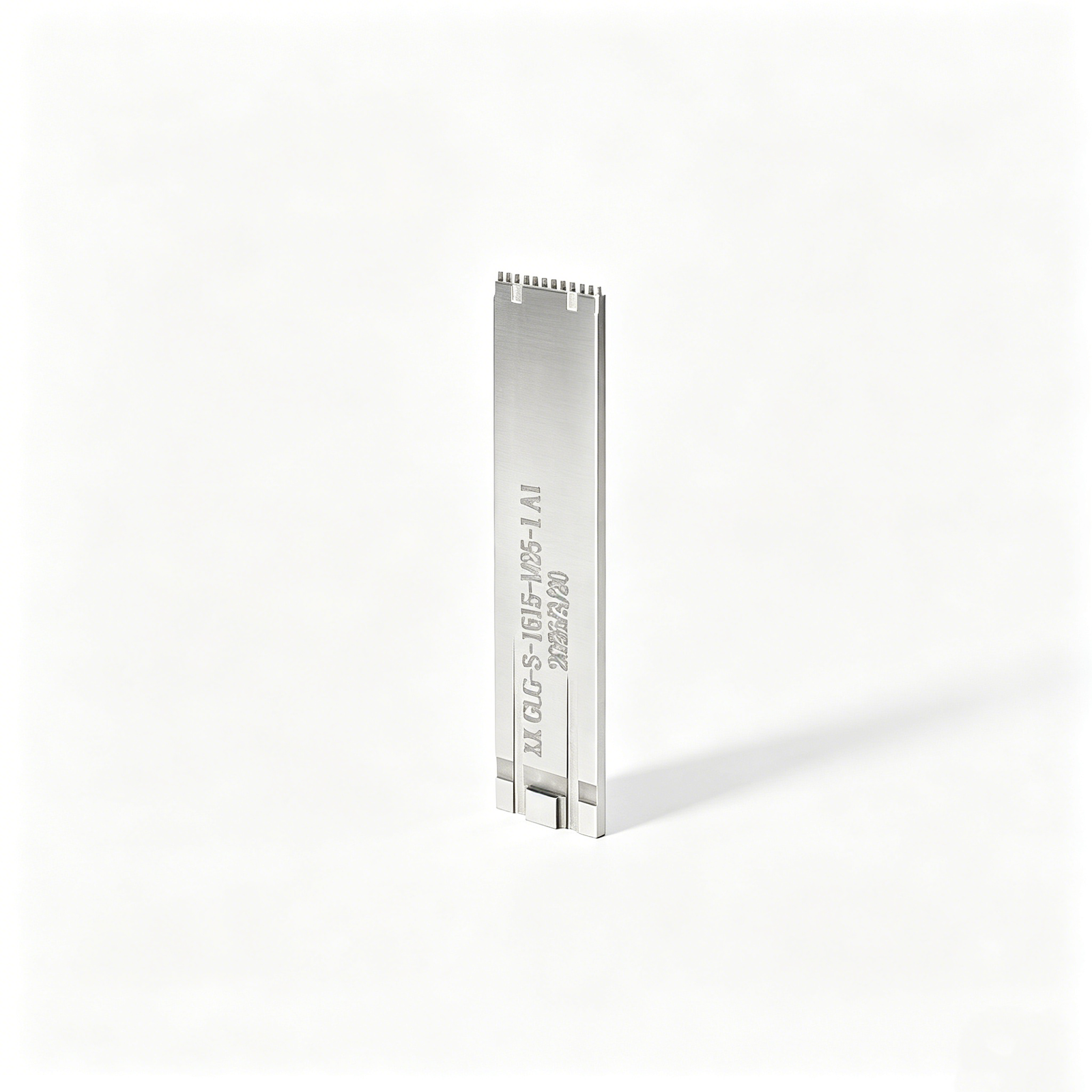
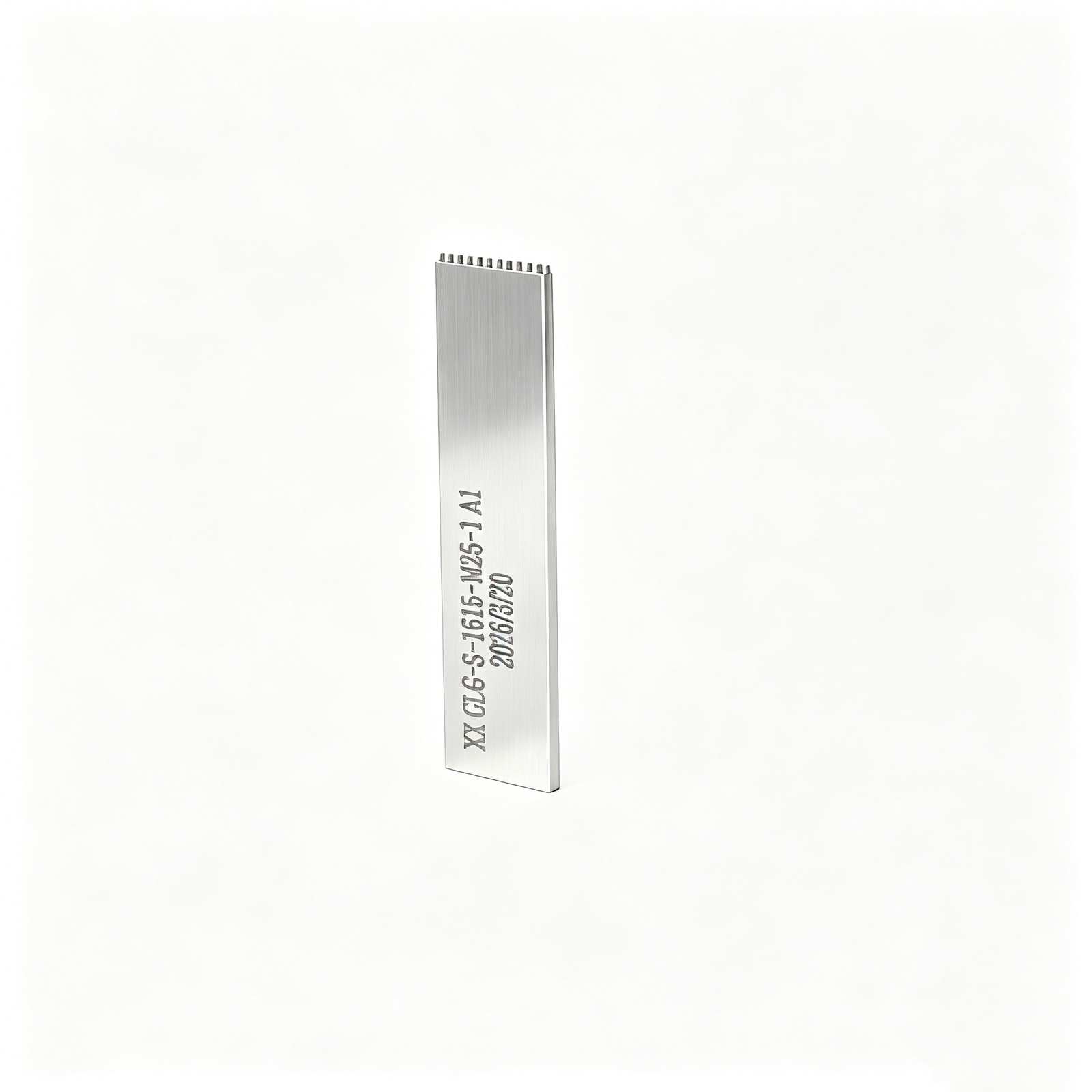
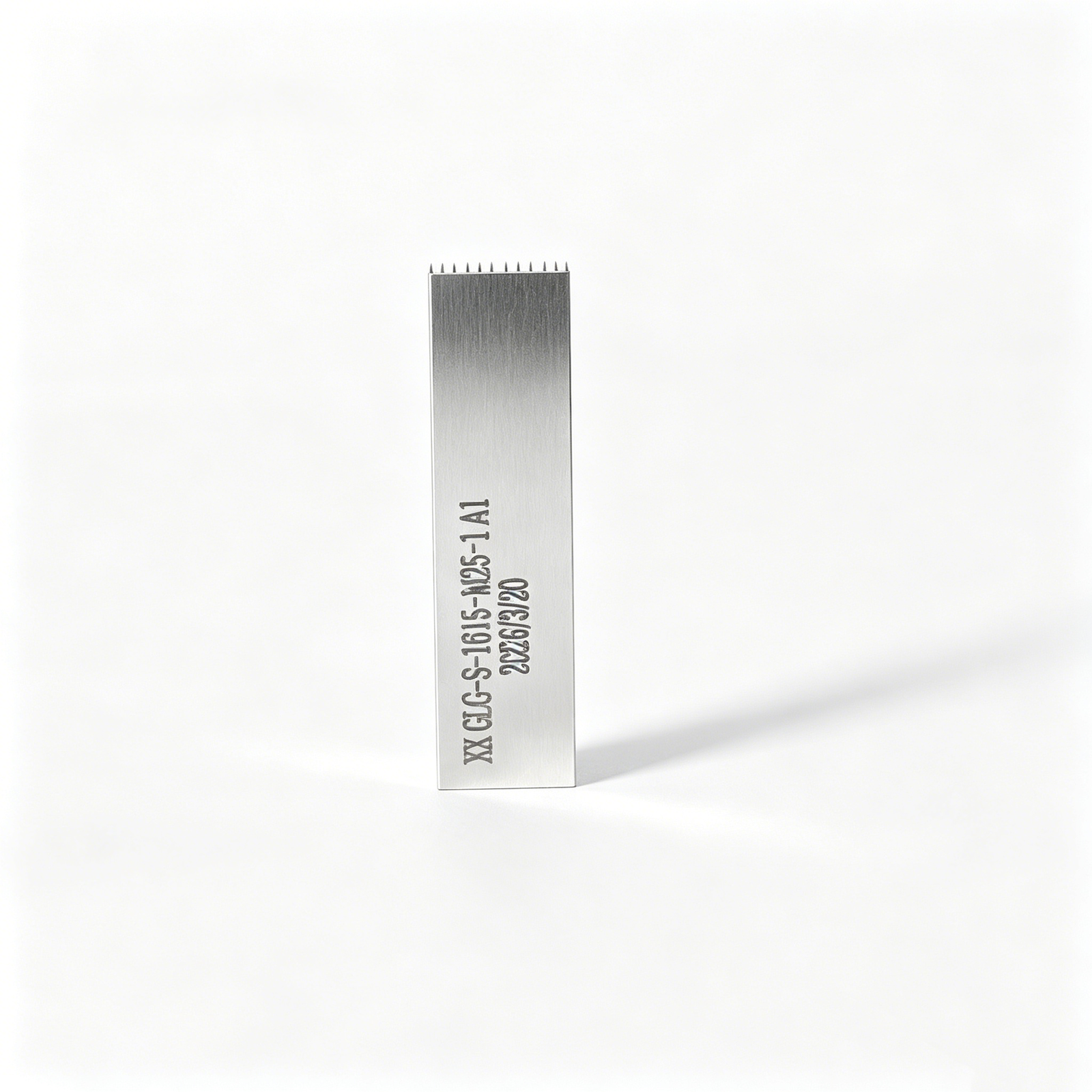
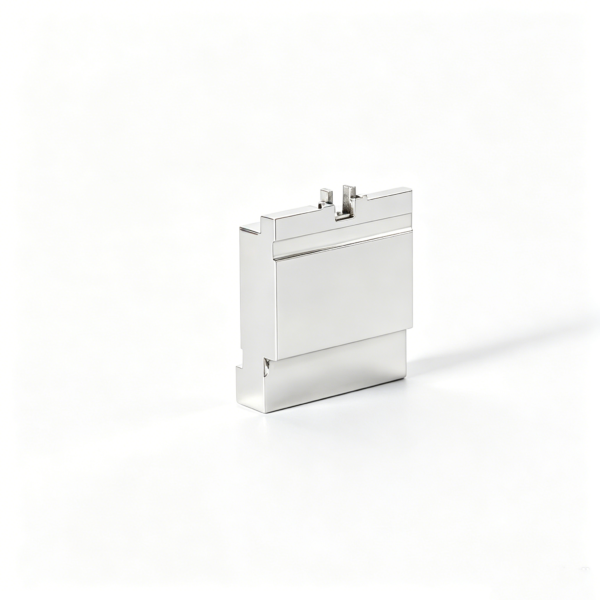
Mobile Connector Precision Mold Components for High-Stability Cavity Inserts
Brand Xuxiang Mold
Availability Made to drawing
RFQ pricing
Quote from STEP / PDF & quantity
Engineer every mobile connector housing with confidence using these Mobile Connector Precision Mold Components for high-stability cavity inserts. Designed for demanding connector geometries, they help you maintain consistent pitch, sharp parting lines, and clean shut-offs even in multi-cavity tools. Their robust material selection and fine surface finish reduce sticking, flashing, and unplanned downtime. Ideal for OEM and custom mold shops alike, they support fast changeovers and long mold life in high-volume production environments.
- ISO 9001:2015–oriented process & documented inspection paths
- Zeiss / Nikon class metrology available for critical dimensions
- DFM feedback from 10+ senior tooling engineers
- Dongguan HQ + Quanzhou capacity for volume programs
High-Stability Precision Components for Mobile Connector Molds
Mobile and automotive connectors continue to shrink in size while requirements for reliability only increase. To keep up, mold makers and injection molders need cavity inserts and cores that deliver unwavering dimensional accuracy over long production runs. Our Mobile Connector Precision Mold Components for High-Stability Cavity Inserts are engineered specifically for connector tools, helping you achieve stable production, long component life, and repeatable fit with the mating connector system.
These components are typically used in molds for mobile device connectors, automotive harness connectors, charging ports, and other compact plug and receptacle designs. By combining high-grade tool steels, optimized heat treatment, and carefully controlled machining processes such as CNC milling, grinding, and EDM, they help you replicate complex connector details layer after layer with minimal variation.
Key Features & Performance Benefits
Every detail of these mold components is designed around the practical needs of connector mold designers, manufacturing engineers, and toolroom technicians.
- Stable cavity geometry: Tight dimensional tolerance control across cores, cavities, and inserts supports consistent housing wall thickness, terminal windows, and latch features.
- High wear resistance: Quality tool steel and appropriate heat treatment provide hardness and toughness to withstand high cavitation, glass-filled materials, and long production runs.
- Fine surface finish: Precision grinding and polishing produce smooth cavity surfaces that improve plastic flow, reduce weld lines, and support clean ejection.
- Connector-specific design: Geometry tailored for mobile and automotive connector housings, including thin ribs, terminal slots, alignment keys, and strain-relief patterns.
- Optimized for injection molding: Designed to work seamlessly with well-planned filling, cooling, and ejection systems, helping you reduce cycle times while preserving part quality.
- Serviceable insert concept: Modular cavity insert design allows selective replacement of high-wear regions without rebuilding an entire mold, lowering lifecycle cost.
Together, these characteristics help maintain process windows that are robust to material variation and environmental changes, so operators spend less time adjusting parameters and more time running parts.
Specifications & Construction Details
Because mobile connector designs vary widely, these precision components are typically customized or configured per project. Instead of fixed numeric ratings, the table below describes the typical characteristics and options available for this product line.
| Attribute | Description |
|---|---|
| Primary application | Cavity inserts, cores, and related components for mobile and automotive connector molds |
| Typical component types | Cavity inserts, core pins, sliders, lifter inserts, gate inserts, terminal window inserts |
| Base materials | Tool steel or stainless mold steel selected for hardness, toughness, and corrosion resistance as required |
| Heat treatment | Quenching and tempering process to achieve stable hardness and dimensional stability |
| Manufacturing processes | CNC milling, precision grinding, EDM machining, hand fitting, and polishing for critical features |
| Surface finish | Polished functional surfaces for improved flow and ejection; optional texturing to match connector design |
| Tolerance capability | Designed for tight-tolerance connector features; specific tolerances defined per drawing and project requirements |
| Compatibility | Suitable for single- and multi-cavity injection molds for mobile, automotive, industrial, and consumer connectors |
| Mold base integration | Configured to integrate into standard and custom mold bases with precise location surfaces and reference datums |
| Customization | Custom geometry, material selection, and coating options available according to connector design |
Typical Use Cases & Ideal Users
These precision cavity inserts are aimed at organizations that need to consistently produce high-quality connector housings and related components.
Where They Are Used
- Mobile device connector molds: USB, charging, and signal connectors for smartphones, tablets, and portable electronics, where fine details and small pitch are critical.
- Automotive connector housings: Multi-pin harness connectors and sensor interfaces that must meet stringent vibration and temperature requirements.
- Communication and data connectors: Small form-factor plugs and headers for networking and industrial communication devices.
- Consumer electronics interfaces: Connectors for wearables, audio devices, and smart appliances requiring compact designs and attractive surface finishes.
Who Benefits Most
- Mold makers who build new molds or retrofit existing tools and need precise inserts that assemble correctly the first time.
- Injection molding factories focused on high-volume connector production and looking to stabilize cycle times and reduce scrap rates.
- OEM engineering teams that must ensure their connector designs can be manufactured repeatedly without compromising performance.
- Maintenance and tooling departments tasked with extending mold life and simplifying spare-part management.
By using components designed specifically for connector applications, these users can reduce development iterations, ease qualification runs, and speed up time-to-market for new platforms.
Care, Maintenance & Buying Guidance
Even the best precision mold components require proper selection and care to deliver their full value over the entire mold lifecycle.
Selection and Configuration Tips
- Share accurate connector CAD data and mold layouts so the cavity inserts can be designed around real part geometry and gating.
- Discuss plastic material choices (such as high-temperature or glass-filled resins) to guide base steel and heat treatment decisions.
- Identify high-wear zones (terminal windows, thin ribs, latch hooks) and consider modular insert segmentation for easier future replacement.
- Align with existing shop standards for locating features, fasteners, and cooling interfaces to simplify implementation.
Maintenance Best Practices
- Perform regular mold cleaning to remove deposits and prevent surface degradation that can affect fit and finish.
- Inspect critical connector features for early signs of wear or chipping and replace localized inserts before scrap rates rise.
- Use appropriate rust inhibitors and controlled storage conditions during downtime, especially for tools that run intermittently.
- Document insert identification and positions to make future replacement and troubleshooting faster and more consistent.
When you combine careful selection with routine maintenance practices, these high-stability cavity inserts can support consistent connector production across many production campaigns.
FAQ
Are these mold components compatible with my existing connector mold base?
Yes. The components are designed to be integrated into both standard and custom mold bases. During the quoting or design stage, you can supply existing base drawings so the cavity inserts and cores are dimensioned to match your current locating surfaces, mounting holes, and cooling layout.
What information do I need to provide when ordering Mobile Connector Precision Mold Components?
Provide connector part drawings or 3D models, anticipated resin type, target cavitation, and any special requirements such as fine pitch, high-temperature operation, or surface texture. This information guides material selection, insert segmentation, and tolerance strategy for your specific project.
Can these cavity inserts handle glass-filled or high-temperature engineering plastics?
They can be configured for demanding resins by selecting appropriate tool steels, heat treatment, and surface finishes. If you plan to run abrasive or high-temperature materials, mention it during the specification phase so wear resistance and thermal stability can be prioritized.
How are the components shipped and protected during transit?
Components are typically packaged in protective cartons or foam-lined cases, individually wrapped or separated to prevent contact damage. Corrosion-protection measures, such as light oil or VCI packing, are used so that items arrive ready for inspection and assembly.
Do I need any special equipment to install these mold inserts?
No specialized equipment is normally required beyond standard moldmaking and maintenance tools. However, precise assembly practices are important, including proper cleaning of pockets, torque control on fasteners, and verification of fit and alignment before running the tool.
How should I clean and maintain the precision surfaces?
Use non-abrasive cleaning agents and soft brushes or cloths to remove residue. Avoid aggressive mechanical polishing that can alter critical dimensions. After cleaning, apply a suitable rust inhibitor when the mold will be stored for more than a short period.
What is the typical lead time for custom connector cavity inserts?
Lead time depends on complexity and project scope. Straightforward modifications of existing designs can be produced more quickly, while highly customized inserts with intricate connector features require additional engineering and machining time. Confirm current lead times when you submit your drawings.
Is there any warranty or support for these mold components?
A warranty or support arrangement is usually defined at order placement and may cover material defects and machining accuracy for a specified period. Technical support is available to help with integration, troubleshooting, and recommendations for future design improvements.
Can I replace only worn sections instead of the entire insert set?
Yes. The high-stability cavity inserts are often designed with modular segments so you can replace specific wear areas, such as terminal window edges or latch details, without changing the complete insert block. This reduces downtime and spare-part cost.
What should I check after installing new precision mold components?
Verify alignment and contact surfaces with feeler gauges or spotting compound, check that cooling channels and ejector systems move freely, and run a short trial to confirm part dimensions and surface quality before ramping up to full production.
Related products
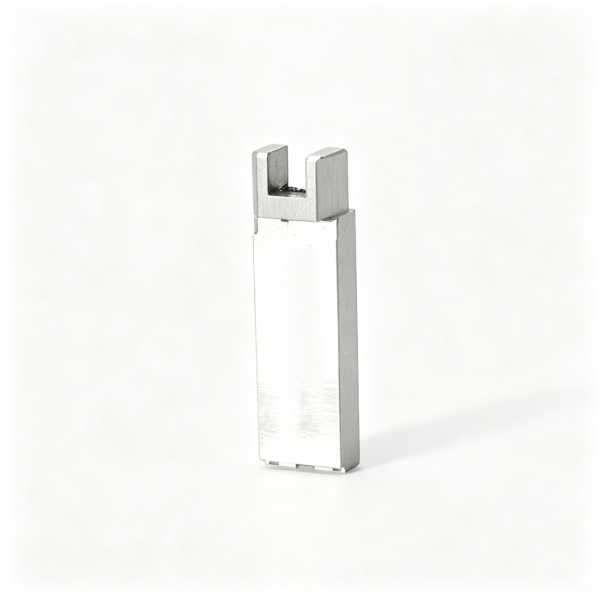
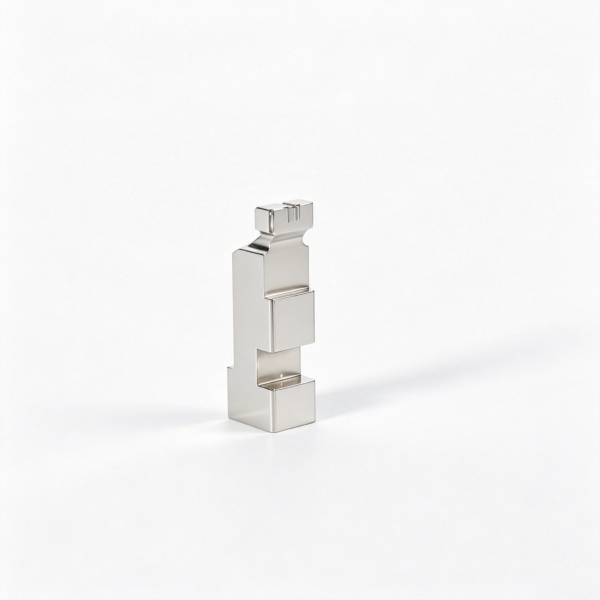
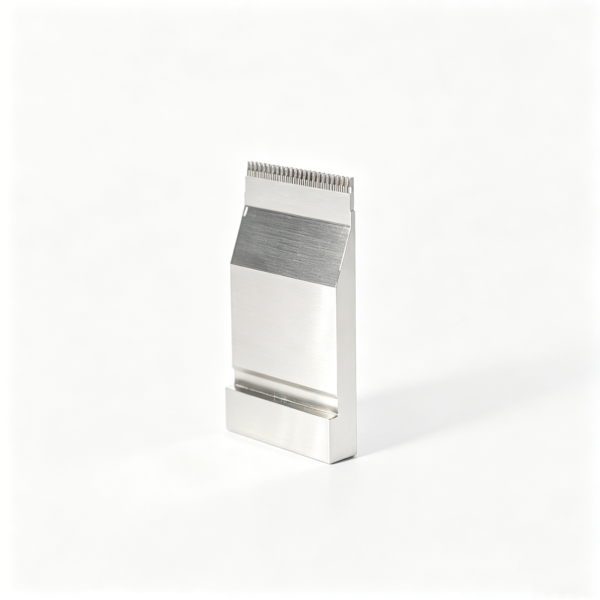
Same drawing, predictable results—next batch
Share revision, quantity ramp, and inspection level. We quote process route, ship date, and documentation in one structured response.