
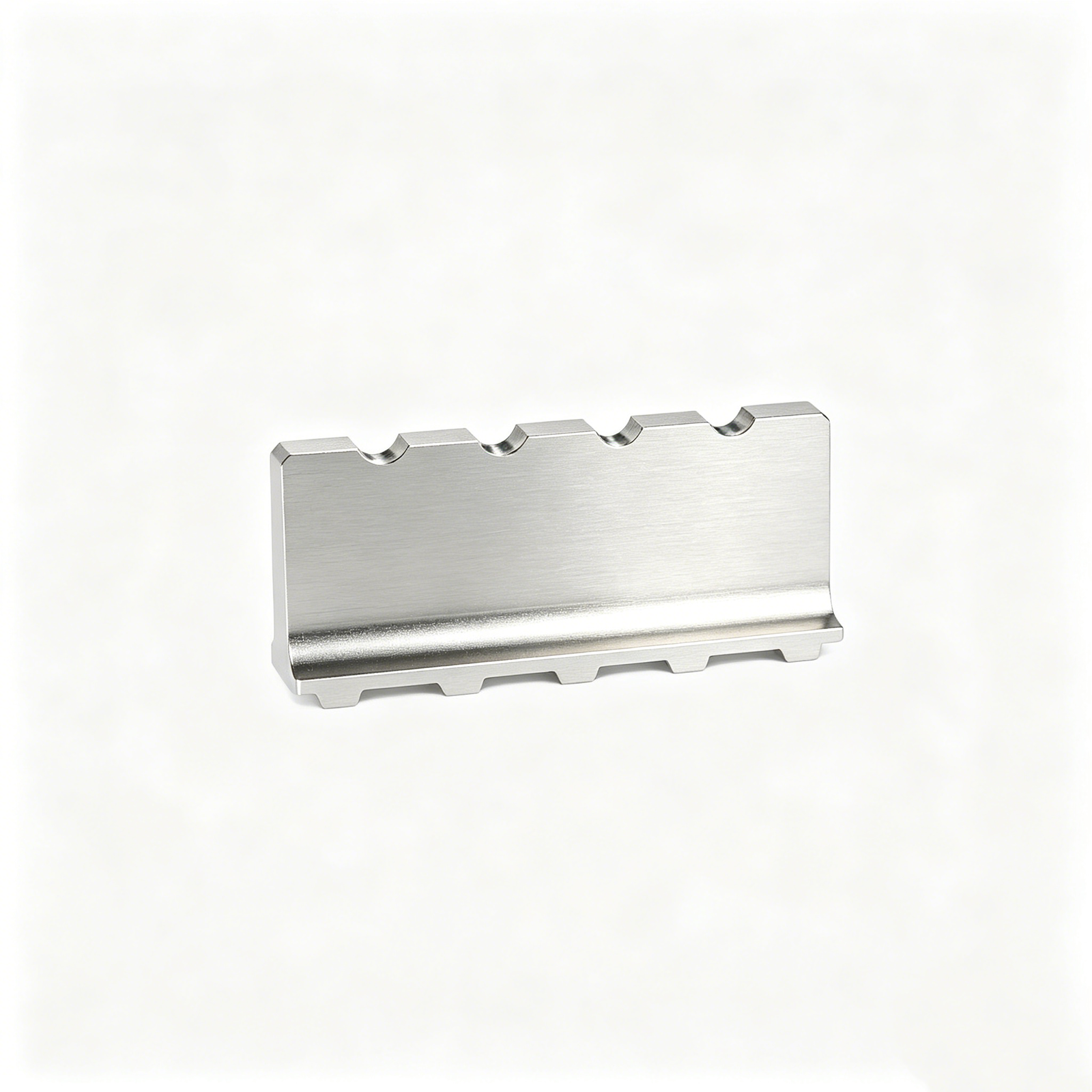
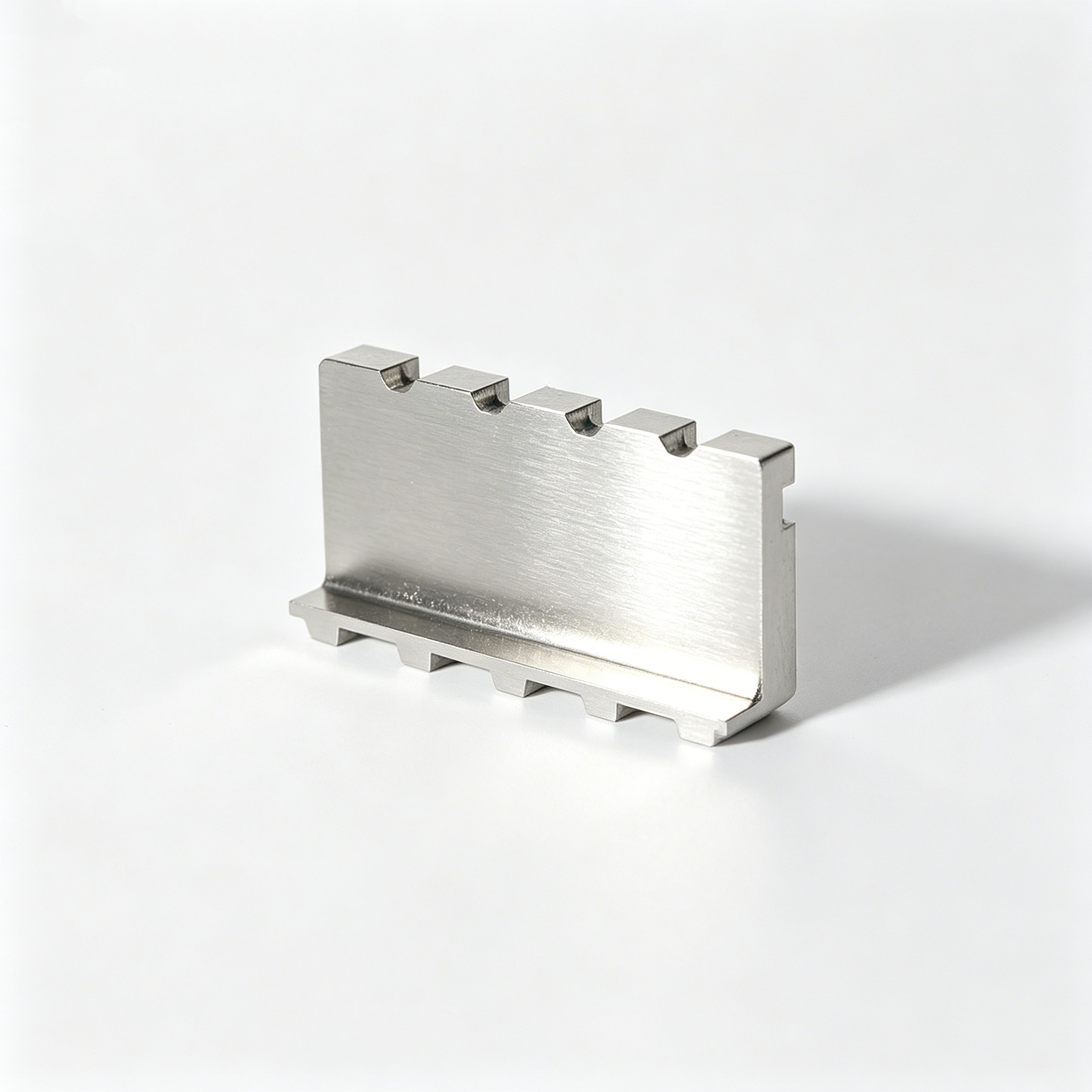
Plastic film parts · Precision mold insert
Mobile Connector Precision Mold Components for Compact Multi-Pin Cavities
Brand Xuxiang Mold
Availability Made to drawing
RFQ pricing
Quote from STEP / PDF & quantity
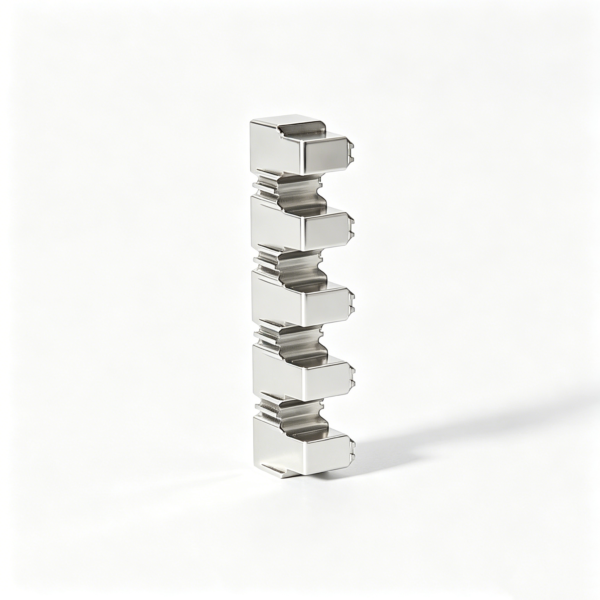
Engineer reliable connector tooling with Mobile Connector Precision Mold Components for Compact Multi-Pin Cavities, designed specifically for space‑constrained mobile and handheld devices. Each component is machined for tight dimensional control to keep fine-pitch terminals straight, aligned, and flash-free during high-volume molding. Optimized cooling and cavity design help stabilize cycle times and reduce warpage, even on miniaturized connector housings. Integrate these components into new or existing molds to extend tool life and maintain consistent quality over long production runs.
- ISO 9001:2015–oriented process & documented inspection paths
- Zeiss / Nikon class metrology available for critical dimensions
- DFM feedback from 10+ senior tooling engineers
- Dongguan HQ + Quanzhou capacity for volume programs
High-Precision Mold Components for Compact Mobile Connectors
Mobile and handheld electronics continue to shrink, yet the connectors inside them carry more signals and more power than ever before. This puts tremendous demands on the injection molds that form each connector housing, latch, and terminal cavity. Mobile Connector Precision Mold Components for Compact Multi-Pin Cavities are purpose-built to help mold makers and connector manufacturers keep pace with miniaturization while protecting process stability and part quality.
These components are used within connector injection molds to form the detailed geometry of contact cavities, keying features, locking ramps, and strain-relief structures in mobile device connectors such as board-to-board, FPC/FFC, USB-type, and custom charging or signal interfaces.[1][3][12] Precision cavities, cores, inserts, and slides must maintain micron-level alignment so that thin plastic walls fill completely, multi-pin layouts stay coplanar, and terminal retention forces remain within specification.
Manufactured using high-grade tool steels and advanced machining technologies, these mold components are engineered for long-term durability in demanding production environments. Typical manufacturing steps include CAD/CAM-driven design, CNC milling, EDM, precision grinding, polishing, and careful assembly into the larger mold system, followed by trial runs to verify dimensional accuracy and surface quality.[1][3] The result is a set of components that supports high-density connector designs without sacrificing uptime or quality.
Key Features & Performance Benefits
Mobile Connector Precision Mold Components for Compact Multi-Pin Cavities are optimized around the realities of fine-pitch, multi-row connector production. The feature set focuses on dimensional stability, consistency over many shots, and ease of integration into existing tooling standards.
- Fine-pitch cavity definition – Component geometry is designed to support narrow terminal spacing, thin partition walls, and shallow cavity details common in modern mobile connectors, helping to control flash and short shots.
- High dimensional repeatability – Tight manufacturing tolerances reduce cavity-to-cavity variation, which is critical for maintaining uniform insertion forces and electrical performance across multi-pin connectors.[3][12]
- Wear- and corrosion-resistant materials – Tool steels and treated surfaces are selected to resist abrasion from glass-filled or engineered resins and to withstand repeated molding cycles.[1][3]
- Enhanced cooling integration – Component designs can incorporate or interface with optimized cooling layouts to maintain uniform mold temperatures, helping to minimize warpage, sink marks, and cycle time variation.
- Stable demolding of delicate parts – Smooth surface finishes and carefully controlled draft facilitate clean ejection of thin-walled connector housings with minimal risk of stress whitening or cracking around pins and locking features.[1]
- Adaptable to custom connector designs – Components can be configured to suit specific connector families, such as mobile charging ports, antenna connectors, or flexible-cable interfaces, supporting OEM and ODM programs.[6][13]
Together, these advantages help mold makers and manufacturers reduce scrap, shorten process development time, and achieve robust, repeatable production for dense multi-pin mobile connector platforms.
Specifications & Core Attributes
Because each mold project is unique, component geometries and material selections are typically customized to the connector design, resin type, and production volumes. The table below summarizes common attributes to guide engineering discussions and purchasing decisions.
| Attribute | Description |
|---|---|
| Product type | Precision mold components for mobile connector multi-pin cavities (cores, cavity inserts, slides, pins) |
| Typical application | Injection molds for compact mobile connectors in smartphones, tablets, wearables, and handheld terminals[1][3][12] |
| Compatible connector styles | Board-to-board, FPC/FFC, charging/data ports, signal headers, custom mobile interfaces[10][13] |
| Common materials | Hardened tool steels or pre-hardened steels selected for wear resistance and dimensional stability[1][3] |
| Manufacturing processes | CNC milling, turning, wire-cut and sinker EDM, precision grinding, polishing, and fitting[1][3] |
| Surface finish | Fine-polished functional surfaces to promote clean demolding and high-quality part appearance |
| Supported resin families | Engineering plastics commonly used in connectors (e.g. high heat and flame-retardant grades), depending on project requirements[3][12] |
| Tooling integration | Designed to fit customer-specified mold bases, ejector layouts, and cooling circuits for new or retrofit tools |
| Quality validation | Dimensional inspection, trial molding, and functional testing per project specification before series production[1][3] |
| Customization options | Geometry adaptation for different pin counts, row configurations, keying features, or special locking structures |
Use Cases & Ideal Customers
These Mobile Connector Precision Mold Components for Compact Multi-Pin Cavities are suitable wherever high-density connectors are molded in confined form factors.
- Mobile device connector manufacturers producing charging, data, and signal connectors for smartphones, tablets, and wearables who require consistent, fine-pitch housing quality.[12][14]
- Custom connector designers developing proprietary interfaces for rugged handhelds, medical devices, or industrial mobile equipment that must balance compact size with multi-pin layouts.[3][13]
- Precision mold shops building multi-cavity, high-output tools for connector OEMs and Tier 1 suppliers seeking long tool life and stable performance under continuous operation.[1][4][7]
- Contract manufacturers managing complex molding programs across multiple product families who benefit from interchangeable inserts and standardized component designs.
Typical scenarios include designing new connector families for next-generation mobile platforms, upgrading legacy tools to reduce scrap rates, or launching multi-cavity molds to support volume ramps while maintaining stringent quality requirements for miniature connectors.
Selection, Care & Buying Guidance
Choosing the right component configuration and caring for it correctly will directly impact connector quality and tool lifecycle. When specifying Mobile Connector Precision Mold Components for Compact Multi-Pin Cavities, consider the following points:
- Connector geometry – Clearly define pin count, pitch, row arrangement, and any special features such as polarization keys or shield supports so cavity details match the final part design.[3][12]
- Resin and additives – Identify resin families, flame retardants, and fillers in advance to guide material and coating choices for optimal wear resistance and corrosion protection.[1][3]
- Cycle time targets – Share expected cycle times and operating conditions so cooling strategies and component robustness can be engineered accordingly.
- Maintenance strategy – Plan for routine cleaning, inspection, and lubrication of moving elements to minimize downtime and extend component life.[3]
- Interchangeability – Where possible, standardize insert dimensions and interfaces across related connector projects to simplify spare management and changeovers.
Regularly inspect critical wear regions, such as thin core features and high-flow cavity corners, for early signs of erosion or damage. Cleaning vent areas and polishing contact regions as part of preventive maintenance helps maintain consistent filling behavior and surface finish on molded parts over long production runs.[1][3]
FAQ
Are these mold components compatible with my existing connector mold base?
In most projects, components are designed to integrate with customer-specified mold bases and ejector layouts. Provide your current mold drawings and connector models so the component interfaces can be engineered for a direct fit.
What types of mobile connectors are best suited to these components?
They are ideal for compact multi-pin connectors used in smartphones, tablets, wearables, and handheld electronics, including board-to-board, FPC/FFC, and charging or data ports where fine-pitch cavities and thin walls are required.[10][12][14]
How do I specify the correct component design for my connector project?
Share 3D models and drawings of the connector, target resin, cavity count, and expected production volumes. This information allows engineers to configure cavity inserts, cores, and slides that support your dimensional and cycle time requirements.[1][3]
What is the typical lead time for customized precision mold components?
Lead time depends on design complexity and project scope. After design approval, production schedules are usually confirmed on a project-by-project basis, with engineering samples or trial components delivered first for validation.
How should I maintain these components during production?
Follow a regular maintenance plan that includes cleaning, visual inspection, lubrication of moving sections, and periodic polishing of critical cavity surfaces. Proper care helps preserve dimensional accuracy and surface quality over many molding cycles.[1][3]
Can these components handle high-temperature or glass-filled resins?
Suitable materials and surface treatments can be selected to withstand higher processing temperatures and abrasive fillers. Inform your supplier about resin type and any additives so they can recommend the most appropriate configuration.[3][12]
Do you support sample or small-batch orders for new connector designs?
Engineering projects often begin with a smaller batch of components or a pilot cavity set for mold trials. Once the design and process are validated, additional components or multi-cavity configurations can be produced for full-scale production.
What happens if a cavity insert or core pin is damaged in operation?
Many designs allow for individual inserts or pins to be replaced without rebuilding the entire tool. Keeping documented drawings and spare components on hand helps minimize downtime caused by unexpected damage.
Is there any warranty or quality assurance on these precision mold components?
Component supply is typically covered by an agreed quality standard that includes dimensional inspection, material traceability, and performance verification during initial mold trials. Specific warranty terms can be defined in the commercial agreement.
How are the components packaged and shipped to protect precision surfaces?
Components are normally individually protected with anti-corrosion measures and placed in padded packaging or dedicated trays to prevent impact and scratching during transport, ensuring they are ready for inspection and assembly upon arrival.[3]
Related products
Same drawing, predictable results—next batch
Share revision, quantity ramp, and inspection level. We quote process route, ship date, and documentation in one structured response.