
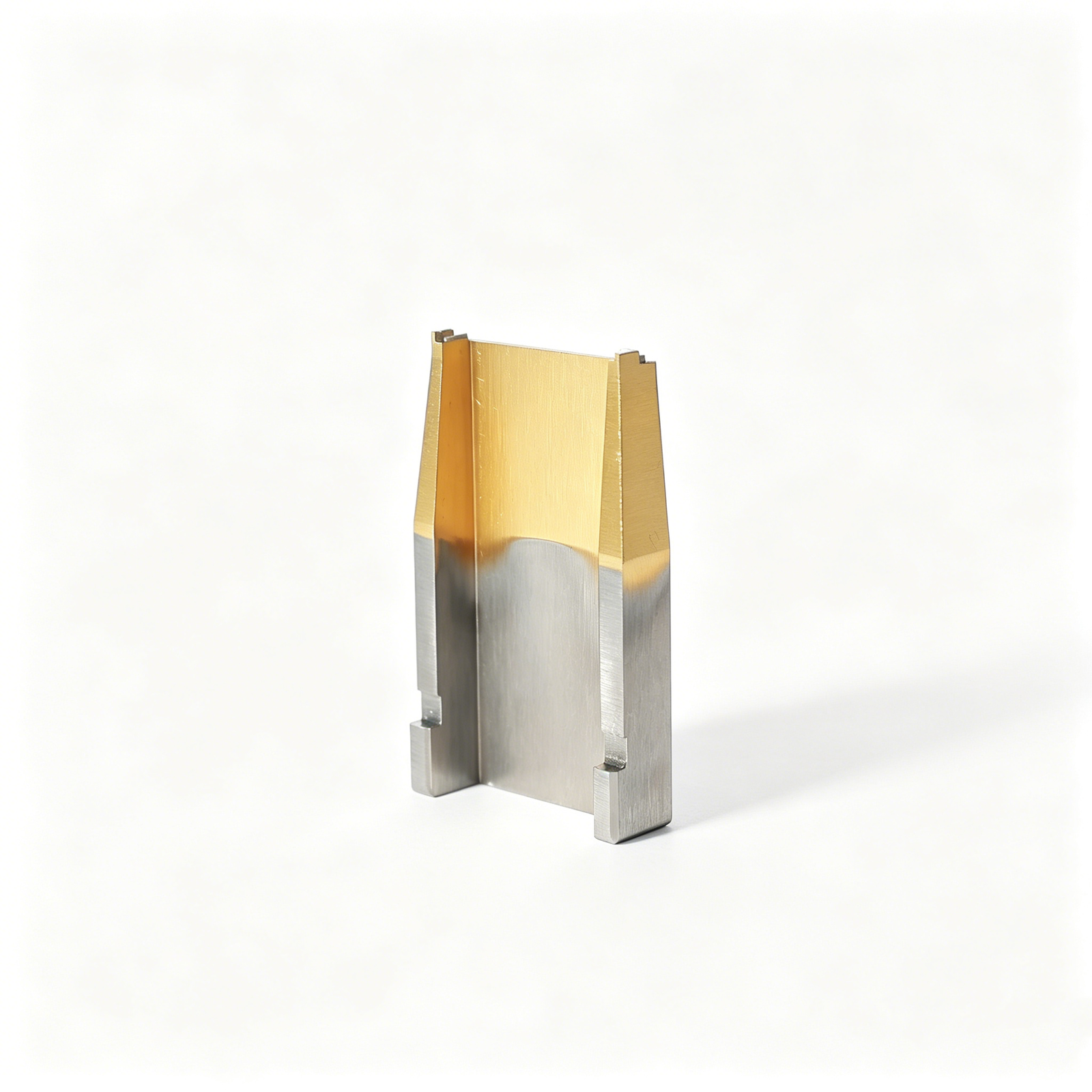
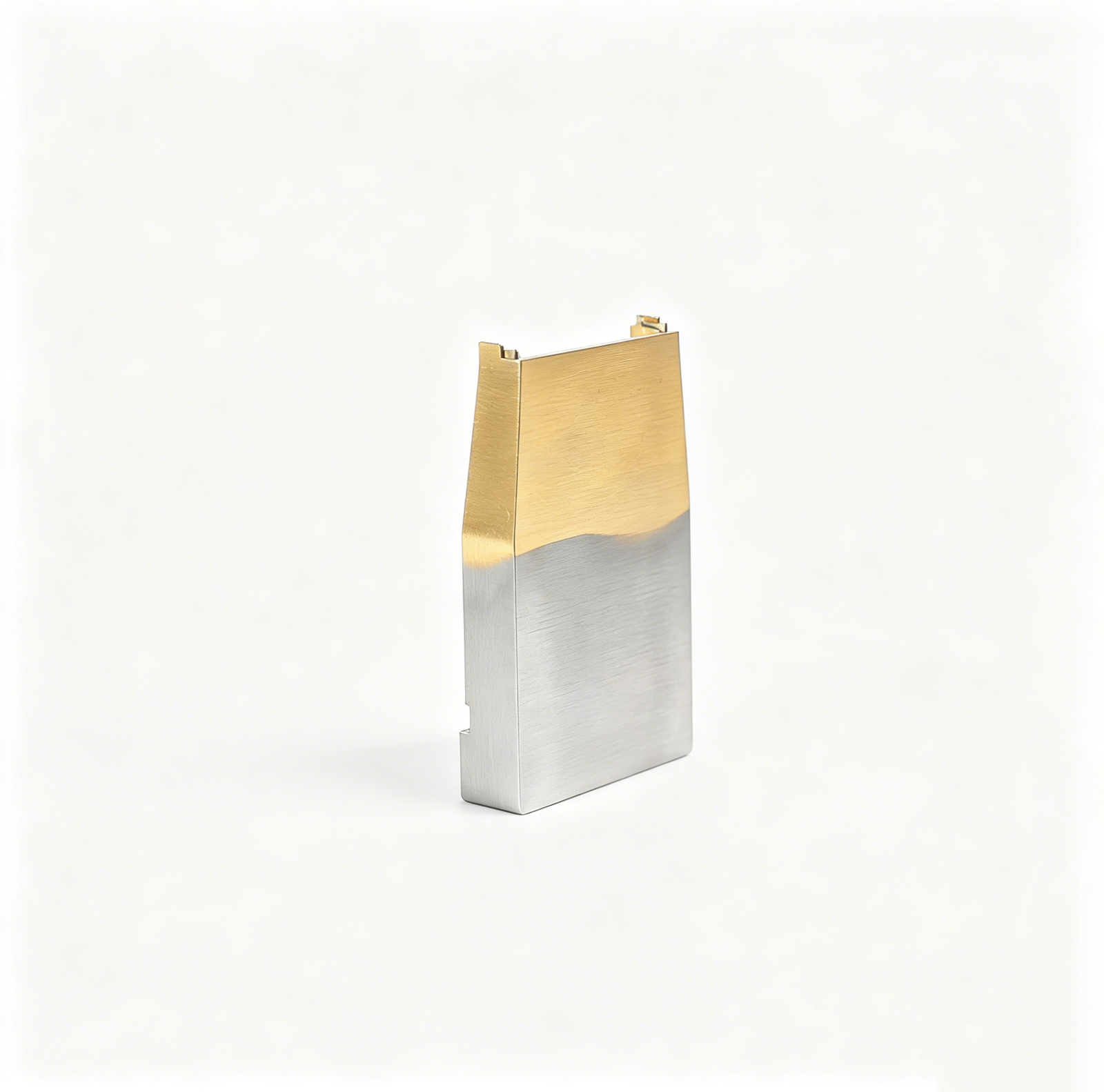
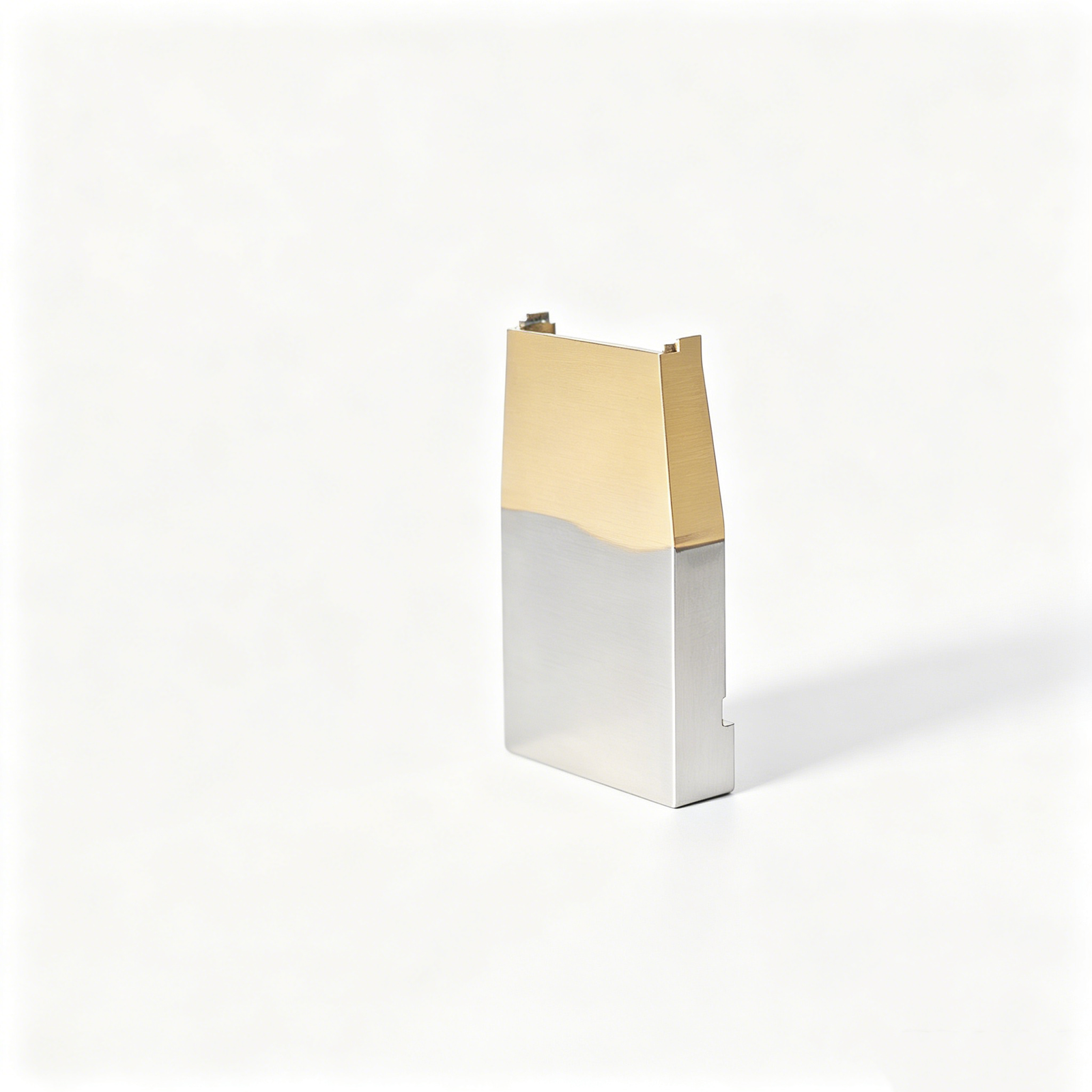
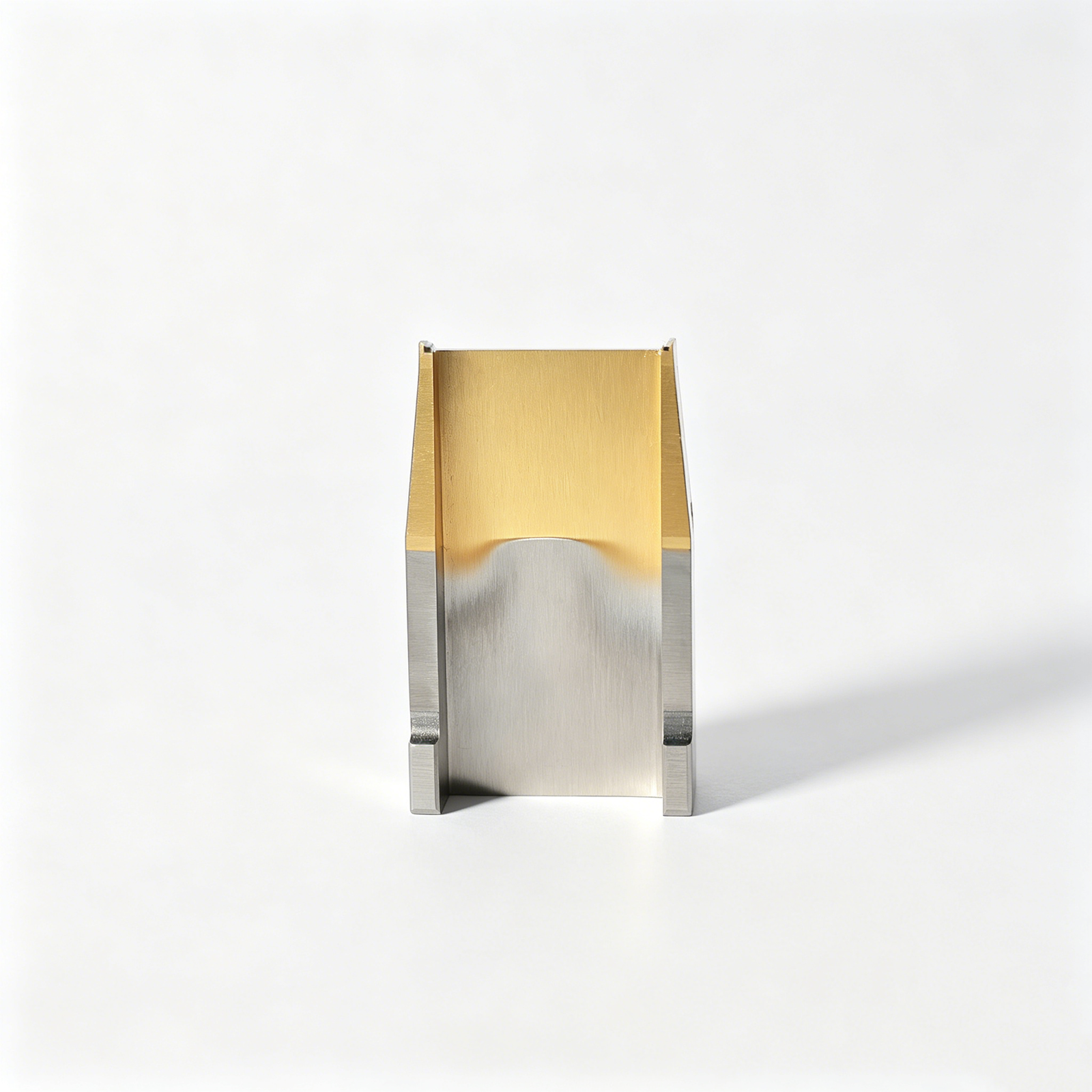
Plastic film parts · Precision mold insert
Mobile Connector Precision Mold Components for Stable Contact Terminal Molding
Brand Xuxiang Mold
Availability Made to drawing
RFQ pricing
Quote from STEP / PDF & quantity
Engineer reliable connector tooling with Mobile Connector Precision Mold Components for stable contact terminal molding, designed for demanding mobile and automotive platforms. These high-accuracy inserts and cavities help you maintain consistent pitch, coplanarity, and wall thickness when molding miniature plug and socket housings. Optimized steel selection, heat treatment, and surface finishing reduce wear and flash, even in long production runs. Whether you are building a new multi-cavity mold or retrofitting an existing tool, these components support faster setups and fewer quality deviations. Specify them for projects where stable dimensions, clean parting lines, and repeatable cavity balance directly impact yield and customer satisfaction.
- ISO 9001:2015–oriented process & documented inspection paths
- Zeiss / Nikon class metrology available for critical dimensions
- DFM feedback from 10+ senior tooling engineers
- Dongguan HQ + Quanzhou capacity for volume programs
Mobile Connector Precision Mold Components for Stable Contact Terminal Molding
As mobile devices, EV charging systems, and compact electronics become smaller and more powerful, the connectors that link them together must deliver higher current density in an ever‑shrinking footprint.
To keep up with these demands, toolmakers and injection molders rely on mobile connector precision mold components that can maintain ultra-tight tolerances on contact terminal windows, latch details, and housing walls over long, continuous production runs.[1][3]
This product offering focuses on precision cavities, cores, inserts, and ancillary components specifically engineered for molding mobile and automotive connector housings and contact terminal interfaces.[1][3] From fine-pitch terminal slots to robust strain‑relief features, each component is designed to integrate into your connector tool and support stable, high-yield manufacturing.
What These Precision Mold Components Are
Mobile connector precision mold components are custom-engineered mold parts used in injection tools that produce mobile phone, tablet, wearable, and other compact connector housings.[1][3] Typical component types include:
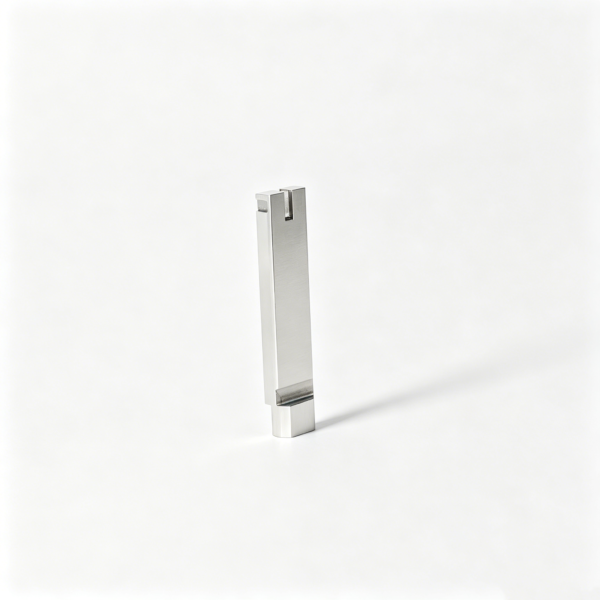
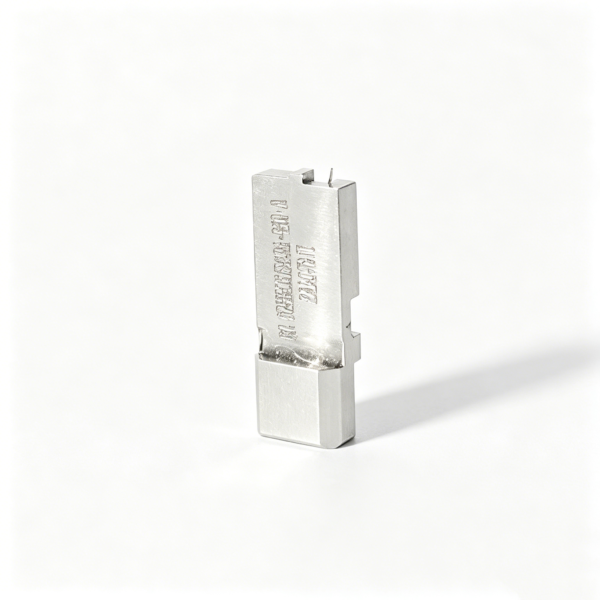
- Cavity inserts that define the external geometry of the connector shell and locking features.[1]
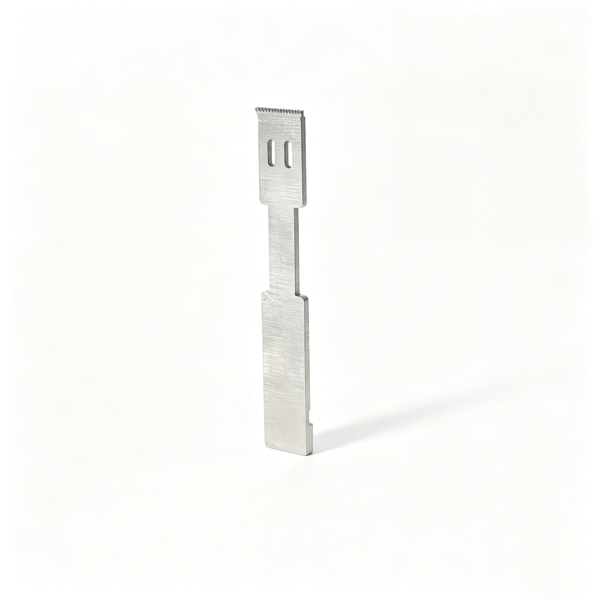
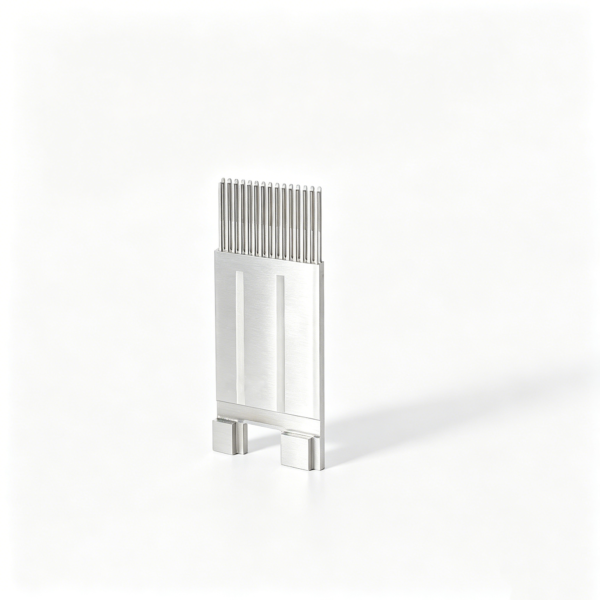
- Core pins and core blocks that create contact terminal windows, pin channels, and internal latch mechanisms.[1][3]
- Gate and runner inserts that manage resin flow into high‑cavity molds for stable filling and balanced pressure.[3]
- Guide pillars, bushings, and alignment elements that keep mating halves accurately located during every shot to protect fine features.[1]
- Ejector pins and lifter elements designed to release thin‑wall housings without deforming delicate walls or terminal slots.[1]
These components are typically manufactured from hardened tool steels or other wear‑resistant alloys selected to match the resin, shot volume, and required mold life.[1][3] They are produced through high-precision CNC machining, EDM, grinding, and polishing, followed by heat treatment and surface finishing to achieve the required dimensional accuracy and durability.[1][3]
Key Features & Benefits
Compared with generic mold parts, these mobile connector-focused components are optimized around the challenges of molding compact connectors with dense terminal layouts and thin walls.
- Tight tolerance control for contact terminals
Core pins and cavity details are designed for precise terminal slot positions and widths, supporting stable insertion force and contact resistance performance in the final connector.[1][3] - Enhanced durability for high shot counts
Appropriate tool steels, heat treatment, and surface polishing improve wear resistance against glass-filled and high‑temperature engineering plastics commonly used in connectors.[1][3] - Optimized for miniaturized geometries
Components are engineered to handle small draft angles, thin walls, and narrow ribs, supporting micro and fine-pitch connector platforms used in mobile and consumer electronics.[13][14] - Improved process stability
Accurate alignment and robust fit between inserts reduce flash, short shots, and dimensional drift, which protects cavity balance across multi-cavity tools.[1][3] - Shorter maintenance downtime
Modular construction makes it easier to replace individual cavity inserts or core pins when worn, reducing tool repair time and keeping production schedules on track. - Better cosmetic and functional quality
Fine surface finishes and controlled venting support clean parting lines, sharp text or marking features, and reduced burn marks or weld lines on visible connector areas.[1][3]
Specifications & Technical Highlights
The exact configuration of each mobile connector precision mold component set depends on your connector design, resin selection, and press capacity. The table below summarizes typical attributes and options for this category.
| Attribute | Description |
|---|---|
| Application focus | Mold components for mobile, consumer, and automotive electrical connectors, including plug, socket, and board‑to‑board housings.[1][3] |
| Typical component types | Cavity inserts, core pins, core blocks, gate/runner inserts, ejector pins, lifters, slides, guide elements, and wear plates.[1] |
| Material options | Hardened tool steels and other mold alloys selected based on required wear resistance, toughness, and compatibility with connector resins.[1][3] |
| Manufacturing processes | High-precision CNC machining, EDM, grinding, polishing, and heat treatment to achieve stable dimensions and surface finishes.[1][3] |
| Target tolerances | Engineered for tight control on critical dimensions such as contact slot pitch, housing thickness, and latch geometry; specific values set per project and drawing. |
| Supported connector geometries | Micro and fine‑pitch terminal layouts, multi‑row pin blocks, polarized housings, strain-relief features, and keying structures for mobile connectors.[13][14] |
| Mold types | Single- and multi-cavity injection molds, family molds, insert molds, and overmolding tools for cable or PCB-mounted connectors.[3][10] |
| Surface finishing | Polished, textured, or coated surfaces as required to achieve desired cosmetic appearance, demolding performance, and wear characteristics.[1][3] |
| Integration support | Design-for-manufacturability review, drawing optimization, and guidance on gate, runner, and cooling layouts to support connector molding performance.[3][13] |
Use Cases & Who These Components Are For
Mobile connector precision mold components are an ideal choice wherever small, high‑density connectors are molded and production stability is critical.
- Connector manufacturers
OEMs and ODMs producing mobile device connectors, charging ports, and data interfaces can use these components to launch new product series with improved first‑pass yield and reduced scrap. - Custom mold shops
Toolmakers building connector molds for automotive, telecommunications, and consumer electronics customers can integrate these components into their designs to reduce tryout cycles and design revisions.[1][3] - Tier‑1 and Tier‑2 suppliers
Suppliers producing connector housings for automotive and industrial electronics benefit from higher uptime and predictable part quality in large-volume programs.[3][12] - Engineering teams scaling new designs
R&D groups introducing next‑generation mobile connectors with tighter pitch and thinner walls can collaborate on custom insert sets that support pilot runs and subsequent ramp-up.
Typical molded parts include mobile charging ports, battery connectors, board‑to‑board links, FPC connectors, sensor interfaces, and compact signal or power plugs used in handheld or wearable devices.[10][13][14]
Selection, Maintenance & Buying Guidance
To get the best performance from mobile connector precision mold components, selection and maintenance should be aligned with your product roadmap and production environment.
- Define connector requirements clearly
Begin with a complete set of connector drawings and performance requirements, including operating environment, current rating, and target lifetime; these parameters influence the choice of mold materials and component geometry.[3] - Coordinate with mold design early
Engage your mold designer at the concept stage so that cavity layout, gate positioning, and cooling circuits are defined with insert changeability and future design revisions in mind.[3][13] - Match materials to resin and volume
For aggressive resins (e.g., glass‑filled or high‑temperature materials) or very high shot counts, prioritize higher hardness and wear‑resistant surface finishes to extend component life.[1][3] - Plan for maintenance
Implement a routine cleaning and inspection program that includes checking for wear on core pins, burrs on terminal windows, and any damage to parting lines or venting surfaces; timely replacement of worn inserts helps avoid dimensional drift.[1] - Validate with trials
Use mold trials to confirm fill patterns, warpage behavior, and terminal alignment; small adjustments to core dimensions or venting may be recommended based on real-world performance.[3]
When ordering, provide 2D drawings, 3D models, and any specific requirements for tolerances, surface finish, and compatibility with existing mold bases. Clear communication of connector standards and inspection criteria ensures that the delivered components integrate smoothly into your production cell and meet customer expectations.
FAQ
Are these mold components compatible with my existing connector mold base?
In most cases, the components are custom produced to match your existing mold layout, fixing dimensions, and mounting interfaces. You will need to provide detailed drawings or CAD data so the inserts and cores can be designed for direct replacement or integration.
What types of mobile connectors can these components support?
The components can be configured for a wide range of mobile connector housings, including charging ports, board‑to‑board connectors, sensor plugs, and compact signal or power interfaces used in mobile and automotive electronics.
How do I specify tolerances for contact terminal windows and slots?
Critical dimensions such as pitch, slot width, and housing thickness should be defined on your connector drawings. Your mold and component supplier will review these requirements and propose achievable tolerances based on material, tool concept, and inspection capability.
What is the typical lead time for a full set of precision mold inserts?
Lead time varies with tool complexity and quantity, but it generally includes stages for design confirmation, machining, heat treatment, finishing, and inspection. Your supplier will provide a project-specific schedule after reviewing your 3D models and requirements.
How should I maintain the mold to extend component life?
Follow a routine maintenance plan that includes cleaning resin deposits, checking venting, inspecting core pins and cavity edges for wear, and lubricating moving elements. Replacing worn inserts or pins before they affect part quality helps extend mold life and maintain consistency.
Can these components handle high‑temperature or glass‑filled engineering plastics?
Yes, suitable tool steels and heat treatments can be selected for use with high‑temperature and filled resins. When you specify your material and expected shot volume, the supplier can recommend appropriate materials and finishes to manage wear.
What should I check to ensure dimensional stability during long production runs?
Monitor critical dimensions on sample parts, track mold temperature, and watch for trends in flash, short shots, or warpage. Consistent processing parameters and scheduled inspections of core pins and cavity inserts help maintain dimensional stability in long runs.
Is there a warranty or return policy for custom mold components?
Warranty terms depend on the supplier, but custom components are usually covered for manufacturing defects and dimensional non‑conformity to approved drawings. Functional performance in your specific process should be verified during mold trials and acceptance testing.
Do you offer support for optimizing the connector mold design?
Many precision mold component suppliers provide design-for-manufacturability feedback, suggesting improvements to gate layout, cooling, venting, or insert structure to enhance connector molding performance and reduce iteration cycles.
How are the components packaged and shipped to prevent damage?
Components are typically cleaned, protected with anti‑corrosion measures, and individually packed or fixture-mounted to avoid impact during transport. Proper labeling ensures each insert or pin can be traced and installed in the correct cavity or location.
Related products
Same drawing, predictable results—next batch
Share revision, quantity ramp, and inspection level. We quote process route, ship date, and documentation in one structured response.