
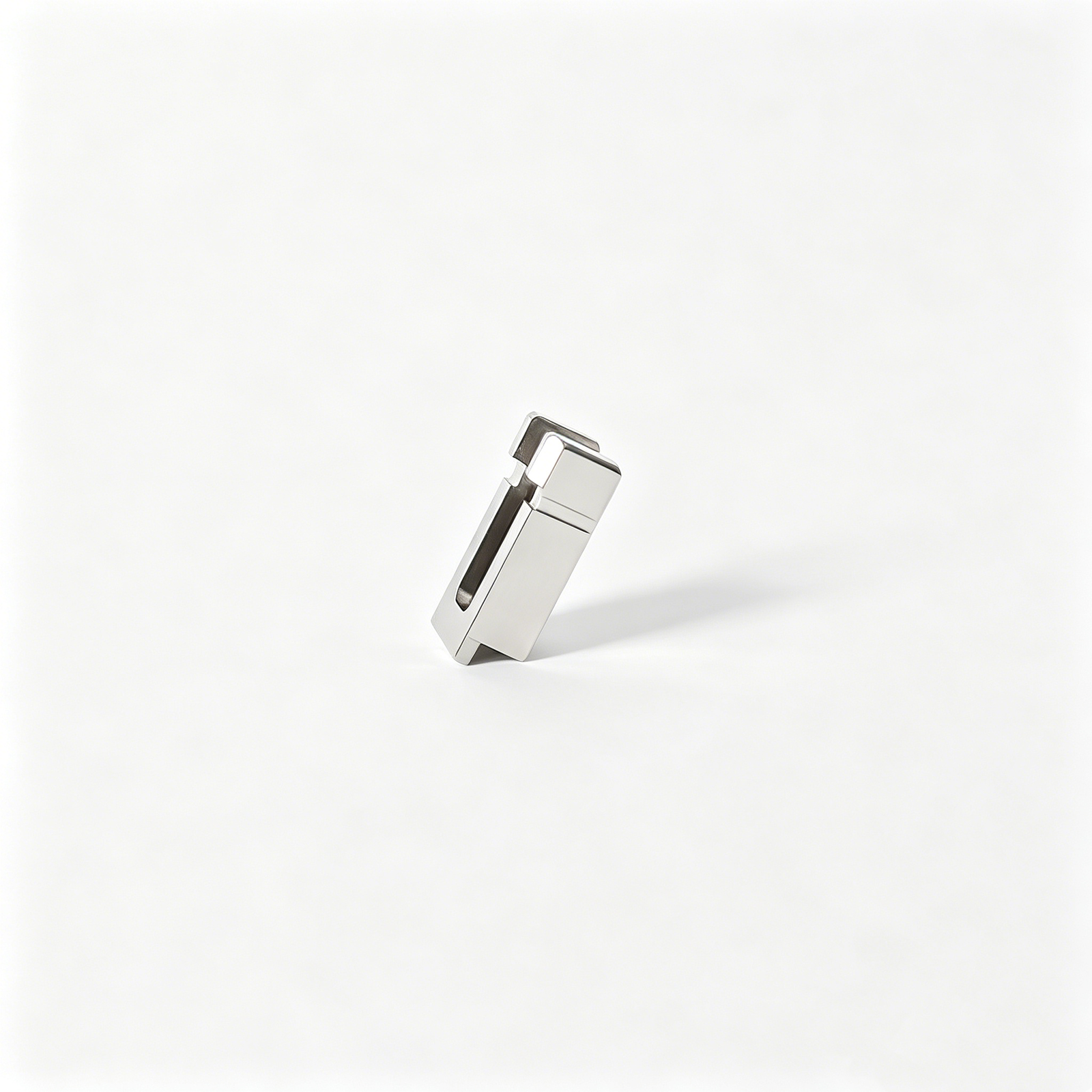
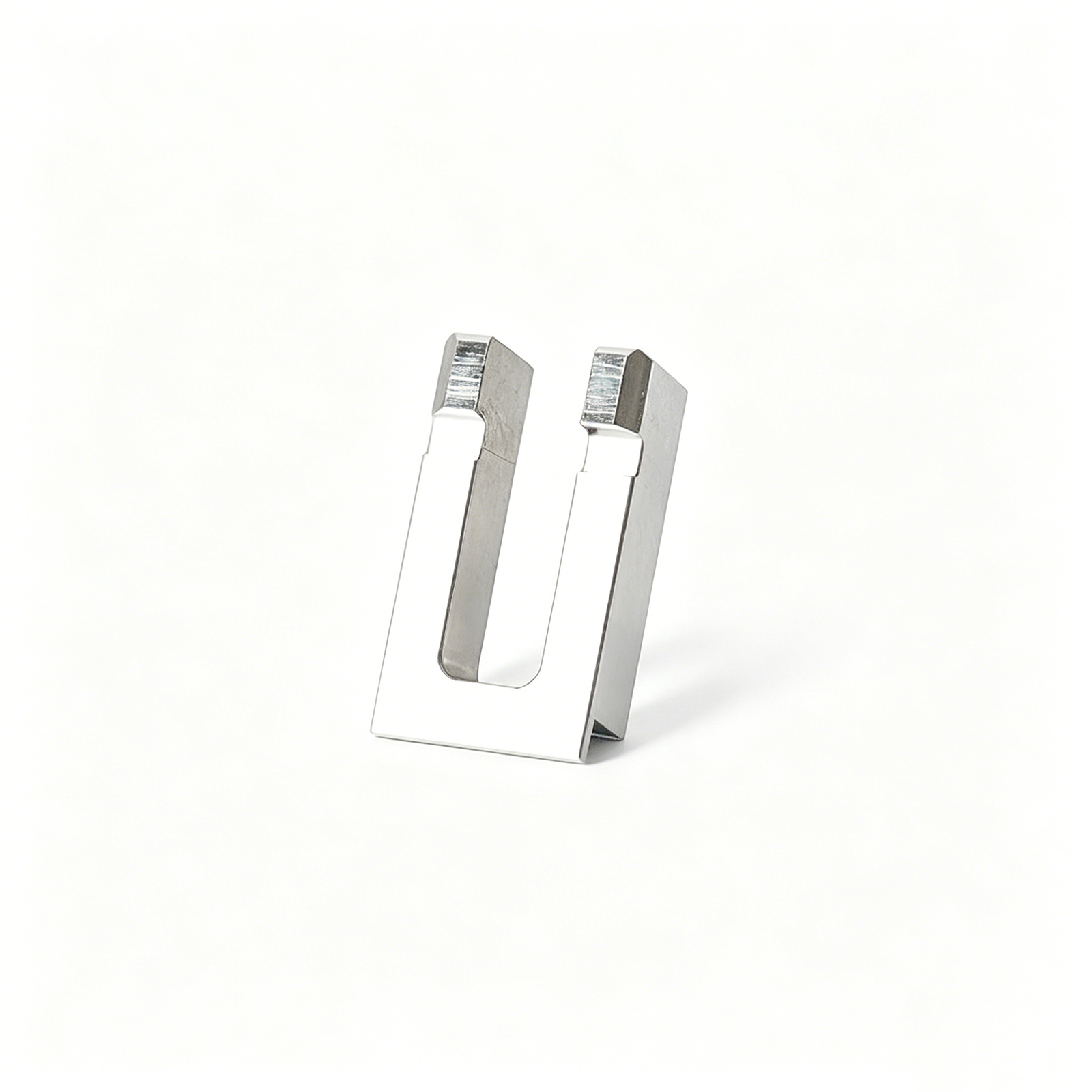
Plastic film parts · Precision mold insert
Mobile Connector Precision Mold Components for Micro-Connector Platforms
Brand Xuxiang Mold
Availability Made to drawing
RFQ pricing
Quote from STEP / PDF & quantity
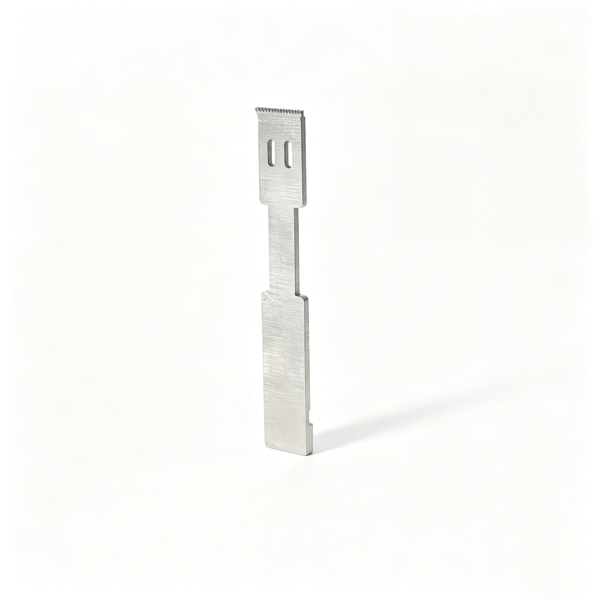
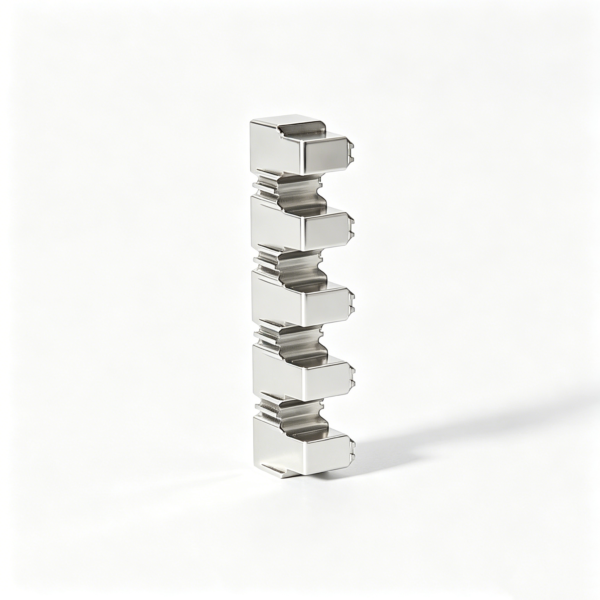
Engineer repeatable, high-yield connector molding with these Mobile Connector Precision Mold Components designed for micro-connector platforms. Each core, cavity and insert is manufactured from quality tool steel with tight tolerances to keep contact spacing accurate and flash under control. Optimized cooling and venting help you maintain short cycle times without sacrificing dimensional stability. Ideal for tooling engineers and mold shops building next‑generation mobile and automotive connectors, these components support consistent performance over long production runs.
- ISO 9001:2015–oriented process & documented inspection paths
- Zeiss / Nikon class metrology available for critical dimensions
- DFM feedback from 10+ senior tooling engineers
- Dongguan HQ + Quanzhou capacity for volume programs
Mobile Connector Precision Mold Components for Micro-Connector Platforms
When you are molding compact, high-density mobile connectors, every micron counts. Our Mobile Connector Precision Mold Components for micro-connector platforms are engineered to help you maintain strict dimensional control, clean parting lines and stable cycle performance in demanding production environments. Built for connector manufacturers, custom mold builders and precision tooling engineers, these components support reliable molding of mobile device, automotive, industrial and communication connectors where contact pitch and housing geometry are extremely compact.
Drawing on best practices for automotive and electronic connector mold design, each component is produced using CAD/CAM workflows, CNC machining and EDM processes to achieve the fine details and sharp edges required for miniature terminal windows, locking features and alignment keys.[1][3] Careful material selection and heat treatment deliver the hardness and wear resistance needed for long tool life even with glass‑filled and engineering resins.[1][3] The result is a modular set of precision cores, cavities and inserts that integrates smoothly into your connector mold base and helps you reach both quality and productivity targets.
Key Features & Performance Benefits
These Mobile Connector Precision Mold Components are designed around the real challenges of molding micro-connectors: small pin spacing, thin walls, complex undercuts and strict cosmetic expectations. By focusing on accuracy, interchangeability and process stability, they help you reduce maintenance time and improve first‑pass yield.
- Micro-feature accuracy: CNC and EDM machining processes are used to form narrow slots, terminal windows and latch details with sharp corners and consistent geometry, supporting fine-pitch connector layouts.[1][3]
- Stable dimensions over long runs: Through-hardened tool steels and appropriate heat treatment provide high hardness and wear resistance, keeping critical dimensions within tolerance over extended production campaigns.[1][3]
- Optimized for engineering plastics: The components are suitable for use with a wide range of connector-grade thermoplastics such as PA, PBT and high‑temperature materials often specified for automotive and mobile connectors.[3][12]
- Controlled flash and burrs: Precision-ground parting lines and carefully fitted inserts help minimize flash at terminal openings and mating surfaces, reducing downstream trimming and improving connector fit.
- Consistent demolding: Ejector pin and sleeve interfaces are prepared to ensure smooth demolding of small parts, reducing the risk of deformation or cracking during ejection.[3]
- Support for complex mold structures: The components are well suited to multi-cavity, multi-row and slider-based connector molds, allowing you to design compact tools for high-volume production.[1][3][12]
Specifications & Technical Details
Because every connector program is unique, these Mobile Connector Precision Mold Components are configured to meet your specific geometry, stack-up and process requirements. Instead of fixed catalog sizes, you receive components manufactured to your drawing or to jointly developed specifications.
| Attribute | Description |
|---|---|
| Product type | Precision mold components for mobile and electronic connector molds (cores, cavities, inserts, lifters, sliders) |
| Typical application | Injection molds for mobile device, automotive, industrial and communication connectors with compact footprints[1][3][12] |
| Material options | Connector-grade tool steels and stainless steels selected for hardness, toughness and wear resistance[1][3] |
| Manufacturing processes | CNC machining, EDM, grinding, polishing, and heat treatment to achieve high precision and surface quality[1][3] |
| Surface finish | Polished and ground surfaces on functional areas; textures or matte finishes applied per project requirements[1] |
| Mold compatibility | Designed for integration into custom connector mold bases, including multi-cavity and multi-row designs[1][3] |
| Connector styles supported | Mobile data and power connectors, board-to-board, wire-to-board and automotive-style terminal connectors[3][12][13] |
| Design input | Built to customer 2D/3D drawings or co‑developed based on connector CAD models and performance requirements[1][3] |
| Quality focus | Dimensional accuracy for micro-features, stable part-to-part repeatability, and compatibility with high-volume molding[1][3][12] |
| Typical industries | Mobile electronics, automotive electronics, industrial controls, telecom and consumer devices[1][3][12][13] |
Use Cases & Ideal Users
These Mobile Connector Precision Mold Components are particularly valuable when you are working with miniaturized connectors where housing dimensions are shrinking but electrical and mechanical performance demands continue to increase.[12] As pitch becomes finer and terminal counts rise, mold design tolerances tighten and the quality of each component directly affects your process window.
Typical use cases include:
- Mobile device connectors: USB-type, charging and board-to-board connectors embedded in smartphones, tablets, wearables and accessory devices, where compact housings and cosmetic surfaces are critical.
- Automotive electronics connectors: Connector bodies for control modules, sensors and wiring harness interfaces where vibration resistance and environmental sealing depend on consistent molding.[1][3][12]
- Industrial and automation connectors: Small I/O and signal connectors used in PLCs, drives and control cabinets that require robust housings and accurate terminal guides.[12][13]
- Telecom and networking hardware: Miniature connectors in base stations, routers and communication equipment, where tight spacing and thermal conditions demand stable molding performance.[12][13]
These components are an excellent match for:
- Mold makers building new connector tools or refurbishing high‑cavity molds.
- OEM and Tier 1 connector manufacturers needing reliable replacement components for existing tools.
- Engineering teams developing new connector series with challenging micro-geometry requirements.
- Tooling engineers aiming to improve cycle time or reduce scrap on existing connector production lines.
Care, Maintenance & Buying Guidance
Because micro-connector molds operate under tight tolerances and often run abrasive or high‑temperature materials, proper component care and thoughtful purchasing decisions are essential.
Maintenance tips:
- Establish a routine cleaning schedule, removing deposits around small slots and terminal windows to avoid dimensional drift or sticking parts.[1][3]
- Inspect parting lines, gate areas and ejector interfaces regularly for wear or minor damage; timely replacement of individual components helps prevent dimensional deviations in the entire cavity set.
- Monitor the performance of cooling channels and thermal balance to prevent localized wear or distortion in fine features.[3][12]
- Document component locations and serial identifiers so you can track performance across multiple cavities and quickly exchange inserts when needed.
Buying guidance:
- Share 3D connector models and detailed drawings during the inquiry stage so the component design can reflect all necessary locking details, draft angles and terminal windows.[1][3]
- Clarify the connector’s operating environment (temperature, current load, vibration, sealing requirements) to support appropriate material selection and heat-treatment strategies.[3][12]
- Discuss your target cycle time and production volume; this helps balance tool steel choice, surface treatments and component complexity with your budget and lifetime expectations.
- Consider stocking critical high‑wear components (such as cores for thin pin areas) as spares, minimizing downtime when maintenance is required.
By investing in high-quality Mobile Connector Precision Mold Components and pairing them with disciplined mold maintenance, you can achieve stable manufacturing of micro-connector platforms, reduce scrap and support the increasingly compact designs requested by your customers.
FAQ
Are these components compatible with my existing connector mold base?
Yes. The components are manufactured to your drawings or to dimensions agreed during the design phase, so they can be integrated into existing connector mold bases as replacement parts or upgrades. Providing accurate 2D/3D data ensures a precise fit.
Which connector types are best suited for these mold components?
They are particularly suitable for mobile and electronic connectors with compact housings, such as charging ports, board-to-board, wire-to-board and micro automotive connectors where fine features and tight pin spacing are required.
How do I specify the correct size and geometry for my project?
You can supply connector CAD models, cavity layouts and critical dimension drawings. The tooling team will use this information to design or manufacture the cores, cavities and inserts to match your connector geometry and mold structure.
What maintenance is recommended to extend component life?
Regular cleaning, inspection of parting lines and ejector areas, and timely replacement of high-wear inserts are recommended. Maintaining stable processing conditions and avoiding over‑packing will also help extend component life.
Can these components handle high-temperature engineering plastics?
Yes. With appropriate tool steel selection and heat treatment, the components are suitable for high-temperature and reinforced thermoplastics commonly used in automotive and high-performance mobile connectors. Discuss your resin choice at the quotation stage.
What is the typical lead time for a custom set of mold components?
Lead time depends on component complexity and set size. Once drawings are confirmed, production can be scheduled and an estimated delivery window provided. Complex multi-cavity sets require more time than simple replacement inserts.
How are the components packaged and shipped?
Each component is cleaned, protected with rust-preventive measures and individually wrapped or compartmentalized to avoid impact damage. Packaging is designed to withstand international transport and standard courier handling.
What happens if a component does not fit as expected?
If there is a discrepancy between the supplied parts and the approved drawings, the issue can be evaluated and corrected. In such cases, adjustments, remanufacture or replacement solutions are typically provided according to the agreed terms.
Do you offer support with mold design for new connector projects?
Yes. Engineering support can help review your connector design, cavity arrangement and gating strategy, and recommend suitable component concepts to achieve stable processing and efficient maintenance.
Is there any warranty on the Mobile Connector Precision Mold Components?
A warranty or quality guarantee is usually provided in line with industry practice and the agreed purchase terms, covering manufacturing defects in materials and workmanship. Details can be confirmed during quotation and order confirmation.
Related products
Same drawing, predictable results—next batch
Share revision, quantity ramp, and inspection level. We quote process route, ship date, and documentation in one structured response.