
Plastic film parts · Precision mold insert
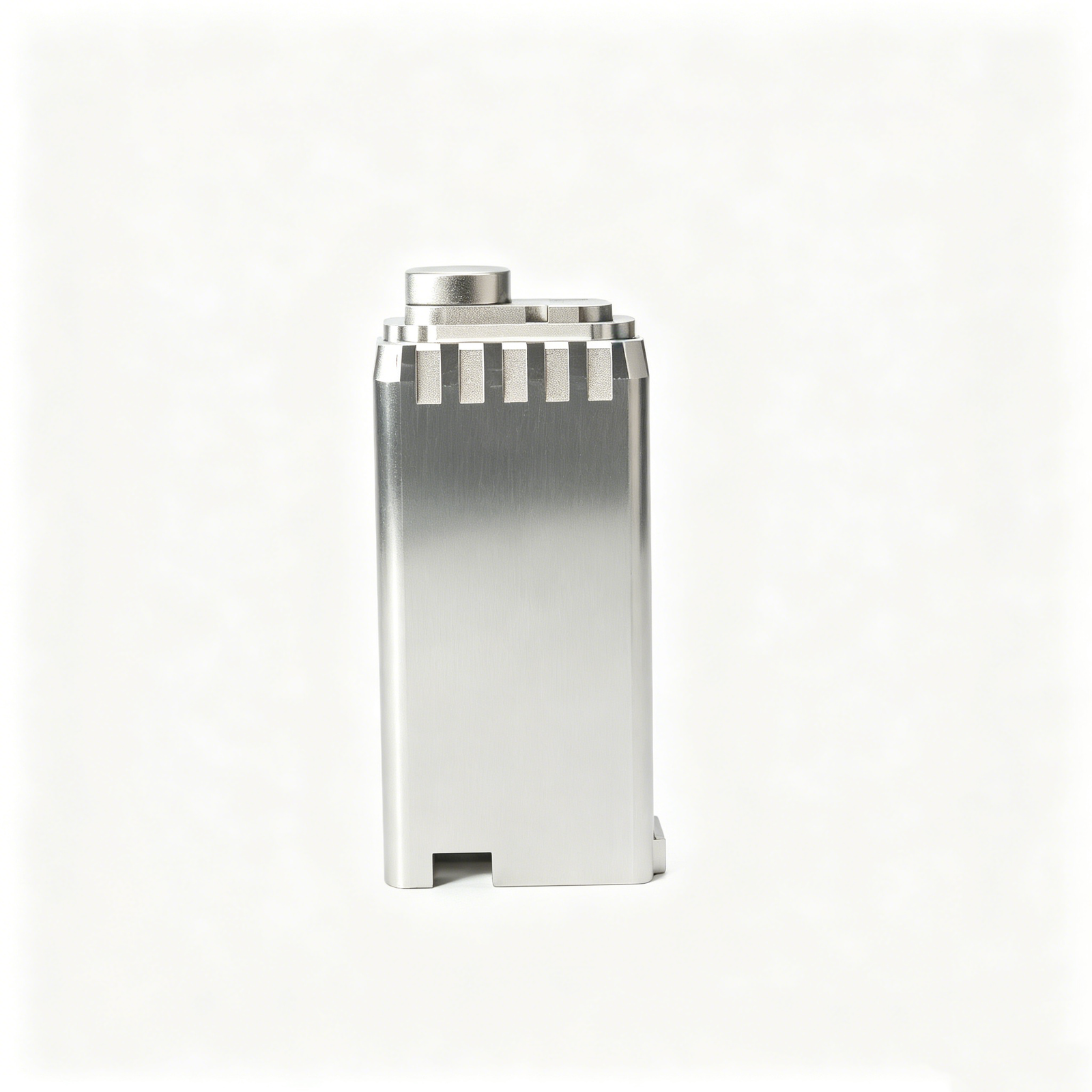
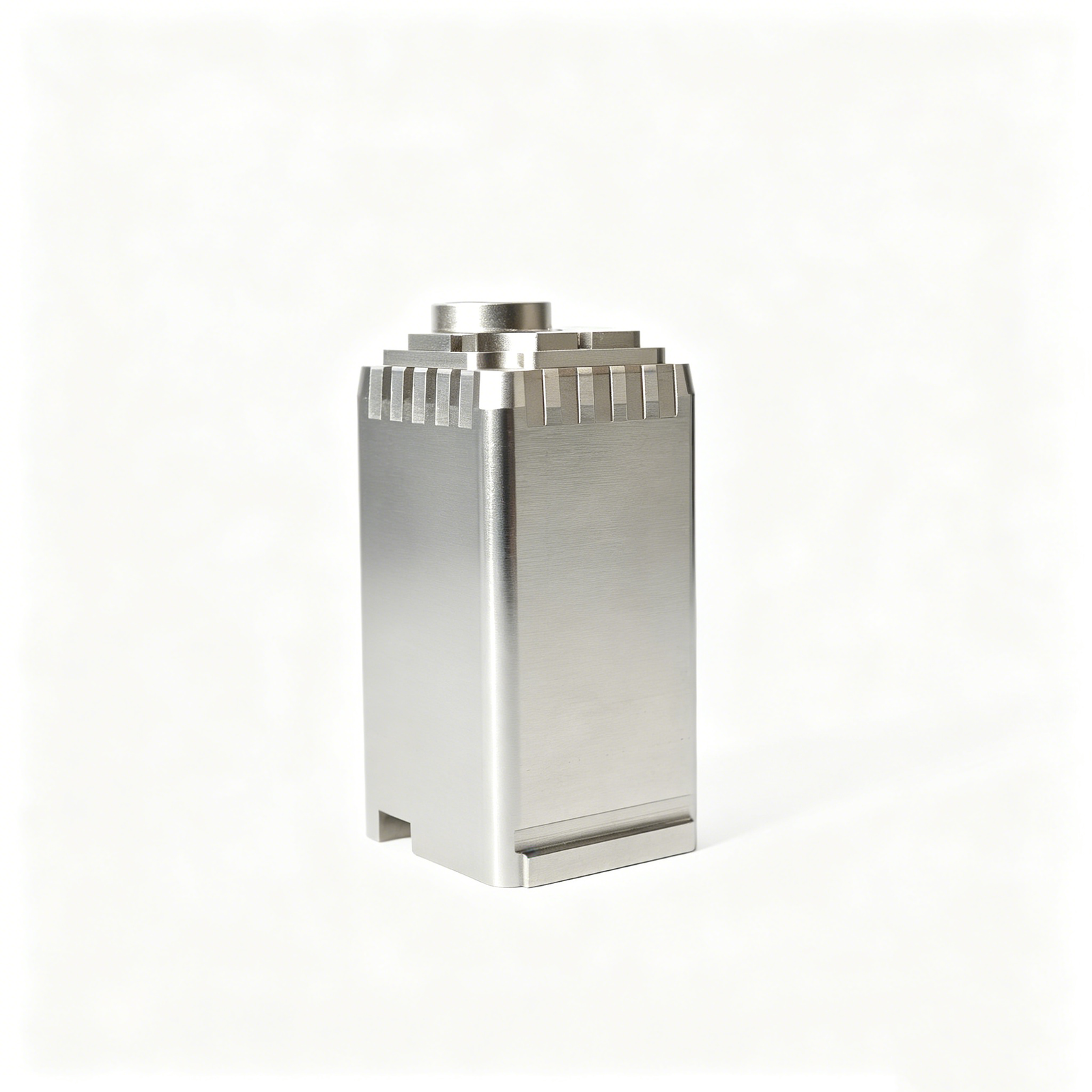
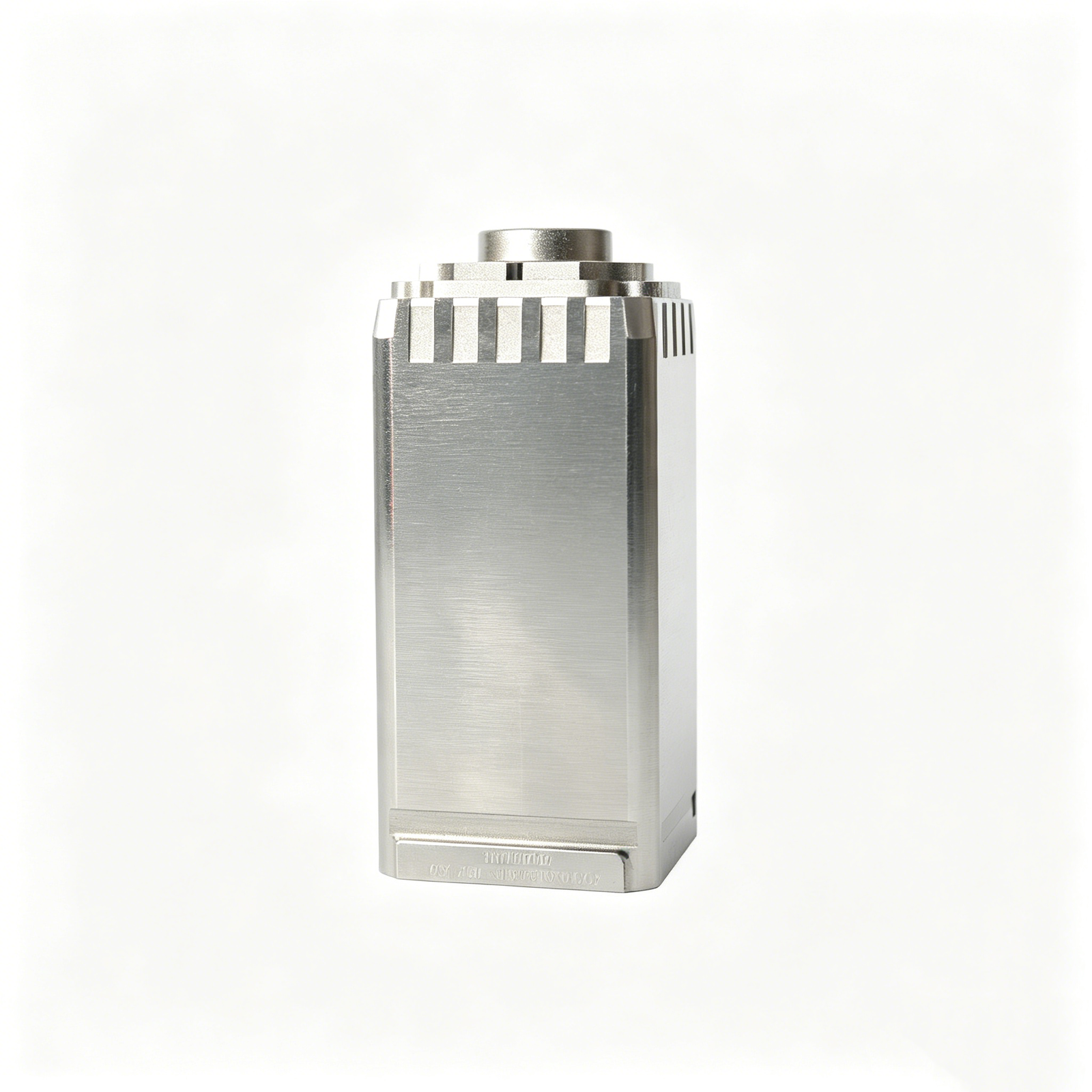
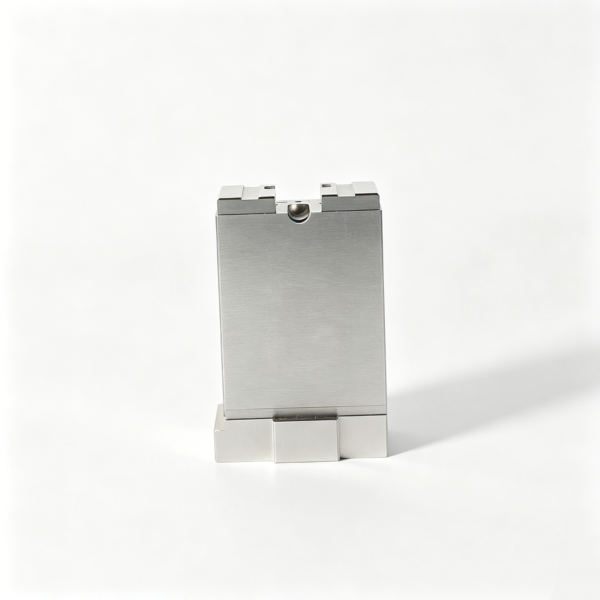
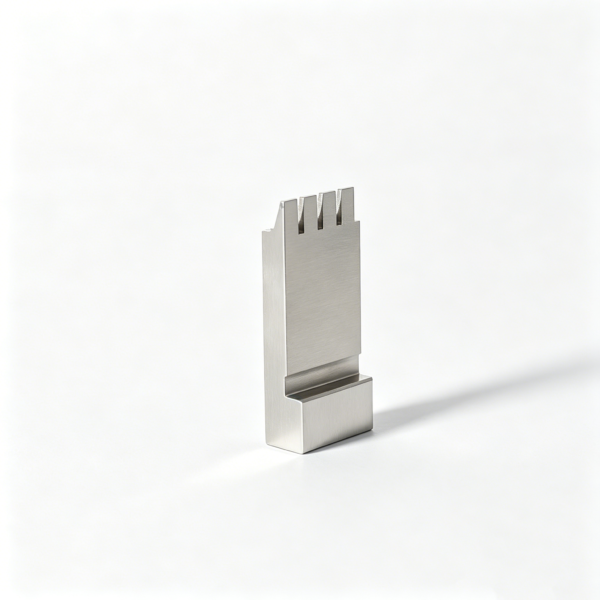
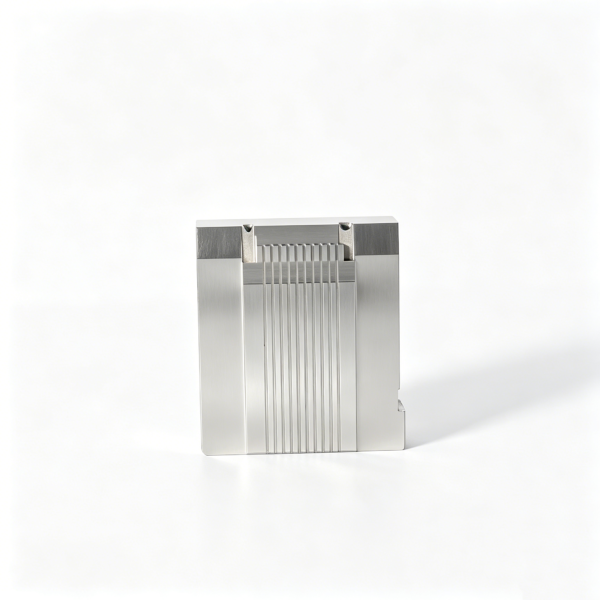
Precision Mold Components for Automotive Connectors – Connector Cavities, Cores & Ejector Elements
Brand Xuxiang Mold
Availability Made to drawing
RFQ pricing
Quote from STEP / PDF & quantity
Engineered for demanding automotive programs, these precision mold components for automotive connectors help you achieve stable dimensional accuracy across long production runs. Each core, cavity and ejector element is manufactured from wear-resistant tool steels to withstand glass-filled and high-temperature engineering resins. Optimized geometries support fine-pitch terminals, latch features and sealing grooves with minimal flash. By upgrading your connector tooling with these components, you can shorten debug time, reduce scrap and maintain consistent fit with mating parts. Ideal for new mold builds, engineering changes and preventive refurbishment of high-cavitation connector tools.
- ISO 9001:2015–oriented process & documented inspection paths
- Zeiss / Nikon class metrology available for critical dimensions
- DFM feedback from 10+ senior tooling engineers
- Dongguan HQ + Quanzhou capacity for volume programs
High-Precision Mold Components for Reliable Automotive Connector Production
Automotive electrical systems rely on compact plastic connectors that must lock securely, seal against moisture and align precisely with mating interfaces. To mold these parts consistently, the tooling needs highly accurate inserts, cores, sleeves and ejector elements that can hold tight tolerances over millions of cycles.
These precision mold components for automotive connectors are designed specifically for multi-cavity, high-output injection molds used in harness, ECU, sensor and module connector production. They help mold makers and Tier suppliers maintain dimensional stability on critical areas such as terminal cavities, latch windows, keying features and sealing interfaces, even when running abrasive, glass-filled, or high-temperature engineering materials.
Key Features & Benefits
- Automotive-grade precision – Components are produced with fine machining and grinding processes to support the tight dimensional tolerances typically required for automotive connector housings and terminals.
- Stable performance with engineering resins – Material selections and heat treatment are chosen to resist wear and deformation under continuous exposure to engineering plastics used in automotive electrics, including high-temperature and reinforced grades.[4][6][10]
- Optimized for connector geometry – Core pins, cavity inserts and sleeves are configured to support thin walls, small terminal slots, fine pitches and undercut latch features common to modern connector designs.[1][4][7]
- Supports high-cavitation tools – Dimensional repeatability and consistent cooling interfaces help you maintain cavity balance and fill behavior in high-cavity connector molds, reducing scrap and cavity-to-cavity variation.[4][9][10]
- Modular replacement strategy – Many elements are intended to be individually replaced, allowing localized wear or damage to be addressed without reworking the entire mold stack, helping reduce downtime during maintenance.[2][3][11][13]
- Smooth demolding and reduced damage – Ejector features are designed to work with appropriate draft angles and ejector layouts, supporting reliable release of delicate parts with small terminals and seals while minimizing stress whitening or cracking.[4][7][9]
Technical Characteristics & Specification Overview
Because connector designs vary widely between platforms and OEMs, these components are typically produced to custom drawings. Instead of fixed catalog sizes, they are adapted to the specific connector series, mold base and machine capability. Below is a general overview of the kind of attributes you can expect.
| Attribute | Description |
|---|---|
| Product type | Precision mold components set for automotive connector injection molds (cores, cavities, sleeves, ejector elements) |
| Typical application | Plastic injection molds for automotive electrical connectors, terminal housings, sensor plugs and module interfaces[1][5][10] |
| Common materials | Automotive-grade tool steels and stainless steels selected for wear resistance, toughness and corrosion resistance in molding environments[4][6][11] |
| Surface finish | Precision ground and/or polished surfaces in critical areas to support fine features and minimize material build-up or sticking[3][6][8] |
| Typical elements included | Connector cavity inserts, core pins, sleeves, gate inserts, ejector pins and related precision details (supplied as required by the tool design)[1][3][5] |
| Connector compatibility | Tailored to customer drawings and connector families (e.g., multi-pin harness connectors, micro connectors, power connectors)[2][9][13] |
| Mold type suitability | Compatible with single- and multi-cavity, cold or hot runner automotive connector molds; suitable for vertical or horizontal presses[4][9][10] |
| Production environment | Intended for high-volume, continuous production in automotive or Tier supplier molding facilities |
| Customization | Supports custom geometries, gate designs, cooling interfaces and special coatings based on project requirements[2][3][6] |
| Quality focus | Manufactured with attention to dimensional accuracy, repeatability and consistency across multiple sets[2][6][11] |
Typical Use Cases & Who These Components Are For
These precision mold components are aimed at professionals responsible for designing, building and maintaining high-performance connector tooling for automotive applications. They are especially useful in the following scenarios:
- New mold builds for automotive electrical connectors – When designing new connector programs, mold makers can specify these components for core and cavity details to achieve stable production from start-up.[4][9][10]
- Refurbishment of existing connector molds – Over time, terminal slots and latch features can wear and lose sharpness, leading to poor insertion force behavior or incomplete locking. Replacing critical inserts restores part performance without replacing the entire tool.[1][2][5]
- Engineering changes and design updates – Connector revisions often call for subtle geometry changes. Swap-in replacement inserts simplify ECNs and allow you to validate revised designs quickly while minimizing downtime.[2][3][11]
- Optimization for demanding plastics – If a connector is upgraded to a more aggressive resin, such as higher glass content or elevated temperature performance, more robust wear surfaces and optimized cooling can be specified for the affected components.[4][6][10]
- High-cavitation, high-speed production – In large connector programs with numerous cavities, consistent insert sets help maintain cavity-to-cavity uniformity, reducing sorting, inspection and rework costs.[9][10][13]
Selection, Maintenance & Buying Guidance
Selecting the right precision mold components for your connector application starts with an accurate understanding of the connector geometry, the target molding process window and the performance expectations of the end customer. Automotive connectors often have strict criteria for terminal retention, locking performance, seal compression, dielectric properties and dimensional compatibility with mating components.[4][7][10]
When specifying components, consider the following factors:
- Connector design and tolerances – Review 3D models and GD&T requirements for critical features such as pin cavities, keying ribs and seal grooves. These drive the core and cavity detail requirements.[4][7]
- Molding resin and additives – Identify whether the project uses standard engineering plastics or aggressive, glass-filled or high-temperature resins. This information helps determine material and surface treatment priorities for the inserts.[4][6][10]
- Mold layout and cavitation – Evaluate how many cavities, what type of runner system and which machine sizes are planned. Components can then be coordinated with cooling channels, gate positions and ejection layouts to maintain balanced filling and shrinkage.[4][9]
- Maintenance strategy – A practical maintenance plan includes scheduled inspection of core pins, cavity details and ejector interfaces, monitoring for wear, burrs and corrosion. Many manufacturers recommend periodic polishing, cleaning and timely replacement of worn inserts to prevent chronic quality issues.[4][6]
- Lifecycle cost vs. upfront cost – Higher-grade materials and precision finishes can offer longer service life and fewer unplanned stoppages, which is often more economical over the lifespan of a long-running connector program.
When ordering, be prepared to provide detailed drawings, CAD data, connector specifications and any special requirements such as target injection machine, expected annual volume or required approvals in your market. This information helps ensure the mold components are configured correctly for your tool and process.
FAQ
Are these precision mold components compatible with my existing automotive connector mold?
In most cases, the components are manufactured to your drawings, so they can be matched to an existing mold base and pocket geometry. Provide full 2D/3D data and mold layout so the supplier can confirm compatibility before production.
What information do I need to supply when ordering components for a new connector project?
You should share connector models, detailed part drawings with tolerances, the planned resin, mold cavitation, gating concept and machine size. This allows the components to be designed with suitable fits, cooling interfaces and wear resistance for your application.
Can these mold components handle high-temperature or glass-filled automotive resins?
Yes, suitable tool steels and surface treatments can be specified to cope with elevated processing temperatures and abrasive fillers commonly used in automotive connectors. Be sure to indicate the exact resin family and any special additive packages when requesting a quotation.
How often should I inspect or replace connector mold inserts and cores?
Inspection frequency depends on resin type, cycle time and production volume. Many automotive molders perform regular visual and dimensional checks during preventive maintenance intervals, replacing core pins, gate inserts or worn cavity details before they cause ongoing quality issues.
What is the typical lead time for custom precision mold components?
Lead time varies with complexity and order quantity. Simple pins or sleeves can often be supplied faster than complex multi-feature cavity inserts. Sharing complete data and approving drawings quickly helps shorten the overall schedule.
Do these components come pre-fitted, or will final fitting be required at my tool shop?
Precision machining minimizes the amount of bench work needed, but final fitting and adjustment at your tool shop is often recommended to achieve the best alignment, shutoff contact, and venting for your specific mold base.
How should I care for the components to maximize service life?
Use appropriate mold cleaners, avoid aggressive mechanical abrasion on critical surfaces, and apply rust protection during storage. Following a consistent cleaning and lubrication routine during maintenance helps preserve surface finish and dimensional accuracy.
What happens if a component fails or arrives out of tolerance?
Reputable suppliers will review the issue against the approved drawing and measurement reports. Depending on the warranty terms, nonconforming components are typically corrected or replaced, and support may be provided to identify root causes to prevent recurrence.
Can I order small quantities for trials or prototype connector molds?
Yes, many users start with limited sets for pilot tools or prototype cavities. Early trials help validate connector design, material choice and mold concept before scaling up to full production cavitation.
How are these precision components packaged and shipped?
Components are generally protected with anti-corrosion treatments, wrapped or boxed individually or in matched sets, and then packed securely for transportation. Proper packaging reduces the risk of transit damage and maintains surface quality.
Related products
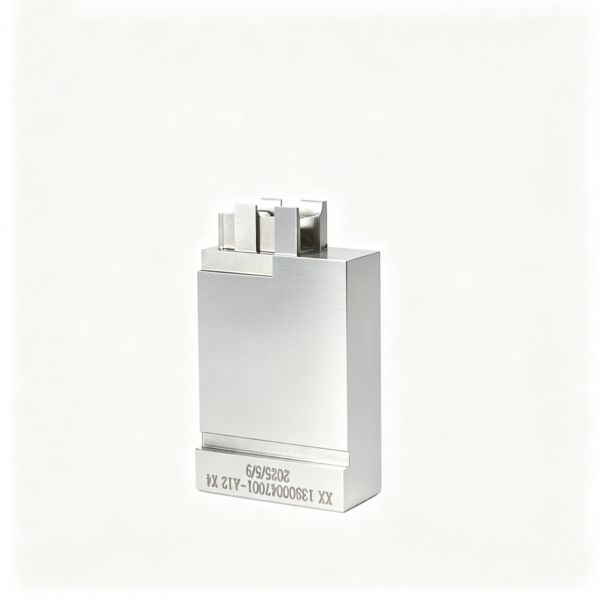
Same drawing, predictable results—next batch
Share revision, quantity ramp, and inspection level. We quote process route, ship date, and documentation in one structured response.