
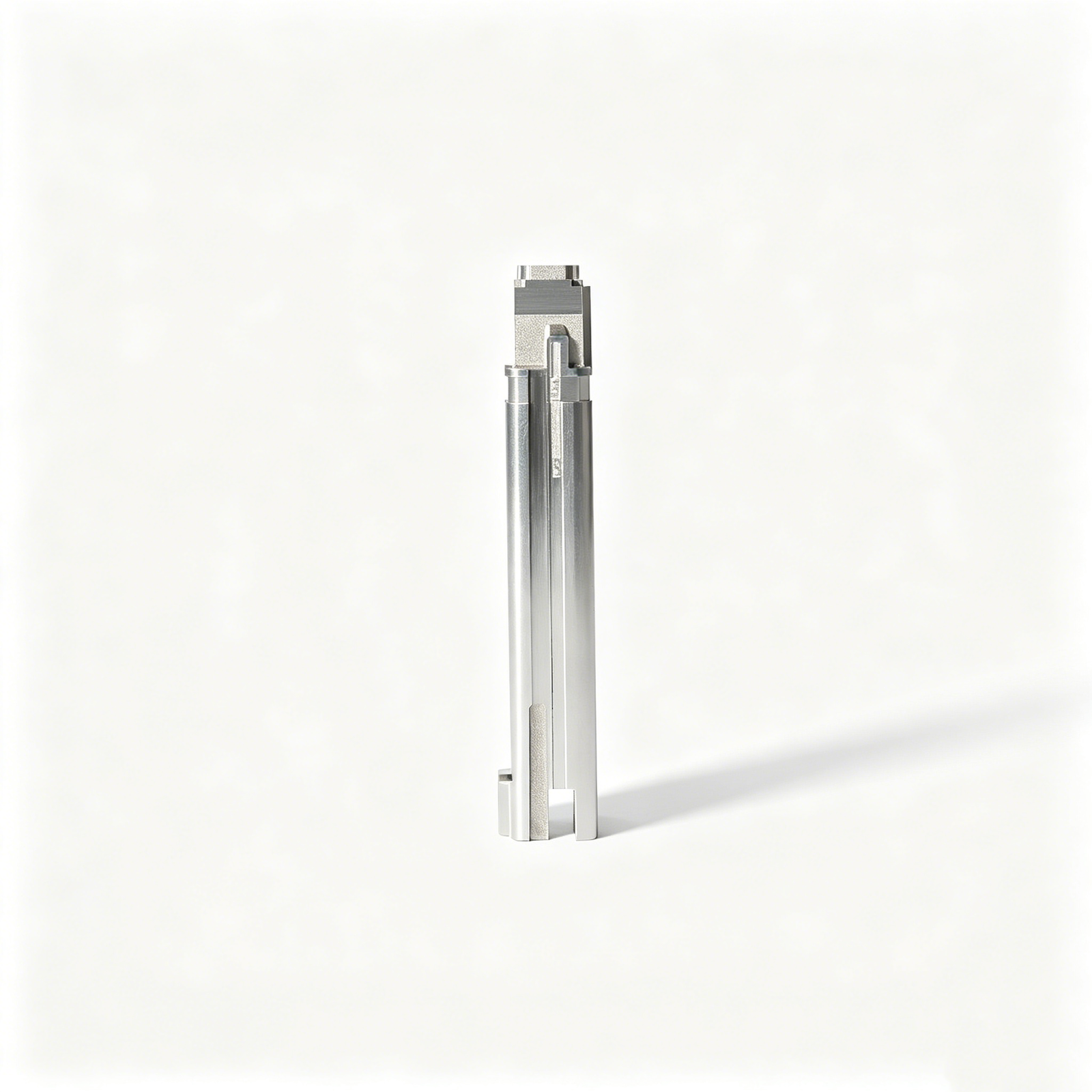
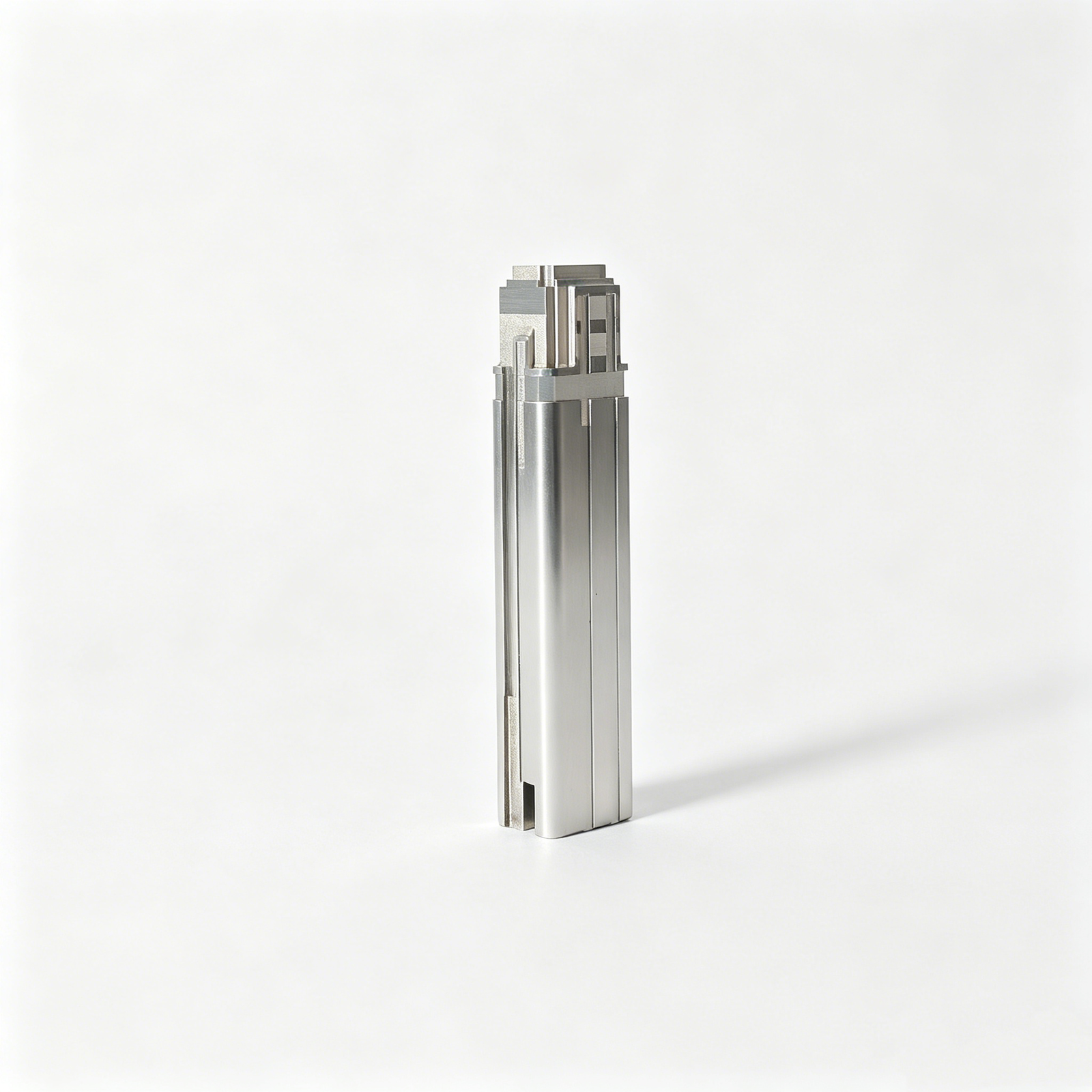
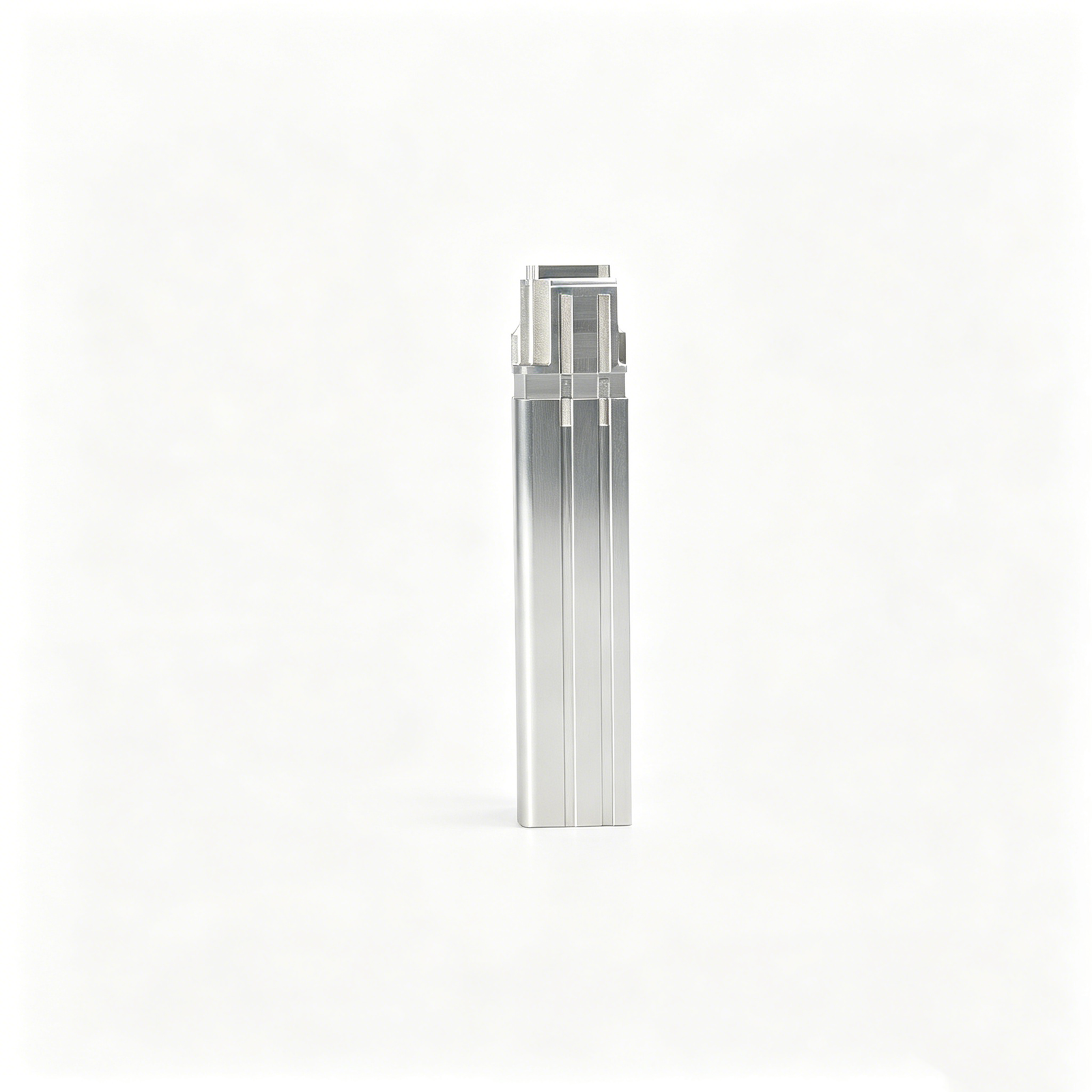
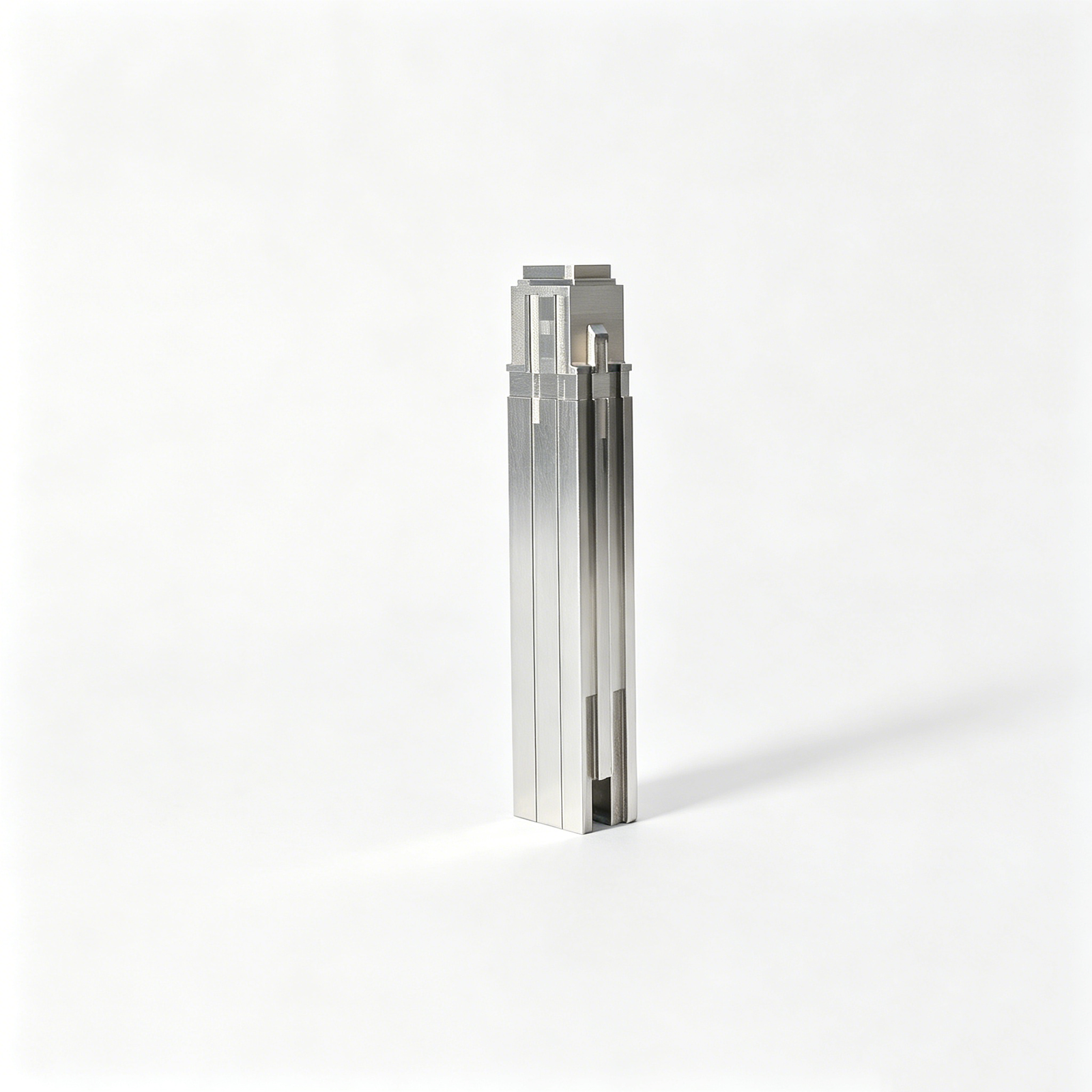
Plastic film parts · Precision mold insert
Precision Mold Components for Automotive Connectors – Dimensional Control Inserts & Core Pins
Brand Xuxiang Mold
Availability Made to drawing
RFQ pricing
Quote from STEP / PDF & quantity
Engineered for tight dimensional control, these precision mold components for automotive connectors help you deliver repeatable, flash-free parts across long production runs. Optimized core pins, sleeves, and inserts support fine-pitch terminal layouts and complex connector geometries. High-stability tool steels and precise surface finishing reduce wear, minimize sticking, and keep cycle times consistent. Ideal for Tier 1 and Tier 2 suppliers needing robust tooling for under‑hood, powertrain, and interior electrical connector programs.
- ISO 9001:2015–oriented process & documented inspection paths
- Zeiss / Nikon class metrology available for critical dimensions
- DFM feedback from 10+ senior tooling engineers
- Dongguan HQ + Quanzhou capacity for volume programs
Precision Mold Components Optimized for Automotive Connector Tooling
Modern automotive electrical systems rely on compact, high-density connectors that must perform flawlessly in demanding environments. To achieve this level of reliability, the tooling behind each connector must deliver exceptional accuracy, consistency, and durability. Our precision mold components for automotive connectors are purpose-built to help mold makers and injection molders reach these targets while controlling scrap and maintenance costs.
Designed around the specific challenges of automotive connector molding—fine-pitch terminals, thin walls, and complex latch features—these components combine tight machining tolerances with robust material selection. From core pins and sleeves to cavity blocks and customized inserts, each element is engineered to maintain connector geometry, stabilize shrinkage, and ensure smooth demolding over hundreds of thousands of cycles.
Whether you are building new tools, refurbishing existing molds, or localizing production to meet OEM requirements, these components integrate easily into standard mold bases and can be tailored to connector family, resin choice, and expected lifetime. The result is a reliable tooling package that supports precise fit with mating connectors, consistent electrical performance, and simplified quality control.
Key Features & Performance Benefits
Automotive connector tooling must balance ultra-fine detail with robust production performance. These mold components are configured to support both objectives:
- High-precision core and cavity geometry for stable pin pitch, housing dimensions, and terminal alignment, supporting accurate mating and sealing performance.
- Fine-feature capability suited for thin walls, micro-ribs, latch hooks, and keying features commonly found in multi-pole connector designs.
- Wear-resistant tool steels and surface treatments (such as polishing or coating where specified) that help resist abrasion from glass-filled and flame-retardant engineering plastics.
- Optimized demolding through carefully finished ejector pin interfaces, draft-conscious inserts, and low-friction surfaces to reduce sticking and part damage.
- Repeatable cavity balance that supports consistent filling and cooling, helping minimize warpage, flash, and dimensional drift over time.
- Configurable for harsh environments, including under-hood connectors exposed to heat, vibration, and fluids, by pairing appropriate steels and heat treatments to the target resin system.
Together, these features help molders achieve shorter setup times, predictable maintenance intervals, and a more stable production window—critical elements in automotive programs where PPAP, capability studies, and tight delivery schedules are the norm.
Specifications & Core Attributes
Because every connector program has its own requirements, these components are typically customized within a defined performance envelope instead of relying on generic catalog dimensions. The table below summarizes key attribute categories that can be configured for your tooling project.
| Attribute | Description |
|---|---|
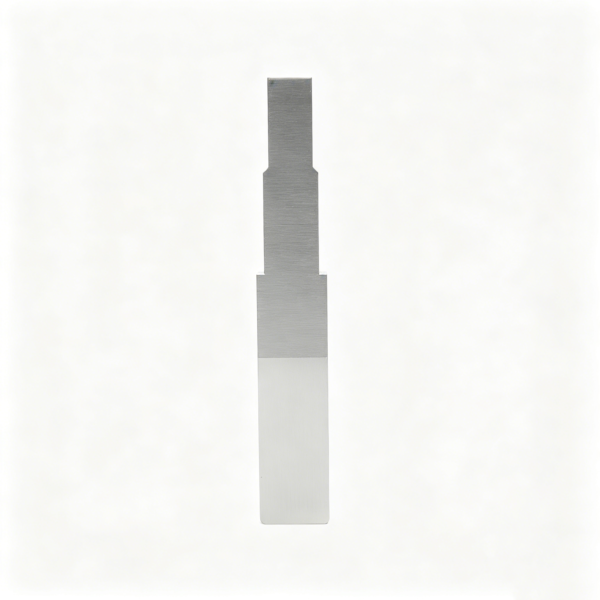
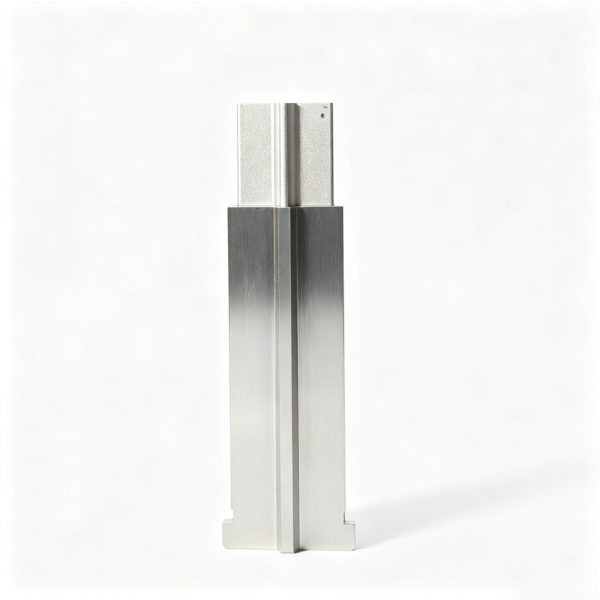
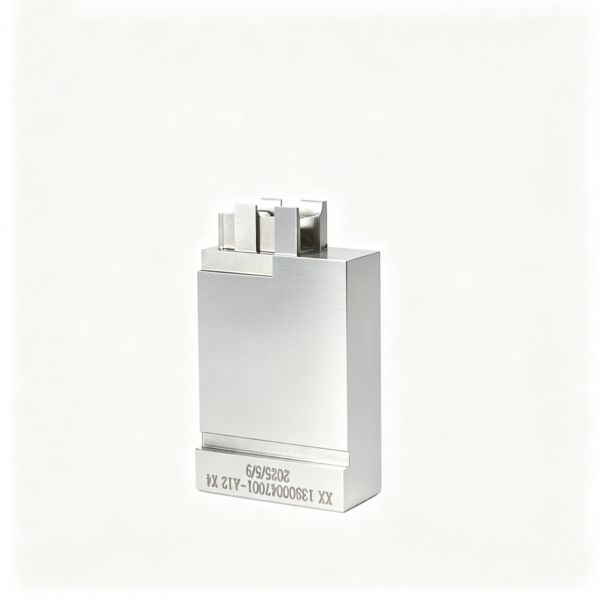
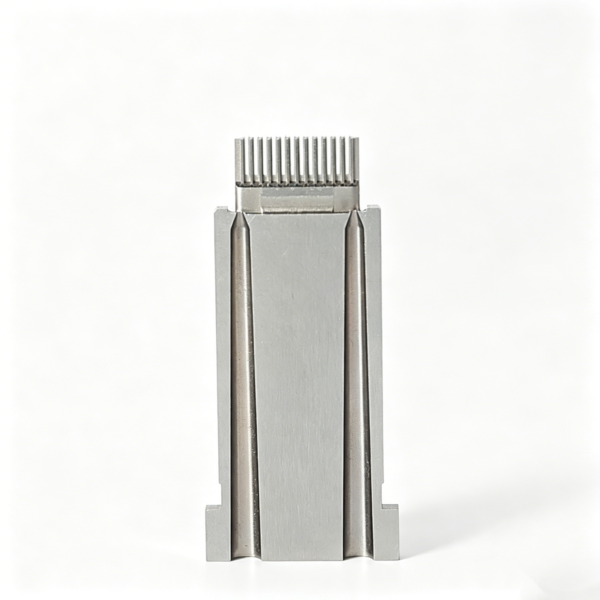
| Component types | Core pins, cavity inserts, sleeves, gate inserts, lifter tips, ejector-related precision parts tailored for automotive connectors. |
| Typical applications | Injection molds for multi-pole automotive connectors, sensor housings, terminal blocks, and wire harness interfaces. |
| Material options | High-quality tool steels and stainless steels selected for hardness, toughness, and corrosion resistance based on resin and environment. |
| Precision level | Tight dimensional control suitable for fine-pitch connectors and critical alignment features; specific tolerances configured to project needs. |
| Surface finish | Functional surfaces finished to support clean part release and accurate optical or sealing features; polishing and coating available on request. |
| Connector styles supported | Tab-and-receptacle connectors, multi-row housings, sealed and unsealed designs, and bespoke OEM-specific connector families. |
| Mold compatibility | Designed for integration into standard and custom mold bases, compatible with single-cavity and multi-cavity tools. |
| Production environment | Suited for high-volume automotive injection molding lines with automated handling, vision inspection, and in-line testing. |
| Customization scope | Geometry, material selection, heat treatment, and finishing customized based on customer drawings and connector performance targets. |
Use Cases & Ideal Customers
These mold components are designed around real-world applications in the automotive supply chain, from development samples to full series production.
- Automotive connector mold makers looking for stable, easy-to-integrate inserts and core pins that match OEM drawings and support fast tool qualification.
- Tier 1 and Tier 2 injection molders supplying harness connectors, ECU plugs, sensor connectors, and fuse box components to automotive manufacturers.
- Engineering teams and tool designers working on new connector platforms requiring fine-pitch contacts, miniaturization, or upgraded environmental performance.
- Maintenance and tooling departments responsible for keeping existing connector molds in spec by replacing worn components without extended downtime.
Typical usage scenarios include multi-cavity connector tools running engineering plastics such as PA, PBT, or other high-performance resins, often with reinforcement or flame-retardant additives. In these settings, robust and accurate mold components help maintain terminal position, ensure proper latch function, and support leak-tight sealing with gaskets or overmolds where applicable.
Selection, Care & Buying Guidance
Choosing the right set of precision mold components is critical to hitting both performance and cost targets on an automotive connector program. Consider the following when specifying components:
- Connector design and pitch: Fine-pitch connectors and micro-geometry features typically require higher-precision core pins and inserts, as well as special attention to alignment and support.
- Resin system: Glass-filled and high-temperature plastics demand tougher, more wear-resistant steels and may benefit from protective coatings or upgraded surface treatments.
- Expected volume: High-volume, long-life programs justify enhanced material and finish options to reduce maintenance and downtime over the tool’s life.
- Molding environment: Automated demolding, vision inspection, and downstream assembly can all influence how components should be designed to minimize sticking and cosmetic defects.
To maximize service life, adopt a structured maintenance plan for your connector molds. Routine cleaning to remove resin build-up, careful inspection of high-wear areas such as fine core pins and small latch features, and timely replacement of worn inserts all help maintain dimensional stability. Proper lubrication of moving elements and the use of suitable rust inhibitors during storage also contribute to consistent performance across the tool’s lifecycle.
When ordering, provide component drawings or detailed connector specifications, including resin information and target lifetime, so the configuration of material, heat treatment, and finish can be aligned with your production goals. Working this way helps avoid over- or under-specification and ensures you receive components that balance precision, durability, and cost.
FAQ
Are these mold components compatible with my existing automotive connector molds?
Yes. Components are typically built from your drawings or matched to existing tooling dimensions, so they can be integrated into current mold bases for connector programs without redesigning the entire tool.
How do I specify the right components for my connector design?
You can share connector drawings, 3D models, and resin information along with target production volume. This information helps determine suitable core pin diameters, insert geometry, material selection, and surface finish to match your connector requirements.
What about dimensional tolerance and pitch accuracy for fine-pitch connectors?
The components are manufactured for stringent dimensional control suitable for fine-pitch terminal layouts. For very small connectors, tighter machining limits can be discussed during the quotation stage to ensure alignment with your quality plan.
Can these components handle glass-filled or flame-retardant engineering plastics?
Yes. For abrasive or chemically aggressive resins, appropriate tool steels and heat treatments can be selected, and optional surface treatments can be added to improve wear resistance and maintain edge sharpness at critical features.
What maintenance is recommended to extend component life?
Regularly clean the mold to remove deposits, inspect fine pins and inserts for wear, and replace any damaged components promptly. Proper lubrication of moving parts and rust protection during storage also helps extend service life.
How are these components shipped and protected during transit?
Each component is individually packaged or grouped in protective materials to avoid damage to critical surfaces and edges. For export shipments, additional cushioning and corrosion protection are typically used so parts arrive ready for installation.
Do you support prototype or low-volume connector projects?
Yes. Components can be configured for prototype tools or short runs, allowing you to validate new connector designs before committing to full-scale production tooling.
What is the usual lead time for custom automotive connector mold components?
Lead time depends on complexity and order volume. Simple replacement parts are typically faster, while new, highly customized geometry may require additional engineering and trial fit before shipment.
What happens if a component does not fit as expected?
If there is a discrepancy between the delivered component and the approved drawing, adjustments, remanufacture, or replacement can be arranged according to the agreed terms. Providing accurate drawings and samples at the start helps avoid fit issues.
Is there any warranty or return policy on the mold components?
Warranty and returns are typically handled under the supplier’s standard terms, which may cover manufacturing defects or non-conformance to drawings. Usage-related wear is usually considered normal, so maintaining a clear maintenance log is recommended.
Related products
Same drawing, predictable results—next batch
Share revision, quantity ramp, and inspection level. We quote process route, ship date, and documentation in one structured response.